June 11, 2023
The first full week of June I spent in Northern Ontario on a work trip. Although we tend to focus on the GTA in this blog, it seemed like a good idea to “mine” my picture gallery to see if there is some information that could be shared with our readers. Although it was a business trip I found time to see some of the local history along the way. It soon became obvious to me that there could be a theme around mining and underground complexes and so in this post I present some short stories with a common theme. Links to each site will be provided in the text.
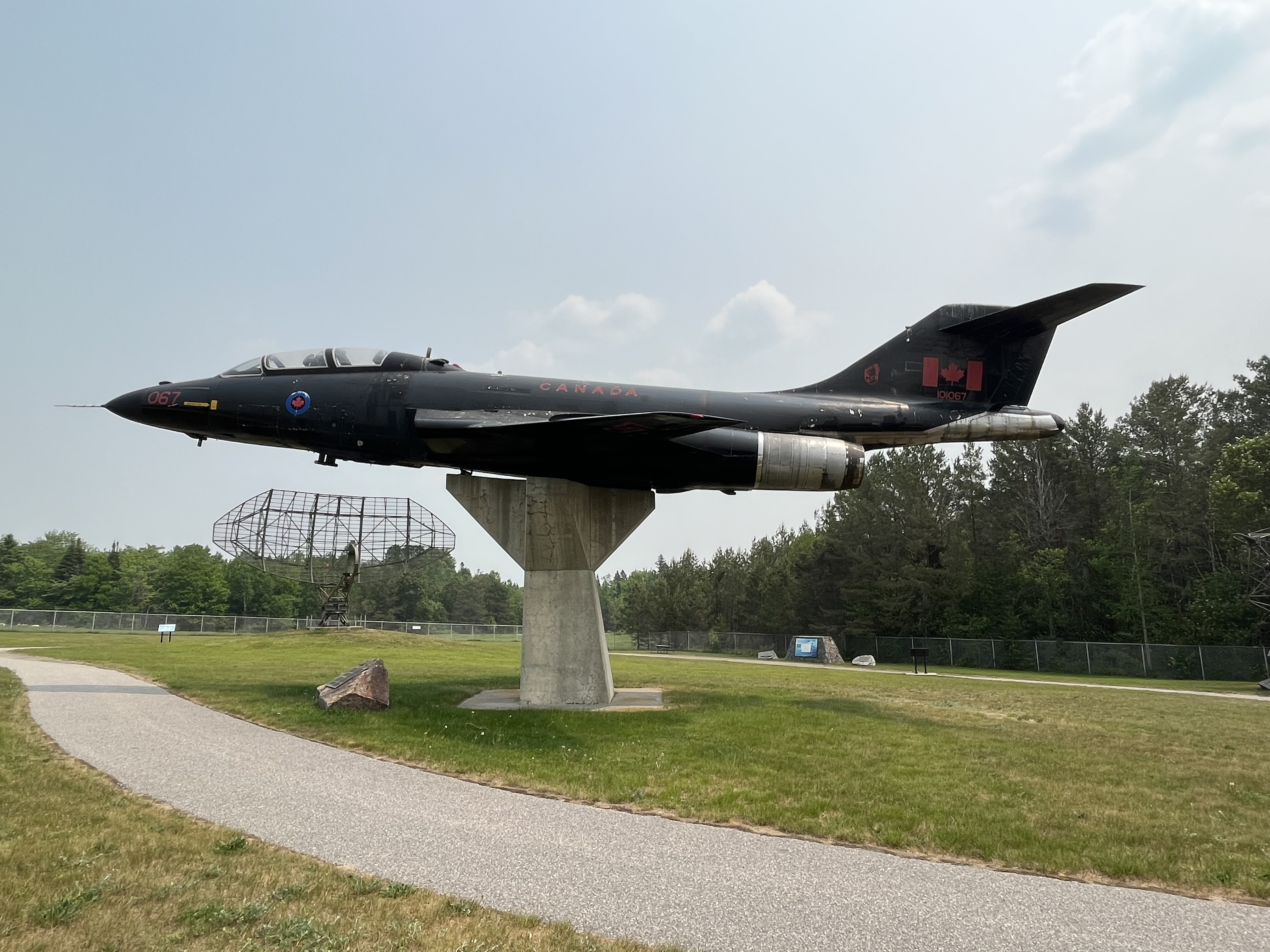
North Bay Airport is also home to 22 Wing Canadian Forces Base North Bay. It is the centre of air defence for the entire country and is partnered with the United States for the defence of all of North America. On May 12, 1958 Canada and the United States signed an agreement called NORAD to partner their resources in the defence of a possible nuclear attack from the Soviet Union. An underground complex was built at North Bay with initial excavation beginning in August 1959. The complex took $51 million dollars to construct and wasn’t completed until October 1963. It sits 180 metres below ground and has a floor space of 12,780 square metres. From down there the air defence was conducted in a bunker that was safe from nuclear attack.
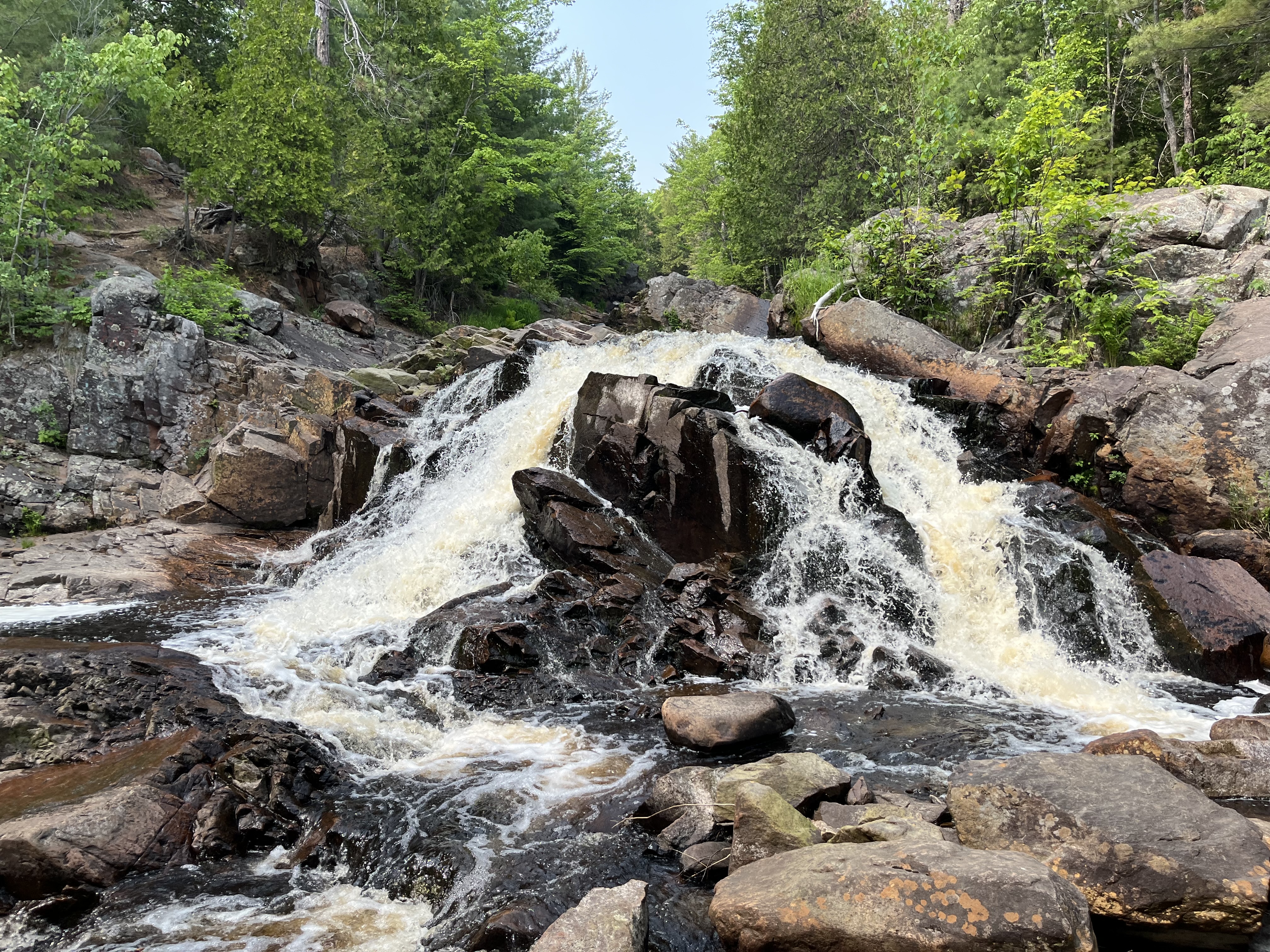
After visiting my clients in North Bay it was time to make my way to Sudbury for the night. I made a stop at the East Duchesnay Falls site to do a little exploring. The falls cascade as they drop 100 metres over the escarpment. While the waterfalls are located close to the Trans Canada Highway, there are extensive trails that allow you to explore Duchesnay Creek.
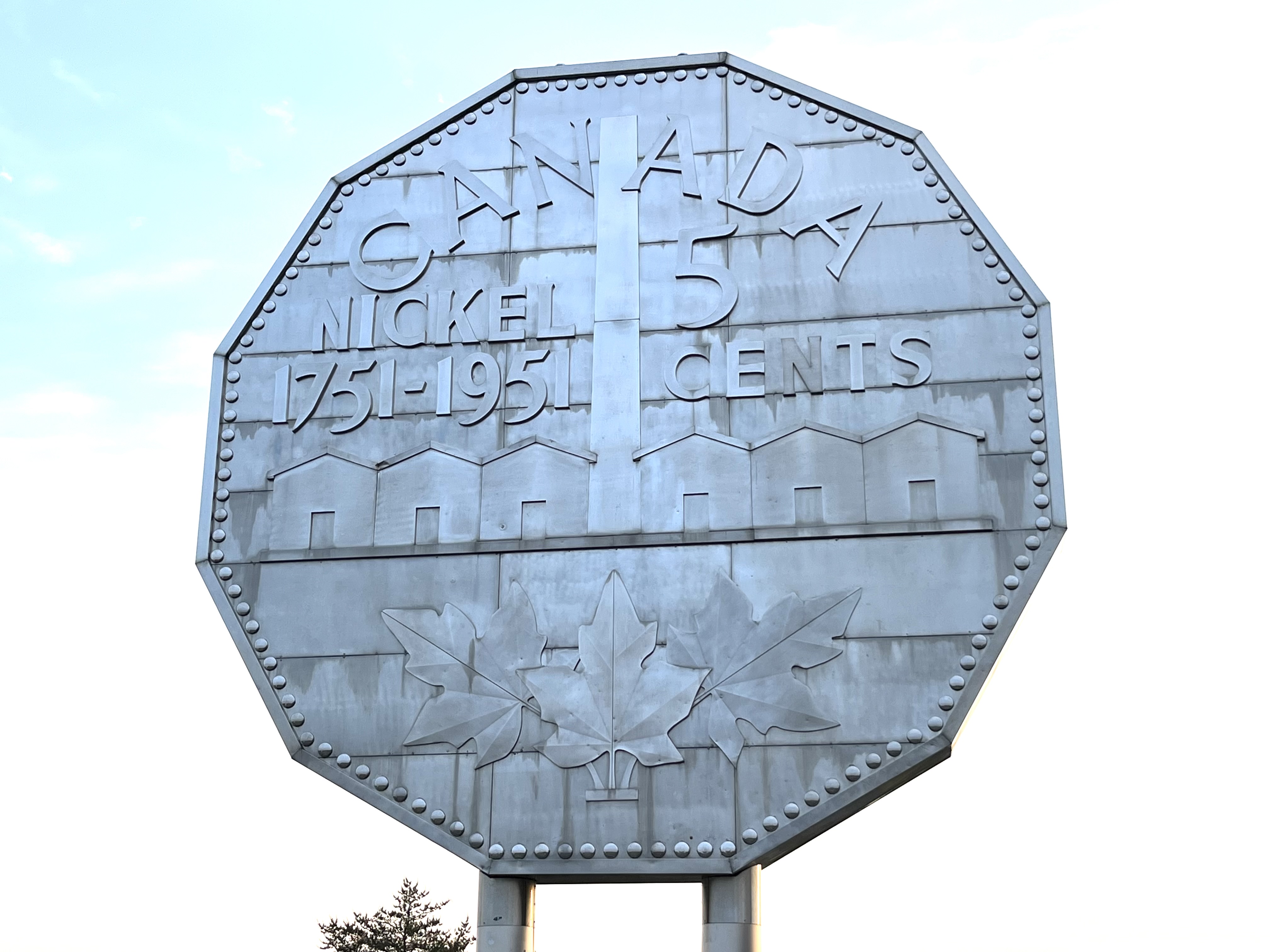
In 1883 while blasting for the Canadian Pacific Railway in the area of Sudbury some interesting rock features were discovered. Soon the Sudbury basin was producing nickel, copper, gold, silver and platinum. In 1900 the Creighton mine was opened and soon became the largest nickel mine in the world. In 1949 the Bank of Canada launched a competition to design a coin to commemorate the 1751 isolation of nickel. The coin was issued in 1951 and features King George VI on the back. A giant replica of this nickel was created and in 1964 the “Big Nickel” was installed in Sudbury at the site of a proposed mining museum. The Big Nickel is 9.1 metres tall and 0.61 metres thick and is the largest coin in the world.
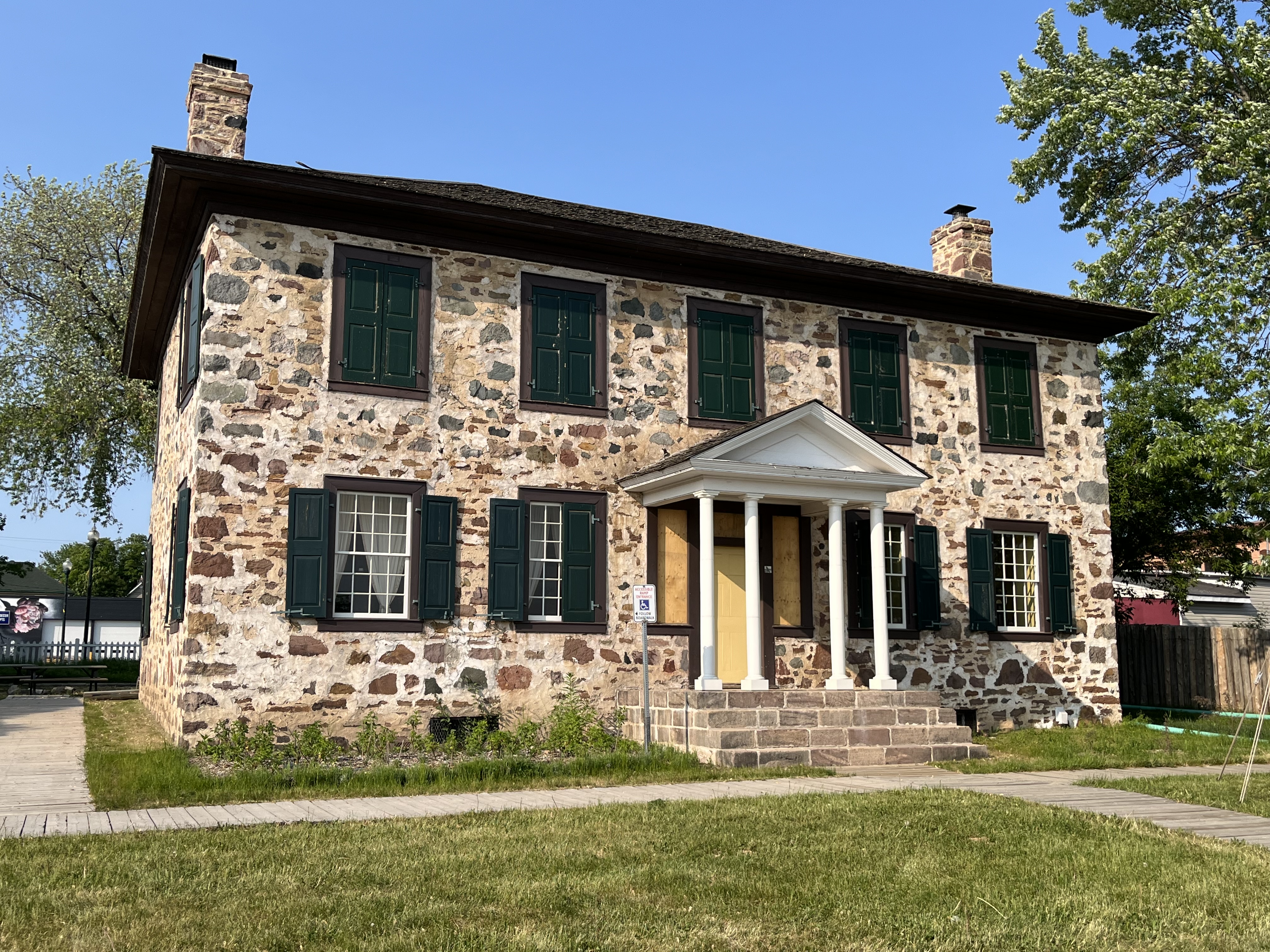
Sault Ste Marie boasts the oldest remaining house in Northwestern Ontario and this city was my next stop on my business trip. This 5-bay Georgian style house was built between 1814 and 1823. Charles Ermatinger was an employee of the North West Company and built this home when the town was still a small fur trading post on the Upper Great Lakes. For a time the home was the centre of the local social life with many visitors including Lord Selkirk. From Sault Ste Marie it was off to Kirkland Lake for the third night of my journey.
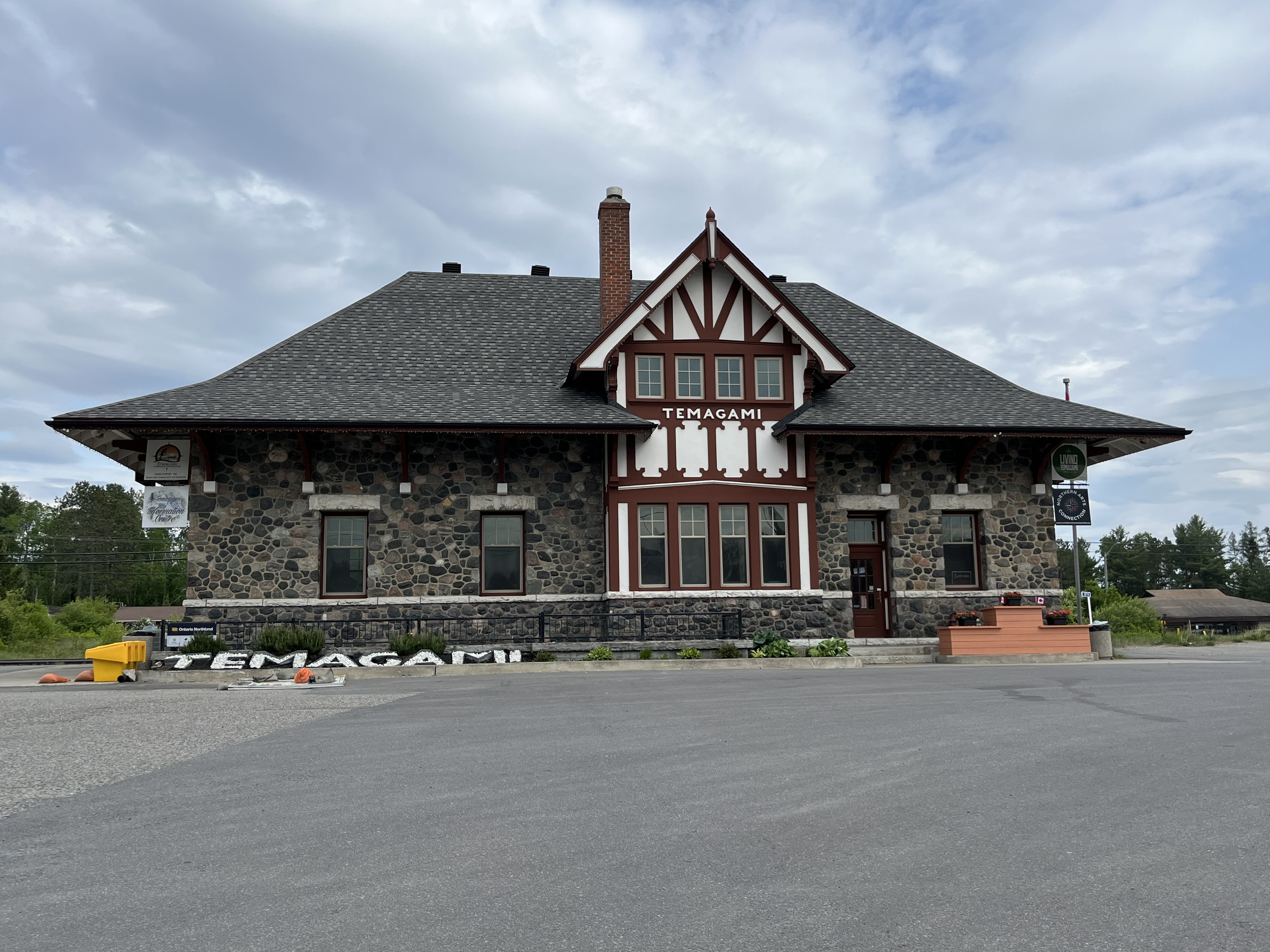
The railway was instrumental in the development of mining. Not only did it provide the means to access minerals and deliver them to markets it was also instrumental in the discovery of deposits. When workers were looking for trees to use for ties they sparked the largest silver rush in Canadian history. The town of Cobalt was founded on the silver mines that sprang up after this discovery. We will return to them later. The Temiskaming and Northern Railway was incorporated in 1902 and it was this lines construction that led to the discovery of silver. The railway Station in Temagami is one of the ones built on the line. Originally built in 1907 it has been subjected to alterations and fire damage. It is currently restored as a showpiece of railway architecture.
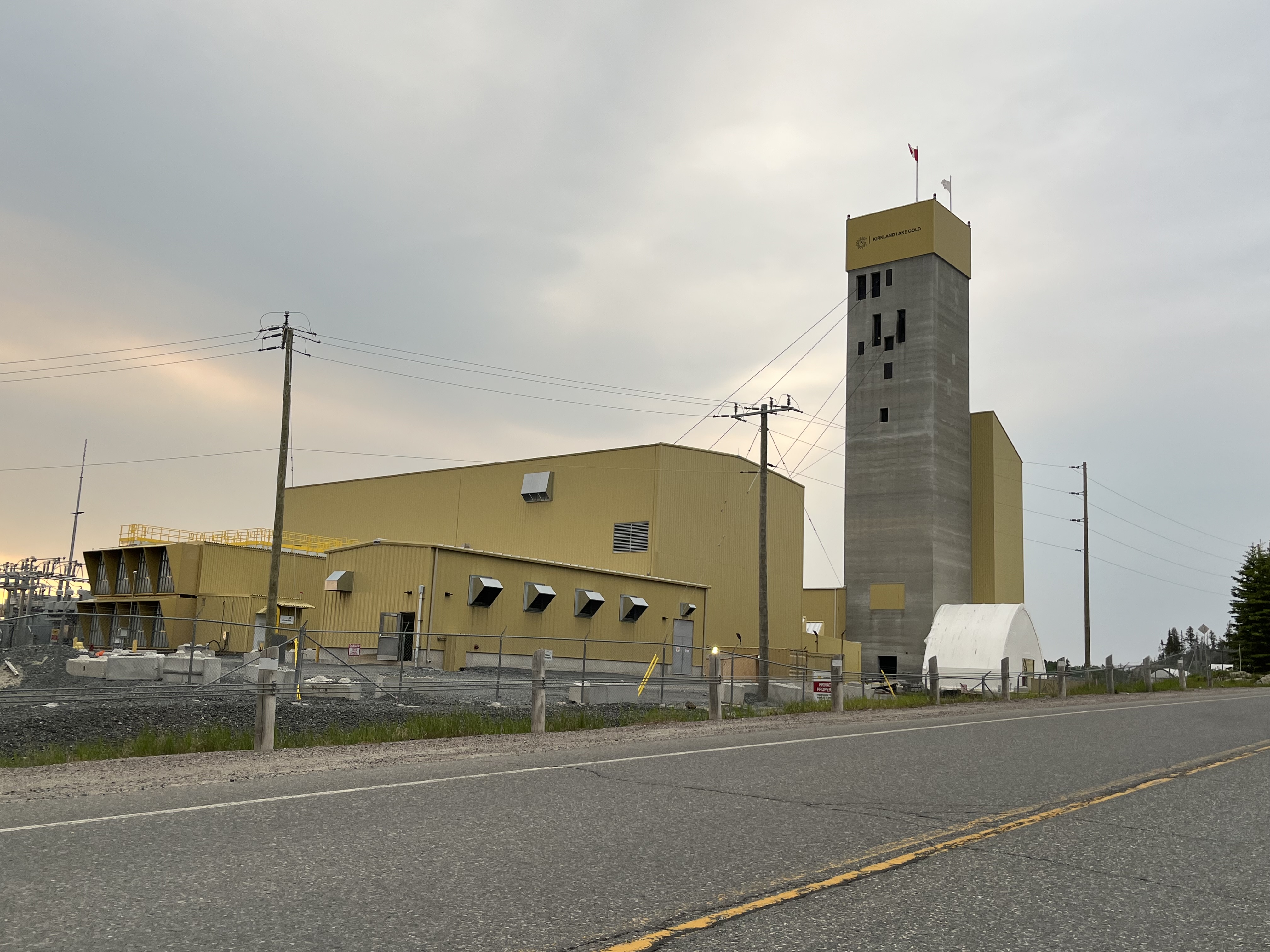
Prior to 1911 Kirkland Lake didn’t exist as a community. Two men were out hunting for rabbits when they discovered gold and changed local history forever. By 1940 there were over 24,200 residents in town and 20% of them worked for one of the seven mines that ran along the “Golden Mile” in town. Today there are only about 8,000 residents but Kirkland Lake Gold continues to find and exploit new sources of gold in the area. Over 700 metric tonnes of gold have been extracted from the local mines, roughly about 1/3 of a trillion dollars in today’s economy.
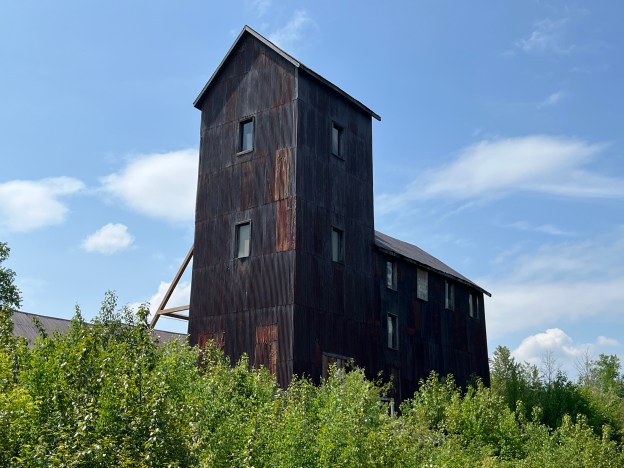
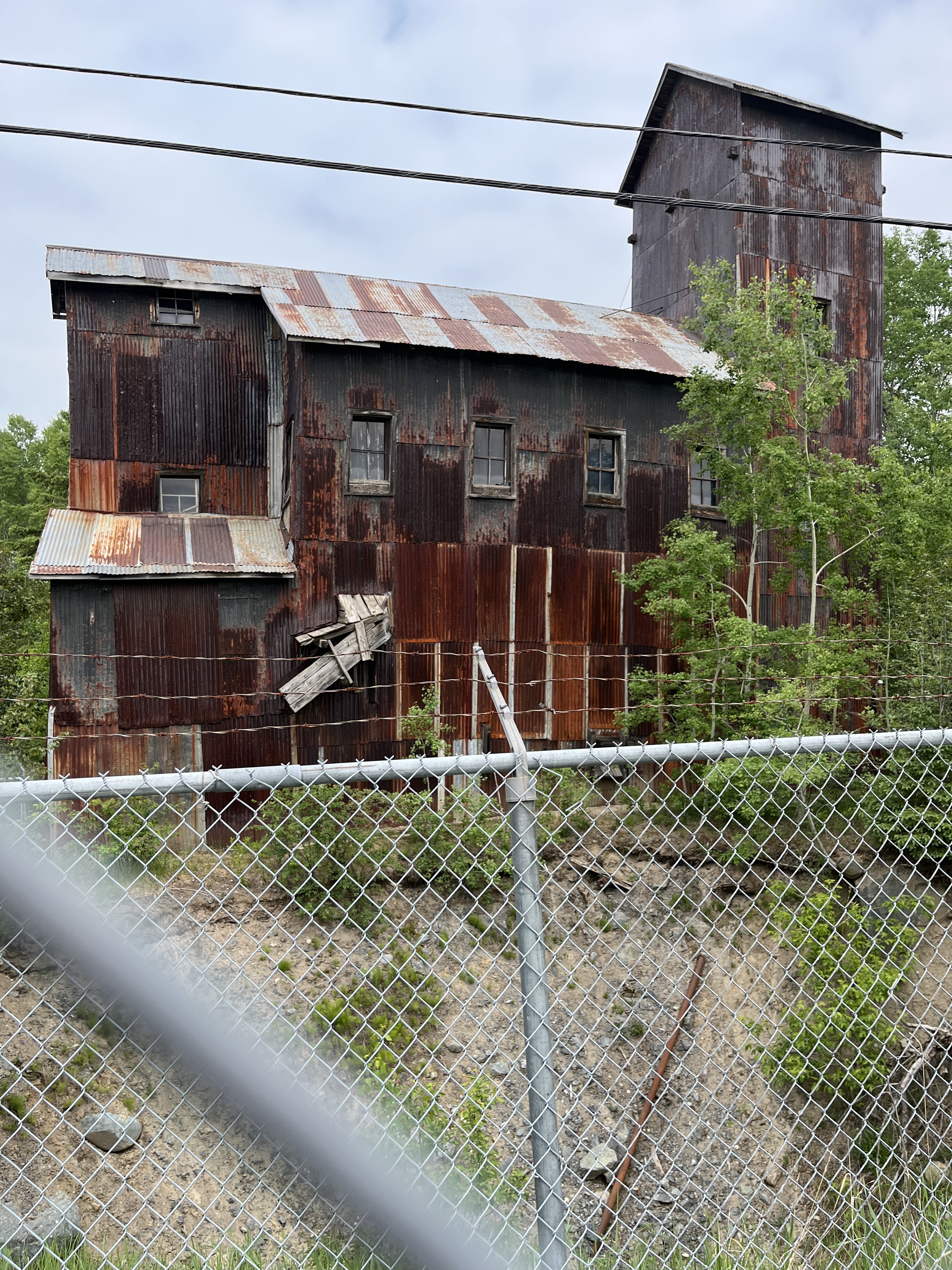
While Kirkland Lake was founded on gold, my next stop, Cobalt was founded on Silver. In 1903 the discovery of silver led to a major silver rush and the founding of over 100 active mines. By the 1920s the price of silver versus extraction costs had caused many of these to close but in the first 60 years of operations the combined outputs were over 420 million ounces of silver. The picture below shows Townsite Shaft number 1 which was sunk in 1907 and eventually reached a depth of 320 feet. The town has many other remaining sites and a well documented history which is displayed on historical information signboards throughout the town. The Right Of Way Mine headframe is seen in the cover photo for this post.
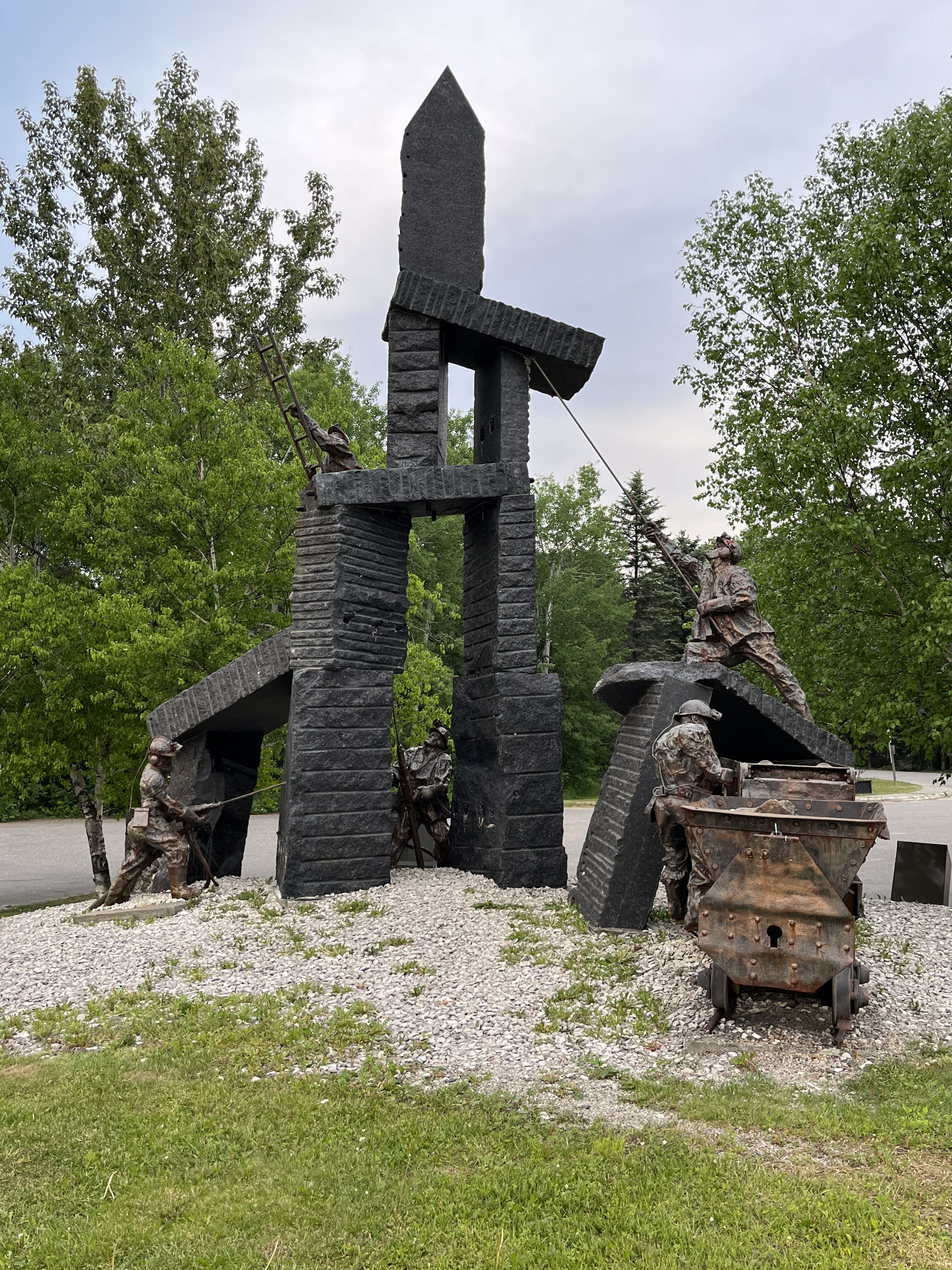
Kirkland Lake has a small park dedicated as a memorial to miners who have lost their lives while on the job. In Ontario over 1700 miners have been killed on the job since 1930 and their sacrifice is honoured here. There is a set of statues depicting mining operations as well as this three part memorial that lists the names and dates of the deaths of 286 people killed in local mining operations.
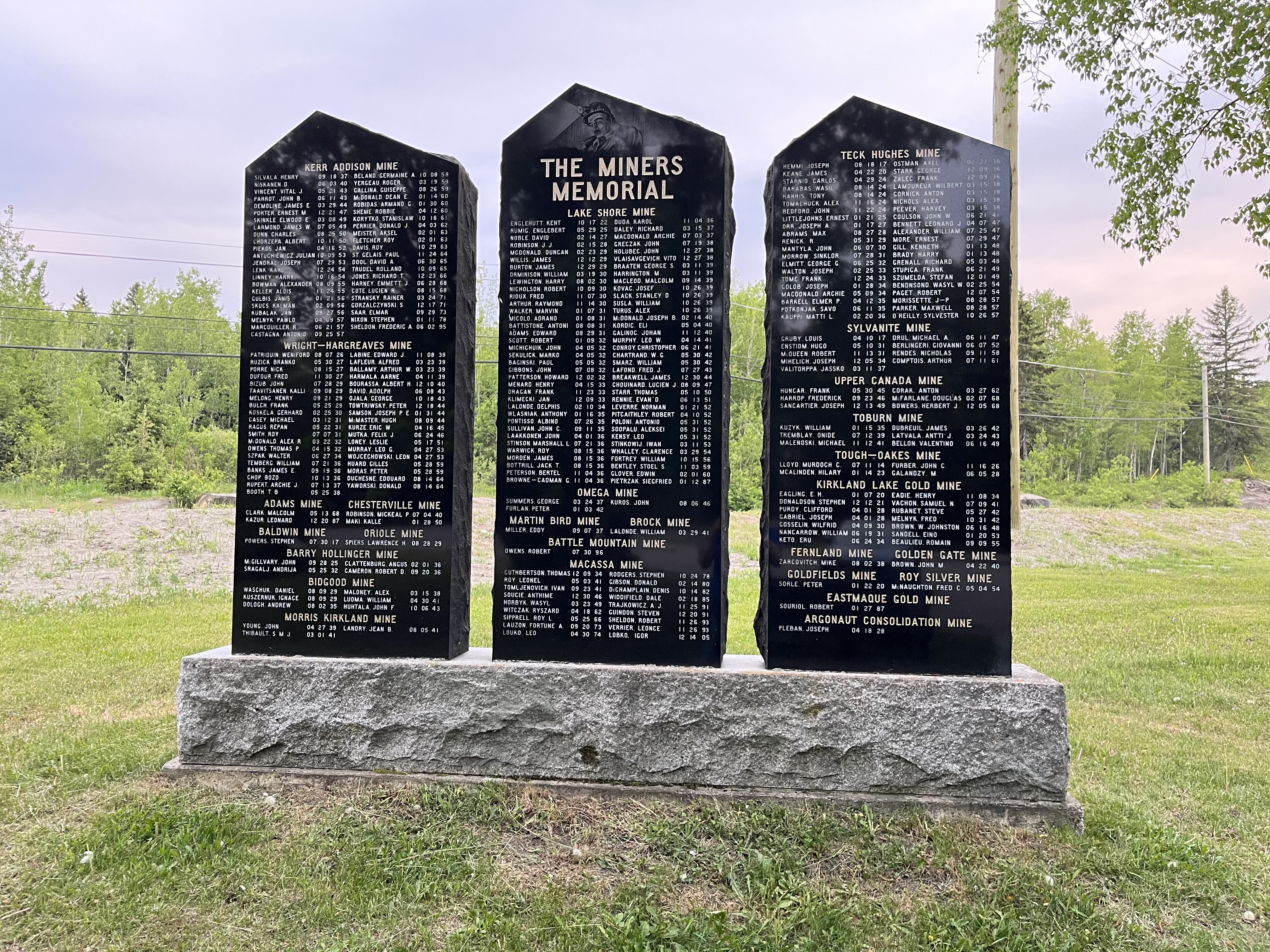
The Miner’s Memorial statue in Kirkland Lake.
There is so much to be discovered in Northern Ontario and I have to make a trip every four months so watch for future posts on some other aspects of this part of the province.
Google Maps Links are throughout the story.
Like us at http://www.facebook.com/hikingthegta
Follow us at http://www.hikingthegta.com
Also, look for us on Instagram


 Hiking the GTA