January 13, 2024
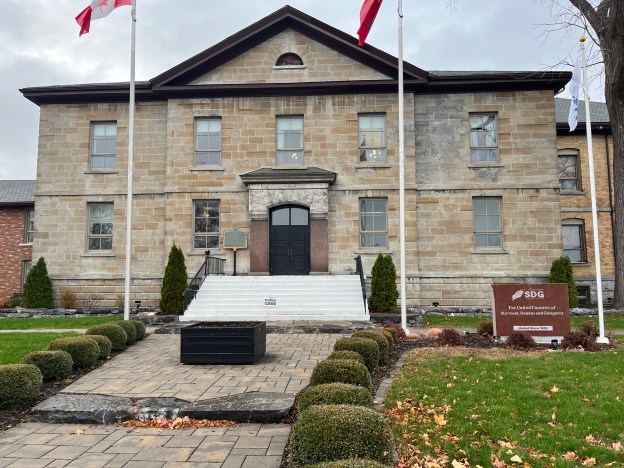
The old jail in Cornwall is one of the oldest surviving public buildings in the province. I had the opportunity to visit it on the same business trip that resulted in our past two stories Prescott Waterfront and Lost Villages of the St Lawrence River. This completes a trilogy of Eastern Ontario posts.
Indigenous People had lived along the St. Lawrence River for thousands of years before the arrival of Europeans. The first formally documented settlement of Europeans in the area occurred in 1784 when United Empire Loyalist moved north from Johnstown, New York following the end of the American Revolution. They founded New Johnstown which was later renamed Cornwall. The Eastern District known as Lunenburgh was established in 1788 and six years later an Act of the Legislature of Upper Canada authorized the erection of a court-house and gaol at Cornwall. That legislature was located in Newark (Niagara-On-The-Lake) beginning in 1792. A two-storey frame structure was built in 1802 and served until 1826 when it was destroyed by a fire.
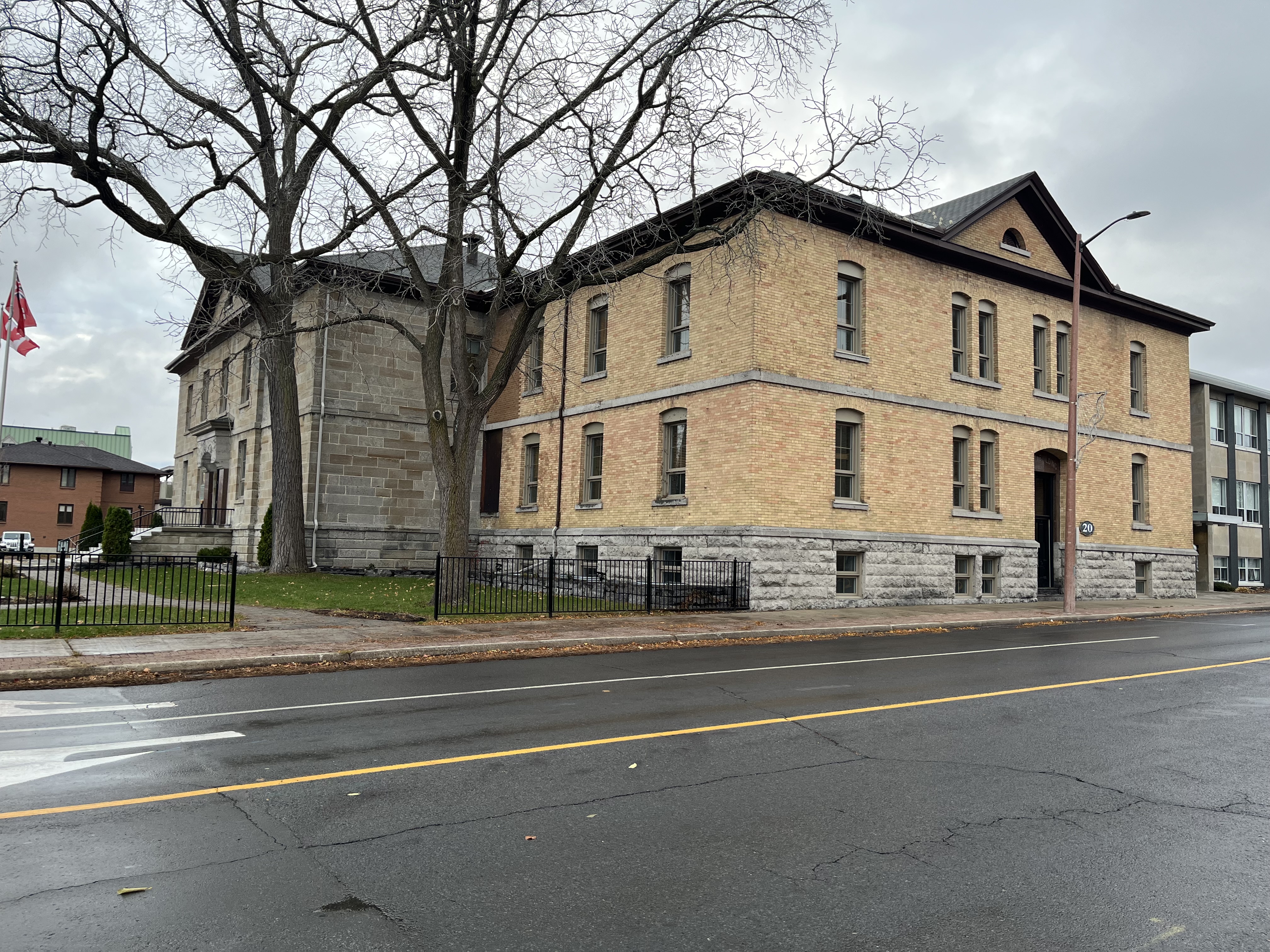
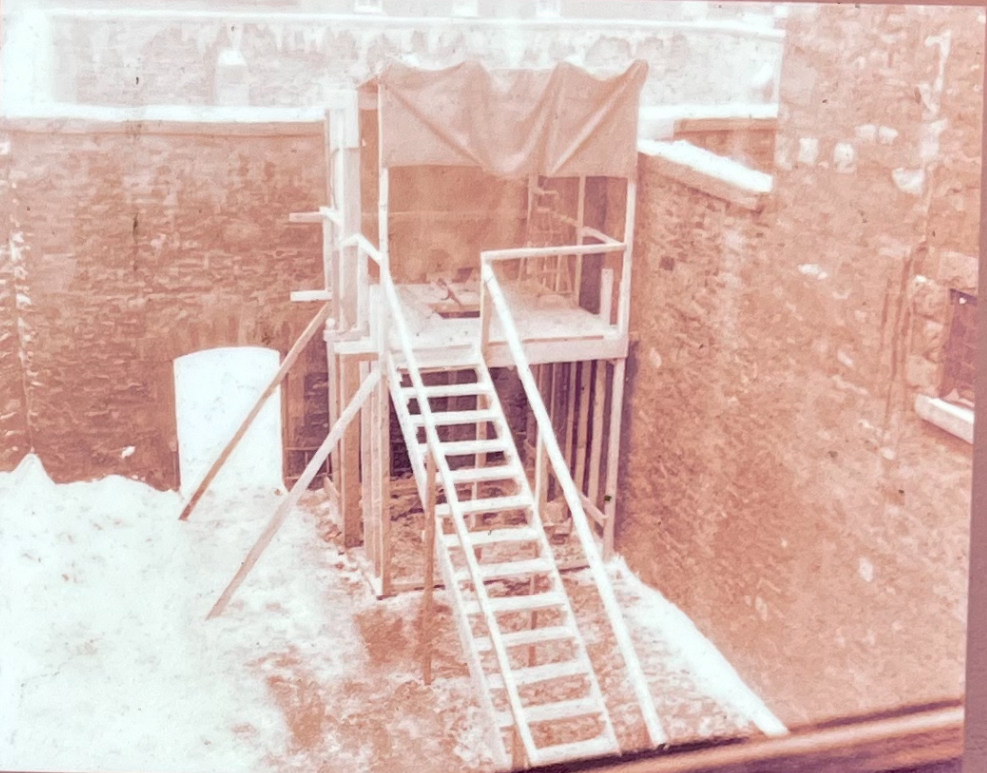
It was replaced in 1833 with the central block of the structure that still stands on the site. The United Counties of Stormont, Dundas and Glengarry were established in 1850 and the building served as the court-house and gaol (jail). The jail opened in 1833 and just two years later the first escape was made. Four prisoners got out and were never found. The jail was expanded in 1869 by adding two new cell blocks. They were nicknamed “Windowless” and “Hell’s Angels Wing”. Clark Brown was incarcerated there for murdering his father and sister in their home in Winchester and he was executed at the jail in 1879. Other executions at the jail were James Slavin in 1892, John Vergryniuk in 1919, Thomas Collison in 1925 and in 1954 Peter Balcombe. Also in 1954 Henry Seguin was to be executed but committed suicide first.
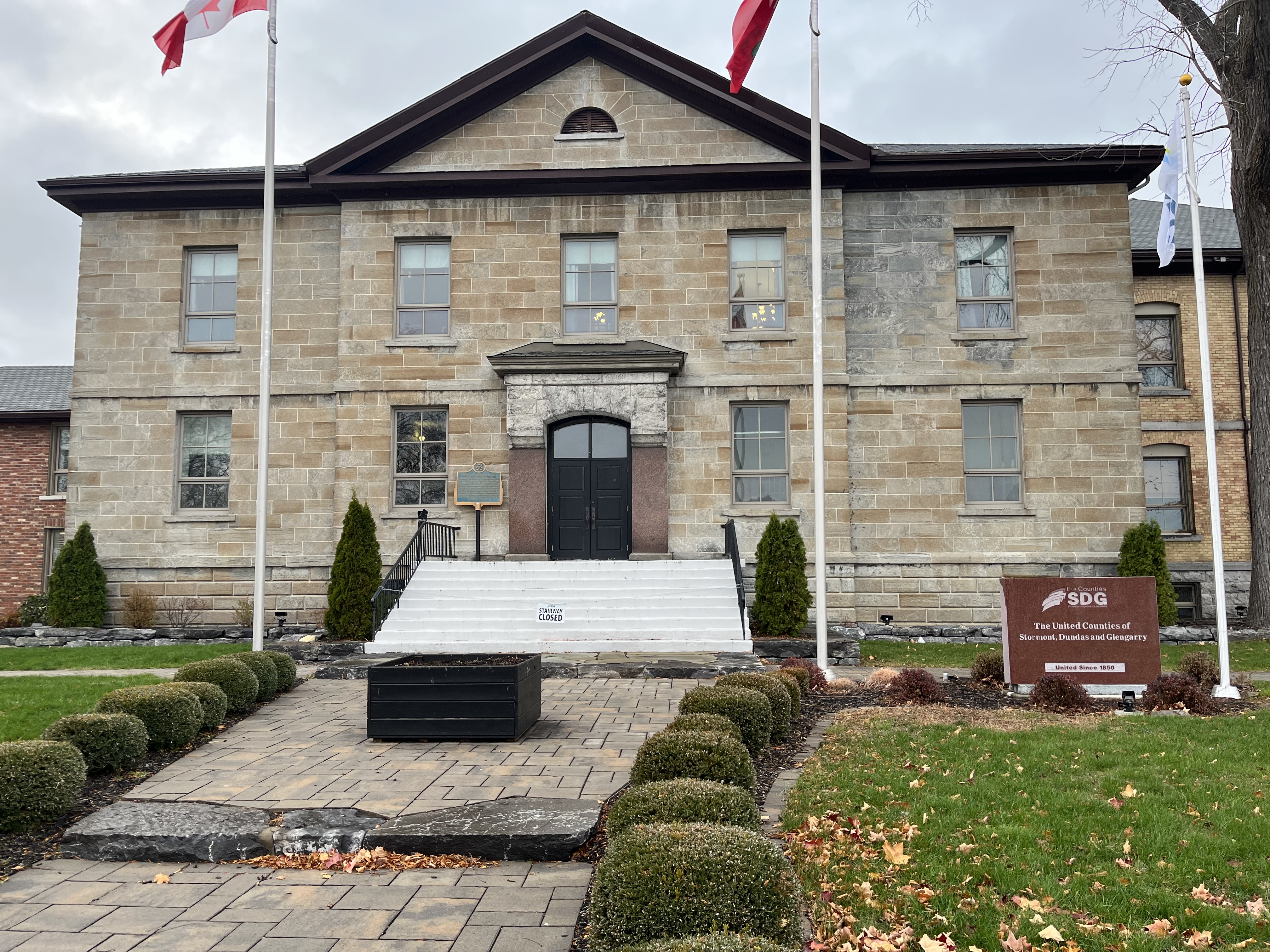
The jail was modernized in 1971 with security cameras, showers, toilets and electronic locks. In 1985 a general population cell block and a female section was added. A final escape was made in 1995 but the convict was caught in less than an hour as he went to visit his dying grandfather. The jail was decommissioned in 2002 and the inmates transferred to Ottawa.
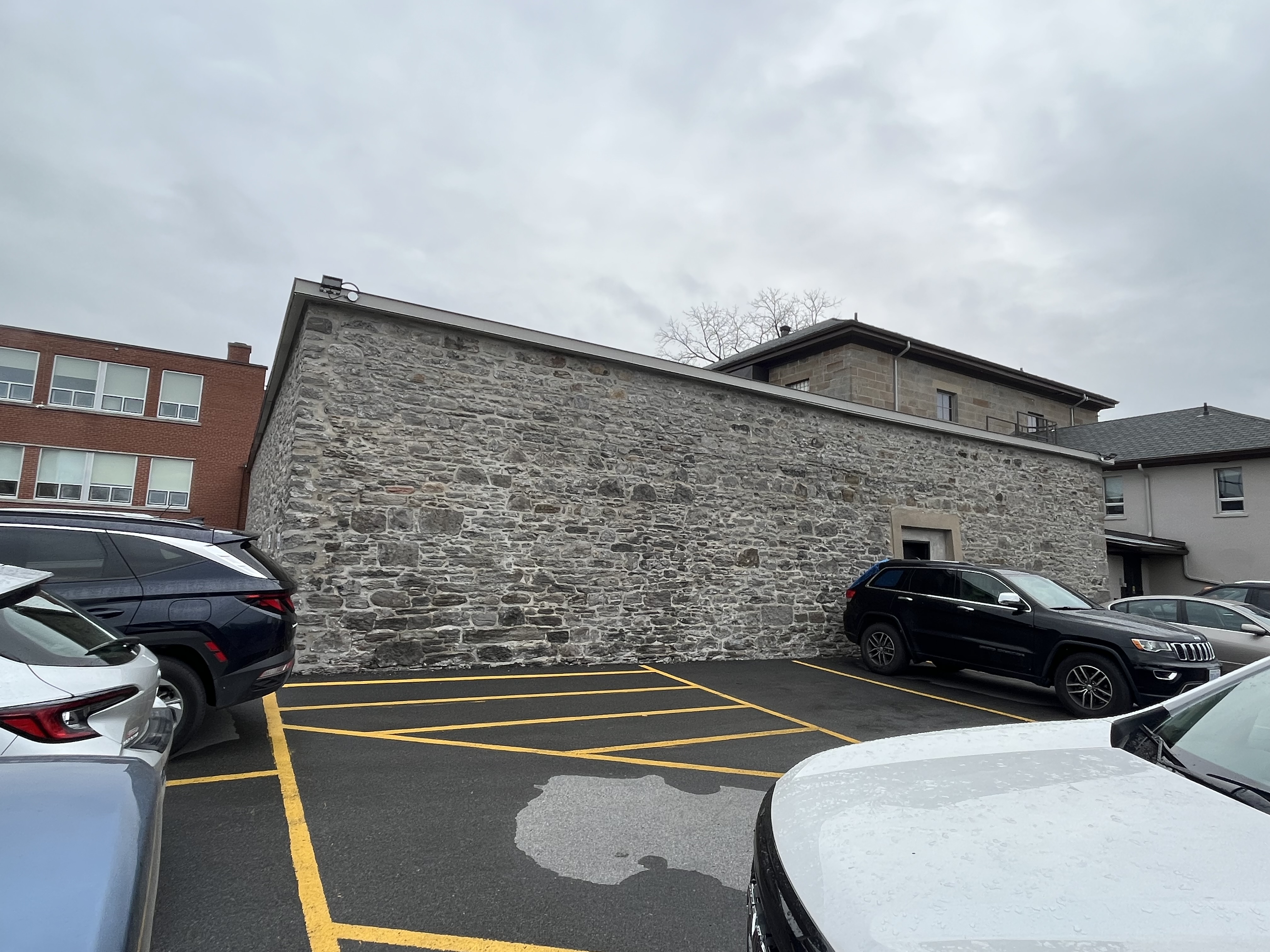
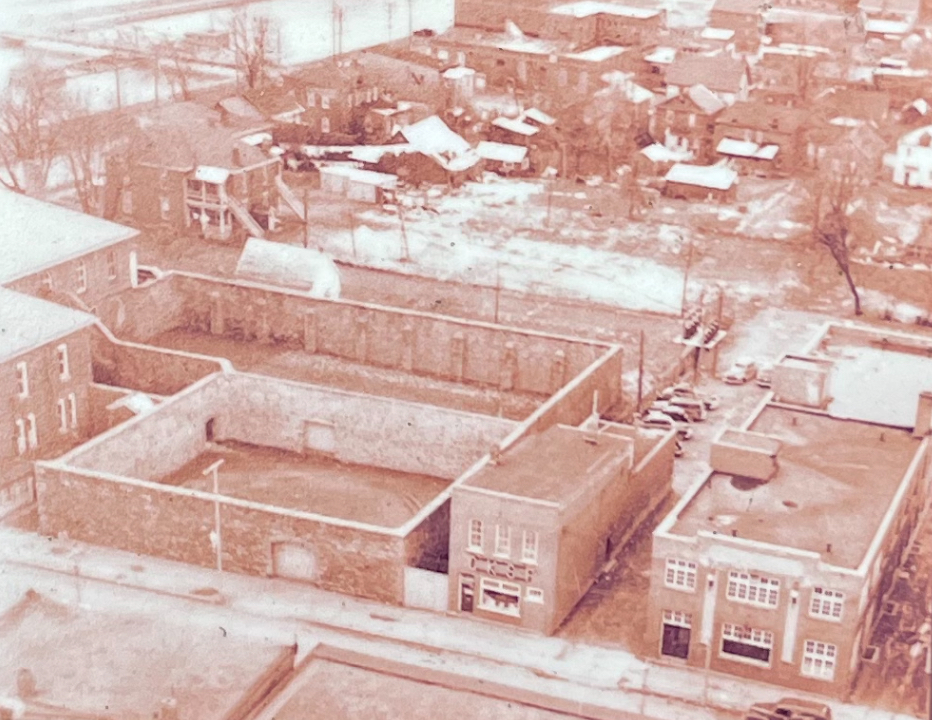
The aerial view below was taken from the information board at the jail and shows the outdoor exercise yards.
Like many jails, the Cornwall jail had its share of deaths over the decades. People died from suicide, illness, torture and violence as well as the five executions by hanging. There are still many unclaimed bodies which are buried beneath the former exercise yard. They were also buried under what is now the parking lot. During the 1985 expansion of the jail, several bodies were dug up including those of Henry Seguin and Peter Balcombe. It is estimated that there is around 100 bodies buried on the site. This has led to many claims of paranormal activity in the old building and many “ghost hunters” have come to seek evidence.
Tours of the jail are conducted during the summer months, usually between May and August. Check their website at www.historicsdgjail.com for more details and see for yourself if you feel any spirits during your visit.
Related Stories: Prescott Waterfront, Lost Villages of the St Lawrence River
Google Maps link: Cornwall Jail
Like us at http://www.facebook.com/hikingthegta
Follow us at http://www.hikingthegta.com
Also, look for us on Instagram
 Hiking the GTA