June 25, 2023
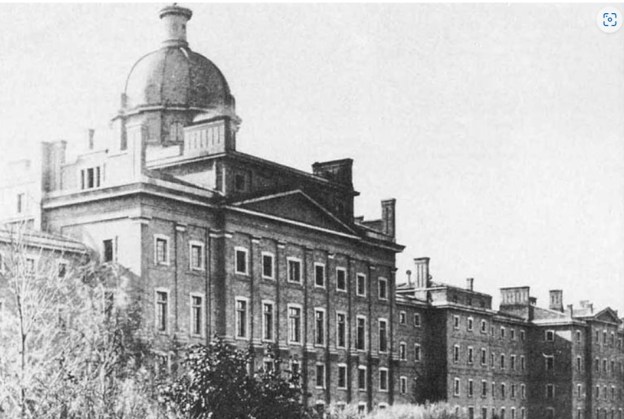
In Upper Canada slavery was officially abolished in 1793 but some forms of slavery continued for many decades after that. One example is the unpaid, forced labour that was used at the Provincial Lunatic Asylum. In the early years of Upper Canada people who had mental health problems were either locked up in their homes if they were considered to be “quiet lunatics” or if they were “furious lunatics”, put in jail. In 1830 a group of magistrates started calling for a more humane form of treatment. Due to political squabbling nothing was done until 1845. A site was chosen well outside the city limits at what would later be given the address 999 Queen Street West. The image below is a sketch showing the asylum building in 1848.
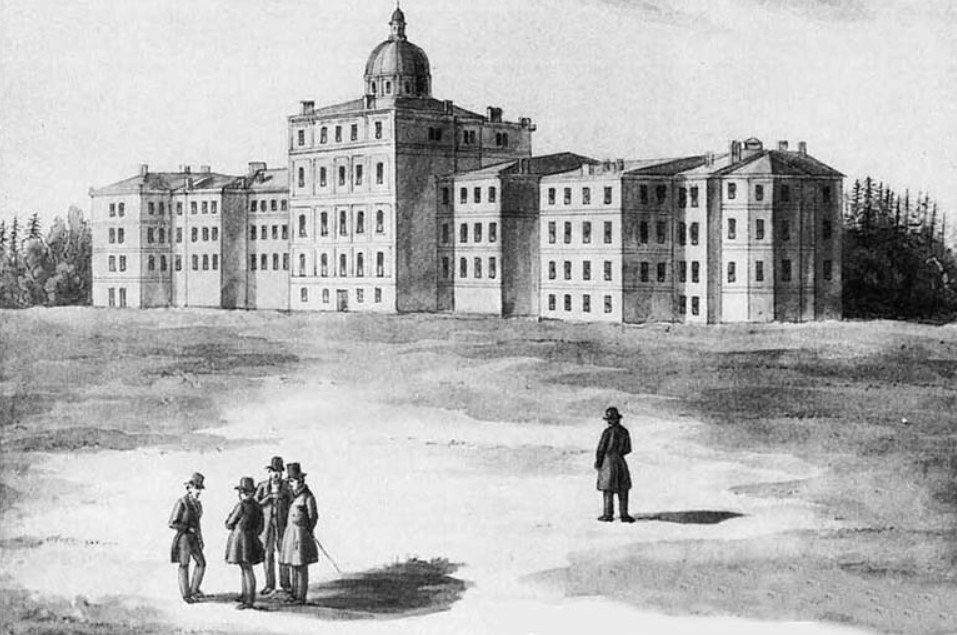
John George Howard was the first professional architect in Toronto and designed several prominent buildings in the 19th century. One example is the British Bank of North America which was built at Yonge and Wellington Streets. More can be found on this bank in our post Toronto’s Early Banks. He also built Colborne Lodge and later donated it and the surrounding lands to the city to be used as High Park. He would be called upon to design the Provincial Lunatic Asylum which eventually opened on January 26, 1850.
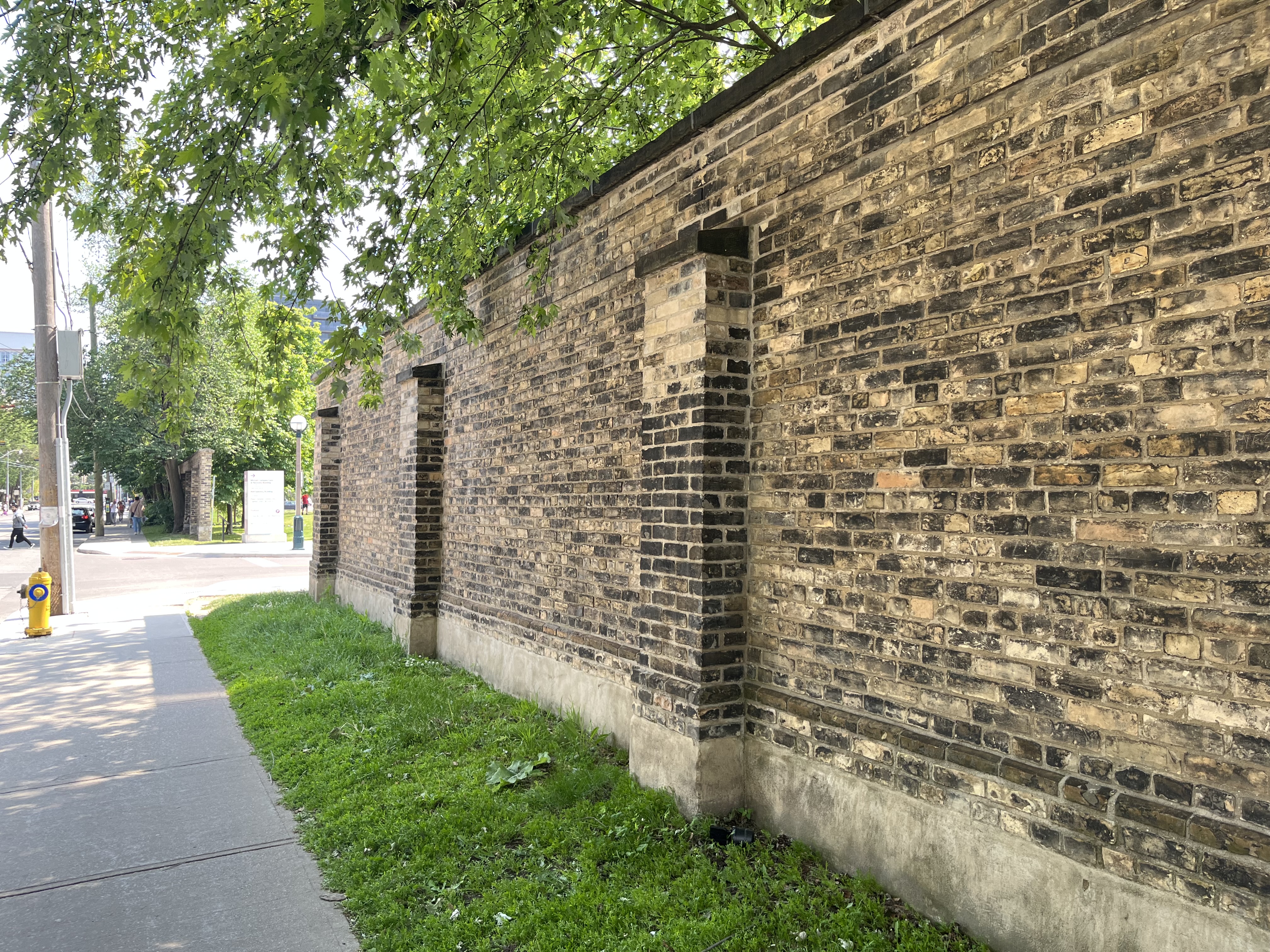
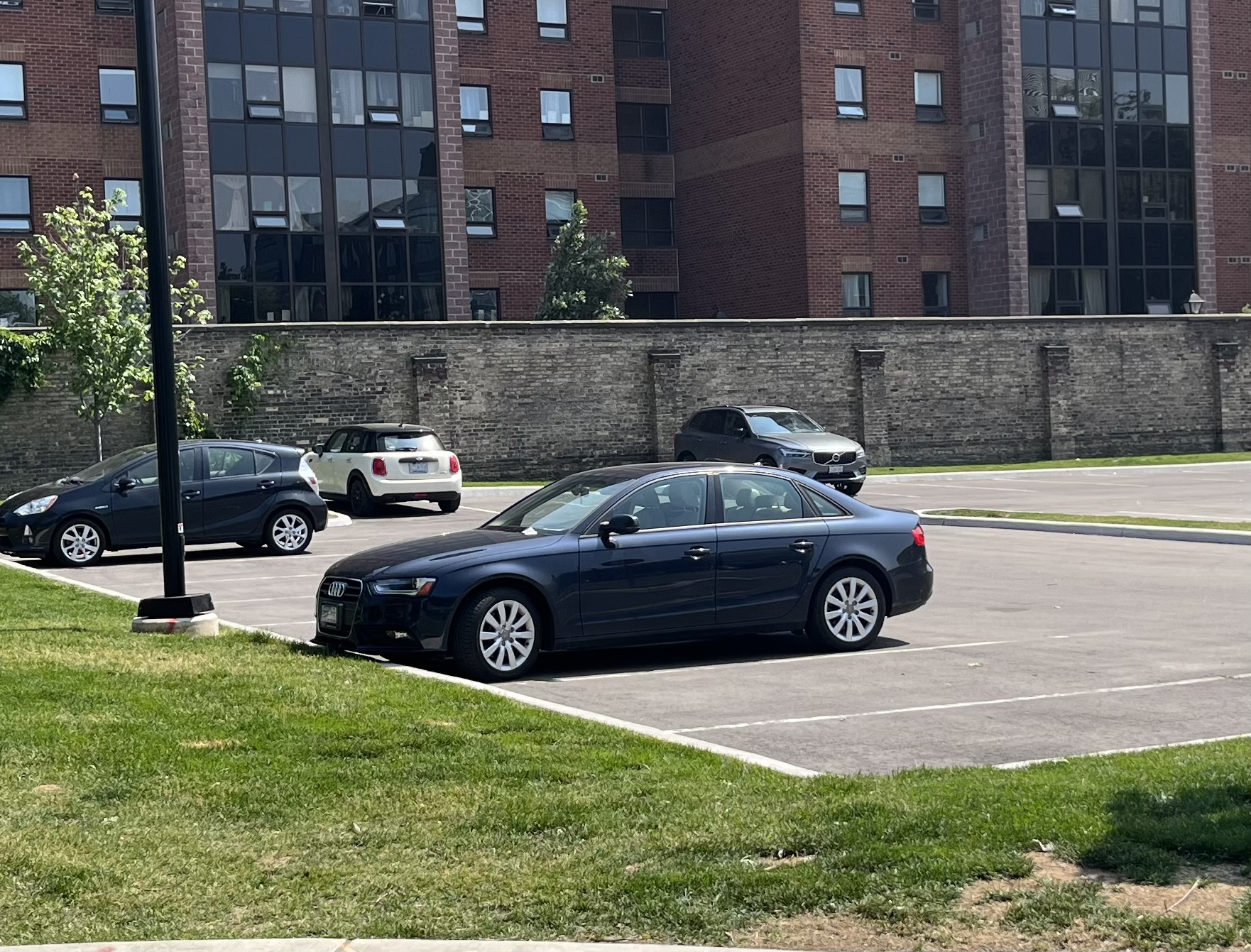
The following year the Provincial Government decided that they should close off the asylum to the rest of the city and a process of building a wall to surround the property was initiated. The wall would eventually encompass 50 acres and reach 2,230 feet long. The 16 foot high structure was built using patients from the asylum who worked for free as part of their “therapy”. The image below shows the southern section of the wall relative to the height of cars in the parking lot.
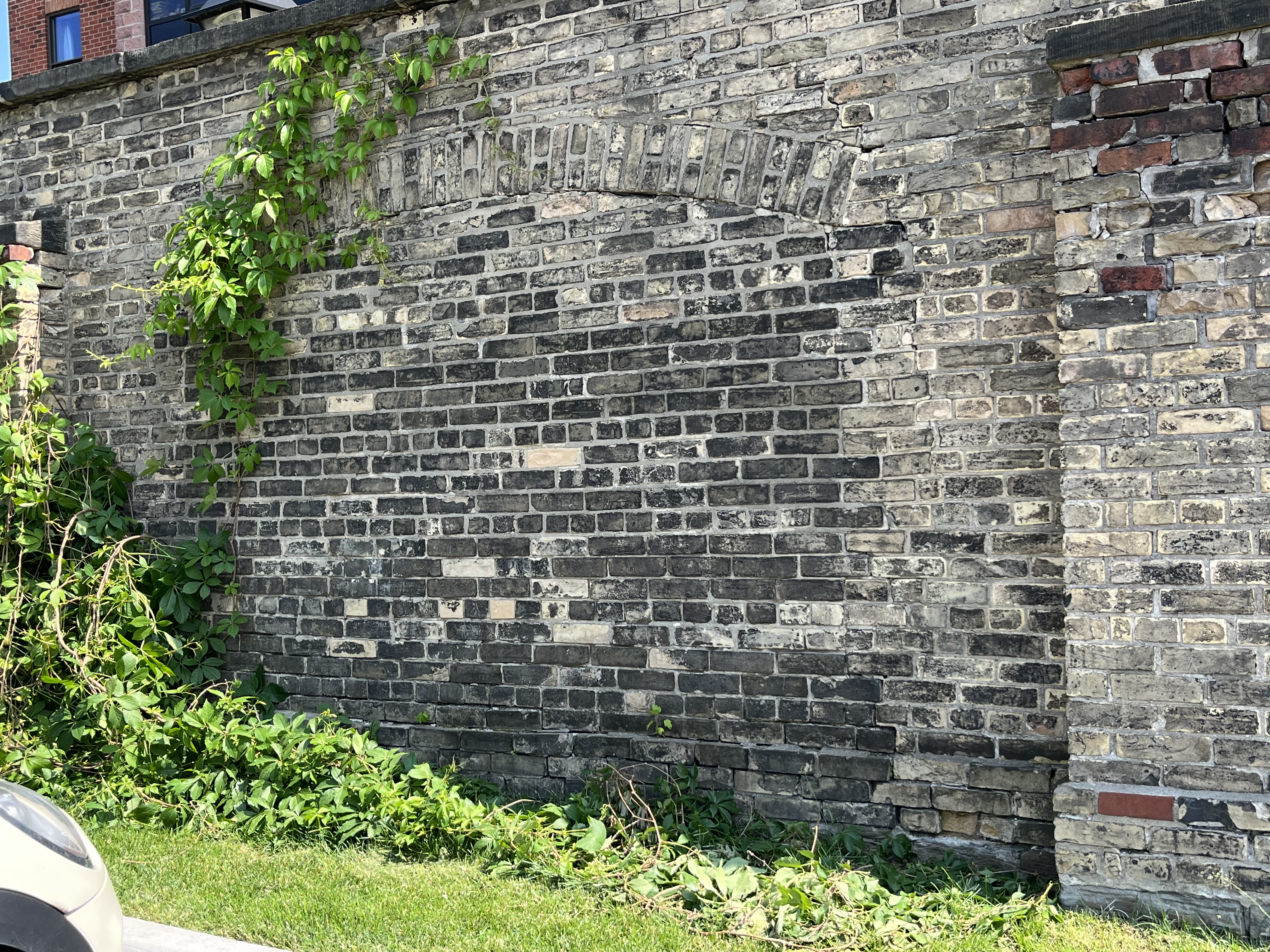
The original wall had a steel fence on top of it but in 1860 this was replaced with a stone cap. When the government sold 23 acres of the property for development, the east and west walls were taken down and moved in to enclose the remaining 27 acres. The bricks in the wall have been etched with people’s names, dates and various comments that record life within the walls. Over 260 inscriptions have been identified on these walls. The picture below shows a section of the southern wall that once had a gateway in it. The gate has been bricked in but the arched brick work still shows the size of the opening.
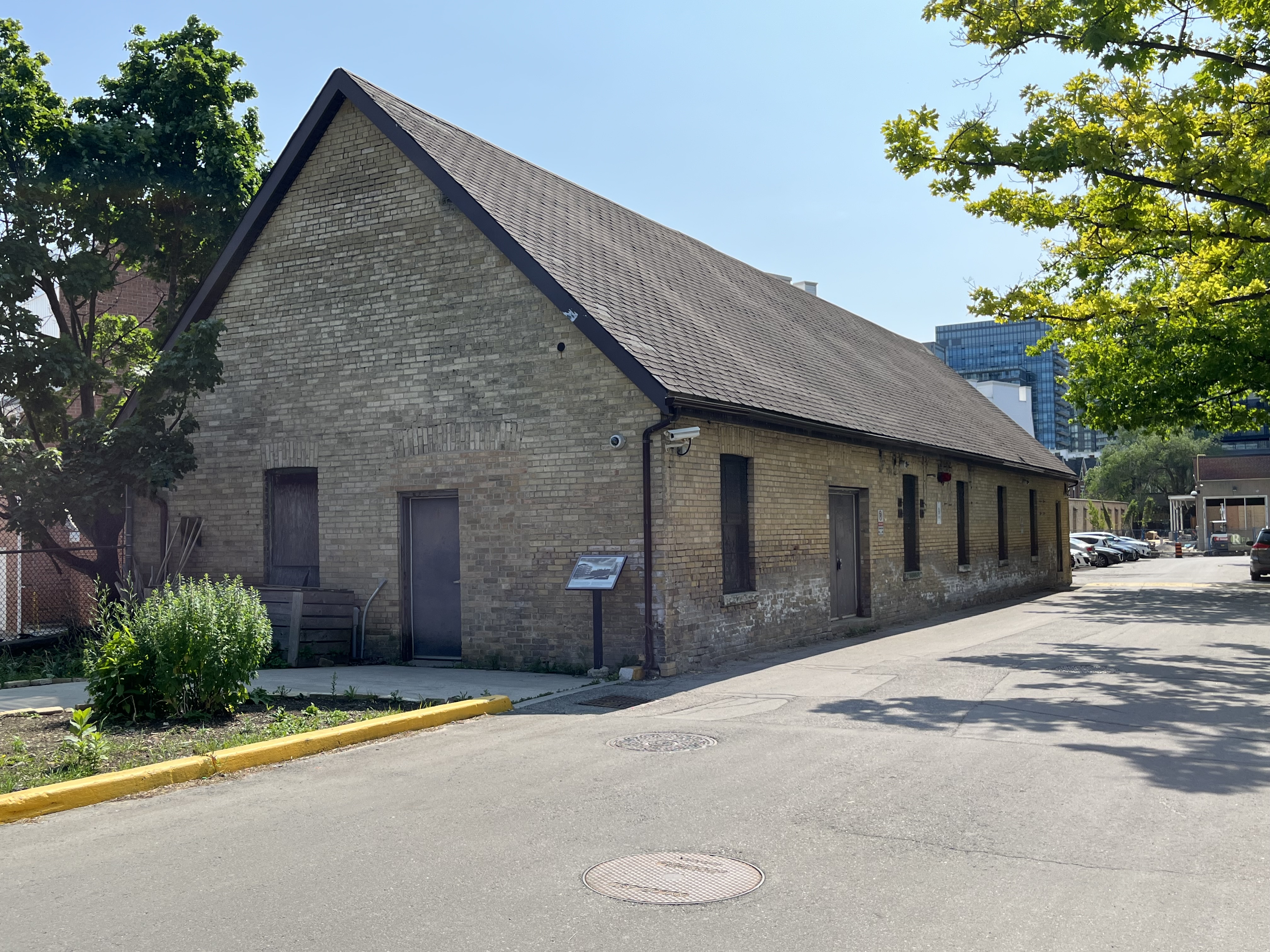
Most of the original buildings on the site have been demolished. Only two remain and they, like the wall, are now protected under an historic designation. The carpentry workshop building was operated by hospital employees who worked along side patients. These patients provided free labour which was used to help keep the costs of running the asylum down. Patients also worked in a sewing room making and repairing clothing. They worked in the kitchens and performed many other tasks involved in keeping the place running.
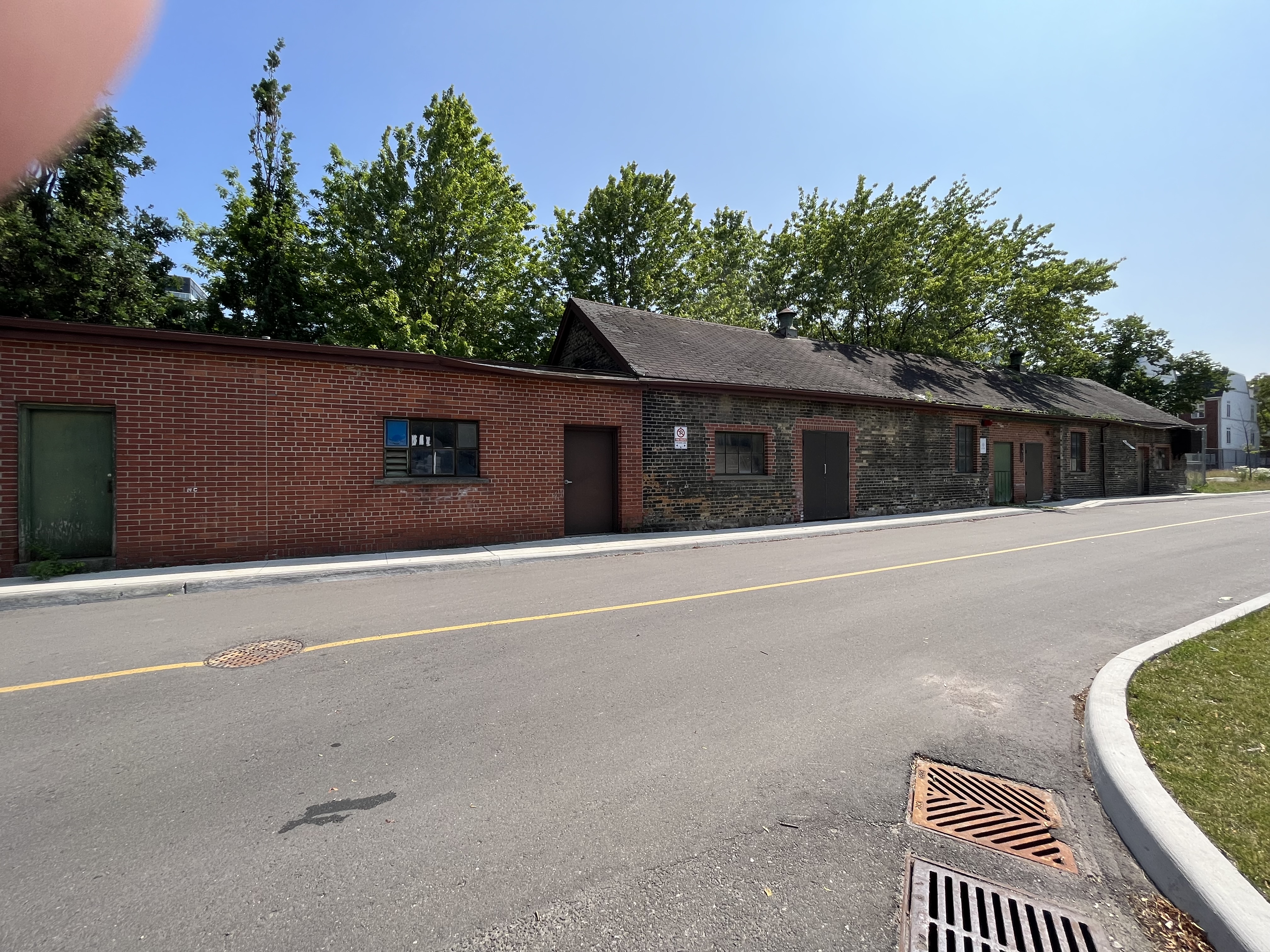
Like the carpentry building, the combined tin shop and mattress shop was built by male patients in 1898. One patient, identified as Jim P., worked in the tin shop from 1898 until he passed away in 1941. This meant that he provided 43 years of unpaid labour for the asylum. Men and women were housed in separate parts of the compound because it was feared that they would form relationships and give birth to children who would also have mental issues.
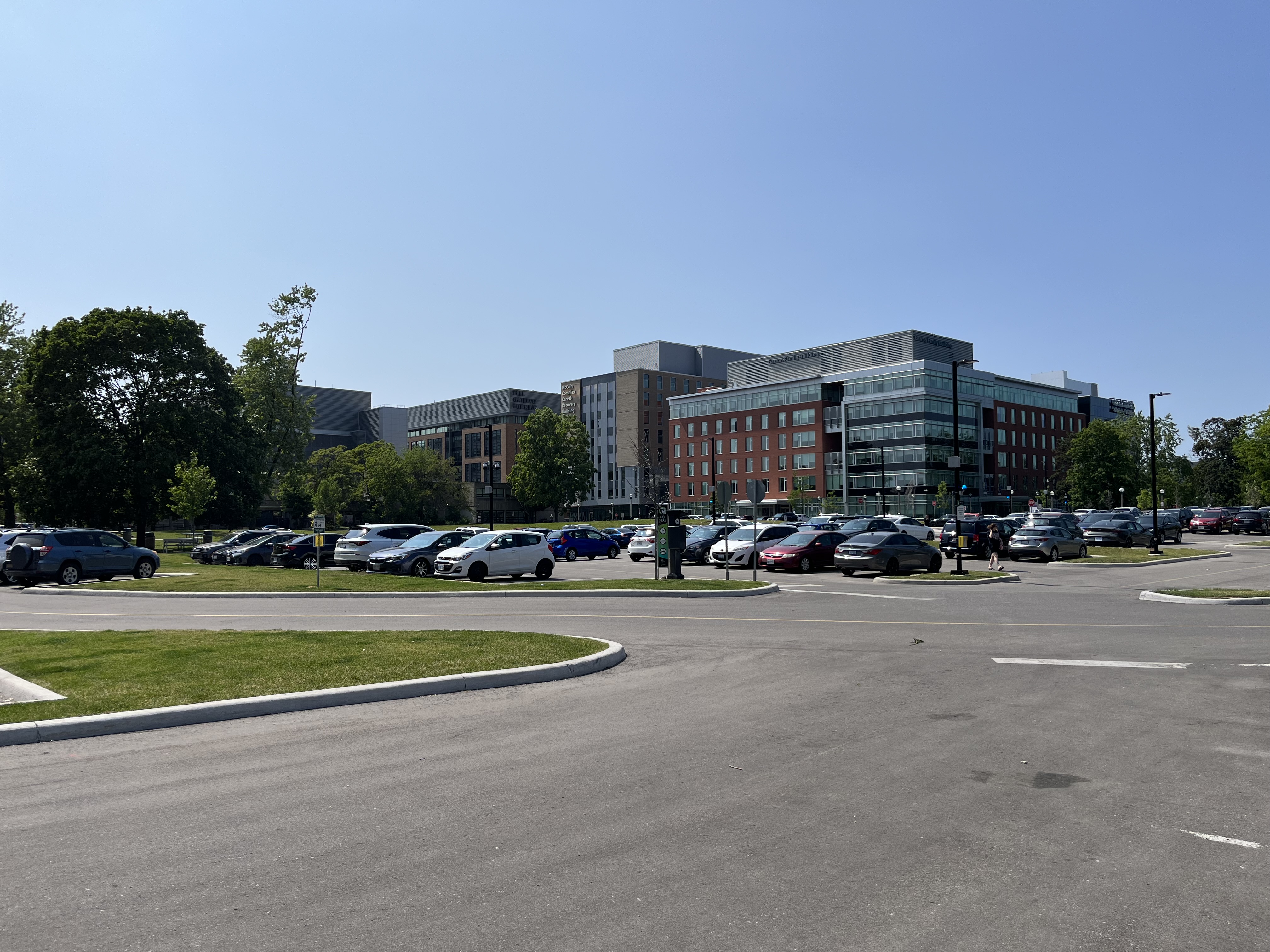
Over the years the name of the facility changed many times which reflects the attitudes of society toward the conditions of the patients. When it was opened it was known as the Provincial Lunatic Asylum. In 1871 the name lunatic was removed and it became the Asylum For The Insane. The name was changed to the Hospital For The Insane in 1907 and again to The Ontario Hospital in 1919. It became Queen Street Mental Health Centre in 1966. During the 20th century new buildings were added and in 1976 the original cluster of buildings were demolished. Then, in 1979 the street address was changed to 1001 Queen Street West to disassociate it from the negative connotations that 999 Queen Street had developed. Finally the hospital seen in the image below was given the name CAMH, or Centre for Addiction and Mental Health in 1998.
Meanwhile, a sister facility was opened in Mimico which was originally known as the Mimico Branch Asylum. Constructed with labour from the patients at 999 Queen Street it was opened in 1890. We have covered it in detail in a separate post that can be found at the link above. There were several other buildings on the site and these can be seen in a series of information plaques which are placed around the walls. The image below is of the superintendent’s house where women patients worked on laundry, cooking and other household chores.
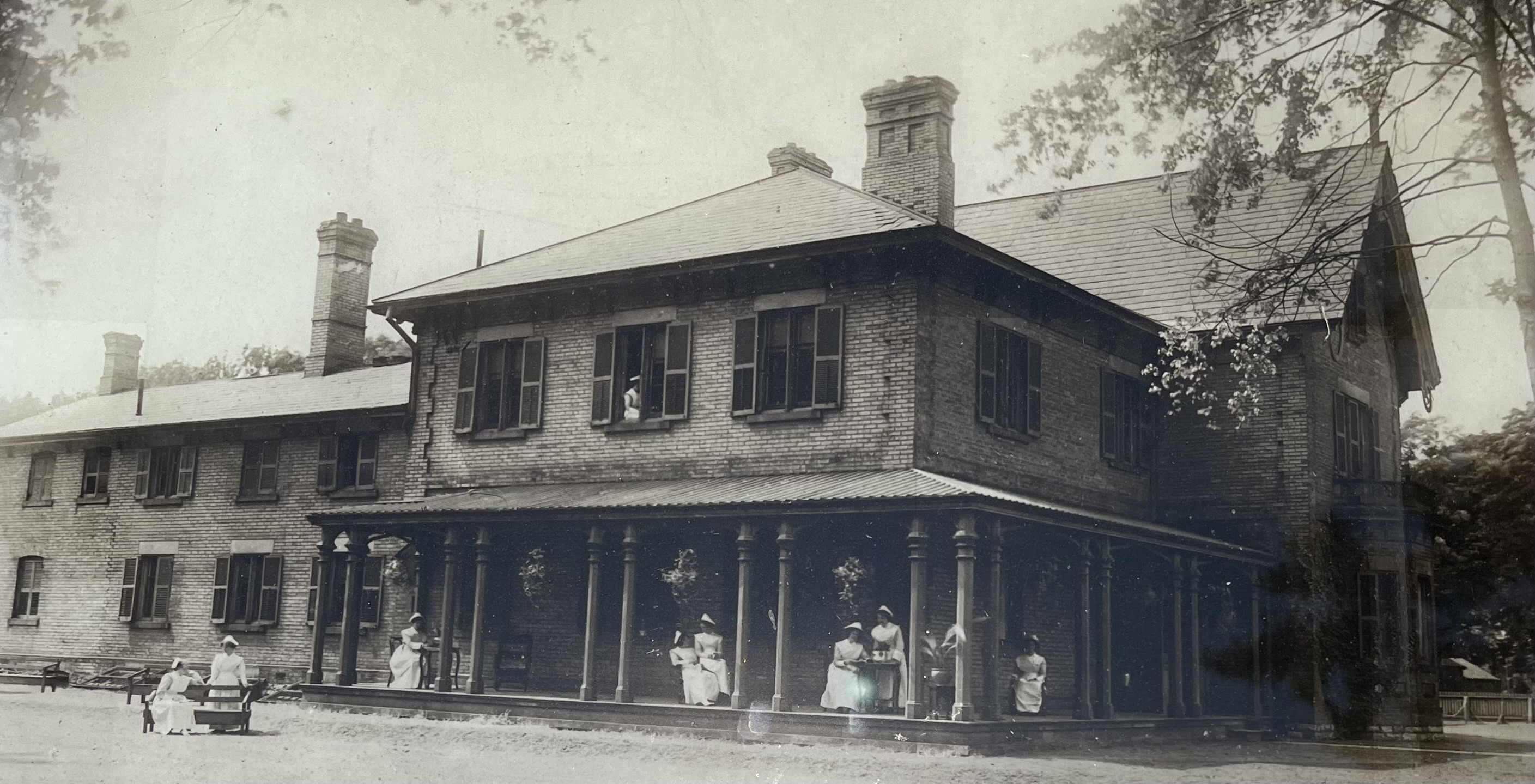
People were locked up inside the walls of the asylum for many reasons, only a few of which would be considered actual mental disorders in today’s society. You could be admitted for suffering from grief, reading too much, fasting, slander and unemployment. Sunstroke, defective diets and masturbation could also land you in here, perhaps for the rest of your life.
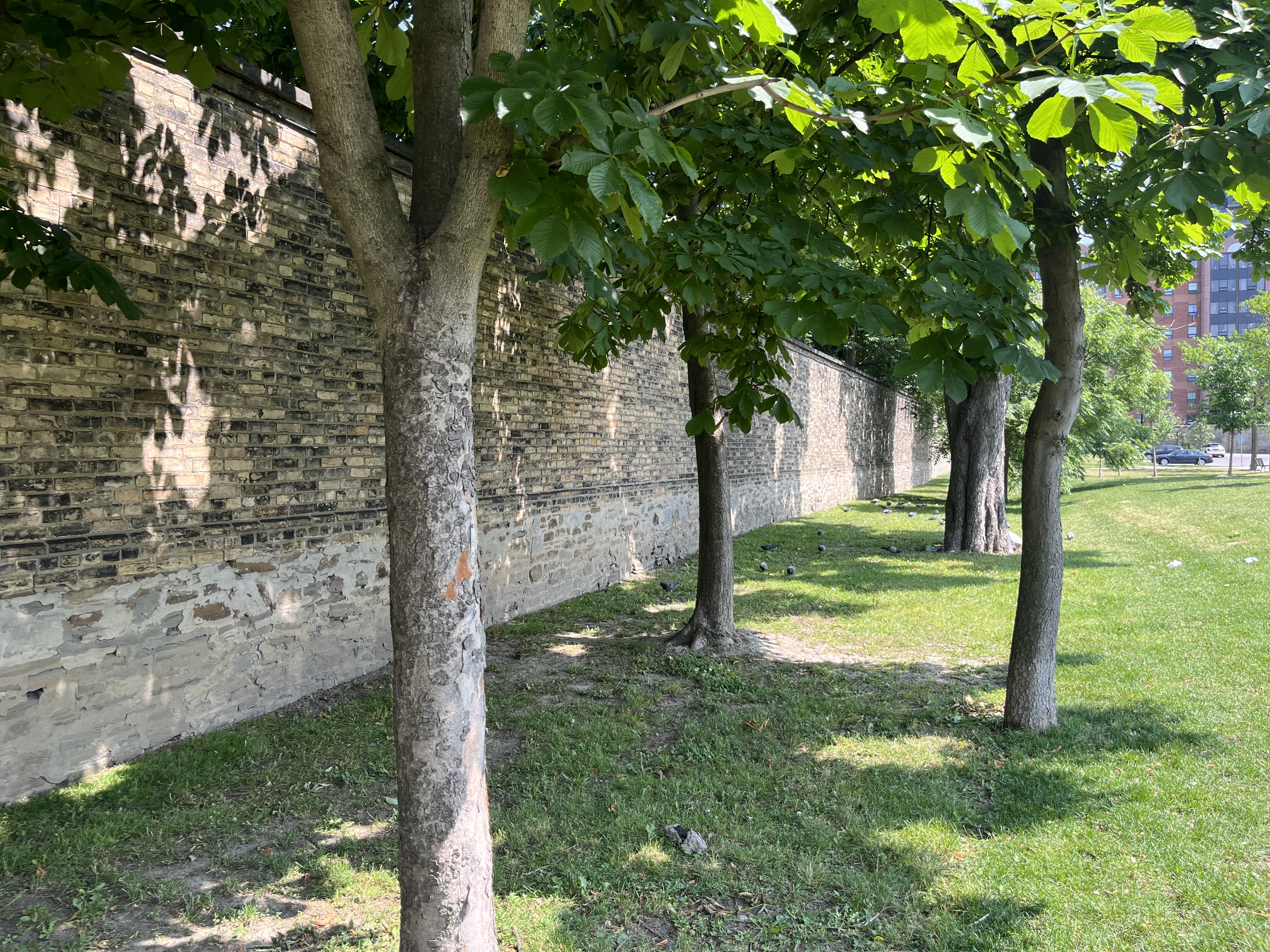
The remaining walls are now preserved as a testimony to our past and the attitudes that society had with regards to those who suffered from mental disorders.
Related stories: Toronto’s Early Banks, Colborne Lodge, Mimico Branch Asylum
Google Maps Link: 999 Queen Street West
Like us at http://www.facebook.com/hikingthegta
Follow us at http://www.hikingthegta.com
Also, look for us on Instagram
 Hiking the GTA
They were housed and fed for their labour, that’s how we survive. It is not slave labour.