Tag Archives: Log House

Bovaird House

May 28, 2023

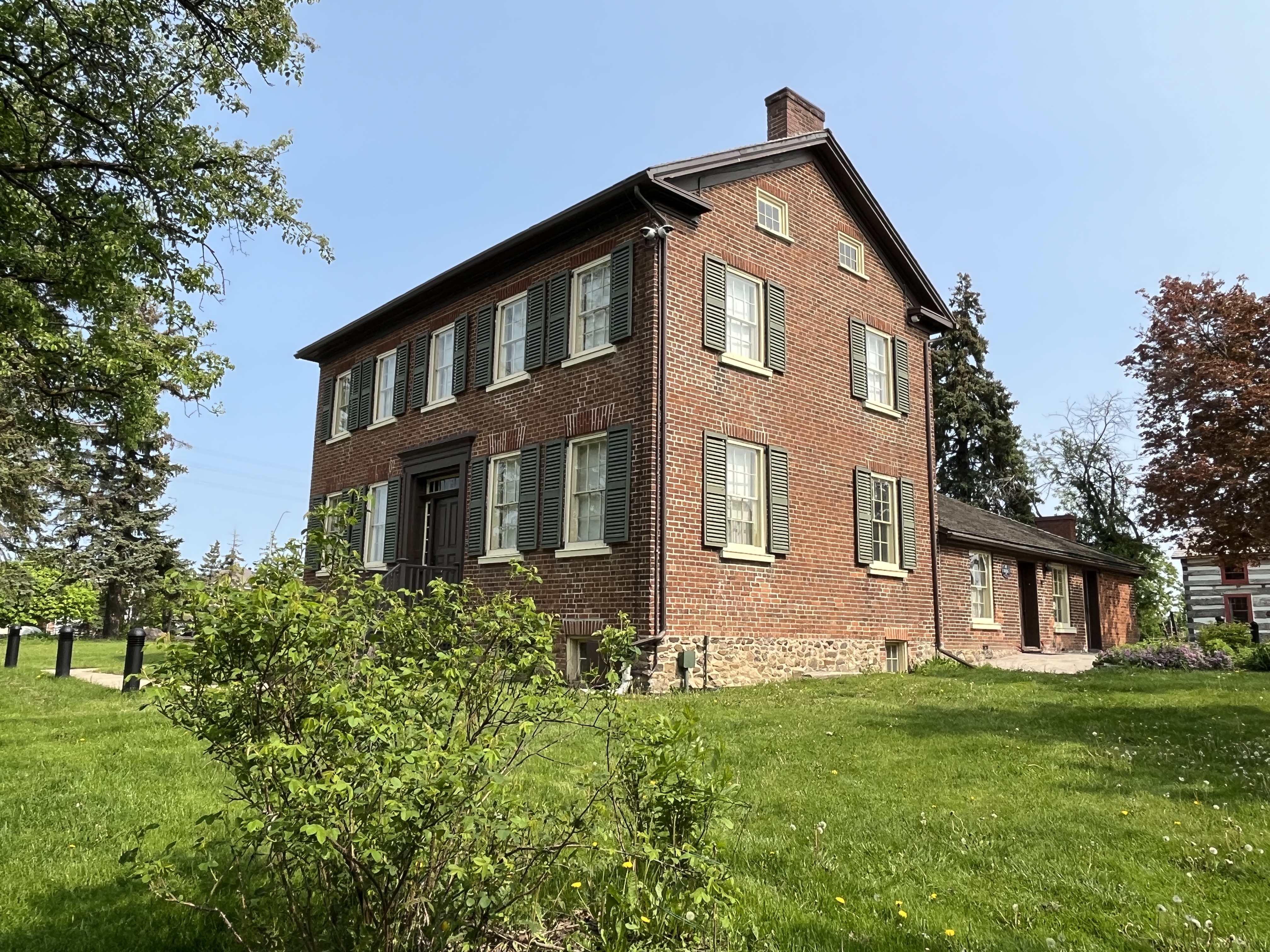
Bovaird House is the only historic residence in Brampton which is open to the public. The property was originally granted to John Silverthorne Jr. in 1819 under the condition that he clear, fence and cultivate 5 acres. He was also required to build a log home and open up the public roadways along the edges of his property. This was to be done within 18 months of the grant so that he could receive the title to the property. In 1821 he sold the 100 acre property to Peter Chisholm for 16 pounds. Seven years later Peter moved his wife, mother-in-law and a small nephew and niece into the log cabin on the property. To accommodate them, he expanded the cabin to 4 rooms and added a sleeping loft above. This log cabin has since been demolished but as we will see later in this post a different historical log cabin has been moved onto the property.

The 1878 map below shows the property under the ownership of Peter Renwick Chisholm. It is located at the intersection of the modern roads of Bovaird Drive and Kennedy Road and is formally known as the west half of lot 10 in the second concession east of Chinguacousy township.

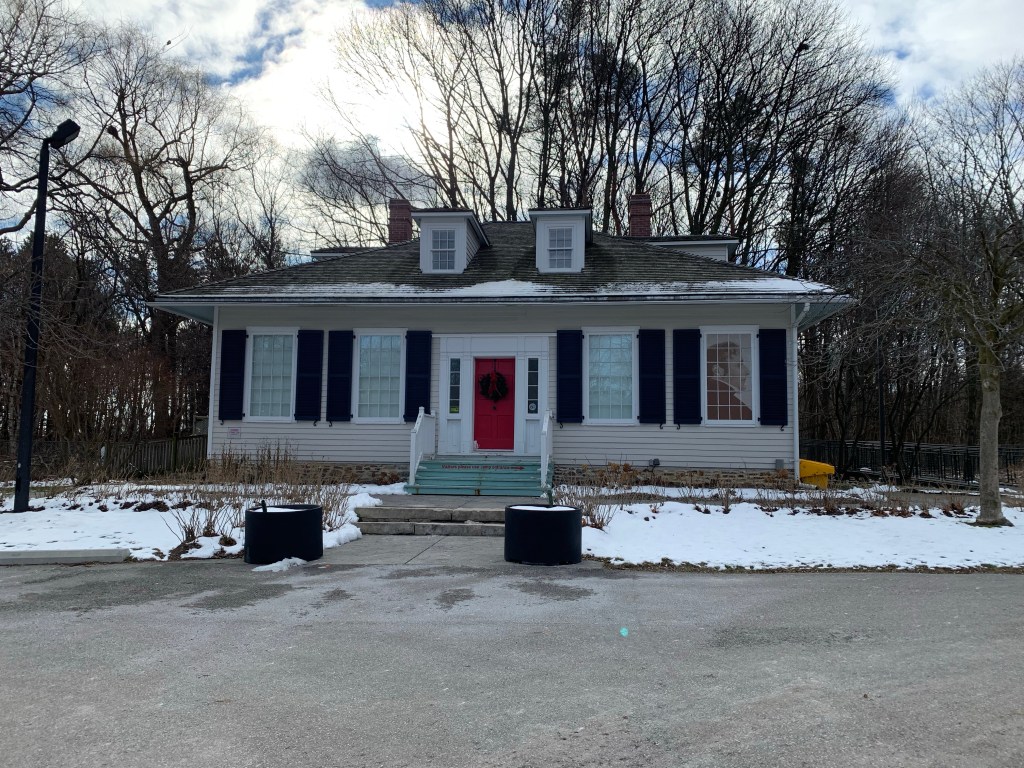
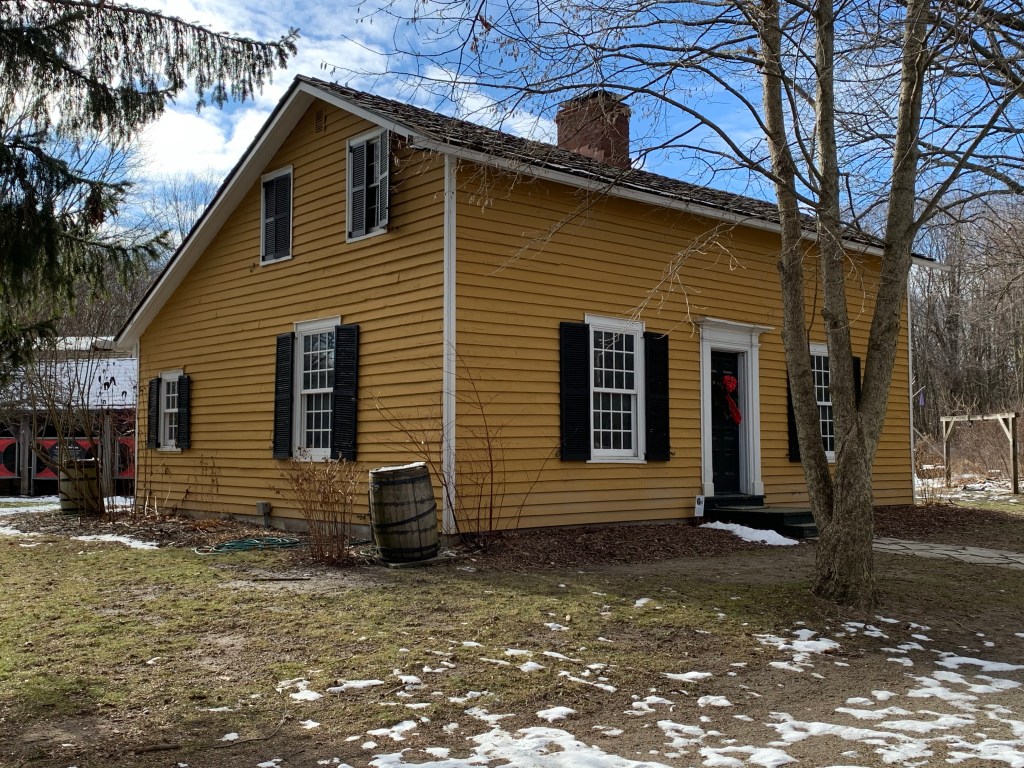
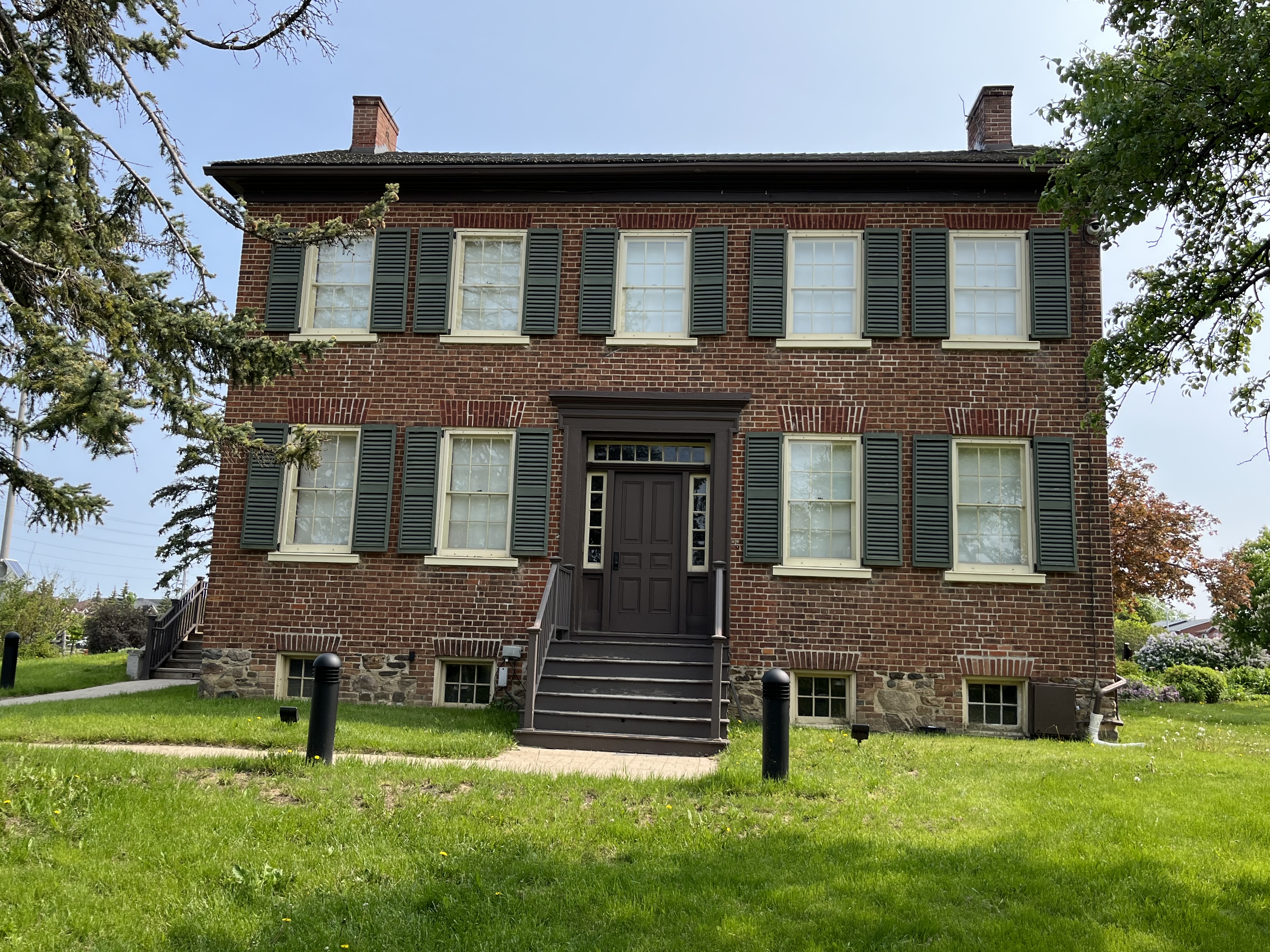
In 1845 Peter began work on the brick house which still stands on the property. The bricks were made on the farm and it took until 1852 to complete the building. It is a five-bay Georgian style home with an impressive front door flanked by side lights and a glass transom over the door. Peter died in 1872 and the home was inherited by Peter Renwick Chisholm who lived there with his wife, Margaret and their three children. They sold the house to James Bovaird for $8,250 in 1929.
The back portion of the house was likely added in the 1860s to give the home an expanded kitchen with living quarters for the hired hands above. The carriage shed and buttery (cold storage room) are located in the single story addition behind the home.
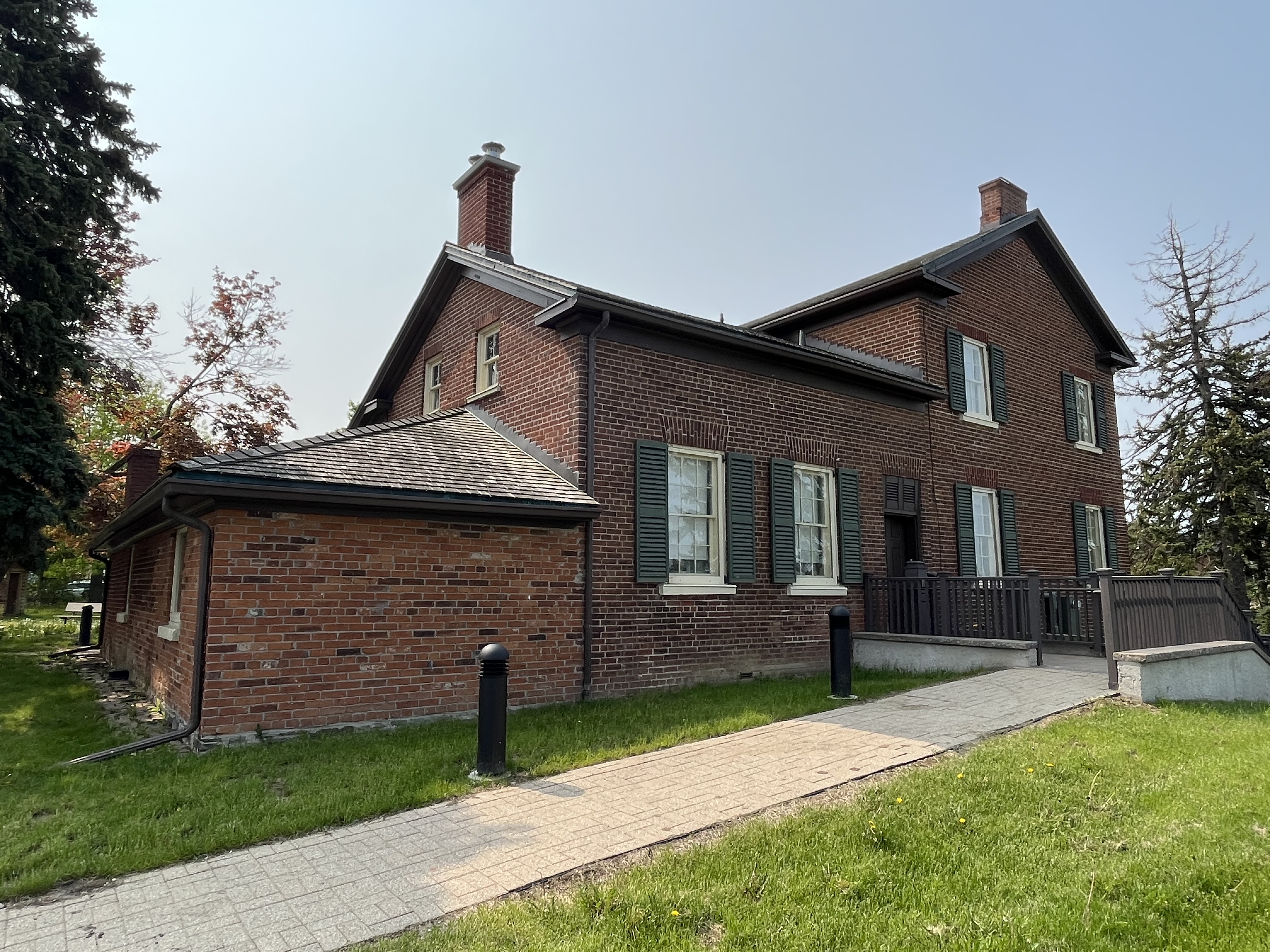
James and Fanny Bovaird had 11 children but never lived in the house. They used the farm to raise thoroughbred horses and when James died in 1938 the house was inherited by their second youngest son William. In 1941 William and his wife Mossie moved into the house where they lived until William died in 1983. Mossie and William had determined that they would donate the home to the City of Brampton as a museum and this was done in 1985. The “Friends of Bovaird House” was formed in 1992 and consisted of volunteers who raised money to restore the house and furnish it to represent life in the period of 1850-1900.
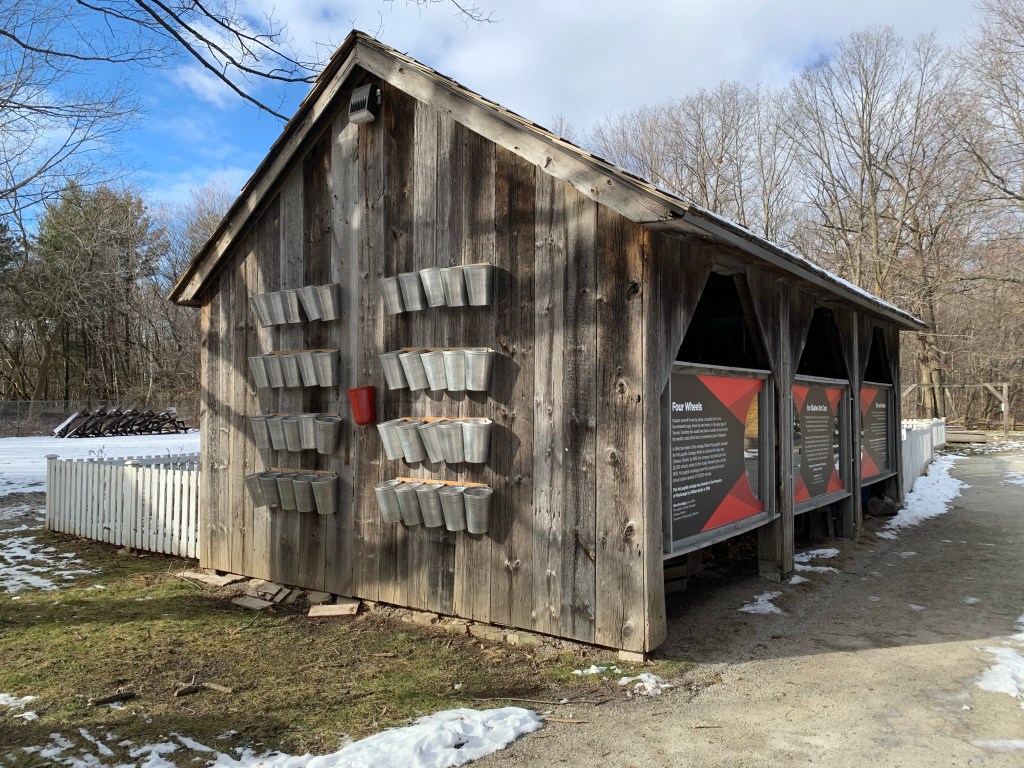
Behind the Bovaird house is an historic piece of farm equipment. It is known as a “brush breaker” and was one of the early implements built by Harvester International. It was used in the preliminary ploughing of fields to break up brush and shrubbery. They are built extra strong and designed for the hardest type of ploughing including cutting through hazel brush and blackberry bushes. A similar item appears in their 1927 catalogue. This implement was found on the Lundy Farm when it was being cleared for development and has been moved to Bovaird house to be part of the exhibit of early farming.

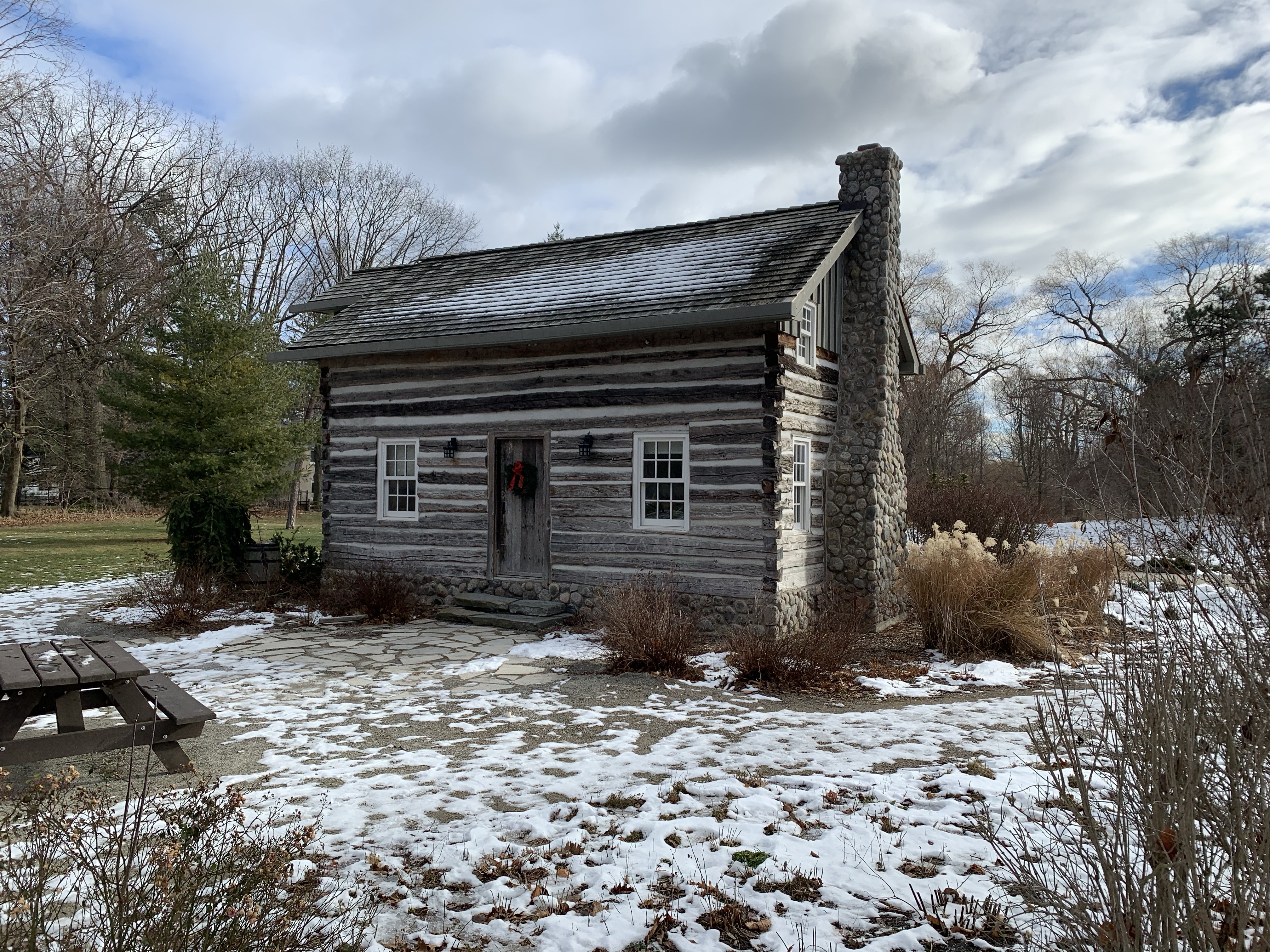
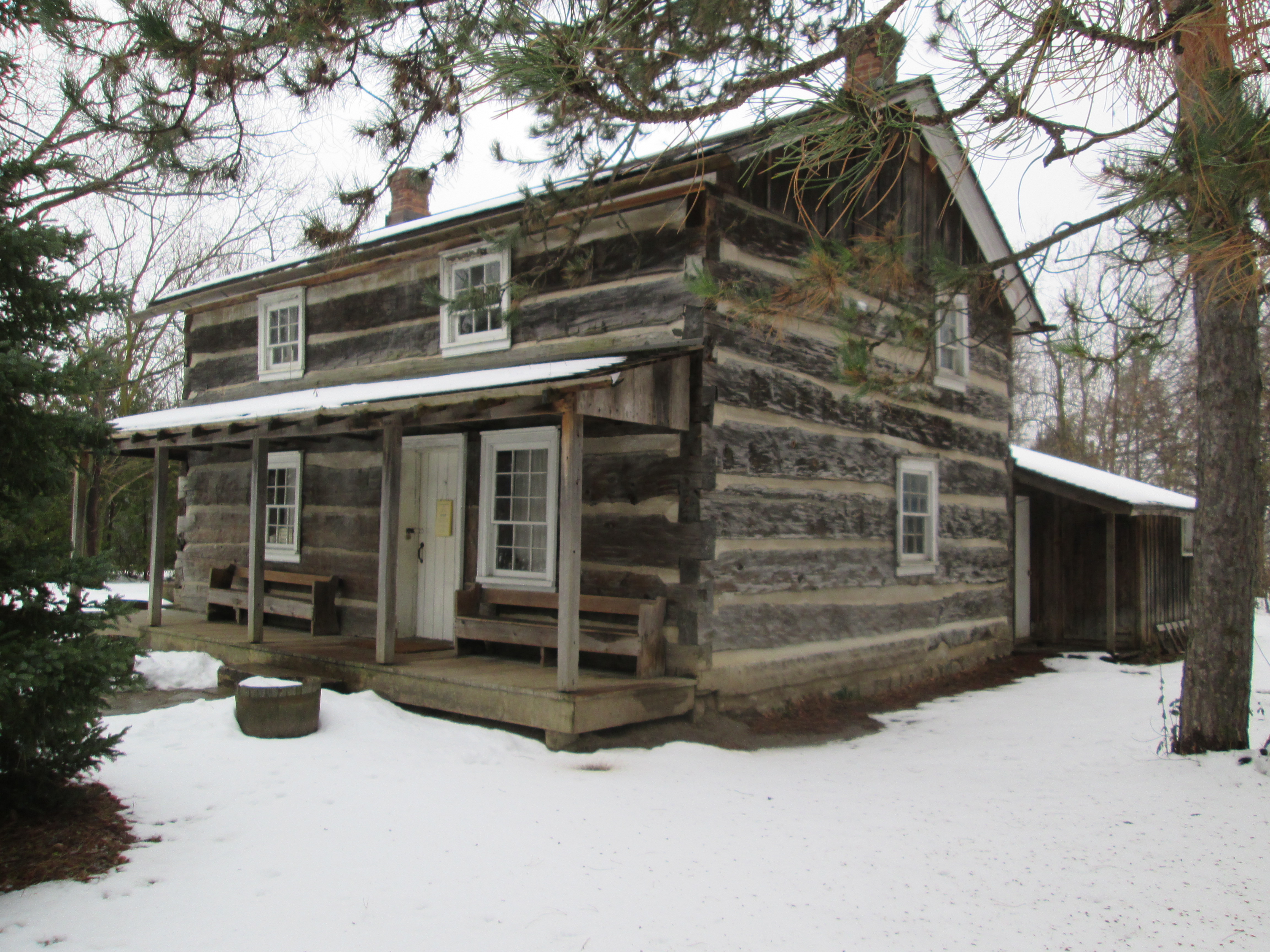
The Pendergast farm was located near the modern intersection of McVean Drive and Countryside Drive. Like many of the early farmers in the area they first built a log house using materials gained when the land was cleared. This home was built around 1845.
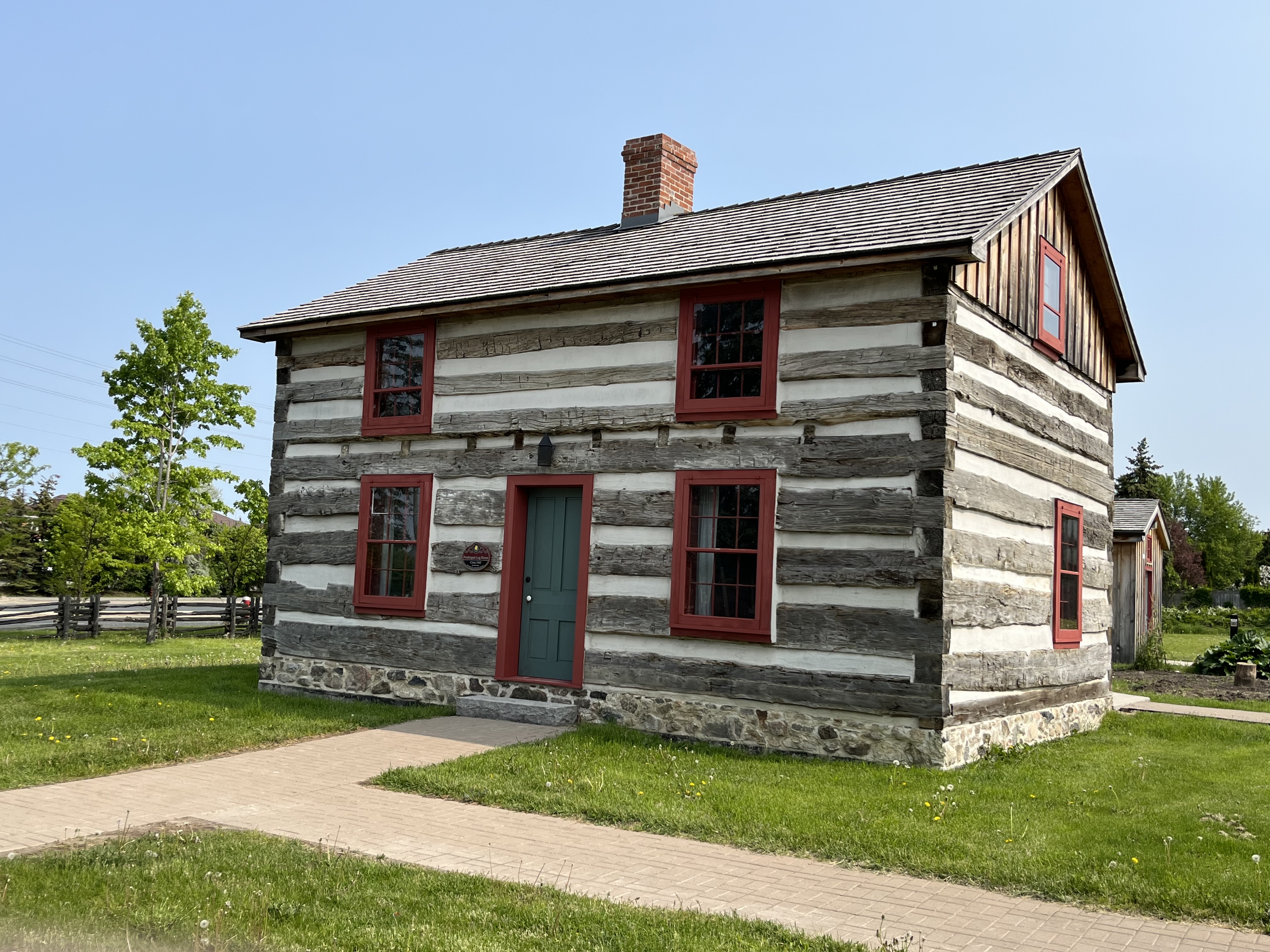
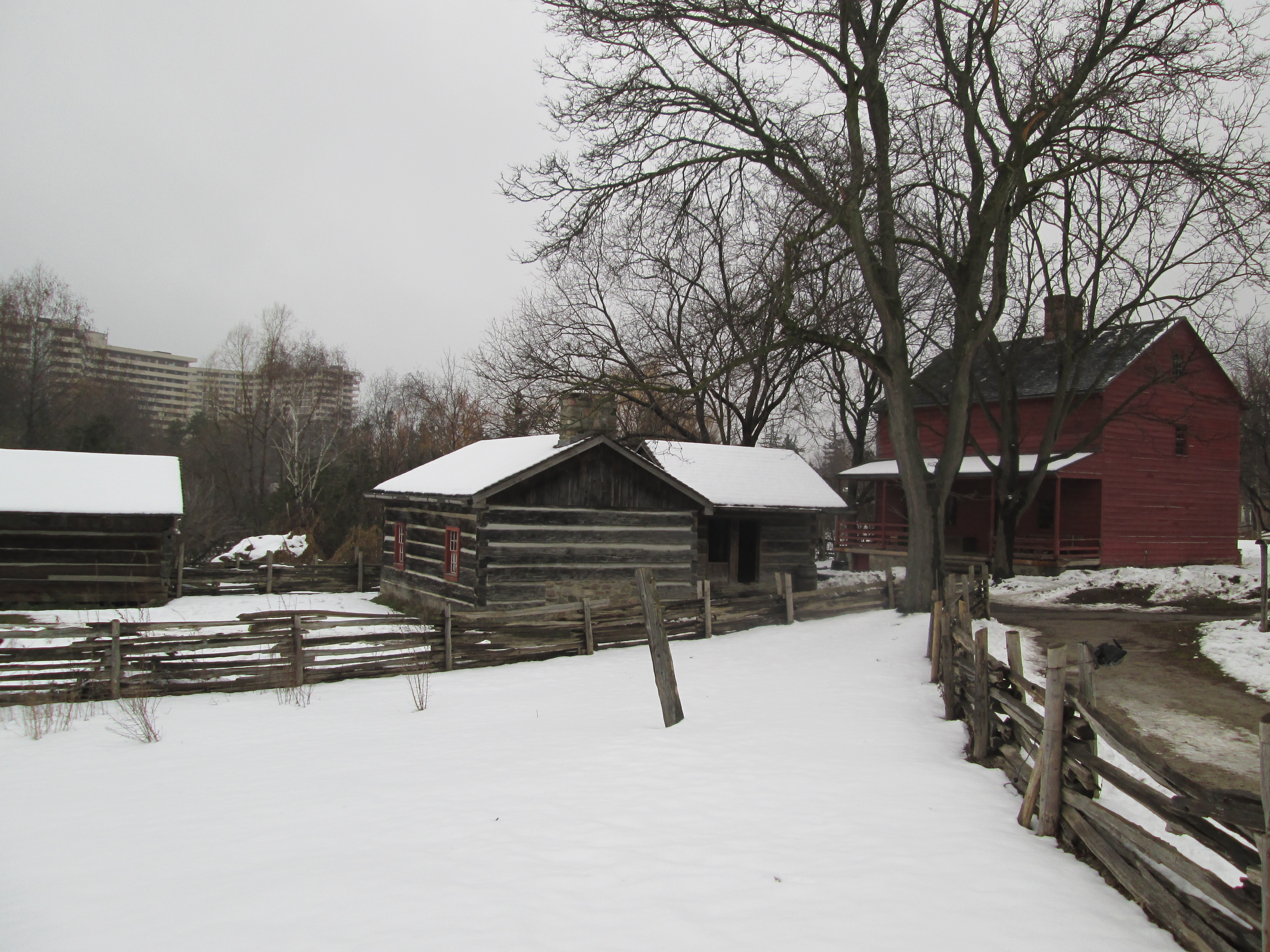
When the local farmlands were being developed the house became in danger of being demolished. The Friends of Bovaird House expressed interest in moving the log house to their property. The original home on the site of Bovaird house had been a log home and so having this asset would allow visitors to experience the two homes together.

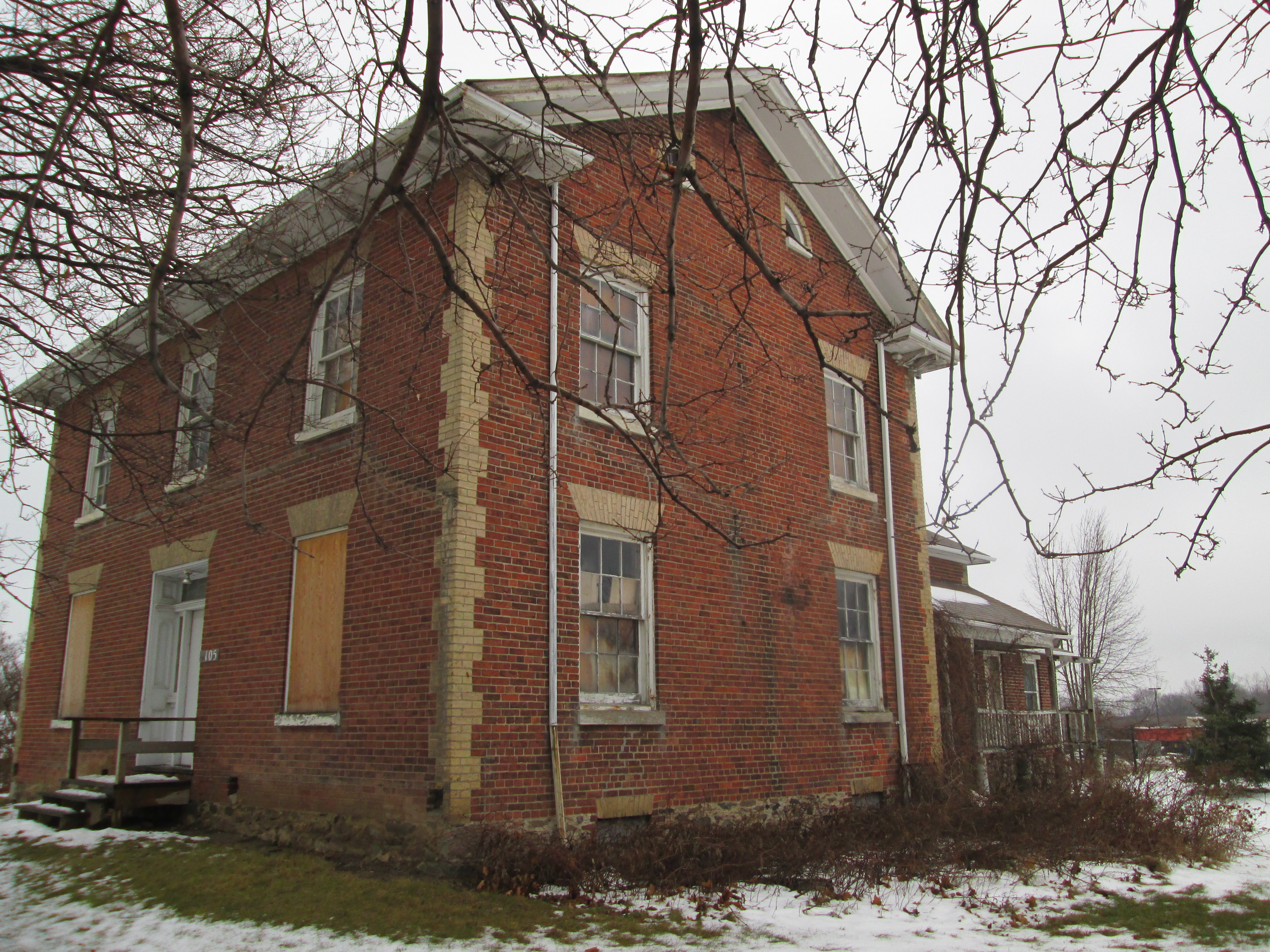
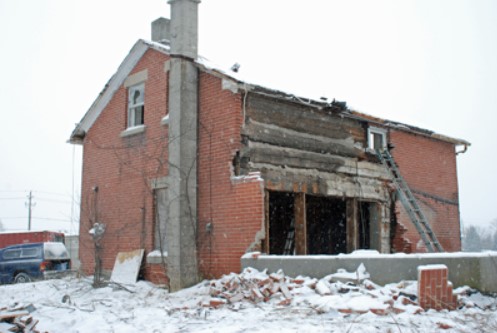
The Pendergast Log house was clad in bricks during the 1920s and this has helped to preserve the logs. When it was moved to the Bovaird house site in 2015 the bricks were removed. The home has been lovingly restored to its original state and now is one of the last remaining log homes in the city of Brampton.
Both Bovaird House and the Pendergast log house are open to the public and are worth exploring for a glimpse into the lifestyle of a previous century.

Google Maps Link: Bovaird House

Like us at http://www.facebook.com/hikingthegta

Follow us at http://www.hikingthegta.com

Also, look for us on Instagram
Bradley Museum and Watersedge Park

February 14, 2021

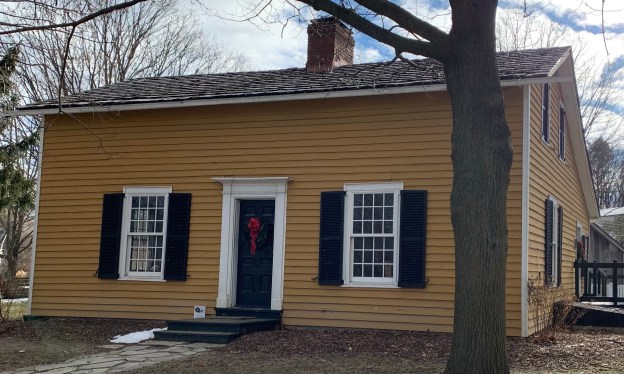
Bradley Museum is a collection of pioneer buildings situated near the waterfront in Mississauga. The Bradley house stands on its original property and the Anchorage has been moved from a neighbouring one. I went there on December 29, 2020 while on Christmas break from work to walk around the buildings and appreciate their architecture. While I was there I walked the narrow greenbelt down to Lake Ontario at Watersedge Park.

The oldest home in the collection is a Regency Cottage that was built in the early 1820’s near Lakeshore Road and Southdown Road. In 1838 it was purchased by a retired British Navy Commander named John Skynner. He is quoted as having referred to the home as being his anchorage and it became known as The Anchorage. After the home had been lived in as a private residence by various people, in 1953 Jim Davidson sold it to the National Sewer Pipe Company who used it as their offices until 1977. It was moved to the Bradley Museum in 1978 but wasn’t restored until 1991. The National Sewer Pipe Company is responsible for the red beach at Lakeside Park. Mississauga has another beautiful example of a Regency Cottage, this one from 1838. The Grange has considerably more detail in the doorcase windows with intricate side lights and transom.

Lewis and Elizabeth Bradley arrived in 1830 from Savannah Georgia and built this small three bay story and a half house. It had become common to limit houses to a story and a half because a full two stories was taxed at a higher rate. This house features a roof style known as “salt box” because one side of the roof was longer than the other. Bradley House was occupied by the family until 1846 when Lewis died and Elizabeth sold the home. The British American Oil Company (now SUNCOR) eventually bought the property and planned to demolish the house in 1959. It was saved and moved a short distance farther from the lake where it was restored and opened as a museum in 1967.

The log cabin on site is actually the newest of the three homes, having been built around 1850 near Mono Mills, Ontario. In 1967 the 4th Port Credit Scouts and Rovers moved it to the mouth of The Credit River and it seemed safe from neglect or demolition. This didn’t turn out to be the case as it was eventually slated for demolition again. The Bradley Museum got involved and added it to their small collection of buildings. It was rebuilt and opened to the public on December 15, 2007.

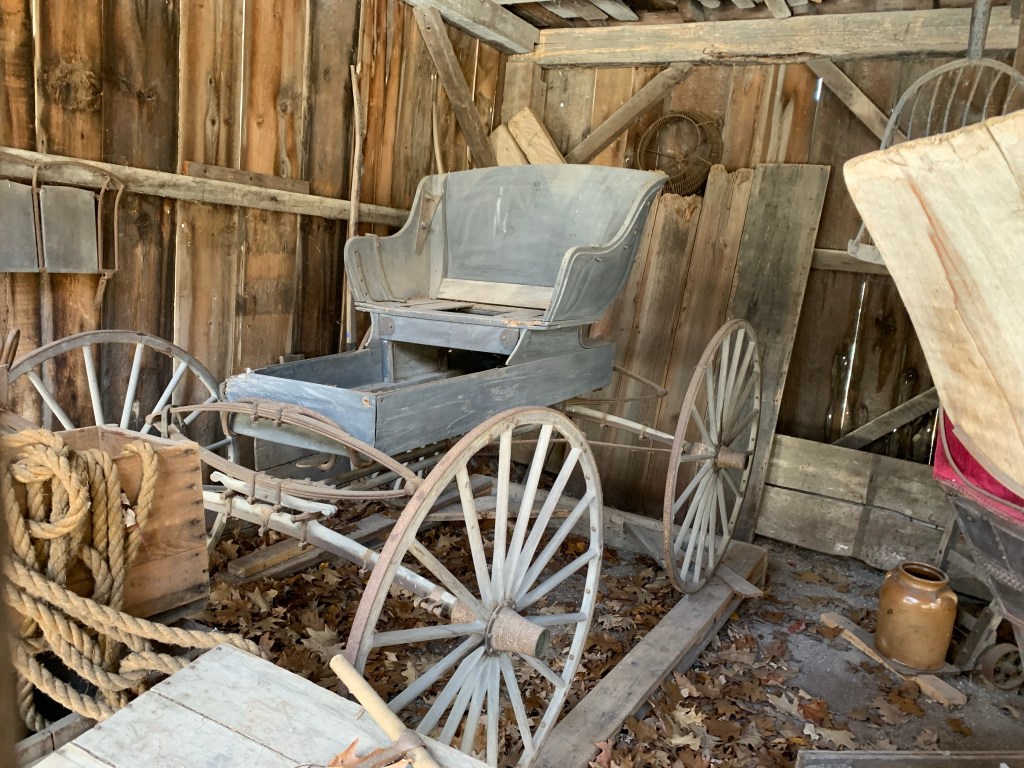
The drive shed was built on the site in 1973 from materials moved from a farm in Chingaucousy Township. The shed is typical of thousands that would have stood on farms and in church lots across the province. This one came from the Carberry farm and has the usual post and beam construction. Another great example of a drive shed in its original location can be seen at the Cober Dunkard Church in Vaughan.

Several typical artifacts are stored inside the drive shed including this old buggy.

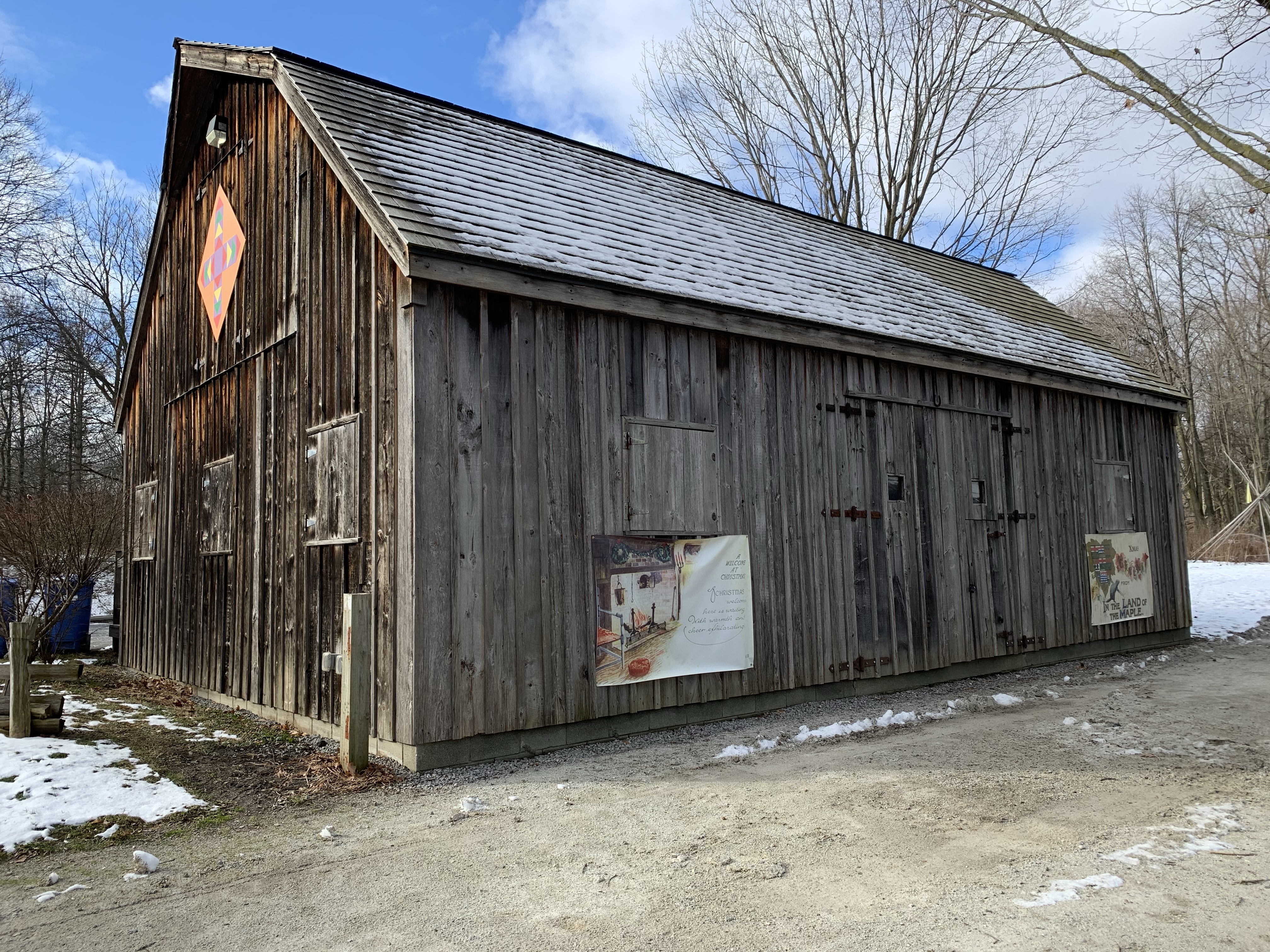
The barn was added to the collection in 1977 made of old planks from a barn that was located on the south east corner of Burnhamthorpe Road and Erin Mills Parkway. Architecture for domestic rather than public use which is average is referred to as being the local vernacular. This barn is Ontario vernacular although on a smaller scale than many of the late 19th and early 20th century barns. One of the most common styles of barns was known as the Gambrel-roofed Barn, named after its roof style where each side had two separate pitches. The extension at the front of the roof is known as a hay sling and it allowed feed to be lifted up to the loft through a larger door. Gambrel-roofed houses are even less common, which is probably why I always thought the house I spent ten years of my youth at in Hillsburgh looked like a barn.

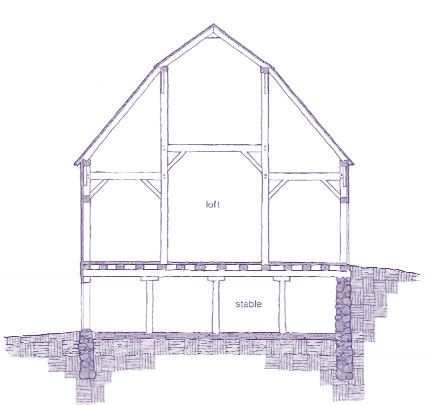
The image below shows the basic design of the Gambrel-roofed Barn. Livestock would be kept in the bottom while the loft would be used for hay or fodder. An earthen ramp would provide access to the loft from one side of the barn. Often the silo and this mound are the two remaining clues that mark the former site of a barn.

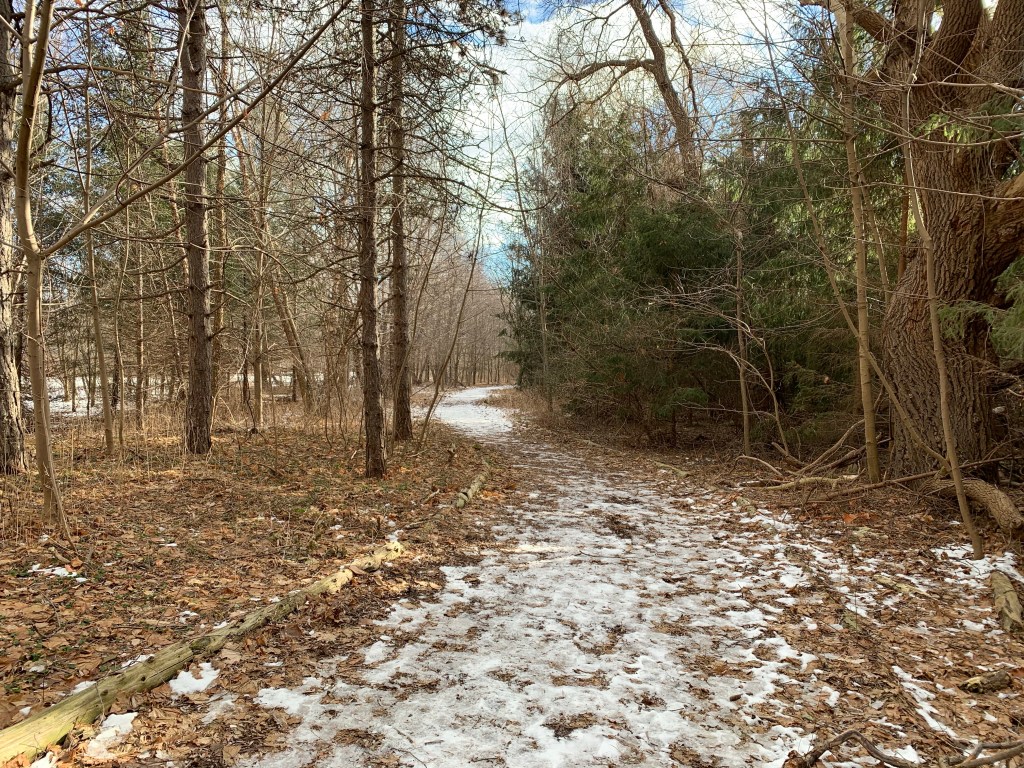
Heading toward the lake you can follow a main trail or one that runs a little closer to the fence on the edge of the SUNCOR oil tank farm. I followed the fence line but most of the tanks in the first row along the fence have been removed over the last few years. There’s hardly anywhere that you can even get a glimpse of one, even in winter. I imagine in summer it must be almost as if this big industrial tank farm wasn’t there.

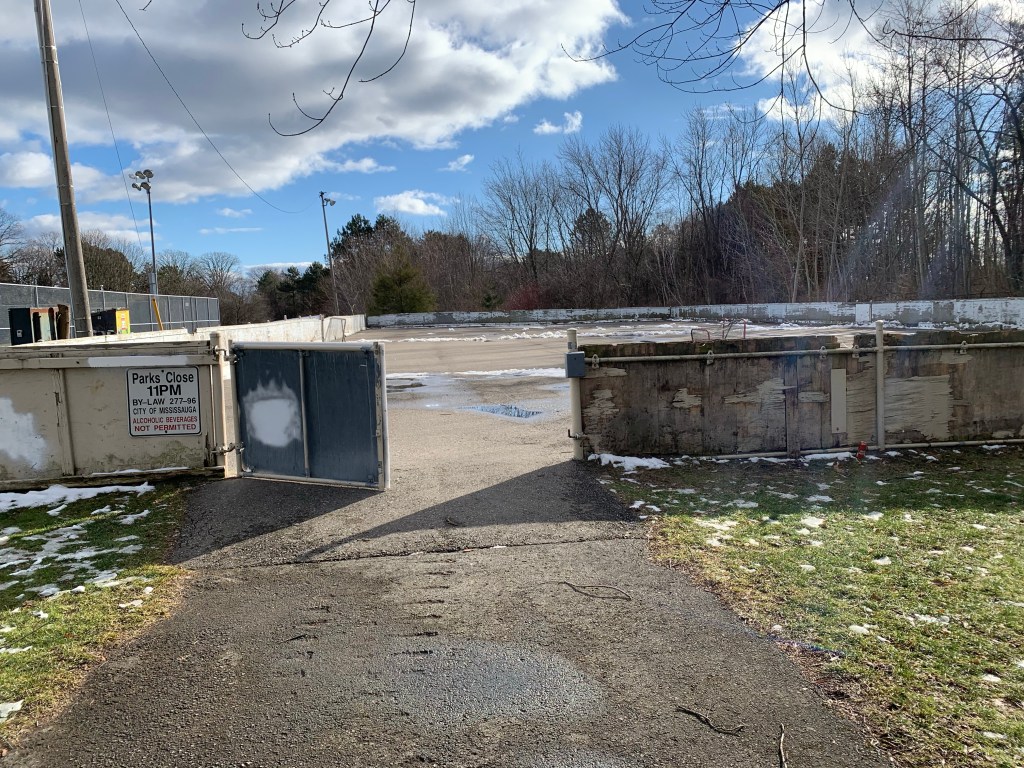
Meadowwood Park connects Bradley Museum to Lake Ontario at Watersedge Park. Meadowwood Tennis Club maintains three courts here and there’s also a unmaintained rink. I wonder if the rink is just out of use for 2020 or if it has been awhile since it was maintained?

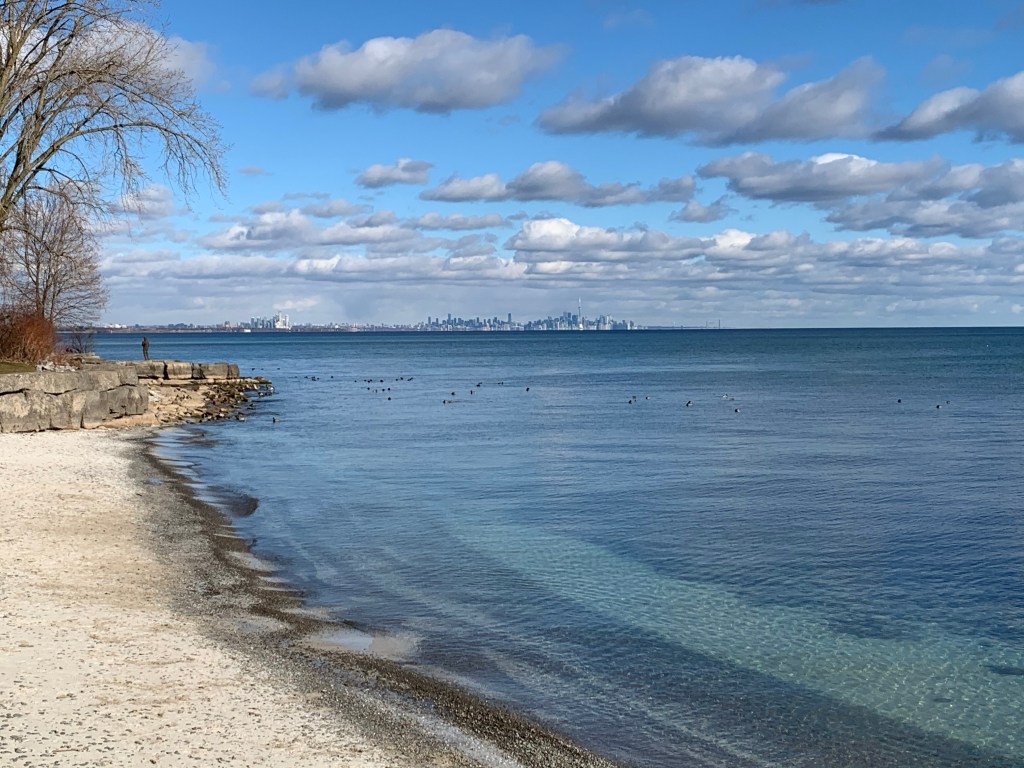
It’s only a short walk to Watersedge Park and certainly worth it. Although small, the park does have a beach with some excellent views including the Toronto Skyline.

On a calm day the water here is quite colourful because of the different composition of the lake bottom near the shore. The small shells of Zebra Mussels cover parts of the beach and create a brighter patch in the water off shore. They were introduced to the lake in the 1980’s and since then have developed huge colonies. This beach is also considered to be one of the best places in Mississauga to catch a great sunset.

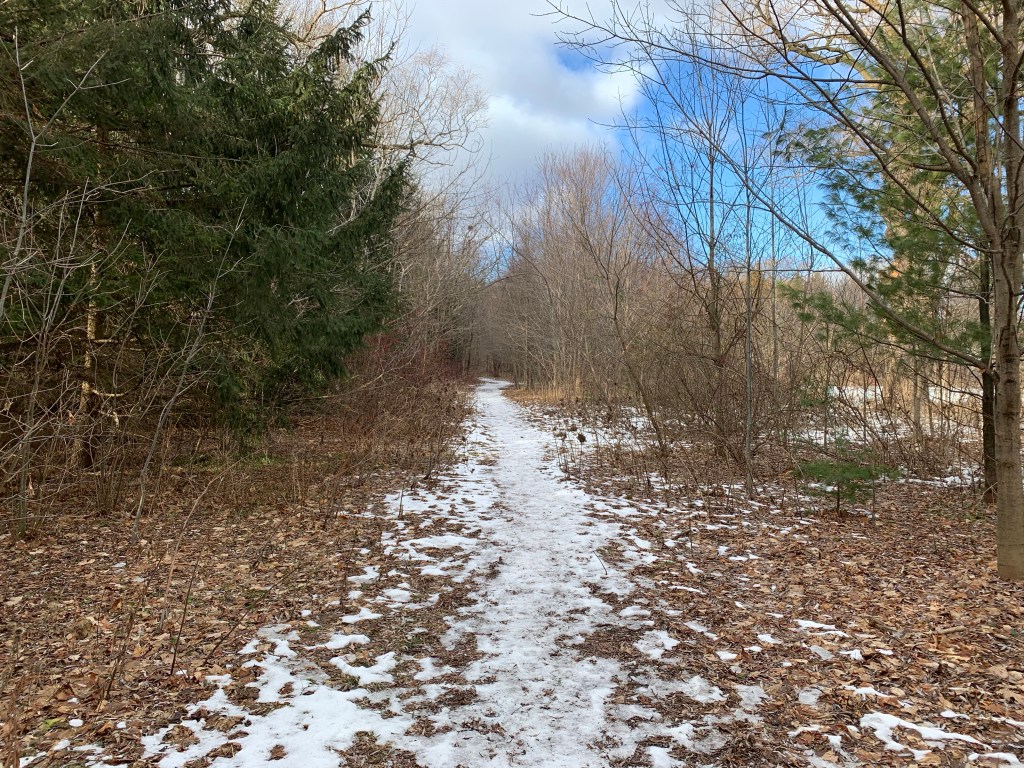
I would imagine that this area is likely busy much of the time but on this day I was by myself on the trail. This is a short walk and if you’re looking for more you can also take the trail that leads to Rattray Marsh. There’s boardwalks and lots of wildlife, including white-tailed deer, that can be seen at the marsh.

I’m looking forward to the time when I’ll be able to return and have a look inside the restored homes at Bradley Museum but for now it was nice to enjoy them even from the outside.

For more on the Boy Scouts see our feature Camp of the Crooked Creek. Additional pictures of a drive shed in its original function can found in the Cober Dunkard Church. The red shingle beach is at Lakeside Park. The intricate Regency Cottage is called The Grange. Additional local hiking can be enjoyed at Rattray Marsh.

Google Maps Link: Bradley Museum

Like us at http://www.facebook.com/hikingthegta

Follow us at http://www.hikingthegta.com

Also look for us in Instagram

Black Creek Pioneer Village – Elizabeth (Fisher) Stong

Sunday Dec. 14, 2014

My wife and I were married at the Fisherville church which is now located at Black Creek Pioneer Village.  We have made a tradition of enjoying their Christmas By Lamplight and Christmas Dinner ever since.  Black Creek Pioneer Village is in fact, one of our favourite places. It was 4 degrees with a light mist adding to the atmosphere of the historical buildings.

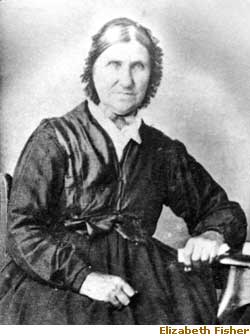
Elizabeth Fisher was born on October 30, 1798 and was just 17 when she married Daniel Stong in January of 1816.  Daniel was 24 and, like her brother, had served in the war of 1812. Elizabeth never knew her father who in 1796 had received the land grant for lot 25 concession 4 in York township, now the southeast corner of Jane and Steeles , but had died before clearing the land.  Elizabeth had inherited the 100 acre lot when her brother died during the war of 1812.

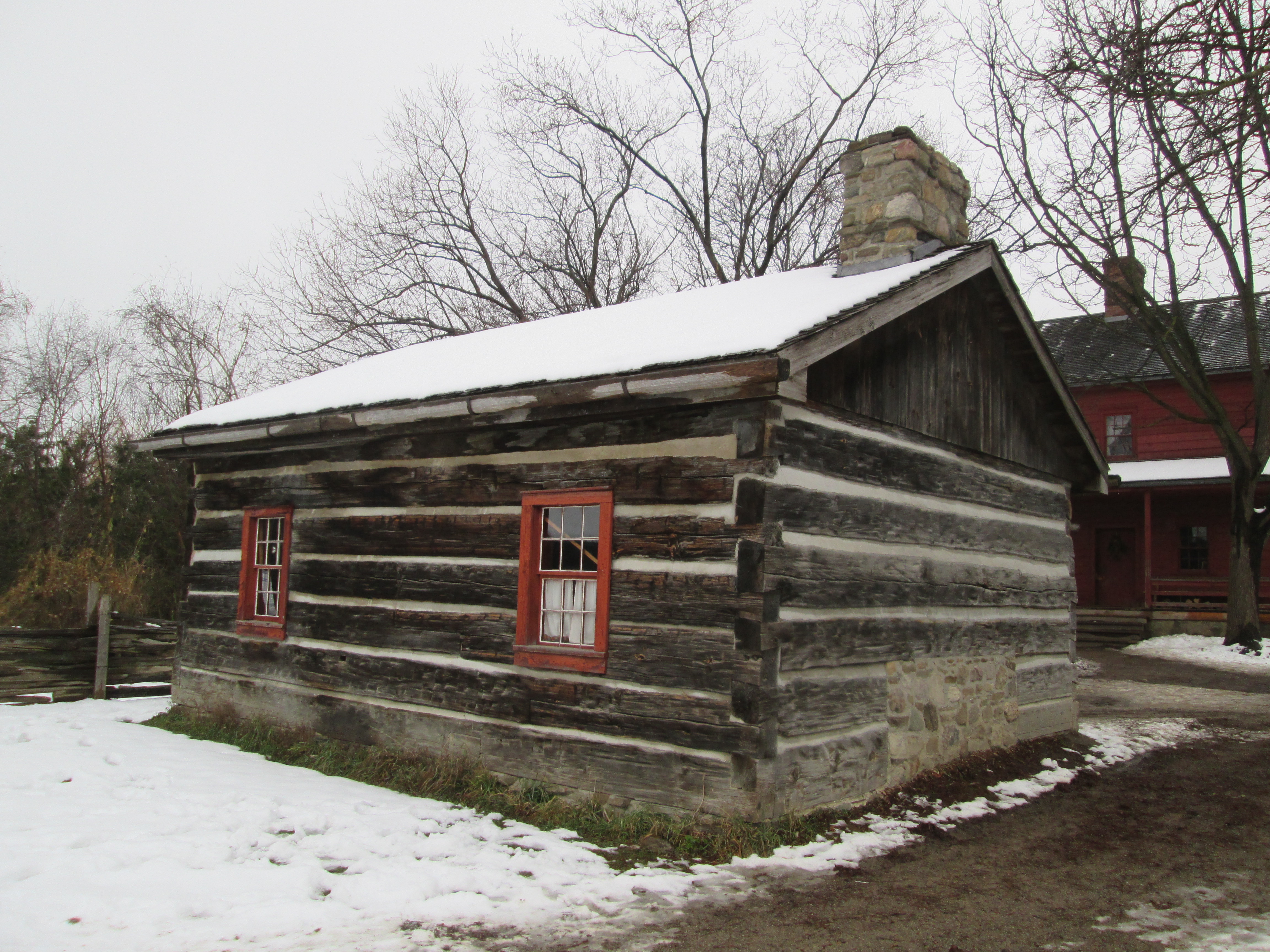
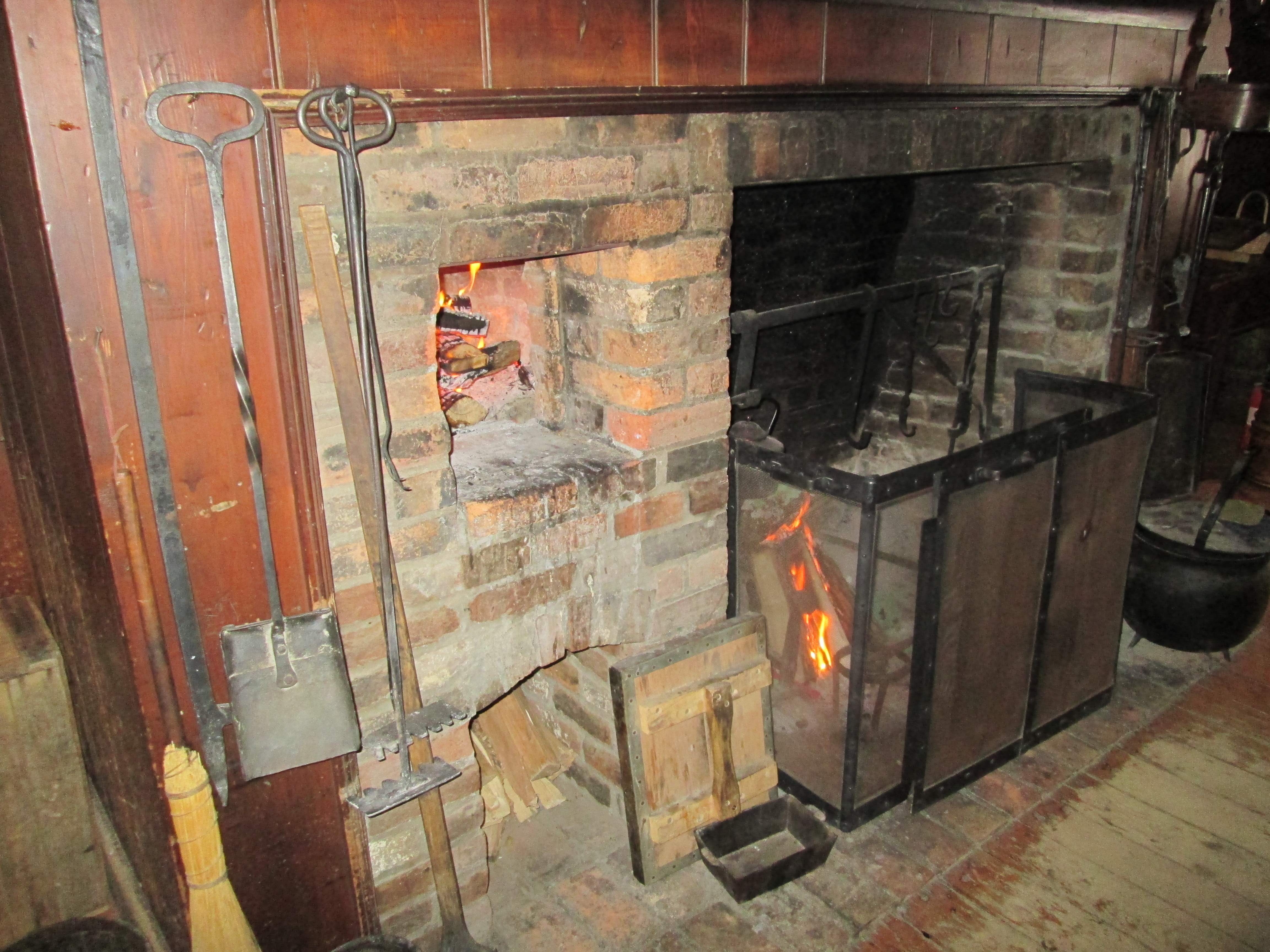
Daniel and Elizabeth arrived at her lot in 1816 to find a forest of giant oak and pine trees. Clearing land provided the wood for building their first home.  Before winter fell they had completed the tiny three room log house that would serve them for the next 16 years.  The fire place is seen in the stone set in the wall below the chimney.  Inside, this provided the cooking hearth and a source of heat for the winter.

IMG_1514

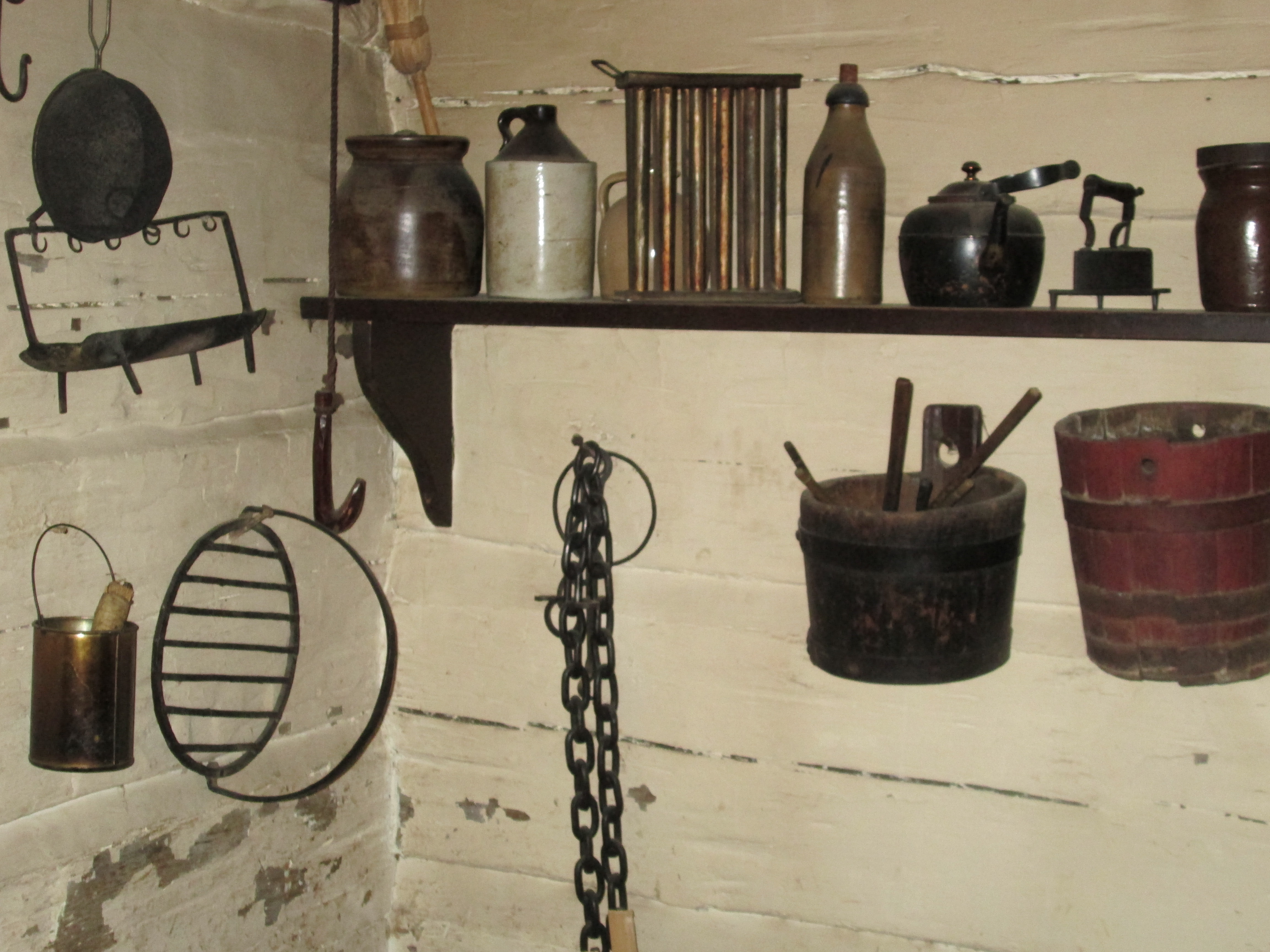
In the early years Elizabeth had only the simplest cooking utensils, designed to work over an open fire.  Some typical examples hang beside the fireplace.

IMG_1523

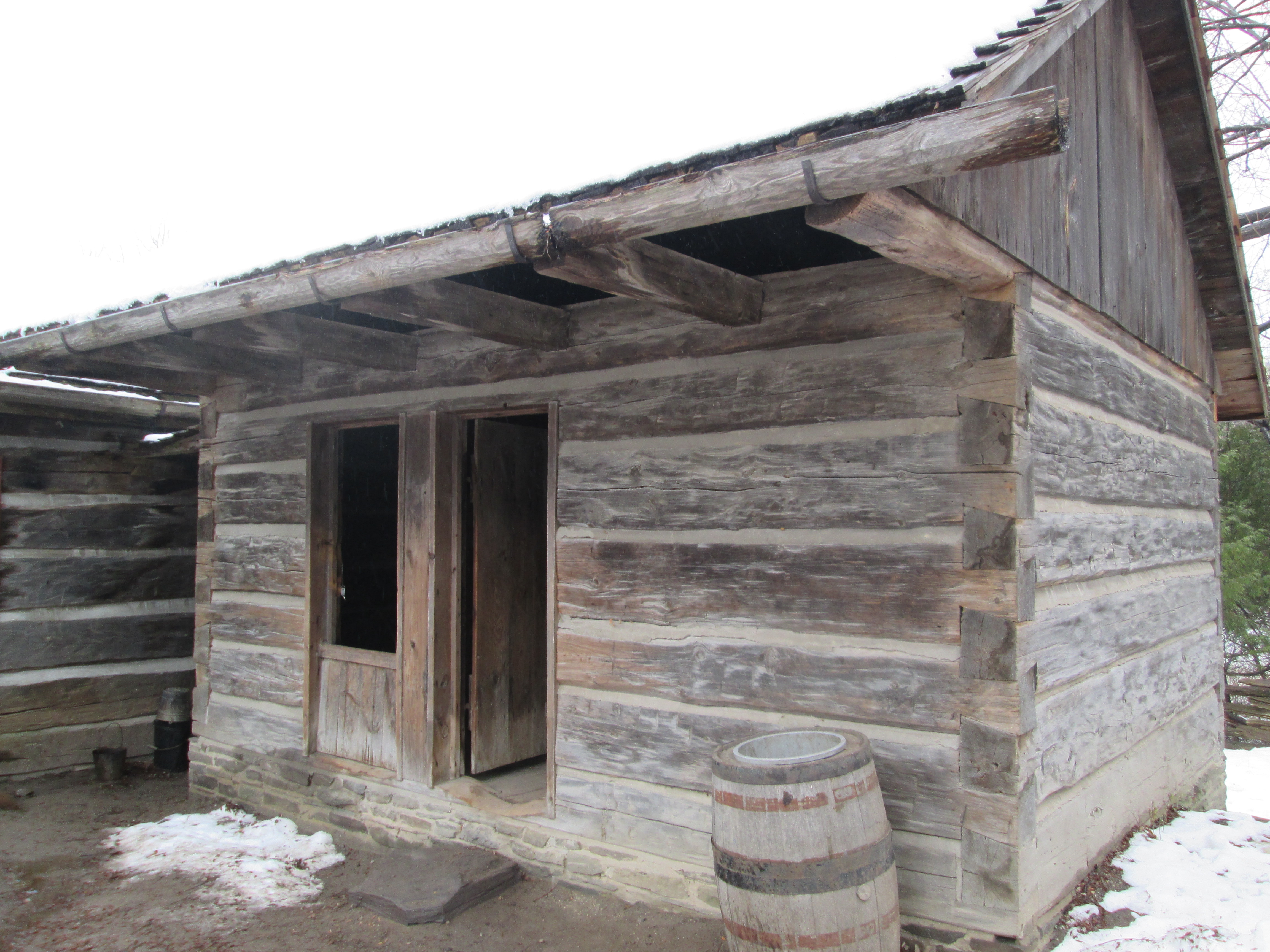
In 1817 Elizabeth gave birth to their first child, Mary Ann, followed by a second daughter the following year named Catharine.  As the family was growing, Daniel was working on building a farm out of the virgin forest.  Keeping livestock over the winter was difficult so it was common to butcher the animals in the fall and preserve the meat.  A smokehouse was added right outside the front door in 1820.  It was divided into two rooms, one for butchering and the other for smoking the meat.

IMG_1509

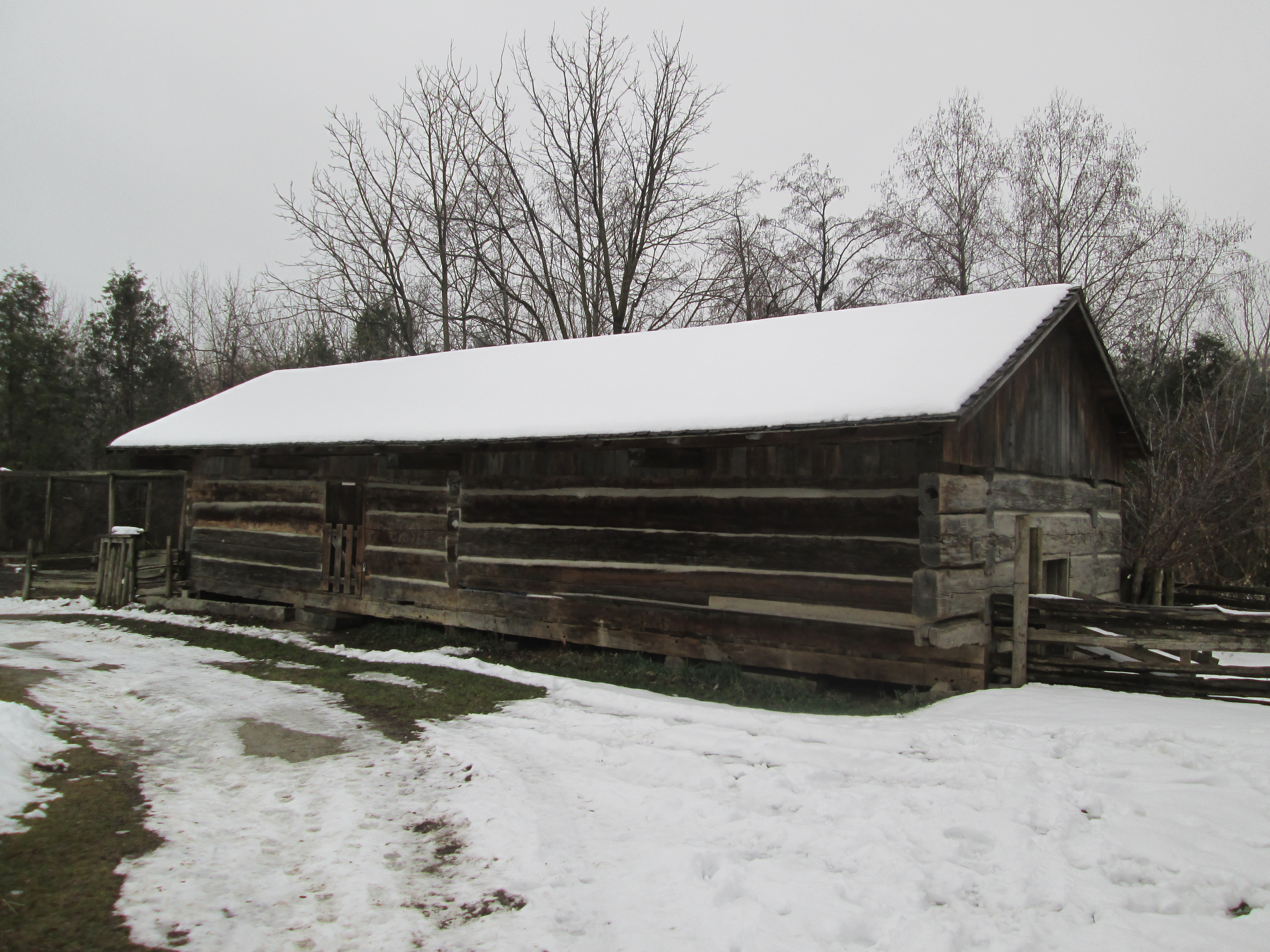
In 1821 the Stongs celebrated the birth of Jacob, their first son.  A second son, John, was born the next year. Salted pork was one of the primary meats used to carry the family over the winter.  Daniel raised pigs which he housed in his piggery.  Being steps from the house made it easy for taking care of the animals but it must have smelt pretty nasty when the wind blew from the south.

IMG_1515

A grain barn was added in 1825 to the prospering farm.

IMG_1502

Between 1826 and 1831 Joseph, Michael and Samuel were added to the family bringing the total number of people in the three room house to 9.  Daniel and Elizabeth had one bedroom, the two girls the other and the boys slept in the living room.  The boys had the luxury of being closest to the fireplace in the winter.  In 1832 Daniel built a second home for the family.  The two story red house in the picture below is where their 8th and final child, Daniel jr. was born.  Shown in the picture from left to right are the piggery, first home, smokehouse and second home.  This little homestead was where Elizabeth raised her brood of children.

IMG_1553

The second house featured a greatly improved cooking area complete with a seven second bake oven on the left side.  If Elizabeth could hold her hand in the oven for more than seven seconds it meant that it wasn’t hot enough yet.

IMG_1532

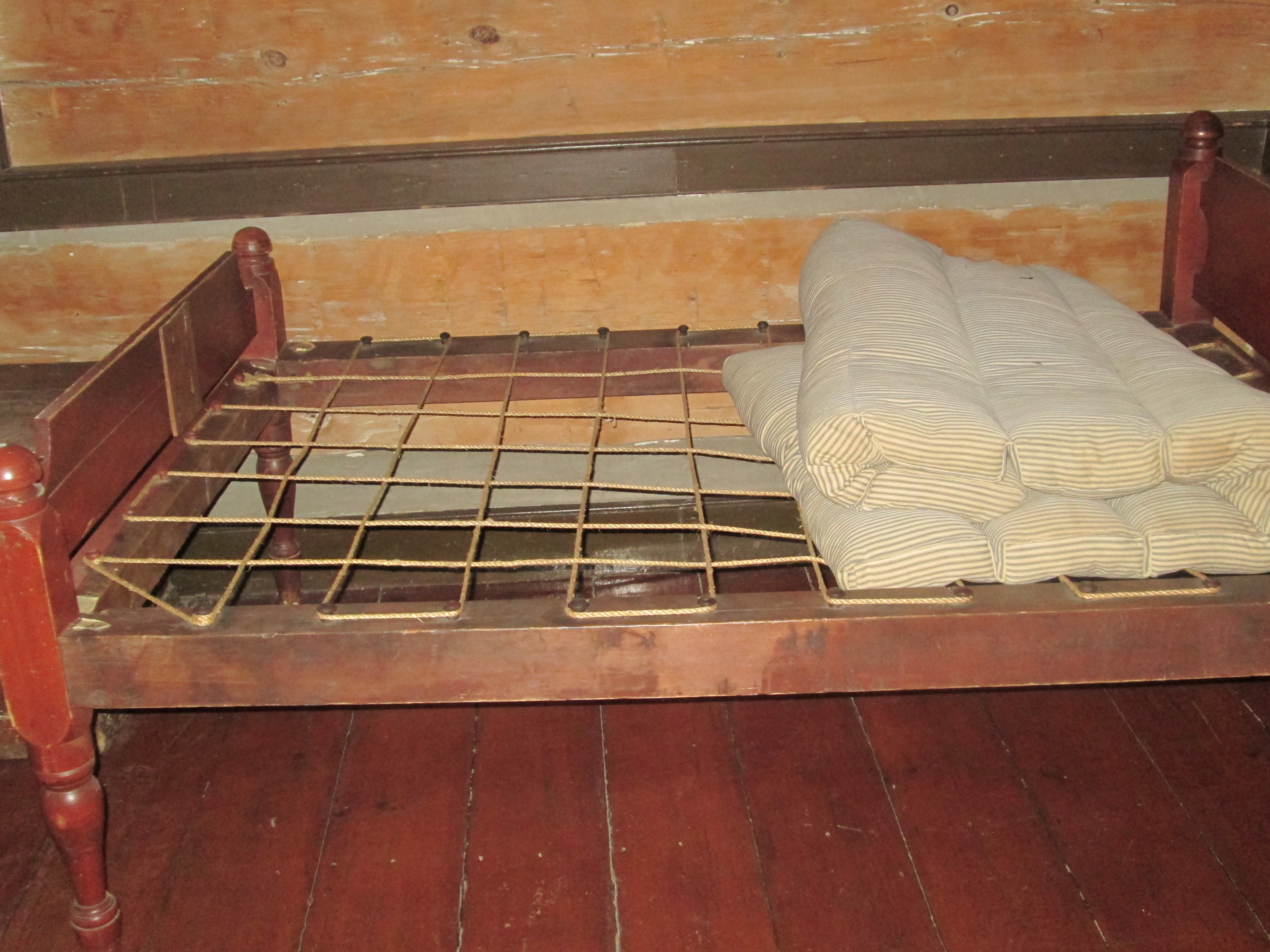
An old expression which will be familiar to most of us is “Sleep tight, don’t let the bed bugs bite.”  This bed in the second home is turned back to display the ropes that supported the mattress.  The ropes would need to be tightened frequently to allow for a comfortable sleep.

IMG_1535

In the rebellion of 1837 Daniel and his oldest son Jacob joined the rebel farmers and William Lyon MacKenzie to fight for responsible government.  After the rebellion was crushed Daniel was arrested and held in jail.  With the hangings of two rebels in Toronto, and 8 children at home to take care of, this must have been a horrible time for Elizabeth.

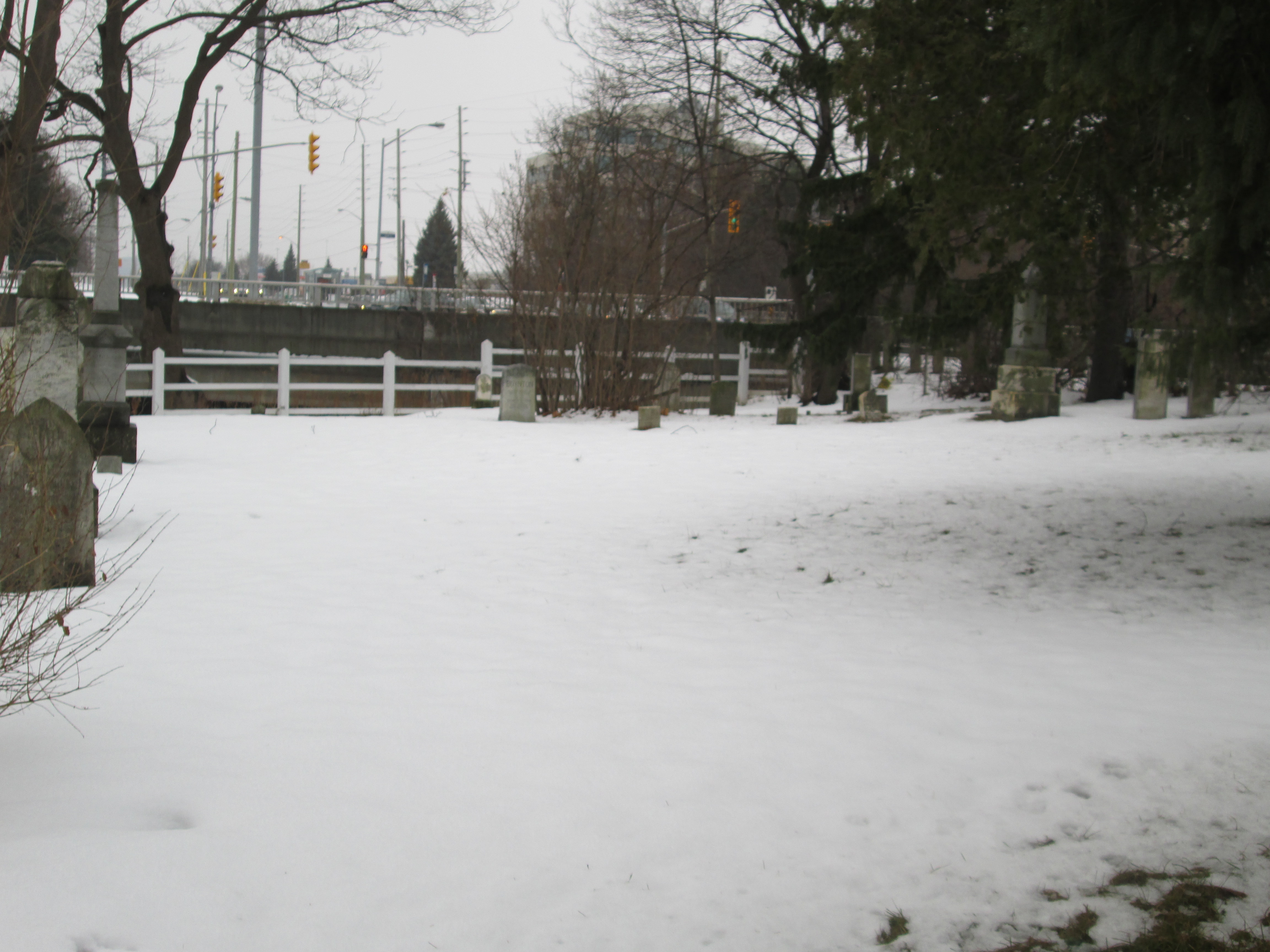
Tragedy struck in 1845 when Michael died at the age of 17.  He was buried on the north west corner of the property in what would become known as Townline Cemetery.  Eventually this cemetery would become the resting place for most of the Stong family and their neighbours. The land for the cemetery and Townline Church were donated by Daniel.

IMG_1540

In 1854 her oldest daughter Mary Ann died at the age of 37.  That same year her oldest son Jacob bought the east 80 acres of the farm to raise his own ten children on.  He built this two story brick house that still stands near the corner of Steeles and Keele.  This old farmhouse once had a large front porch as can be seen in the changed brick colours below the upper windows and angling out to the corners of the house.

IMG_1558

In 1868 Elizabeth lost her husband and lifelong partner Daniel.  The large family that she had borne became her security in her older years.  Many of the adjacent farms were occupied by her children.  Samuel lived on the farm on the north side of townline (Steeles).  The house from that property was built by the Stongs around 1855 and has been moved to it’s present location within the village.

IMG_1500

Elizabeth was to suffer the passing of her other daughter in 1882 before she herself passed on March 30, 1885.

The farm was operated by Daniel, his son Jacob, grandson Alfred and great grandson Oliver. Oliver Stong farmed the family homestead until 1952.  Unlike most pioneer families, the Stongs never tore down the early buildings to re-use the materials.  The property was purchased by the Toronto Regional Conservation Authority in 1958 because of it’s unique collection of historic buildings and opened as Black Creek Pioneer Village in 1960. The east end of the property is now home to York University.

Like us at http://www.facebook.com/hikingthegta

Follow us at http://www.hikingthegta.com