Tag Archives: Goodwood

Credit Valley Railway Station – Streetsville

January 4, 2025

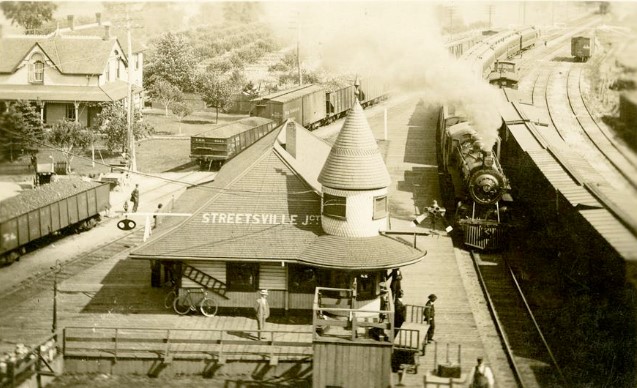
The city of Mississauga is made up of several historic communities and many of these had their own train stations in the 19th century as the railway lines were expanding across Canada. Heritage Mississauga lists five stations on the Credit Valley Railway (CVR). Summerville Station which was built in 1878 and has apparently been in storage since 1978. Cooksville Station was built in 1878 and destroyed by fire in 1883. Meadowvale Station was built in 1878 and demolished in 1976. Erindale Station was built in 1879 and demolished in the 1950s. Streetsville Junction Station was built in 1879 and replaced in 1914 with a new station. The station was then moved to its present location. The historic image below shows Streetsville Junction as it appeared in 1913, prior to being decommissioned and moved to its current location the following year. The “front” of the station was built facing the line to St. Thomas as this was correctly assessed as the busier of the two lines. The line to Orangeville approached the station from the rear.
George Laidlaw was instrumental in the construction of several railways in Ontario including the Toronto & Nipissing which passed through Goodwood. He was also behind the Toronto, Grey & Bruce which saw the Horseshoe Curve Rail Disaster in 1917. The CVR was incorporated Feb. 15, 1871 to build from Toronto to Orangeville with a stop in Streetsville. In 1872 an amendment was made to the charter to allow a line through Cataract to Elora and an 1873 amendment allowed construction to St. Thomas.
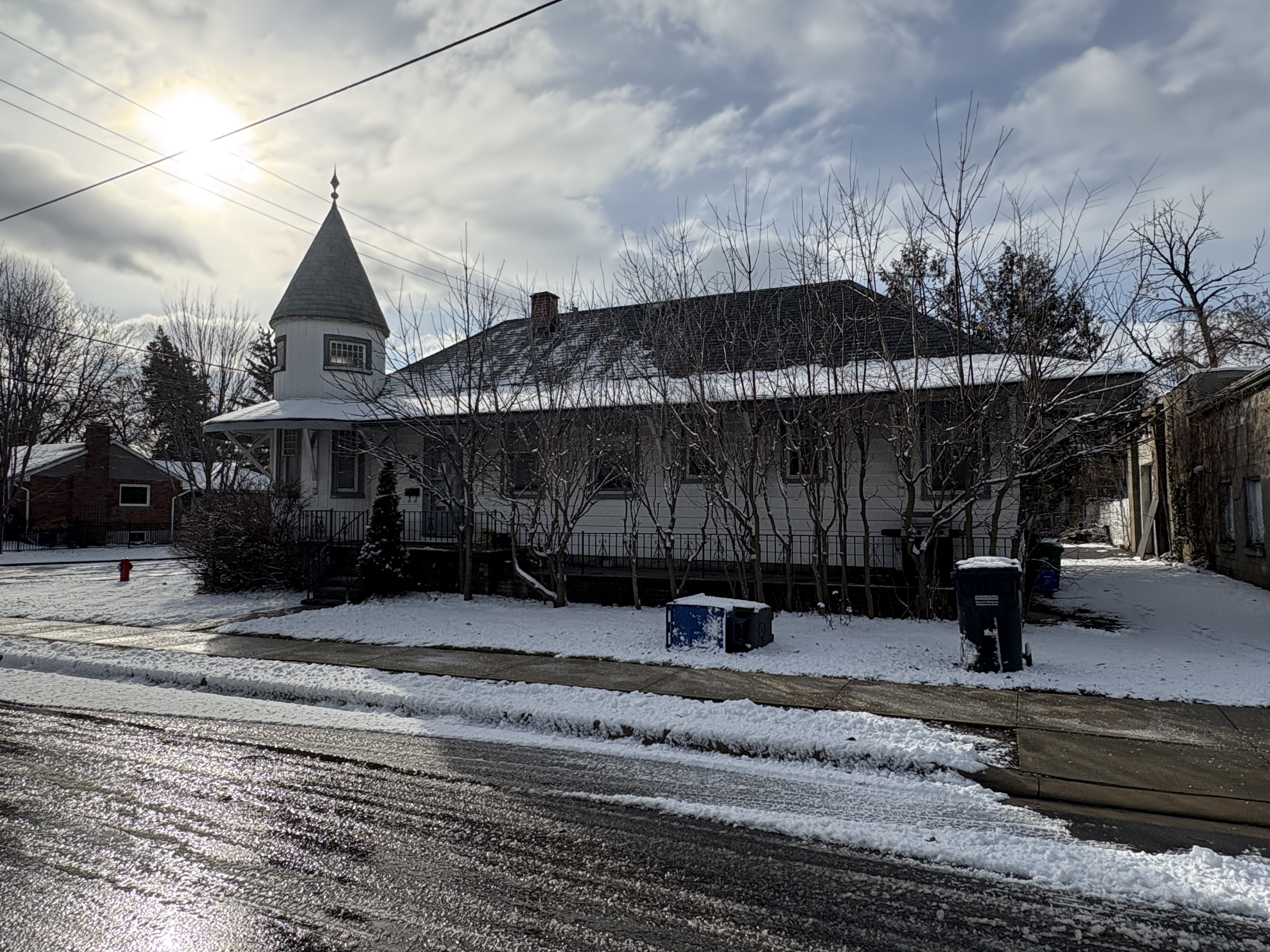
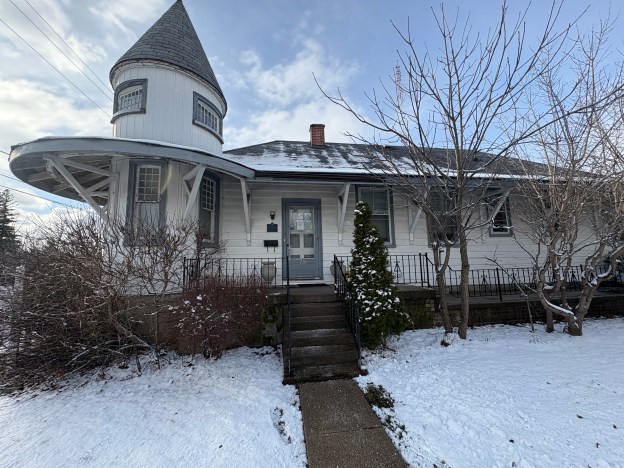
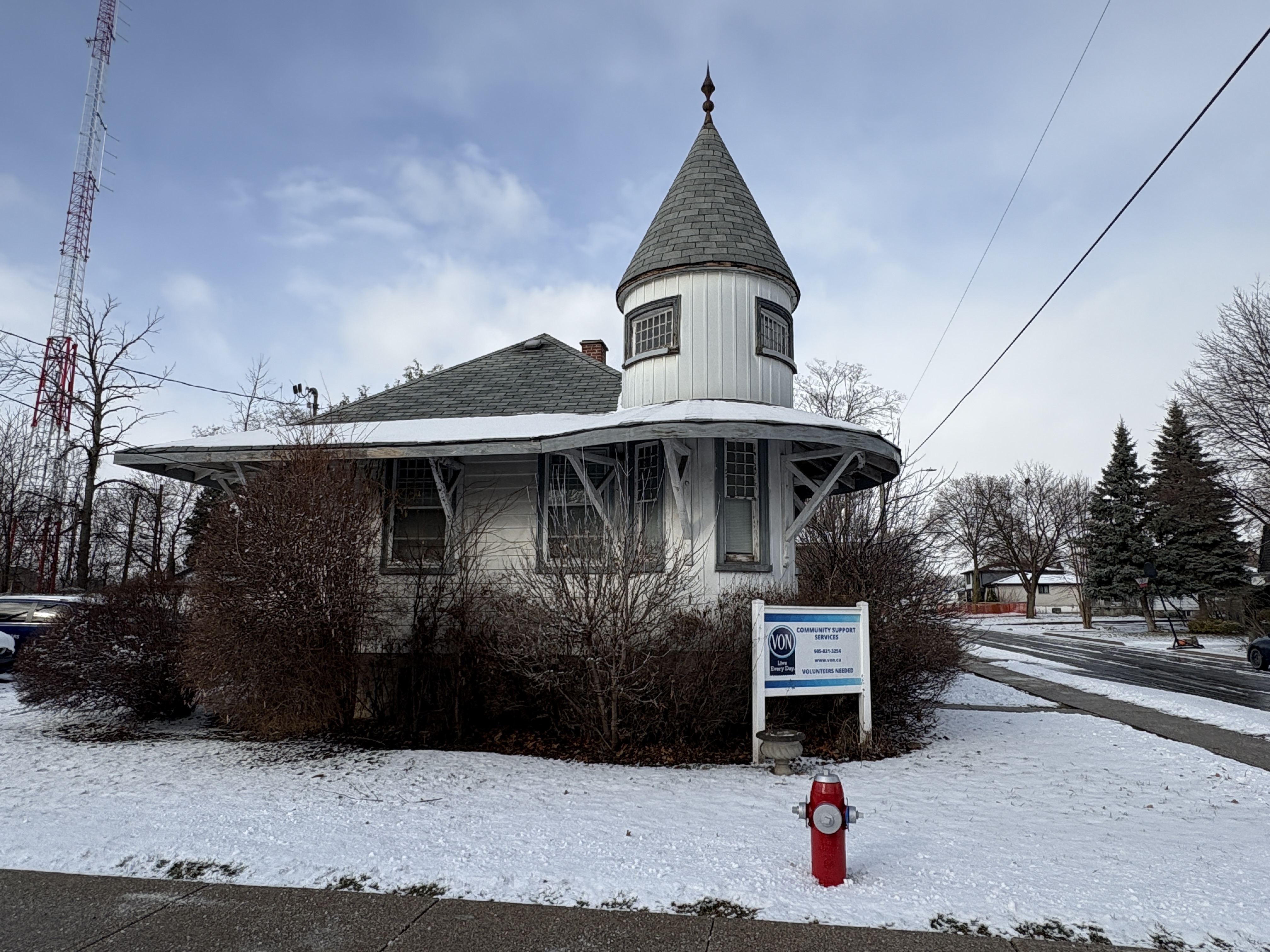
The station in Streetsville was built about 1.5 kilometres north of the main part of town at the point where the CVR split with one set of tracks going to Orangeville and the other going to St. Thomas. The rectangular building features a two storey turret on the south-east corner. The tower was decorative as well as practical as it allowed view down both sets of tracks to see what traffic was on the line at Streestville Junction. The tower still shows its board and batten construction although the rest of the building has been clad over in aluminum siding.
Survey work on the line began in 1873 and grading followed the next year. Track laying began in 1876 and the first train arrived in Streetsville on September 1, 1879. This is also the month that the 1,146 foot long trestle at the Forks of the Credit was completed. The line was finished in 1881 but it was already in talks with the Great Western Railway because of financial troubles. On November 30, 1883 the CVR and the London Junction Railway were amalgamated into the Ontario & Quebec Railway. This was then absorbed into the Canadian Pacific Railway (CPR) on January 4, 1884.
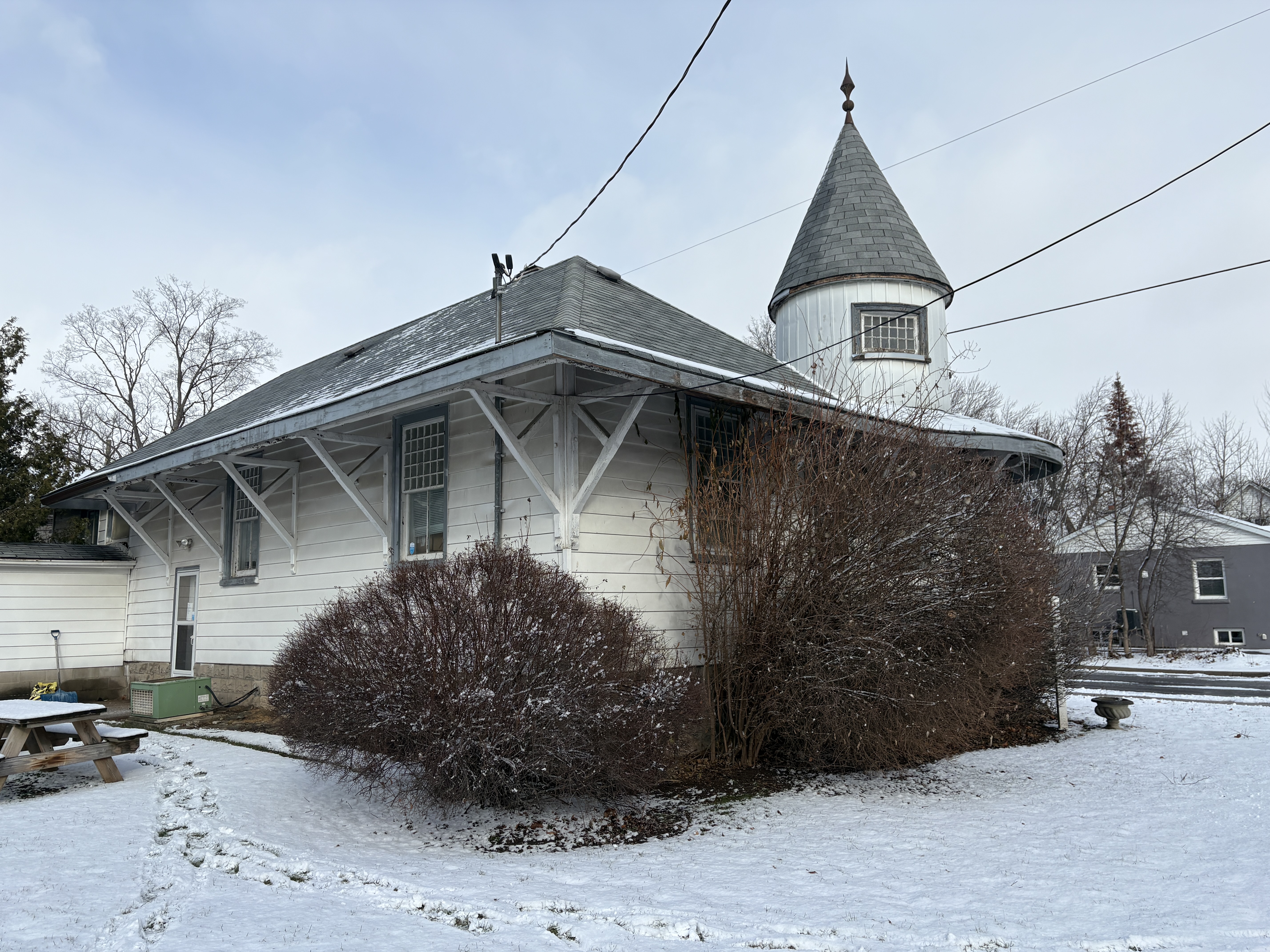
Due to the fact that the CVR station was built outside of Streetsville it wasn’t convenient for the residents to use. A small passenger shelter was built at the end of Old Station road to accommodate them. As passenger service increased it was decided to build a new Streetsville Station which opened in 1914 about halfway between the two existing stations. At that time the old junction station was set to be demolished. Ephraim Evans bought it and had it moved to its present location on Ontario Street. He converted it into a residence and today it serves as the Community Support Services building for the VON.
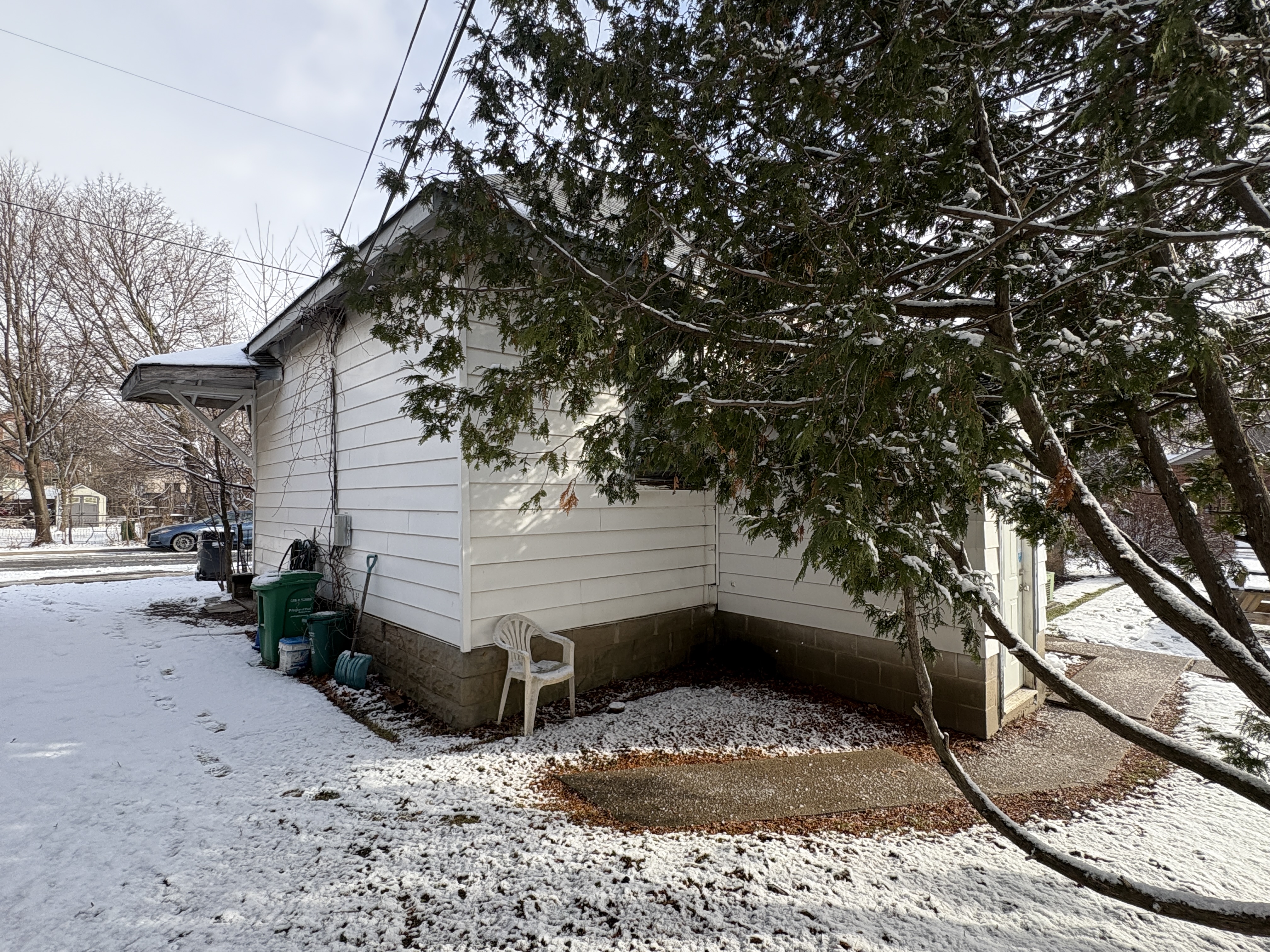
This 1883 timetable was taken from Old Time Trains on www.trainweb.org and further reading can be found there. Streetsville Junction was on the Orangeville Branch and is underlined in green.
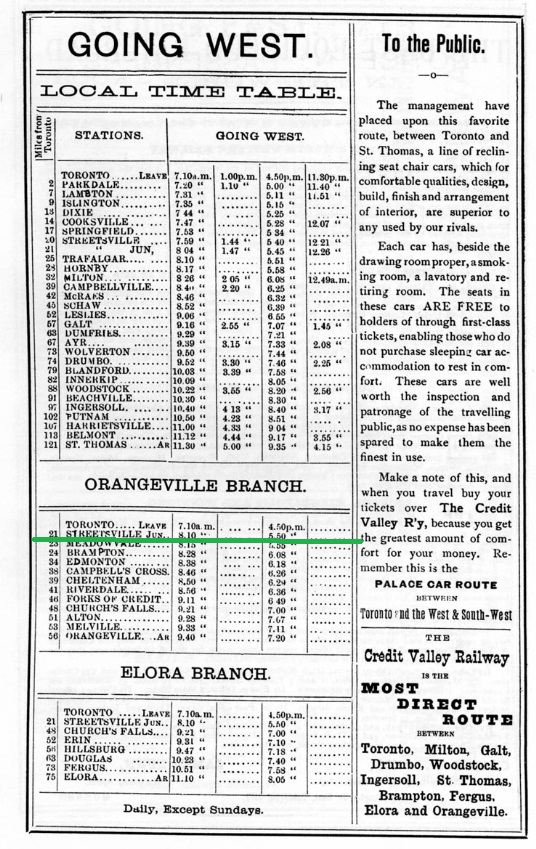
It’s nice to see this historic train station preserved as an example of 19th century railway station construction.

Related Stories: Goodwood, Horseshoe Curve Rail Disaster, Forks of the Credit

Google Maps Link: Credit Valley Railway Station

Like us at http://www.facebook.com/hikingthegta

Follow us at http://www.hikingthegta.com
Goodwood – Ghost Towns of the GTA

December 28, 2024

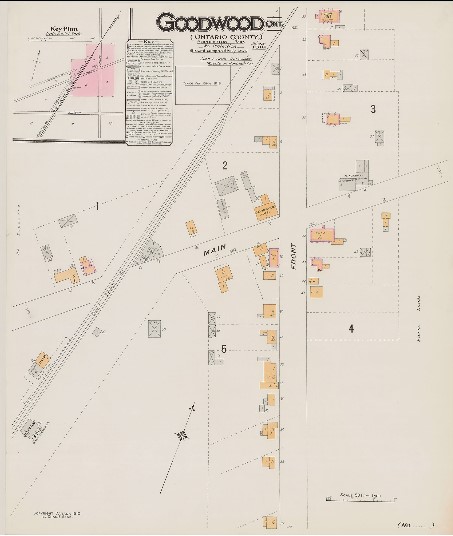
Goodwood is a little town that was largely unknown in recent years. That all changed in 2015 when it became a stand-in for the fictional town of Schitt$ Creek in the popular TV series of the same name. Long before its newfound fame, it had developed as a farming community in the mid-1800s. Goodwood was expanding and by 1862 there were two churches, a store, a hotel and a wagon shop in town. The map below shows Goodwood as it existed in 1910.

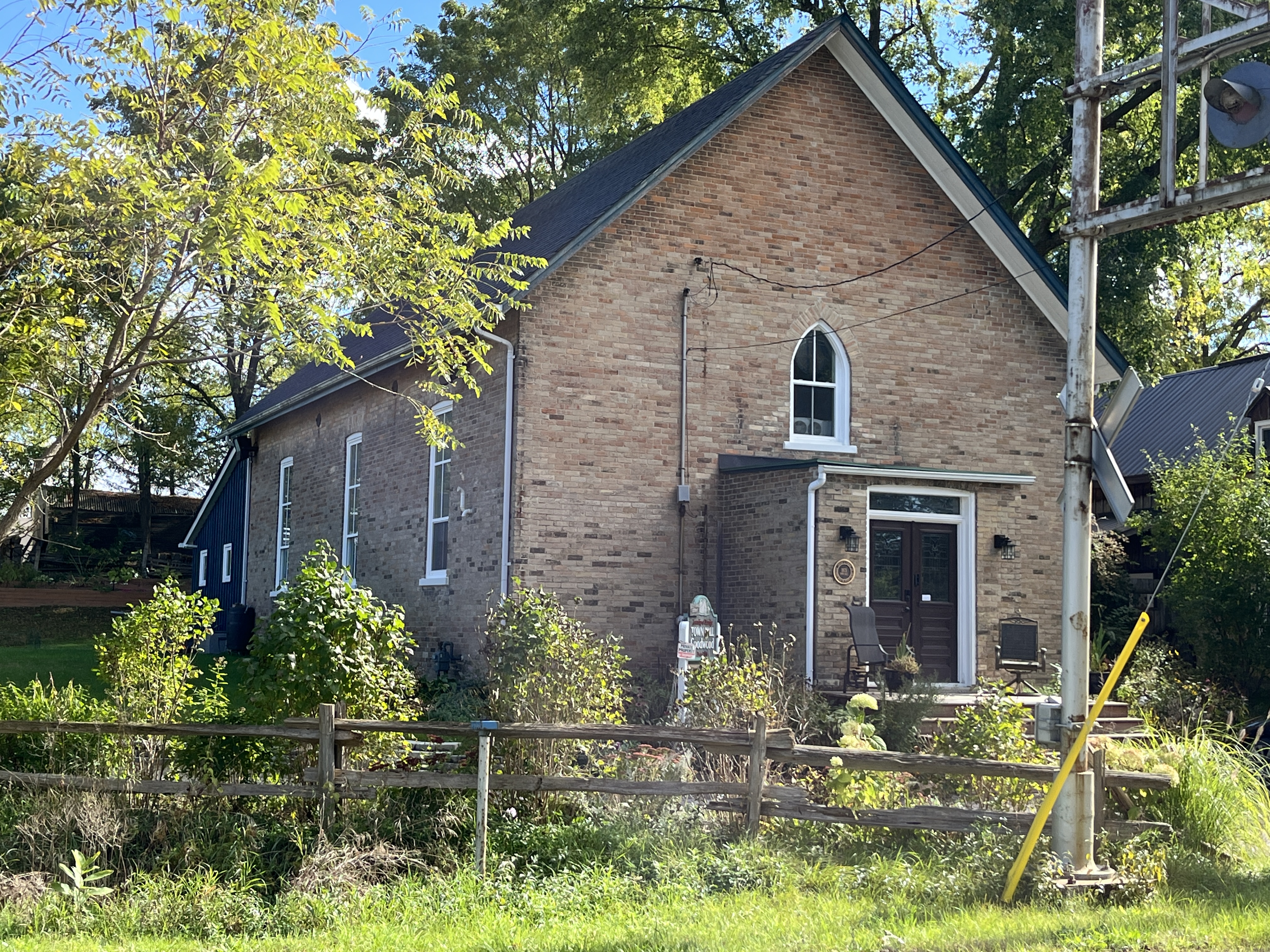
From the 1850s, Uxbridge Township Council met in a variety of places around the township. There was an ongoing issue trying to decide where to put the township hall and in 1862 it was decided to let the people decide. A two day vote was taken and it was decided that Goodwood was central and would make a good location for the township hall. Goodwood Town Hall was built in 1875 but was recently sold off and is now used as a private residence. It served as Schitt$ Creek Town Hall in the TV series.

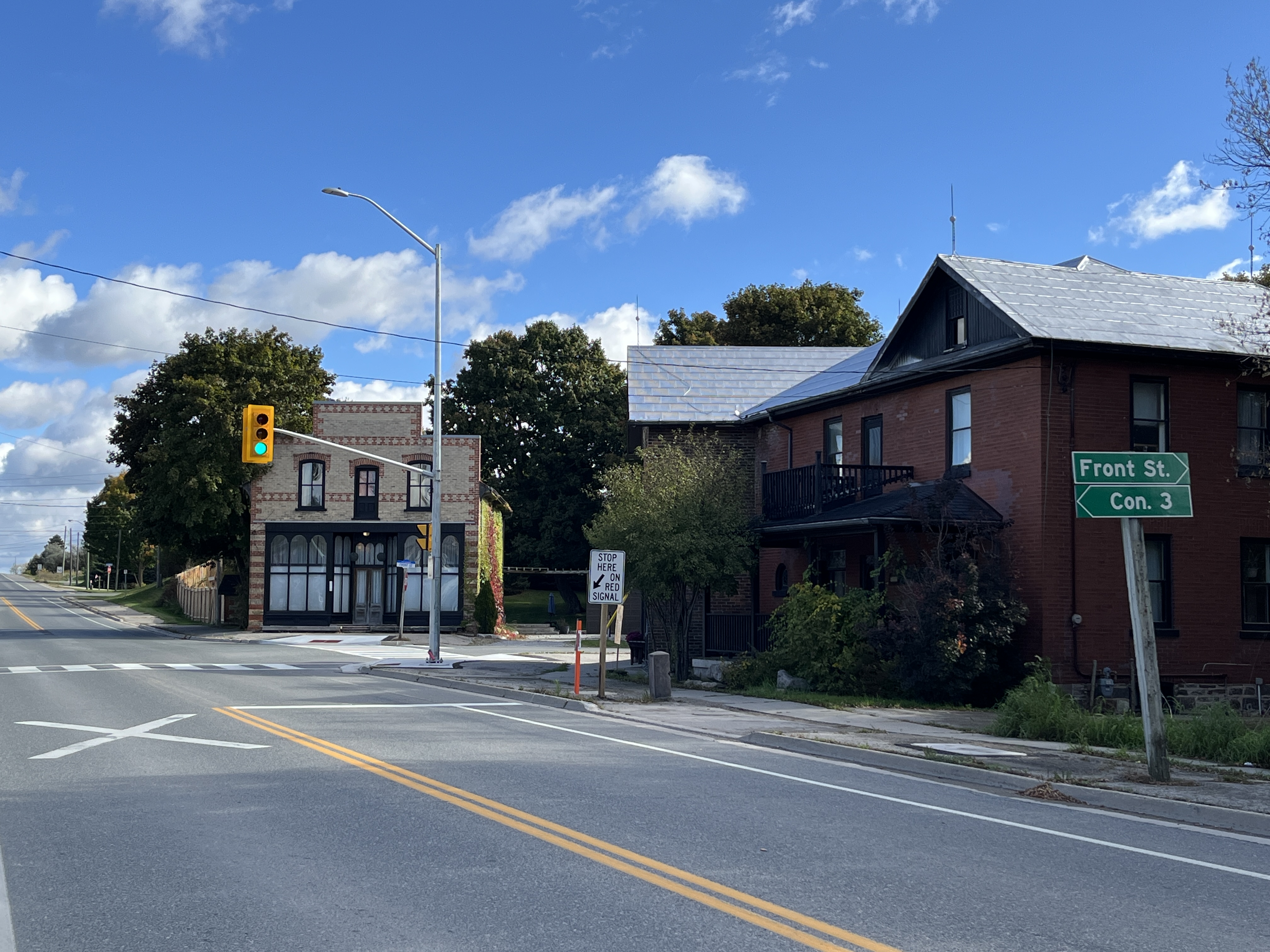
The main intersection of the town looks much as it did a hundred years ago when horse and carriage stopped in town for refreshments for both horse and driver.

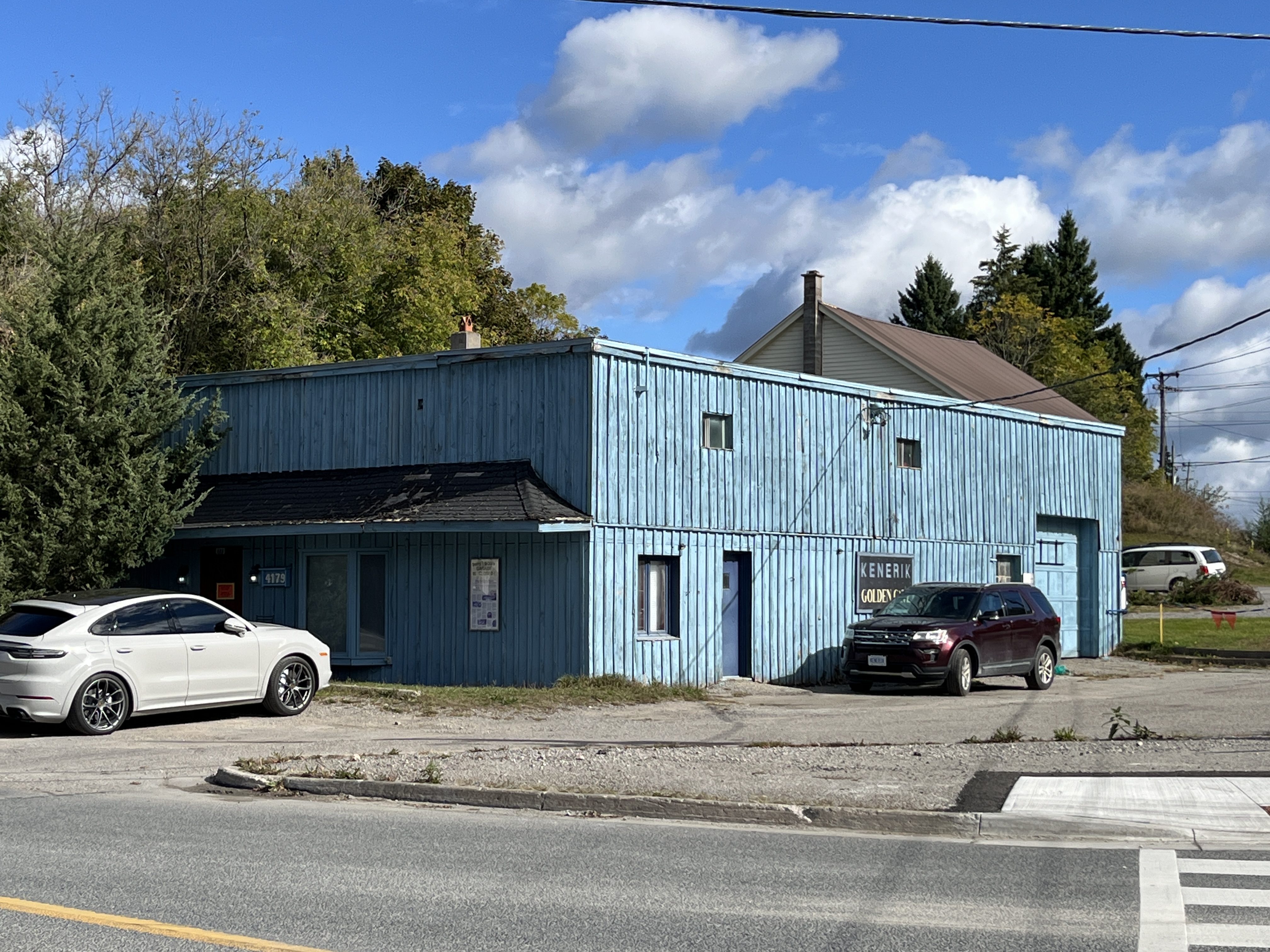
On the north east corner of the main intersection is the building that was used for Bob’s Garage in the show Schitt$ Creek. The building is actually owned by Joe Toby who uses it to make specialty furniture for disabled people.

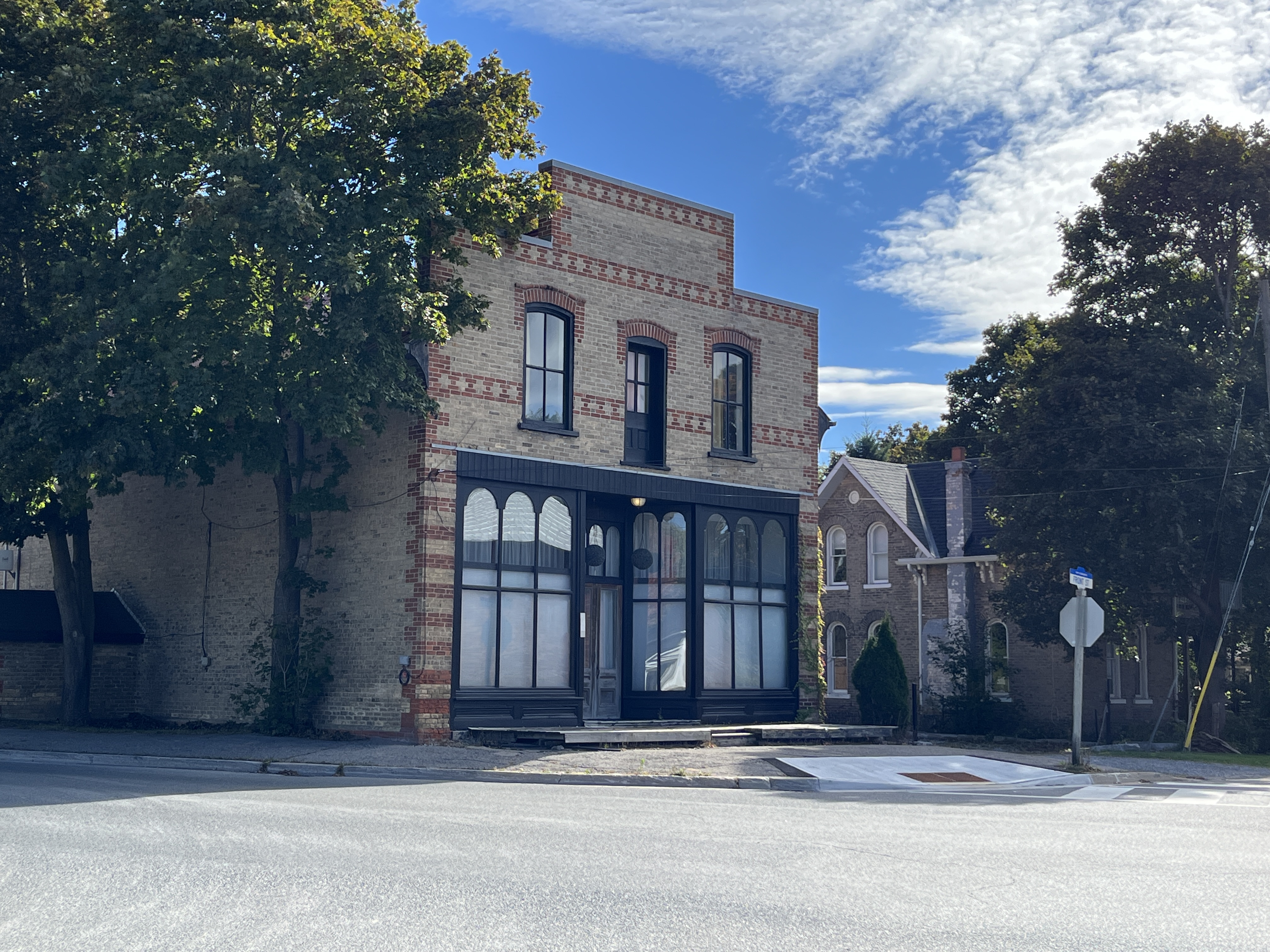
The former store on the south east corner of the intersection was used as the Cafe Tropical in Schitt$ Creek. According to the TV series, the cafe was opened in 1947 and bought by Twyla Sands in 2018.

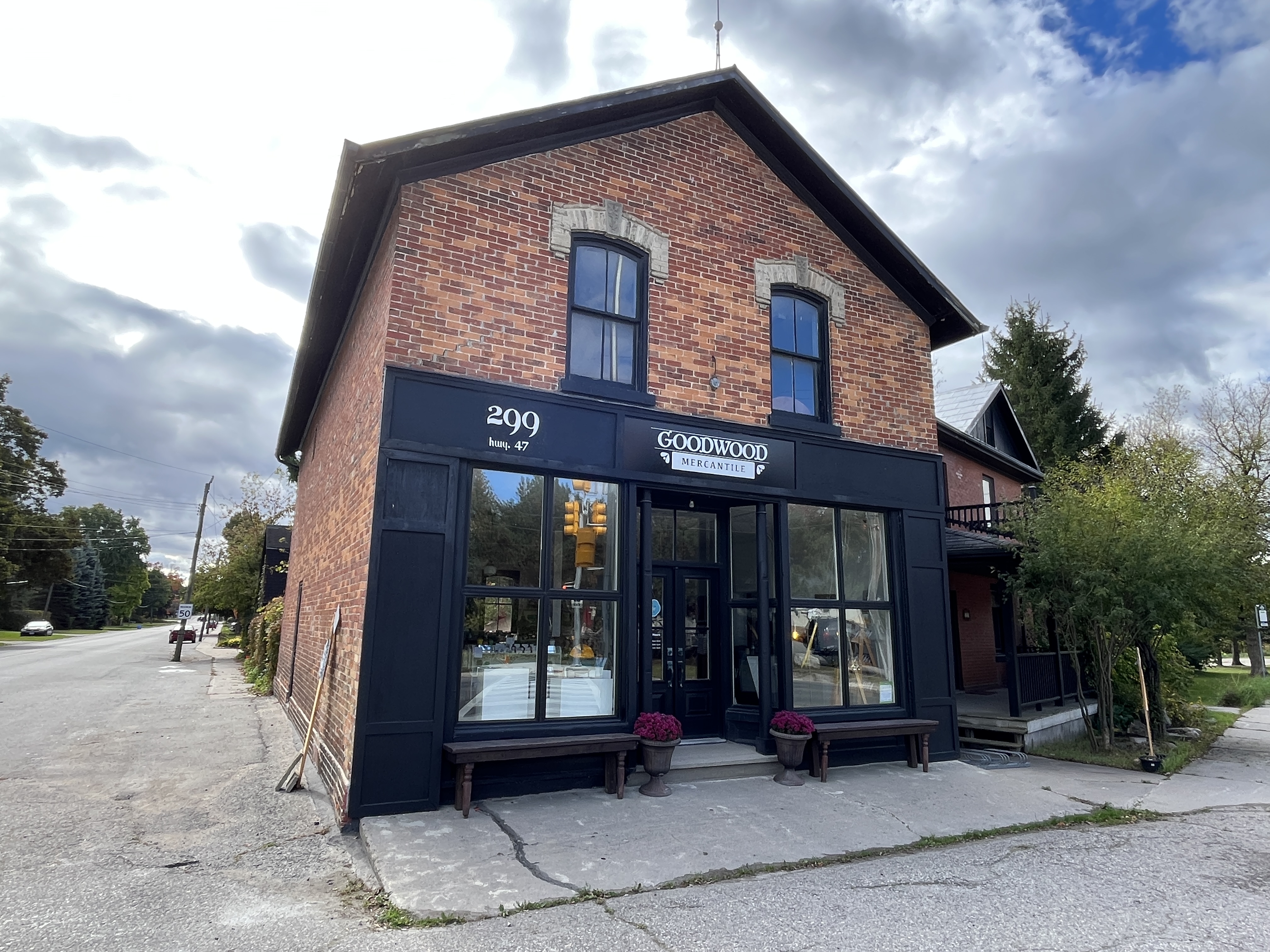
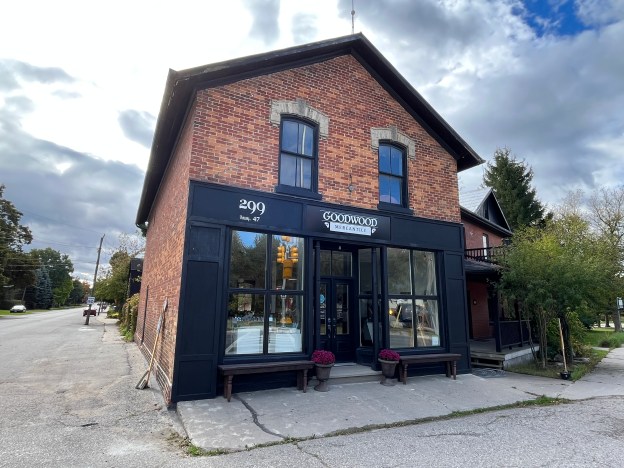
The building that would become famous as Rose Apothecary in Schitt$ Creek was originally built in 1861 as the town post office. Like many small town post offices it has also served as a general store. Later it was an antique store and then a yarn store. The building was recently put on the market for the asking price of $2.35 million and was later sold. It will soon be opened as a new venture called Goodwood Mercantile.

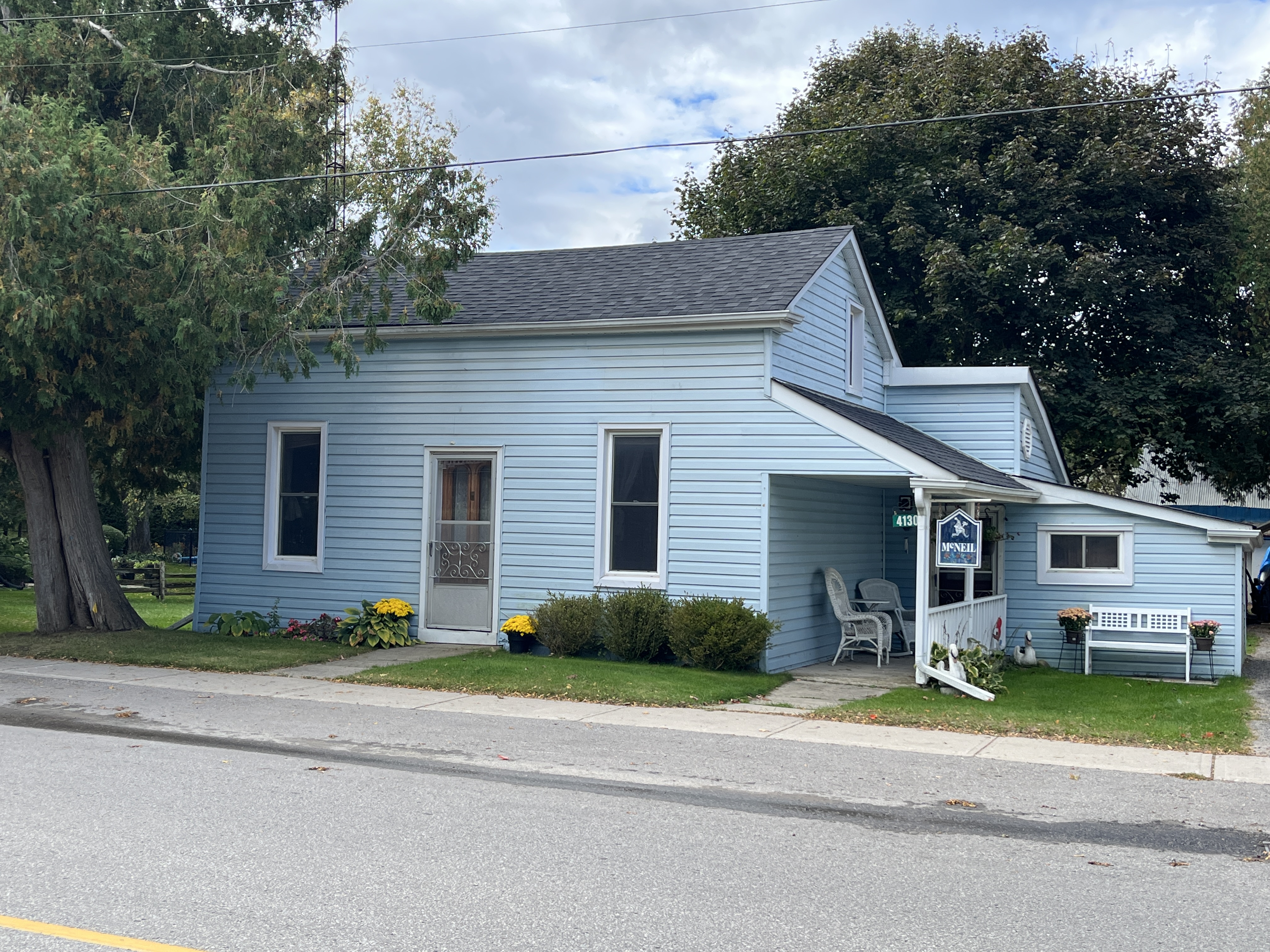
Just south of the intersection is the house that would serve as the Mayor’s residence in the TV show.

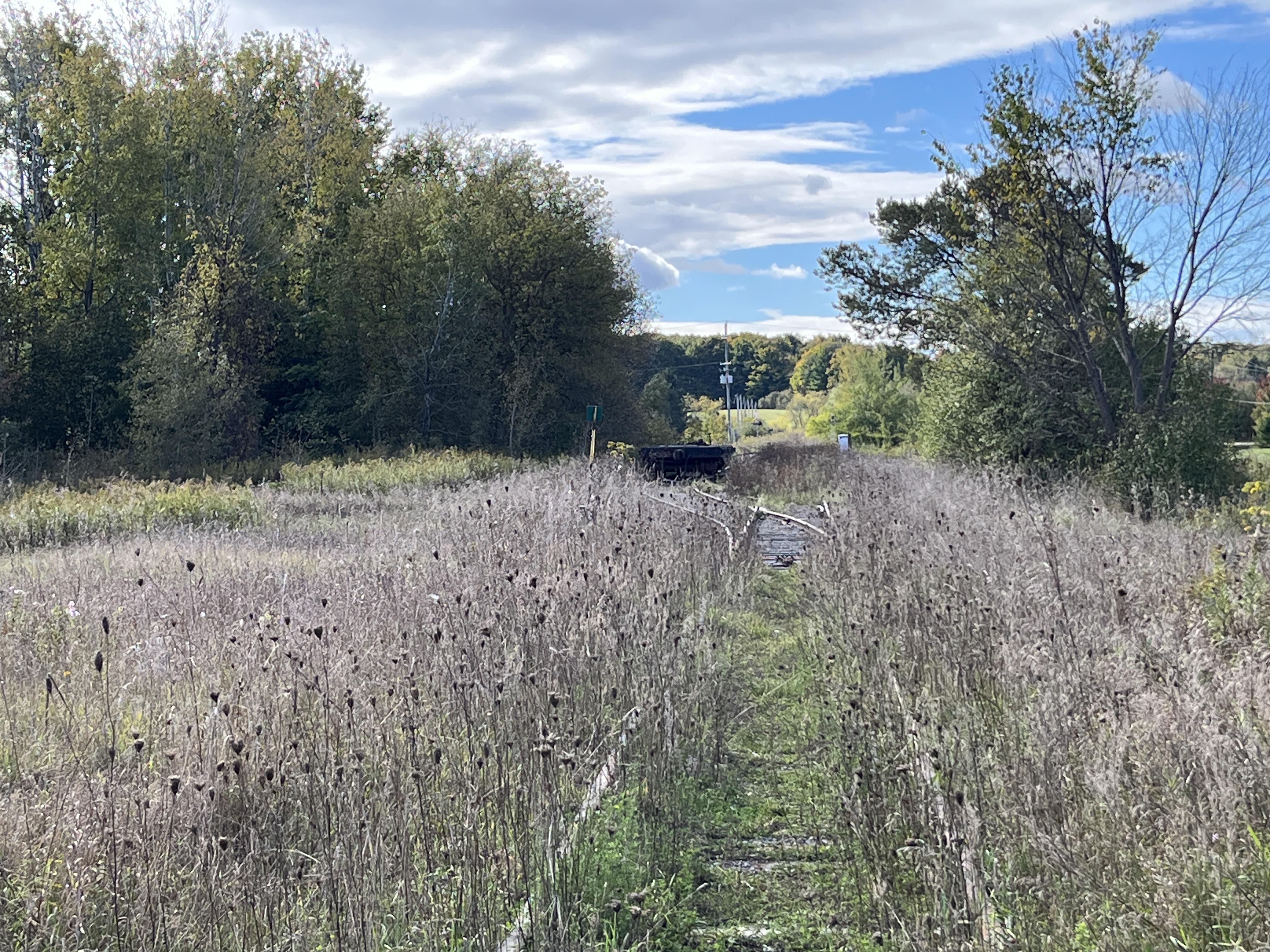
The first narrow-gauge railway in North America was the Toronto and Nipissing Railway. When it opened in 1871 it ran from Scarborough to Uxbridge, passing through Goodwood along the way. The railway ran into financial trouble and was never completed to Nipissing . In 1882 it was amalgamated into the Midland Railway and on January 1, 1884 it became part of the Grand Trunk Railway.

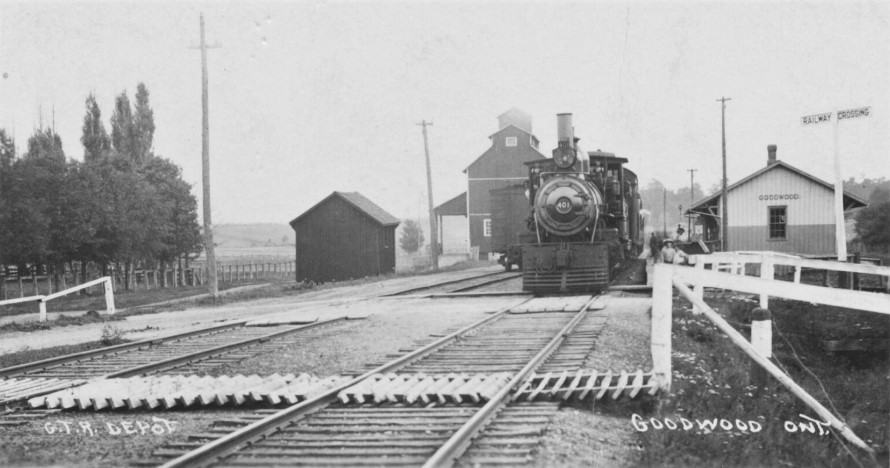
The Goodwood station was demolished in 1960 and only the siding remains. The archive image below shows the station and grain elevator. Engine 401 sits in front of the station waiting to finish loading. The station was replaced with a flag stop shelter but it was removed in the 1980s after passenger service ended in 1978.

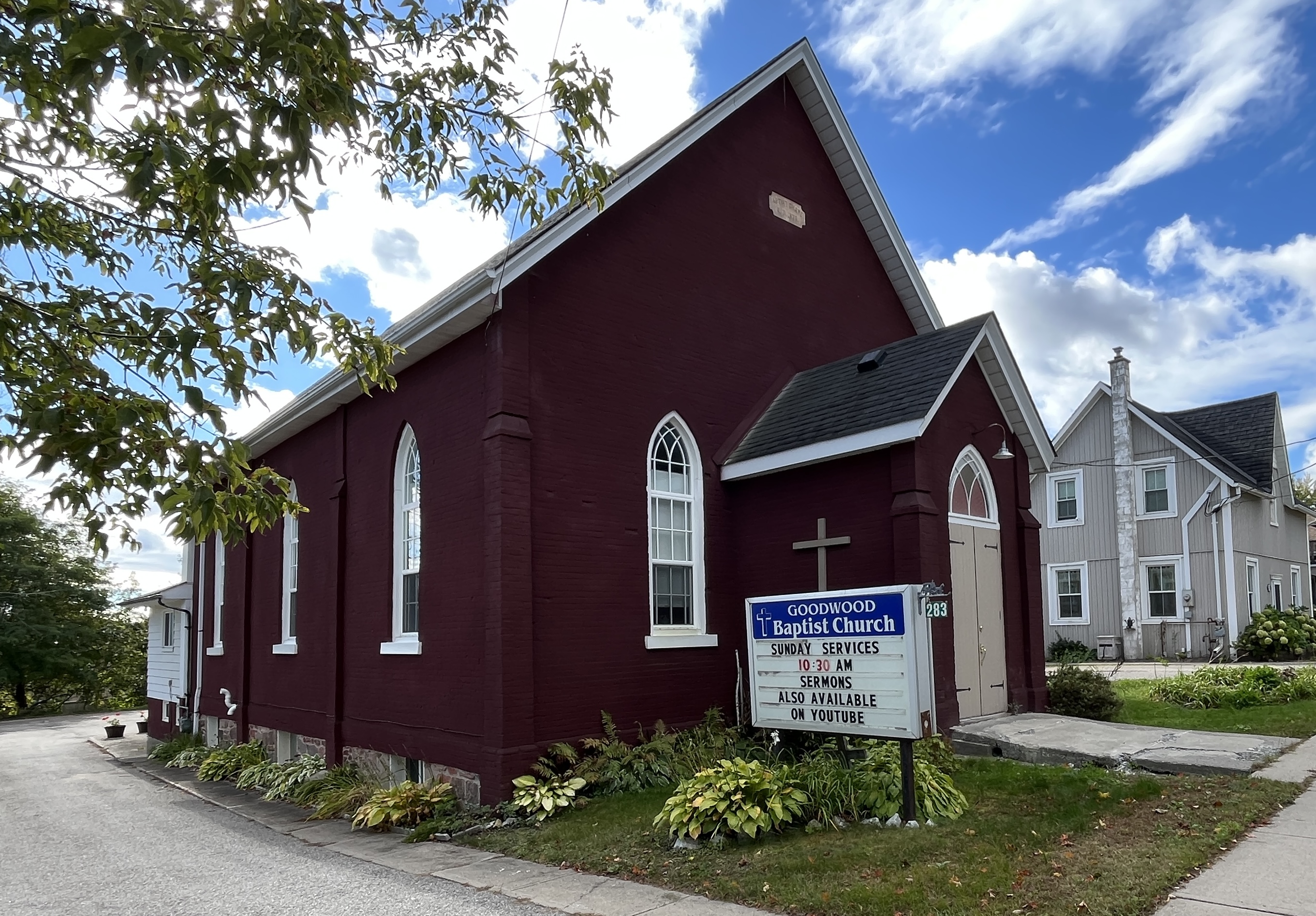
The Goodwood Baptist Church was founded in 1876 by Rev. J. B. Moore who was the pastor in Stouffville Baptist Church. In January of that year he began by holding a service in the little building in the Goodwood Cemetery. Starting the next week they moved into the Goodwood Town Hall. On March 10th the congregation decided to formalize themselves as a separate church and set about finding the right place to erect their church building. The new building cost $1,600 and was dedicated on December 21, 1876.

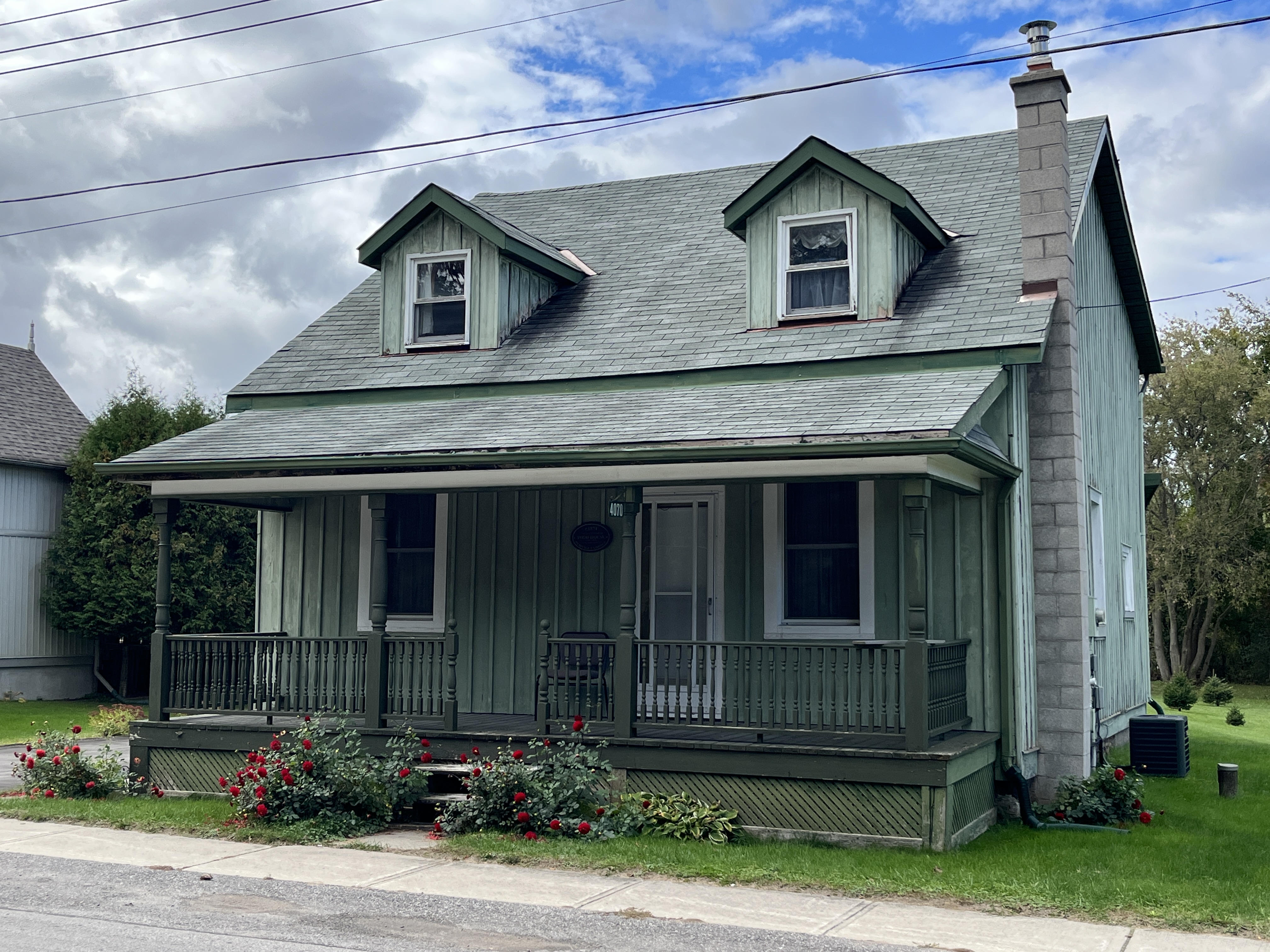
Several of the buildings on town have Heritage Uxbridge plaques on them. The one pictured below says that it belonged to George and Elizabeth Todd. George owned Todd’s Produce and they lived in the house from 1911-1955. The house was built in 1875.

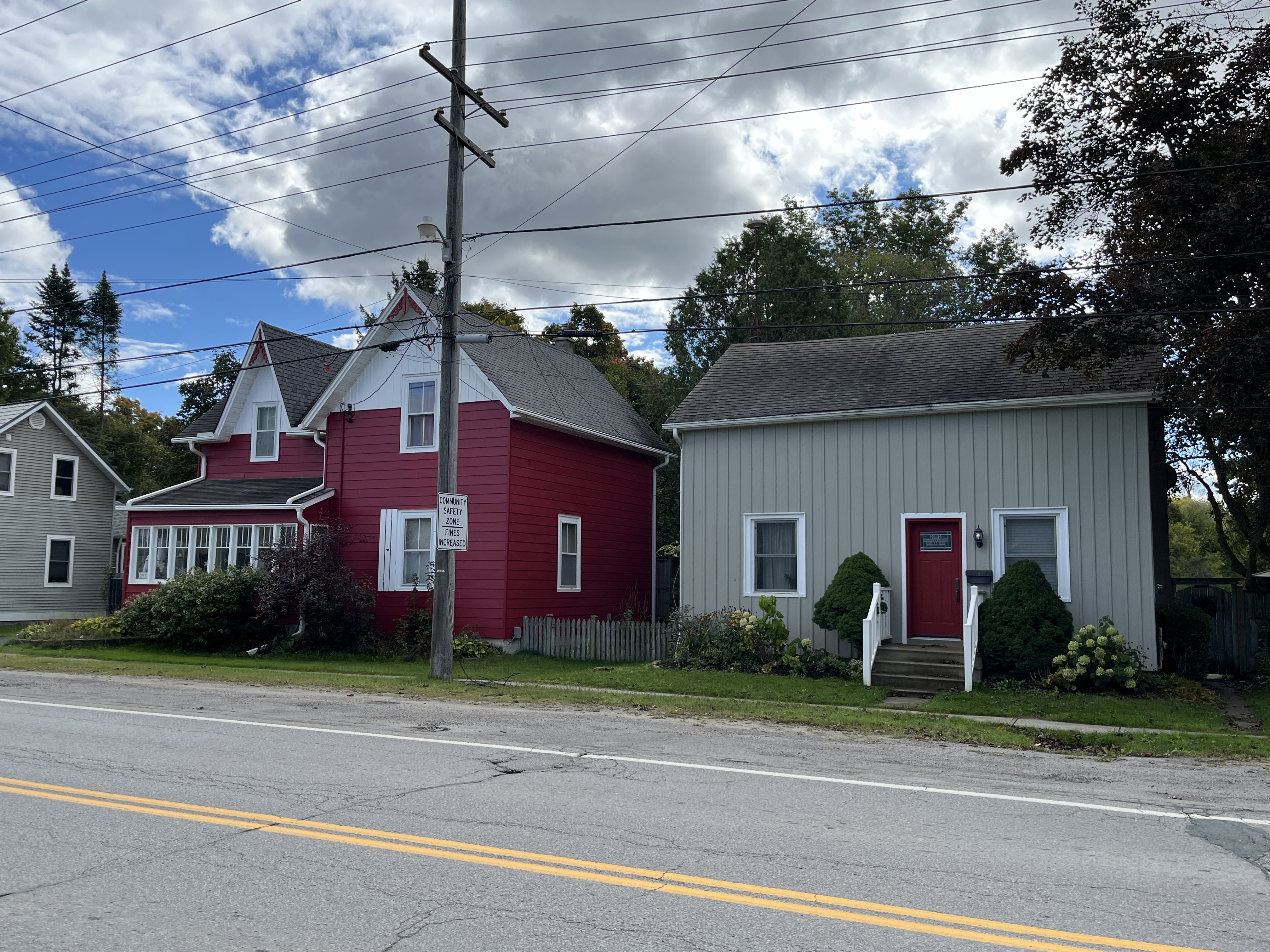
There are several streets in Goodwood that have most of their historical buildings from the 19th century still intact.

Goodwood is an interesting little town that can be explored on foot for the opportunity to enjoy it’s many surviving historical buildings. Please remember that the buildings are all privately owned and trespassing is not allowed.

Google Maps Link: Goodwood

Like us at http://www.facebook.com/hikingthegta

Follow us at http://www.hikingthegta.com