Category Archives: Historic Site

Crawford Lake The Anthropocene Epoch

August 12, 2023

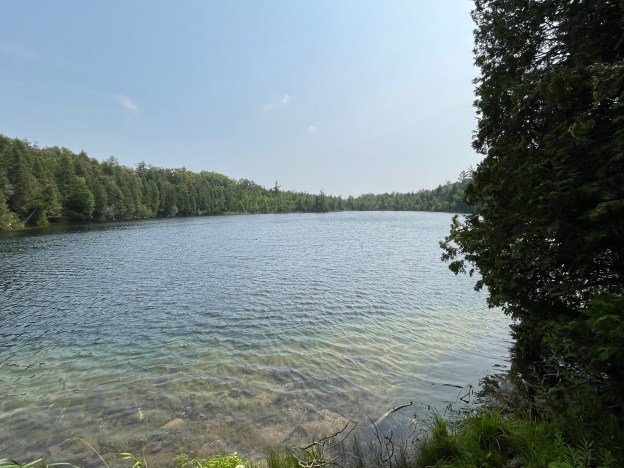
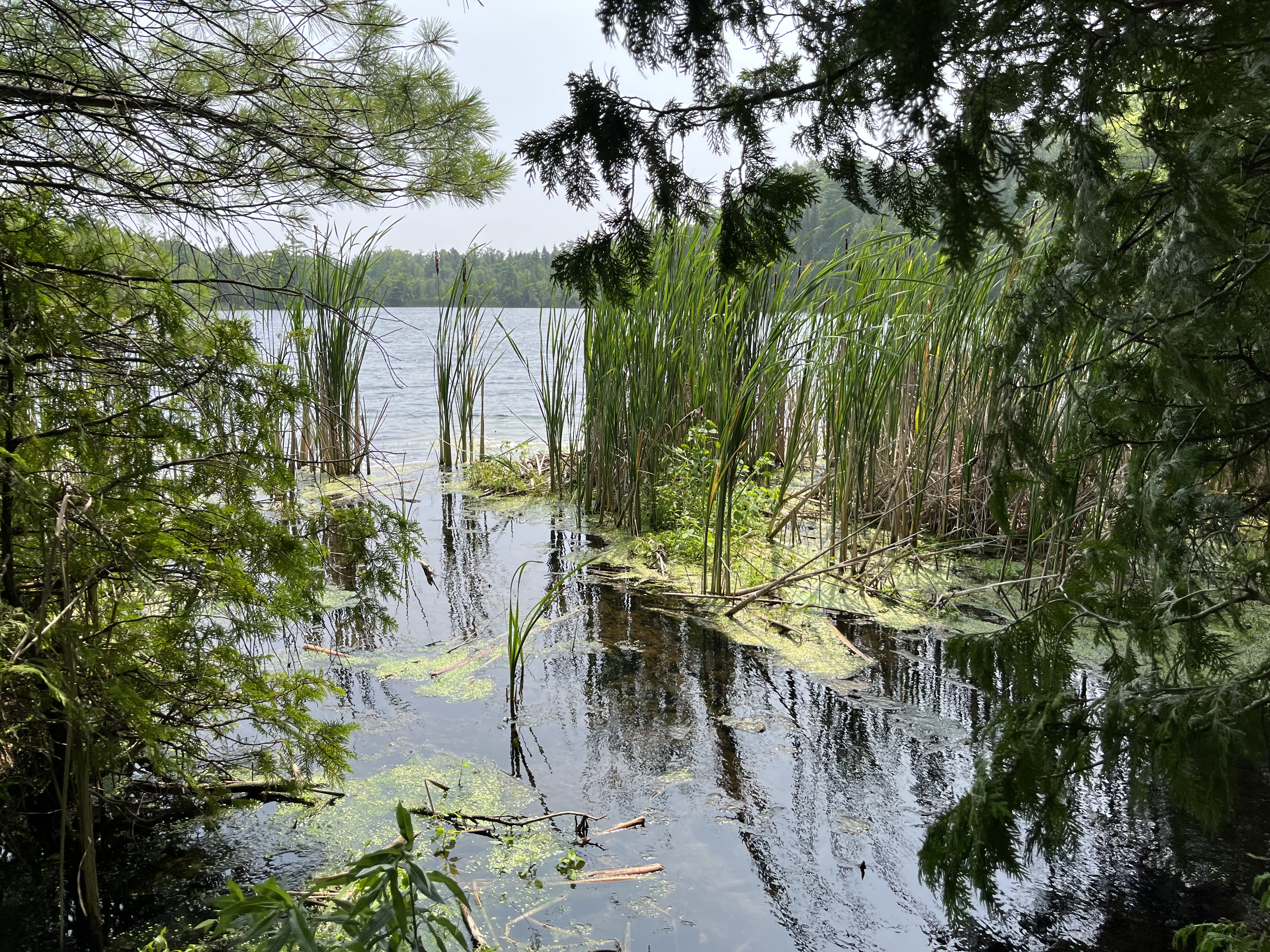
Crawford Lake near Milton has long been the site of an educational conservation area where people can go to relax, exercise and learn about the indigenous past of the area. We have previously covered the story of the longhouses in the park and will only briefly touch on the subject in this post. For the full article, please see our story The Longhouse People of Crawford Lake.

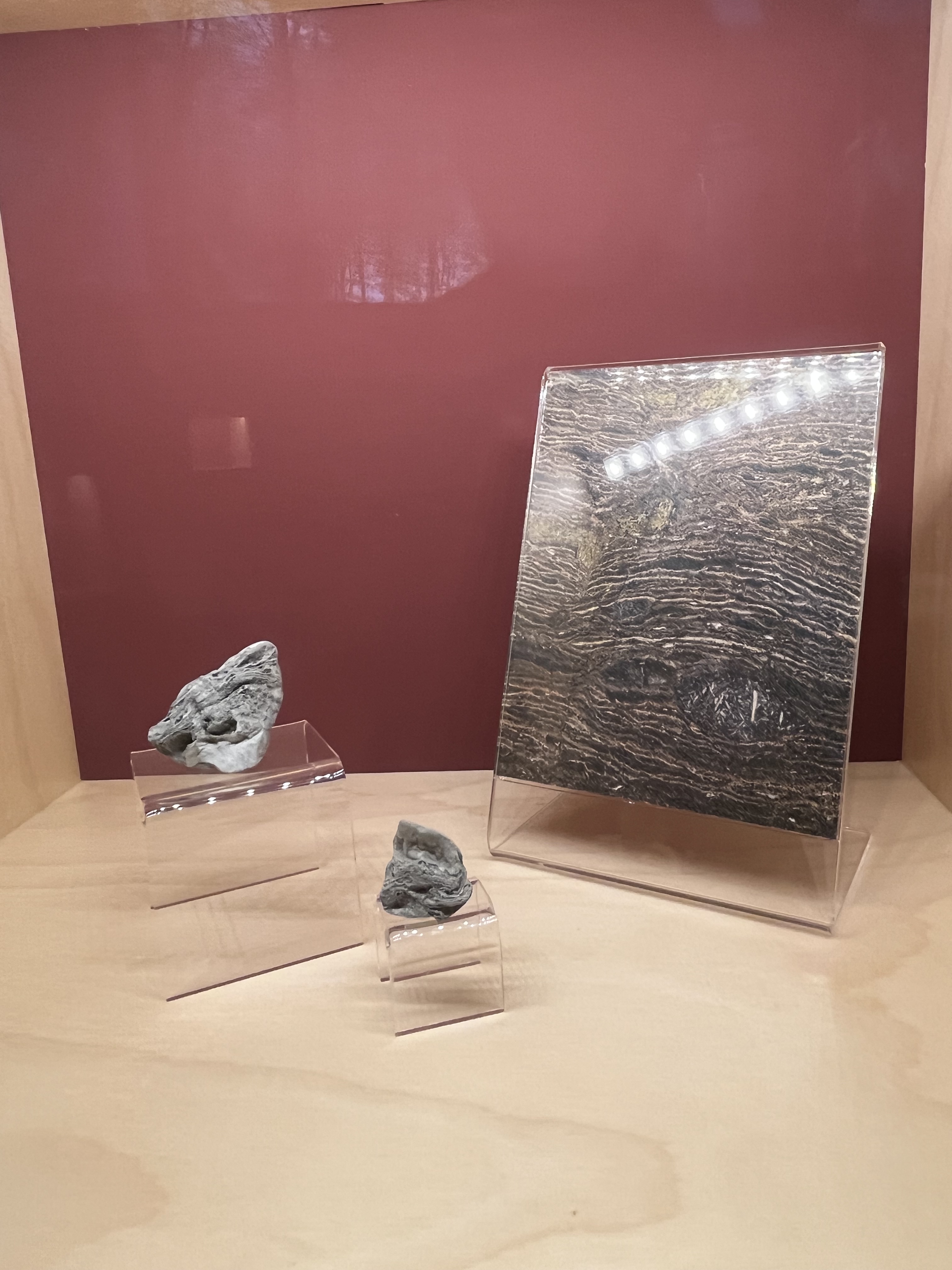
The lake is back in the news the past few months for another reason. The same conditions that allowed the researchers to identify the civilization that once existed beside the lake are now being used for another purpose. Since the sediments at the bottom of the lake don’t get disturbed due to the depth of the lake compared to its surface area, individual years can be identified by dark and light bands in the core samples. Scientists are now contemplating creating a new epoch on the geological time scale to identify the start of a time when humanity has begun to effect the natural world. Beginning in the 1950s a layer of plutonium from nuclear weapons testing, microplastics and ash from burning fossil fuels has started to be observed. After nearly 12,000 years of the Holocene epoch, which began at the end of the last ice age, they are thinking of creating a new epoch known as the Anthropocene epoch. This epoch is named after humanity. One site is chosen somewhere in the world to identify the start of each of the previous epochs and now Crawford Lake is being chosen to mark the start of this new one. These marker sites are known as the Golden Spike and other locations around the world will be measured against the time scale found at Crawford Lake.
In the early 2000s scientists started using the term Anthropocene to identify the period when humanity started to alter the planet on a global scale. It lacked a global geological definition until 2009 when a committee started to look for an indicator site. Out of 12 possible locations they have chosen Crawford Lake to be the Global Boundary Stratotype Section and Point for the potential new epoch. Each summer the lakes PH and warm temperature cause crystals to develop that fall to the lake bed and lay undisturbed. These form layers that can be counted fairly precisely like rings on a tree. The image below shows a magnification of a section of one of the core samples taken from the bottom of the lake.
Not all scientists agree that the Anthropocene started in the 1950s or that it should even be an epoch at all. While the creation of a new epoch is still up for debate, there’s no doubt about the earlier presence of a human culture beside Crawford Lake. The many pieces of pottery and arrow heads that have been found at the site make for an interesting visit lo the conservation area.
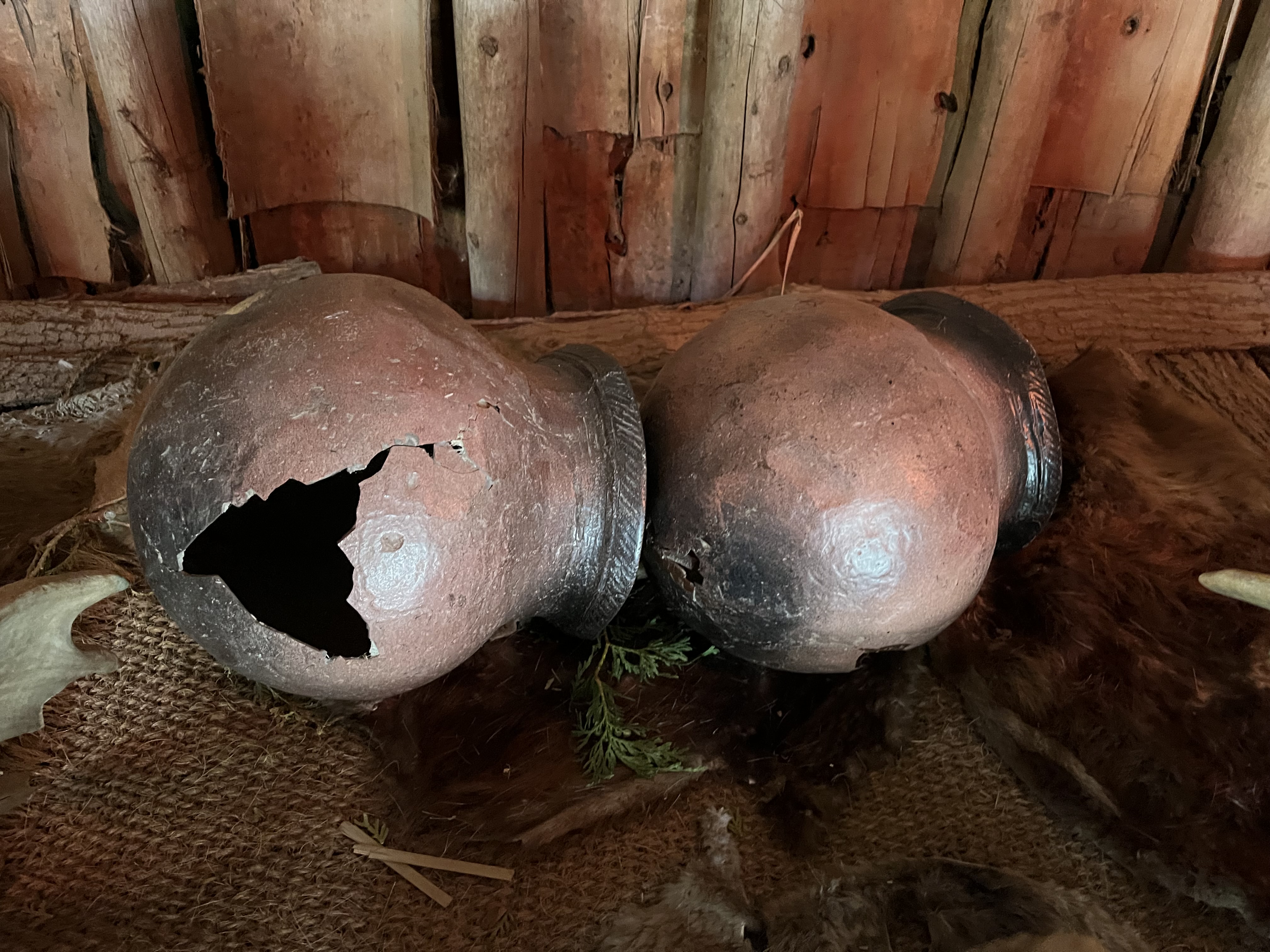
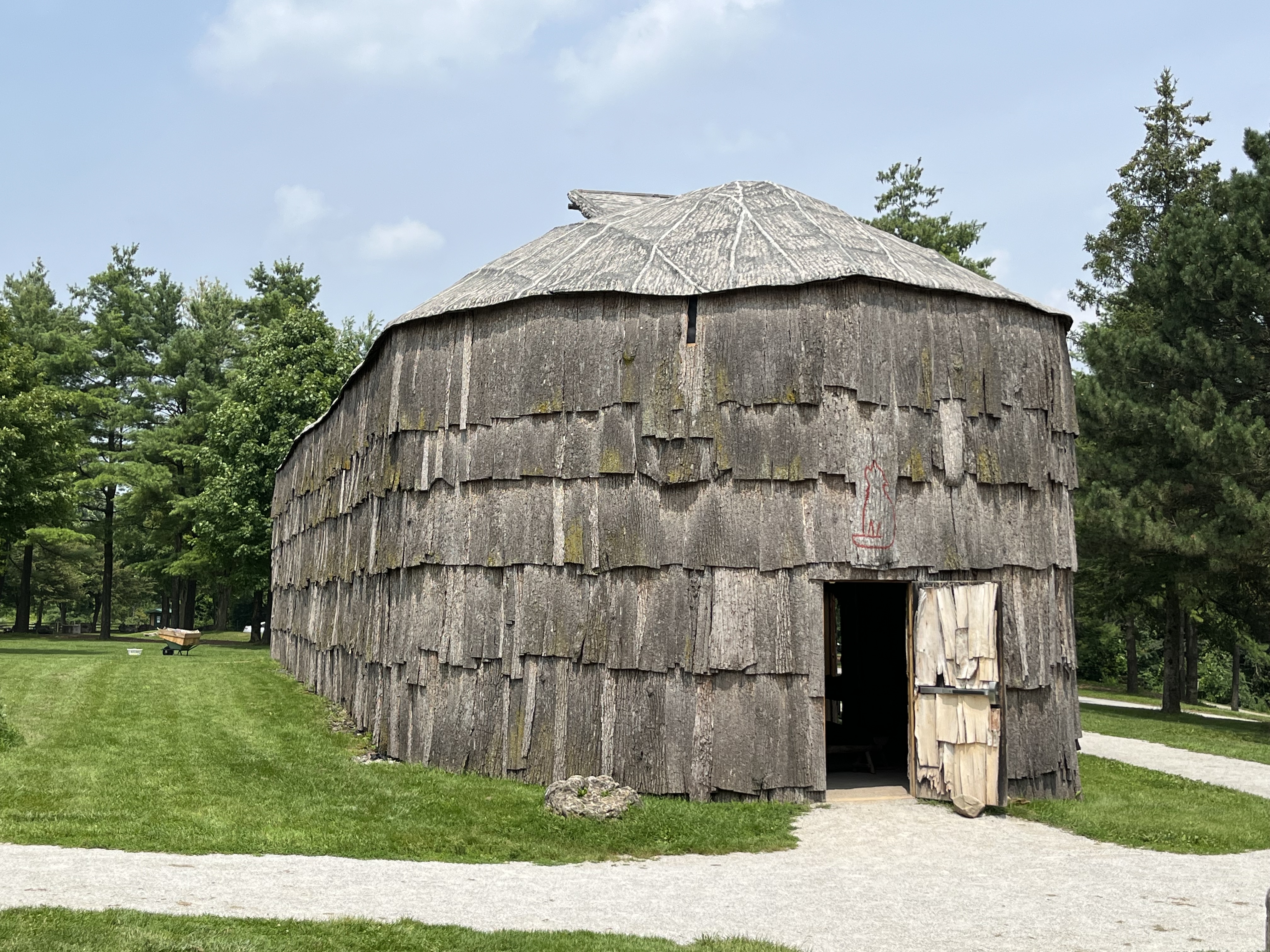
Four longhouses have been recreated in a small village to illustrate life at Crawford Lake in the time period just before the Europeans arrived and changed everything forever. Out of over 10,000 artifacts that have been discovered on the site a wide variety are on display in the village. The meromictic nature of Crawford Lake was instrumental in the discovery of this village because of the corn pollen that was found in soil samples taken from the bottom of the lake. Since the bottom of the lake is undisturbed, it was possible to determine when people were living near it and growing corn for food crops. This story is further developed in our previous post.
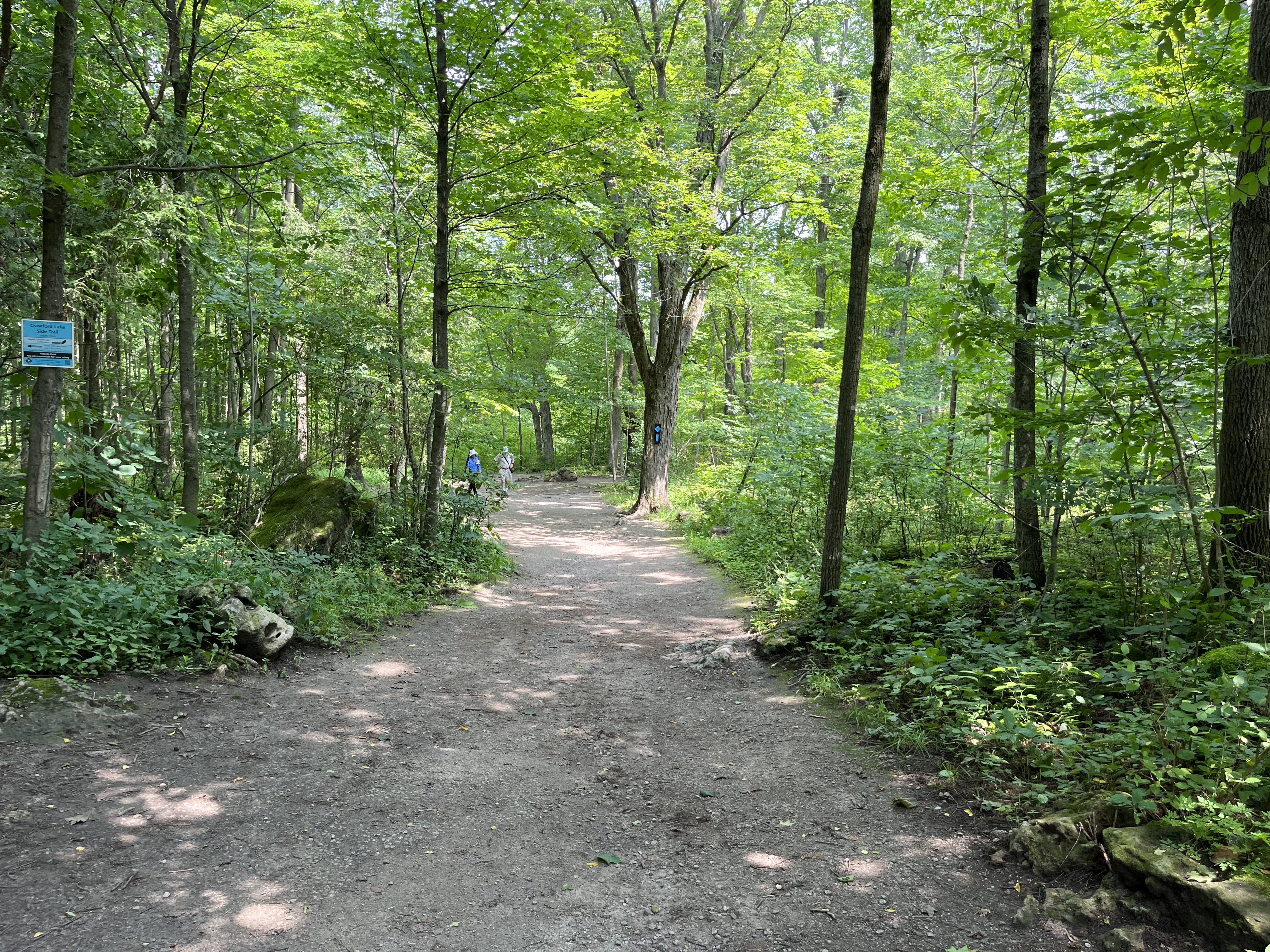
The trail system at Crawford Lake is connected to the Bruce Trail by the Crawford Lake Side Trail. The 232 acres in the conservation area are full of trails and we previously explored several of them in our post Crawford Lake Trails.
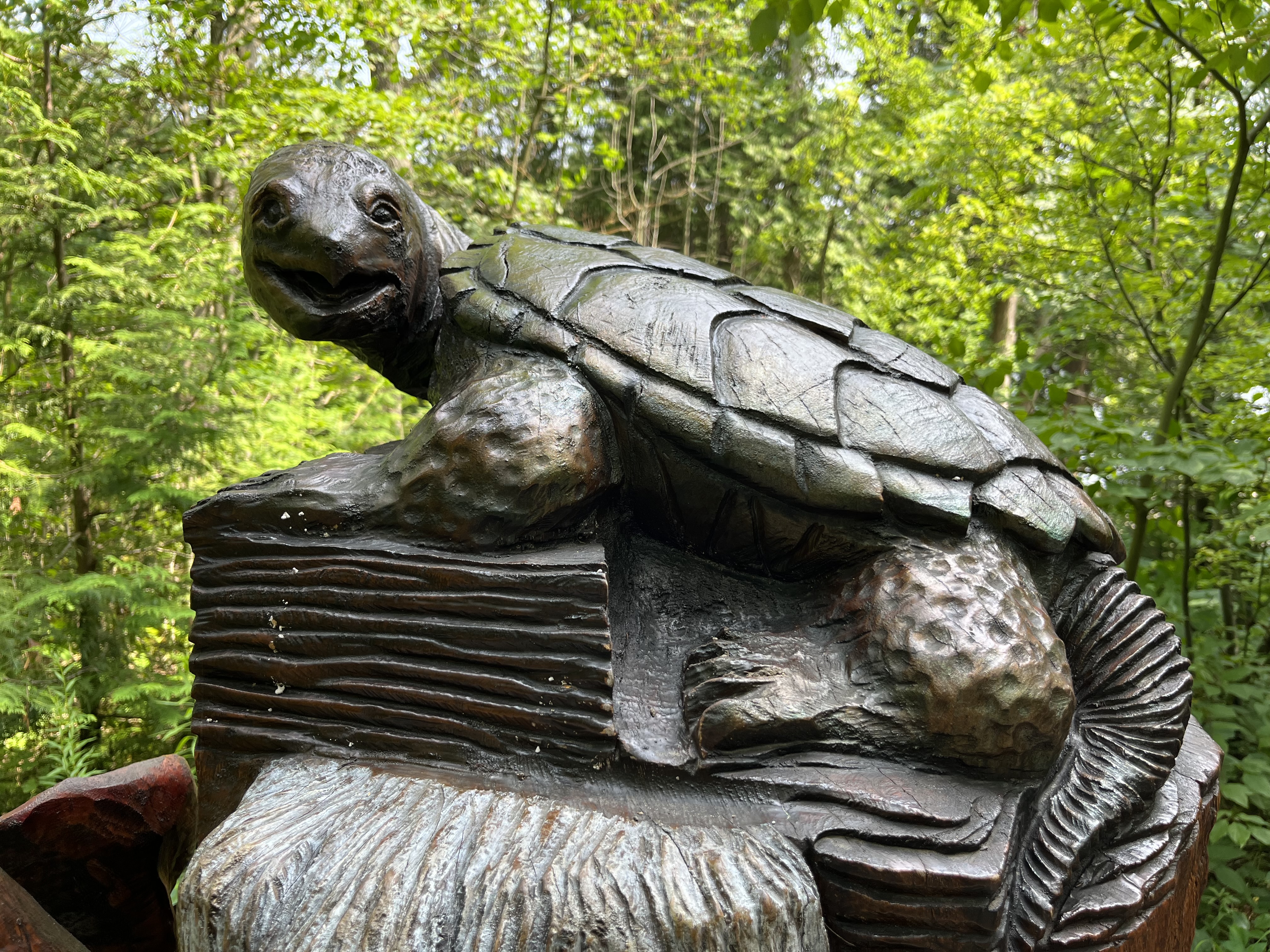
There are various large wooden carvings along the trail that leads from the longhouses to the lake. These depict various species that are at risk in Ontario. There are seven carvings along the Hide and Seek trail that illustrate some of the over 200 species that are at risk in the province.
The trail around Crawford Lake is just under 1.5 kilometres and is suitable for everyone as it is modest in difficulty. As we were making our way around we paused to let a family pass us that were taking a loved one for a walk in his wheelchair.
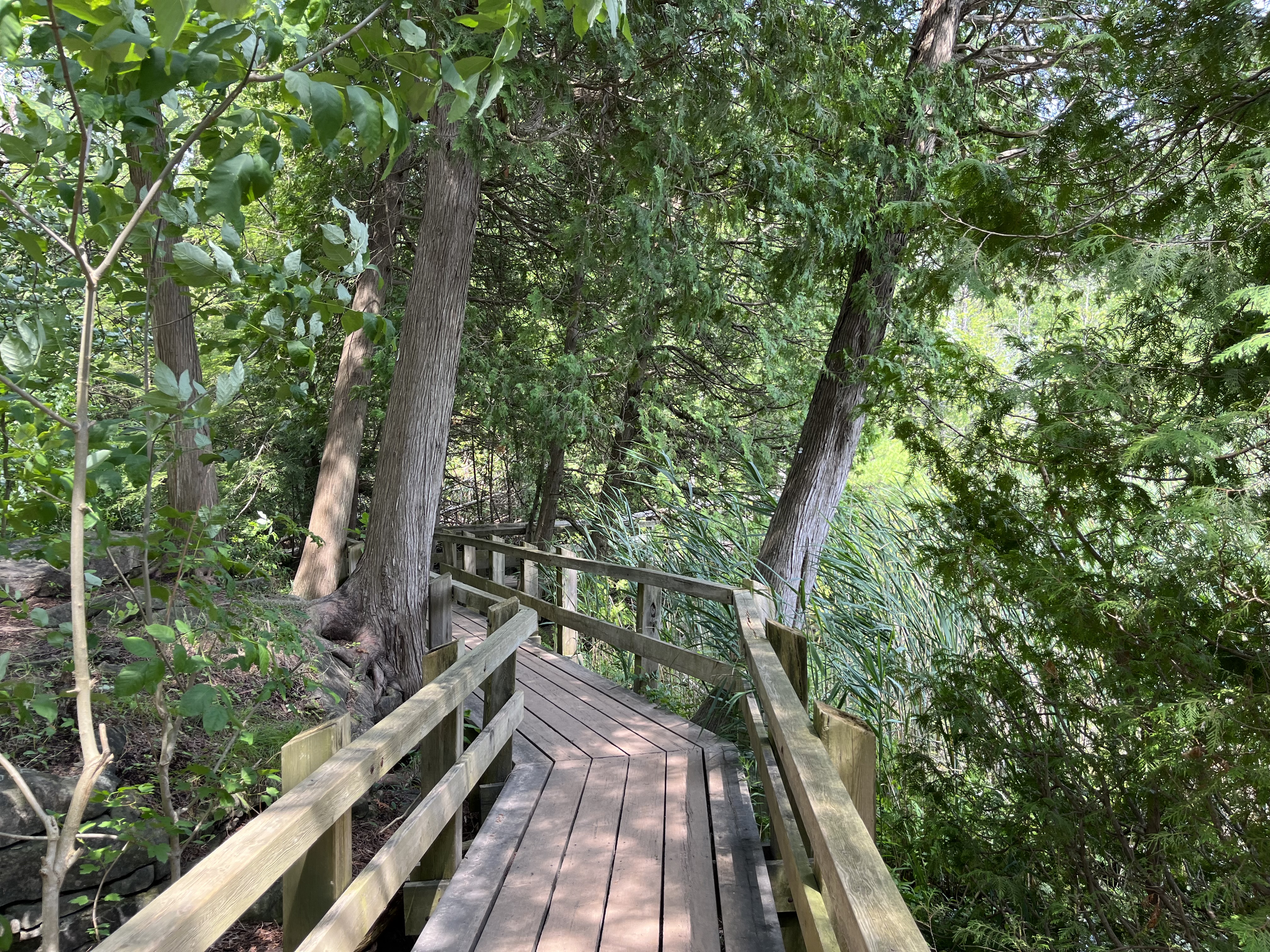
Crawford Lake is an ideal place for a visit and carries a small entry fee but is a fun outing in any season.

Related stories: The Longhouse People Of Crawford Lake, Crawford Lake Trails,

Google Maps Link: Crawford Lake

Like us at http://www.facebook.com/hikingthegta

Follow us at http://www.hikingthegta.com

Also, look for us on Instagram
The Crystal Cottage

Sunday, June 4, 2023

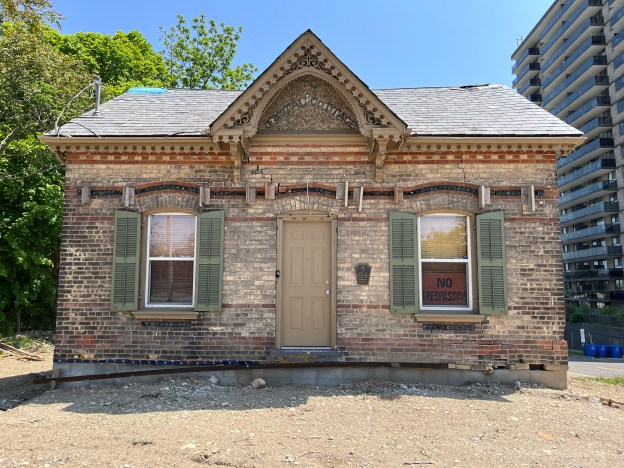
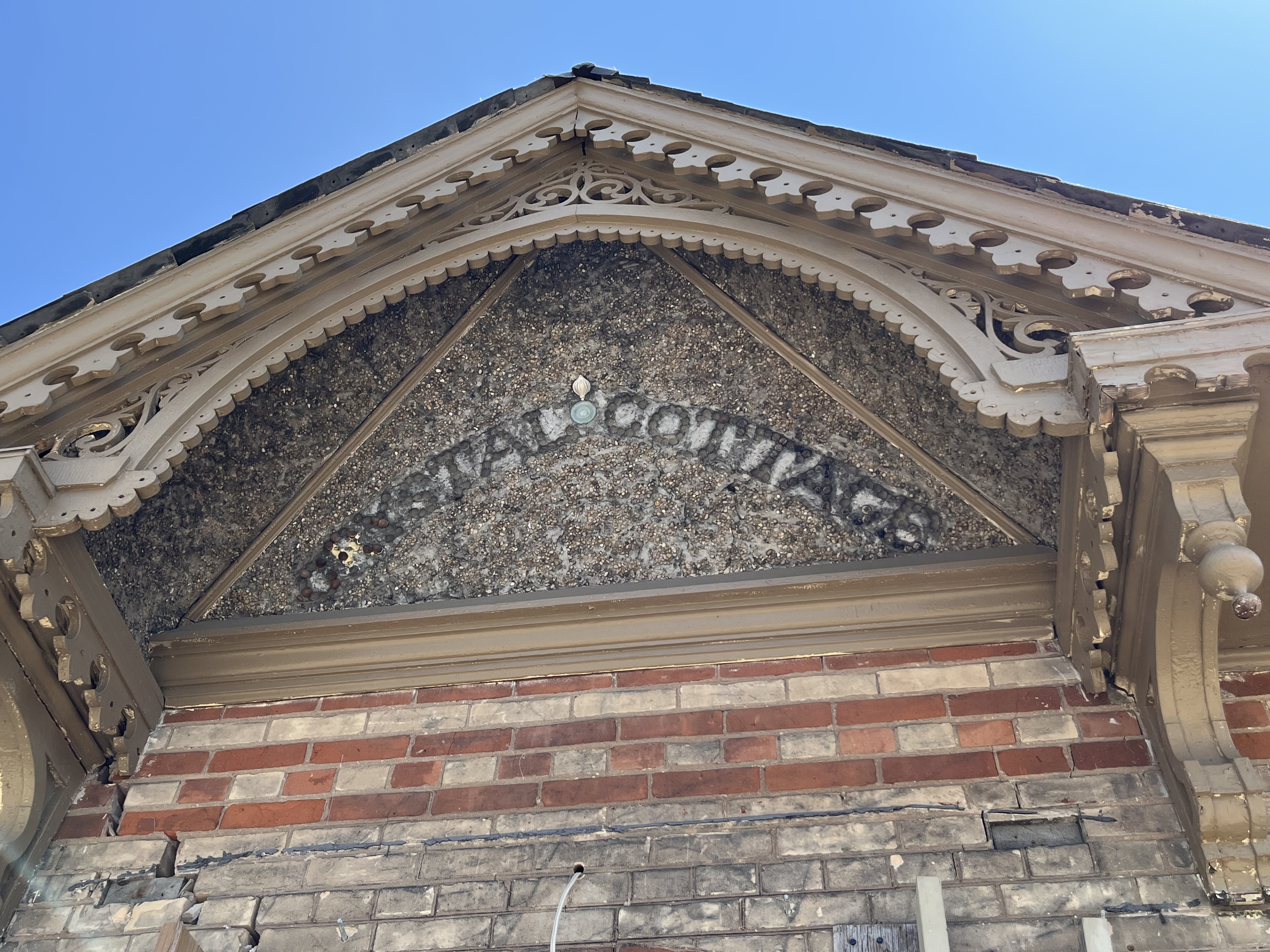
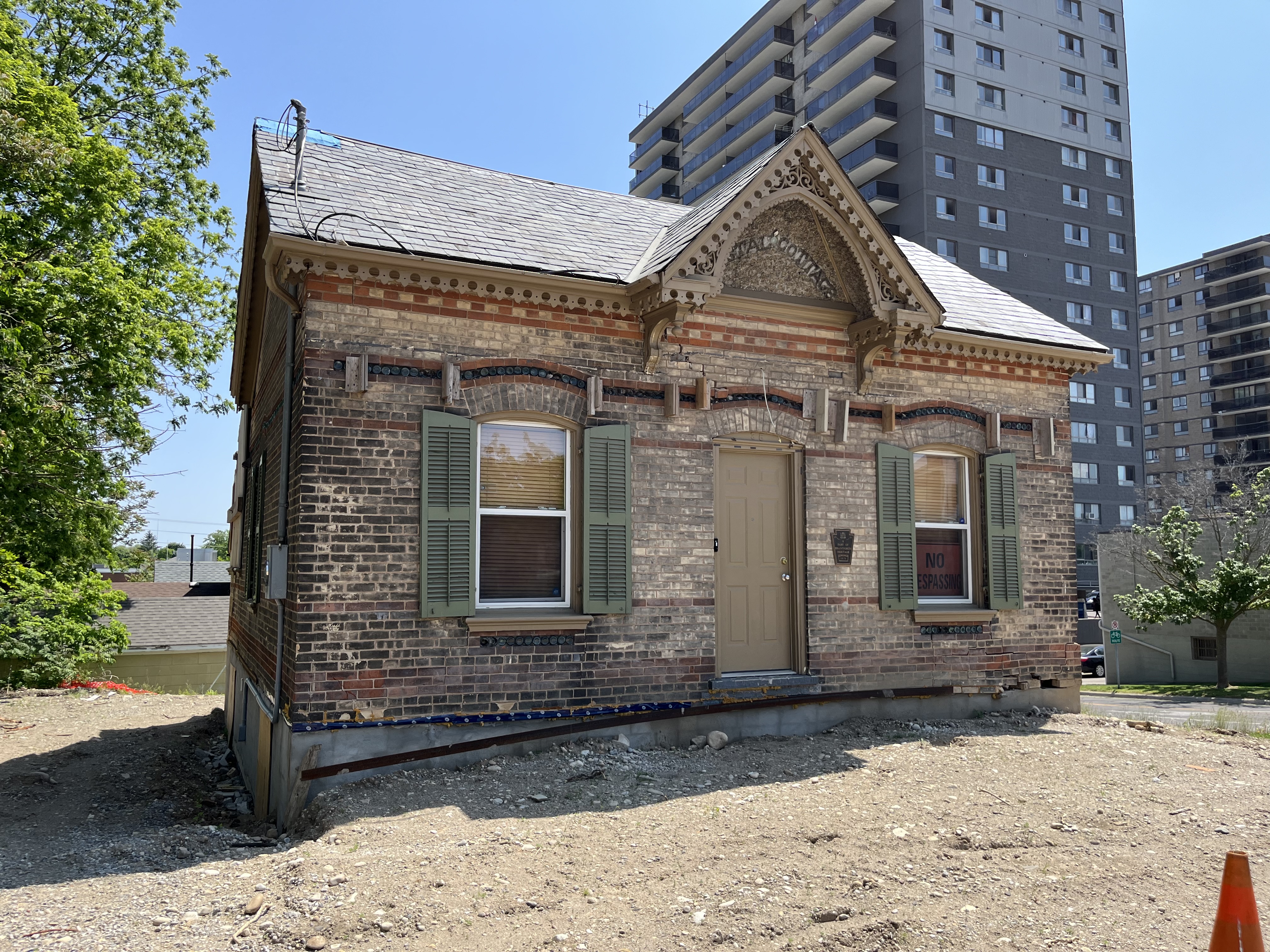
Just outside of the GTA in Brantford is one of the most unique houses in Ontario. We decided to make the excursion to see this “bottle house” and share it with our readers. There are several things that make this home so unusual and one of them is the name Crystal Cottage. This title is created using shells that have been embedded in the fine stone work below the front gable.

The cottage was built in 1876 and is a classic example of the Ontario vernacular home. It has a one-story rectangular plan with three symmetrical bays. The image below is from the Brant Historical Society and shows how the cottage looked a few years ago with the front porch and chimneys still intact. They were removed and are in storage waiting for the day when they will be added back to the cottage to return it to its original splendour.

It originally stood at 35 Chatham Street until that property was bought up along with several others by a developer who plans to build a ten story, 200 unit rental apartment. The cottage is protected as a heritage property designated by the city on January 21, 1985. The ornate bargeboards on the front gable are still intact but the home looks a lot less fancy without the front porch.

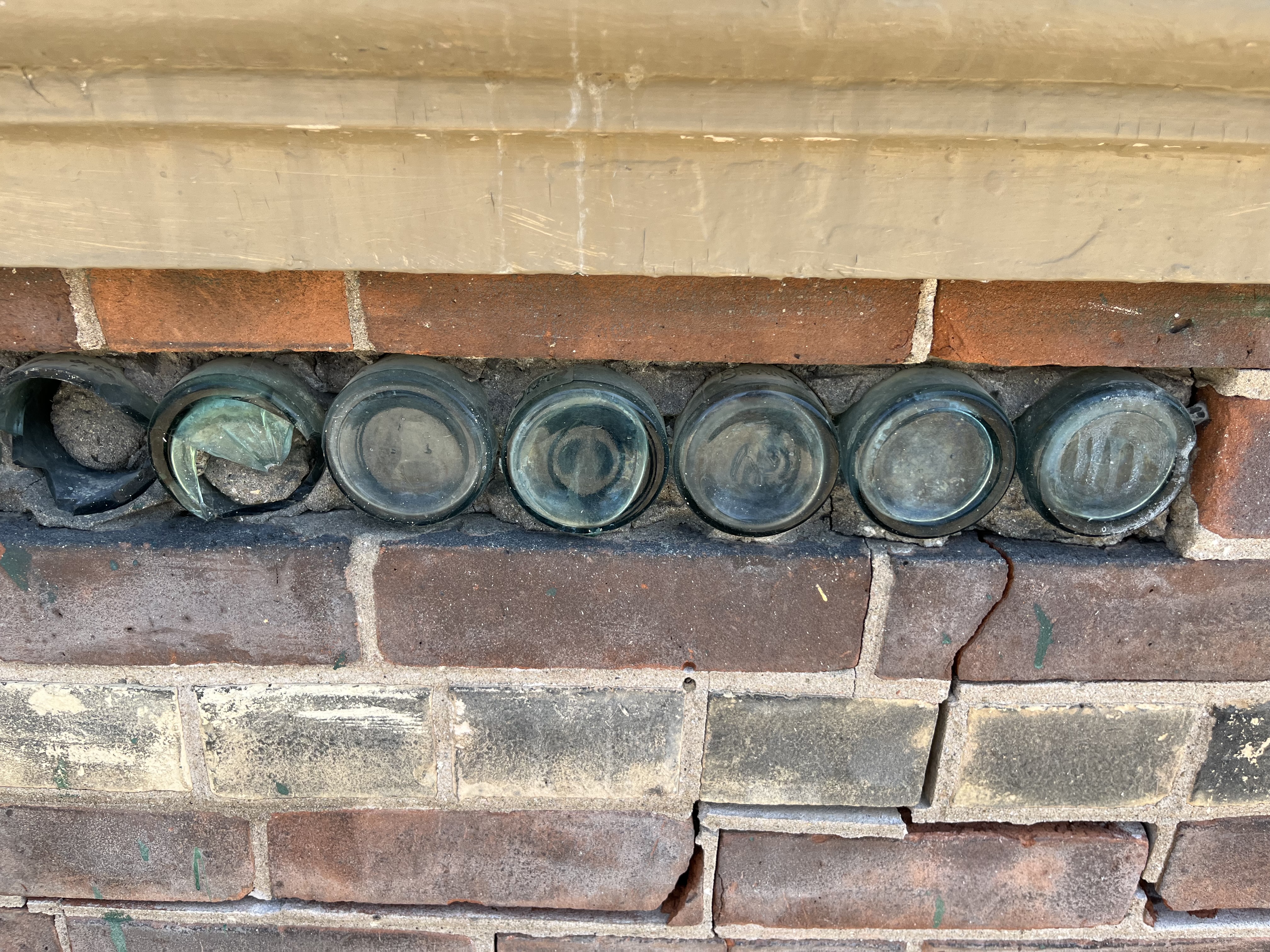
One of the reasons that this cottage is so unique is the row of beer bottles that form a line below each window and along the full length below the red brick trim that stands under the roof line. These beer bottles are largely intact although several have been broken. Considering that these bottles are around 150 years old it’s too bad that they haven’t all survived. This is believed to be the only home in Ontario from this era to have incorporated beer bottles in the construction as a trim element.

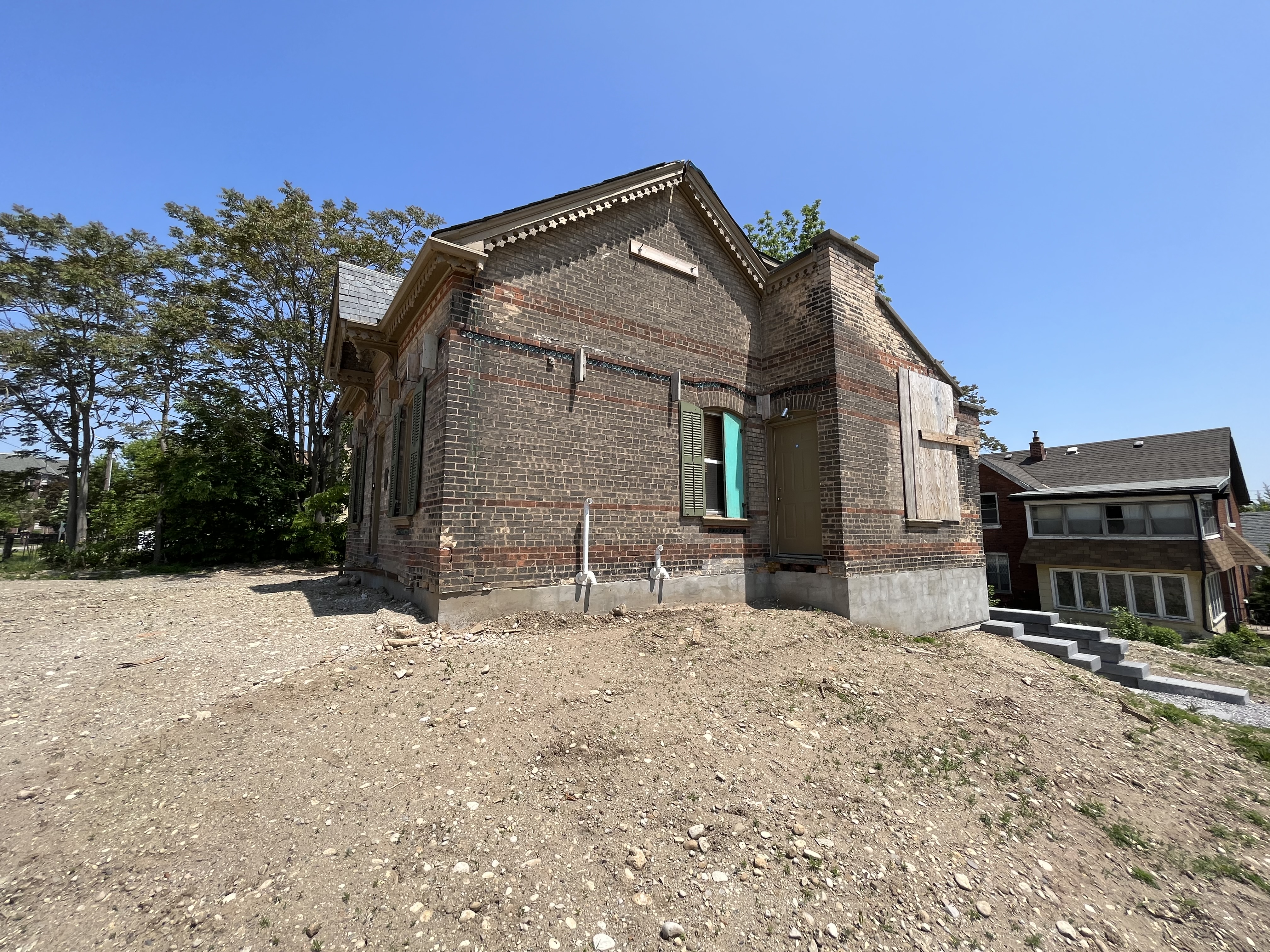
In 2020 the developer sold the home to the Brant Historical Society for $10.00 and agreed to pay an estimated $300,000 to have it moved to a vacant lot adjacent to the Brantford Museum. The city put out an additional $100,000 to have the site prepared and a new concrete foundation poured.

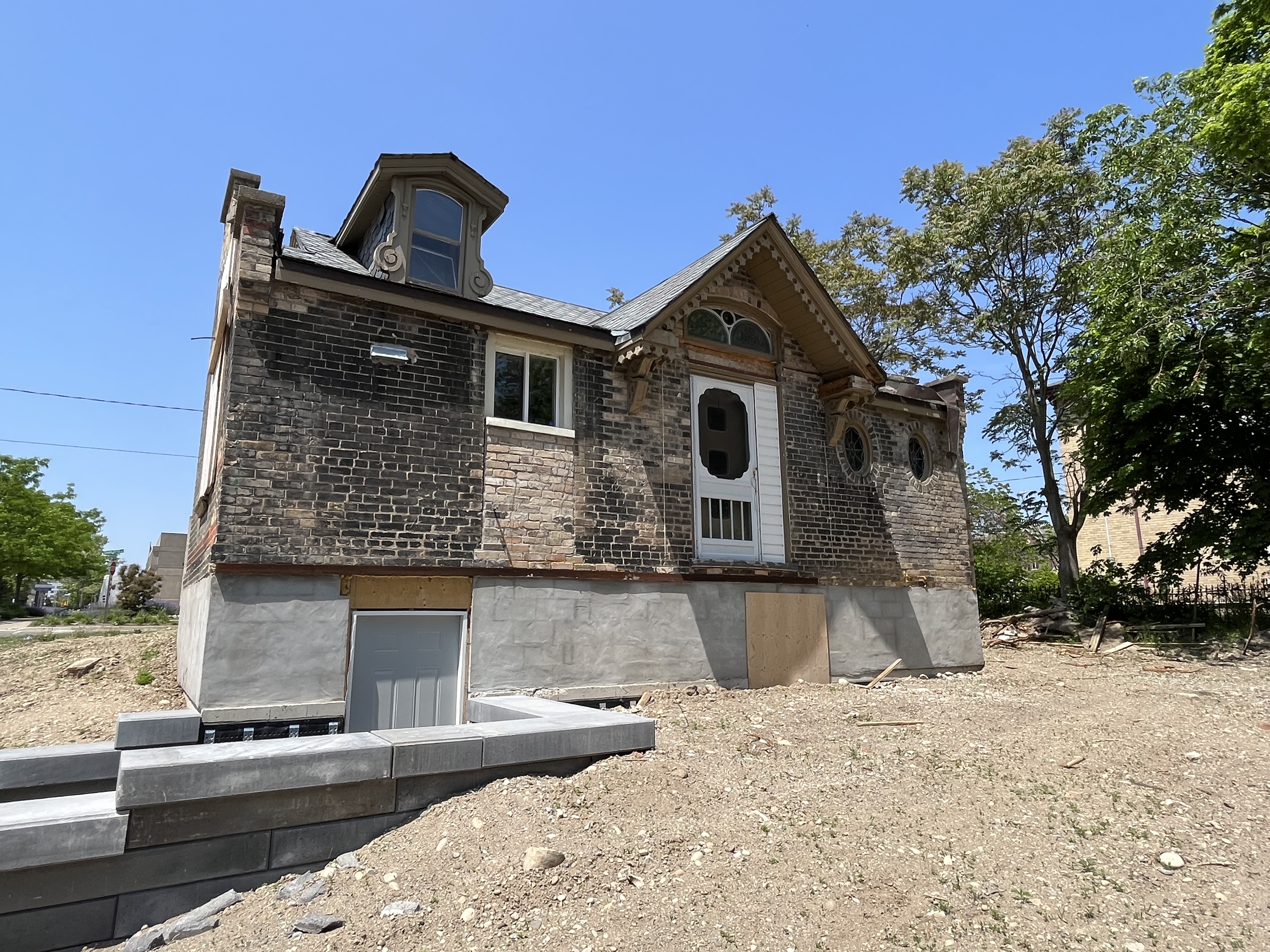
The house was lifted off of its original brick foundation and placed on a set of metal beams where it sat for months waiting to be moved. Eventually it was brought and relocated onto its new foundation. A new furnace was installed and the home has sat vacant ever since. From the rear of the house you can see the two windows above the rear door which are adorned with stained glass. There’s also two oval windows on the back which have “spider-web” glazing in them to decorate the small panes of glass.

The original home is 900 square feet in size and has red brick accents to add colour to the tan brickwork. The addition of a basement has increased the available floor space. Two dormers cut the roof line to add some space and light to the small upper floor.

The Crystal Cottage is currently for sale as an heritage home. Under the designation, the outside can’t be changed but the interior isn’t protected and could be renovated to suit the new owner.

Google Maps Link: The Crystal Cottage

Like us at http://www.facebook.com/hikingthegta

Follow us at http://www.hikingthegta.com

Also, look for us on Instagram
Bovaird House

May 28, 2023

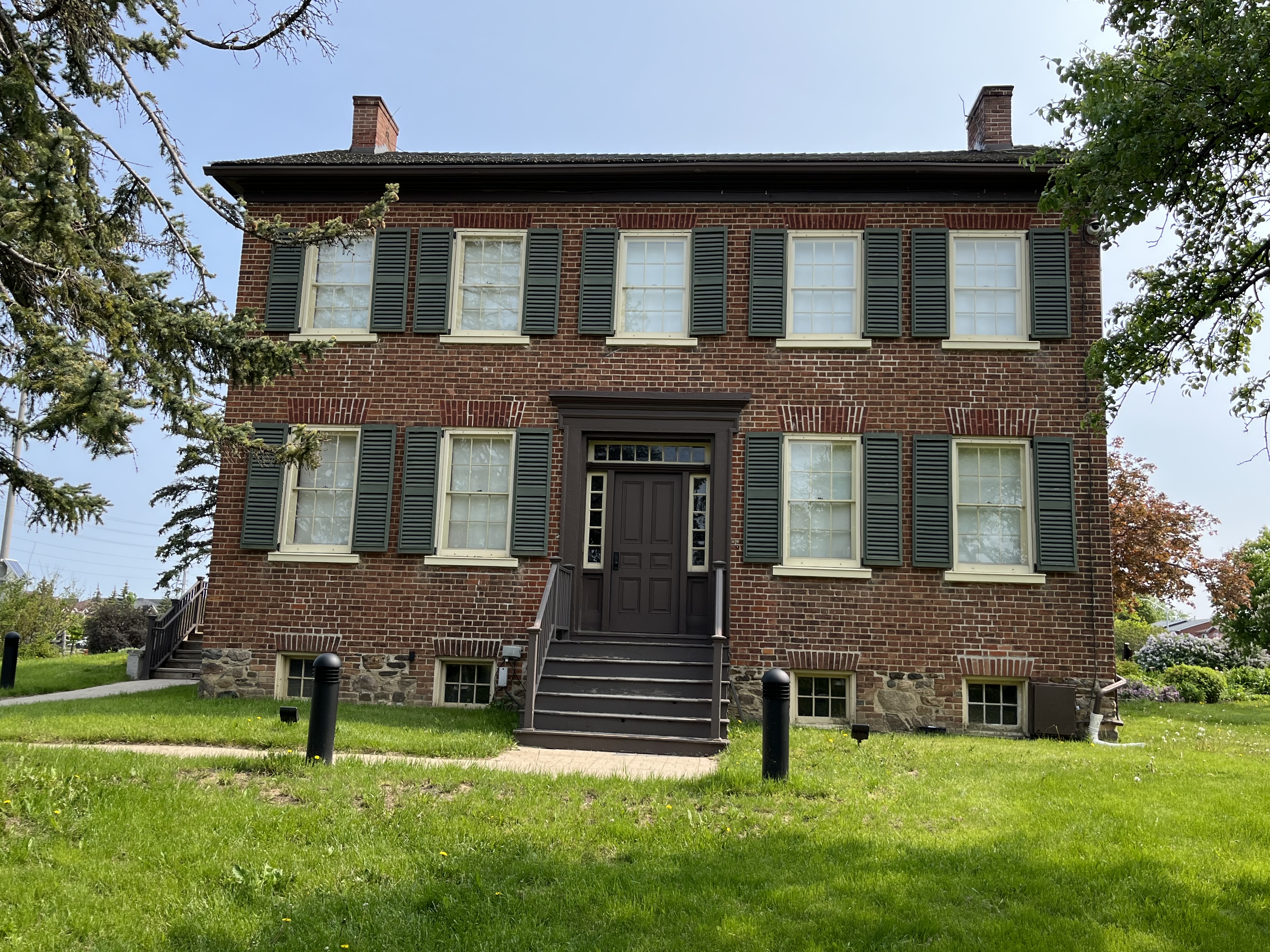
Bovaird House is the only historic residence in Brampton which is open to the public. The property was originally granted to John Silverthorne Jr. in 1819 under the condition that he clear, fence and cultivate 5 acres. He was also required to build a log home and open up the public roadways along the edges of his property. This was to be done within 18 months of the grant so that he could receive the title to the property. In 1821 he sold the 100 acre property to Peter Chisholm for 16 pounds. Seven years later Peter moved his wife, mother-in-law and a small nephew and niece into the log cabin on the property. To accommodate them, he expanded the cabin to 4 rooms and added a sleeping loft above. This log cabin has since been demolished but as we will see later in this post a different historical log cabin has been moved onto the property.

The 1878 map below shows the property under the ownership of Peter Renwick Chisholm. It is located at the intersection of the modern roads of Bovaird Drive and Kennedy Road and is formally known as the west half of lot 10 in the second concession east of Chinguacousy township.

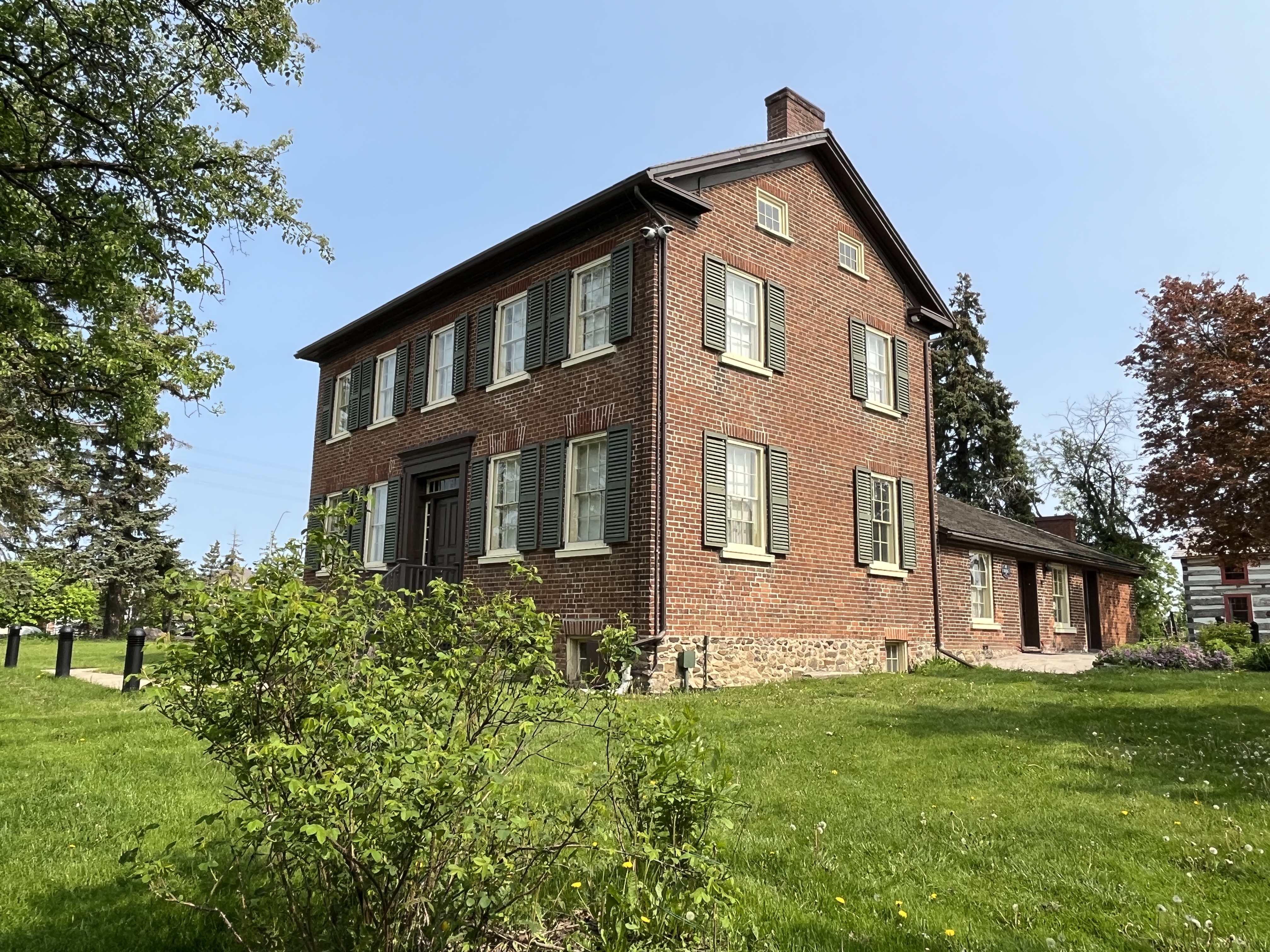
In 1845 Peter began work on the brick house which still stands on the property. The bricks were made on the farm and it took until 1852 to complete the building. It is a five-bay Georgian style home with an impressive front door flanked by side lights and a glass transom over the door. Peter died in 1872 and the home was inherited by Peter Renwick Chisholm who lived there with his wife, Margaret and their three children. They sold the house to James Bovaird for $8,250 in 1929.

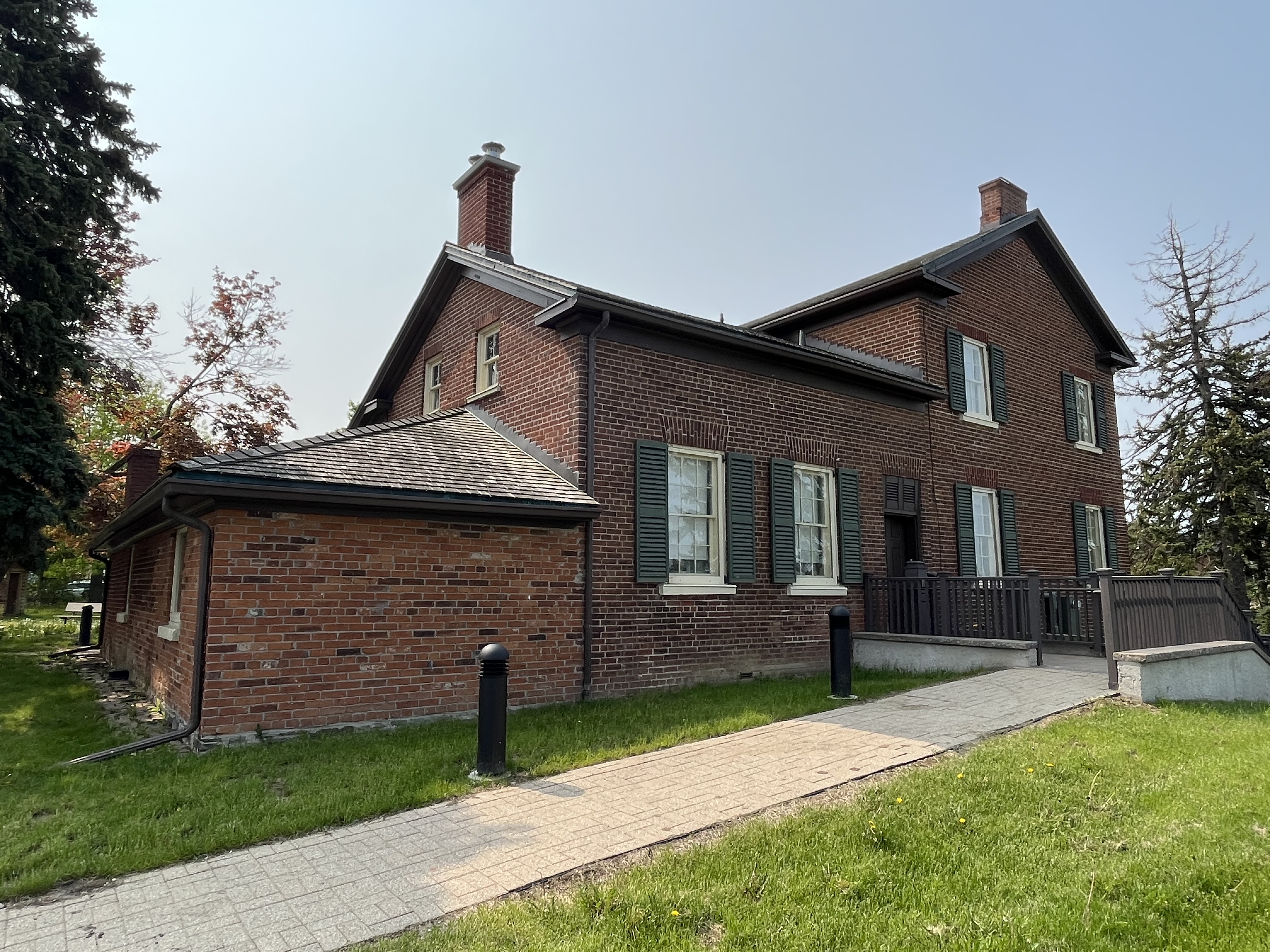
The back portion of the house was likely added in the 1860s to give the home an expanded kitchen with living quarters for the hired hands above. The carriage shed and buttery (cold storage room) are located in the single story addition behind the home.

James and Fanny Bovaird had 11 children but never lived in the house. They used the farm to raise thoroughbred horses and when James died in 1938 the house was inherited by their second youngest son William. In 1941 William and his wife Mossie moved into the house where they lived until William died in 1983. Mossie and William had determined that they would donate the home to the City of Brampton as a museum and this was done in 1985. The “Friends of Bovaird House” was formed in 1992 and consisted of volunteers who raised money to restore the house and furnish it to represent life in the period of 1850-1900.

Behind the Bovaird house is an historic piece of farm equipment. It is known as a “brush breaker” and was one of the early implements built by Harvester International. It was used in the preliminary ploughing of fields to break up brush and shrubbery. They are built extra strong and designed for the hardest type of ploughing including cutting through hazel brush and blackberry bushes. A similar item appears in their 1927 catalogue. This implement was found on the Lundy Farm when it was being cleared for development and has been moved to Bovaird house to be part of the exhibit of early farming.

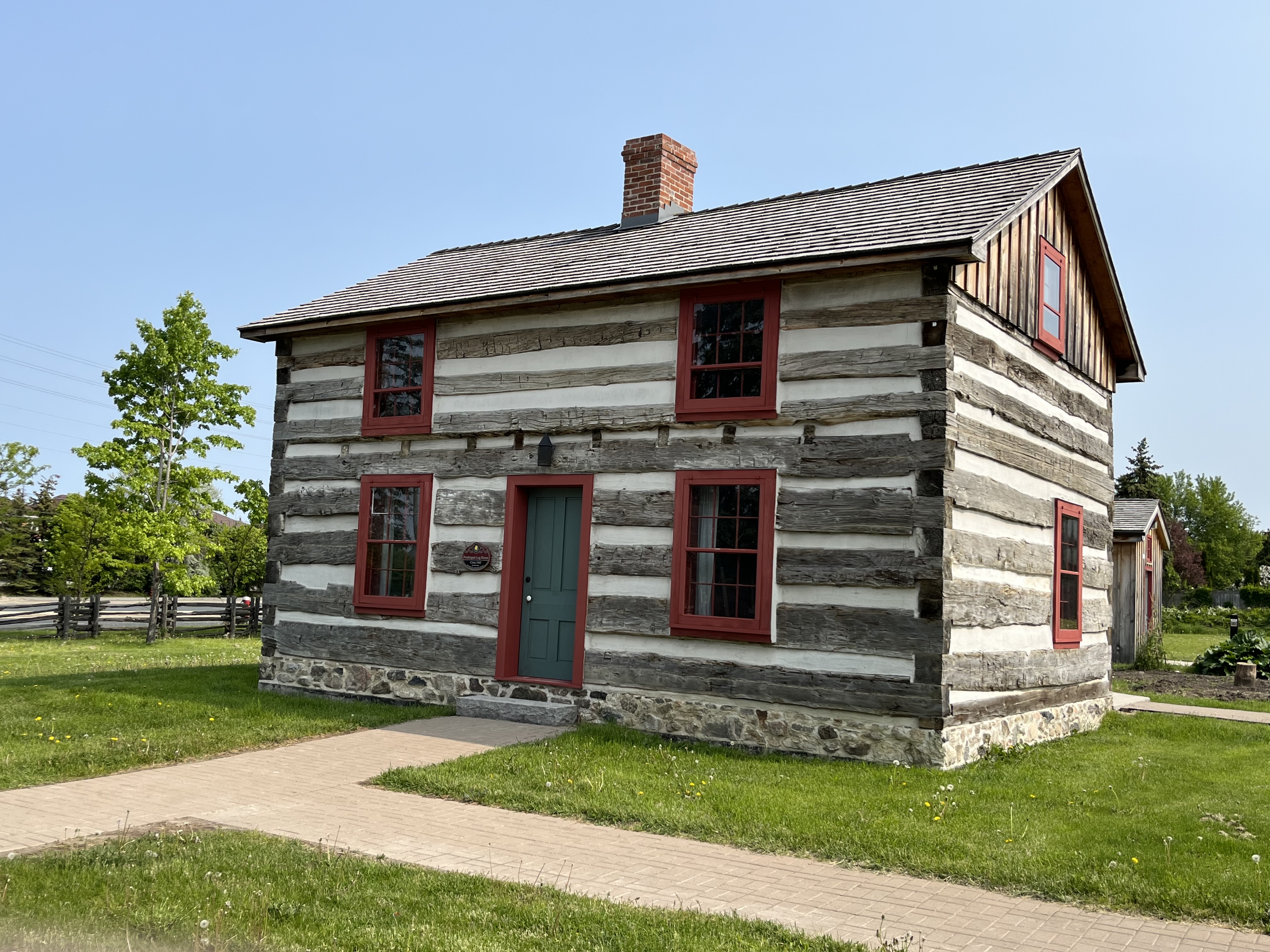
The Pendergast farm was located near the modern intersection of McVean Drive and Countryside Drive. Like many of the early farmers in the area they first built a log house using materials gained when the land was cleared. This home was built around 1845.

When the local farmlands were being developed the house became in danger of being demolished. The Friends of Bovaird House expressed interest in moving the log house to their property. The original home on the site of Bovaird house had been a log home and so having this asset would allow visitors to experience the two homes together.

The Pendergast Log house was clad in bricks during the 1920s and this has helped to preserve the logs. When it was moved to the Bovaird house site in 2015 the bricks were removed. The home has been lovingly restored to its original state and now is one of the last remaining log homes in the city of Brampton.

Both Bovaird House and the Pendergast log house are open to the public and are worth exploring for a glimpse into the lifestyle of a previous century.

Google Maps Link: Bovaird House

Like us at http://www.facebook.com/hikingthegta

Follow us at http://www.hikingthegta.com

Also, look for us on Instagram

Leslie Log House

Sunday, April 30, 2023

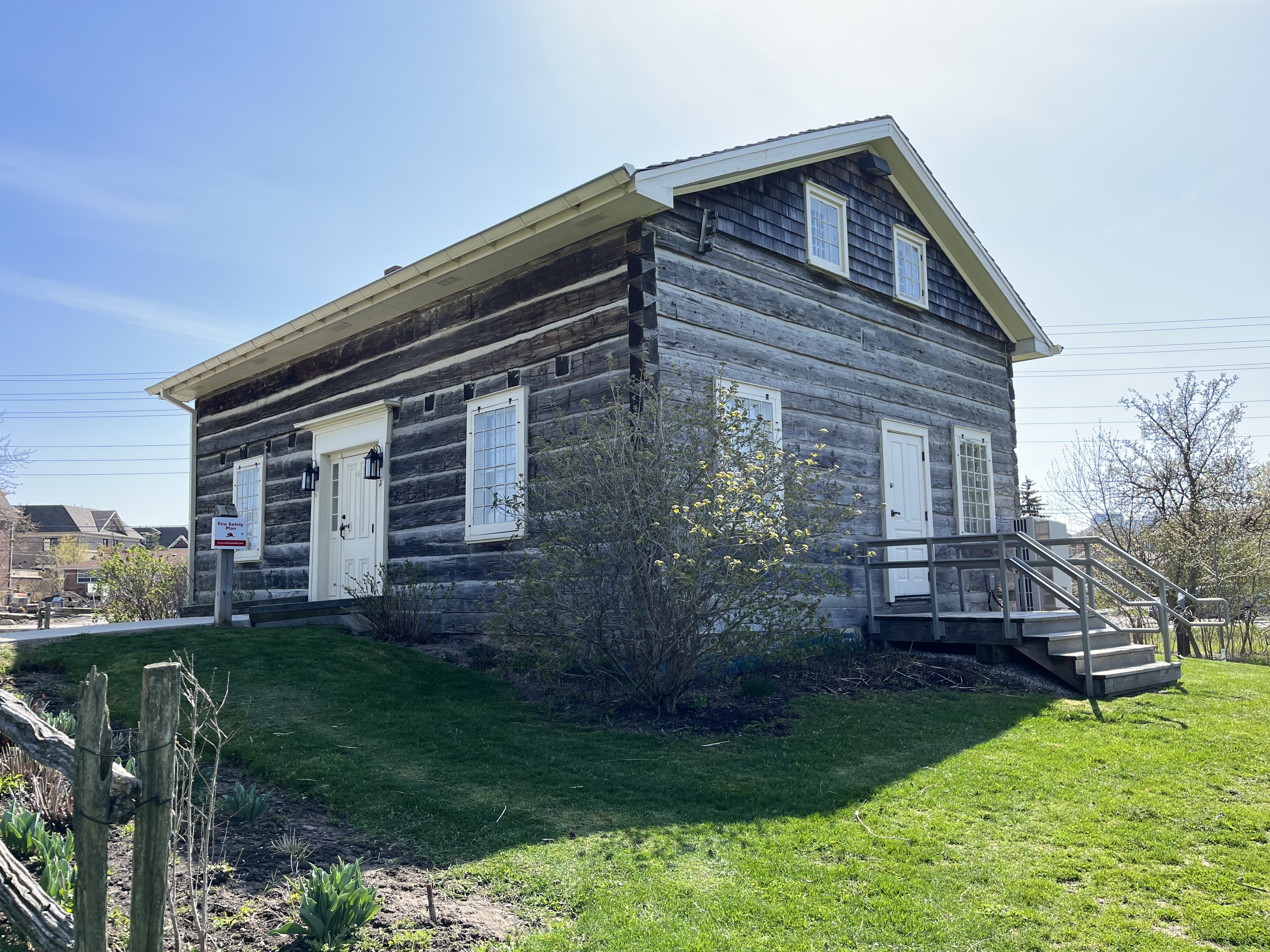
John Leslie and Esther Beaty moved from Sutherlandshire in Scotland in 1824 and leased 200 acres from Kings College. The lot near Meadowvale was formally known as Lot 12 concession 5 in the Township of North Toronto. Here they built a story-and-a-half log cabin in 1826 close to Mullet Creek, which ran through the property. They raised their 7 children in this 26 foot by 36 foot home constructed of white cedar. They bought the property in 1845 and eventually added a full basement below the home, setting it on walls made of field stone. A summer kitchen was later added but has since been removed.

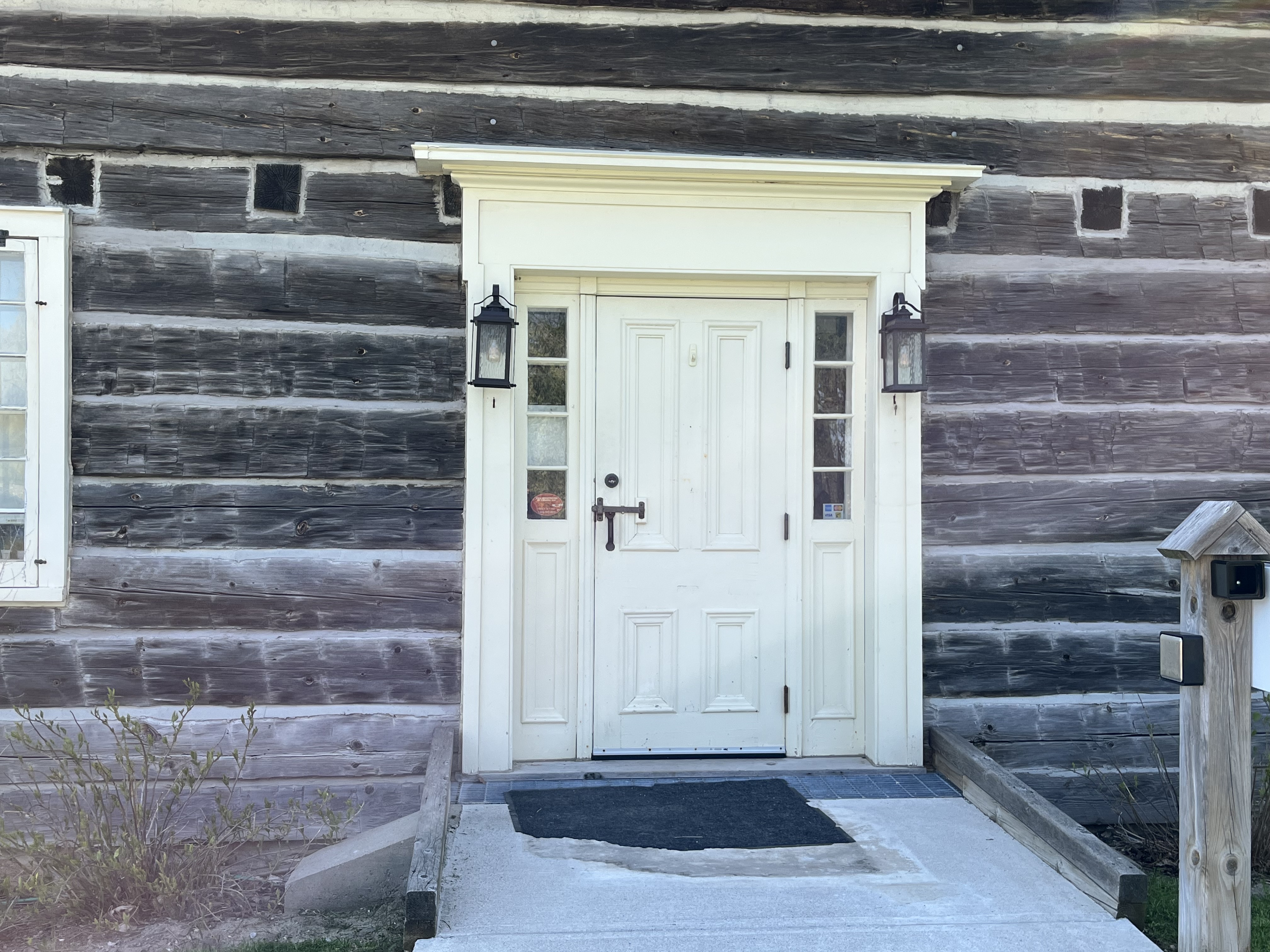
In 1860 the house was upgraded and a larger front door was added to give the home a more classical look. The door has sidelights on either side which provided some natural light into the hallway. One of their sons was named Robert Leslie and he was a builder. He is known for building a home for William Barber in Streetsville and the Benares House in Clarkson. He likely did the modifications to the Leslie home as well.

In 1880 clapboard siding was installed on the house but it was removed around 1960. As a result there are many small holes in the logs from where it was fastened on. The windows were also upgraded as part of the 1860 improvements. These windows could be louvered out in order to let fresh air into the home.

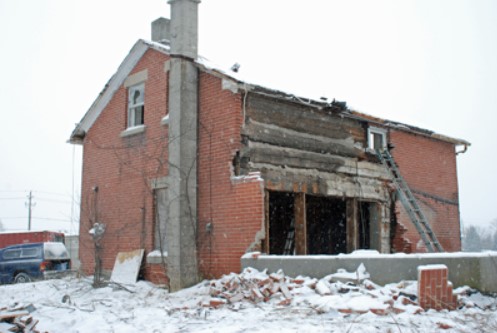
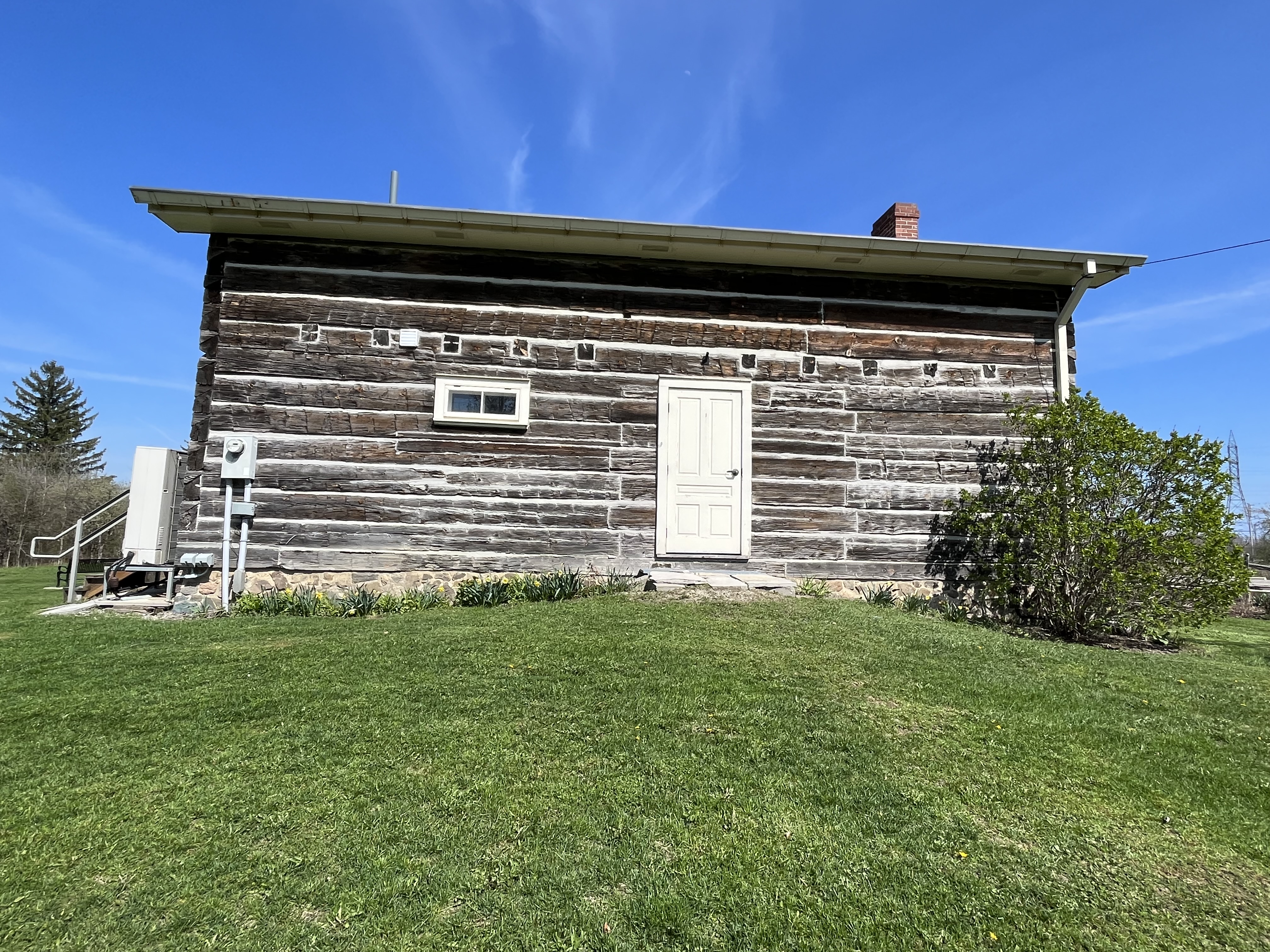
The back of the Leslie home also has a door, one of three. It’s very uncommon for a log house to have more than one door and I think this is the only one that I have visited that has so many of them. Looking at the way the logs are chinked around the door it is obvious that these logs have been cut because they don’t extend the full length of the building. When you look at the image of the house as it was preparing to move you can see that there is no openings on the rear of the house. The small window has also been added.

Another of the Leslie sons was named George and he moved to a part of Toronto which would later be known as Leslieville in his honour. There he operated a successful nursery. The only bricks on the outside of the home mark the site of the fireplace.

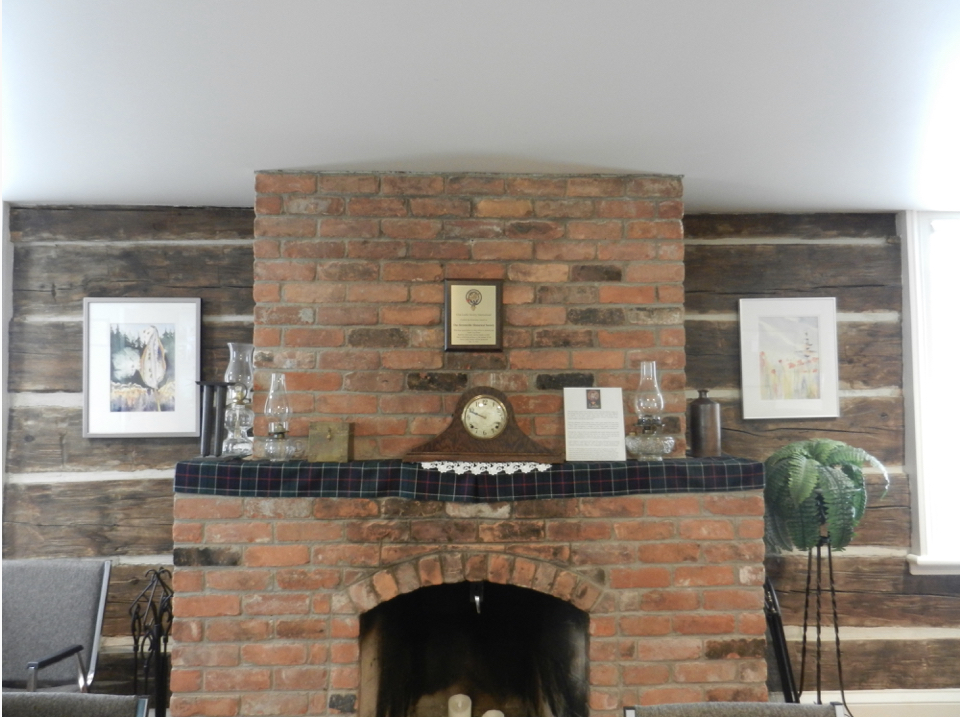
The home is free to visit but has very limited hours so please check before you plan to go. The image below from the Streetsville Historical Society shows the fireplace.

The house was used by the Leslie family for 100 years but eventually the surrounding farmland was taken over for industrial uses. On May 24, 1994 the house was moved from its original site to the Pinchin farm where it was restored. It now serves as home for the Streetsville Historical Society and houses their archives. The historical image below shows the home as it was being prepared for the move down Mississauga Road.

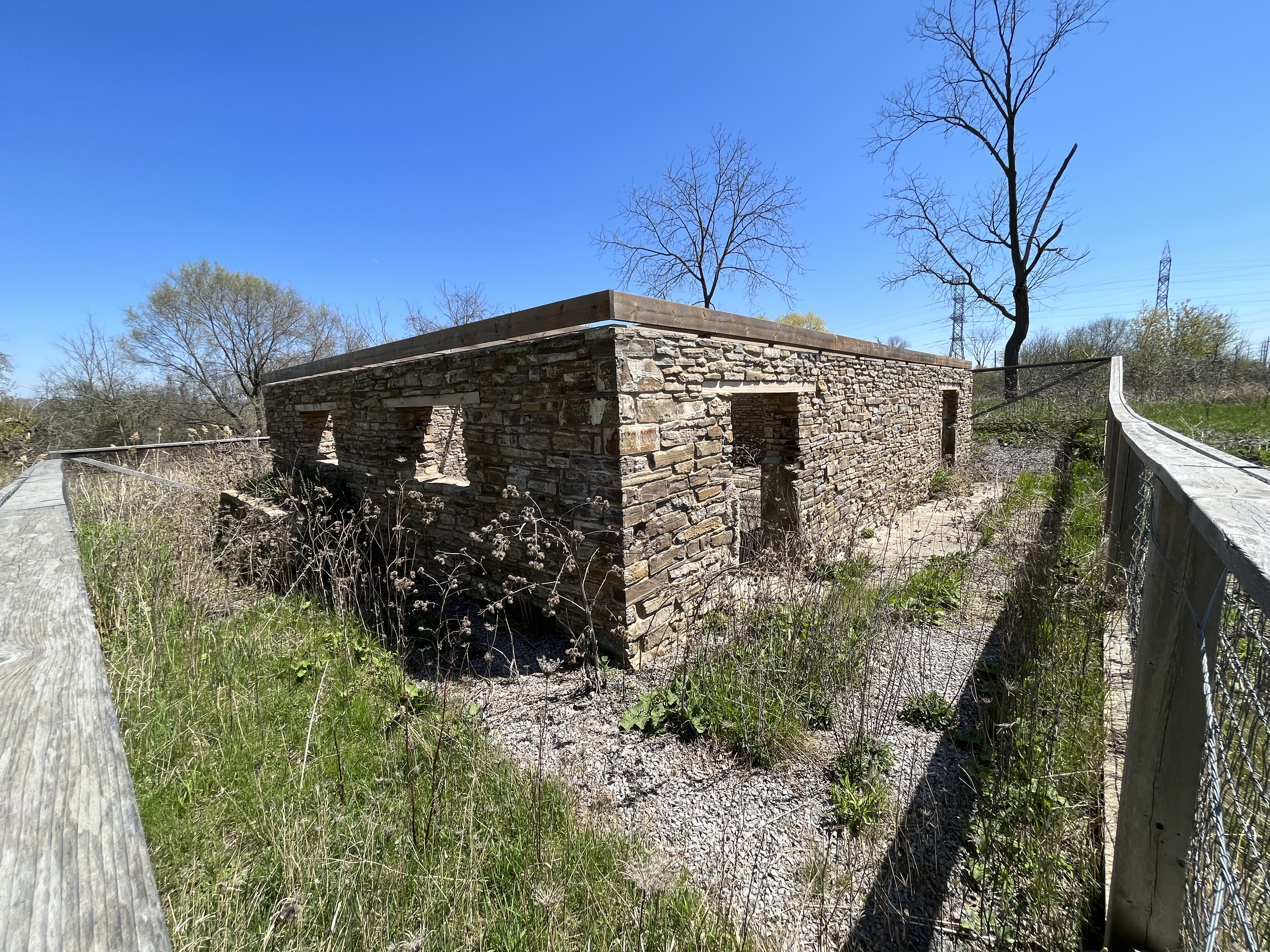
The property that the log house was moved to has a long history of ownership, beginning in 1832 when 300 acres were given to Thomas Silverthorn for his service in the War of 1812. He sold portions of it off and a 66 acre parcel was bought by Henry Rundle and his father-in-law in 1871. This changed hands several times and the farm was used for dairy farming. An orchard was planted in 1931 and 1934. A strawberry farming operation was conducted while the apple trees matured and eventually a turkey farm and pick-your-own apple orchard were managed on the property. The farm was closed in 2004 but foundations for the barn and some other out buildings remain on the property

A trail leads from the Leslie Log House through the old Pinchin apple orchards where people could come in the fall to pick their own apples. This trail leads down to the Credit River and makes for a nice walk and also provides a passage for fishermen to reach the river. There were many deer tracks along the path but we weren’t fortunate enough to see one on our visit. In the fall, the deer love to visit the orchard to eat the apples that still grow on some of the trees.

The trees were starting to come into their leaves on this sunny day and the river was running clear. Beware that the grasses around the river are full of ticks and if you bring your dog for a walk you will need to carefully check both the dog and yourself to ensure that no ticks have hitched a ride on either of you.

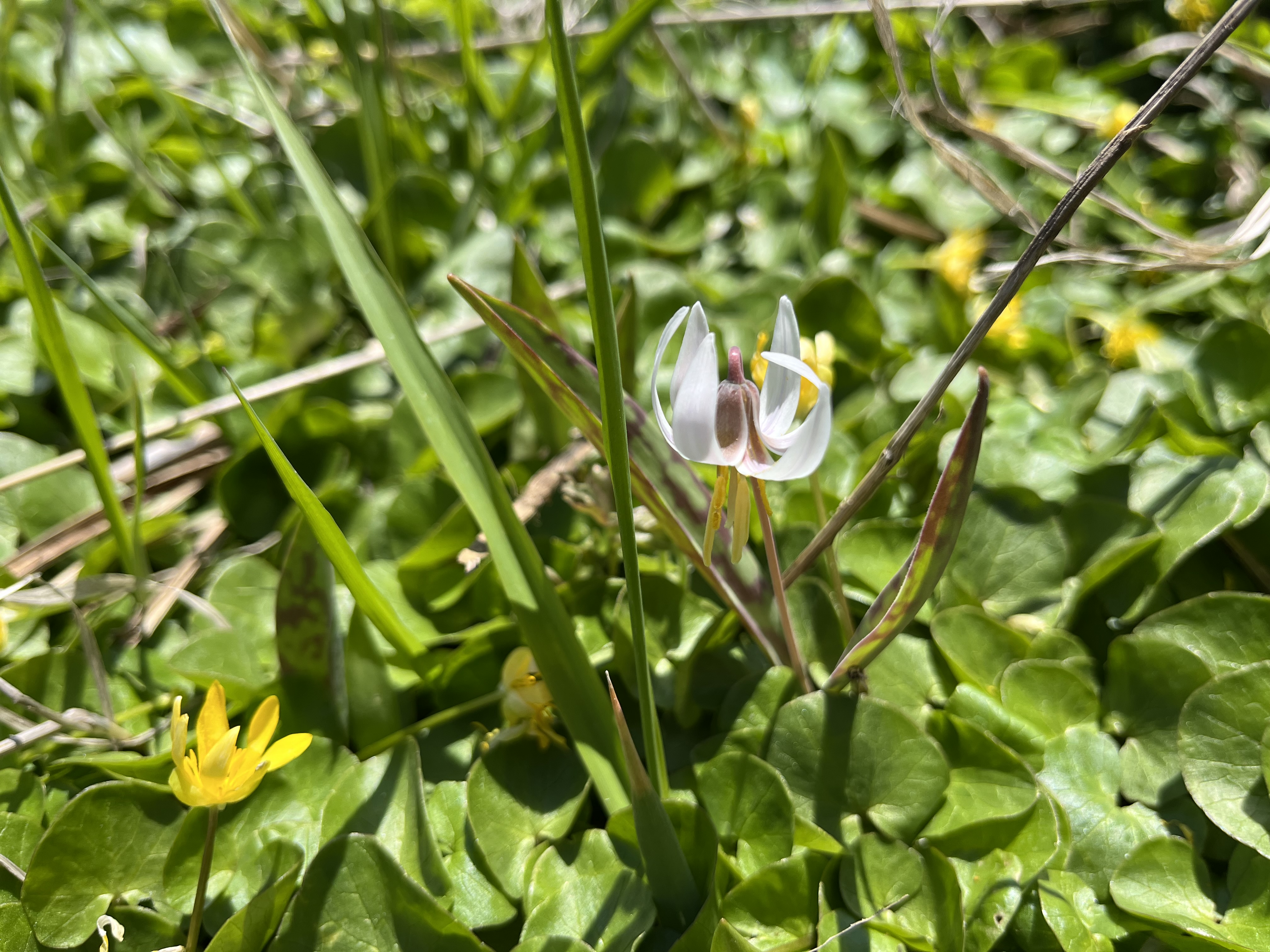
Yellow Trout Lily plants grow in abundance in the GTA but it is much less common to see the white variety. They prefer moist soil and we found this one growing among the marsh marigolds.

At one time log houses dotted the countryside but only a few of them have survived. The Leslie Log House is a great example of one.

Related stories: J. H. Pinchin Apple And Turkey Farm, Barbertown, Benares House

Google Maps link: Leslie Log House

Like us at http://www.facebook.com/hikingthegta

Follow us at http://www.hikingthegta.com

Also, look for us on Instagram
Oaklands

Sunday, April 9, 2023

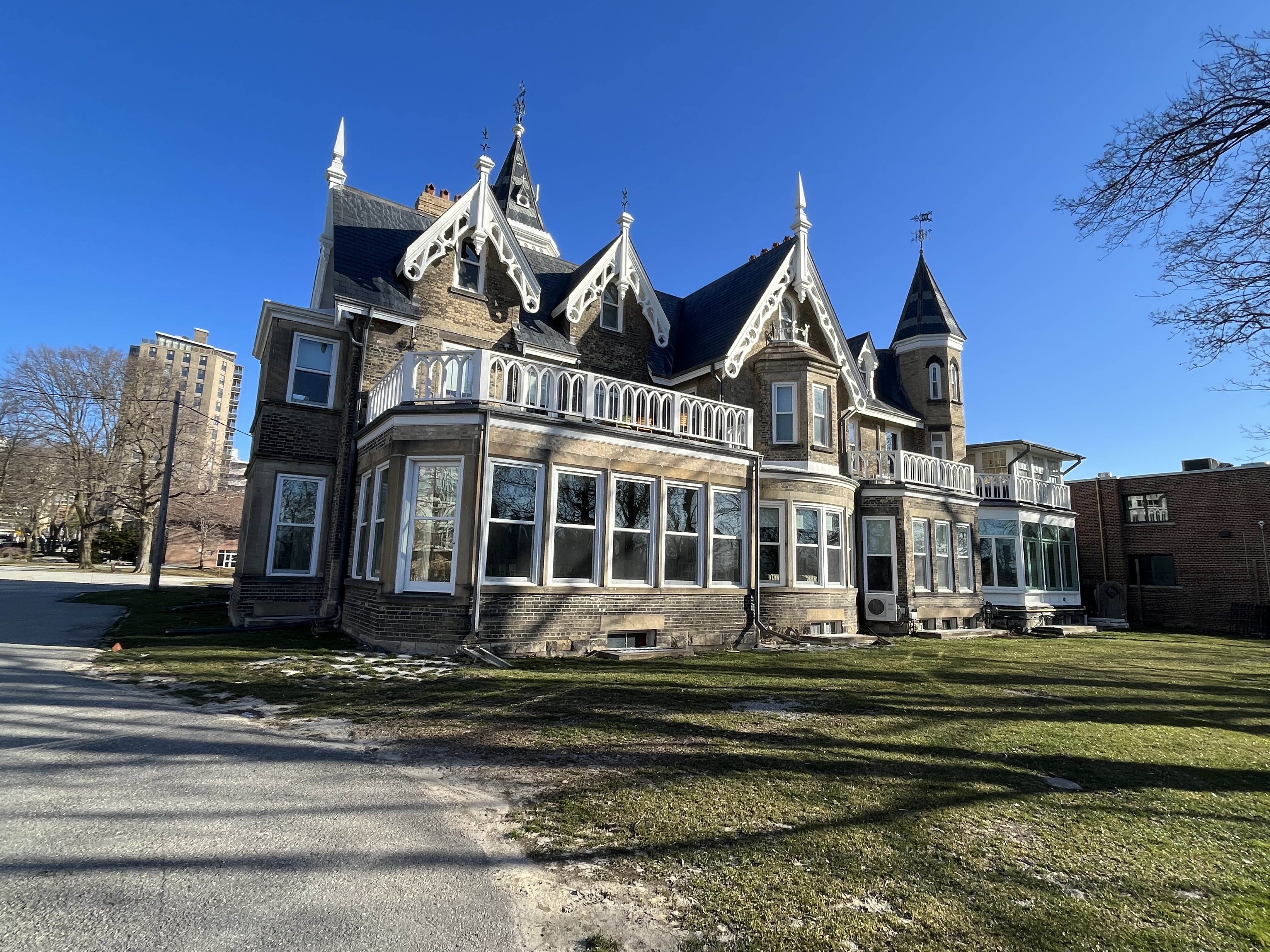
Oaklands was built in 1860 as the private home of Senator John Macdonald. John, who was born in Perth, Scotland in 1824 is not to be confused with Sir John A Macdonald. The two Macdonalds would later fight over Confederation. He came to Canada in 1837 with his family and in 1849 opened a dry goods store. He switched to wholesaling in 1853 and by 1870 his annual sales had reached $1,000,000. In 1860 he had purchased a plot of land on the top of the old Lake Iroquois shoreline where the richest men in the city were building their mansions. Many of these have been demolished but Spadina House and Casa Loma are two examples that still exist.

The property on which John built his home was originally a 200 acre grant given to Chief Justice John Elmsley in 1798. The family gave the property to St. James Anglican Church in 1836 and they sold 35 acres to John Macdonald in 1858. Macdonald named his property Oaklands because he admired the large oak trees that grew on the property. The image below shows the home and Avenue Road in 1860 and was taken from the De La Salle College website.

John Macdonald opposed the confederation of the British colonies and went against John A Macdonald in doing so. After Confederation in 1867 he served in the House of Commons as an Independent Liberal. Prime Minister John A Macdonald appointed him to the Senate in 1887 and he served there until his death in 1890.

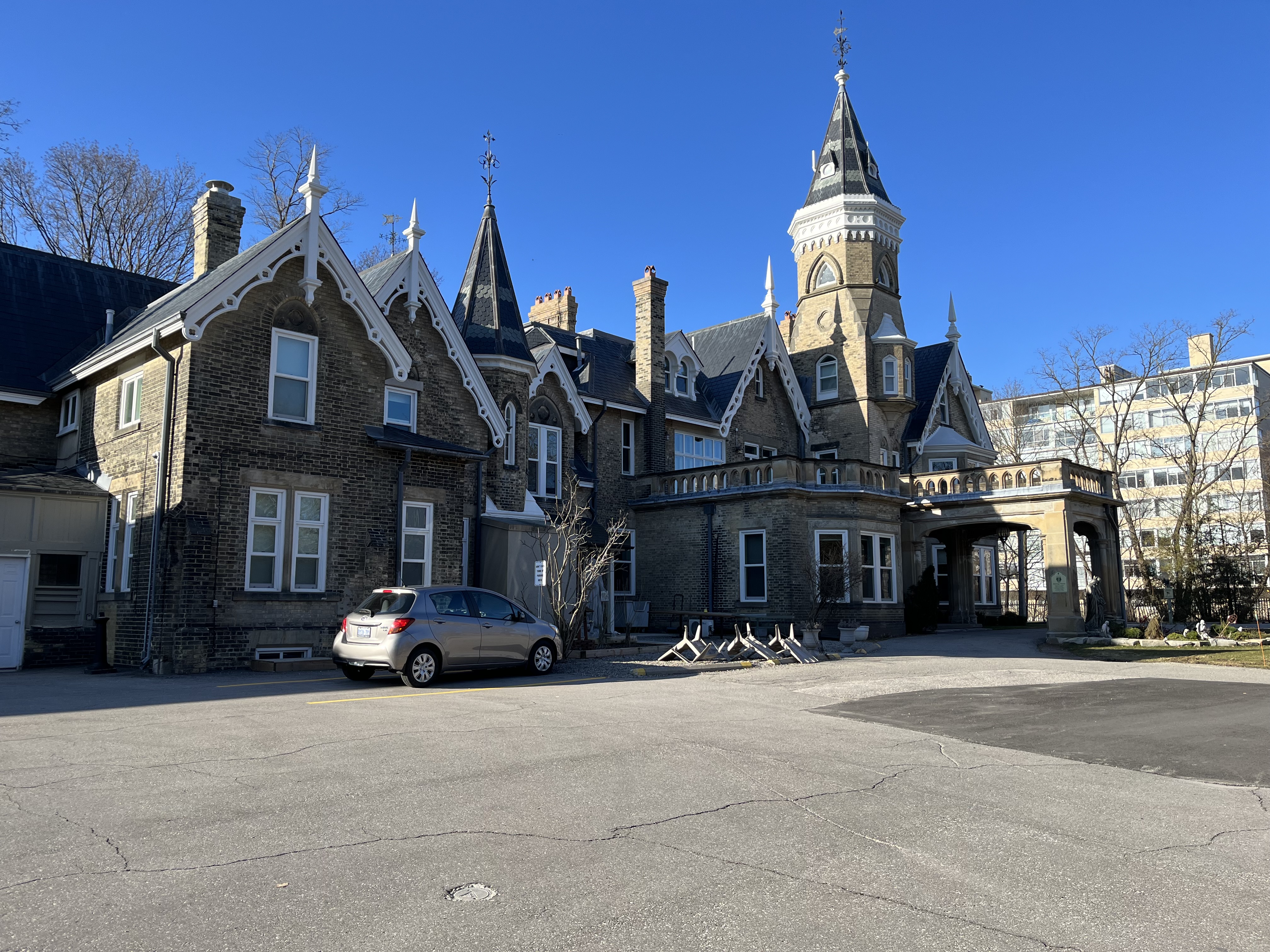
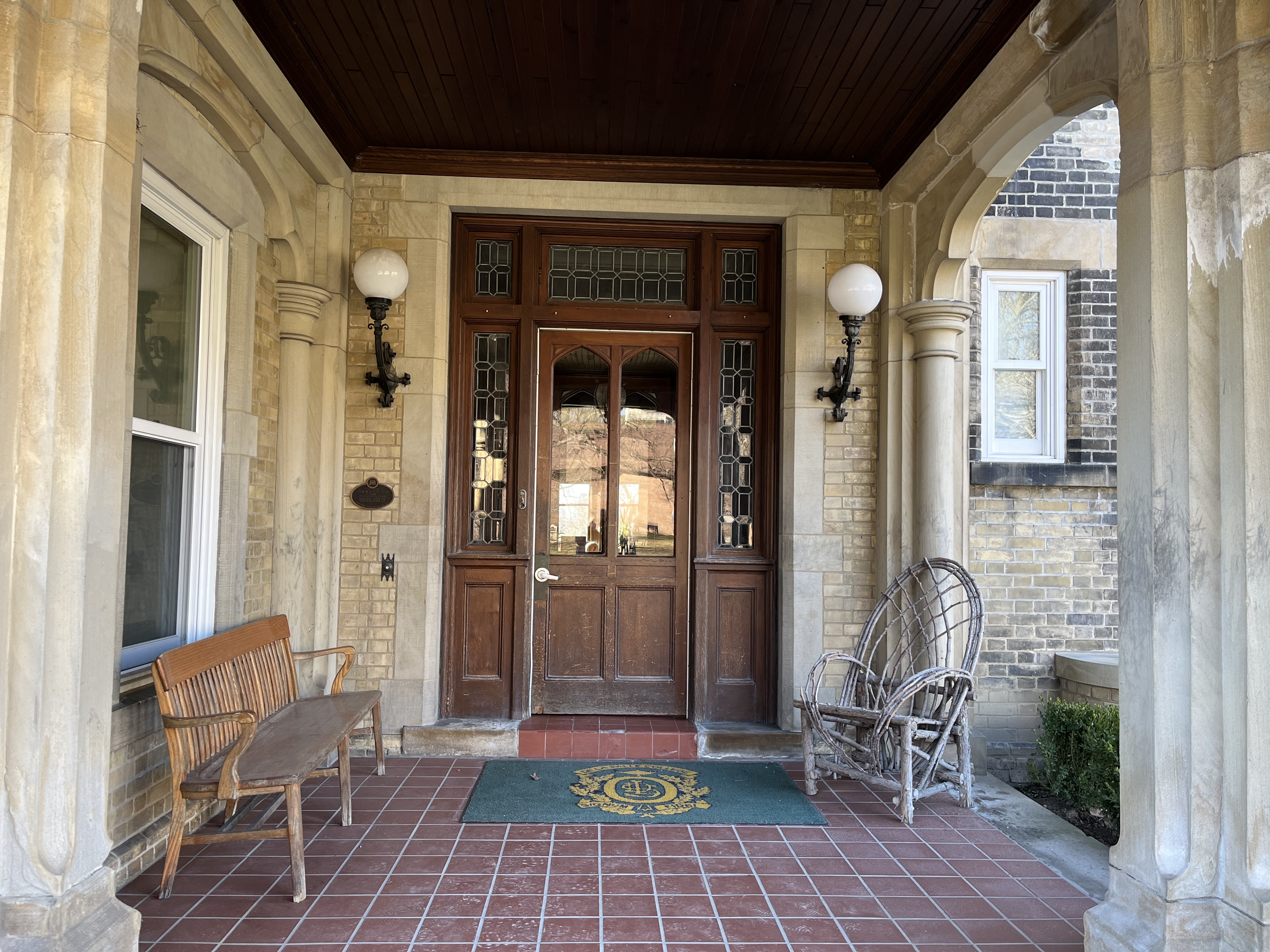
The building is now in use as a school with its own history which dates back to 1651, the year in which St. John Baptiste De La Salle was born in Reims, France. He had an opportunity to enter the priesthood but in 1678 he elected to form a Christian education group called Les Freres des Ecoles Cheretiennes. In the image below the front door can be seen with its side lights and glass transom window. The entrance is protected from the elements by the porte cochere. John Macdonald would have arrived home in the porte cochere in his horse drawn carriage and later there would have been early automobiles such as the Model T passing through here.

The Brothers De La Salle arrived in North America in 1837 and set up a school in Montreal. Fourteen years later they came to Toronto and had their first Christian School at Lombard and Jarvis Streets.

In 1871 they moved to the old Bank of Upper Canada building at George and Adelaide Streets and also occupied the building that had served as Toronto’s first post office. After completing a building in between the two they stayed there until 1914 when they moved to 67 Bond Street.

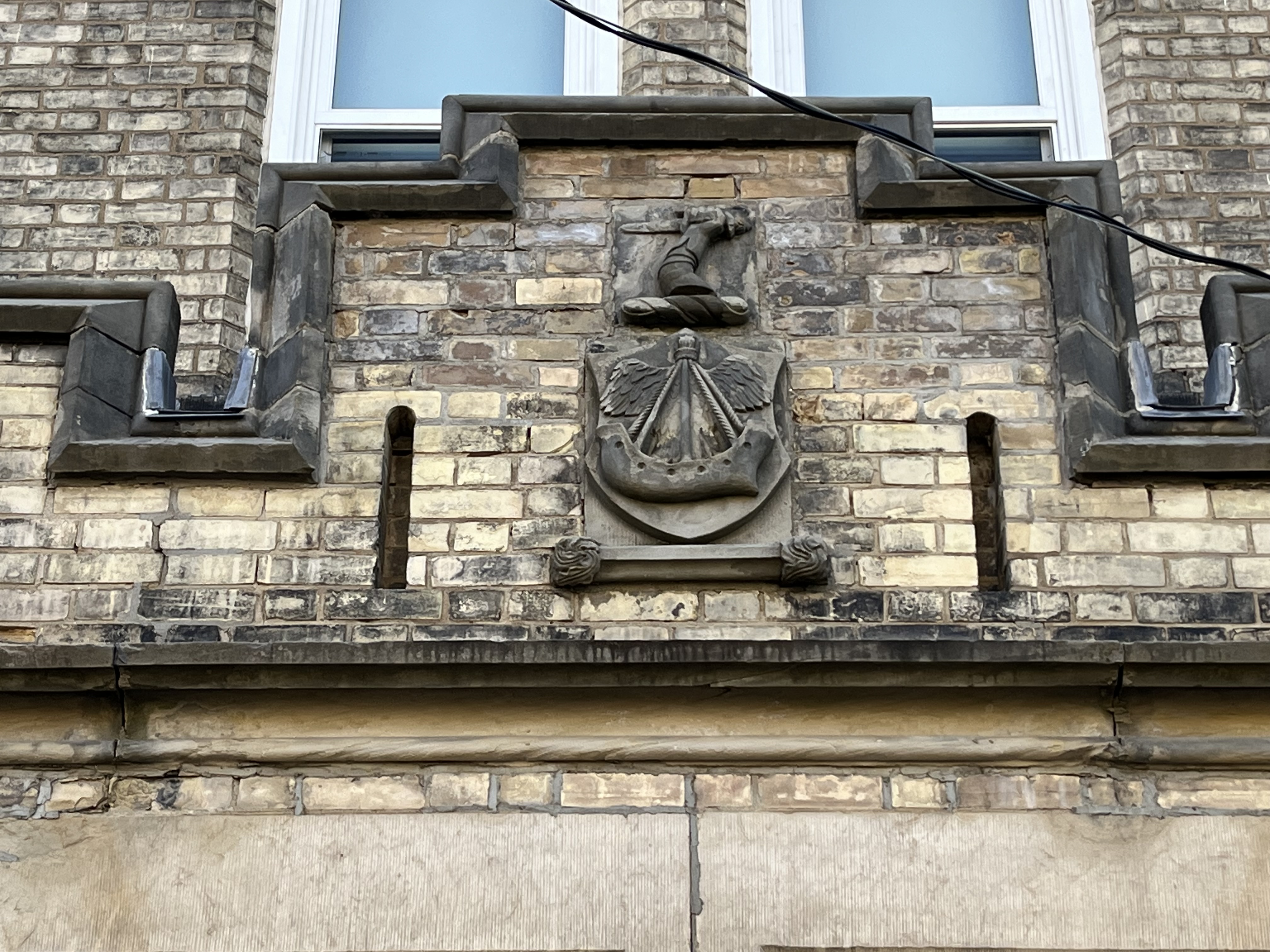
In 1931 De La Salle College made the move to Avenue Road and occupied the Oaklands estate. Since then they have added other buildings including the main school building in 1949. They also have a sports field on their property below the escarpment. As I was photographing the building I noticed the artwork below. There’s a ship with wings but above that is a hand with a knife that is held in a stabbing motion. This is an unusual emblem to put on the side of your estate.

Oaklands is considered to be the best example of Gothic Architecture in a residence, as apposed to a church building, in the city.

Related articles: Spadina House, Casa Loma, Inside Casa Loma, Toronto’s First Post Office, Toronto’s Model T Factory

Google Maps Link: Oaklands (De La Salle College)

Like us at http://www.facebook.com/hikingthegta

Follow us at http://www.hikingthegta.com

Also, look for us on Instagram
North Toronto Station

Sunday, March 26, 2023

Railways began to arrive in Toronto in 1853 and by 1858 it was necessary to have a central station where passengers and freight could switch between different lines. This led to the construction of a Union Station that was shared between the different railways. The original wooden structure was replaced in 1873 with a much larger station. In 1905 it was decided to replace this station with a new Union Station, which is the structure we now have on Front Street. Although it was proposed in 1905 construction didn’t begin until 1914 and the shortage of construction materials during World War 1 meant that it wasn’t until 1920 that the structure was largely completed. This station wouldn’t open to the public until August 10, 1927.

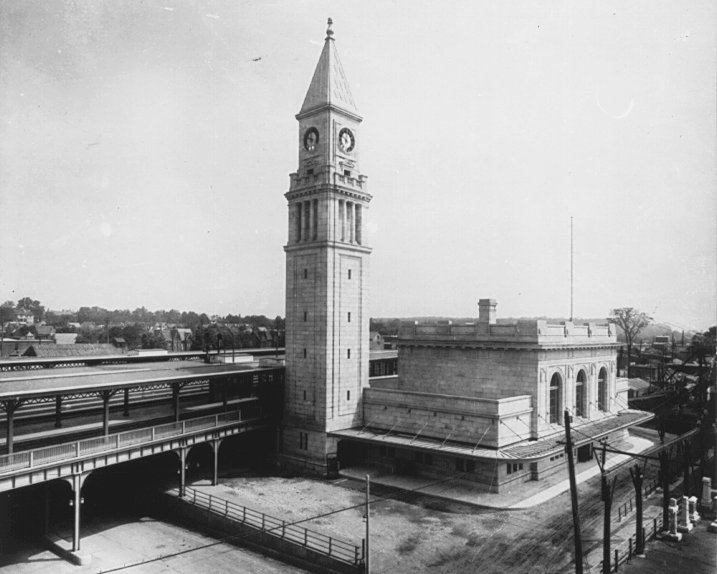
Meanwhile, the Canadian Pacific Railway had a line that ran through North Toronto and was serviced by a modest station on the west side of Yonge Street. The delays in completion of the Union Station led them to decide to replace their existing station with a much grander one on the east side of the road. Toronto mayor Tommy Church laid the cornerstone on September 9, 1915 and the station opened for service on June 14, 1916. The archive photo below shows the station shortly after completion.

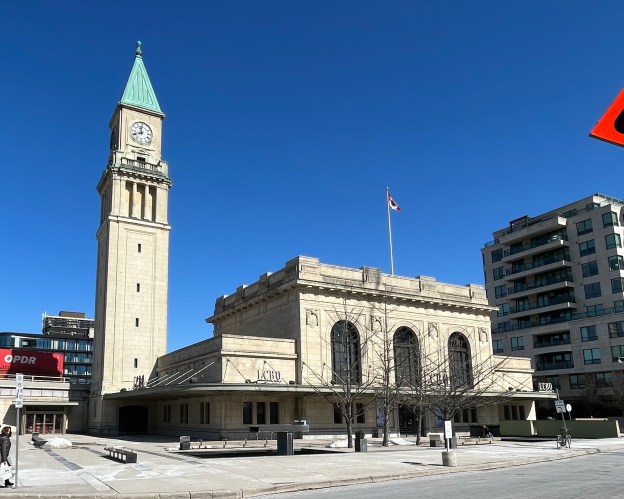
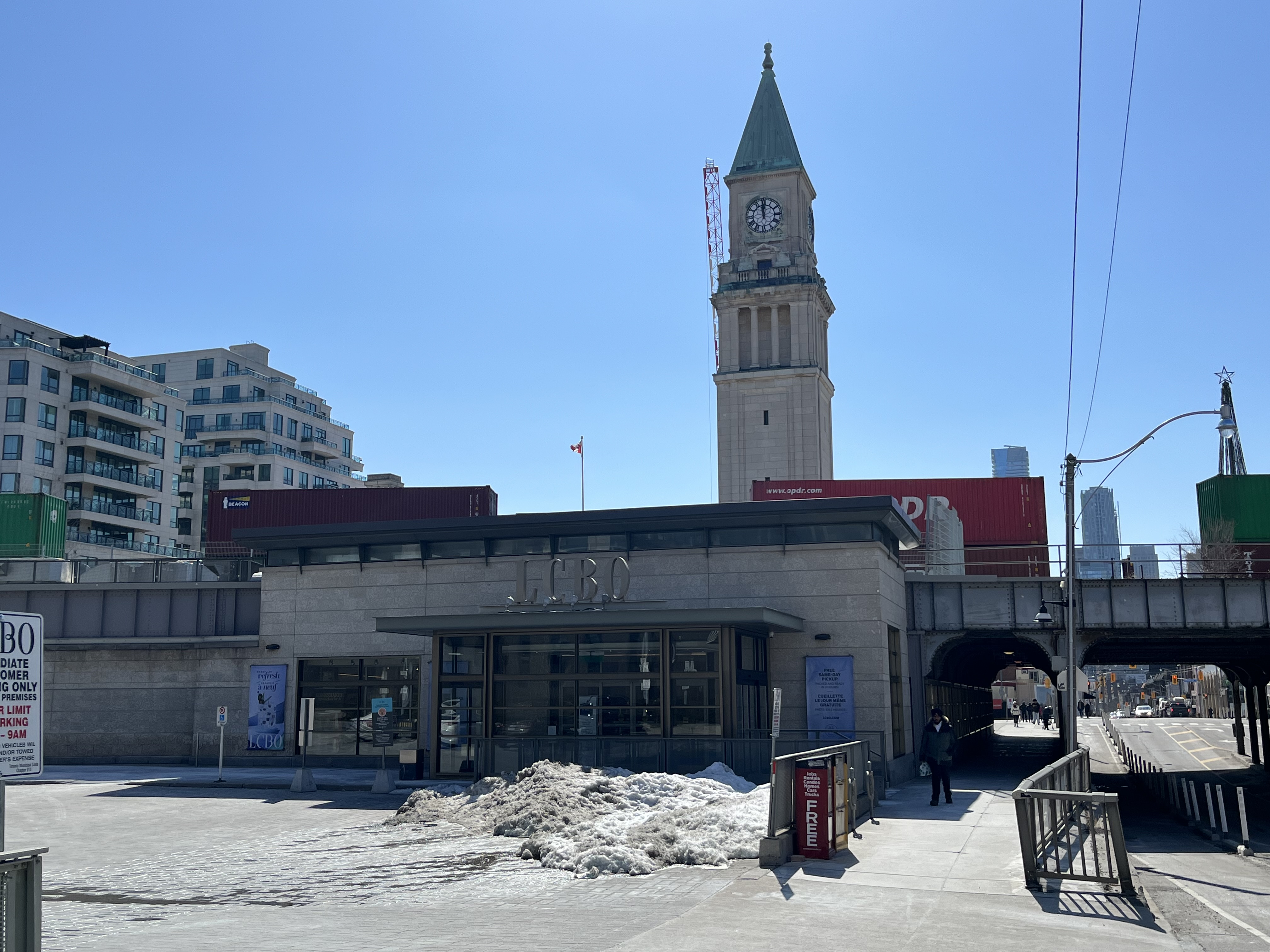
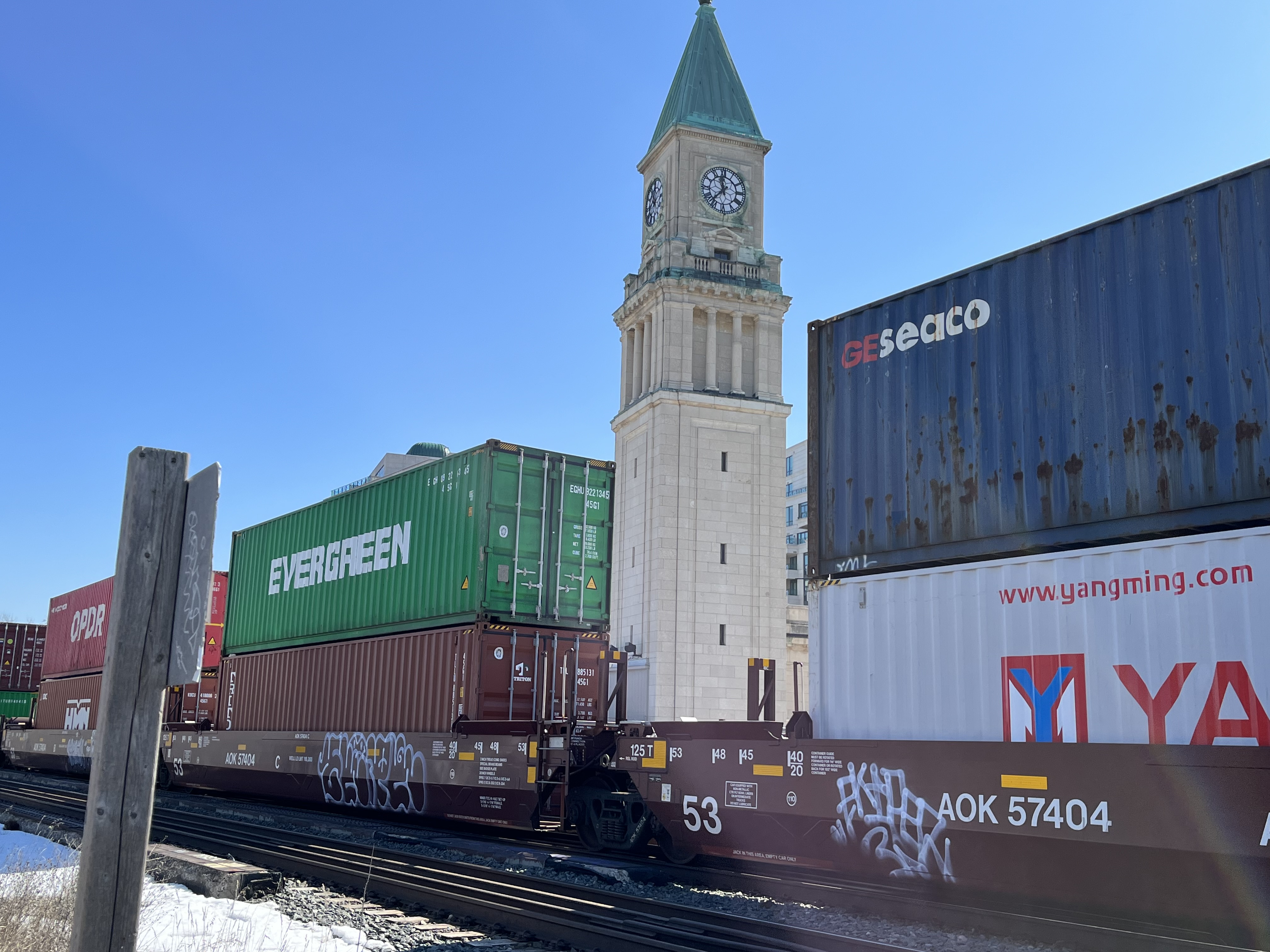
The station served passenger traffic until September 27, 1930 when the CPR decided to route through the recently opened Union Station downtown and North Toronto Station closed. It reopened for a day on May 22,1939 for the royal visit when King George VI and his consort Queen Elizabeth passed through during their visit to Toronto. Canadian soldiers returning from World War 2 also passed through the station even though the Brewers Retail had moved into the north side of the building in 1931 and the LCBO had moved into the south side in 1940. One of the dominant features of the new station was its 43-metre (141 feet) clock tower as seen in relation to the active rail line that still runs behind the building.

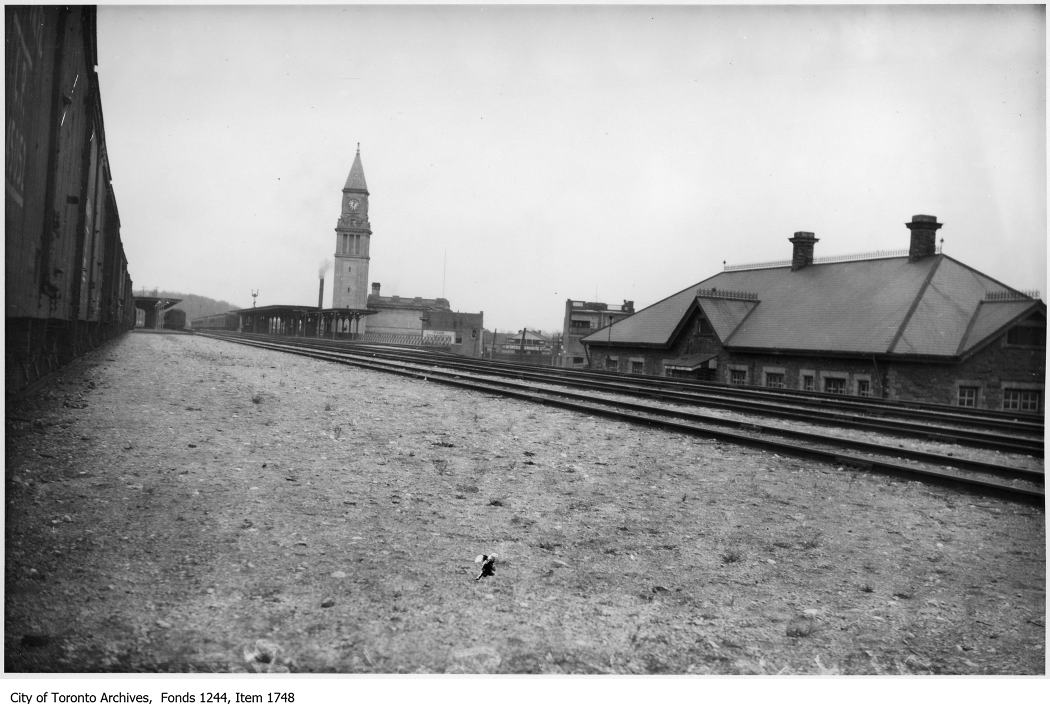
The new station replaced an older one which stood on the west side of Yonge Street. The Toronto Archives picture below shows both the old and new stations.

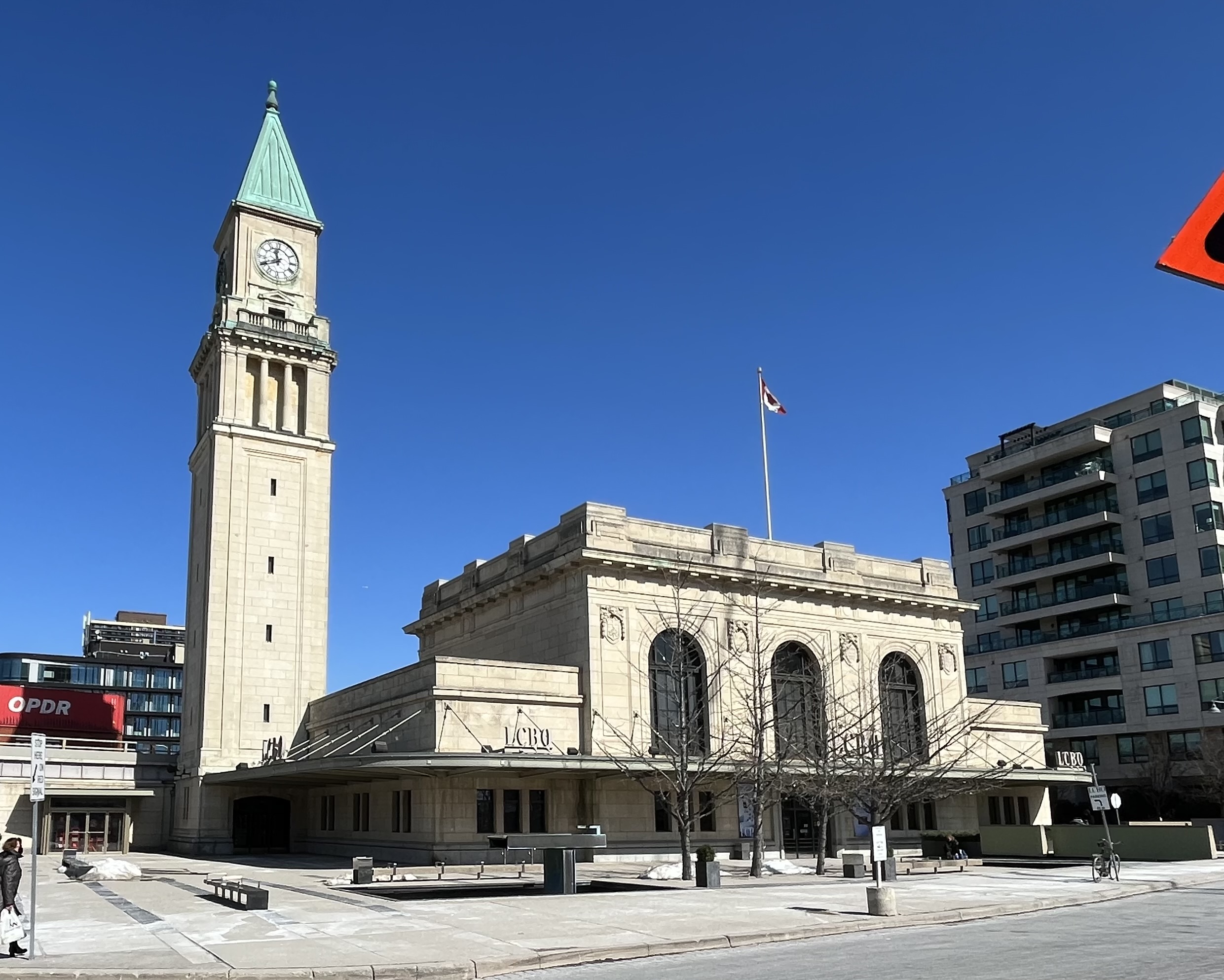
The three story building was the first in the city to be built out of Tyndall Limestone imported from Manitoba and is designed in the Beaux Arts style. This limestone is known for it’s durability as well as the fossils that are embedded in it. The theme of three floors is repeated in the three large windows on the second floor as well as the three distinct sections of the clock tower.

During the years that the station was in use the clocks were always illuminated at night.

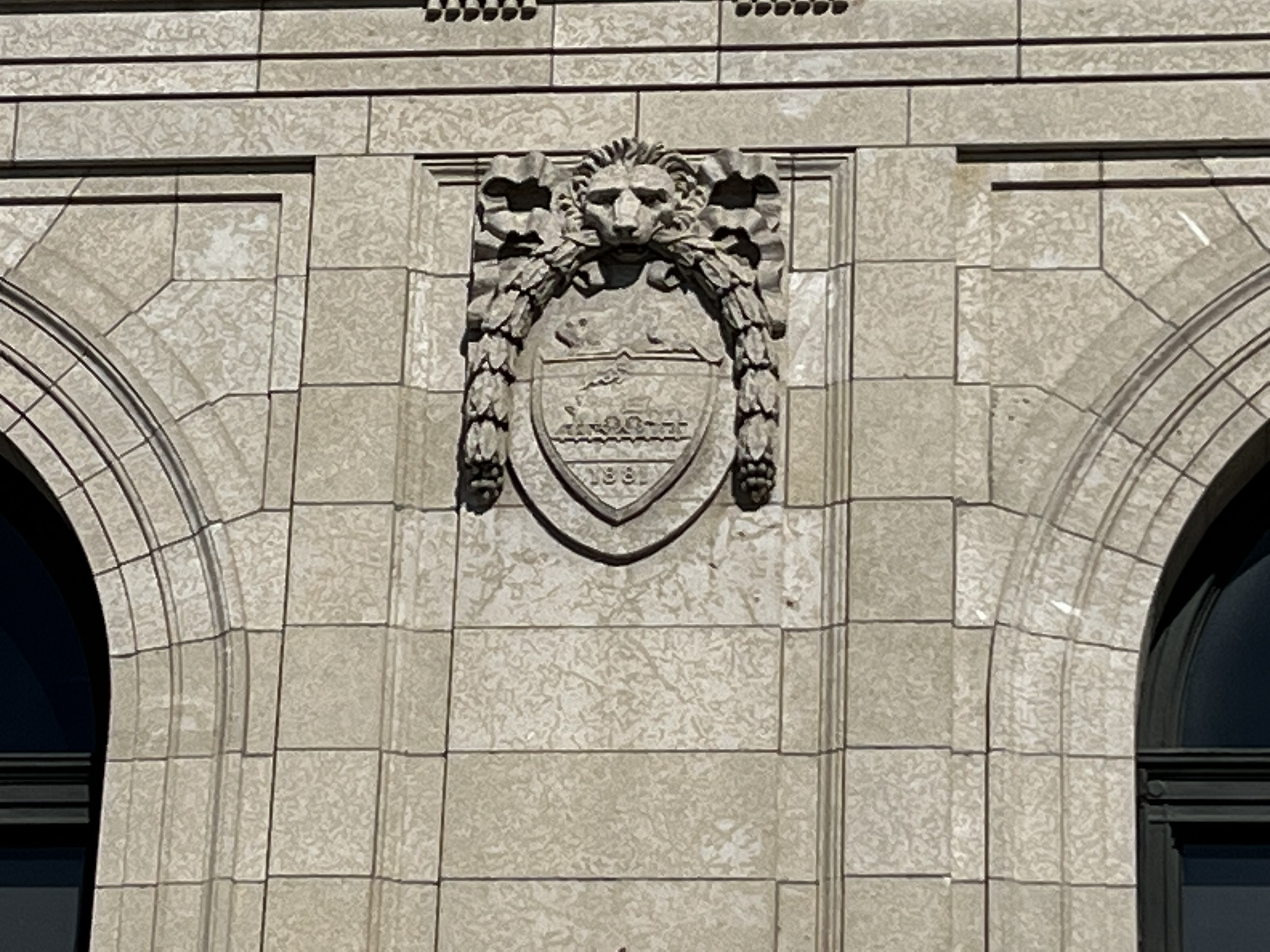
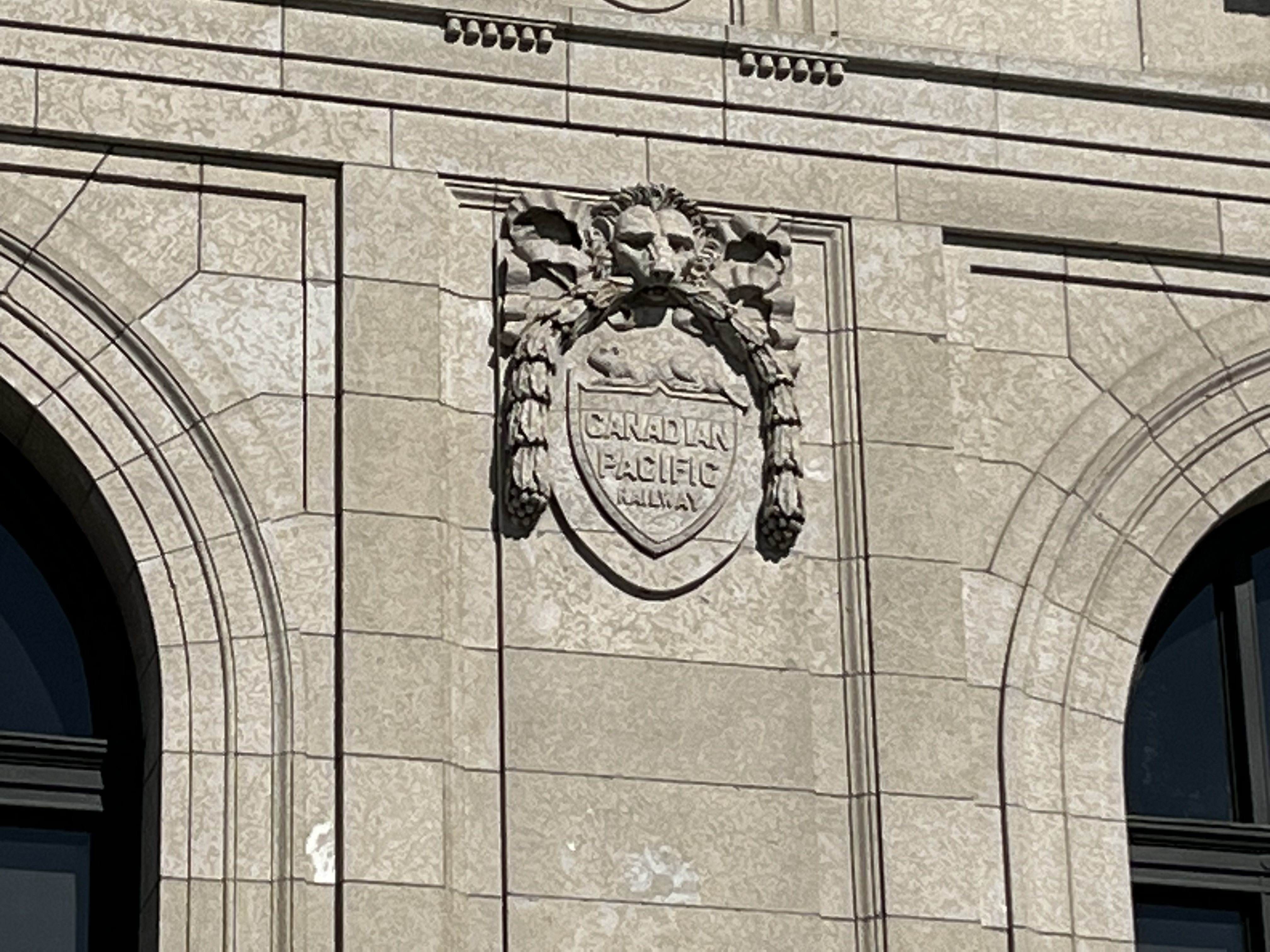
The Canadian Pacific Railway was incorporated in 1881 as noted in the emblem near the main doors on the south side of the building. The line was built between eastern Canada and British Columbia between 1881 and 1885 as part of a commitment to build Canada’s first transcontinental railway. This promise had been part of the agreement with British Columbia when it joined confederation in 1871.

The Canadian Pacific Railway (CPR) was completed on November 7, 1885 with the last spike being driven in by Donald Smith. British Columbia now had a land link to the eastern provinces and the 4-month sea voyage was now reduced to 7 days by rail between Port Moody and Montreal.

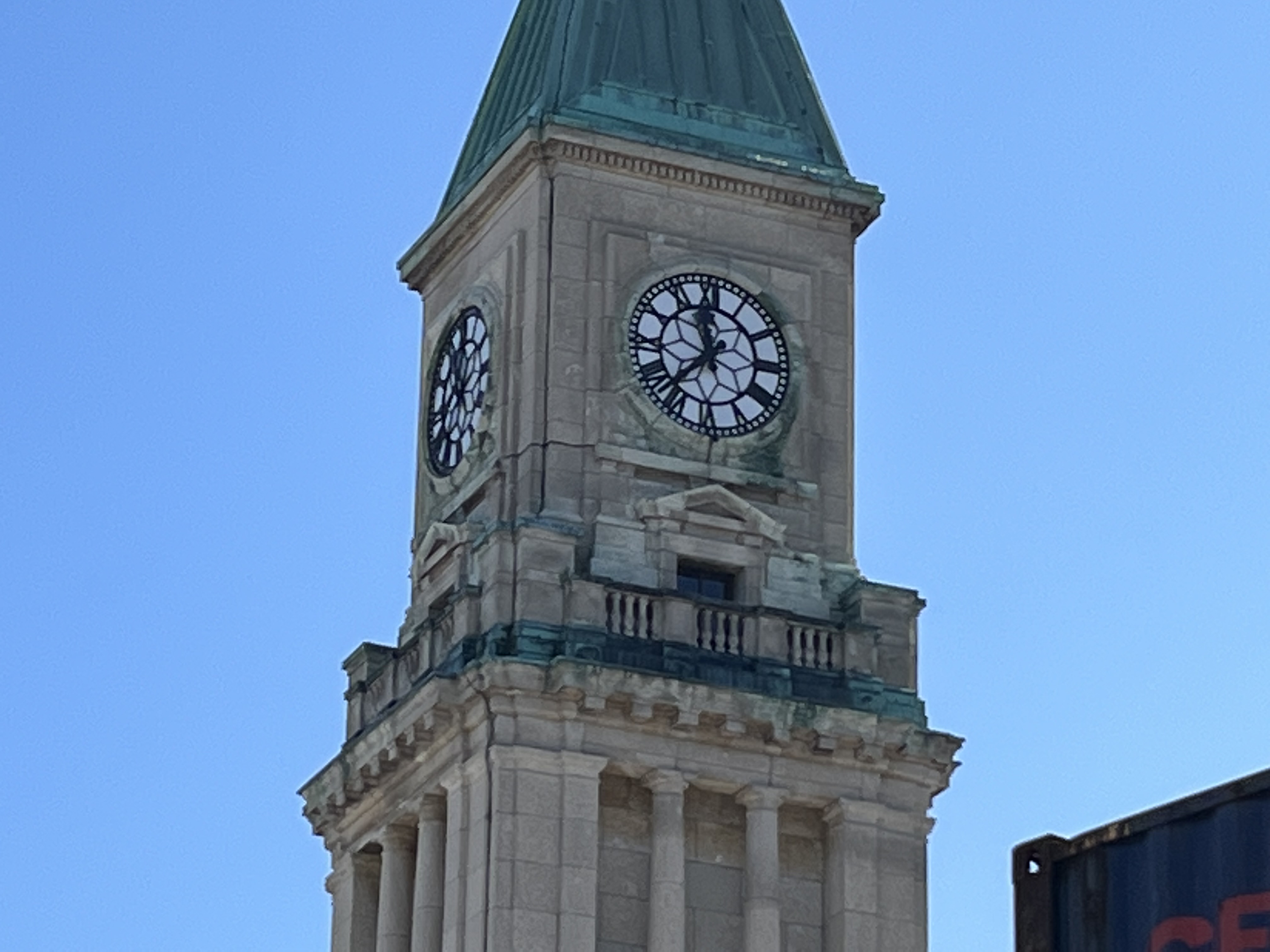
Sometime between 1948 and 1950 the clocks were removed from the tower leaving openings behind that became the entryway for generations of pigeons to take up residence. By 2004 when restoration was undertaken there were over 4,000 kilograms of pigeon feces lying in the base of the tower. This had to be removed and disposed of as part of the restoration. The original clocks were recovered and restored and now have resumed their duty of keeping time for those who pass by on Yonge Street. Inside the old station the bottom of the tower has been turned into a tasting room where people can try some of the various alcohol available at the store.

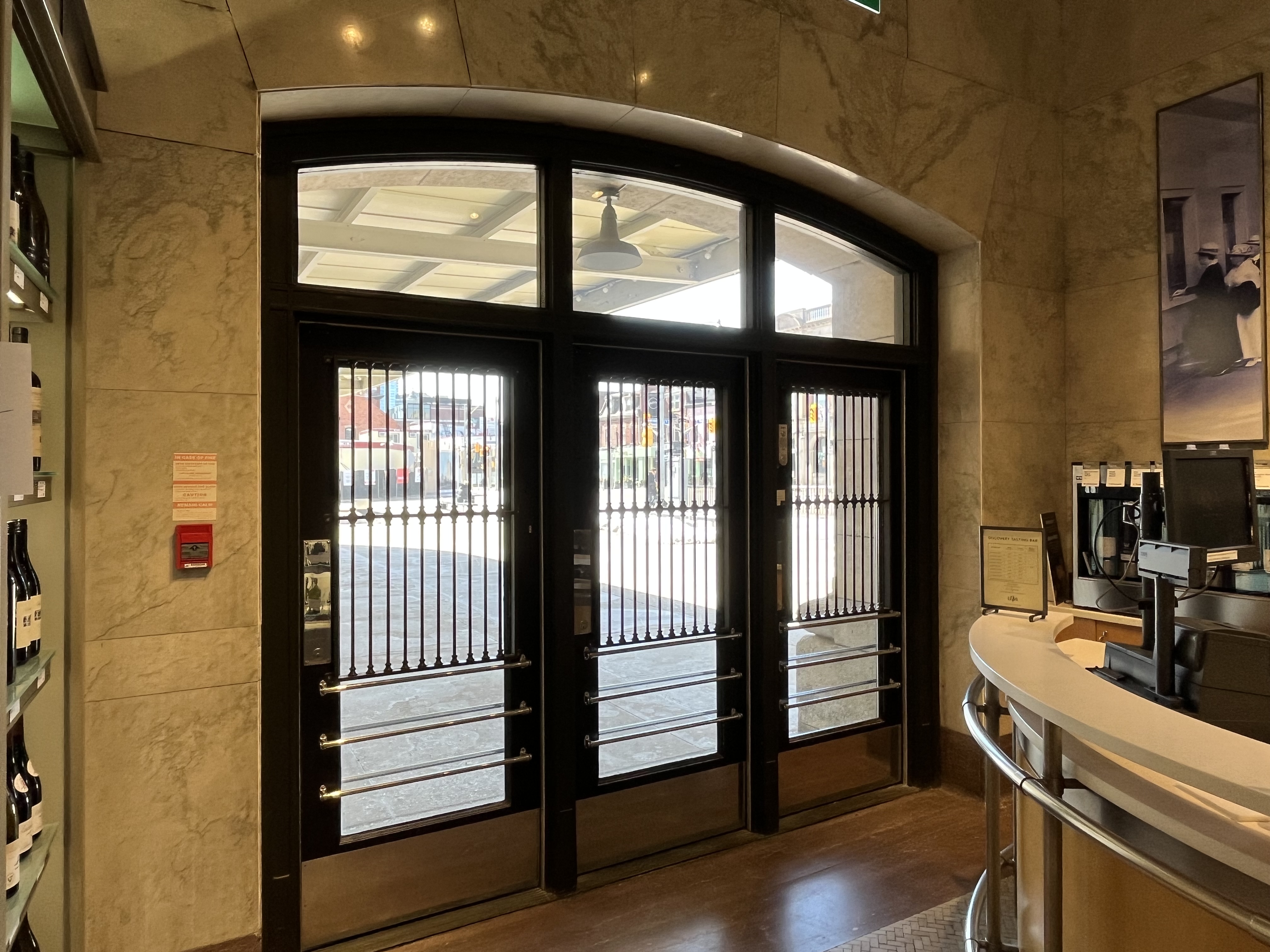
The inside of the clock tower reveals the use of marble and the ornate doors that led into the building.

The main terminal gallery, or waiting area, had 38-foot (11.6 metres) high ceilings complete with brass lights designed to look like train wheels. Drop ceilings and walls had hidden many of the architectural features inside the building since it had been in use for retail purposes.

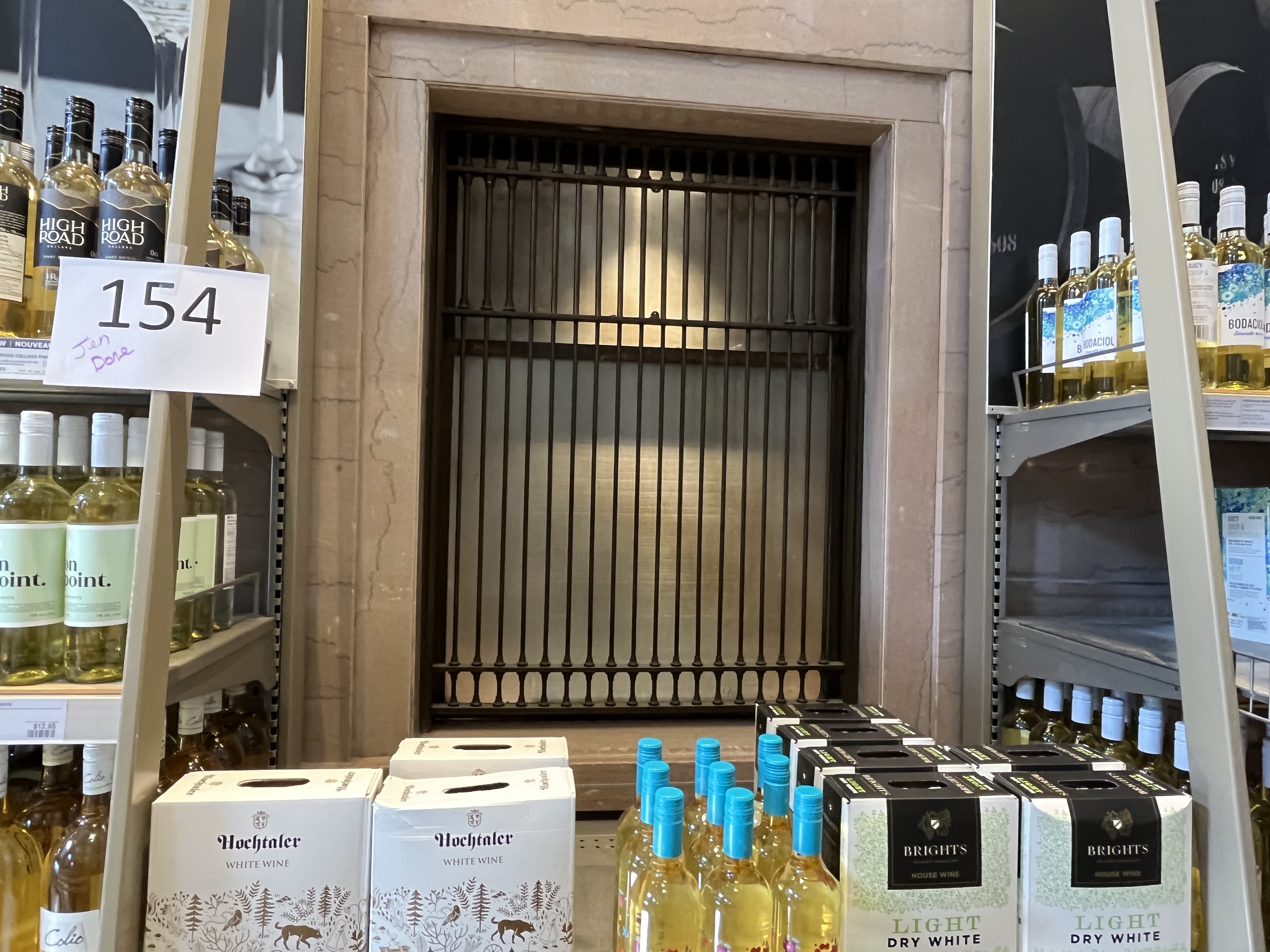
Restoration of the inside was undertaken in 2004 and all of the original interior was exposed again for the first time in over 60 years. A time capsule was uncovered in the cornerstone of the tower and was opened on the 100th anniversary of the laying of the stone. It contained newspapers from September 9, 1915, various coins, and a city map among other things. A new time capsule was put there to replace it. This one contains newspapers from September 9, 2015, the September issue of Toronto Life, some bottles of liquor from the store as well as an iPhone and a Blackberry. The picture below shows one of the original ticket windows that had been hidden for decades.

Other features of the old waiting area include a wooden bench that passengers sat on 100 years ago while they waited for their train to arrive or for passengers to show up.

The rails ran over Yonge Street on a trestle bridge that remains in place today. The station windows can be seen in the picture below, which was taken from across Yonge Street.

With the tracks passing through the centre of the building there had been stairs that led from the inside up to the track level. The picture below shows the north part of the building that served as a beer store starting in 1931. The entire building is currently home to the LCBO and is the largest liquor store in Canada.

At one time there were hundreds of railway stations across Ontario but many of them were demolished to lower property taxes and prevent the possibility of injury and lawsuits from trespassers. Fortunately, a few still survive and we will be looking at some of them over the coming months and years. You can see a few of them in the links below.

Related Stories: Roundhouse Park, Richmond Hill Station

Google Maps Link: North Toronto Station

Like us at http://www.facebook.com/hikingthegta

Follow us at http://www.hikingthegta.com

Also, look for us on Instagram
Conboy Carriage Company

Sunday, March 5, 2023

The Conboy Carriage Company Limited started in Vallentyne Ontario in 1860 before moving to Uxbridge. In 1884 it moved again, this time to Toronto to take advantage of the local market and the easy access to all the rail lines on the waterfront that allowed export of its products to other markets. The town of York had started as just ten blocks in 1793 but by 1797 it had started to expand beyond that to the north and west of the original site. When the town was founded, it was guarded by Fort York which was established along with the Garrison Common, a large military reserve land between it and the town. By 1833 the War of 1812 was a fading memory and plans were put into place to develop part of the Garrison Common for additional housing plus some estates for the wealthy along the lakeshore. When the railways arrived in the period between 1850 and 1880 much of this area was redeveloped for industrial purposes. In 1884 Daniel Conboy purchased Lot 3 and built an industrial building for his company the Conboy Carriage Company. The map below shows the area as it appeared on the 1884 Goads Fire Map. Also shown here is the Military Burying Grounds featured in a separate blog post. The map was taken from the submission to the city for historical designation of the Conboy building. The blue arrows shows the location of the building.

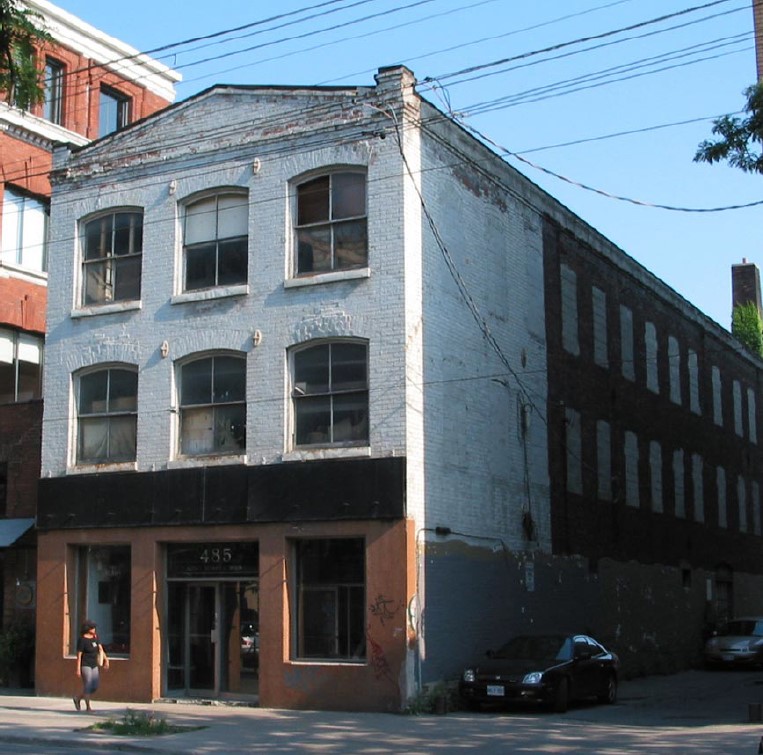
Conboy bought the one-story rough cast house at 413 King Street West and had the three story carriage factory built on the vacant lot at 407 King Street West. The business did very well and in 1897 Daniel commissioned a new home at 493 King Street West which was designed by the architect James Augustus Ellis. By this time the street had been renumbered and the factory was known as 485 King Street West.

In 1900 he had the original factory extended and added a new building at the rear of his house running perpendicular to the original building. The new structure is formally known as 495 King Street West and is currently being retained as part of a development being completed on the front of the property.

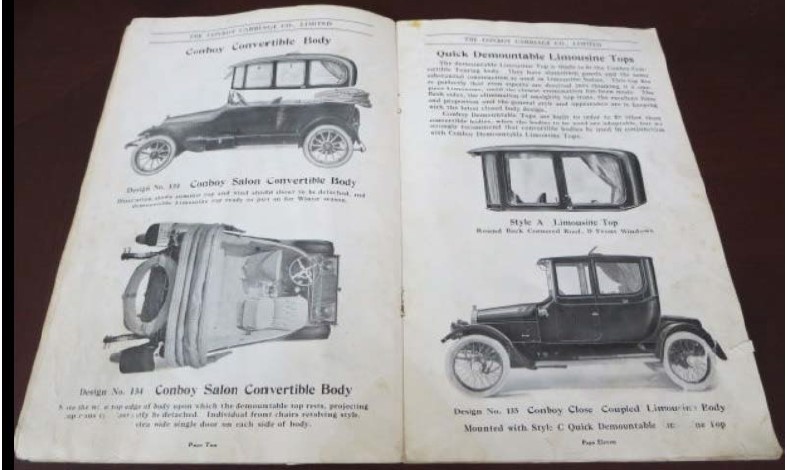
It wasn’t long before the business outgrew the original building and Conboy built a new factory on the east side of the Don River near Queen Street. The building suffered a fire in the 1920s and was restored a few years later. Unfortunately, it has been demolished and replaced with a condo development. When automobiles became more popular the company changed its production to manufacture auto bodies for Buick, Hudson and Rolls Royce. It was the first company outside of Britain to build the body of cars for Rolls Royce. In 1914 the company produced the most expensive car built in North America up to that time. It was called The Swan and sold to a Toronto client for $13,000. The image below is from their 1915 catalogue and was taken from the submission to the city for historical designation of the Conboy building.

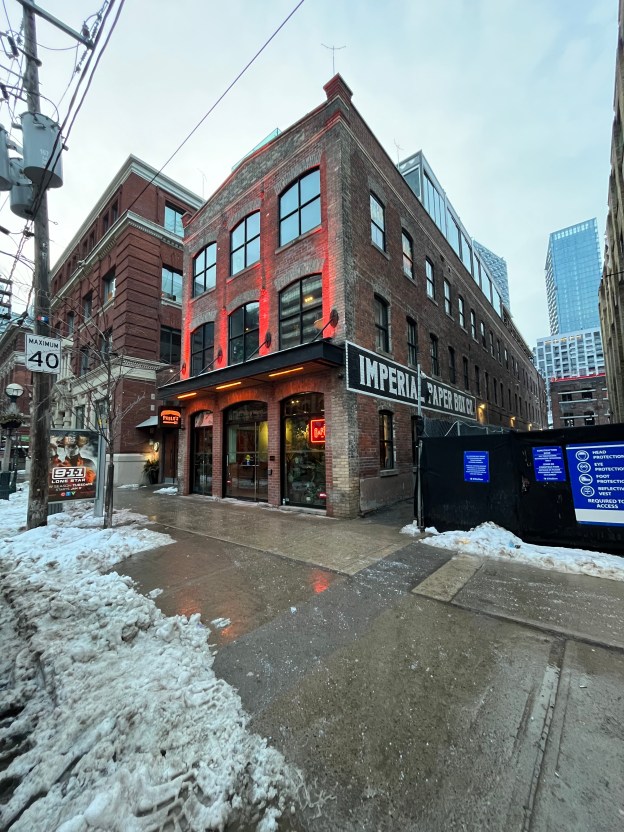
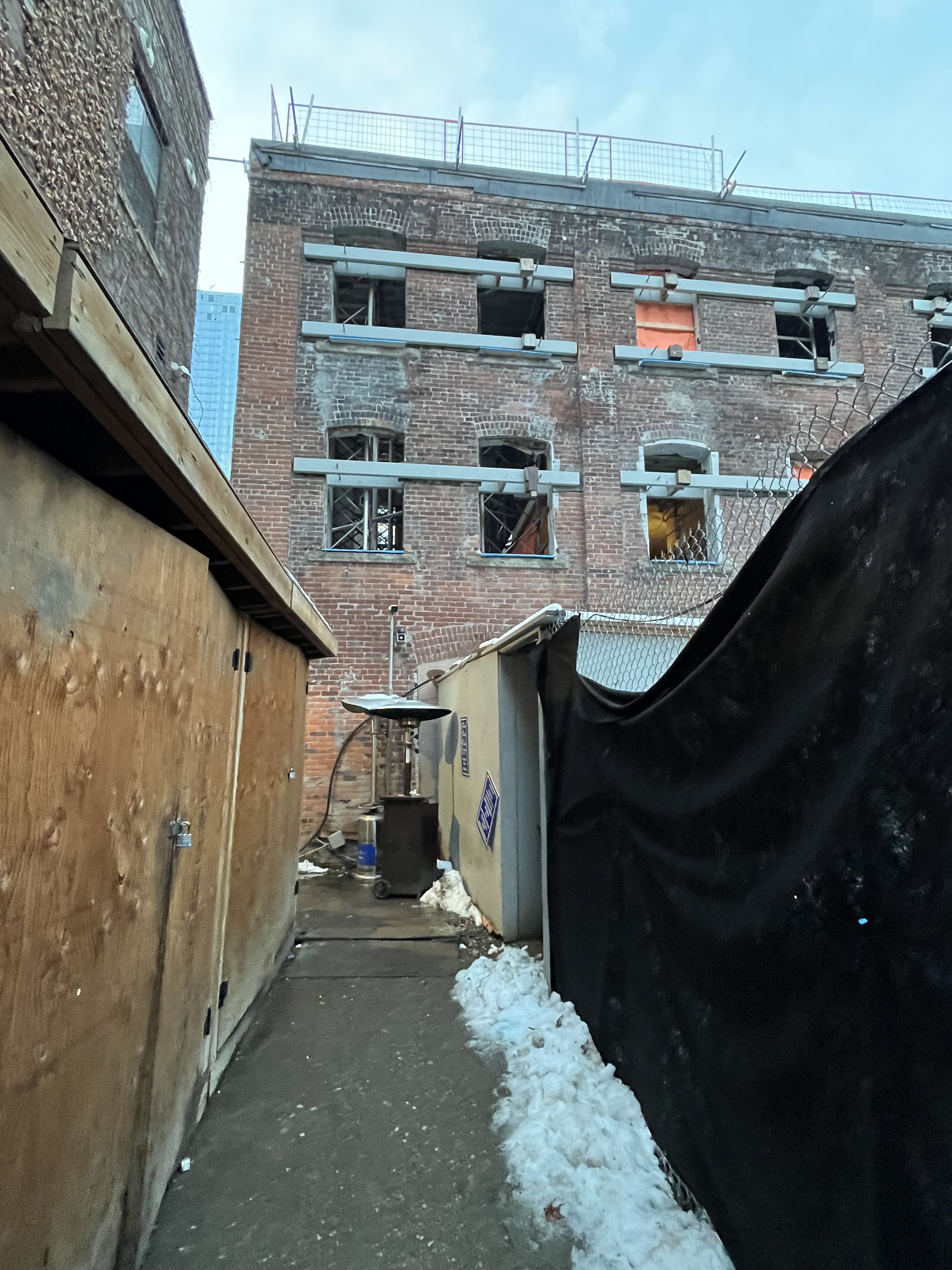
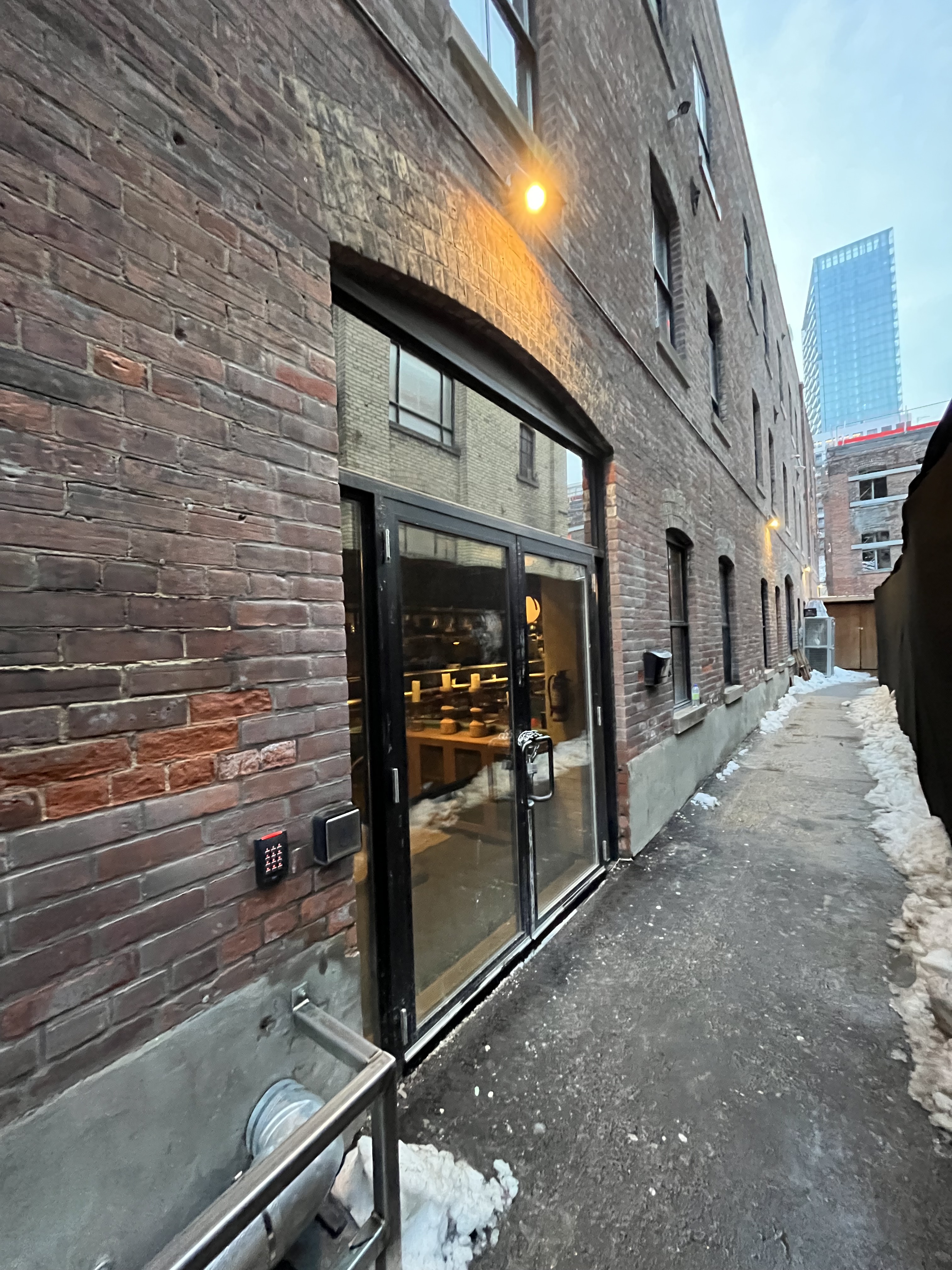
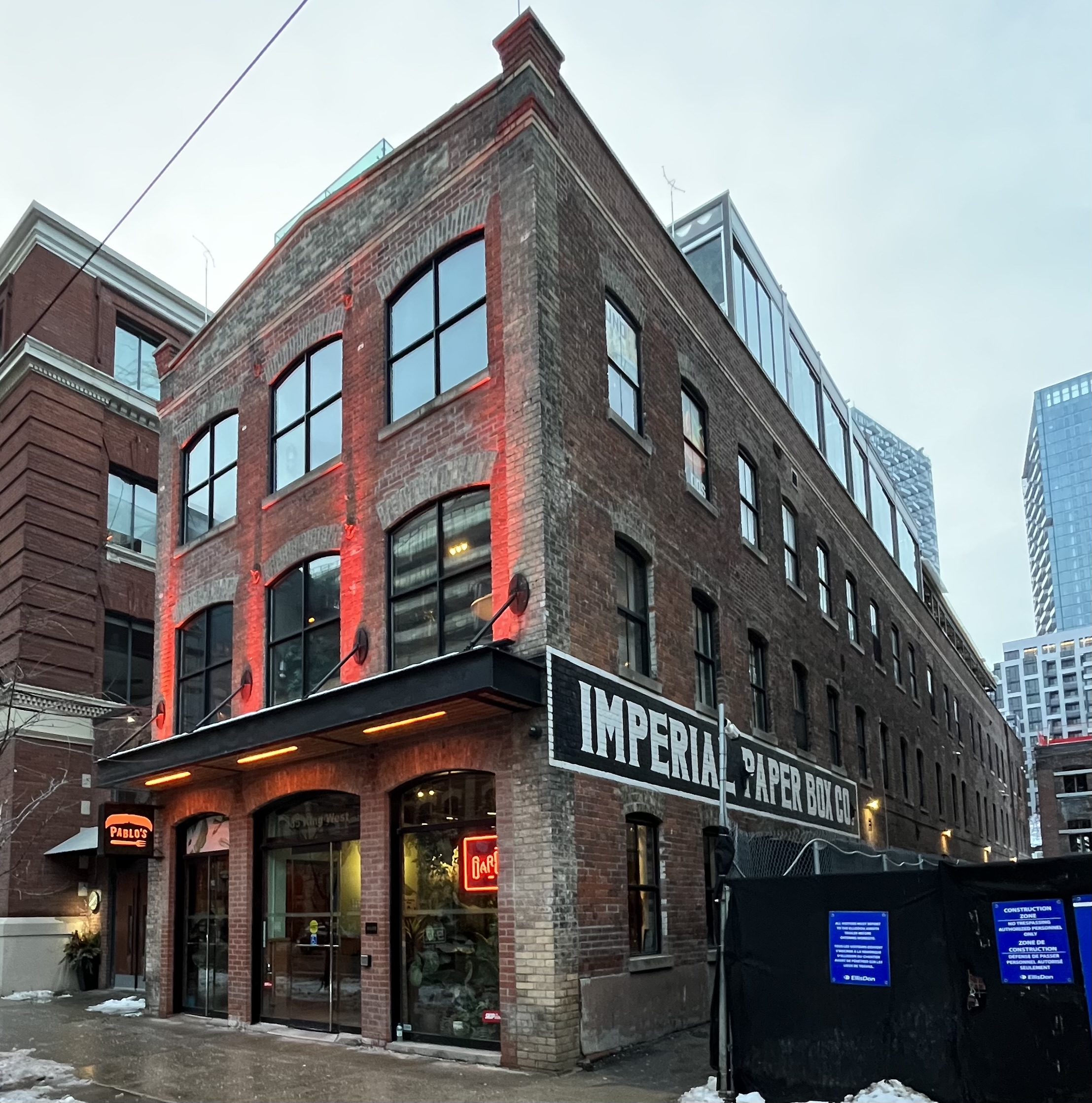
It was constructed on the east side of the property to leave room for an alley along the west side of the building. Two delivery doors faced the alley and broke up the the sets of windows which lined all three floors. Originally the interior was lit by gaslight and so windows were provided to increase the amount of natural light available. The joists stretched across the building leaving no interior support and allowing a large amount of open space inside for moving materials around. When Conboy moved out of the building it was occupied in 1907 by the Imperial Paper Box Company.

Daniel Conboy died in 1917 from the Influenza epidemic and his company was taken over by his three sons. It was unable to survive the market turbulence of World War 1 and closed in 1918. Meanwhile, the same year saw the building on King Street taken over by The National Cabinet Company. They would change their name to The National Radio Cabinet Company before vacating the building in 1957. In 1958 the building was under the ownership of Pauline Pattenick who renovated the front face and interior of the structure. Between 1960 and 2014 it was occupied by the Du-Sel Importing Company under the ownership of the Pattenick family. The original windows were two over two sash windows with arched heads. The only adornment was a brick pediment on the top of the King Street face of the factory. In 2013 the front windows were boarded over and the side windows had previously been filled in with concrete blocks. White paint had been added to the front and part way down the west side.

The building has had an historic designation and has now been restored. Although the building is almost 140 years old and the Imperial Paper Box Company only occupied it for 11 years they are commemorated on the side rather than the Conboy Carriage Company.

Fortunately the King-Spadina Heritage Conservation Area has protected the row of historical factory buildings along this section of King Street.

Associated stories: Military Burying Grounds,

Google Maps Link: Conboy Carriage Company Building

Like us at http://www.facebook.com/hikingthegta

Follow us at http://www.hikingthegta.com

Also, look for us on Instagram
Royal Ontario Museum – Dinosaurs

Sunday, February 26, 2023

The Royal Ontario Museum is one of the largest museums in North America and is the largest in Canada. It was established on April 16, 1912 and opened on March 19, 1914 and was initially governed by the Government of Ontario and the University of Toronto. It has been expanded a couple of times and now is home to 40 galleries and over 6,000,000 items. In addition to the permanent galleries, it also hosts special exhibitions on a regular basis. Many blogs could be written on the various galleries but as I have been fascinated with fossils and dinosaurs since I was a young boy, I’ve decided to write this initial blog about their dinosaur collection.

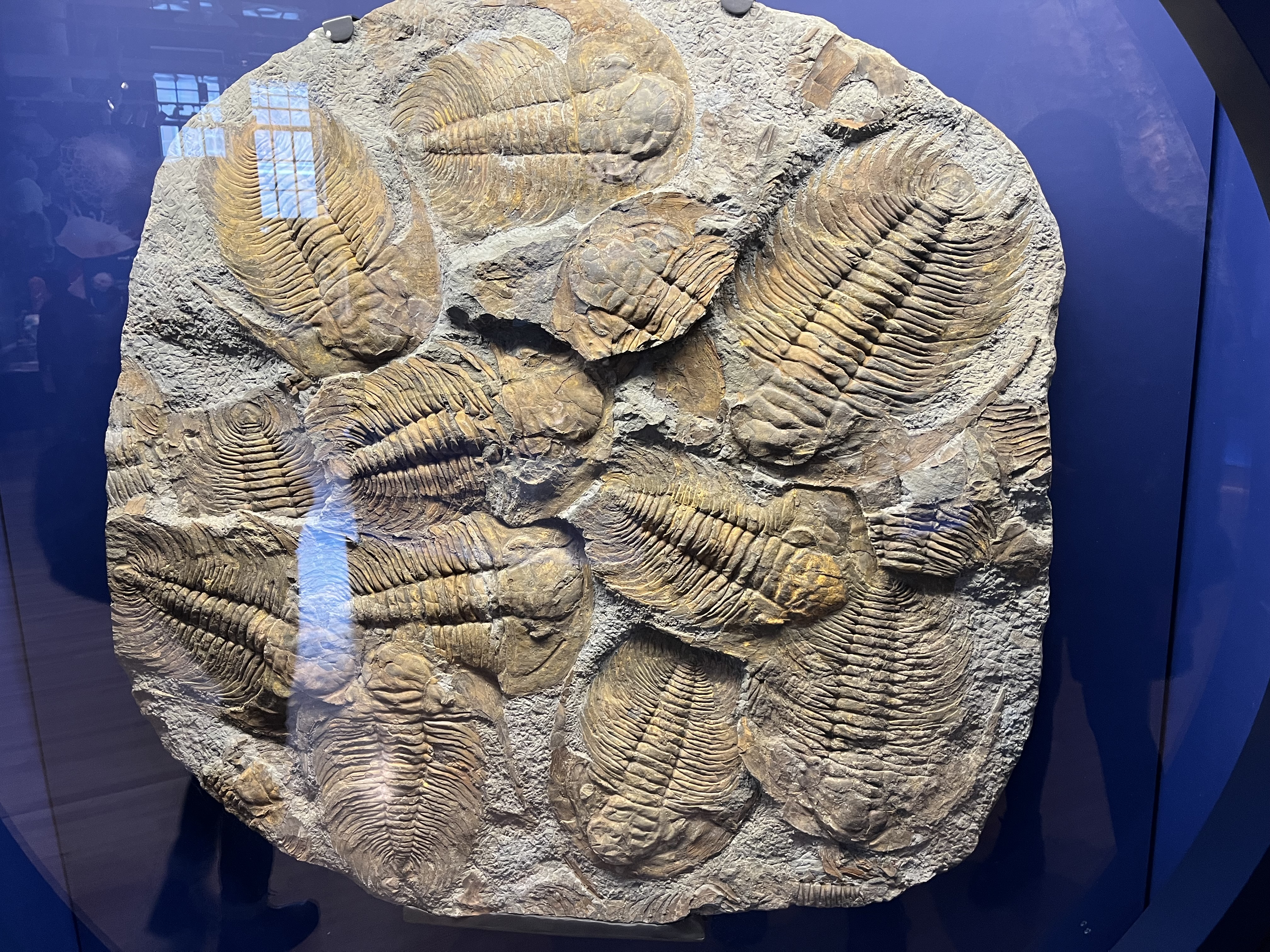
Trilobites were among the first marine arthropods (invertebrate animals with an exoskeleton) and flourished for about 270 million years starting around 521 million years ago. There have been over 22,000 species of trilobites discovered so far.

Fossils are formed when living organisms are buried quickly before they have time to decompose. Usually this happens when they are covered with mud, sand or volcanic ash. The soft tissues will often disappear leaving only the skeleton but sometimes even the tissues can be preserved. More sand or mud is deposited on top of the animal or plant and over time this will turn into rock. The bones themselves will turn to stone in a process known as being lithified. Eventually the rock may erode away exposing the fossil.

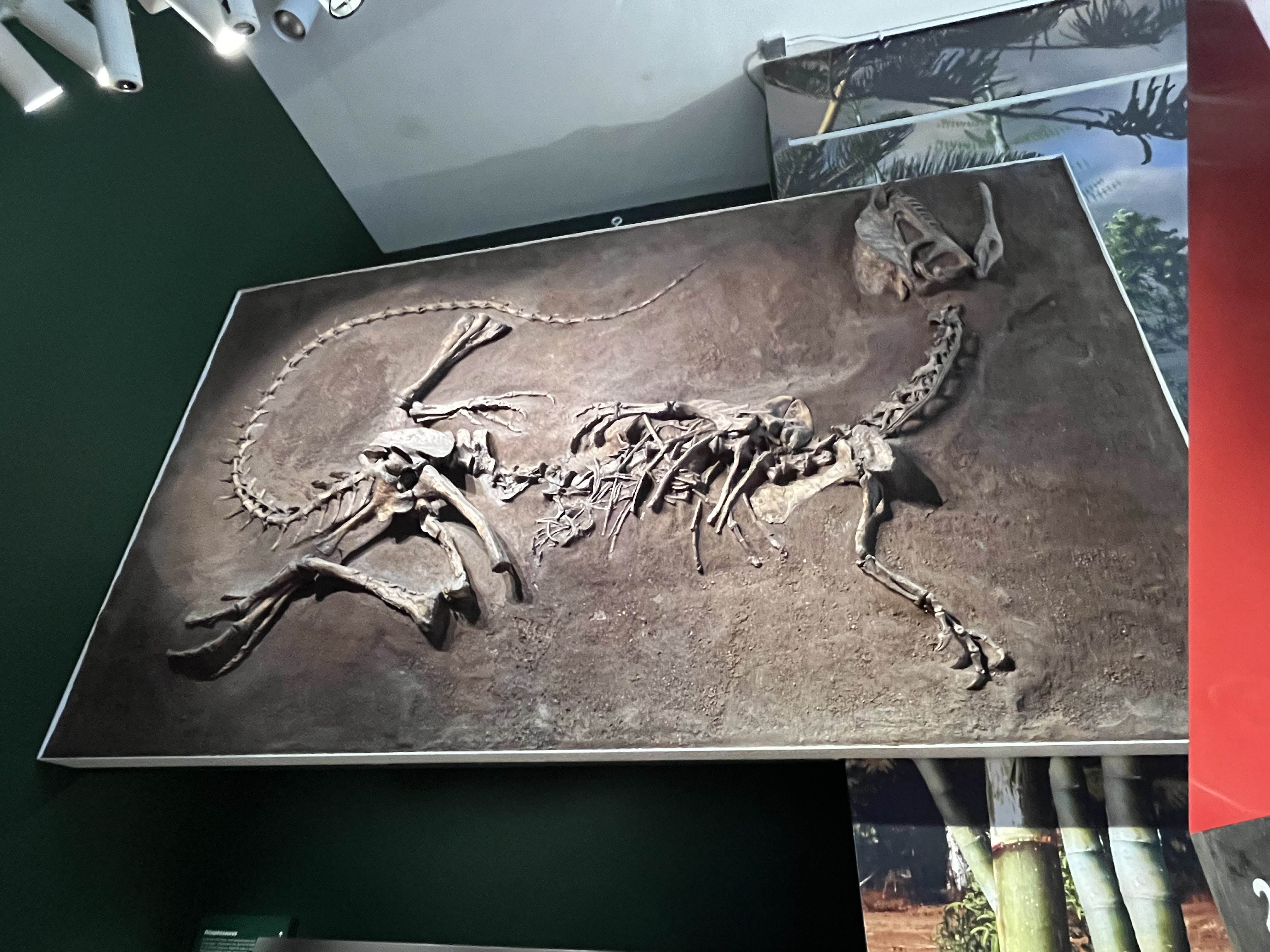
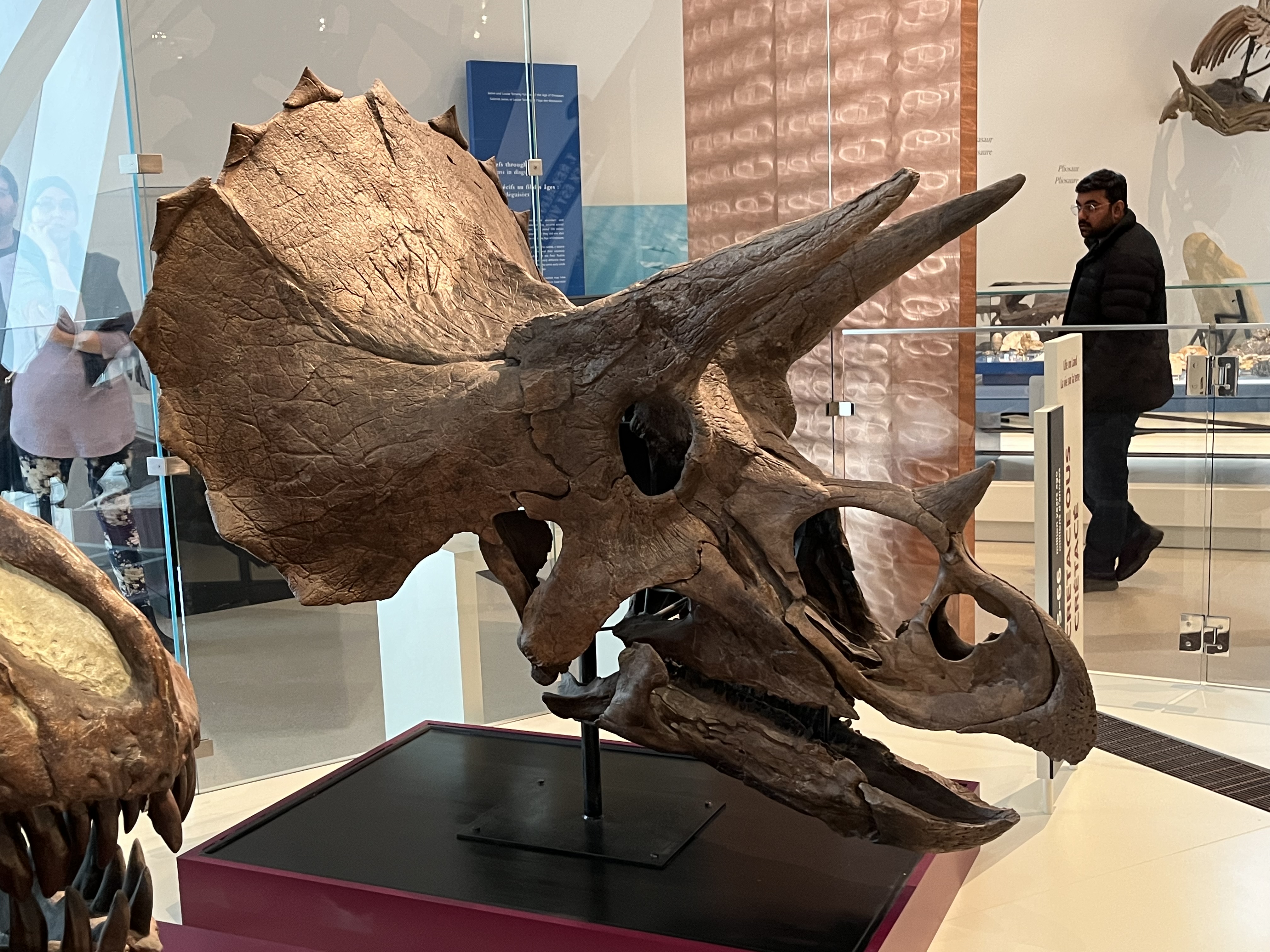
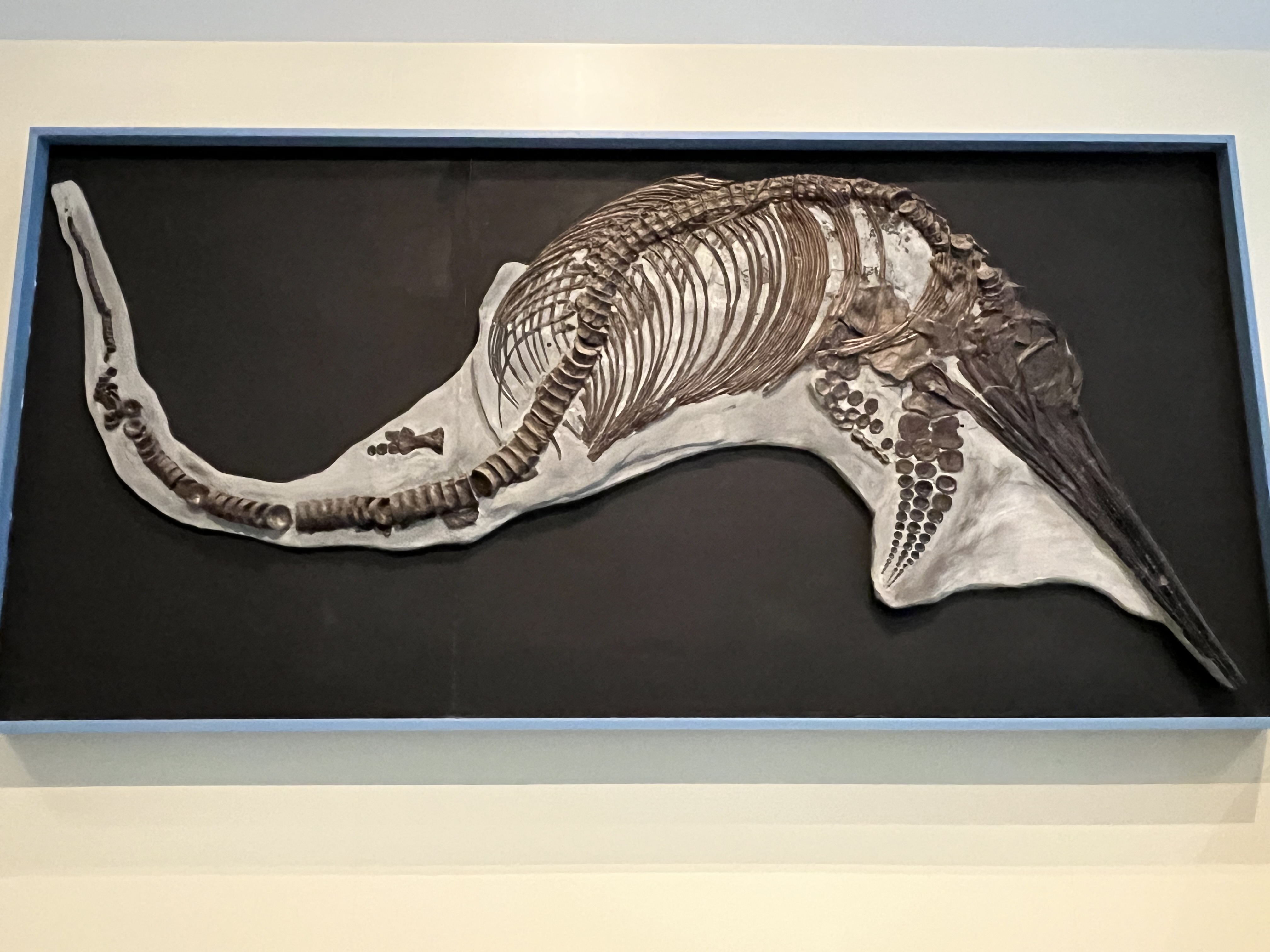
The first dinosaur fossil was discovered in England in 1672 and was named Megalosaurus, which means Great Lizard in Greek. The species itself wasn’t scientifically named until 1824 when it was originally thought to have walked on all fours like a lizard. Since then, further discoveries have shown that it was a biped and looked similar to a Tyrannosaurus Rex like the one featured on the cover photo. Some fossils are found in a nearly complete format like the one pictured above but this isn’t often the case. Sometimes only a bone or a few pieces of skeleton are found and the Megalosaurus was first identified by just a femur bone. The skeletal head of a Triceratops is featured below and is distinguished by the three horns on the face.

Albertosaurus was a similar species to the Tyrannosaurus Rex but smaller and very limited in range. It appears to have been pretty much restricted to the province of Alberta. It is interesting because since its original discovery in 1884 there have been 30 examples discovered. Of these, 26 were found in one location which suggests pack behaviour. Due to the larger than average number of specimens, it has been possible for Albertosaurus to be studied in greater detail than many other species where there are relatively few examples available.

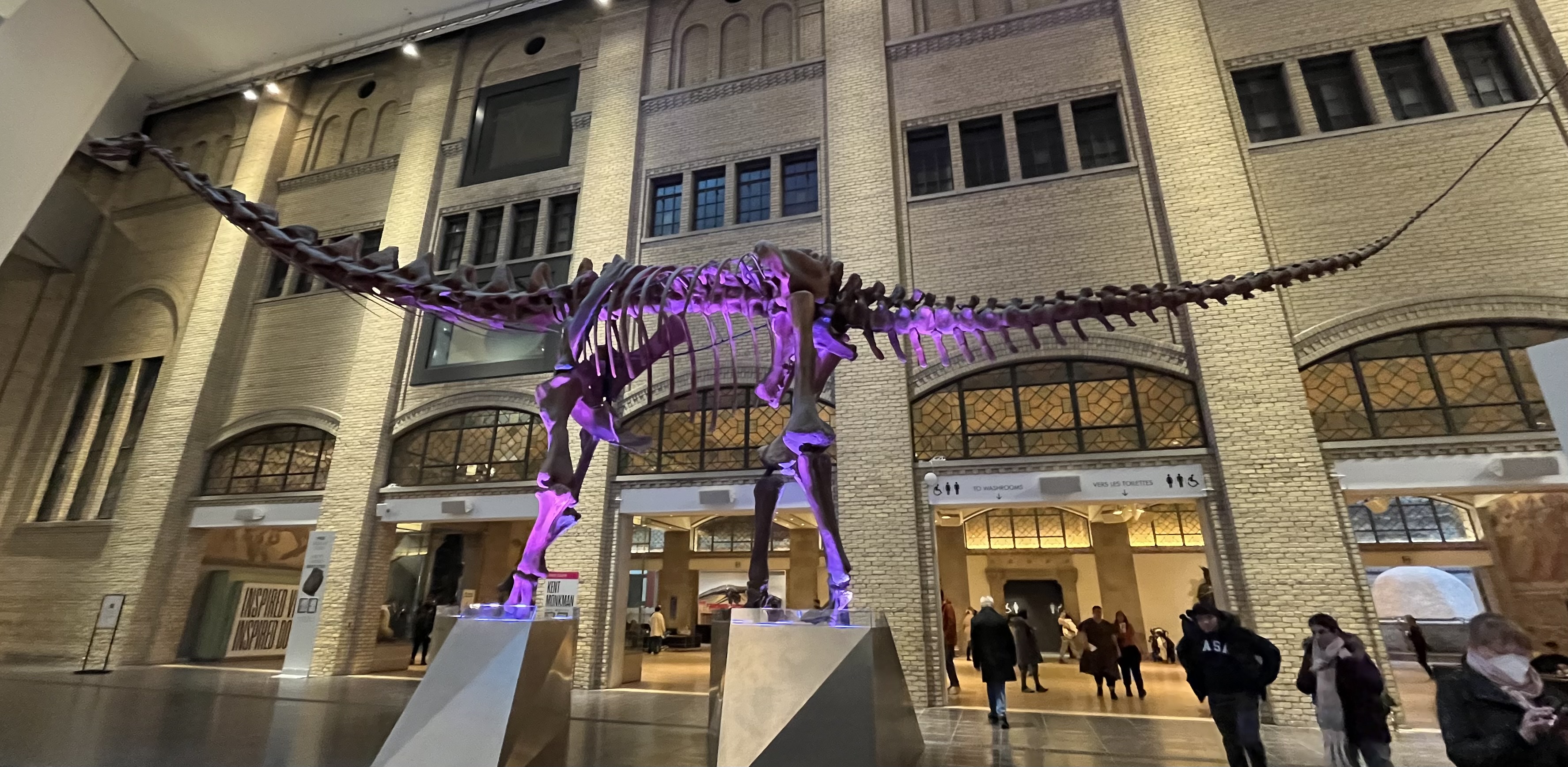
Sauropods were the largest dinosaurs and Brontosaurus is likely the best known species within the group. These animals had long thin necks and tiny heads as well as long tails. They were herbivores and could reach 22 metres in length and weigh up to 17 tonnes. They lived around 150 million years ago in North America and were discovered in 1879 in Wyoming.

Dinosaurs laid eggs that were often protected by the mother while they were in the nest. In 2021 a fossil was discovered of a dinosaur that was buried while hunched over her nest of 24 eggs. At least seven of those eggs have preserved bones of the partially developed embryos. The museum has an example of dinosaur eggs on display.

We tend to be most familiar with the largest dinosaurs but of nearly 700 species identified most are actually quite small. And, of course, even the big dinosaurs were small when they first hatched. The image below shows the skeleton of a baby Maiasura, whose name means Good Mother in Greek. They were given this name because nests have been found which contained eggs and young animals. This told researchers that the mothers fed the infants in the nest. That was the first evidence of maternal activity in dinosaurs. The fossil below is of an infant which didn’t have the opportunity to grow to the full 9 metre length of an adult.

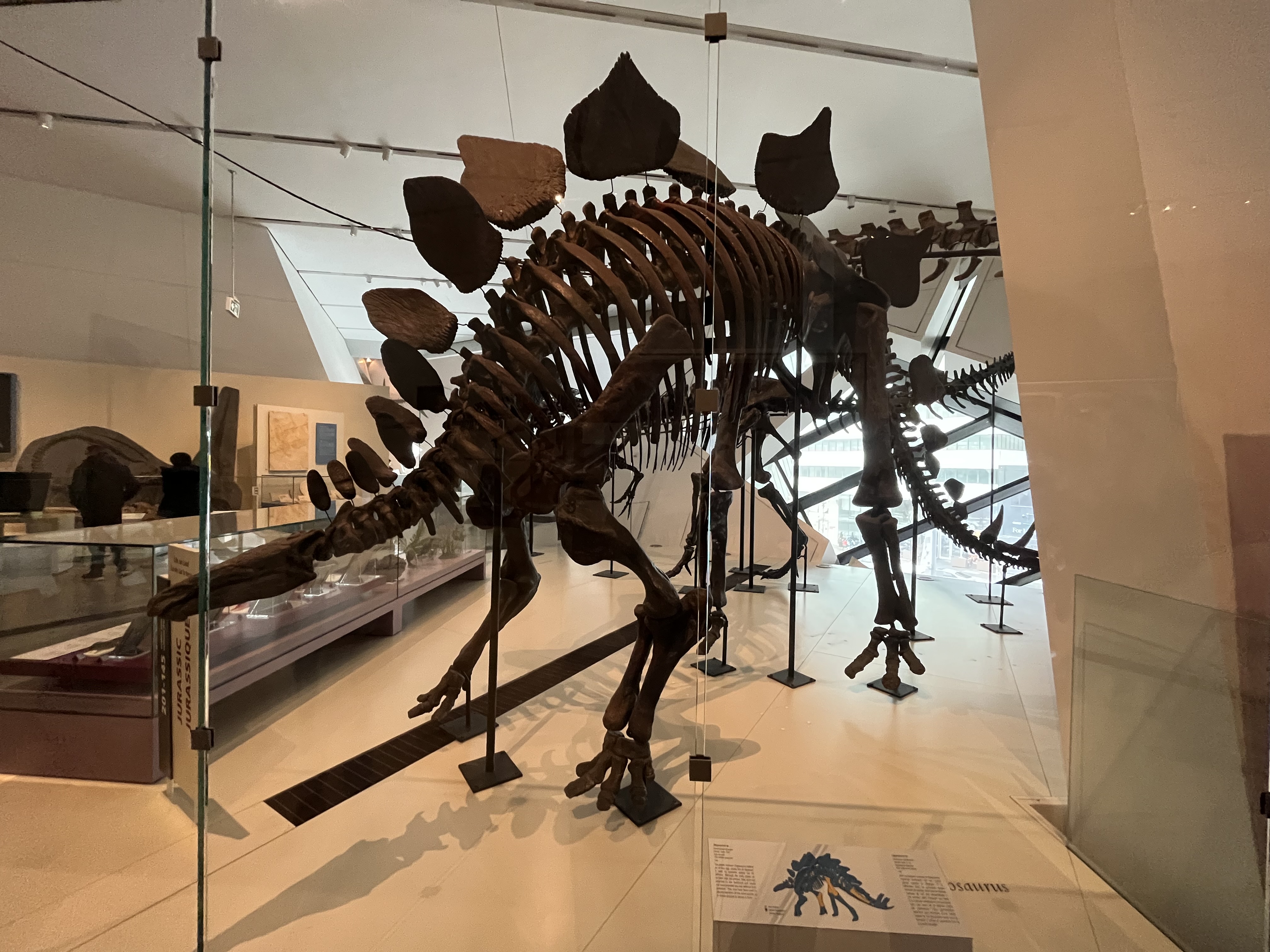
The world of the dinosaurs could be pretty violent with the large carnivores looking for prey. Some of the herbivores developed various methods of protecting themselves from long sharp horns on the face to bony shields protecting their necks. Stegosaurus grew flat plates along its back that may have prevented Allosaurus from biting it. Four sharp spikes protruded from the end of the tail and this could be swung at predators to convince them to find easier meals elsewhere. Hollywood likes to show this animal fighting off a Tyrannosaurus but in fact they lived millions of years apart and the Stegosaurus had died off before the T-Rex came along. The Stegosaurus had one of the smallest brain to body ratios of any of the dinosaurs but eating plants all day likely didn’t require a lot of thinking.

Dinosaurs first appeared around 245 million years ago and died out about 65 million years ago. During that time they dominated the land, sea and air. There’s a lot of speculation about what killed them off and chances are that we will never know. We are fortunate to have so many fossils available and places like the royal Ontario Museum where we can go to view them and learn about these fascinating creatures.

The Royal Ontario Museum is the type of place that can be visited many times and there will always be something interesting to look at and learn about. The dinosaur exhibit is just one small part of the museum.

Google Maps Link: Royal Ontario Museum

Like us at http://www.facebook.com/hikingthegta

Follow us at http://www.hikingthegta.com

Also, look for us on Instagram

Turner Chapel

February 19, 2023

Fugitive slaves and other black people began to arrive in Bronte and the Oakville area as early as 1830. The Act Against Slavery had been passed in Upper Canada, later renamed Ontario, in 1793 and was one of the first pieces of anti-slavery legislation in the world. It banned the importation of slaves and allowed children born to female slaves to go free at the age of 25. This meant that slavery would slowly disappear from the province. Britain banned slavery in Canada and other colonies in 1833 but the underground railroad was already in full swing bringing fugitive slaves into Canada. Many of these people ended up in the Oakville area.

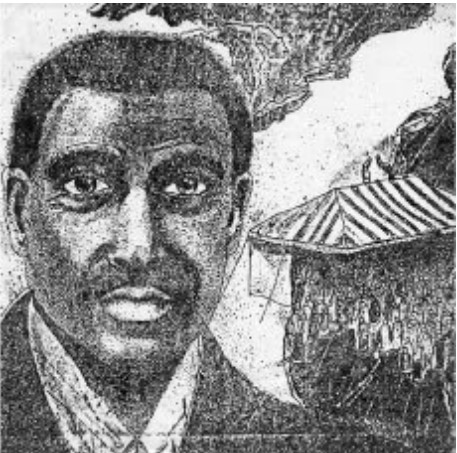
One of these former slaves was James Wesley Hill who escaped to Canada inside a packing box and settled on a local farm. Over the next few years he returned to the United States many times and helped an estimated 700-800 African Americans escape to Canada. He offered them temporary work on his strawberry farm while they worked to establish themselves. James was also referred to as “Canada Jim” and he has been honoured by having a local school named after him. The following picture of James Wesley Hill is from the James Wesley Hill school page.

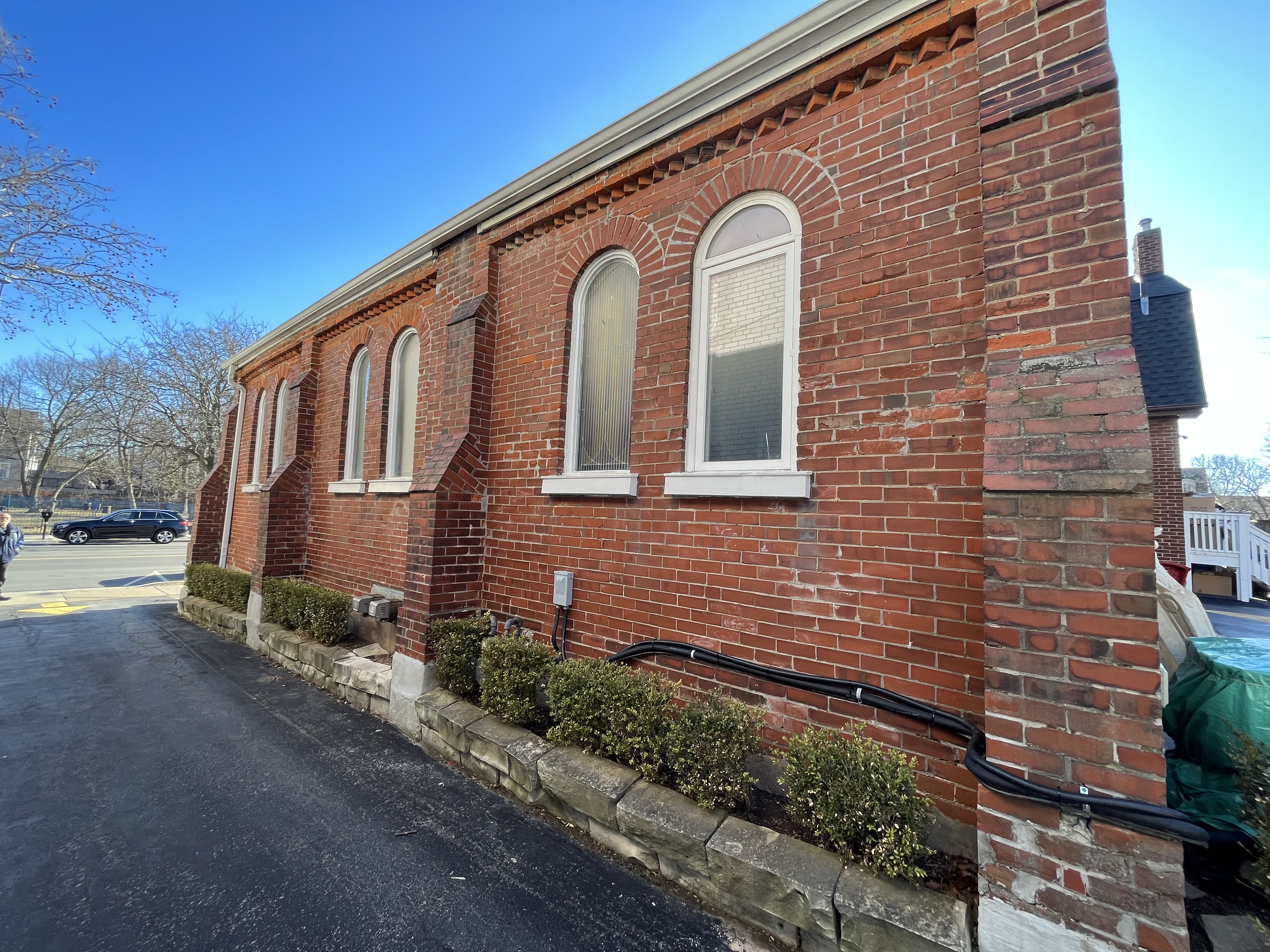
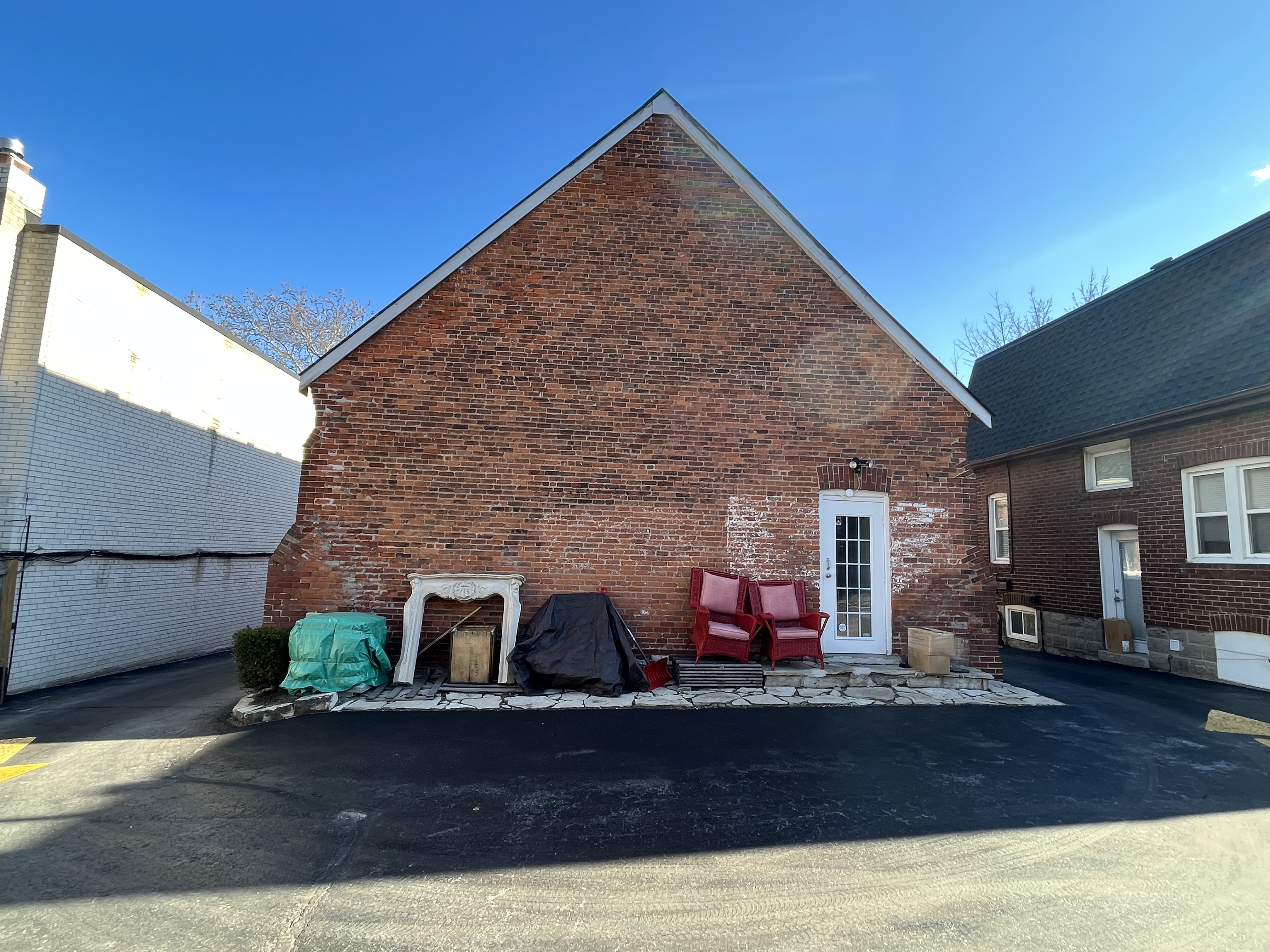
Around 1860 Samuel Adams and his brother in law, Rev. William Butler organized between 300 and 400 former slaves in the area to form a congregation of the African Methodist Episcopal Church. They were able to build a small church on the east side of Sixteen Mile Creek. This church burned down and in 1890 a plot of land was gained on the west side of the creek. Several setbacks occurred and construction didn’t begin until 1891 with the first service being held on Jan. 1, 1892. The side view of the church in the picture below shows the rounded arches of the windows which shunned the pointed arches of the gothic architecture common in churches of the era. The row of bricks turned on an angle under the roof line is the sole form of ornamentation in the brickwork.

The church was named after Bishop Henry McNeal Turner who had been an advocate of the “Back to Africa” movement in the United States. Turner was the first black chaplain appointed by Abraham Lincoln during the American Civil War. The church was dedicated as Turner Chapel to honour the bishop. A manse was built in the 1930s to the west of the church to house the pastor of the congregation. The manse can be seen on the right of the picture below which also shows the rear of the church.

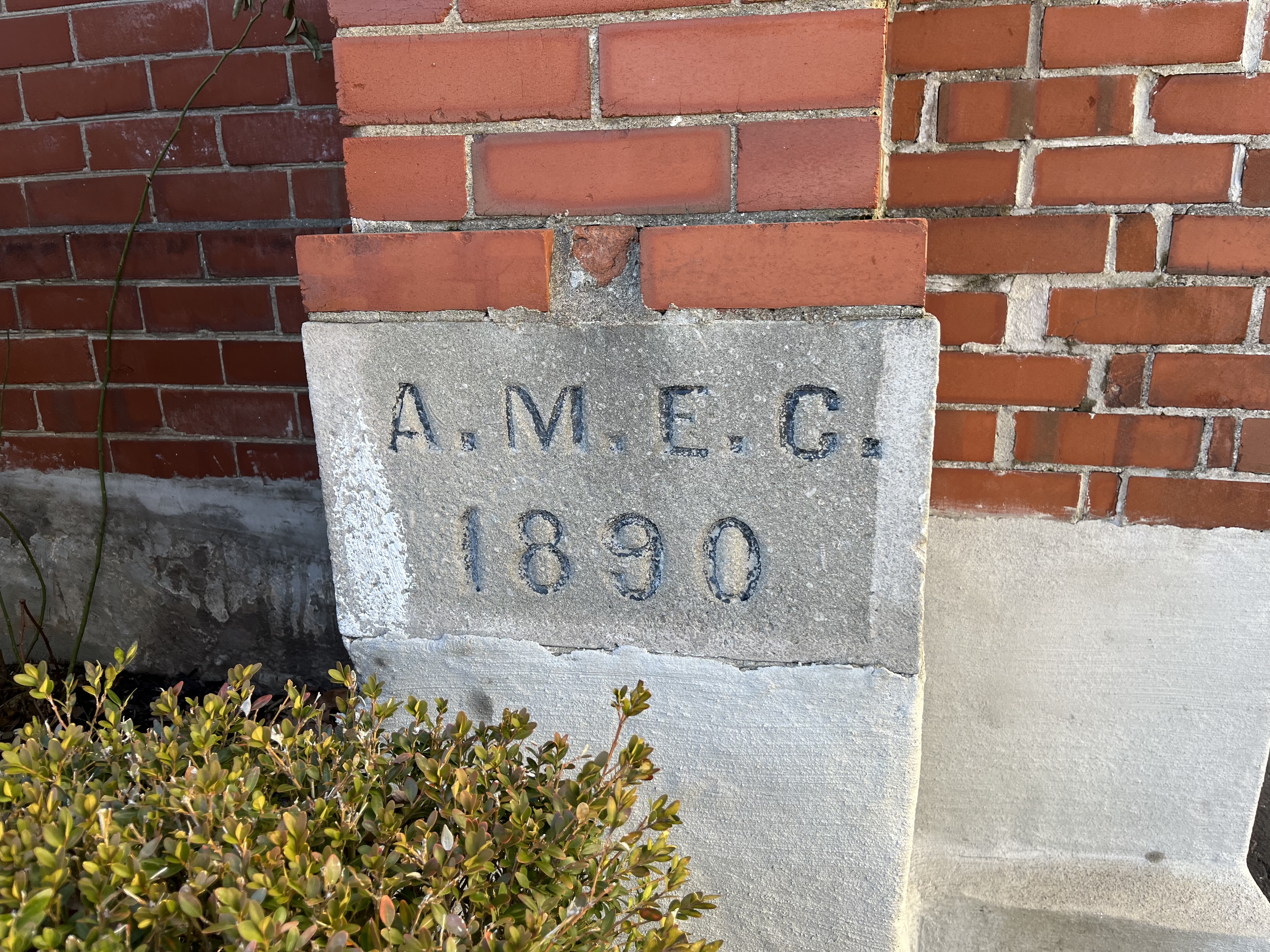
Although the cornerstone of the church is dated 1890 it wasn’t laid until 1891. It also has lettering which denotes the African Methodist Episcopal Church.

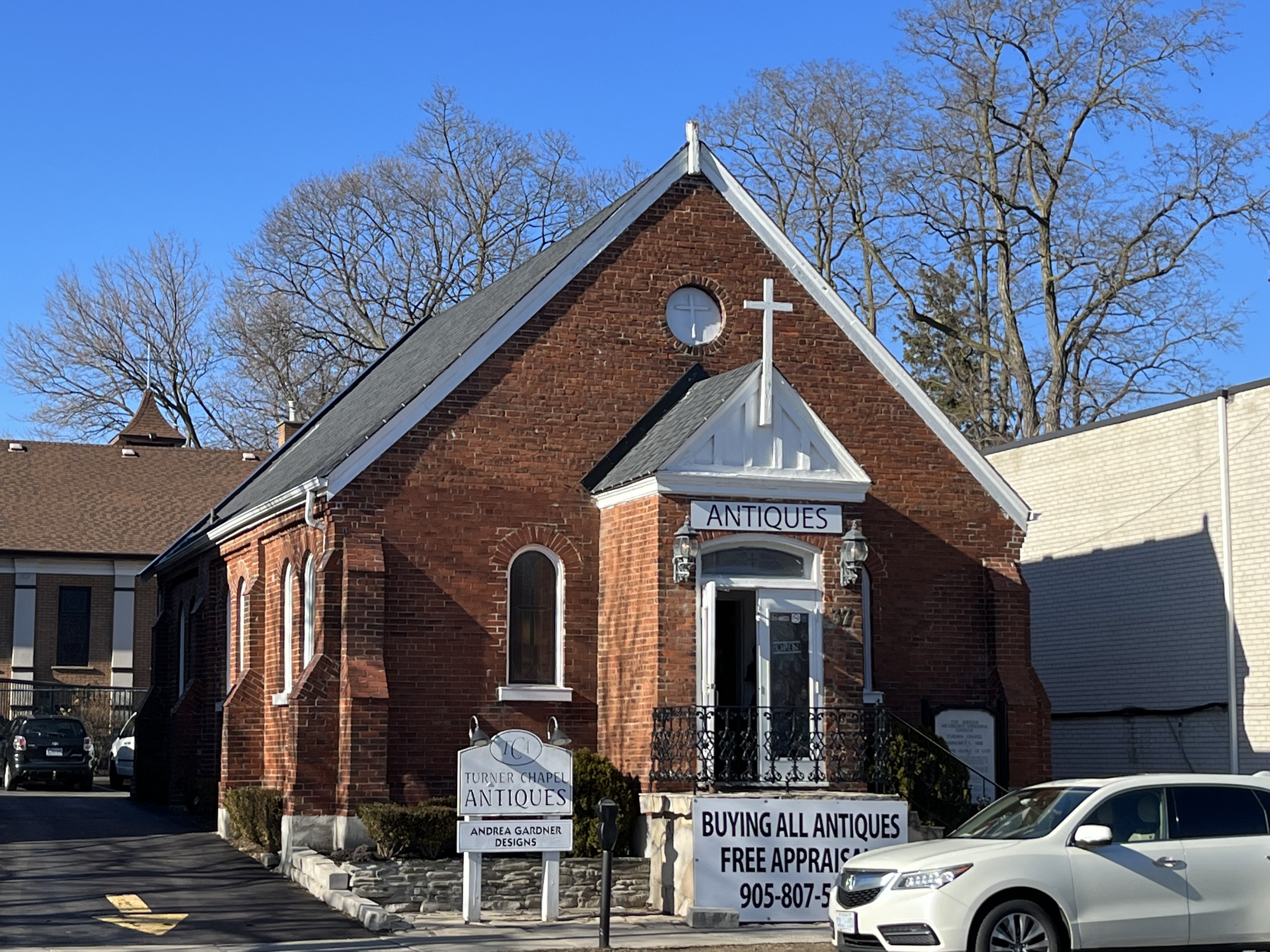
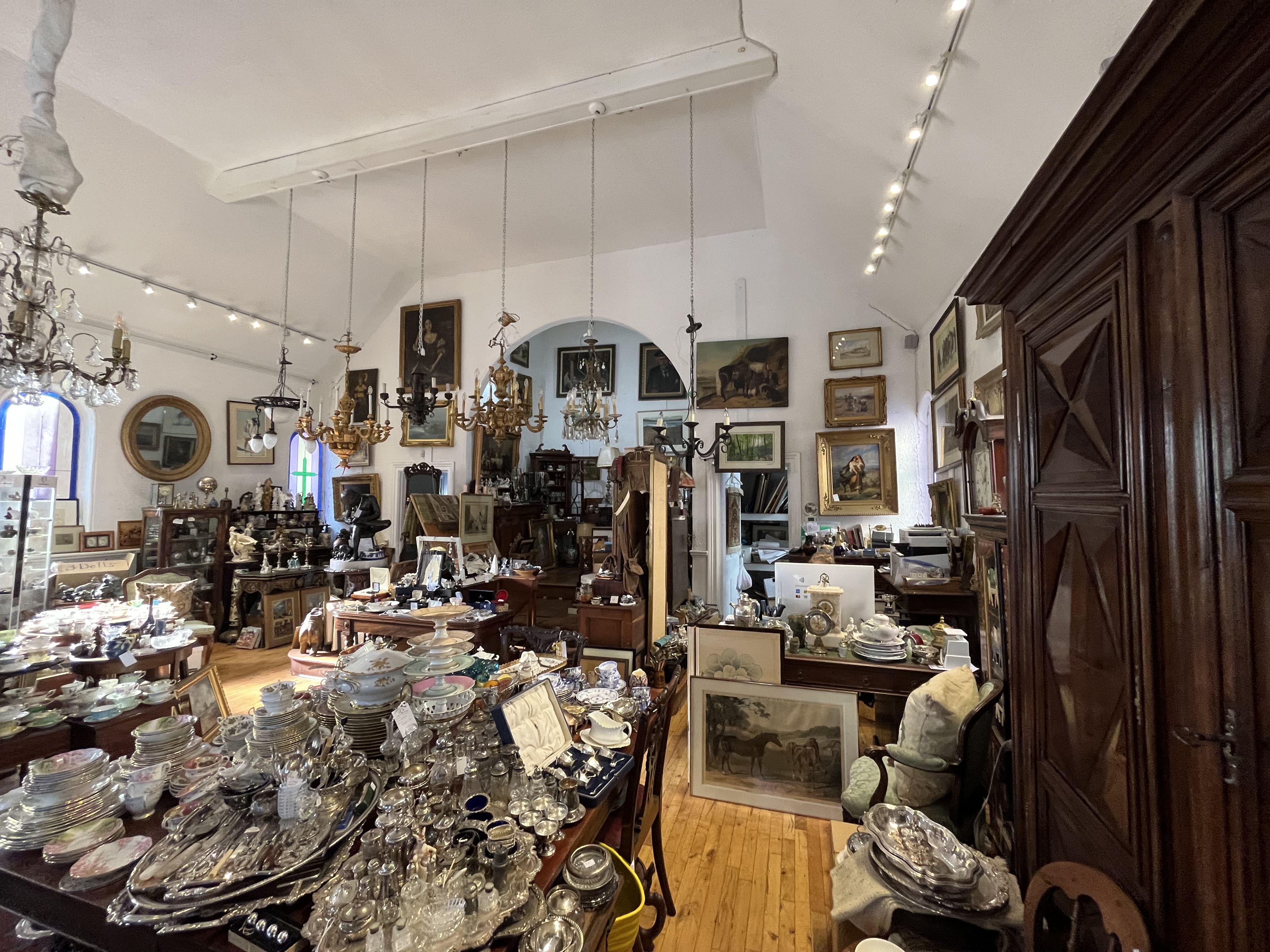
The church was in use until the later part of the twentieth century when the congregation had dispersed to other communities. For awhile the church was leased to an offshoot of the Anglican Church. However, in 2000 the building was put up for sale. Since the Oakville Historical Society has strict guidelines on what can be done with the building, it wasn’t attractive to developers. In 2002 Jed Gardner decided to buy both the church and the manse to house his antique business. The picture below shows the interior of the chapel looking from the rear toward the front of the chapel.

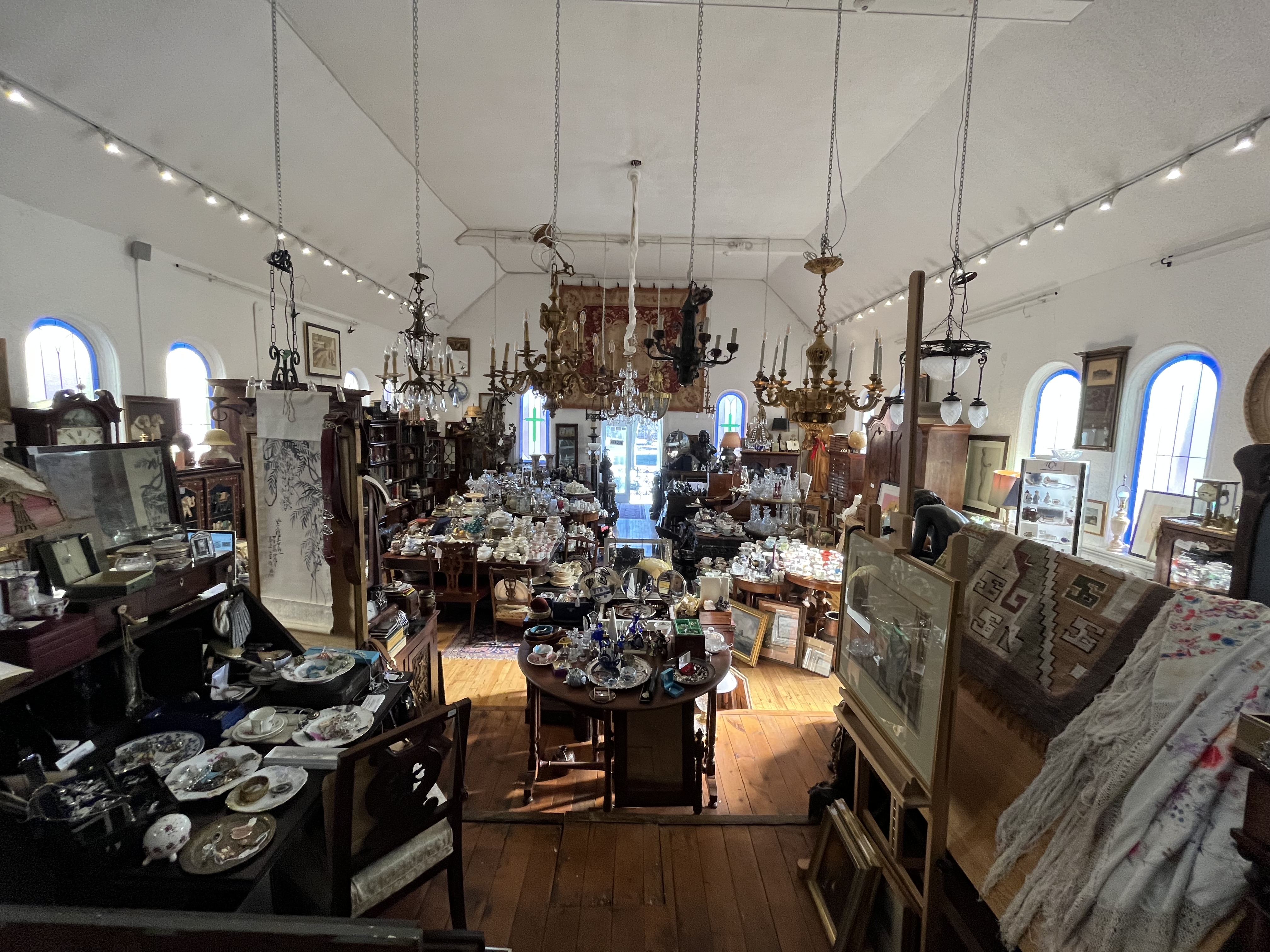
The following picture shows the view from where the pastor used to stand looking toward the entrance. The antique shop is an interesting place to wander around and explore and you just might find something to add to your collection.

The Oakville Historical Society has put a sign on the front of the building to bring attention to the history of the chapel.

Turner Chapel is an important part of the history of the Black Community and the underground railroad in Oakville.

Google Maps Link: Turner Chapel

Like us at http://www.facebook.com/hikingthegta

Follow us at http://www.hikingthegta.com

Also, look for us on Instagram

Antique Market – Small Arms Building

Sunday, February 12, 2023

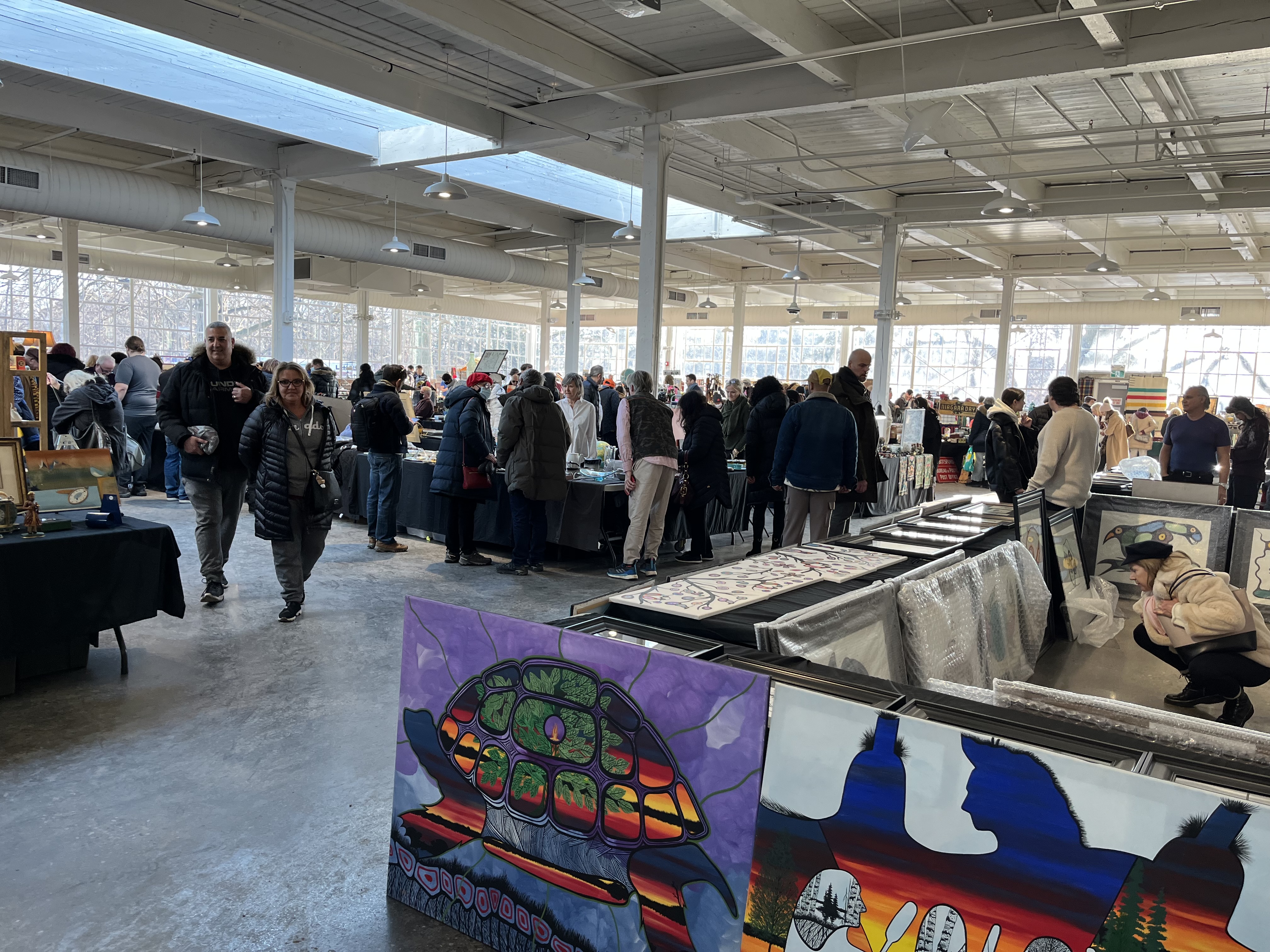
The word “antique” is derived from the Latin word “antiquus” which means ancient or old. Some people define an antique as being over 100 years old but it is generally used in a looser definition. It can be used to describe an object which is ascribed value due to a combination of its age and scarcity. The Sunday Antique Market is held one Sunday per month in Mississauga. Many of the items for sale at the antique market are more correctly described as being vintage or collectable. For 31 years, an antique market operated on Sundays at the St. Lawrence Market. It recently has found a new home in the Small Arms Inspection Building in Mississauga. We have written about the Small Arms Testing Site and the Long Branch Rifle Range in earlier blogs and so we won’t cover it again here. Links to those stories will be provided again at the end of this post.
There are lots of old toys available, although most of these would fall into the category of collectables rather than antiques. The character of Batman was first introduced in November 1939 and has been updated many times since then on TV and in films. The action figures below, including the Joker who is laying down, were released in 1966.

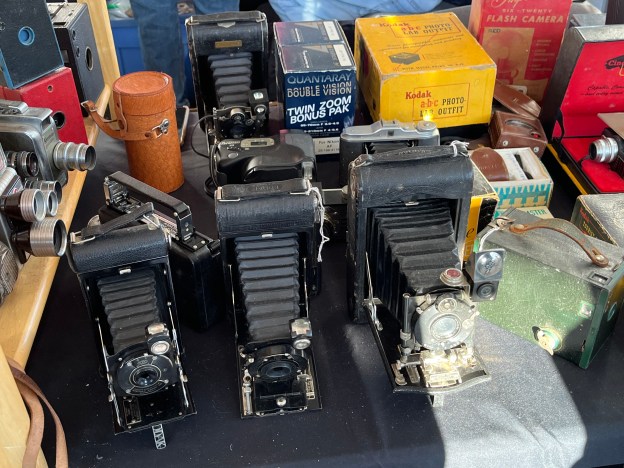
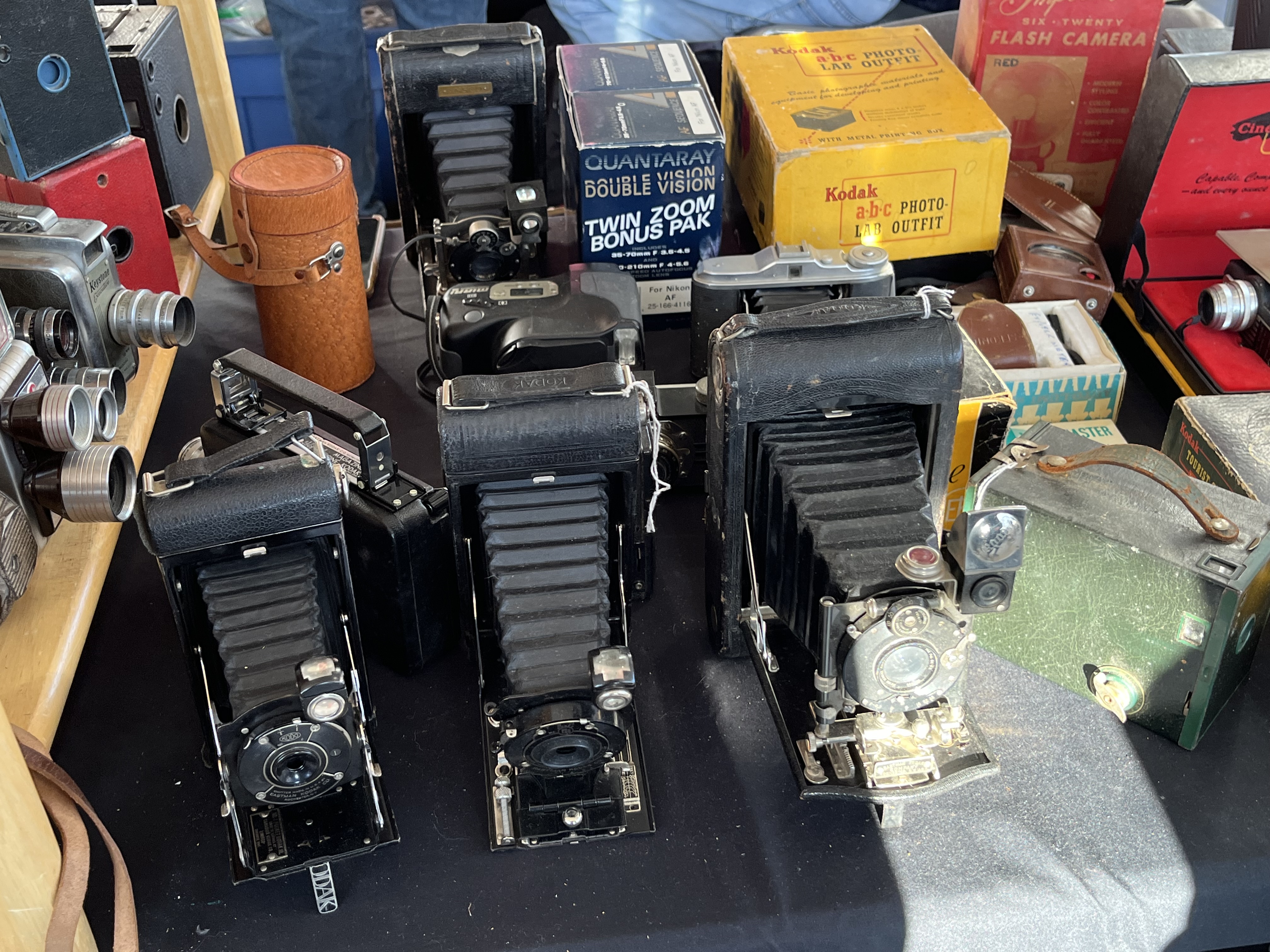
There are plenty of vintage and antique cameras for sale at one of the booths. The ones pictured below which fold out of their cases and have extending bellows could be from around 1910.

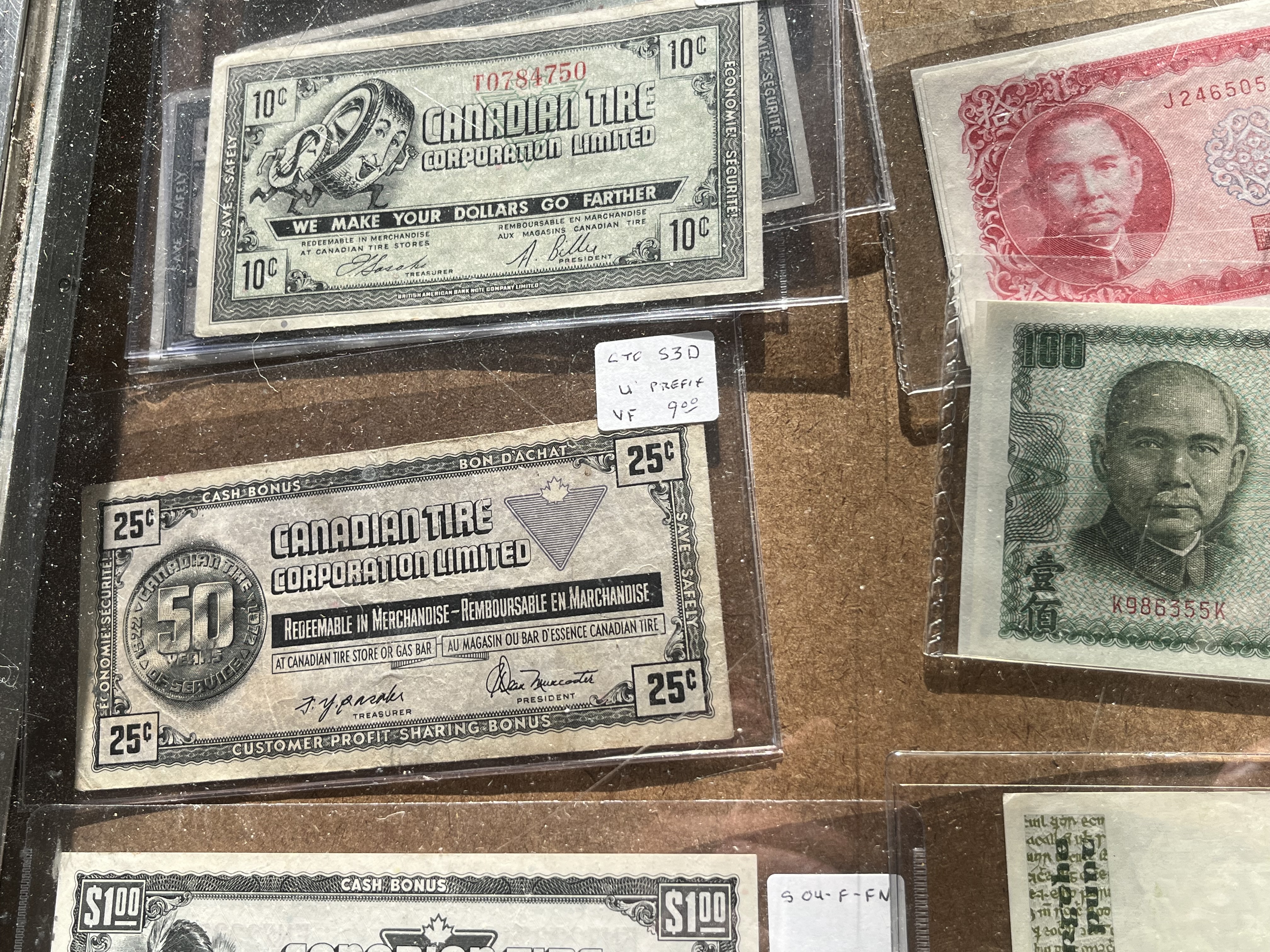
If you collect coins, currency or even Canadian Tire money it’s a good idea to bring your want list along with you. One dealer has a large collection spread out over several tables and you just might find something to add to your collection.

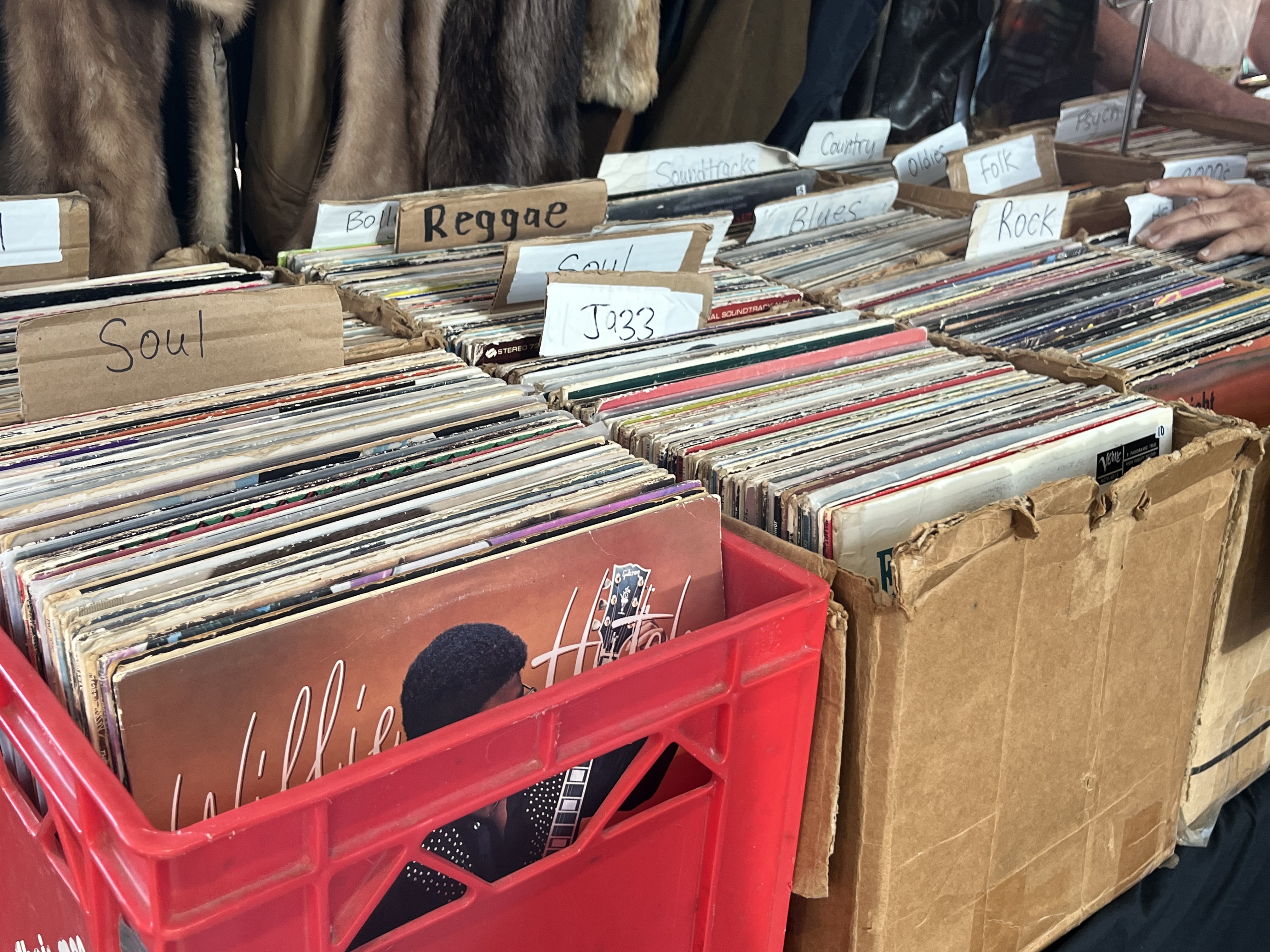
There are several vendors selling old records. Some of them seem to be reasonably priced but one of the vendors, not shown below, appears to want 2-3 times what everyone else does for his music.

Old tins are another collectable that you can find at the market and there’s many kinds that can be highly sought after. The Whisk hand cleaner tin seen below is from the 1940s.

Aside from jewelry, old china appears to be one of the most common items available at the market. There are many tables with tea cups, saucers and tea pots. some very unique items can be bought to display in your collection.

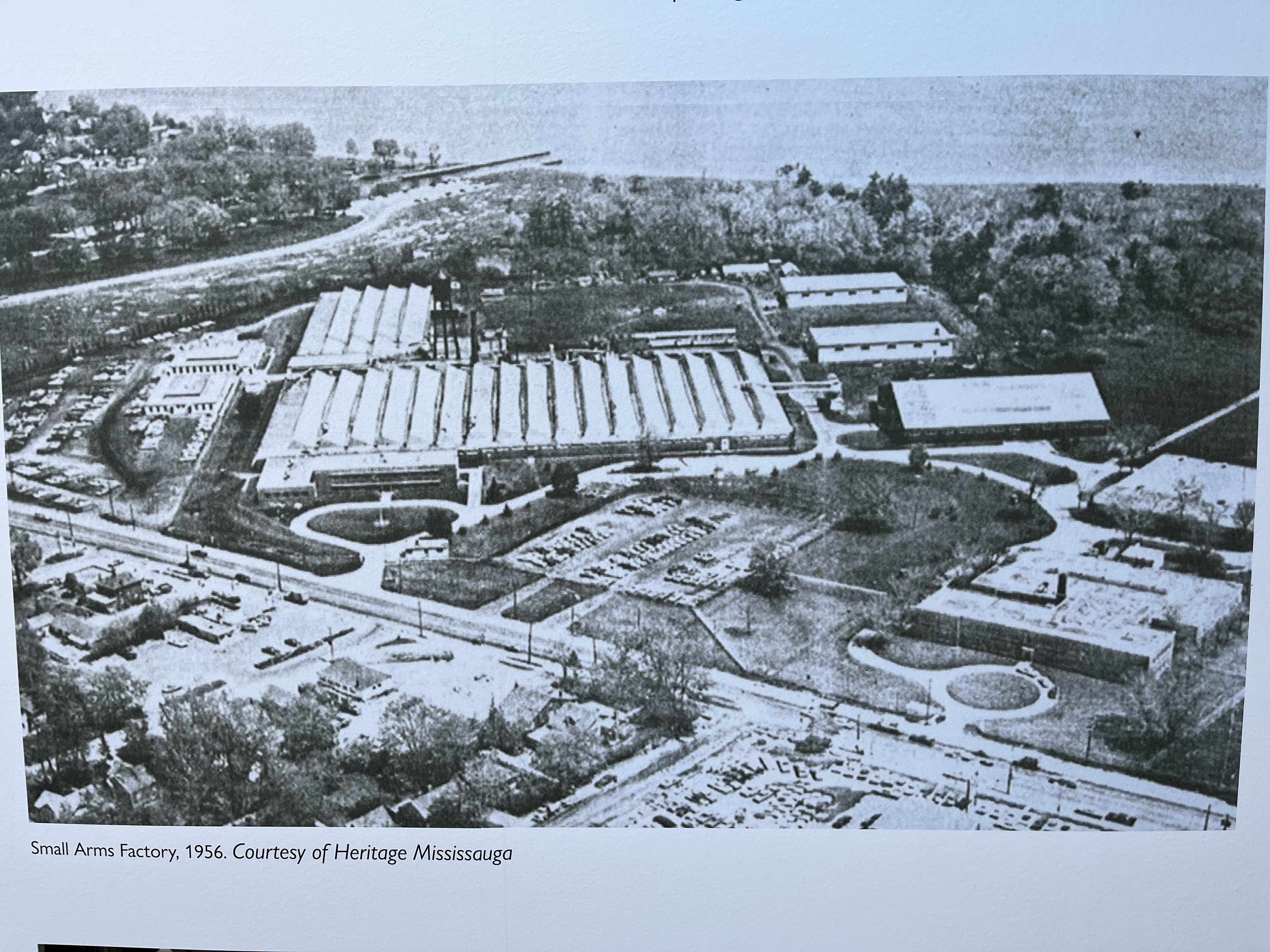
The antique market is held in the only building that has survived from the manufacturing facility that used to sprawl over the Arsenal Lands. The water tower and some baffles and the back stop from the firing range also survive as part of the history of this site. The image below from Heritage Mississauga shows what the area looked like in 1956.

Admission is free and there’s over 200 free parking places so it makes a great way to spend an afternoon and perhaps find a treasure to add to your collection. Upcoming shows will be held on March 5, 2023, April 2, 2023 and May 14, 2023. Future dates will be posted on their website: sunday antique market

Related Stories: St. Lawrwence Market, Small Arms Testing Site, Long Branch Rifle Range, The Arsenal Lands

Google Maps Link: Small Arms Building

Like us at http://www.facebook.com/hikingthegta

Follow us at http://www.hikingthegta.com

Also, look for us on Instagram