Author Archives: hikingthegta

Eldorado – Ghost Towns Of Ontario

November 29, 2025

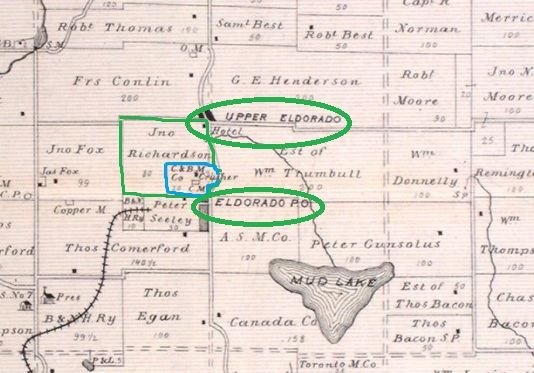
Ontario’s first gold rush happened in 1866 on a farm north of Madoc. August 15 was the fateful day when Marcus Herbert Powell discovered gold while prospecting for copper on the farm of John Richardson. Richardson had given up on farming and was looking for one last opportunity to make money from his property. He had hired Powell because of his skills as a part time prospector. During his regular job Marcus served as a county clerk but suddenly he had new opportunities. He leased 19 acres of the farm for half of the proceeds from any gold that was found. The map below shows Eldorado as it existed in 1877 when the county atlas was drawn. Richardson’s property is outlined in green while the site of the mine is shown in blue. The two sections of Eldorado as it existed at the time are circled in green.

Powell soon sold the farm for $36,000 to two miners from Chicago. John Richardson got $21,000 out of the deal. The town of Eldorado was founded in 1867 and very quickly there were town streets laid out and construction began on 80 homes. Hotels and other support businesses sprang up over night with the expectations of 3,000 to 4,000 prospectors greedy to make their fortune in the gold that was apparently just laying around waiting to be collected. Today there are vacant buildings scattered throughout the area.

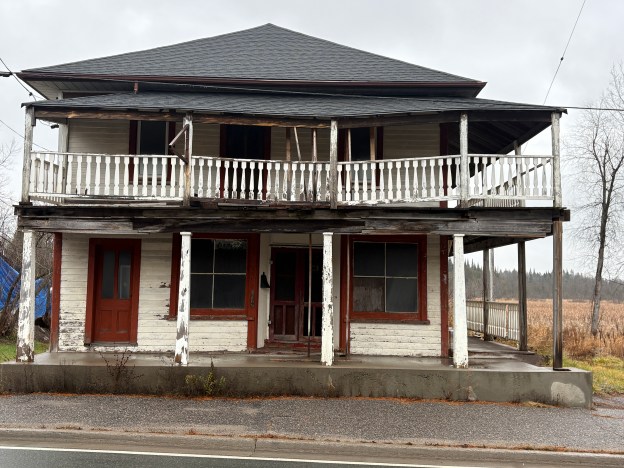
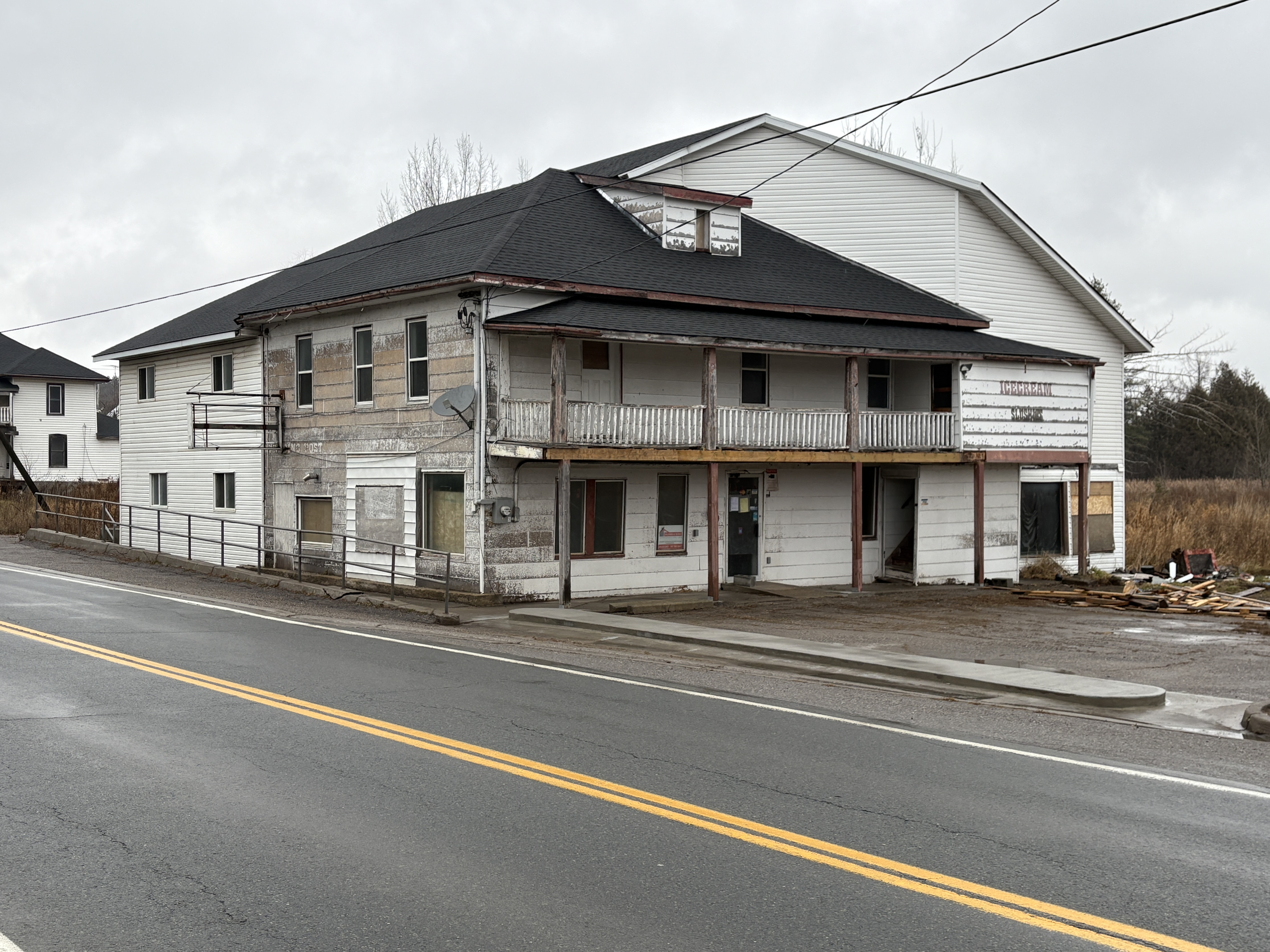
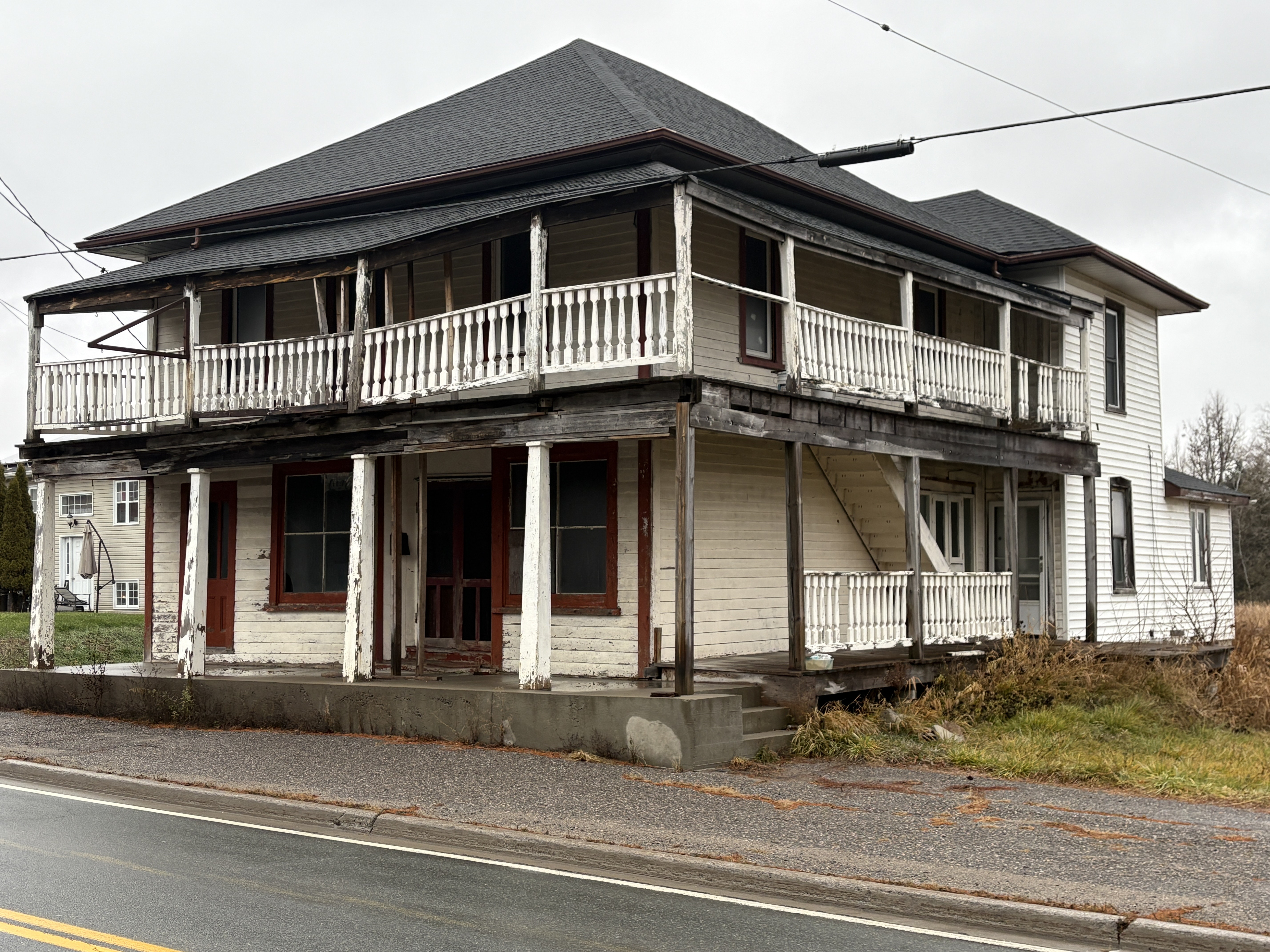
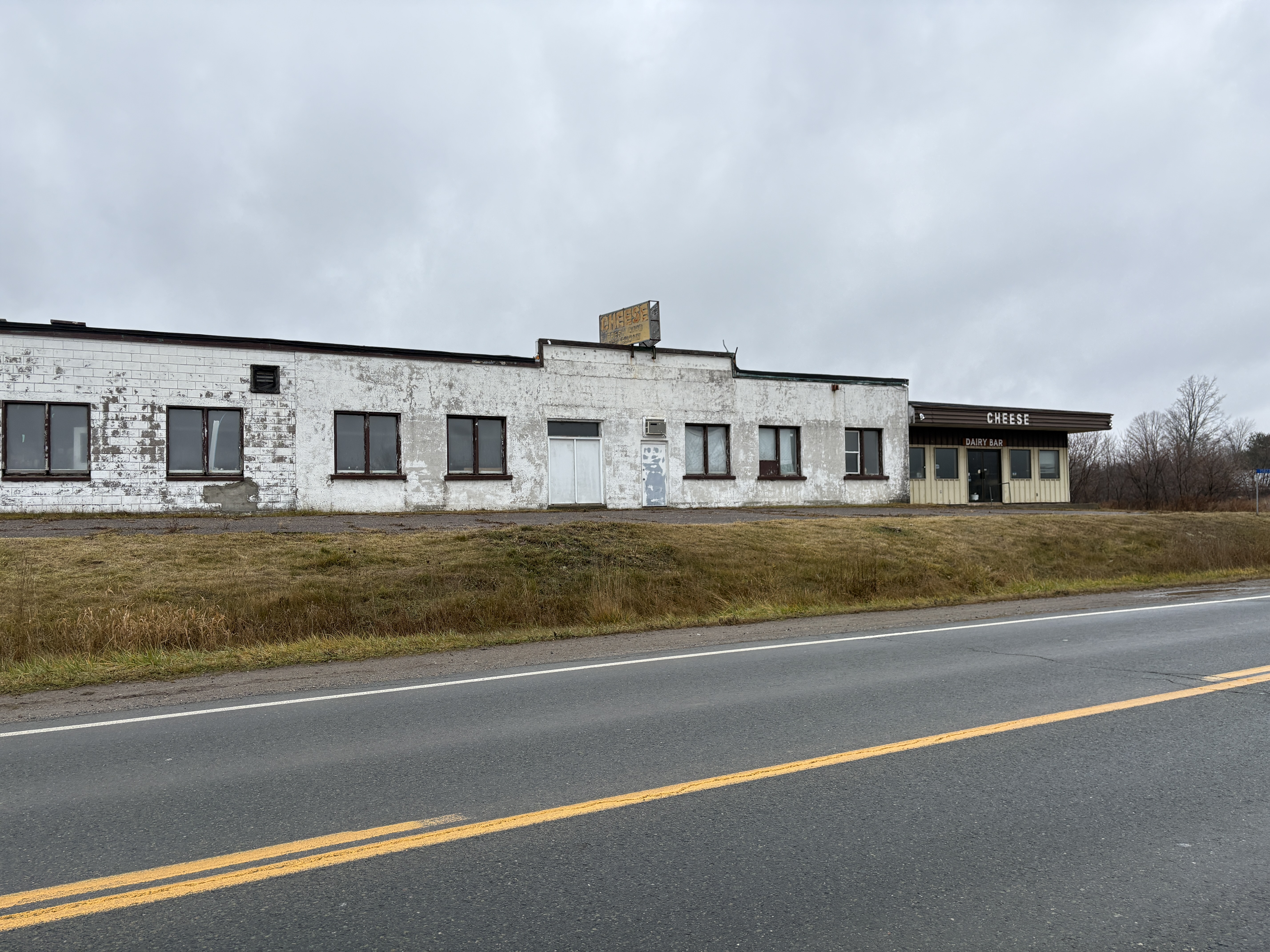
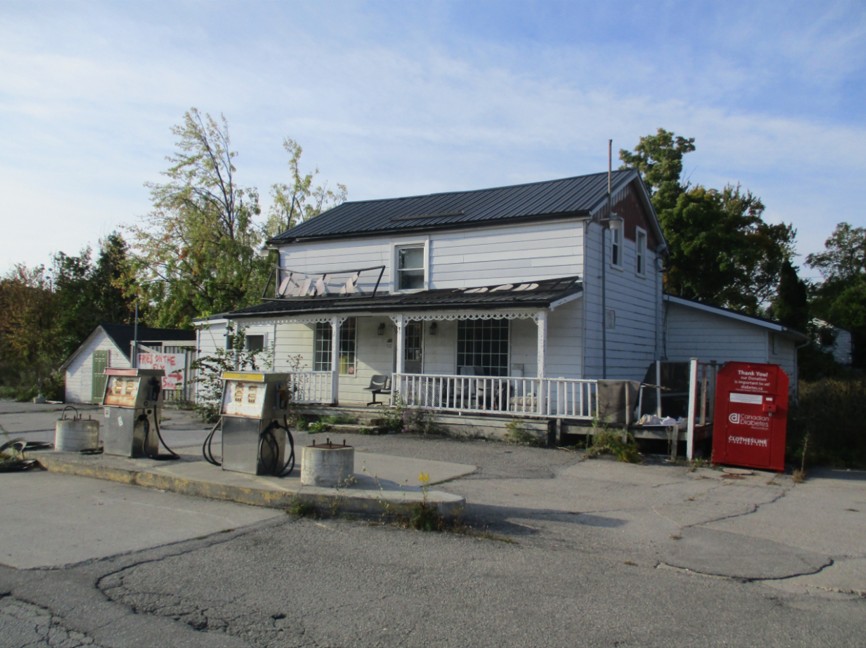
By 1867 the mine was opened and a shaft 15 feet deep was dug that opened into a cave where gold was seen in the form of nuggets and gold leaves. Soon several other mines were opened in the area but each was underproducing. Eventually it was suggested that Powell was lying about discovering the gold and 100 miners burst onto the Richardson mine property demanding to inspect the mine for themselves. With the help of 25 RCMP officers the situation was brought under control. The image below shows the former gas station which has served as a hotel and trading post over the years. The sign on the far end of the building used to say “Canada’s Oldest Gas Station” but much of the lettering has fallen off. That seems to be appropriate considering the pumps have long been removed.

Town lots were laid out on Lot 17 in Concession 5 and soon a boom town was growing. There were muddy streets lined with homes and newly opened businesses. By 1869 there were 4 hotels, a dry goods store, 2 grocery stores a doctor and a lawyer. The hopes for Richardson’s Mine were fading and the expensive crusher that had been built failed to expose very much gold. By 1869 the mine was played out and only 100 ounces of gold were found there. This had a value of about $1,500 at the time, which was much less than the investment the miners had made in purchasing the site. Only Powell and Richardson were able to profit while other investors lost their money. Most of the hotel and store buildings have been lost to fire or neglect and the remainders won’t be too far behind them as they are also falling down.

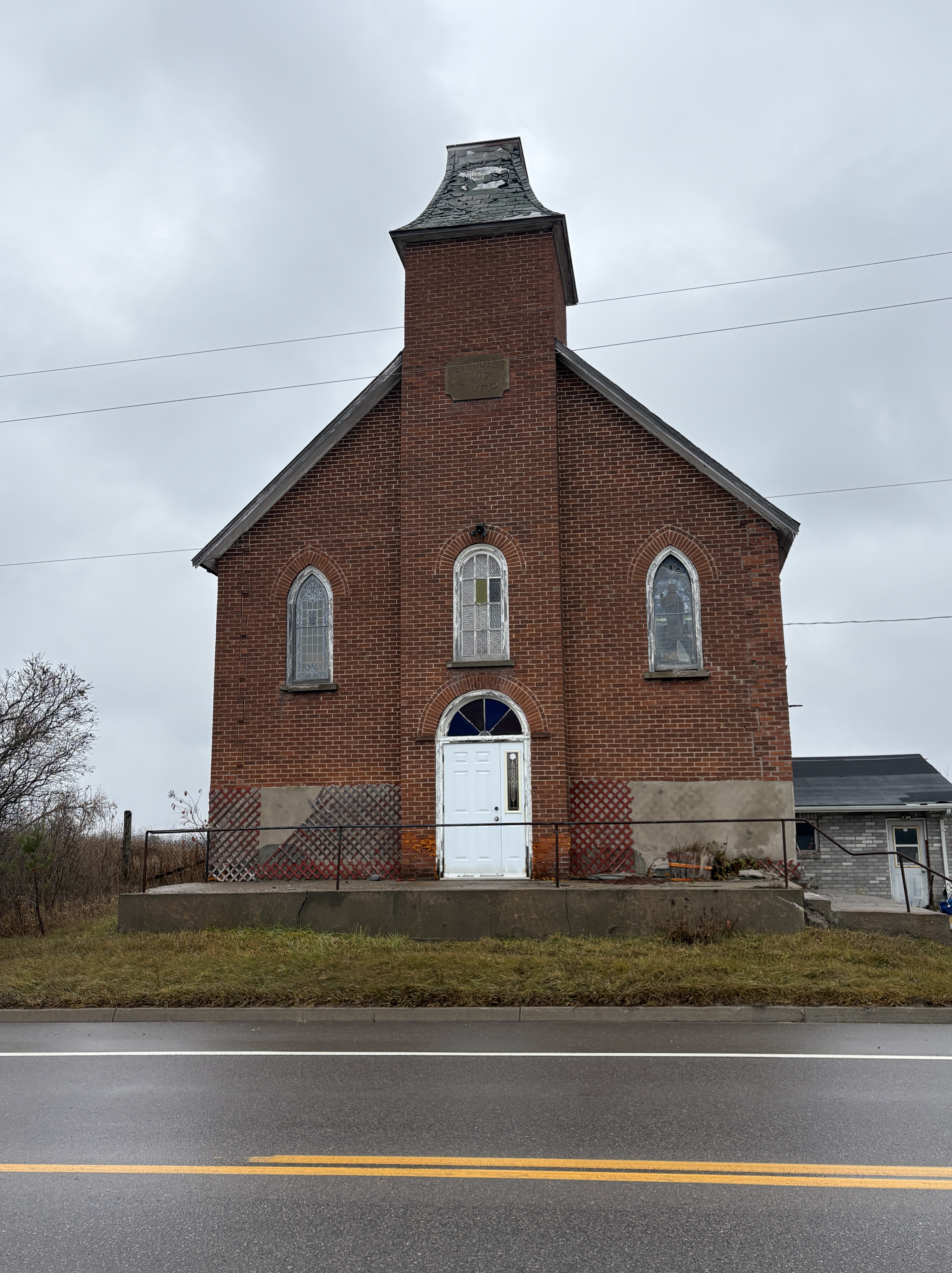
Several other smaller mines operated for a few years without much success. The Phoenix Mine worked until 1871 with a half a dozen men but also closed without making a profit. At that time there were no longer any hotels but there were still two taverns in town. There were three stores supporting the population as it was starting to dwindle. There were three churches at the peak of population including the Methodist Church. Fox Methodist Church was meeting prior to the construction of their new building in 1907. The church has an unusual construction with a small front door with a window above it. The tower is also very short and lacks a bell. The church became a United Church in 1925 and by the 1960s was closed.

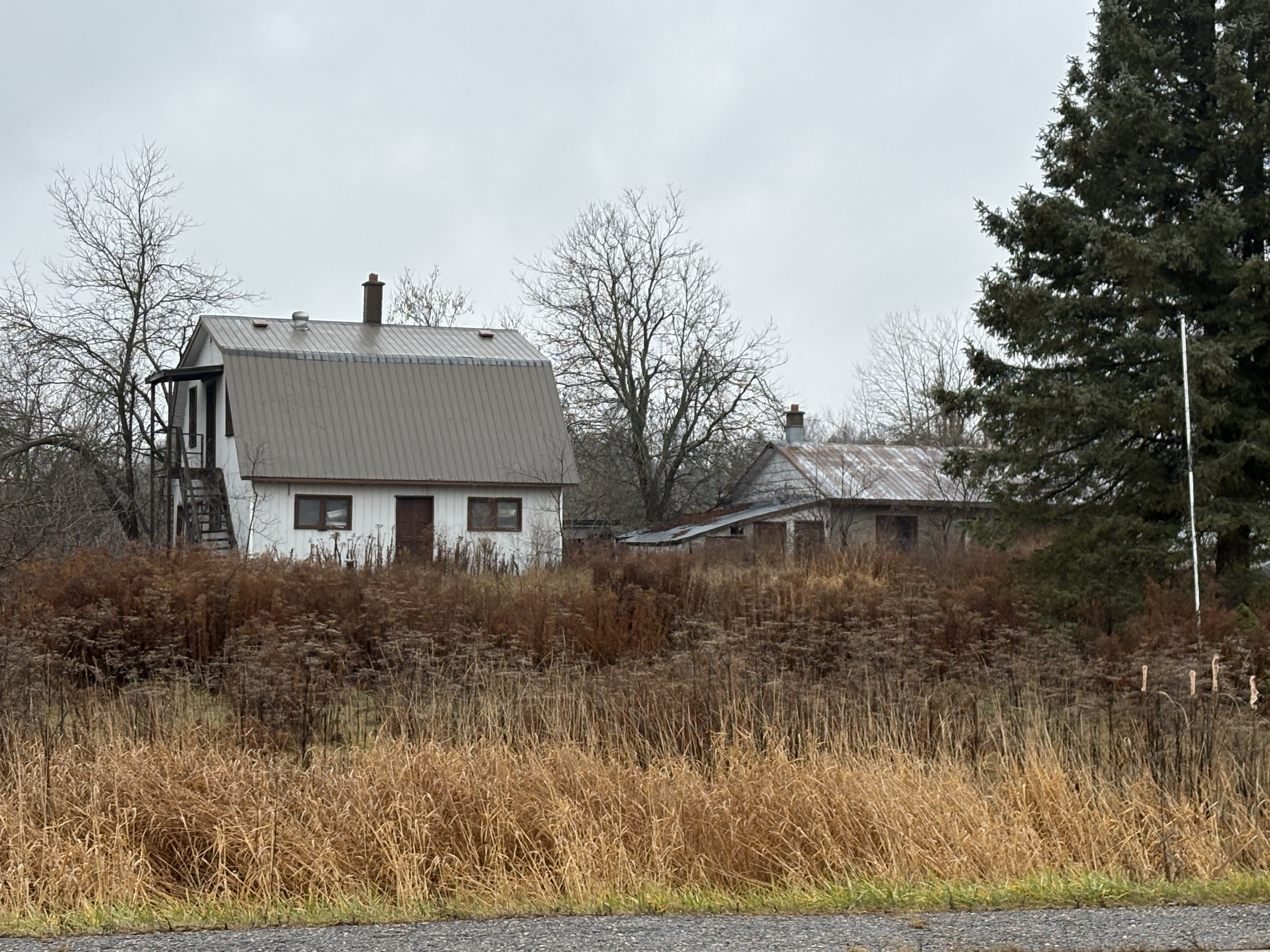
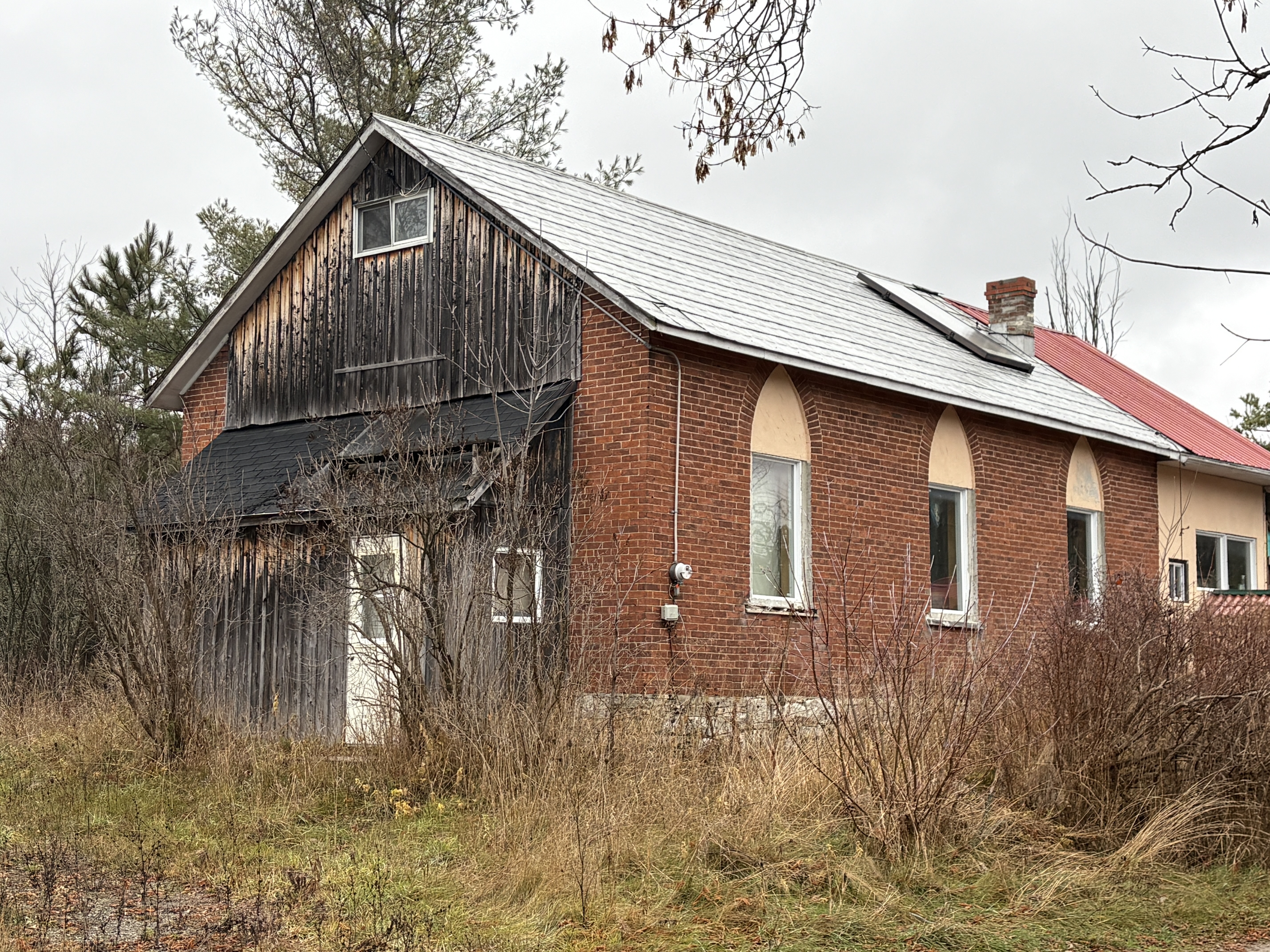
Aside from the three churches there was also a school. This building was likely the school but was altered to be a home at some point in time.

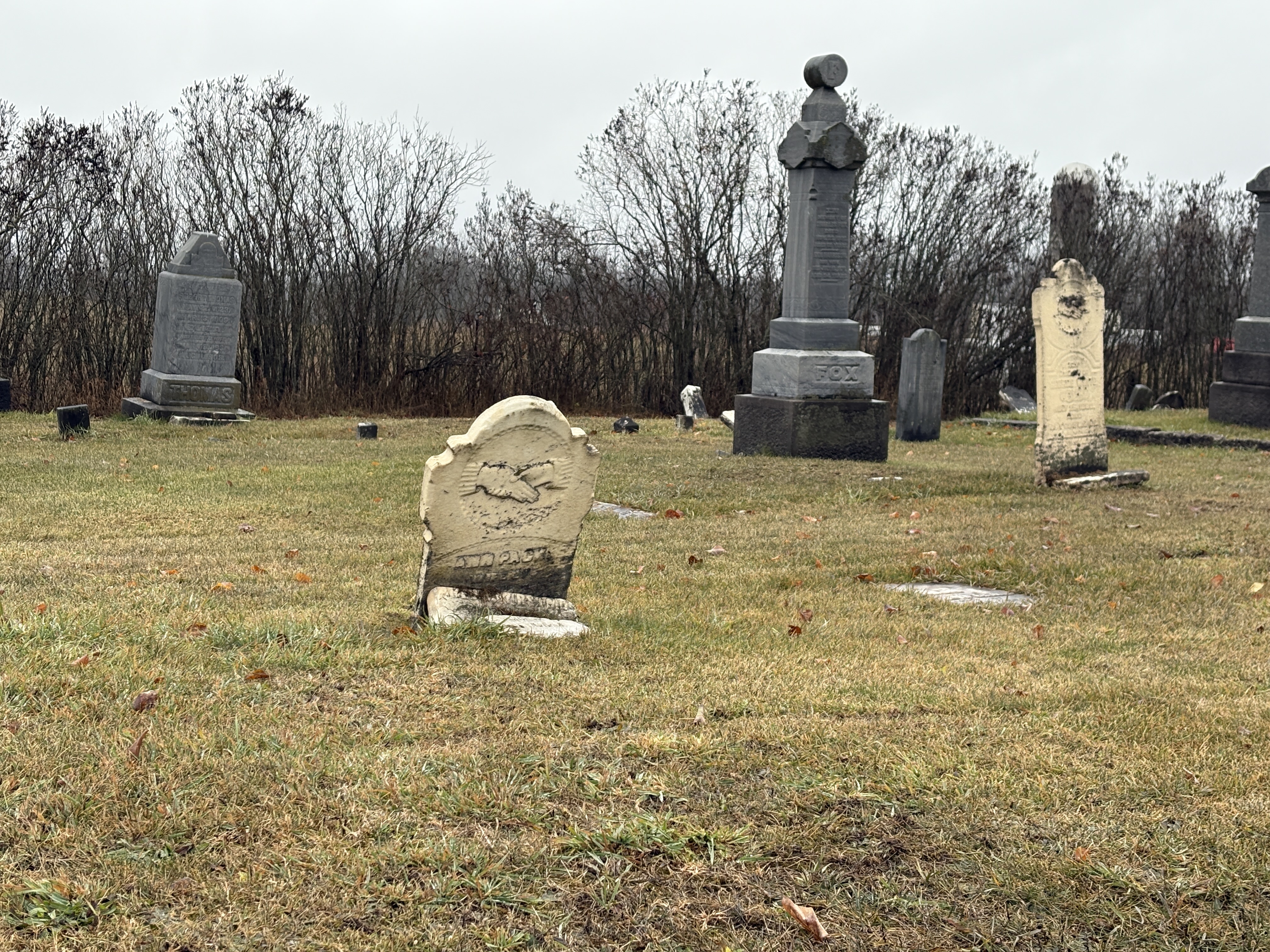
New life was given to the community with the building of the Central Ontario Railway (COR) which built a small wooden station in town. Construction of the railway began in 1882 and was completed the following year. It was connected to the Belleville and North Hastings Railway in 1887 at which time the town boasted a shingle mill and box factory on John Street near the railway station. A blacksmith and wagon maker were also listed in the town directory at this time. The Eldorado cemetery started off as Fox Methodist cemetery and is now in use as a general one for the community.

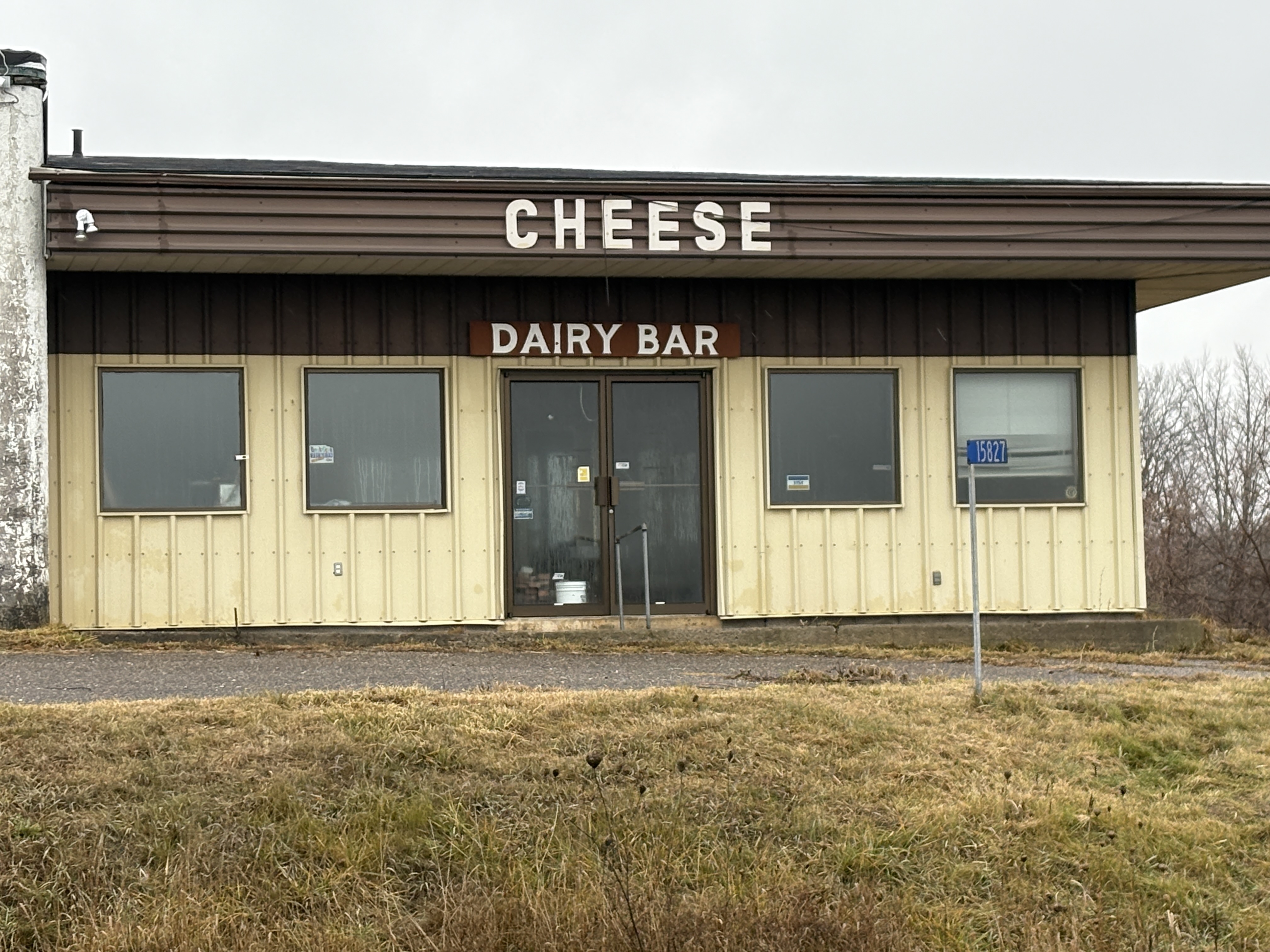
Before the days of refrigeration and large scale trucking it was common for small towns to have a dairy to process the local milk. The making of cheese was a good way to extend the self life of milk. Thompson’s Cheese Factory opened in the 1880s and served the village and local community until 1991 when production was shut down.

The retail dairy bar was able to carry on for another 20 years and didn’t close until 2011. By 2019 the population was listed at just 50 people, down from a peak of about 3000.

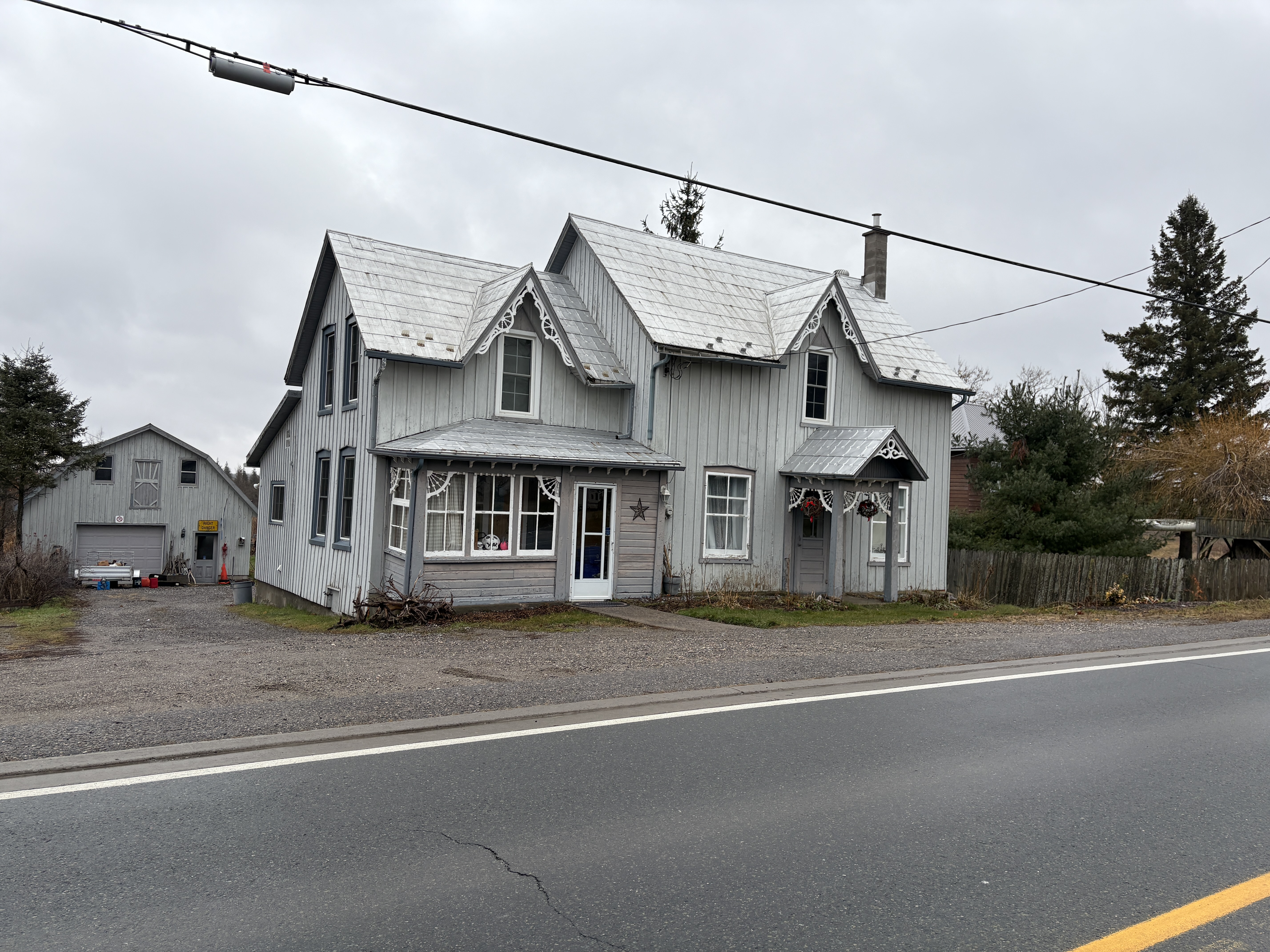
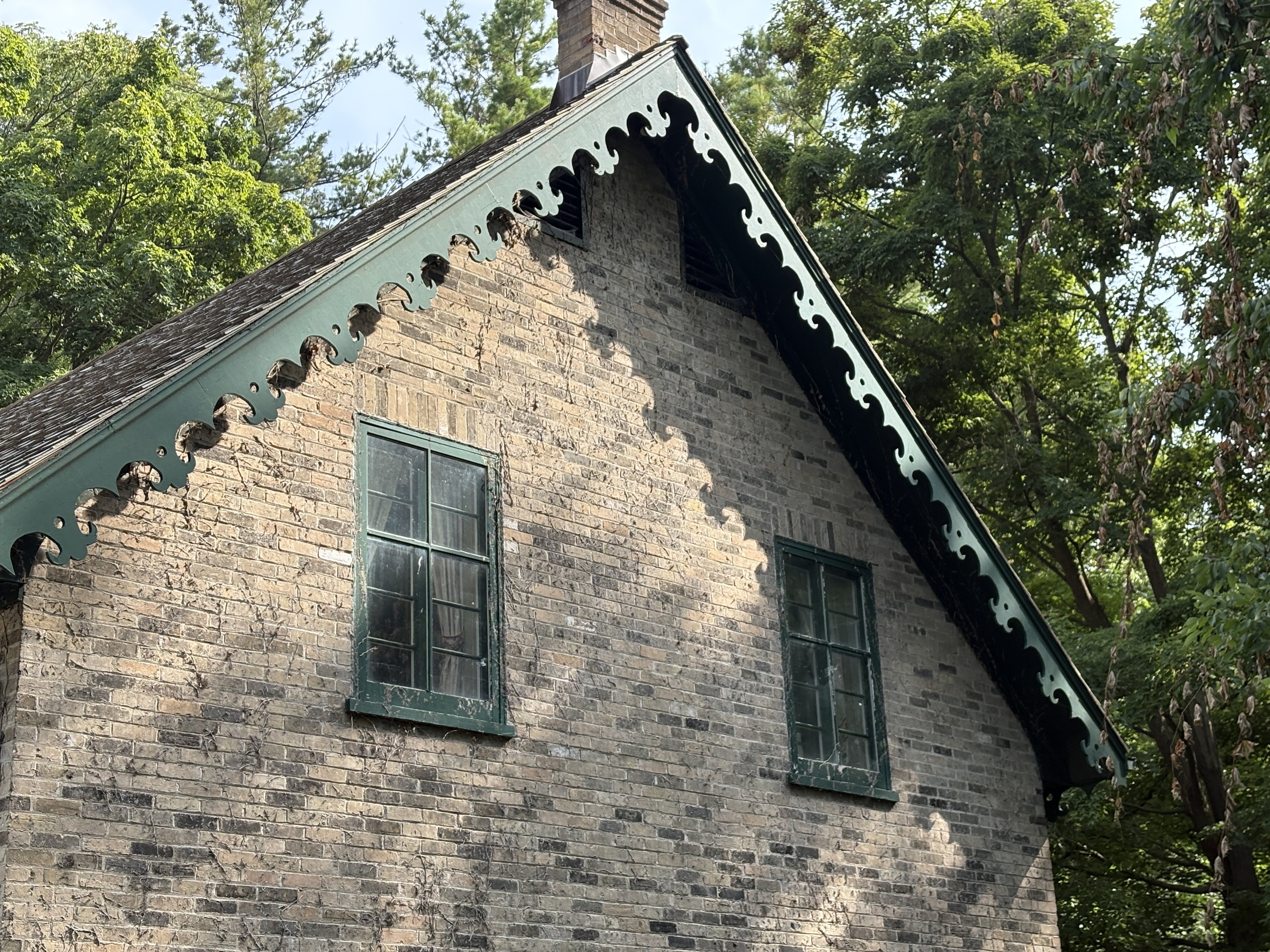
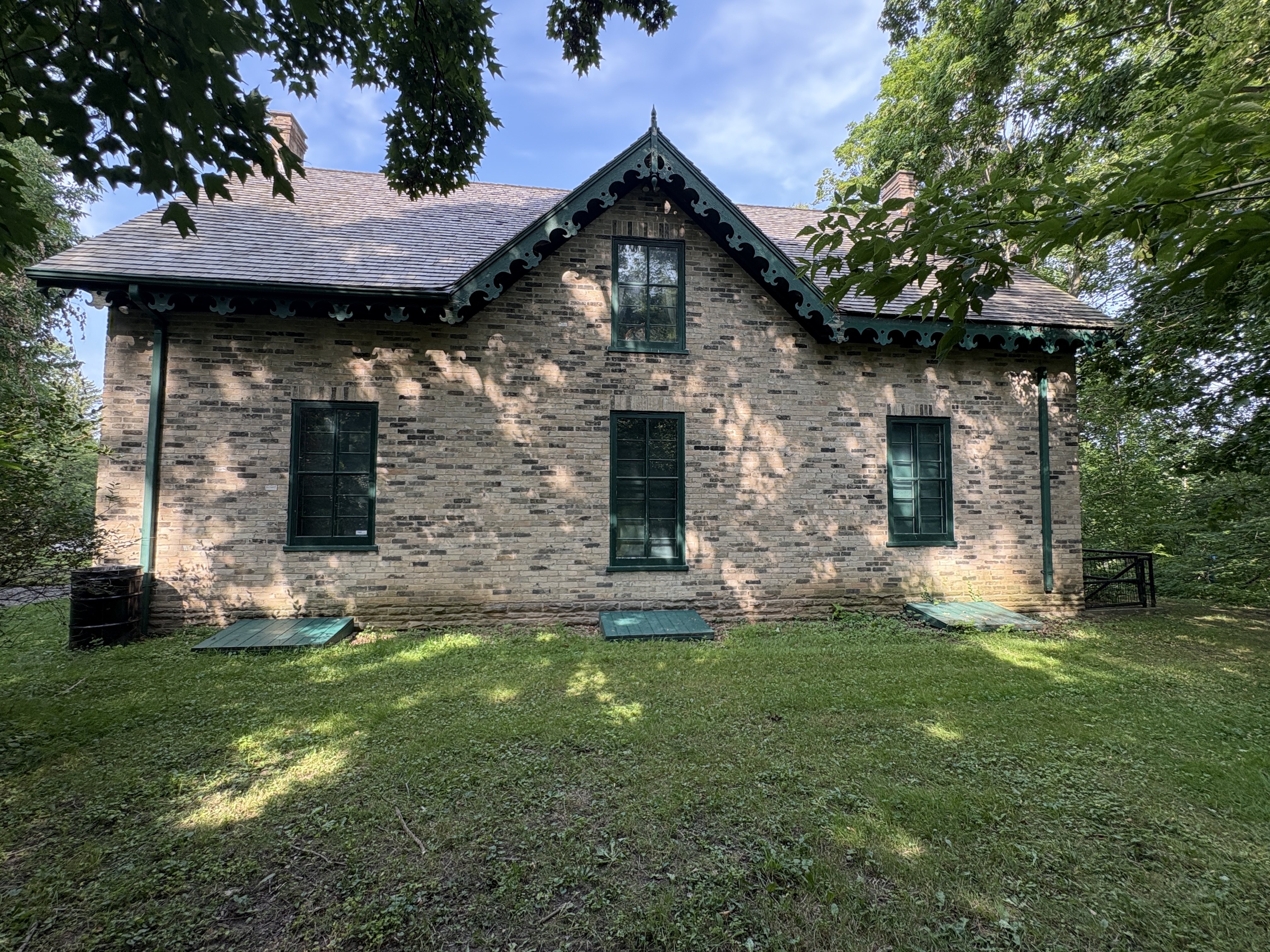
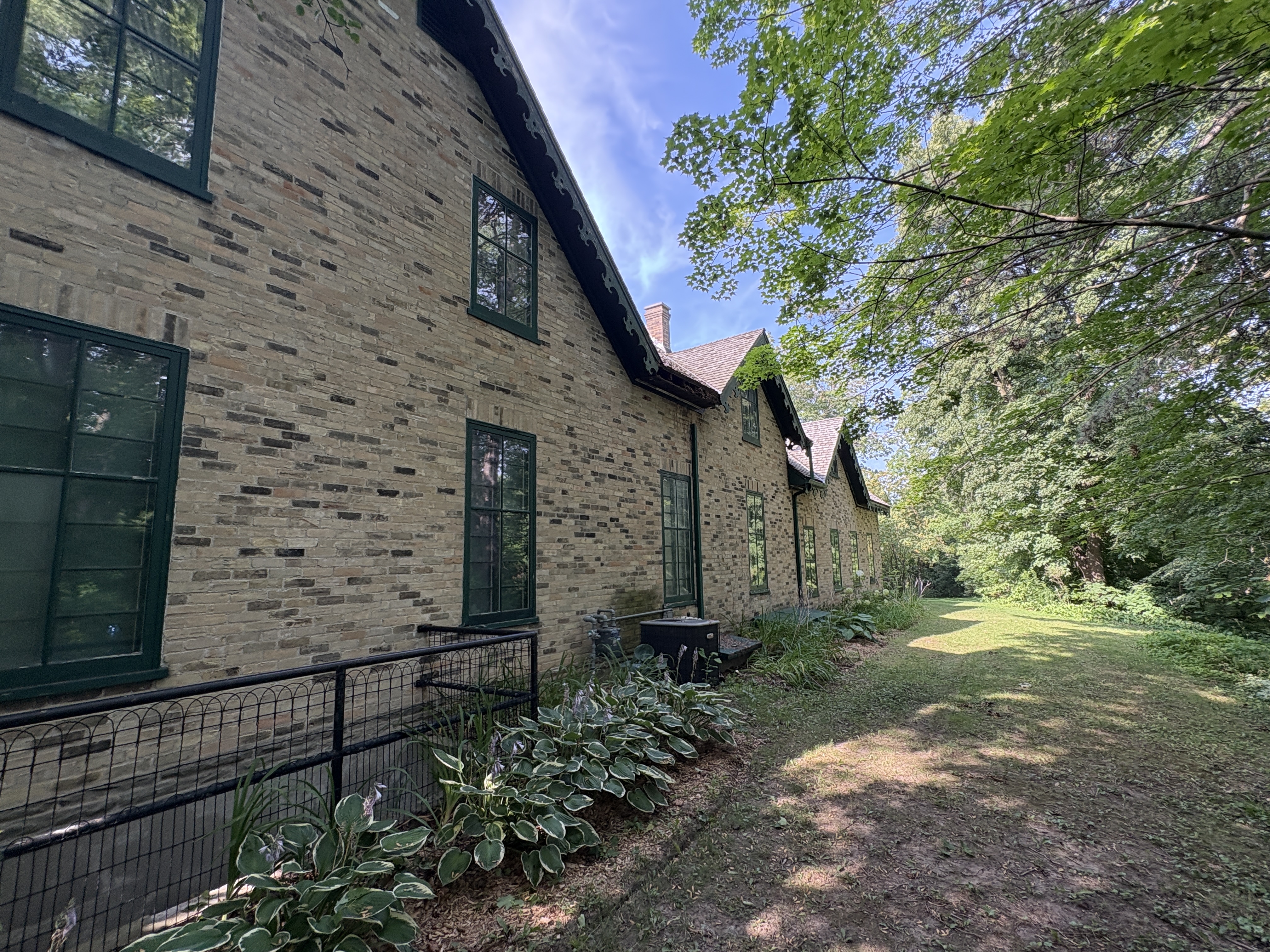
Across the road from the dairy bar is this home which still has a lot of its 1800s charm with the gingerbread and board and batten construction. This is where the post office is shown on the county atlas and the part of the house on the left looks like it was a former retail establishment. The post office was opened in 1867 when the town was in a major growth spurt. At this time there were extra stage coaches providing additional service for the crowds of gold seekers who were flocking into the town. This led to highly inflated prices as merchants from Belleville to Madoc cashed in on the extra traffic.

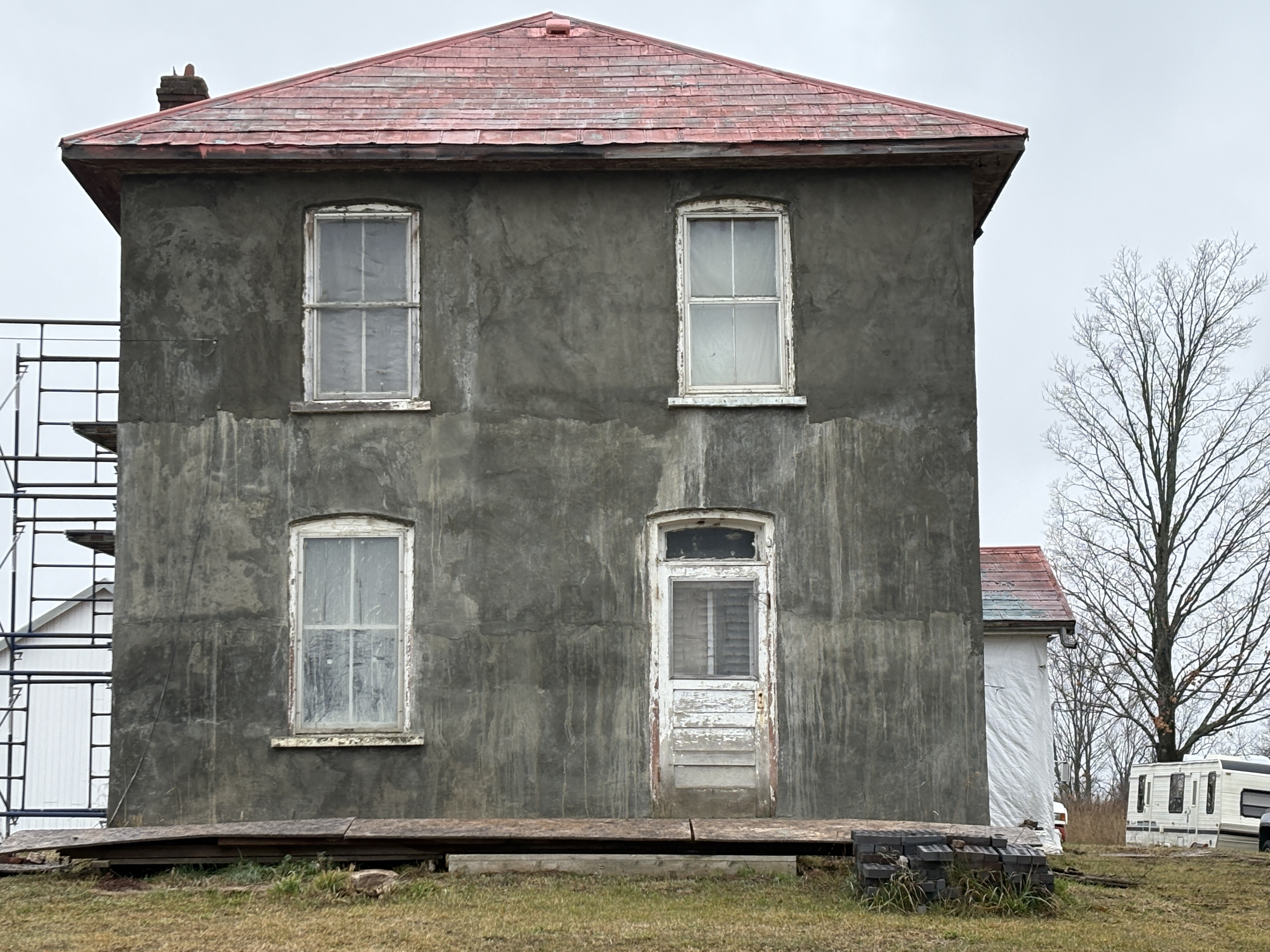
Adjacent to the cheese factory stands this sad looking house. The Edwardian Classic styling was common in the early 1900s and rejected the decoration and styling of the Victorian era. There is a set of scaffolding on the side of the house indicating that someone may be in the process of reviving the home. This is a case where the original plaster should be hidden by some siding or at least a new coat of paint.

Eldorado had its boom years over 150 years ago and has shrunk back to be a local farming community. There’s still plenty of historic charm but some of it is decaying quickly and may soon be lost forever.

Related stories: Coopers Falls

Google Maps link: Eldorado

Like us at http://www.facebook.com/hikingthegta

Follow us at http://www.hikingthegta.com
Max Ward Park (Formerly Danville Park)

Nov. 1, 2025

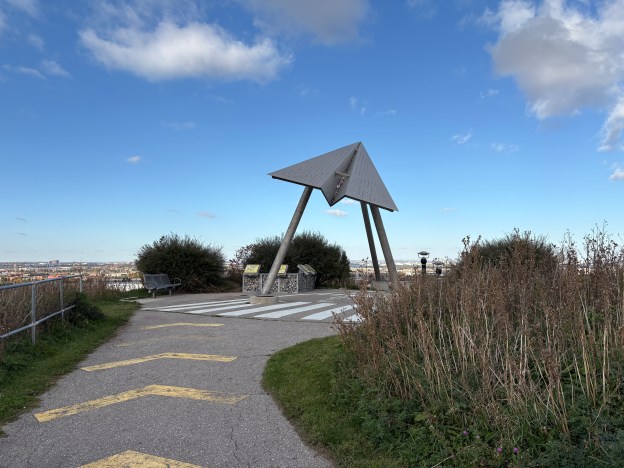
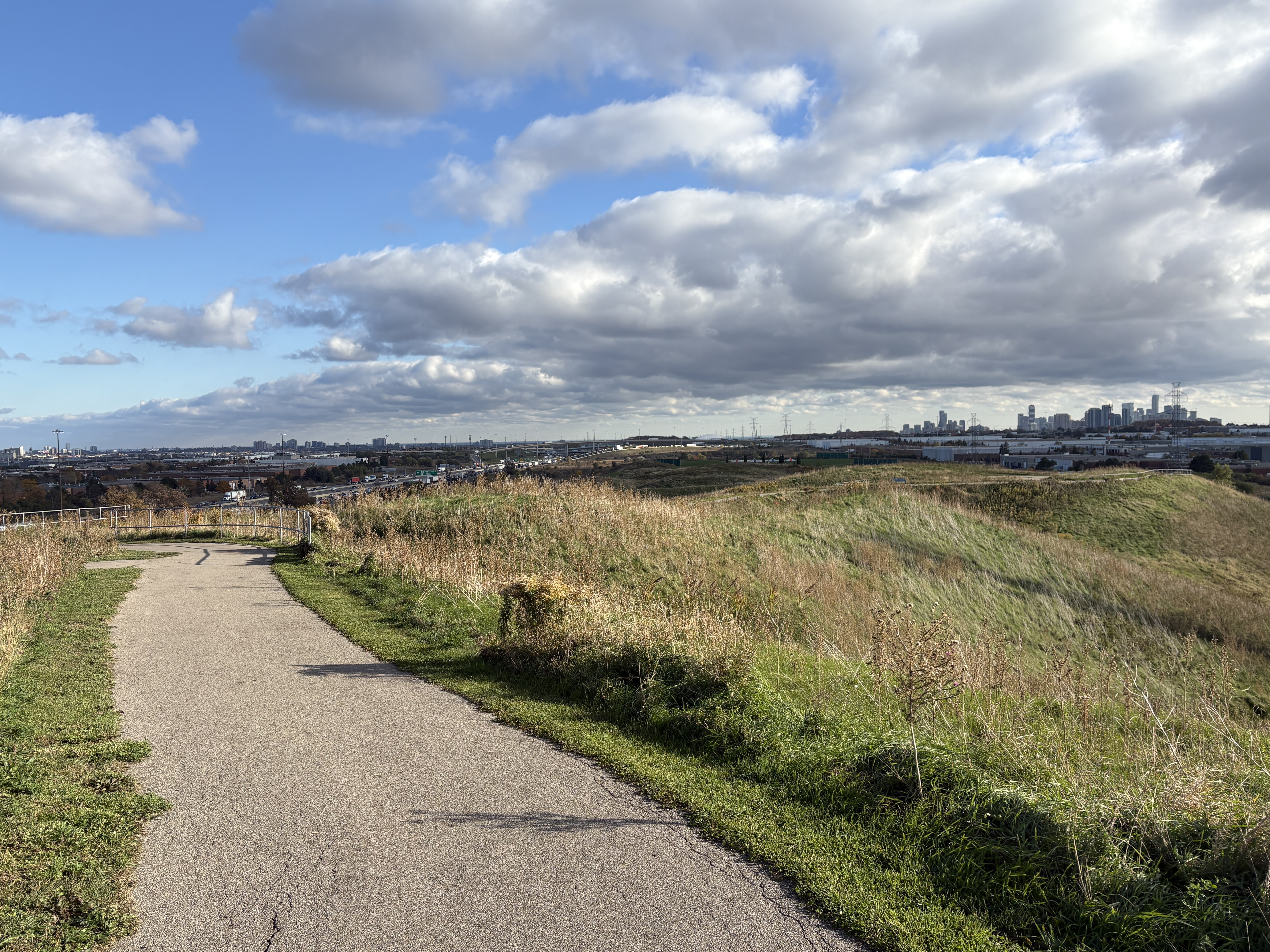
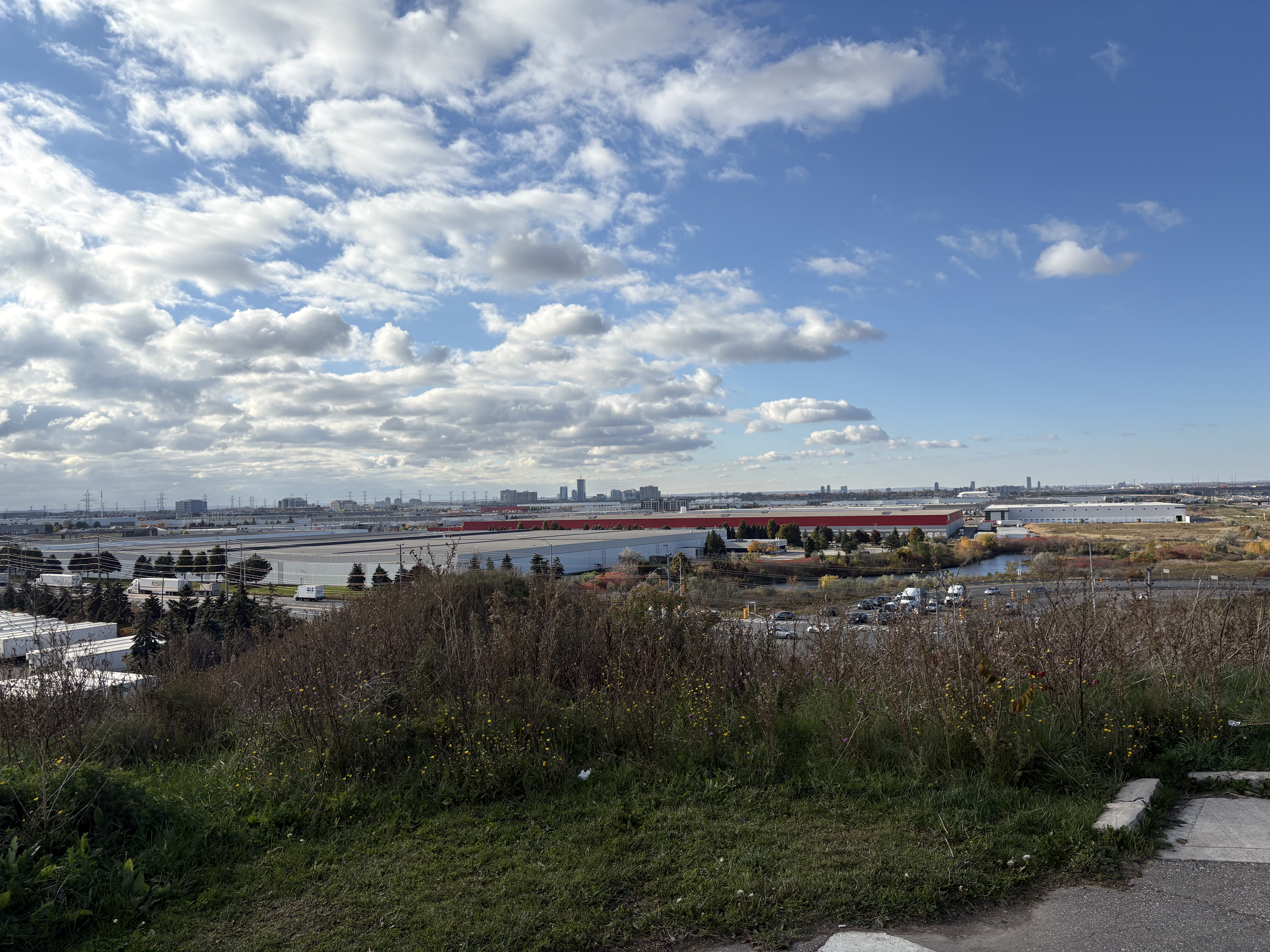
Danville Park is one of Mississauga’s newest parks having just opened in 2017. It is a 26 hectare linear park that is sandwiched between an industrial area and the 410 in the Kennedy Road and Courtney Park section of the city. The park is mostly open grasslands with few trees. The topography is rolling hills and valleys. This has been shaped by the moving of 230,000 cubic metres of earth. For many years this area along side the 410 was just a wasteland of left over earth from various construction projects but has been turned into a unique type of park with ties to the aviation industry in Mississauga.

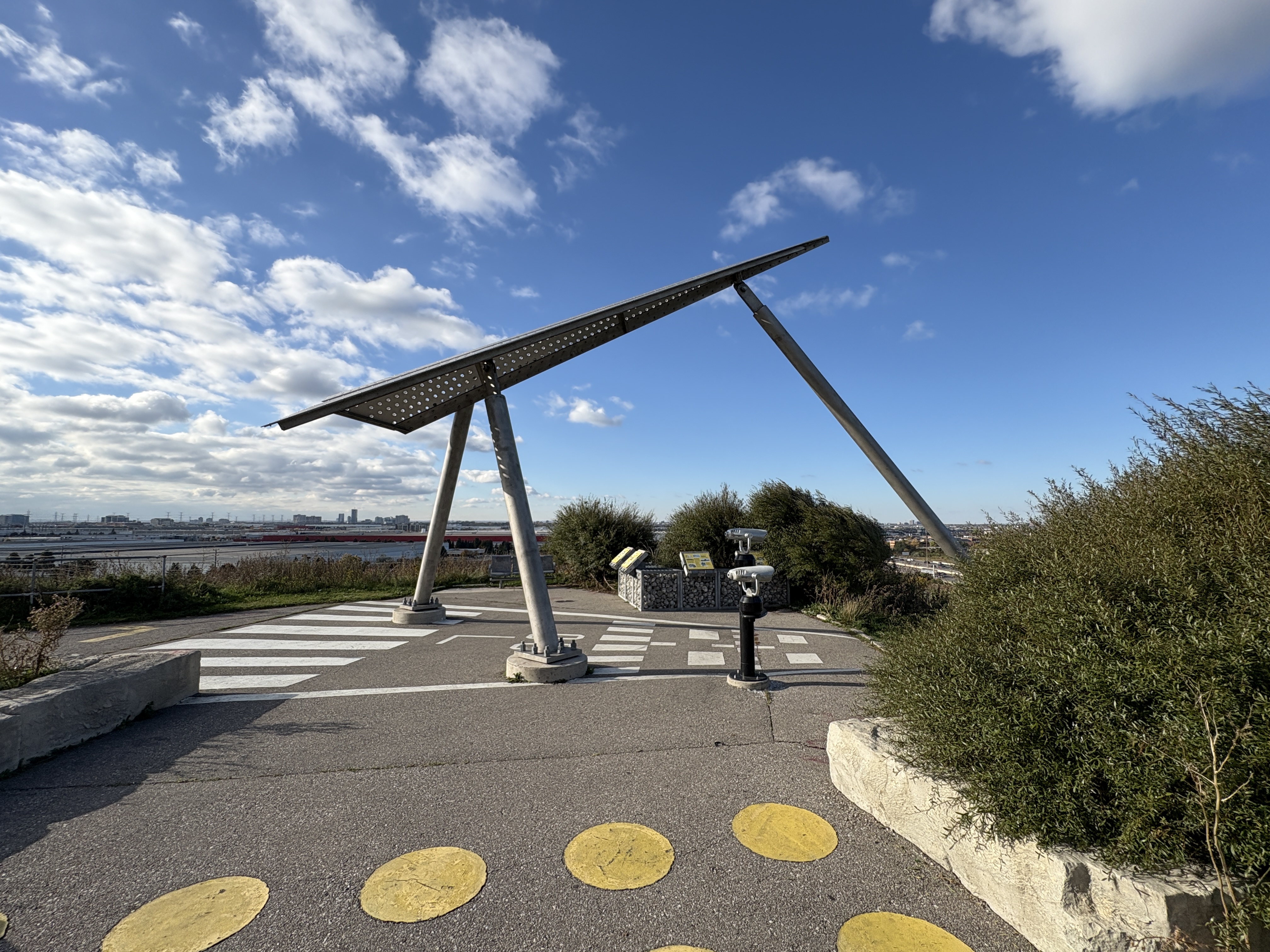
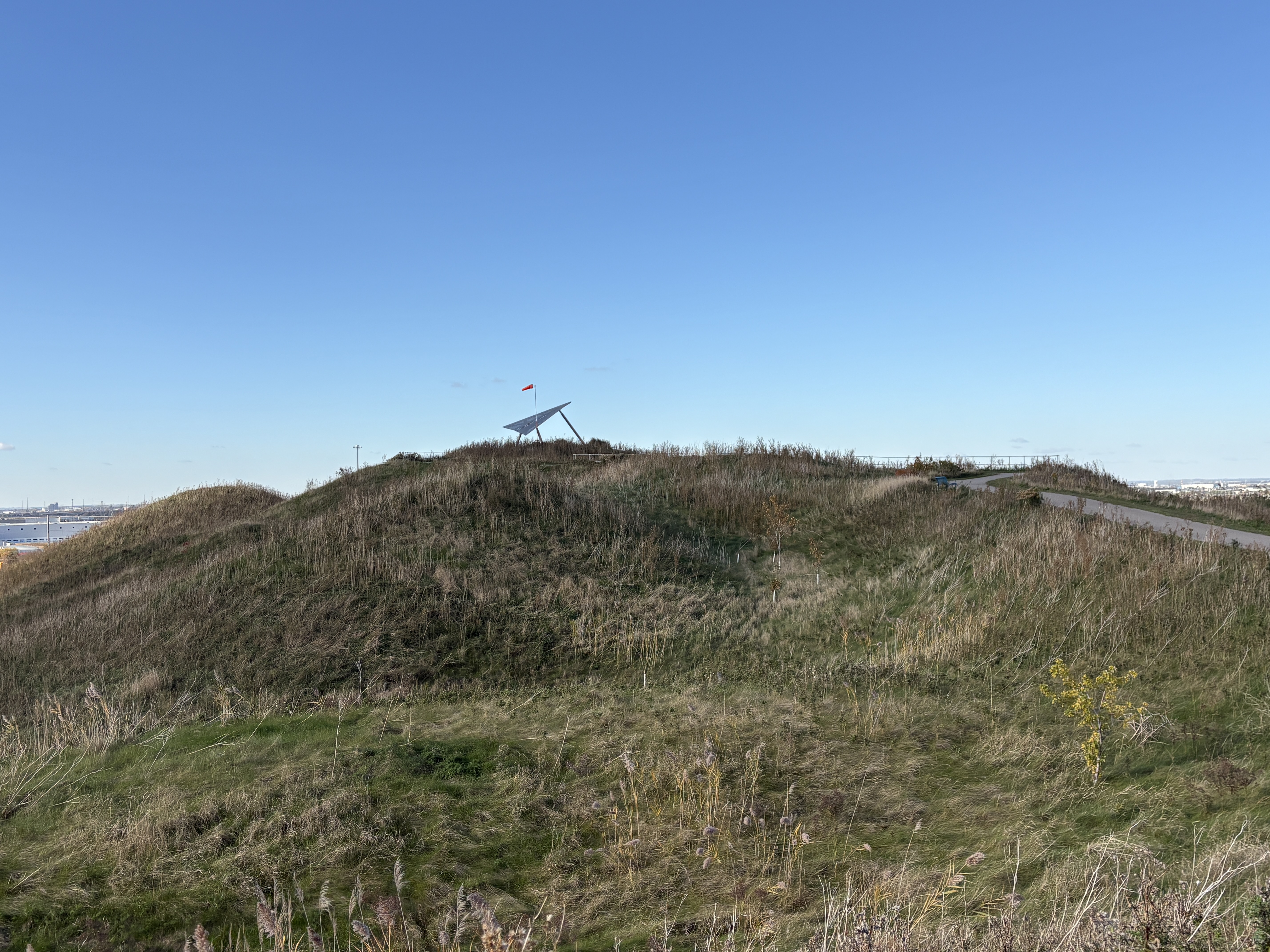
The Greater Toronto Airport Authority participated in the creation of the The Final Approach – Danville Terminal. This aviation themed display on the highest point has become a regular place for people to watch airplanes coming and going from the airport. It lines up with one of the main runways and has a wind sock to demonstrate wind speed and direction. There are runway markings on the ground and a pair of free binoculars to view the airport with. Unfortunately, the lenses are missing out of the adult one. The kids one still works but is set a little low for me.

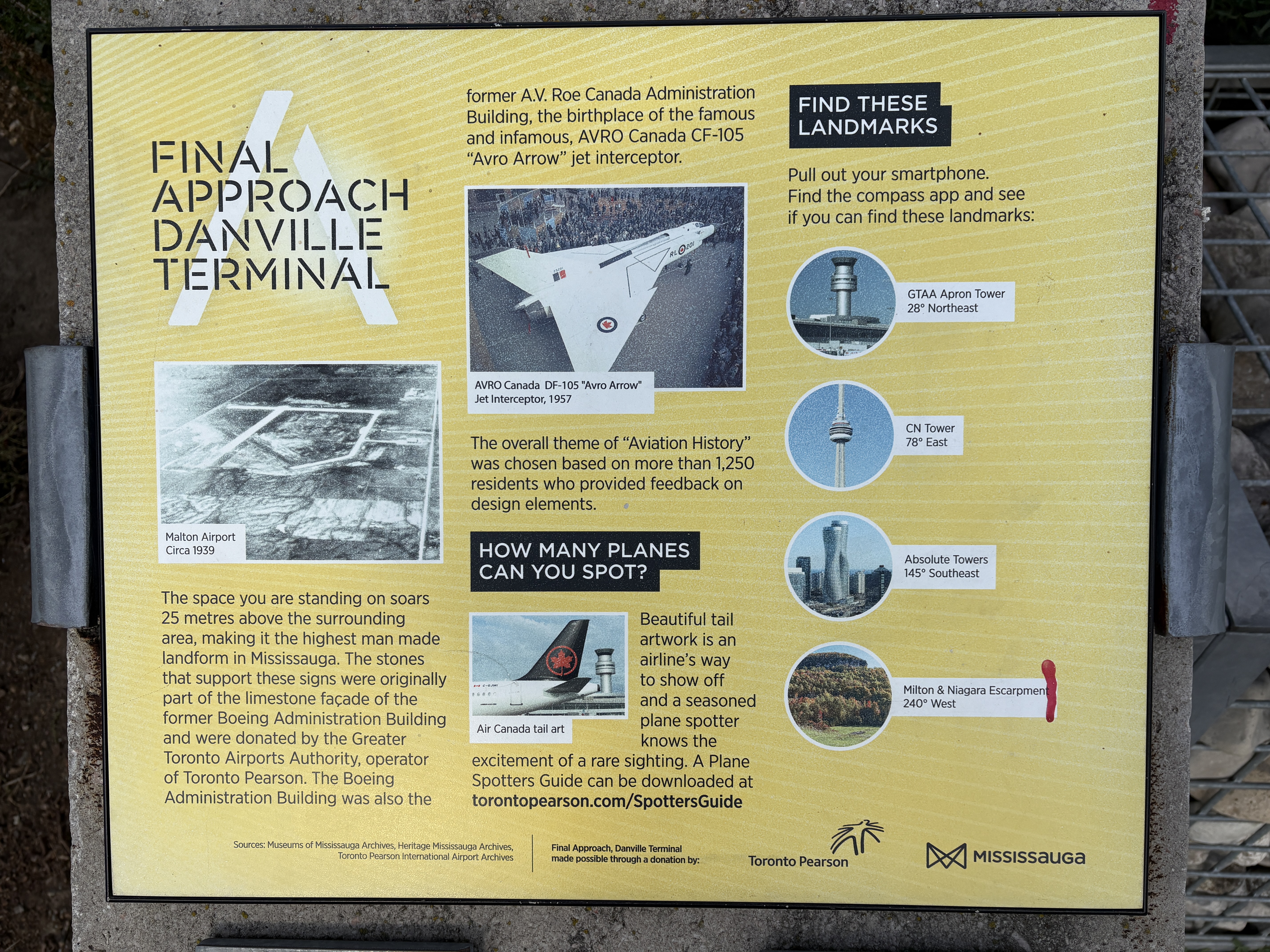
There is a four panel information display about the Avro Arrow and it’s production and halting. Other panels discuss the history of the airport and the aerospace industry in Mississauga. The plaques are mounted on pieces of the limestone façade of the former Boeing Administrative Building.

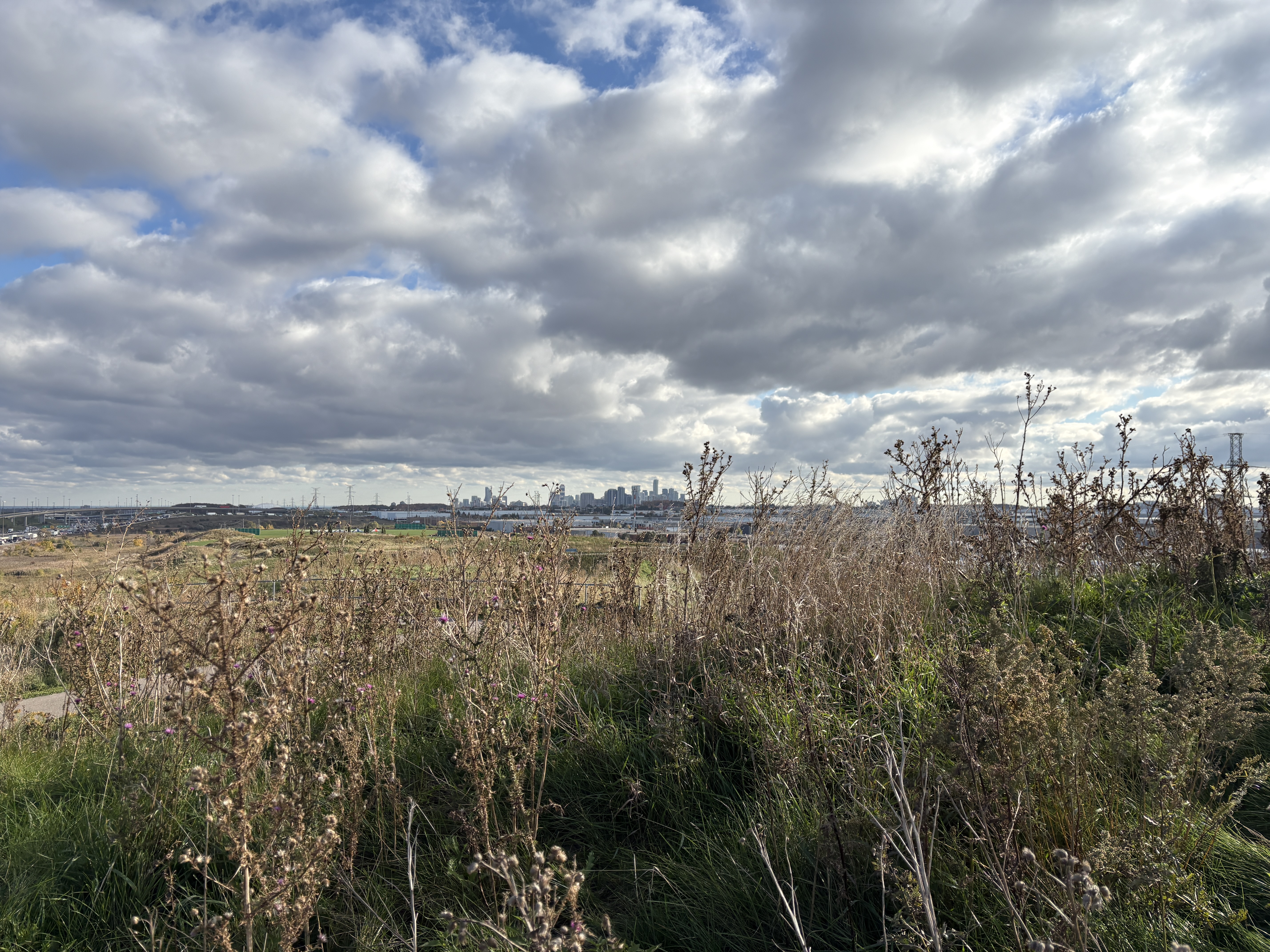
Situated 25 metres above Highway 410 it affords excellent views of the airport as well as looking south west to the towers of Mississauga. The park is used as a toboggan destination during the winter for its uniquely shaped runs.

Brampton is starting to approve taller and taller buildings now and their skyline is set to change dramatically over the next decade or so.

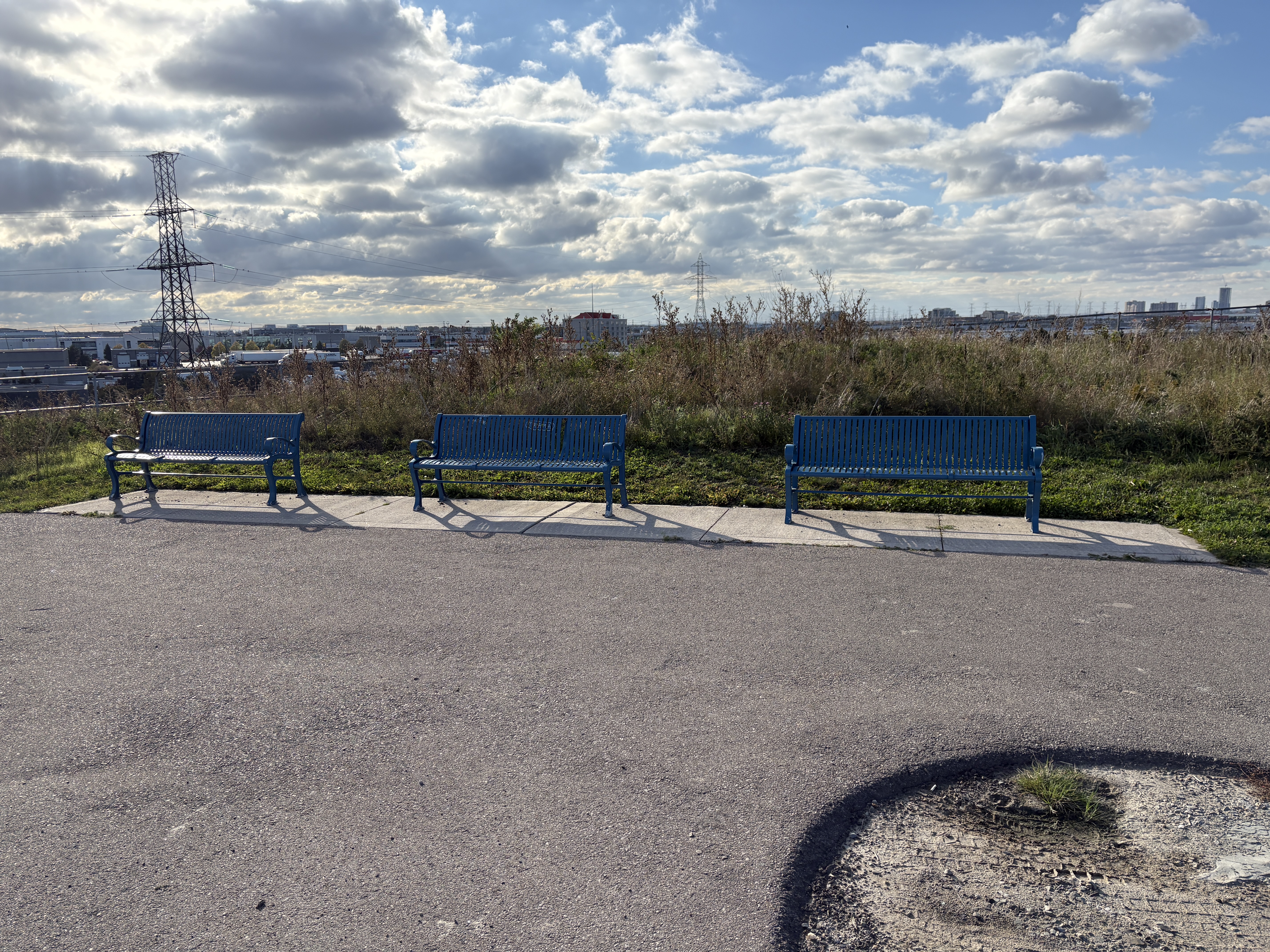
Benches have been provided at strategic places along the path.

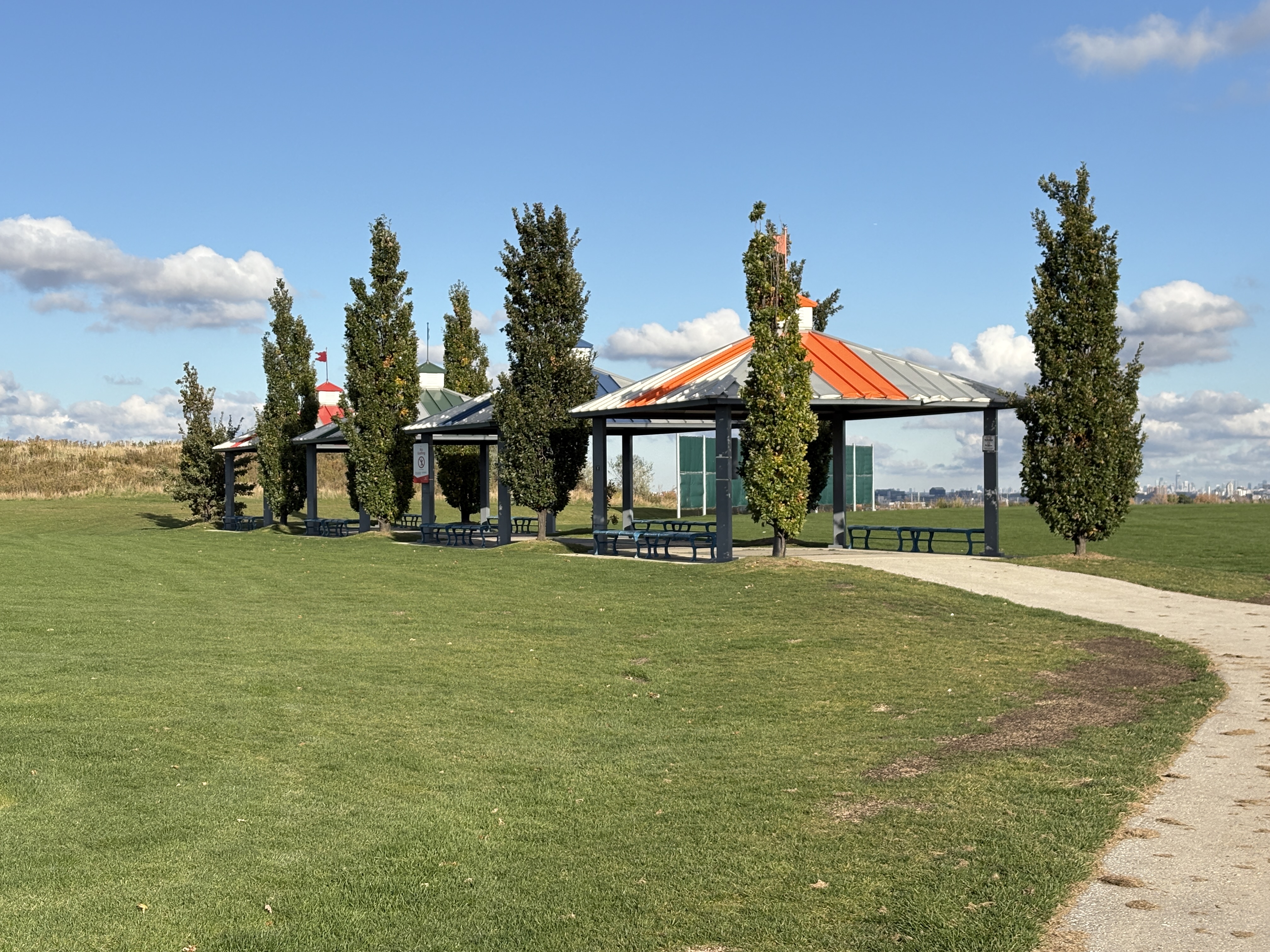
Two full size cricket fields have been created with seating areas located between them. Seats face outward to each of the fields. A series of oak trees have been planted along side the shelters.

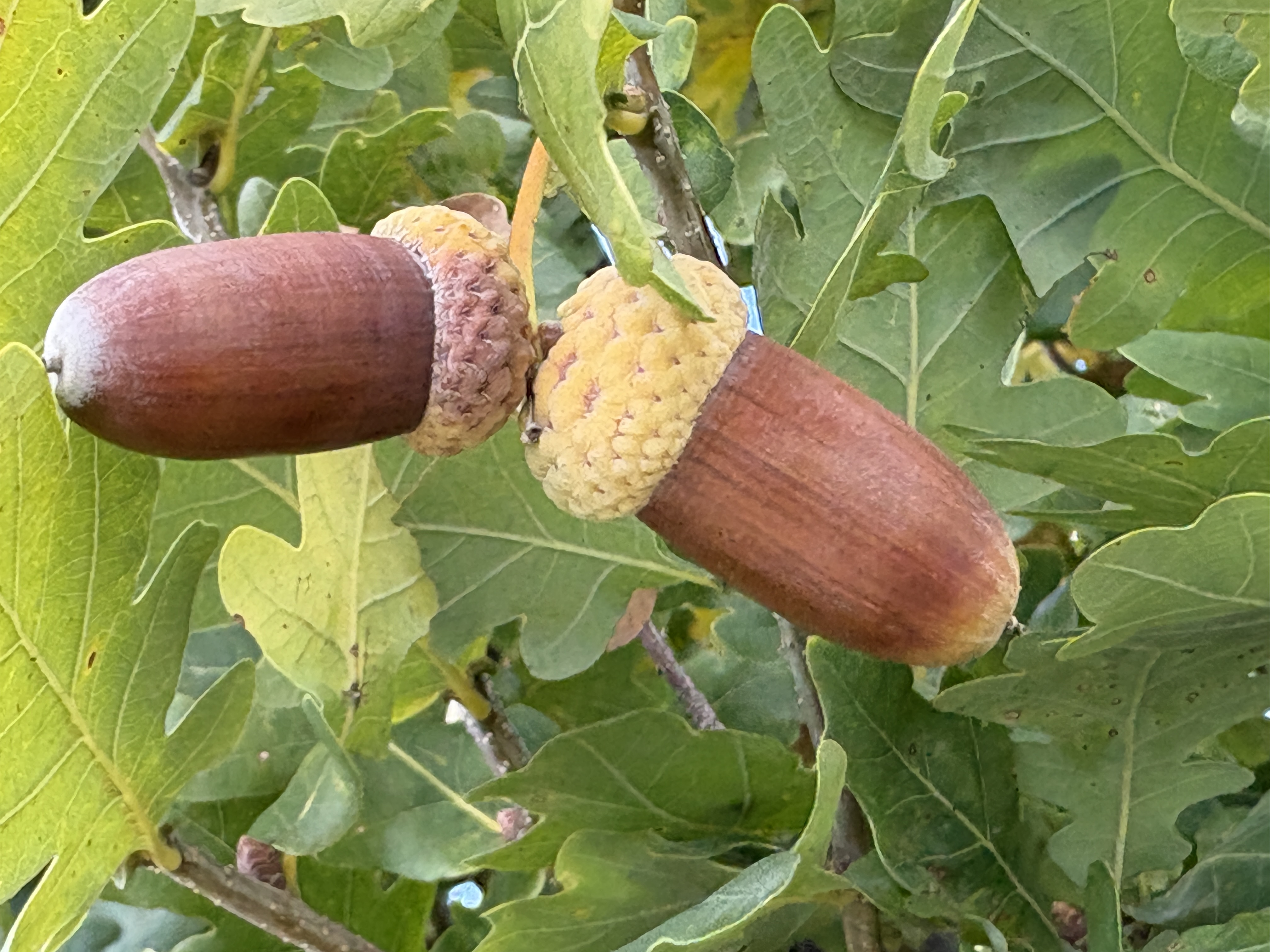
These oak trees have leaves like White Oak but the tree shape is very compact compared to the usual spread of the crown. Also, the acorns have the right kind of cap but are very elongated. White Oak acorns will normally have a cap which is about 1/4 of the over-all size of the nut. There are over 500 recognized species of “Quercus”, or oak trees.

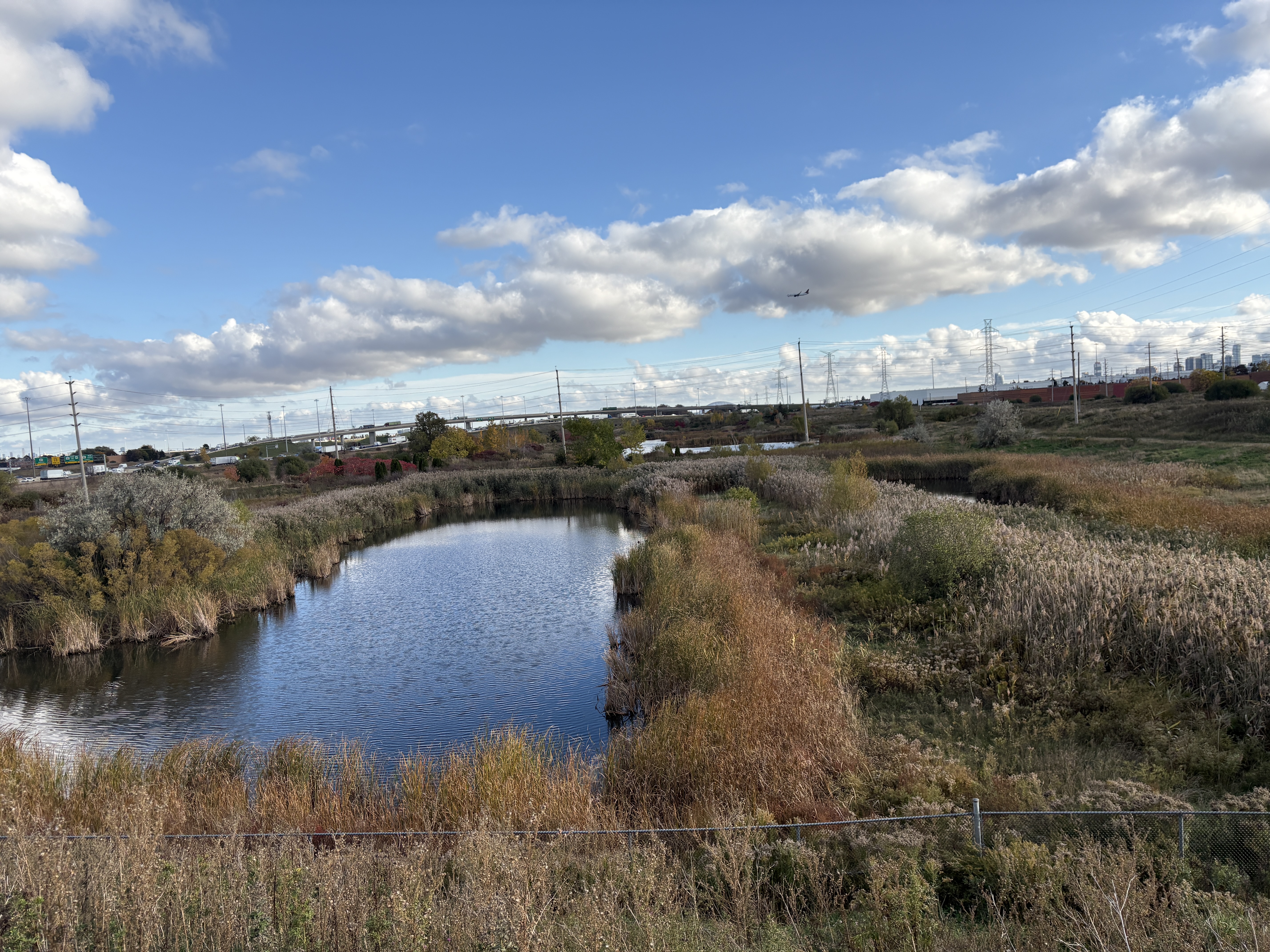
There are several flood control ponds on the southern portion of the park which enhance the area as a natural spot for the wildlife moving through the city from the lake toward northern destinations.

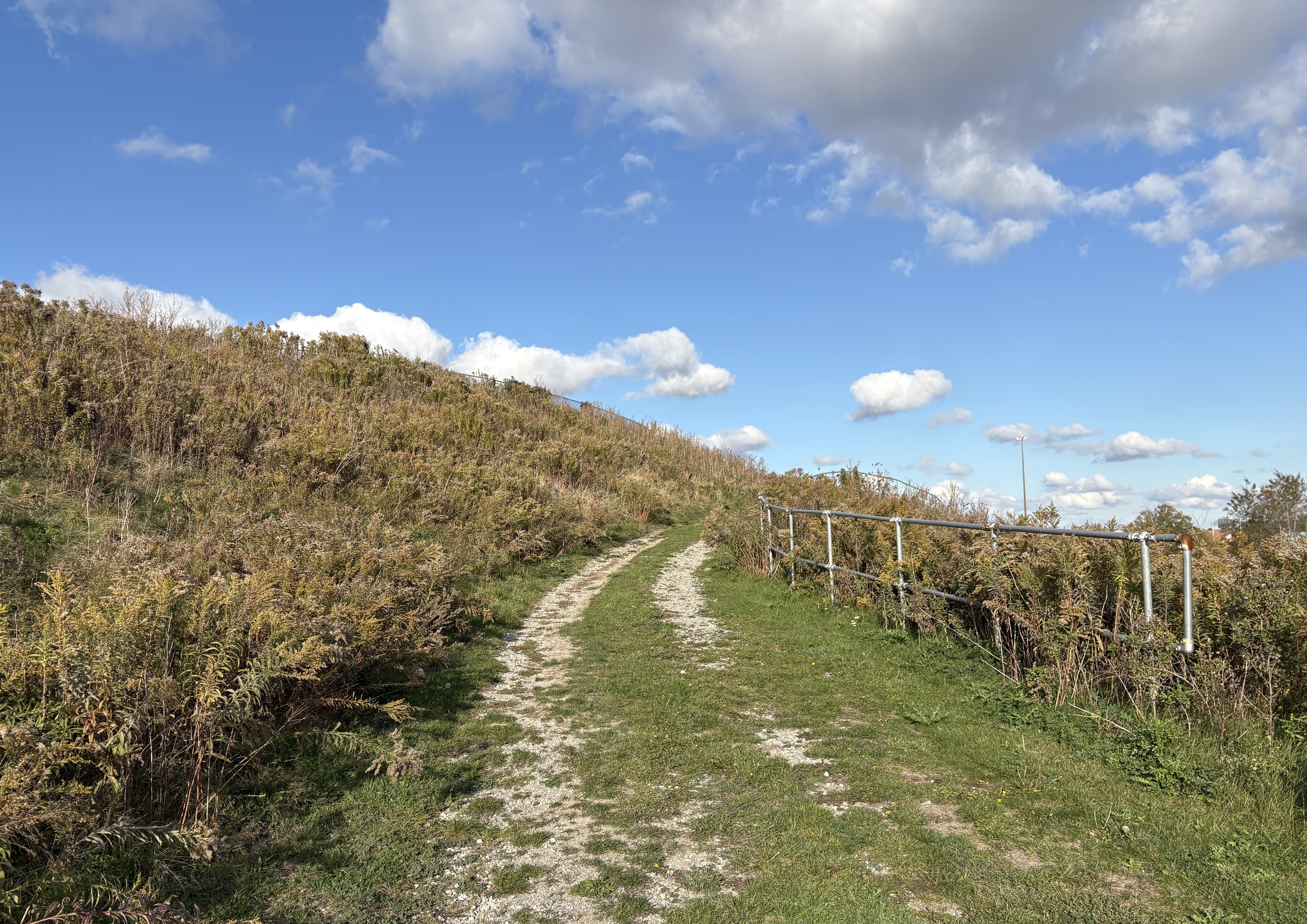
There are some less developed trails around the flood control ponds and up the back side of the southernmost cricket pitch.

Danville Park was named after the industrial street where the entrance is located. In 2025 the name was changed to Max Ward Park to commemorate Max Ward who founded Ward Airlines in 1952. He grew it into the third largest airline in Canada before it joined Canadian Airlines in 1989 and was later absorbed in Air Canada in 2001.

Max Ward Park is relatively new with a few tree plantings and it will naturalize even more over the coming years. It is an interesting place for a visit.

Google Maps Link: Max Ward (Danville Park)

Like us at http://www.facebook.com/hikingthgta

Follow us at http://www.hikingthegta.com
Welland Canal Bridge 15

October 18, 2025

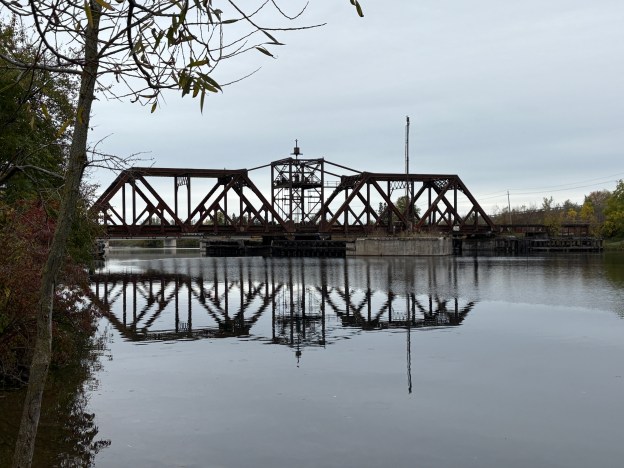
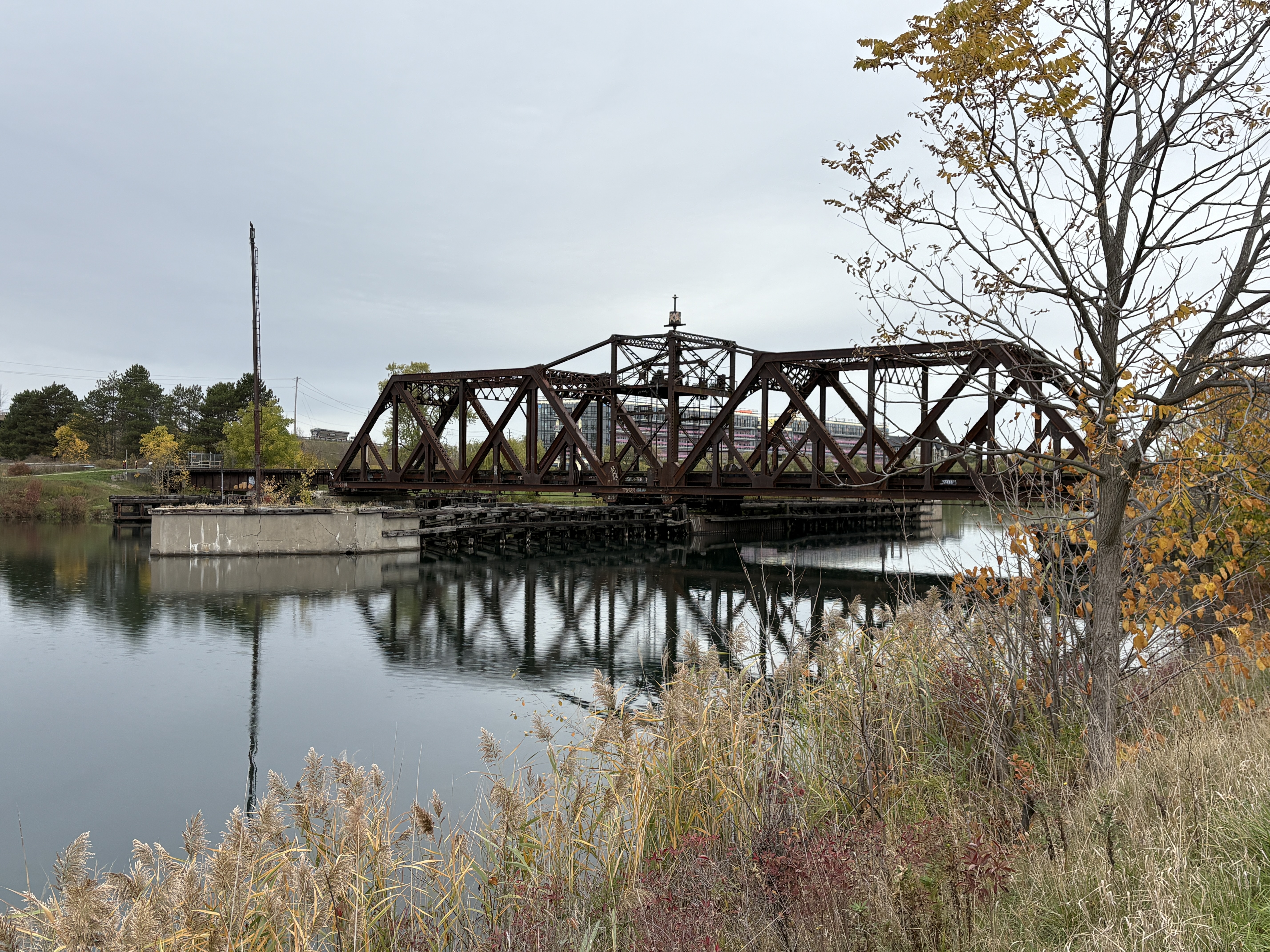
I recently visited Welland to see a new client and while passing through town I noticed an abandoned swing bridge. Naturally, this provided an opportunity to get some pictures and learn a little about the local history. The bridge is known as Bridge 15 on the Welland Canal and was built in 1910 to replace an earlier wooden bridge at this location. The bridge style is a Baltimore Truss Swing Bridge. A Baltimore Truss bridge is reinforced by an additional brace in the lower section of the truss. This is intended to prevent buckling in the beams and to reduce deflection. This style of bridge was primarily used for railway construction but is not very common with few remaining examples.

The bridge was built to carry the Canada Southern Railway (CASO) across the Welland River. The railway was founded in 1868 and went insolvent following the financial crisis of 1873. It was taken over by railway magnate Cornelius Vanderbilt who claimed it for the price of guaranteeing the bonds that had been issued against it. As ships became bigger the various bridges through town became an obstacle and a newer, straighter canal was envisioned that would move the canal away from this part of the river. The Welland Canal Relocation Project moved the rail line to the Town Line Tunnel to the east of the river.

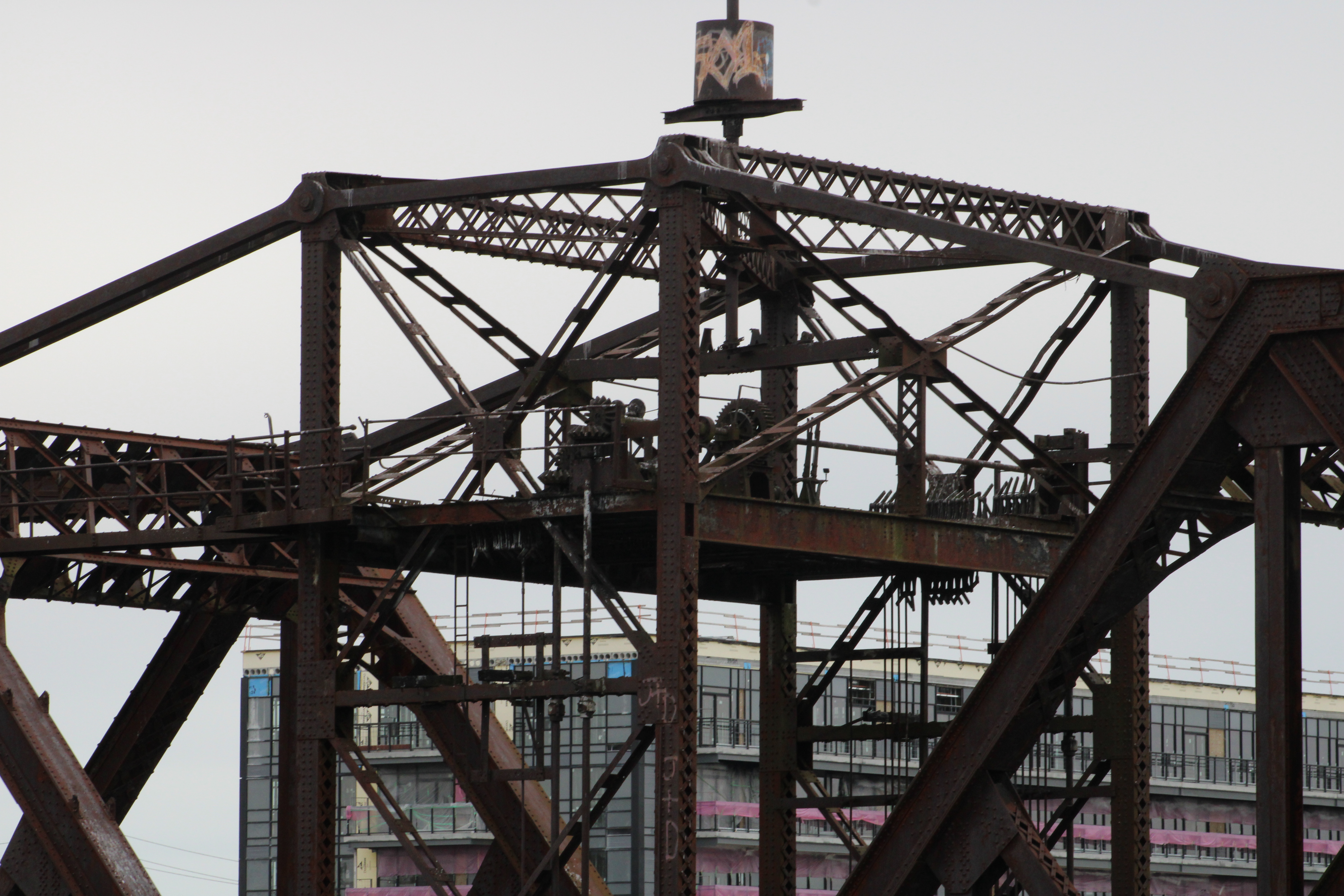
When the bridge was built, the Third Welland Canal was in operation and navigation was only possible on the east side of the bridge. Electrical power was brought by cable from the west shore to the centre of the bridge. When the Fourth Welland Canal opened in 1932 navigation was possible on both sides of the bridge. This meant that the overhead power cable was no longer feasible. An underwater power cable was run from the shore to the tower on the northern concrete fender. (These fenders protected the bridge from collisions with ships when the bridge was in its open position.) A power cable was run between the tower on the northern fender and the one on the southern fender, pictured below.

Visible in this picture is the structure at the top of the bridge where electricity was supplied to operate the controls and swing the structure.

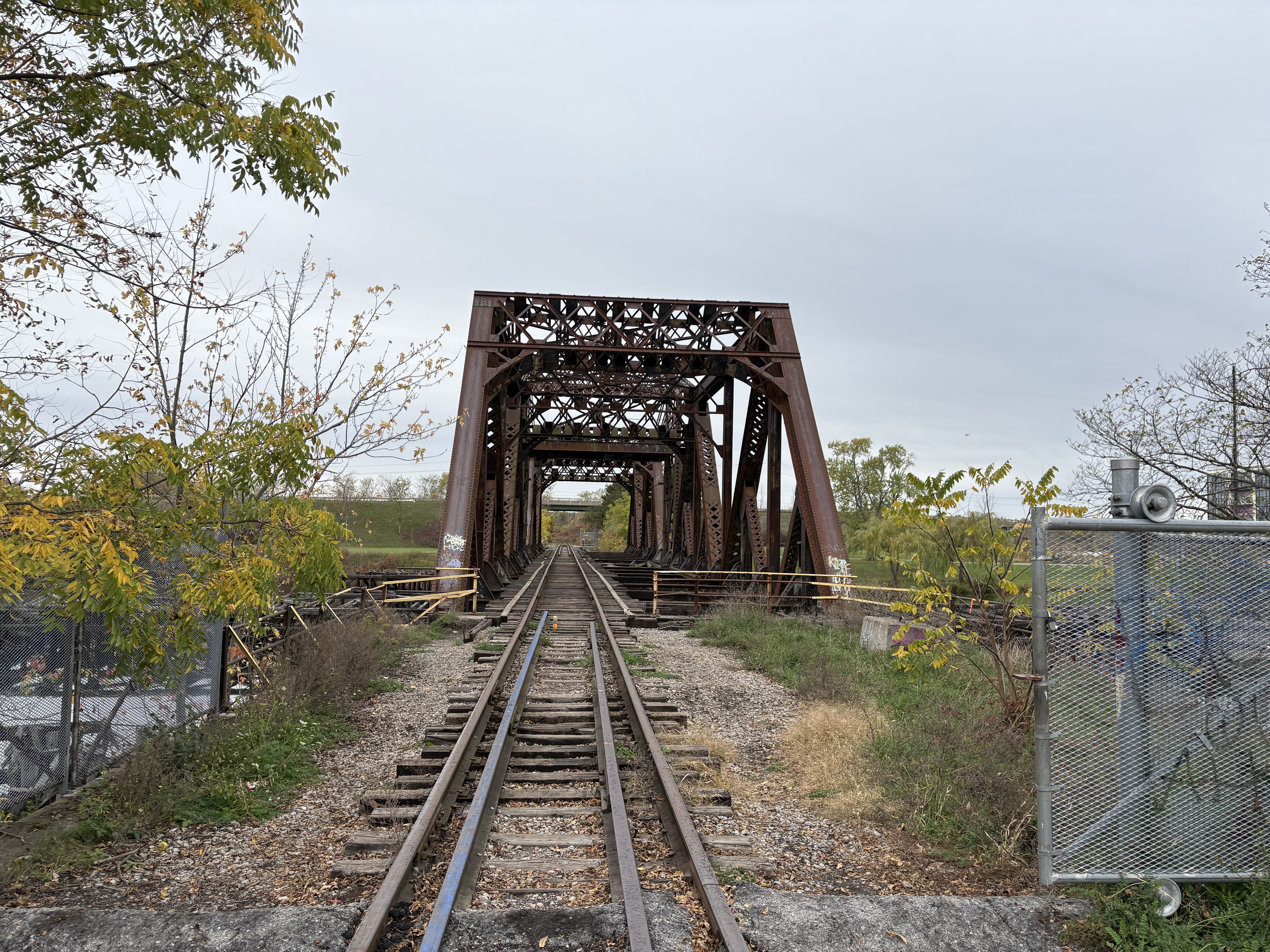
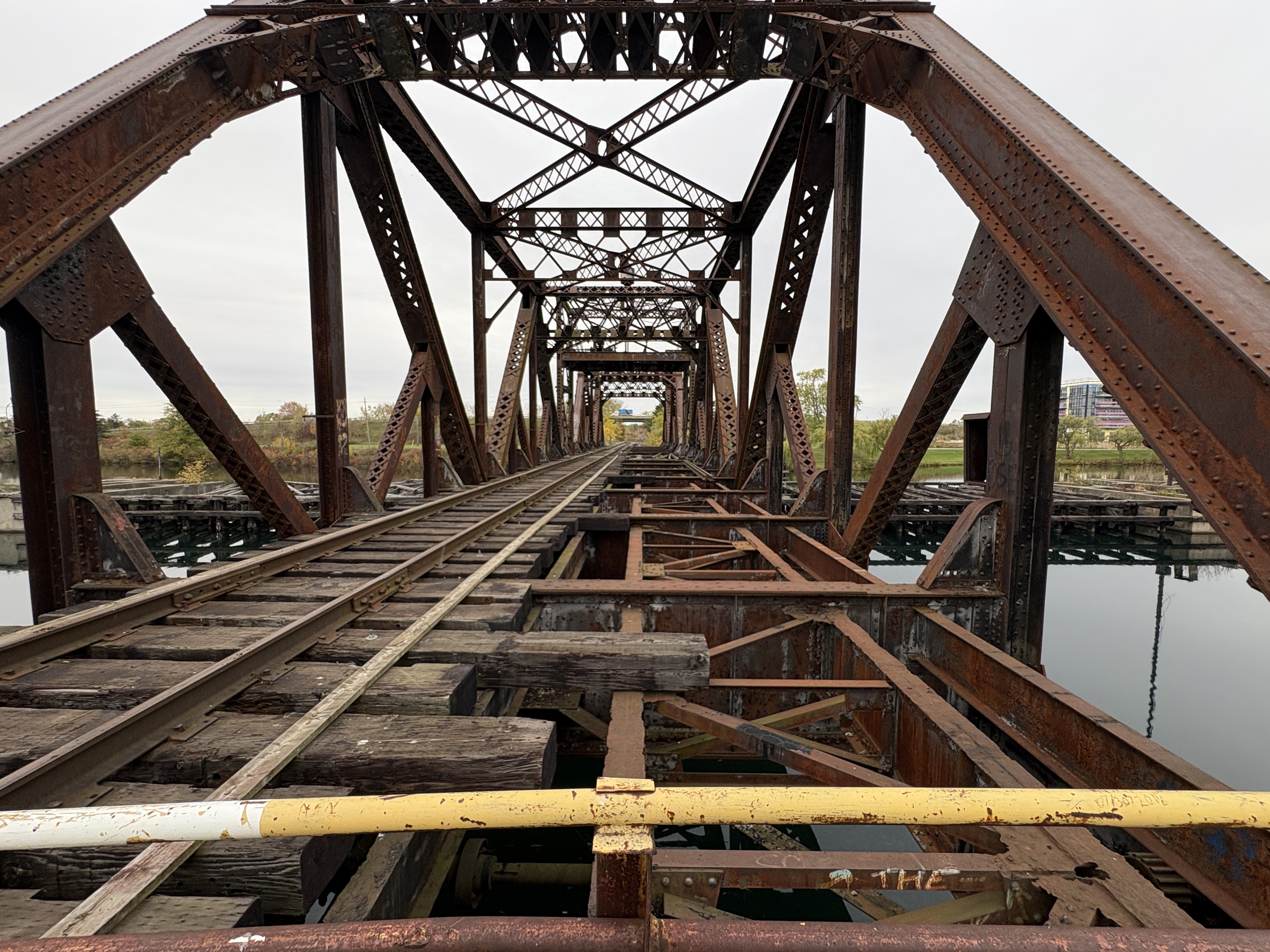
Originally there were two tracks crossing the bridge but one was removed after the main line was relocated in 1973. The other side remained in use until the late 1980s.

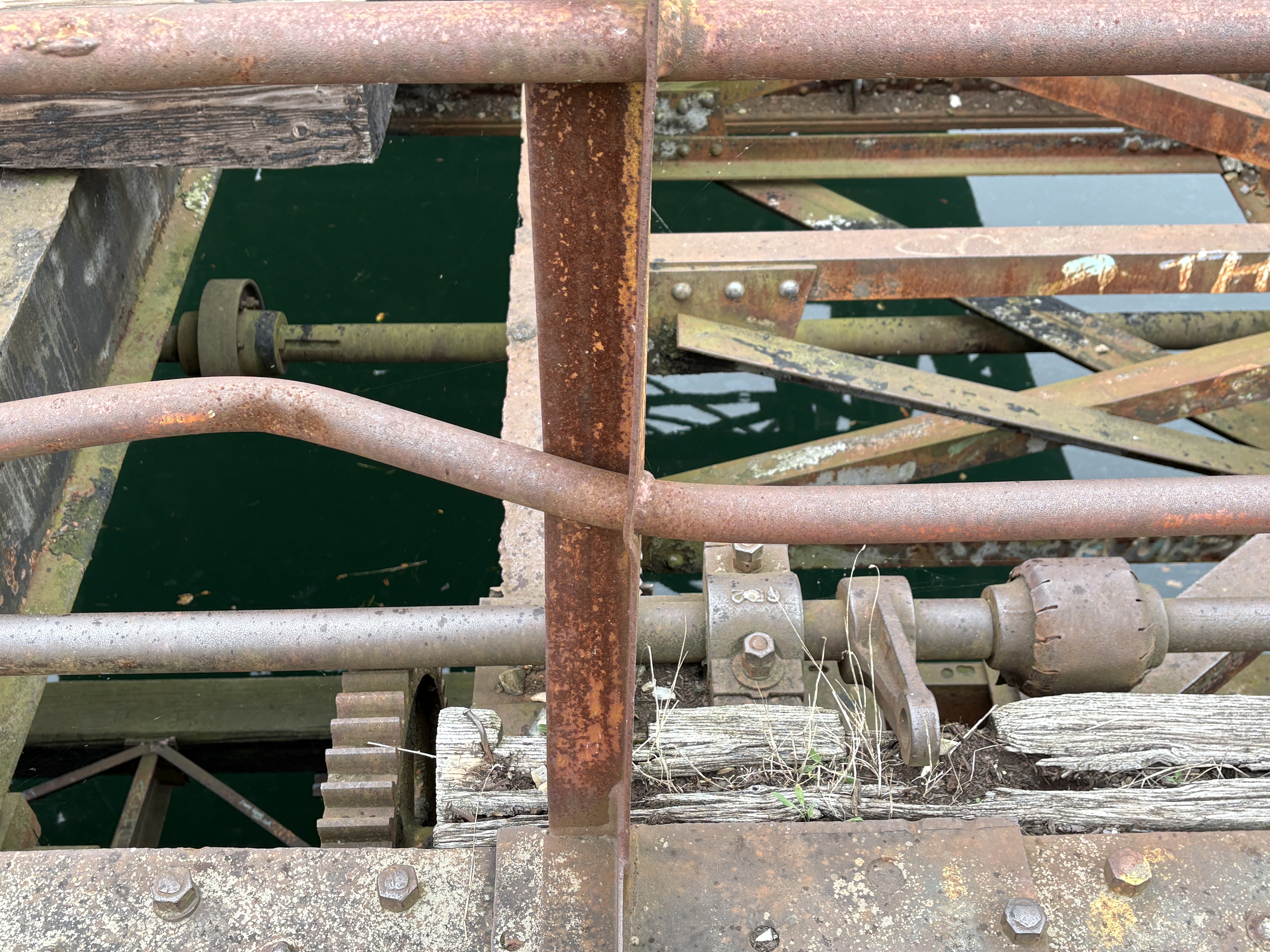
The bridge is now marked with no trespassing signs and the danger is quite real as there’s plenty of ways to get injured on this rusty old relic. Where the rails are missing the gears and turning mechanisms can be clearly seen.

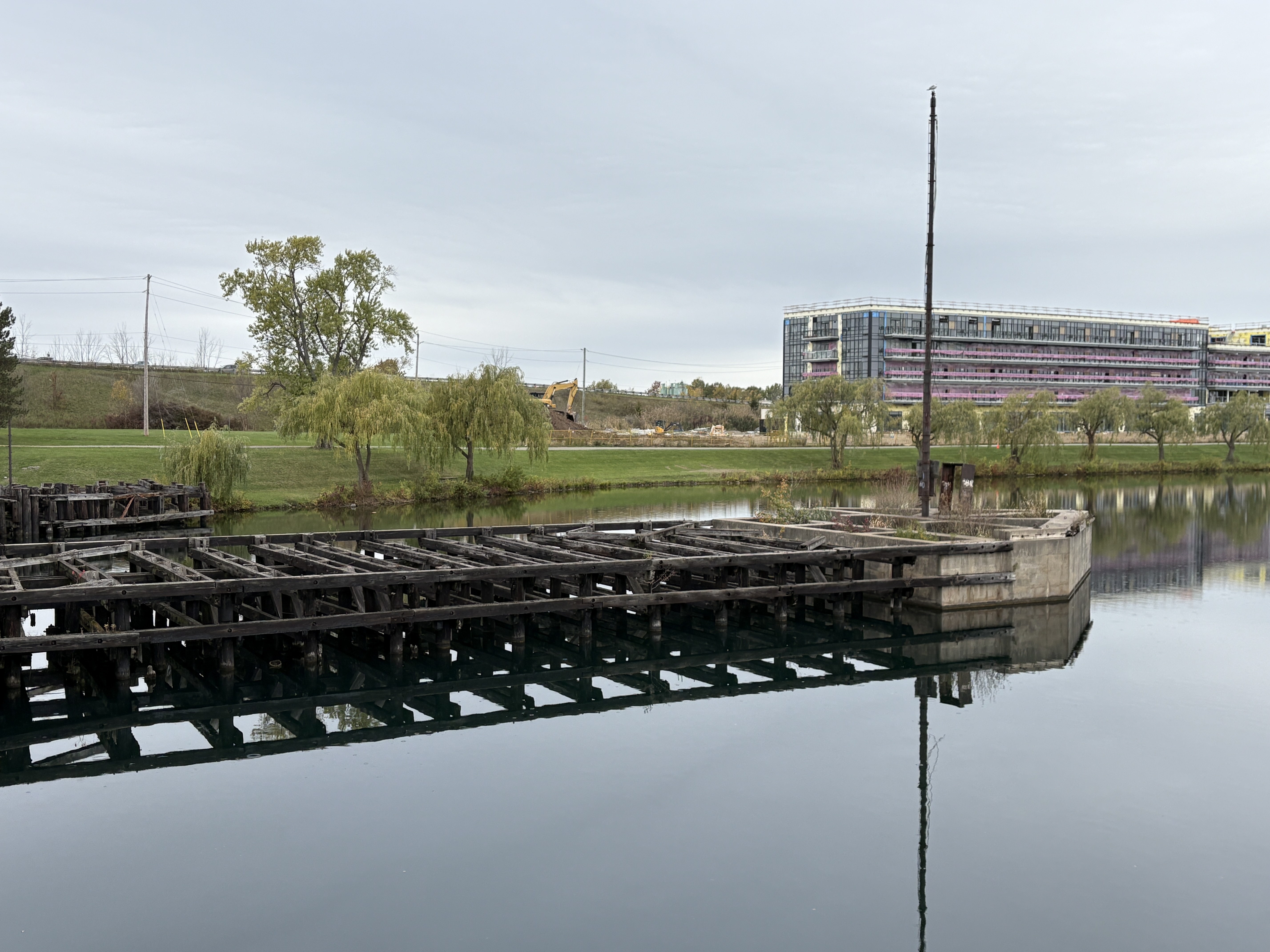
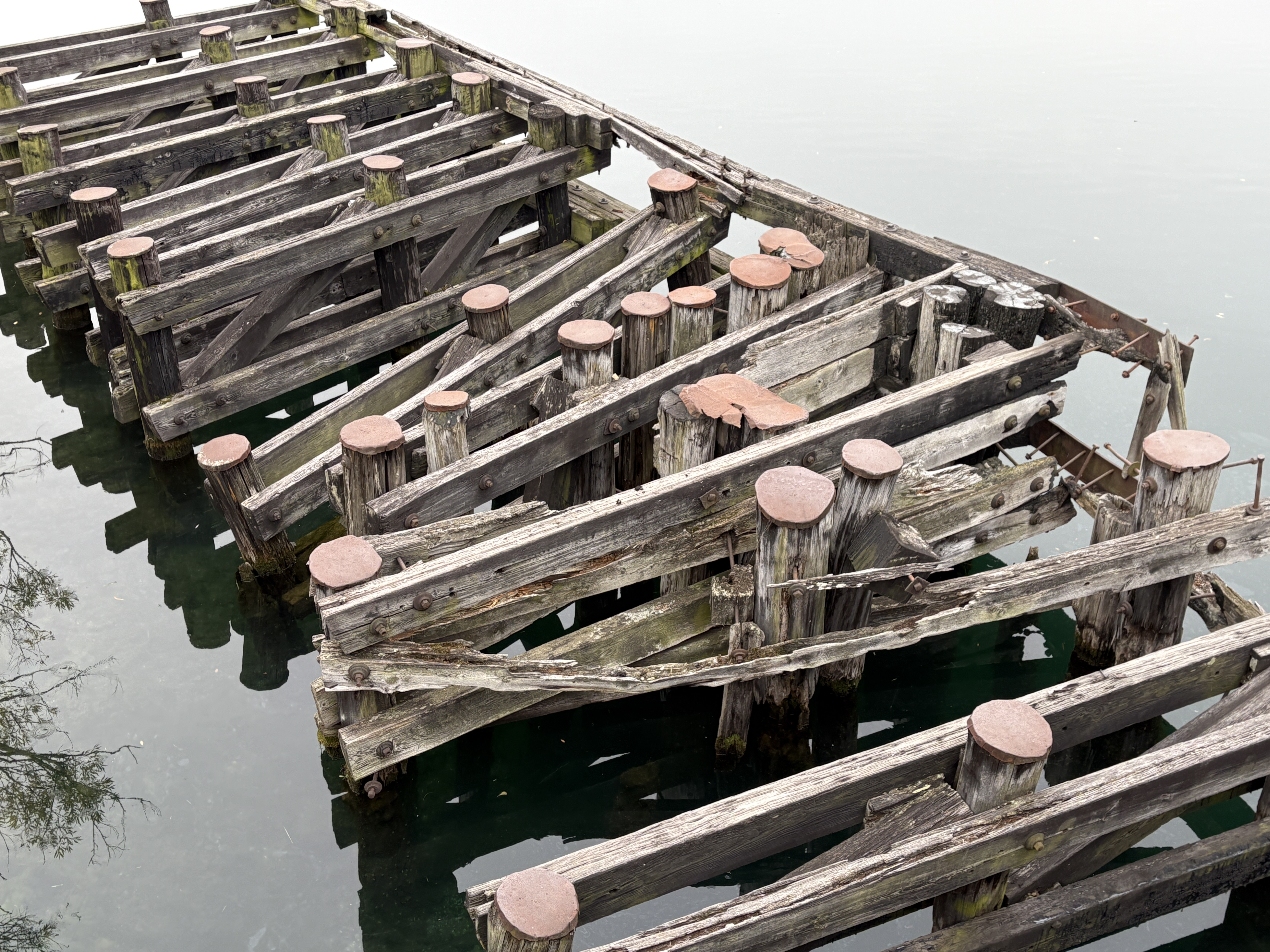
Piers were sunk into the river bed on either bank of the river to protect the bridge abutments from impacts with wayward ships. These are rotting and slowly falling back into the water.

After 115 years the bridge is now a relic to a time gone by when the trains rolled over the bridge and ships passed by on either side when it was open. The railway line is gone and ships now pass a couple of kilometres east of the river in a new channel.

Related Stories: The First Three Welland Canals

Google Maps Link: Welland Canal Bridge 15

Like us at http://www.facebook.com/hikingthegta

Follow us at http://www.hikingthegta.com
Gone… But Not Forgotten

Sep. 27, 2025

One of the purposes of this blog over the years has been to photograph historic sites in case they are destroyed and lost forever. In the 11 plus years that we have been active we have photographed hundreds of historic buildings and properties. Unfortunately, we are already seeing several of these places being lost forever. This post highlights several of the ones that no longer exist.

There are many places along the Bruce Trail that have interesting stories to tell. One of them is the remains of a house on the River And Ruin Side Trail. The house has been a ruin for a hundred years but it appears that recently the remains have been vanadalized and there is even less of it left now. There are more pictures and our full article here.

The Nodwell House in Hillsburgh was built in 1868 and was used by several generations of the family. The old farm was bought for a housing development and the home has since been demolished. The story of the family and the home can be found at this link.

Camp Calydor had several uses including a TB hospital, a German POW camp and a Jewish retreat. The remains used to stand in the forest in Gravenhurst but even these have been demolished for a housing development. The full story can be read here.

Cabot Head Lighthouse was built in 1895 and although it still exists, the road is closed and the lighthouse is also closed to the public. There’s more pictures and the full story here.

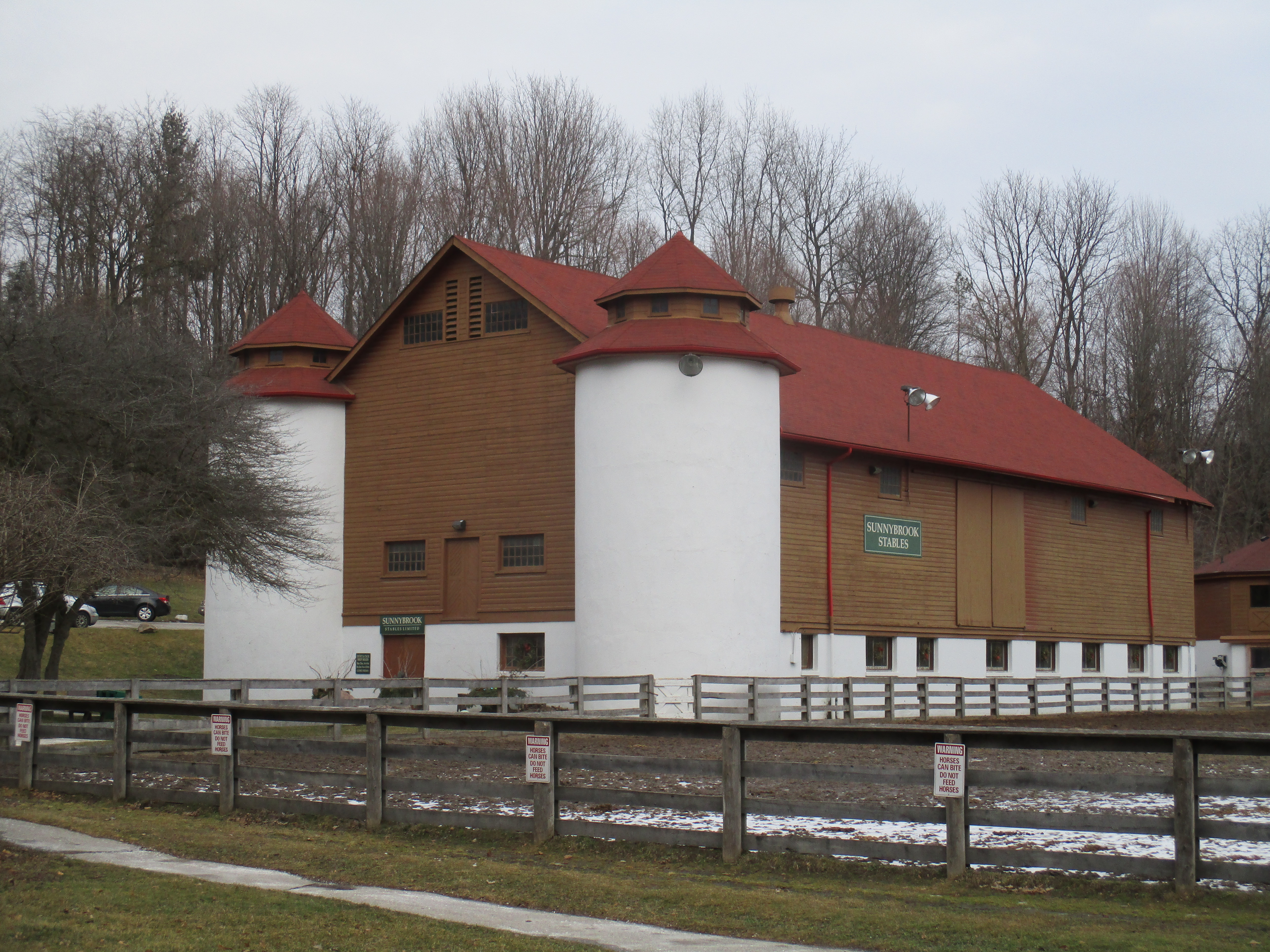
Sunnybrook Farm was created in 1909 and the barn was raised shortly thereafter. When the farm was transferred to the city as a park the horse barn was used to house police horses. It burned down in 2018. There are more pictures and the story can be found here.

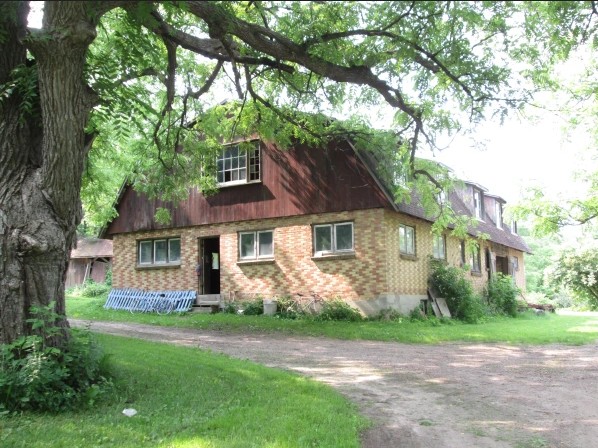
Cheltenham had an apiary for two generations that operated near the old saw mill. This building burned down a couple of years after we took this picture. There’s more pictures and the full story at this link.

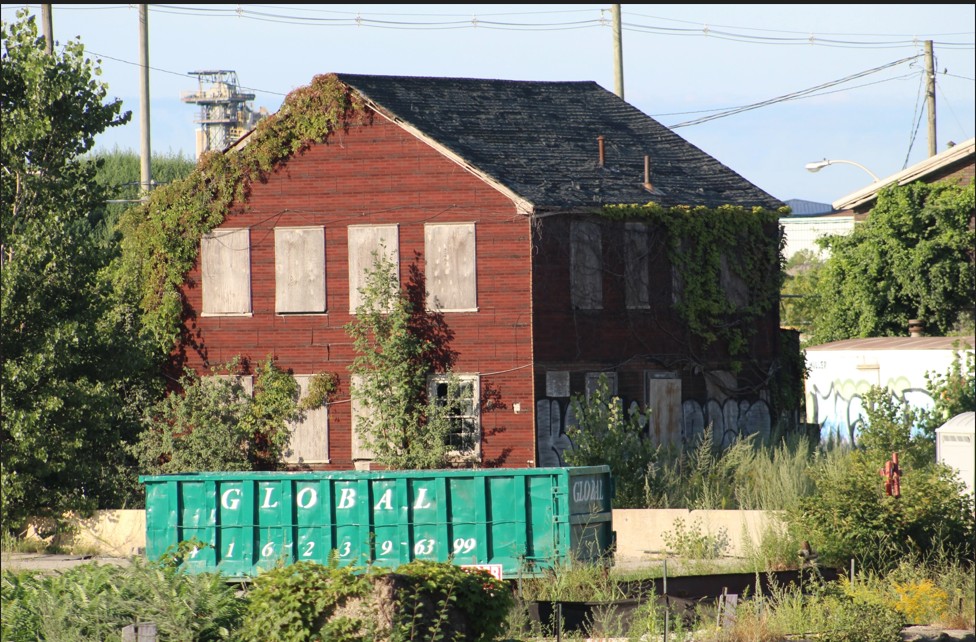
The Toronto Dry Dock Company was established in time to produce war ships for the military during World War 1. The business closed years ago and the buildings have recently been demolished as part of the Port Lands redevelopment. More pictures and the story can be found here.

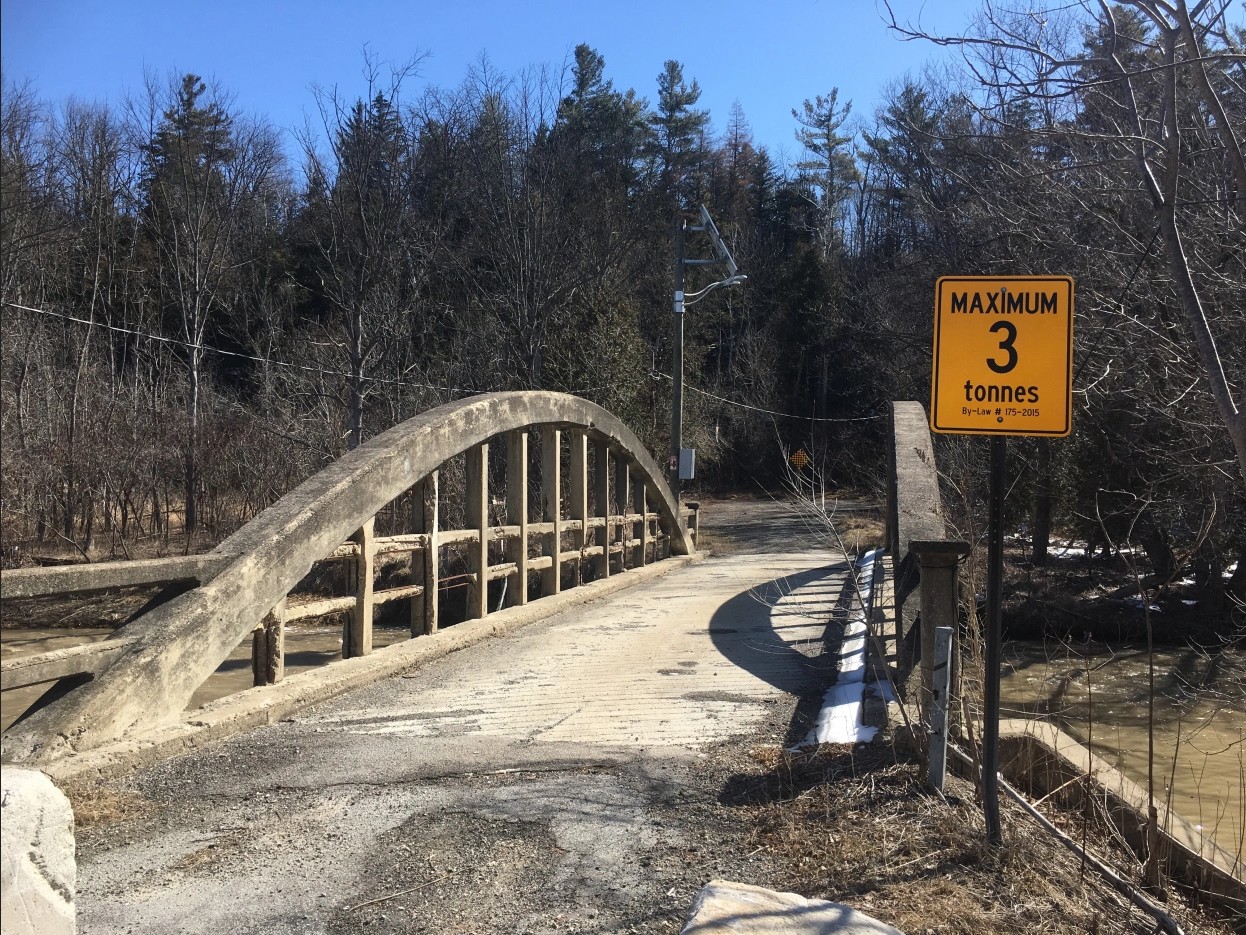
The Old Major Mackenzie bowstring bridge was built in 1914 and was abandoned when the road was rerouted. It has since been removed. You can find the full story and more pictures here.

The Speyside General Store was the last surviving structure from the early days of Speyside. It stood vacant for a couple of decades and then fire destroyed part of it in 2024. The building has since been demolished. The story of Speyside and the general store can be found at this link.

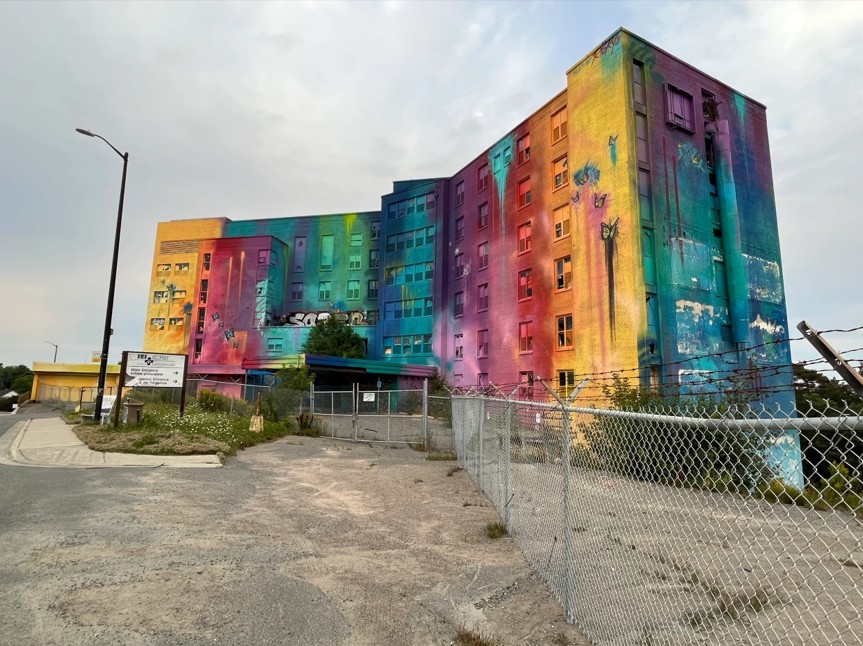
The Sudbury Regional Hospital dates to 1944 but was closed in 2010. A mural was painted on the outside, much to the displeasure of some of the community and the structure was finally demolished in September 2025. More pictures and the story can be found at this link.

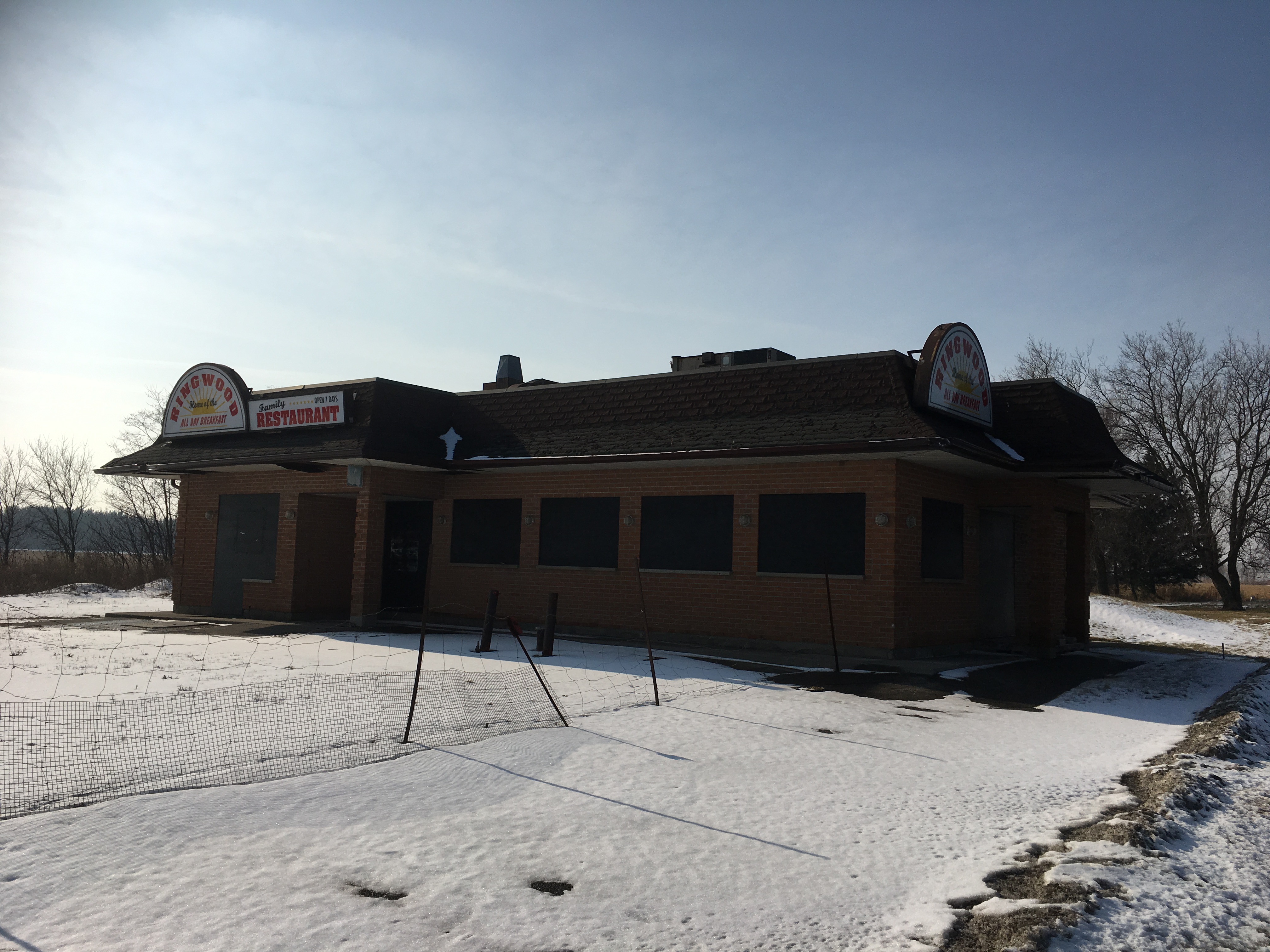
The former community of Ringwood has several abandoned historic buildings that are all likely to end up demolished. The first to go was the Ringwood Diner which was taken down last year. More pictures of the abandoned buildings in Ringwood and the story can be found at this link.

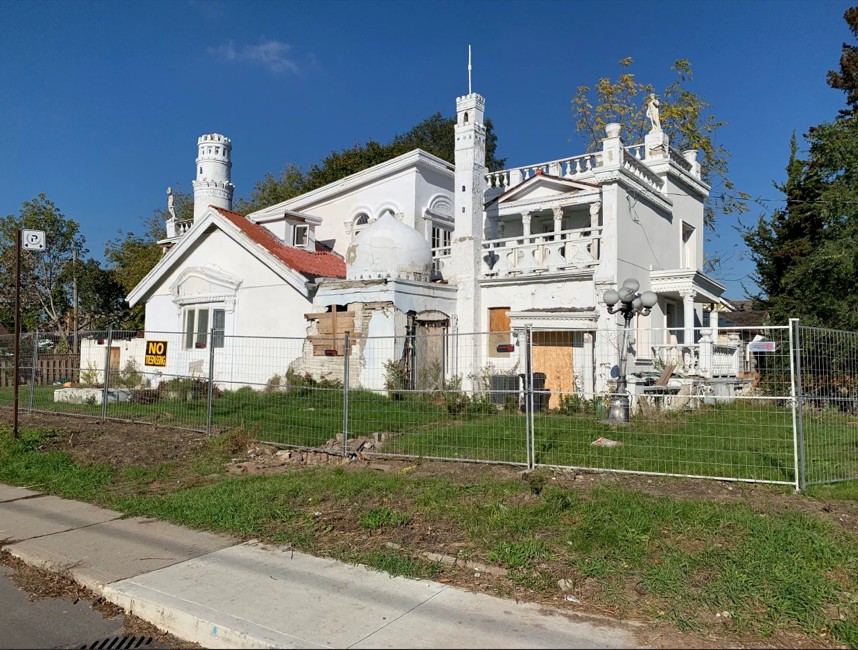
One of the most eccentric homes in Toronto was built by an individual who kept adding all kinds of different architectural styles to his home. After he passed the home fell into disrepair and has since been demolished. More pictures and the story at this link.

Historic sites continue to be lost due to neglect, fire and new development. It appears that both the Mountain Sanitorium in Hamilton and the London Insane Asylum may both have been demolished but these are still unconfirmed. No doubt other properties will lose their heritage structures as time goes along.

Google maps links are within the stories themselves

Like us at: http://www.facebook.ca/hikingthegta

Follow us at http://www.hikingthegta.com
Vanished Communities of Highway 10

As you drive between Shelburne and Markdale on Highway 10 you may notice several pioneer cemeteries that appear to be in the middle of nowhere. In fact, they were located in small communities with houses, stores, hotels, schools and churches. For different reasons the communities faded from prominence and disappeared. The buildings were lost to fire, neglect and demolition. Some were lost as the highway was widened and realigned. The first of these communities was just north of Shelburne and was known as Melancthon.

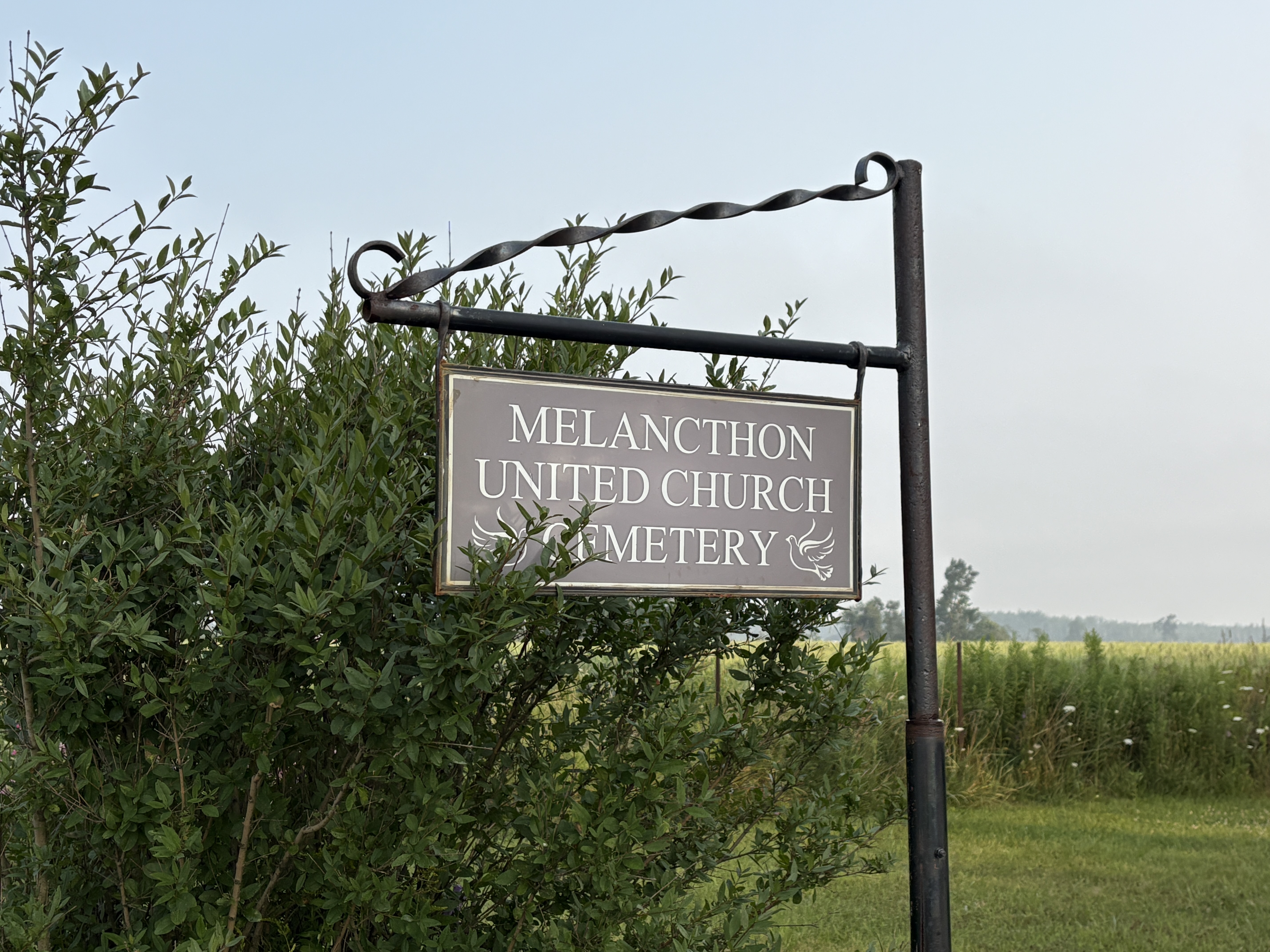
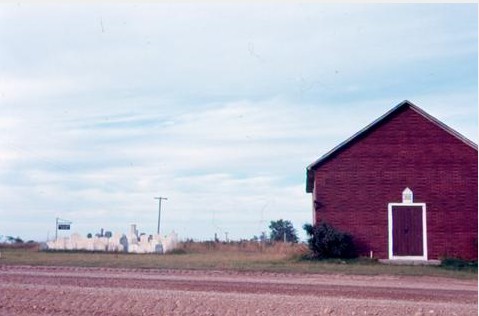
The Melancthon Methodist Episcopal Church was operating as early as 1858 as part of a circuit that included Shleburne, Hornings Mills and Maple Grove. It became part of the Methodist Church of Canada in 1885 and the United Church of Canada in 1925. The church was informally known as the Gravel Road Church and the Gravel Road Cemetery. The archive image below is from 1964 and shows the cemetery when the church building still stood beside it.

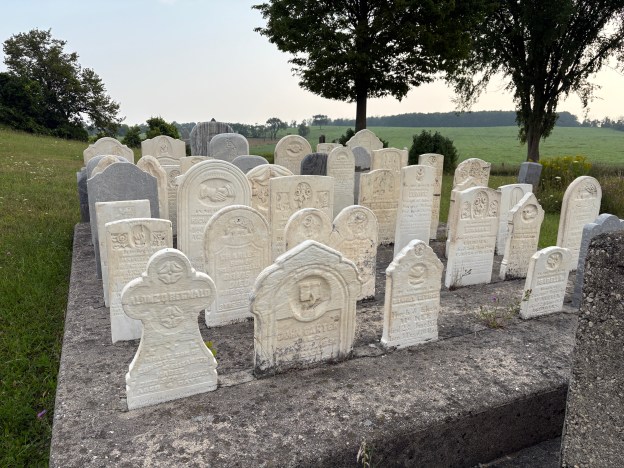
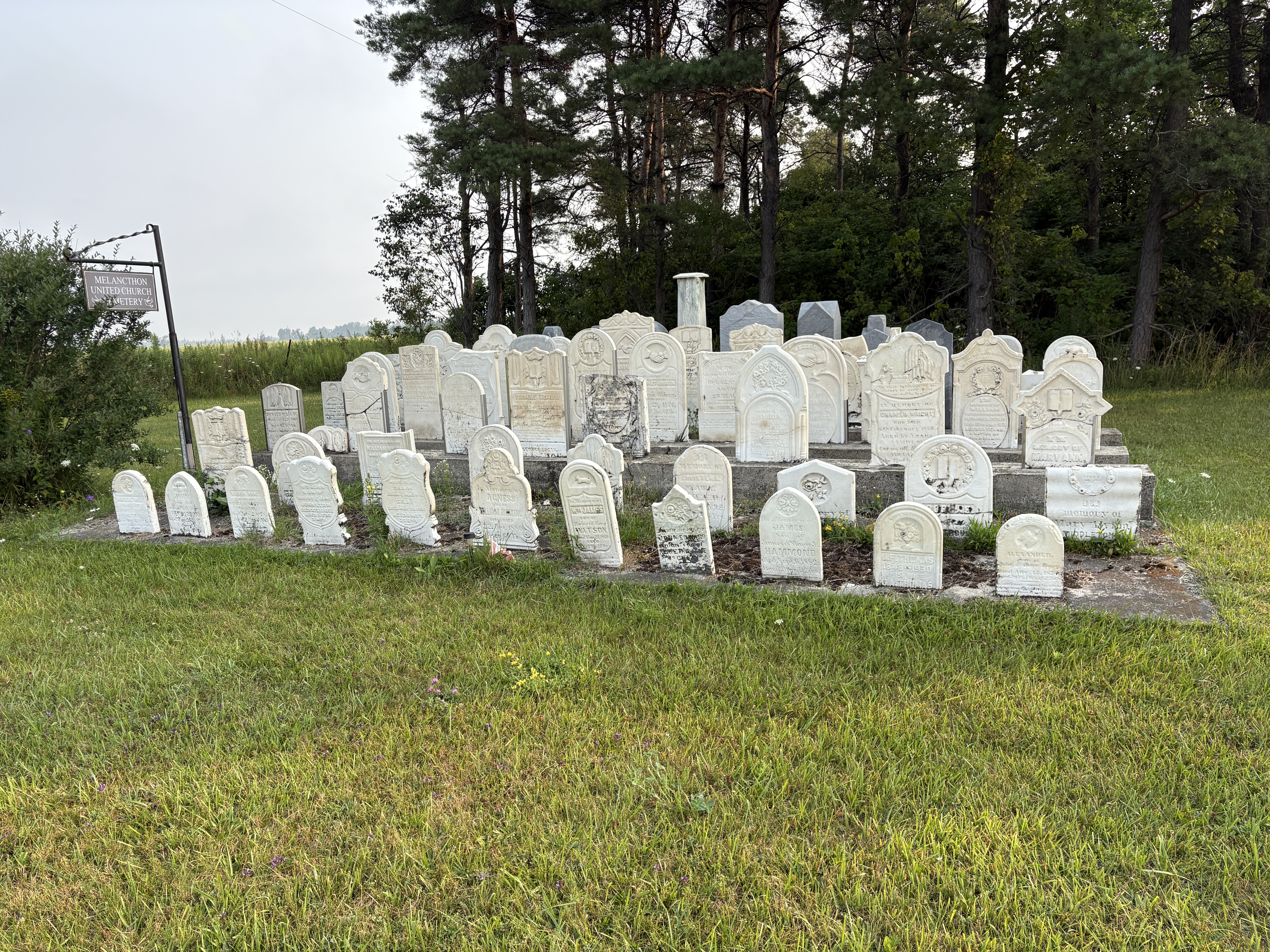
The stones were gathered into a central display when the road was widened and some stories say that the deceased may now be interred under the roadway. This cemetery can be found here.

 A hewn-log Catholic church was built in 1858 which also served as a school and was later named St. Patrick’s Catholic Church. This building was used for twenty years before it was decided to replace it with a brick building. As the community of Melancthon slowly disappeared, the attendance in the church dropped off. By 2017 there were only about 40 people left in the congregation and the building was deteriorating badly. It was decided to leave the building and amalgamate with the Trinity United Church in Shelburne. The building has stood empty now for the past 8 years and its fate is in the hands of the Catholic Diocese of Hamilton.

Melancthon soon had 4 hotels, a blacksmith, undertaker and several stores. An Orange Lodge was built in 1858 and a Methodist Church in 1860. A town hall was added in 1874. Things changed rapidly after the First World War as the lumber industry was finished and changes in agriculture styles left the town in a continual downward spiral. Soon, all the commercial buildings and industries were gone and now only the church remains. In the cemetery beside the derelict building are 171 headstones that mark the graves of some of the areas earliest pioneers. This cemetery can be found here.

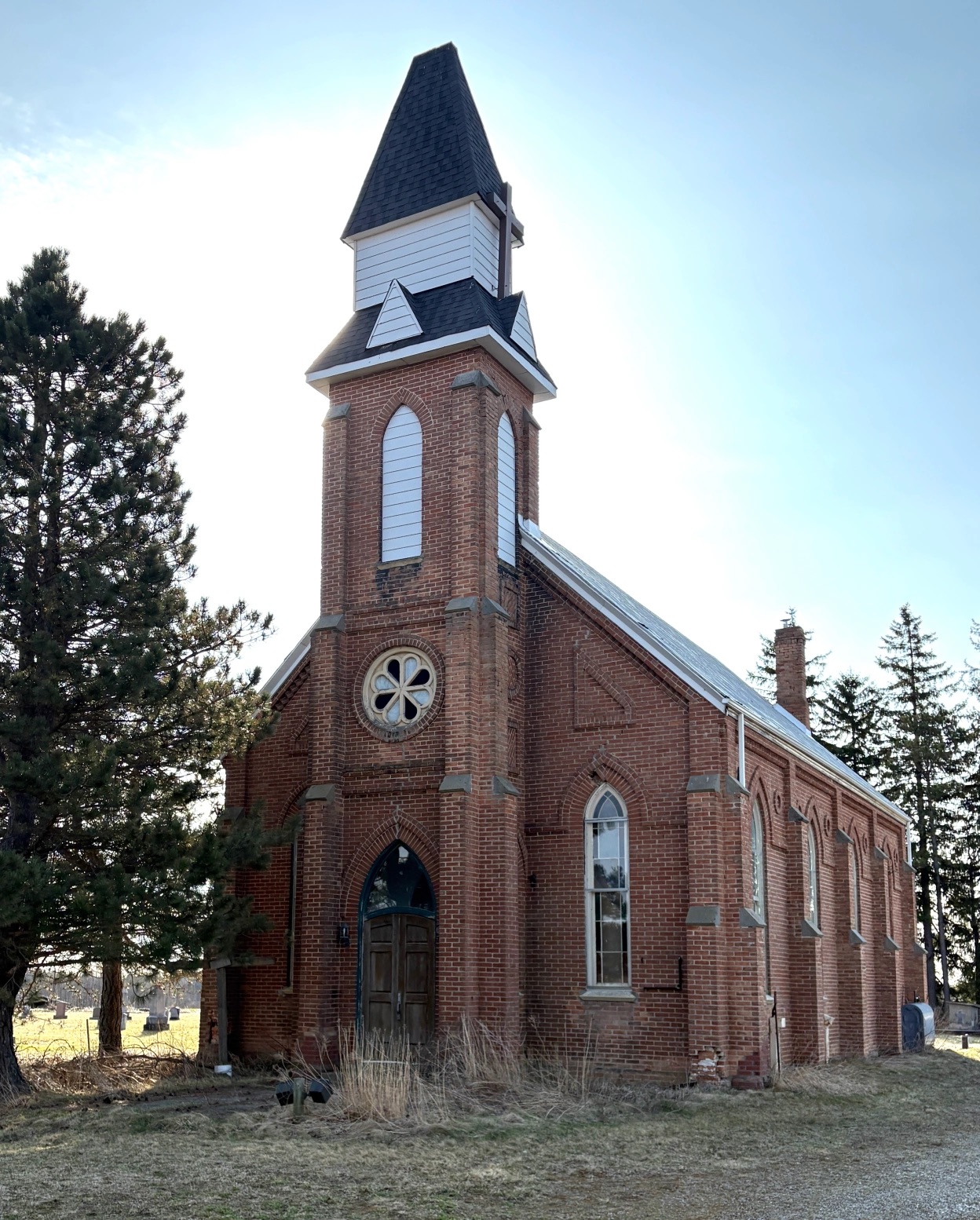
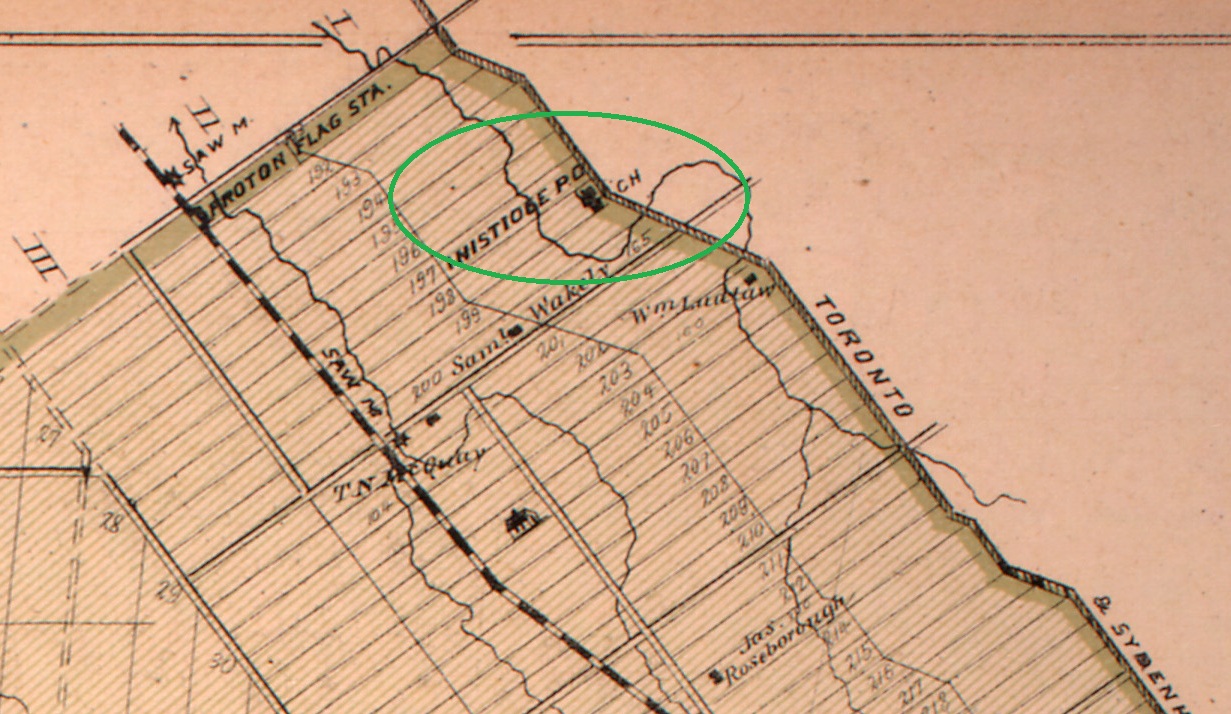
On the 1877 County Atlas the community of Inistioge doesn’t look like much. It was founded around 184 when the Toronto-Sydenham Road (Now Highway 10) was being opened up. George Armstrong and his family arrived from Inistioge, Ireland and started to build a community. Methodist Church services were held in the home of George Snyder until about 1850 when a log church was built on the Armstrong Farm. A cemetery was opened up beside it with the first burial being in 1851. That same year a post office was opened in the Armstrong home under the name of Proton but this name was changed to Inistioge in 1865.

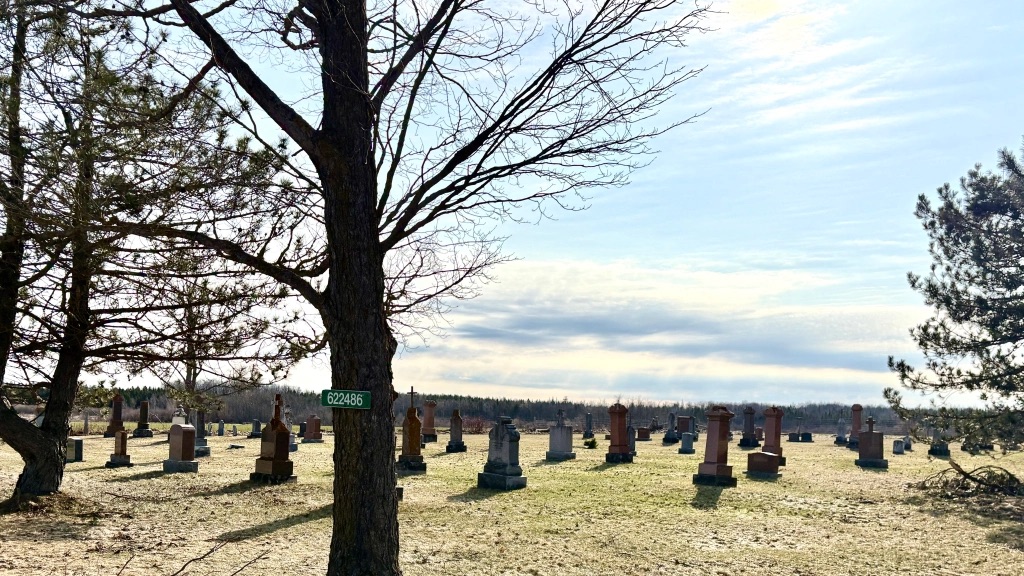
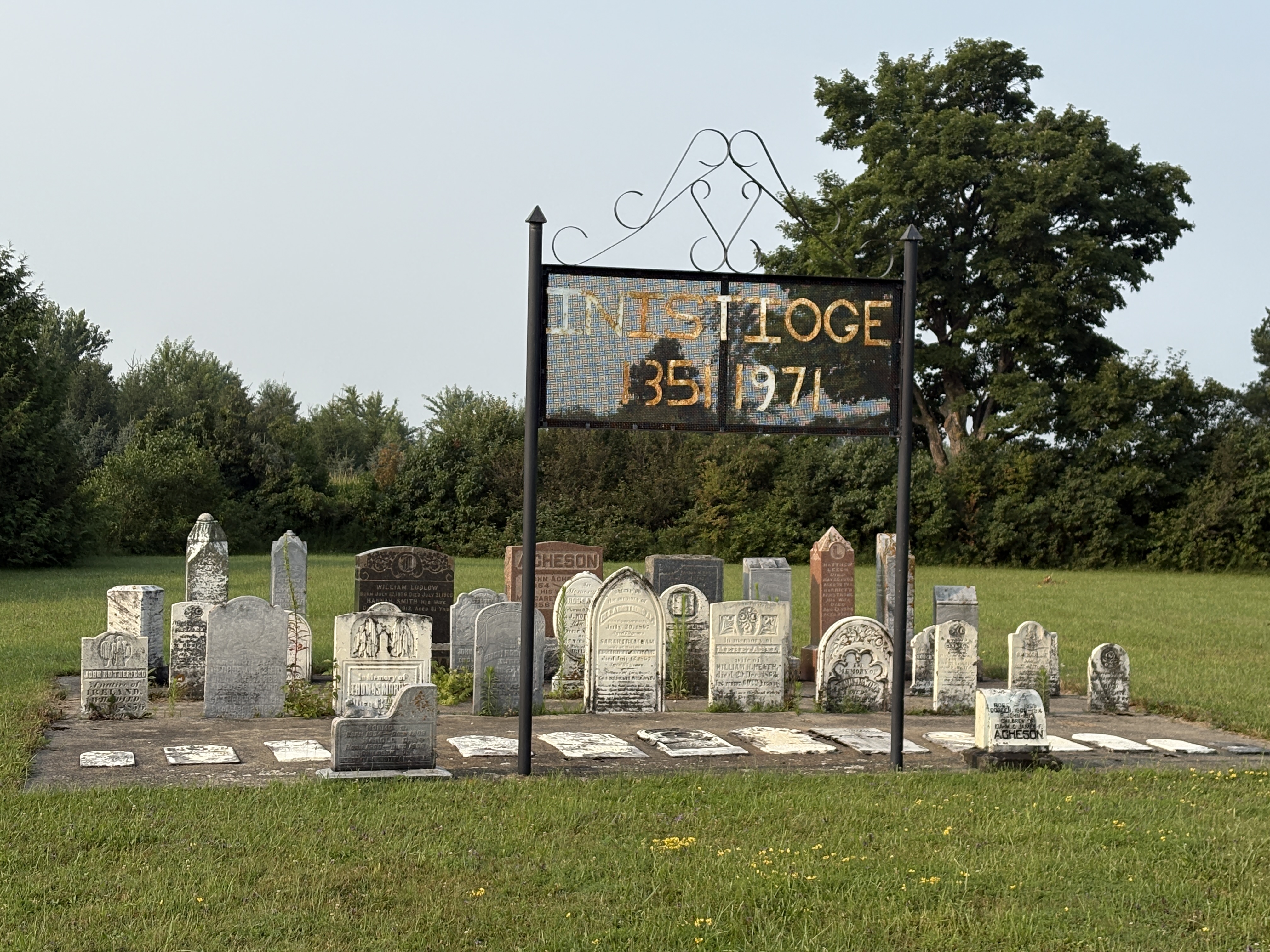
Inistioge attracted a growing number of businesses including a blacksmith, shoe maker, harness maker, hotel, saw mill, general stores and hotels. When the railway passed them by in 1872 and the decline of the community began. The log church lasted for 20 years but was replaced in 1871 with a new, larger building. It was closed in 1961 and later demolished. The school was built in 1865 and replaced with a new building in 1889. This new building remains as a private residence and is about the only surviving remnant of the town with the exception of the forgotten cemetery with its wrought iron sign. This cemetery can be found here.

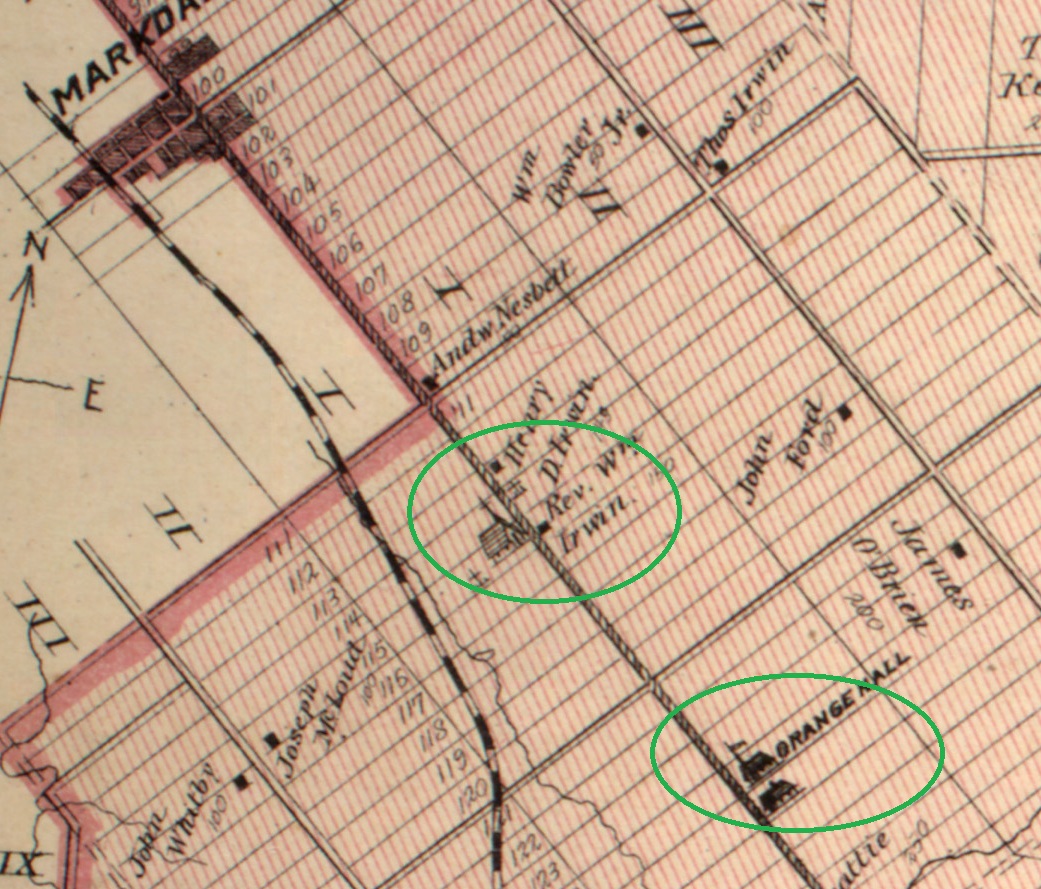
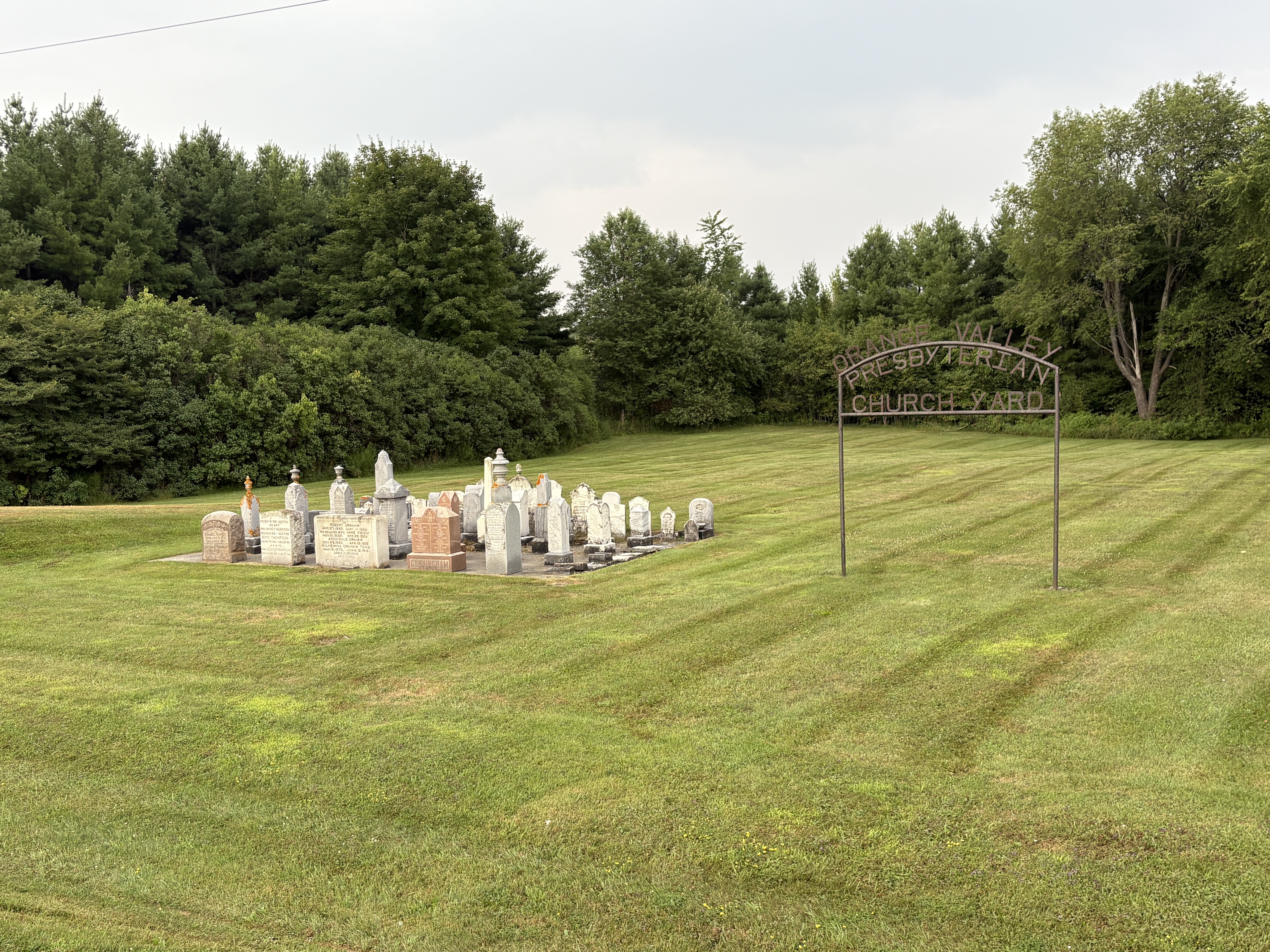
South of Markdale there is an isolated cemetery on opposite sides of the road. The one on the east side of the road is the Irwin Cemetery and on the west side is the Orange Valley Presbyterian Cemetery. These are both found in the upper circle on the 1877 county atlas image below. The orange hall a few lots south was all that existed at this time to show the location of another public building.

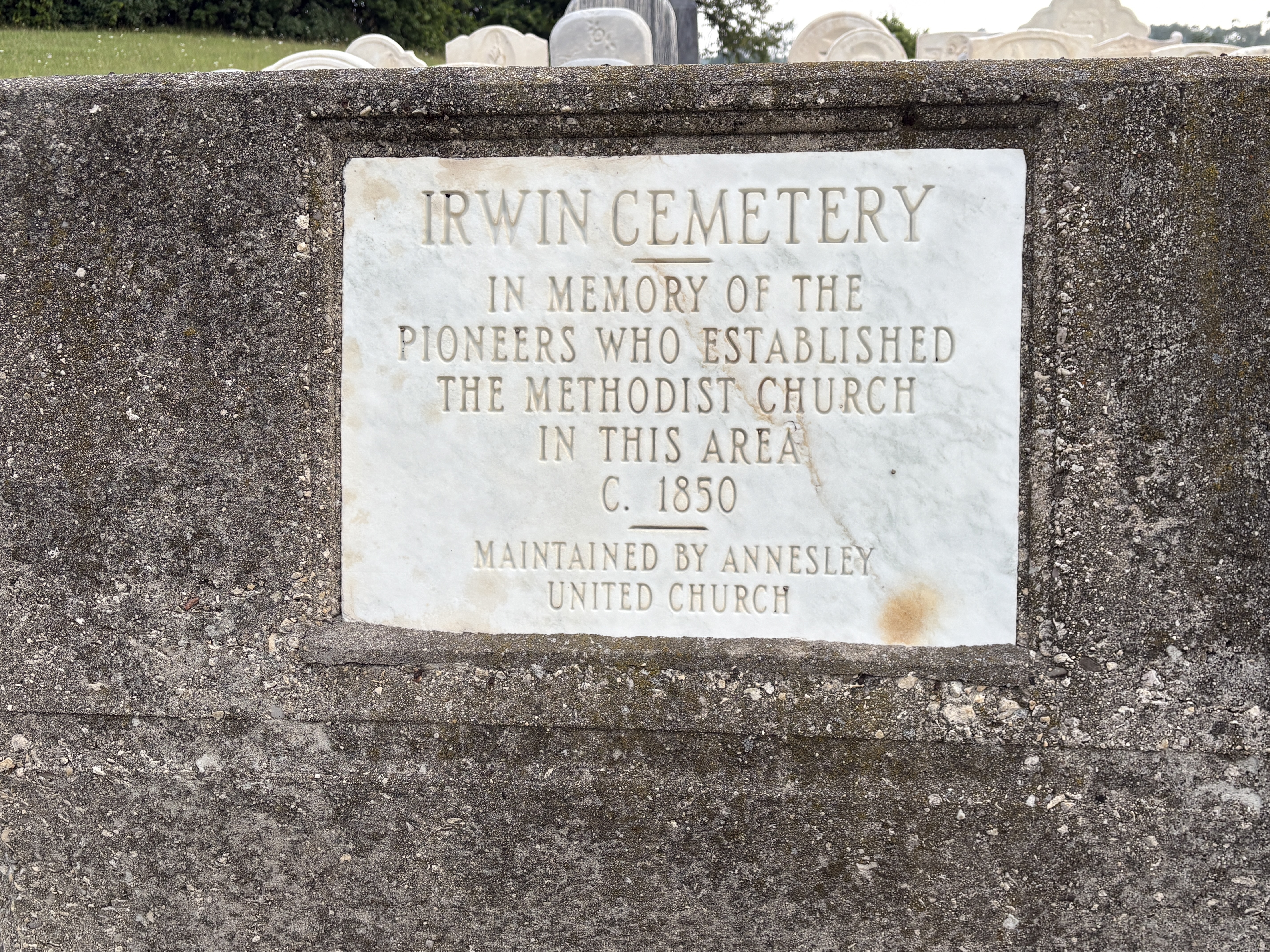
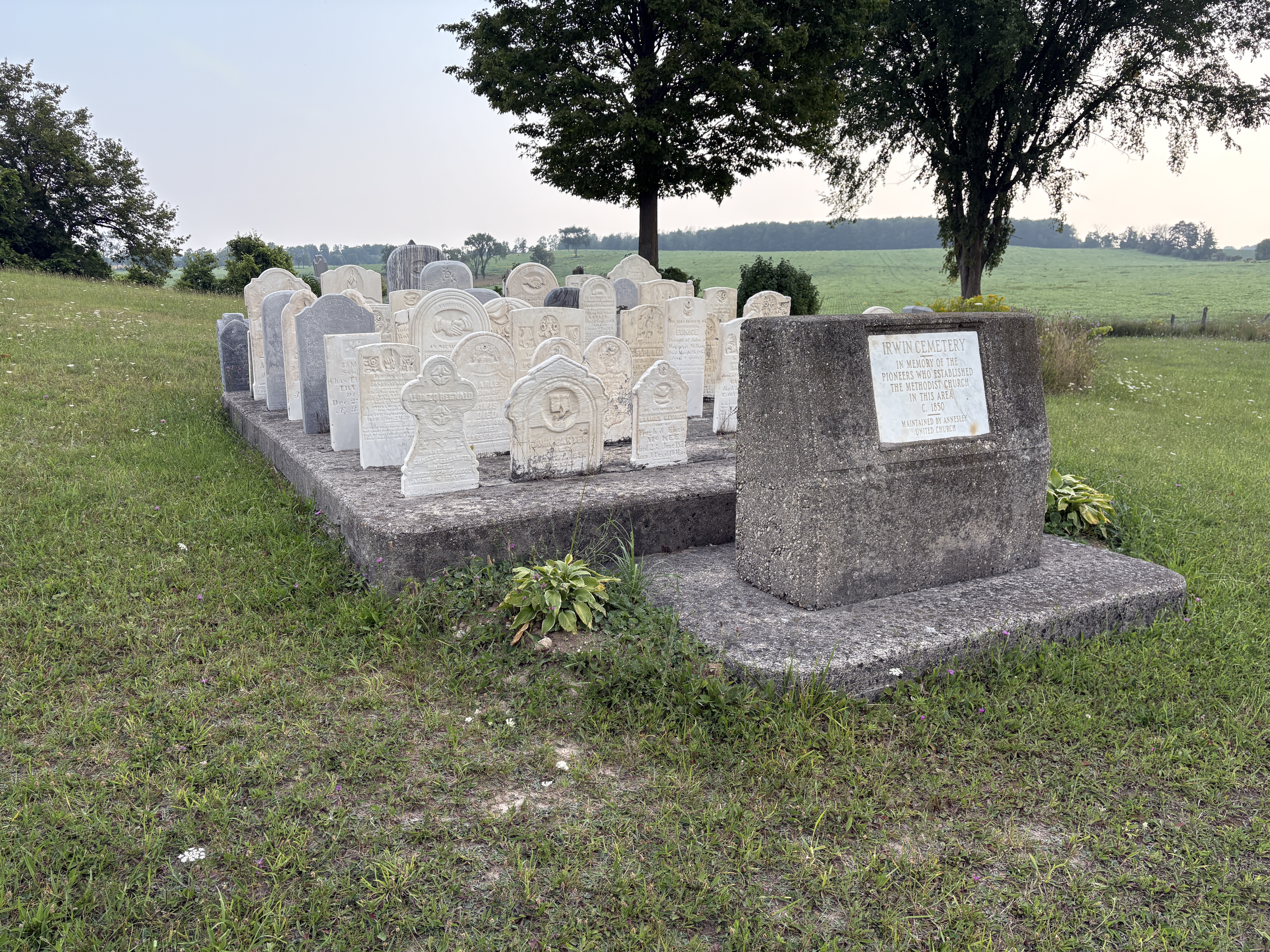
Methodism followed the settlers into the area and by December of 1849 worship services were being held in the home of the Miller family. A log church was opened in June of 1856 at the cost of $150. It was on land donated from the Irwin farm and had seating for 150 people. When a new Methodist Church opened in Markdale in 1870 the congregation of the Irwin church went there or to Annesley Methodist.

The church is gone but the cemetery remains. The stones are mostly all of the burials are from the 1870s and earlier. As usual they were gathered together into a cairn. This cemetery can be found here.

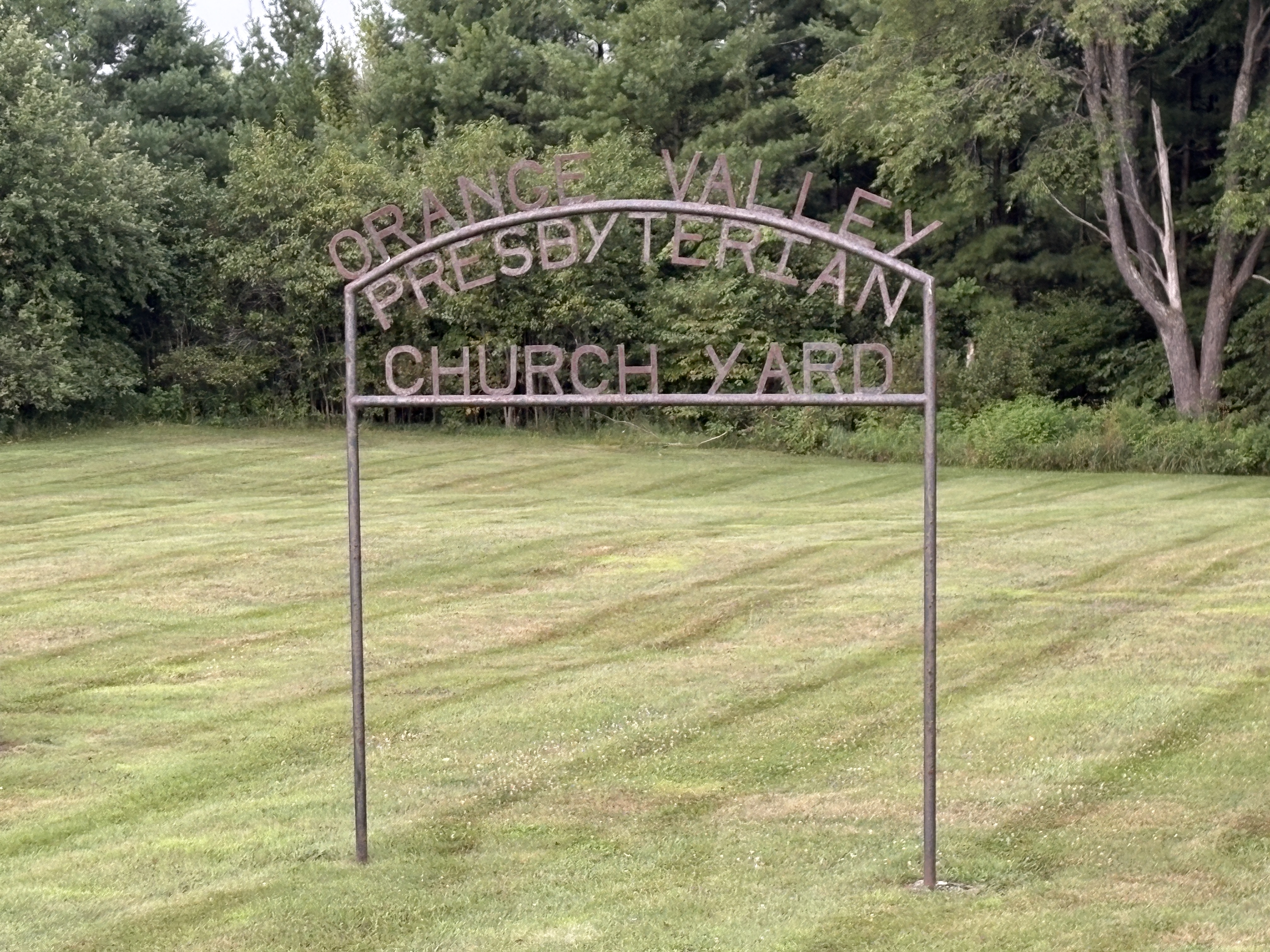
Orange Valley Presbyterian seems to be a bit of a mystery with limited information available. Although there is no community marked on the map in the 1870s when many of the burials took place, there are close to three hundred individuals laid to rest in the two cemeteries, mostly in the 19th century. This suggests a sizeable local community or that most congregants were coming down from Markdale as well as from local farms.

The burials are commemorated with 127 memorials beginning in the same time period as those across the street. Most burials here are prior to 1925 when the Presbyterian Church joined with the Methodist Church to form the United Church of Canada. That spelled the end of this small congregation and later burials appear to be spouses who were later laid to rest with their departed loved ones. This cemetery can be found here.

These cemeteries are the last remaining vestiges of small rural communities that thrived and then faded away during the pioneer period in Ontario.

Related Stories: Pioneer Heartbreak, Pioneer Cemetery Cairns

Google Map links in stories.

Like us at http://www.facebook.com/hikingthegta

Follow us at http://www.hikingthegta.com
Woodside National Historic Site

August 9, 2024

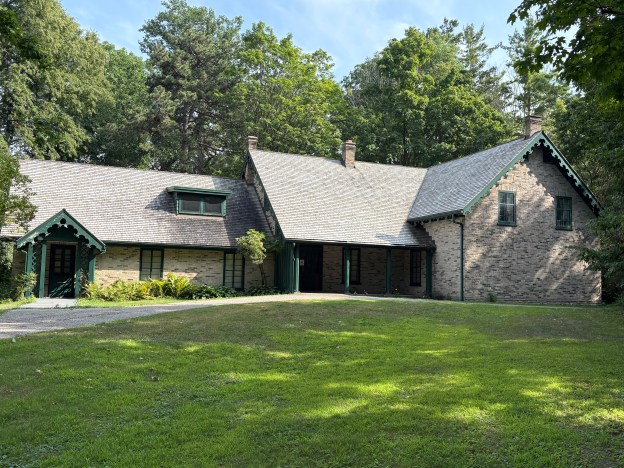
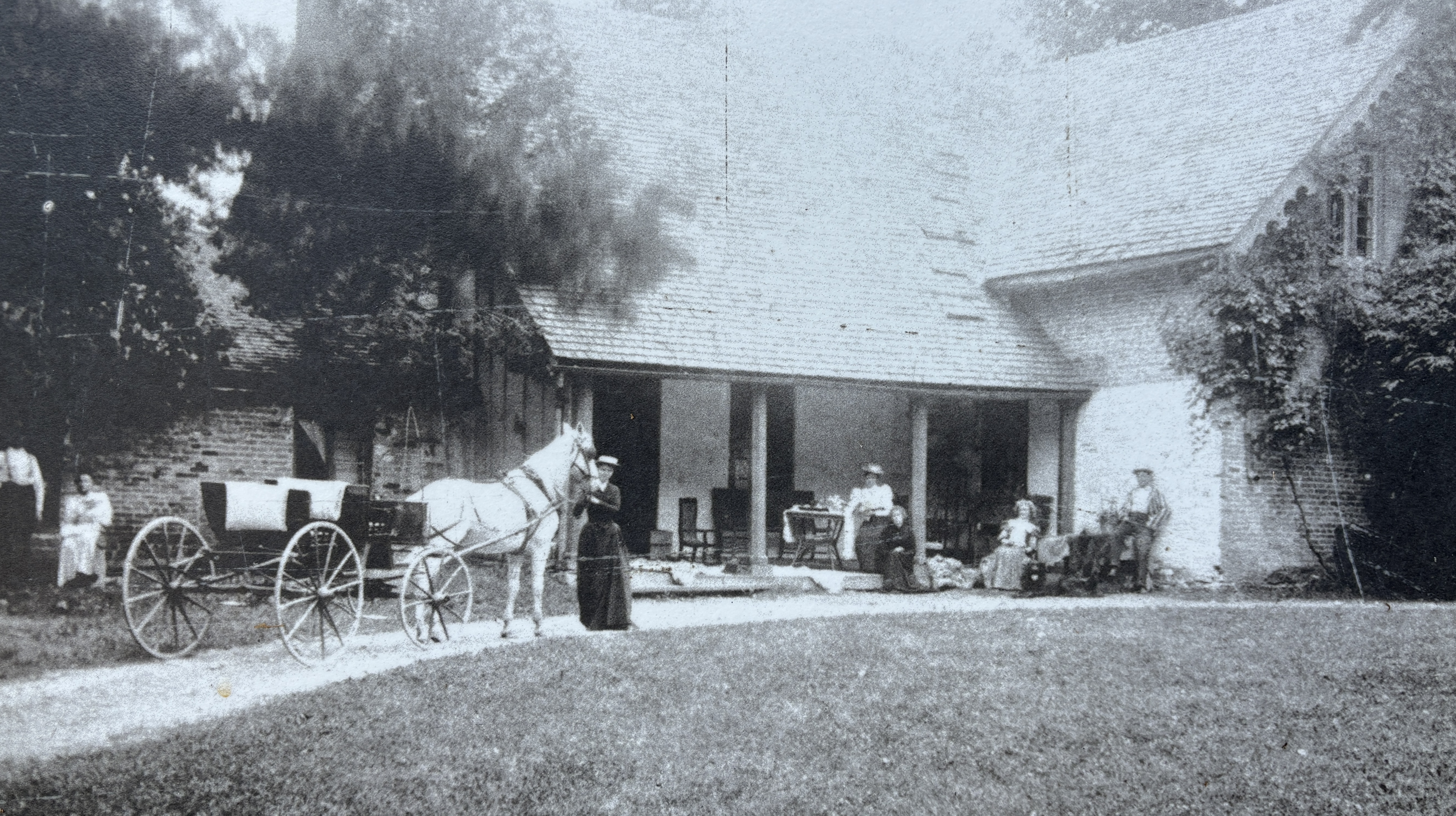
A former country estate has become surrounded by Kitchener/Waterloo but still retains its earlier charm. Now known as Woodside, the home was originally built in 1853 by James Colquhoun. When he passed away in 1877 the property underwent several tenants until it sat empty for several years. The image below shows the home in the Victorian Era.

Between 1886 and 1893 the house was occupied by the King Family. John and Isabel King lived here with their four children. Isabel, Janet, Dougall and William who enjoyed their childhood in this quiet setting. William would go on to become the tenth Prime Minister of Canada.

William Lyon Mackenzie King was the grand child of William Lyon Mackenzie who was instrumental in leading the Rebellion of 1837 in Upper Canada.

William became the leader of the Liberal Party in 1919 and held that position until 1948. He was elected Prime Minister in 1921 and held the position until 1926. Arthur Meighen was the Prime Minister for about three months between June 29, 1926 and Sept. 25, 1926. King would then take back over from then until Aug. 7, 1930. He would return again as Prime Minster from Oct. 23, 1935 until Nov. 15, 1948.

When the King family moved out the house went through several more tenants until it sat empty until the early 1940s when it was in danger of being demolished for a housing development.

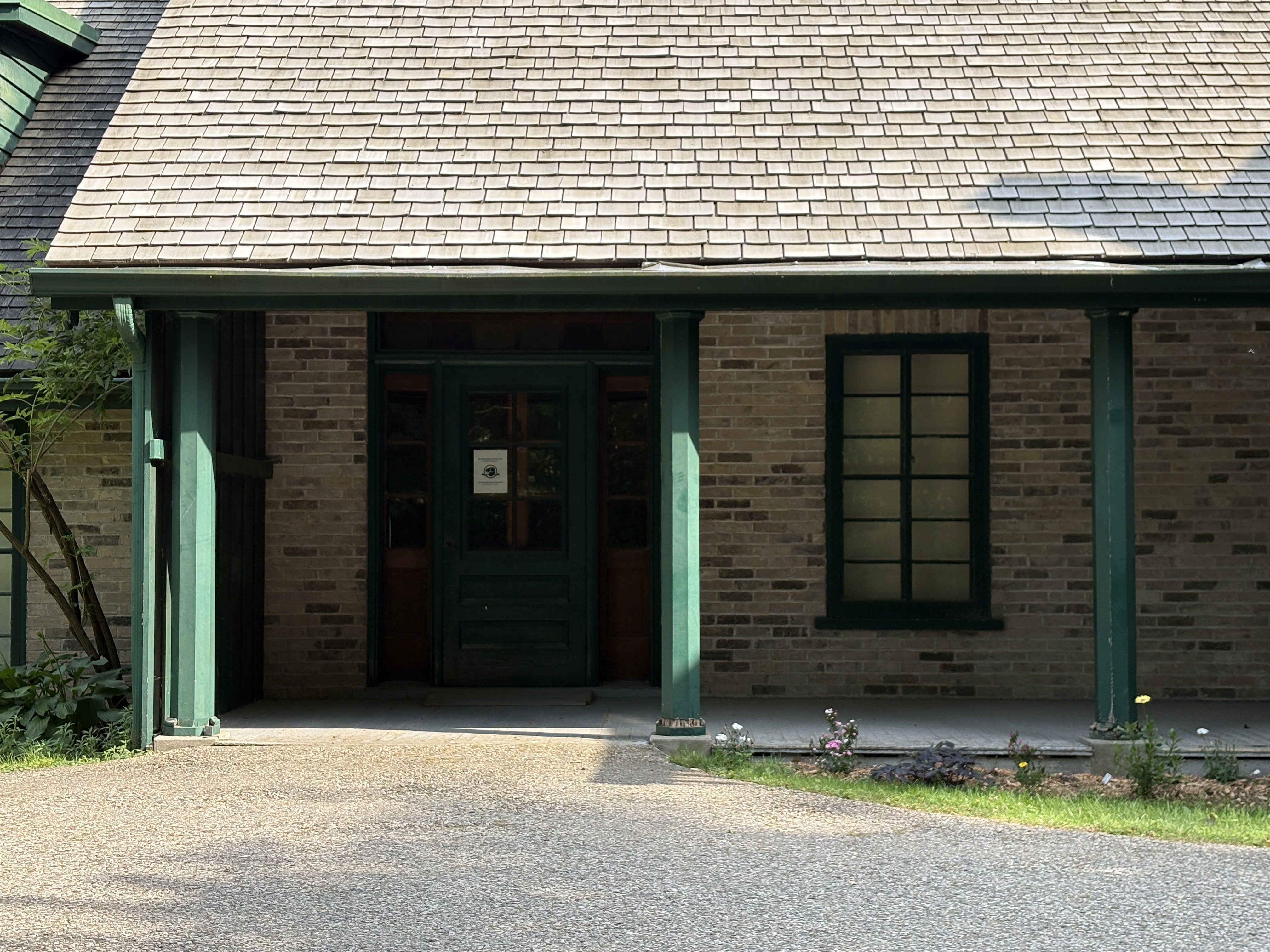
The home was reconstructed in 1942 using original materials and furnished to represent the 1890s when William Lyon Mackenzie King lived there. William and his family were consulted during the renovations to help with the authenticity of the decor. It was designated as a National Historic Site in 1952.

4.5 Hectares of property has been retained along with many of the original pathways and gardens. A lily pond and Tulip Tree have been retained behind the house as well as several acres of forests and lawns.

Jack In The Pulpit seeds come out in the summer after the plant is done flowering. These seeds will turn bright red in the fall and can be planted under a small amount of soil. Jack in The Pulpit can grow for 100 years from the same underground corm.

Like other National Parks in Canada, Woodside is free to visit this year.

Google Maps Link: Woodside National Historical Site

Related Stories: William Lyon Mackenzie King

Like us at http://www.facebook.com/hikingthegta

Follow us at http://www.hikingthegta.com
Waterdown

July 5, 2025

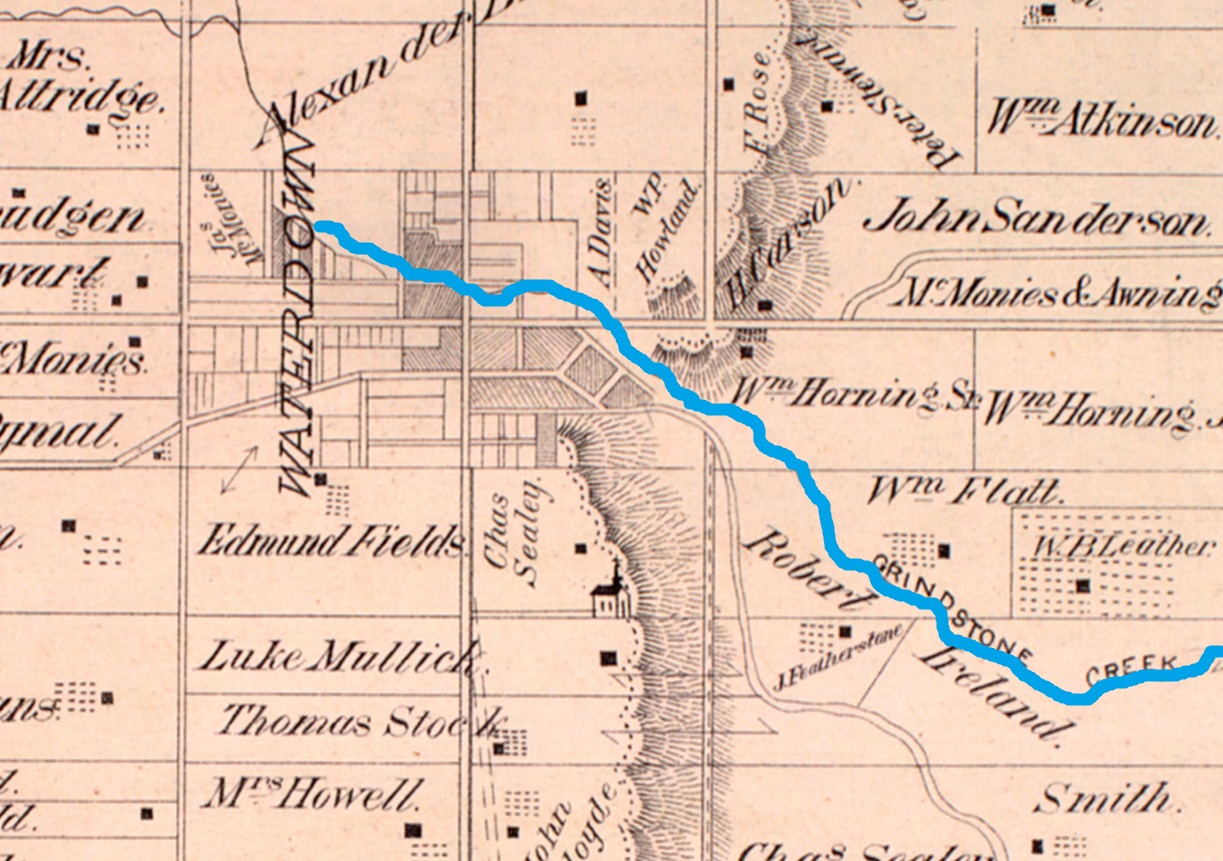
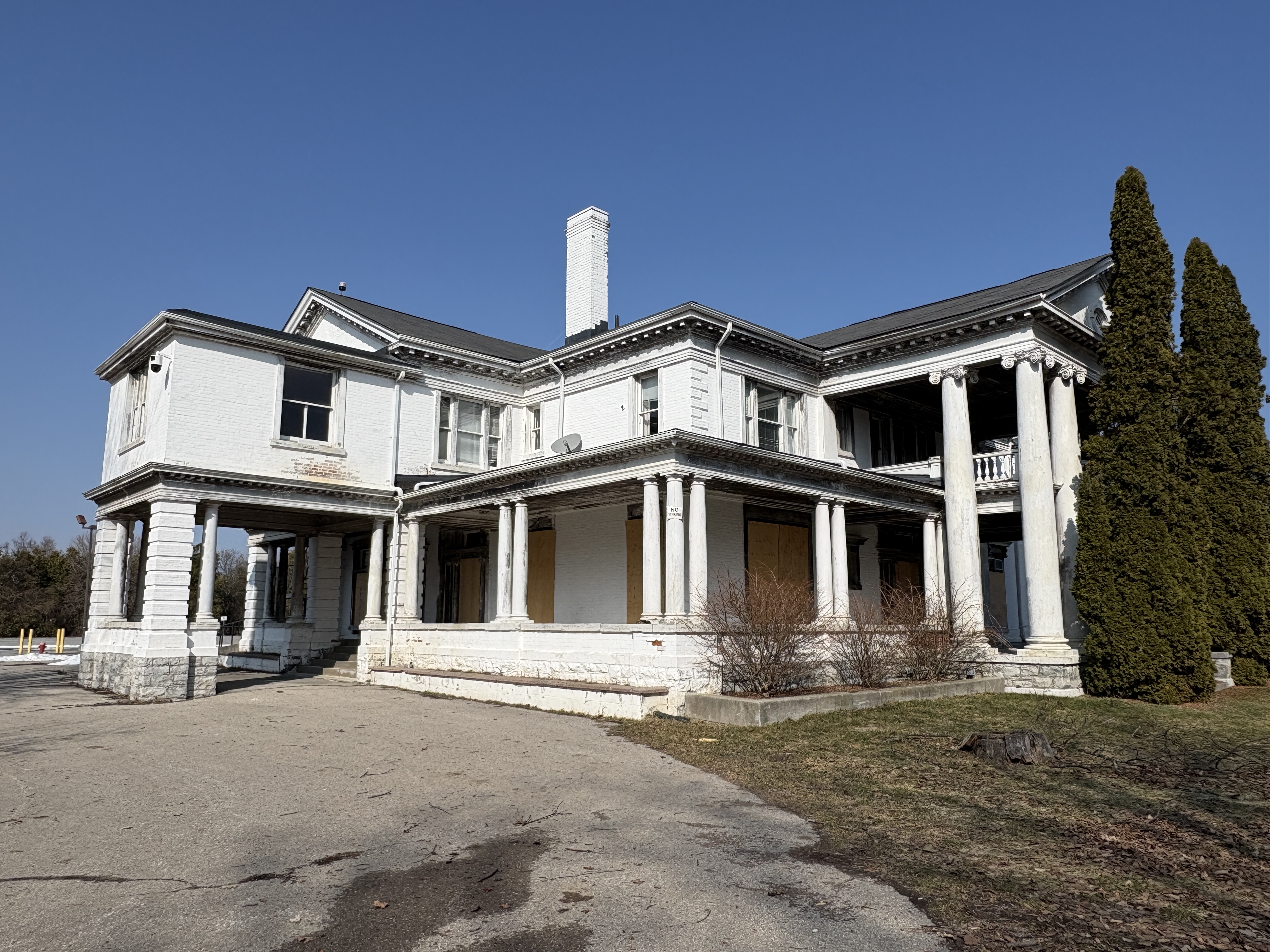
The first Europeans arrived at the future site of Waterdown in 1669. The indigenous people had been living there since at least 7,500 BC. Following Treaty No. 3 the area was laid out for settlement with one of the first settlers being Alexander Brown who bought 800 acres of land and built a log cabin and saw mill above the Great Falls in 1802. Ebenezer Griffin bought much of this land and divided it into town lots in 1830. He was largely responsible for the founding and development of Waterdown. The image below shows the 1877 County Atlas of the town.

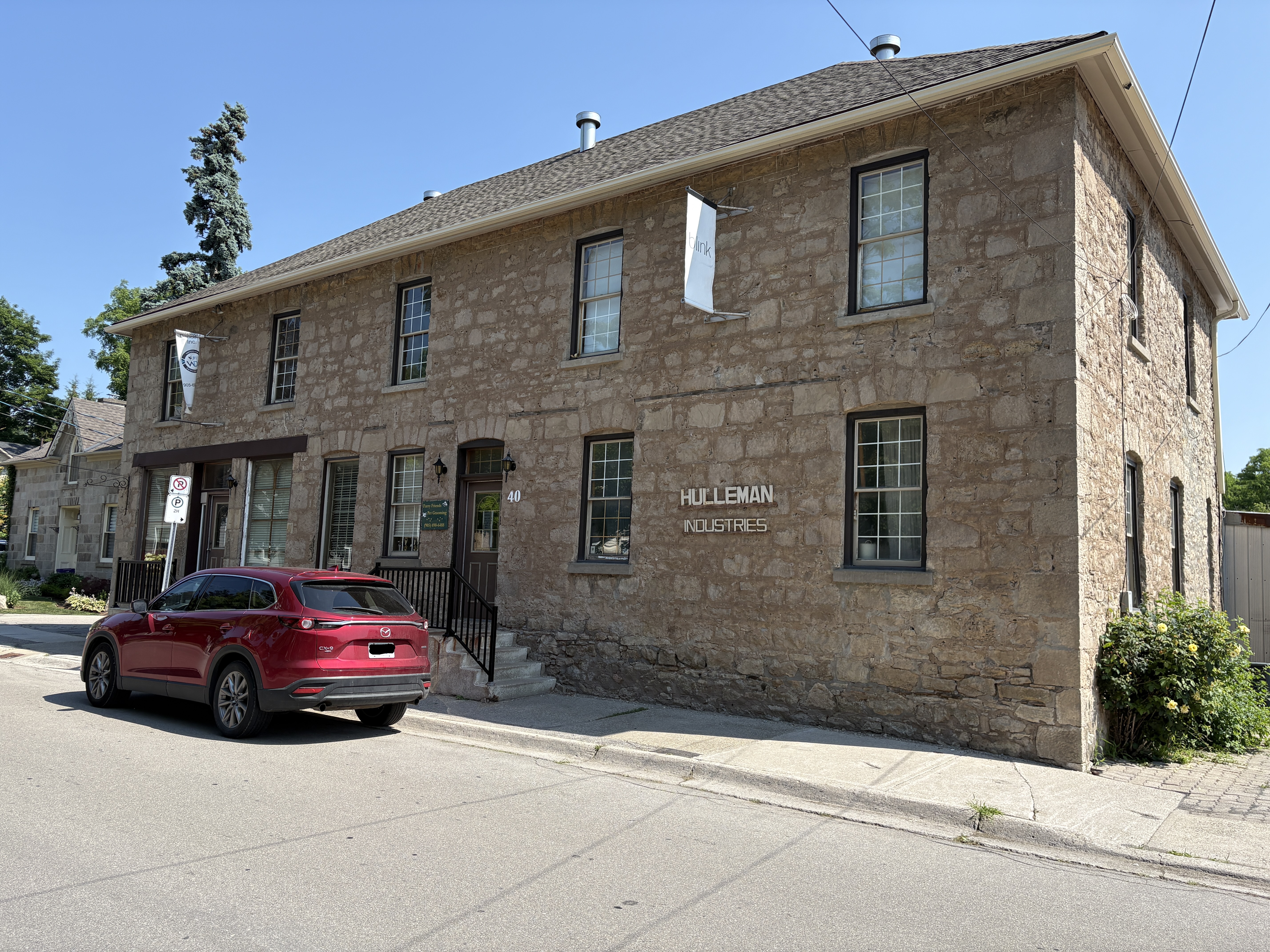
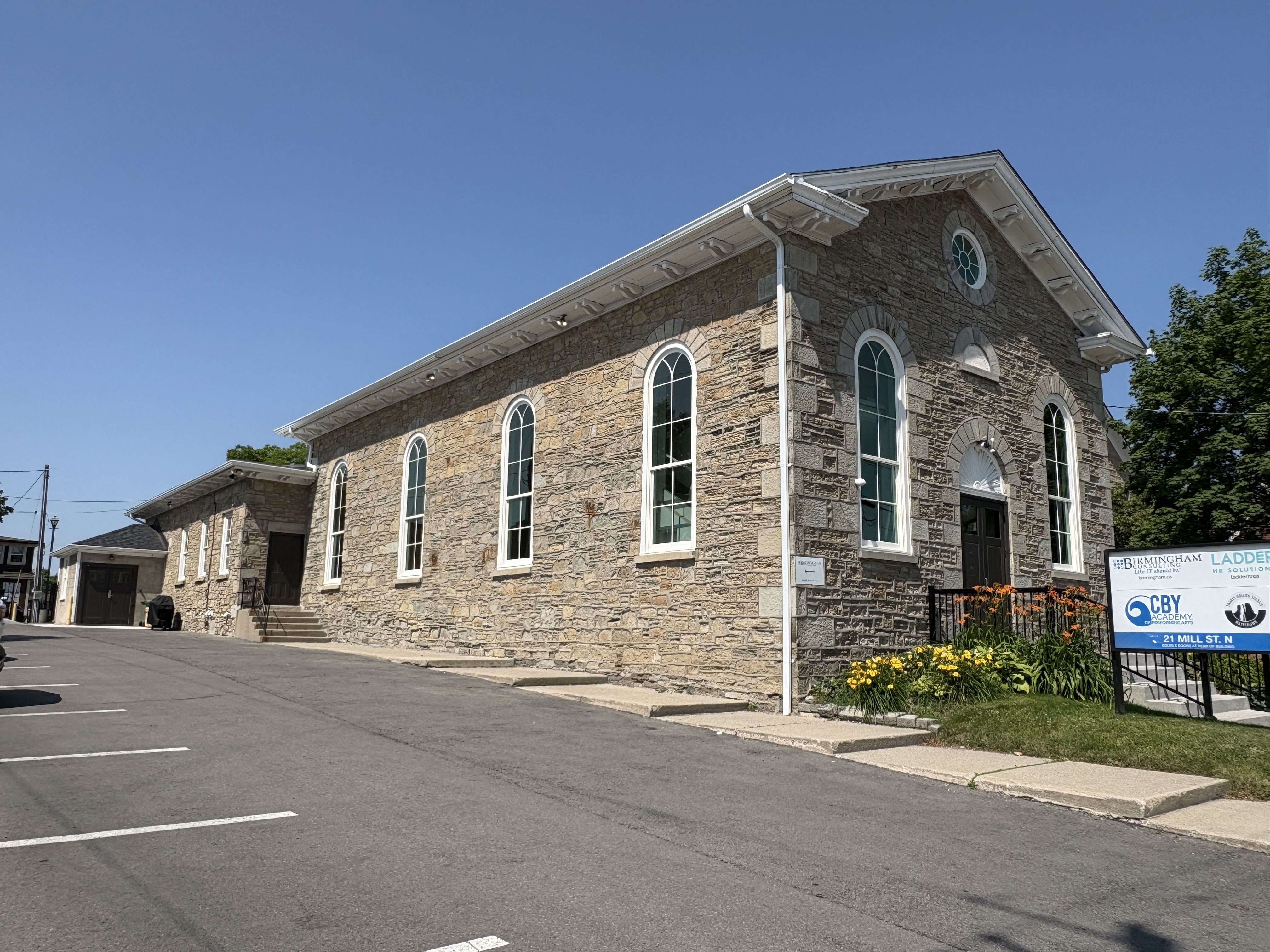
The former factory at 40 Mill Street North has had many functions over the years. It was built prior to 1870 as this is the date of record for its purchase by Charles Sealey. It has served as a flour and feed mill, was home to many stores and a toy factory. In 1925 Harlan Stetler and George Nicholson bought the building and opened their jam factory. It operated into the 1980s before closing. It is currently in use as offices for an engineering firm.

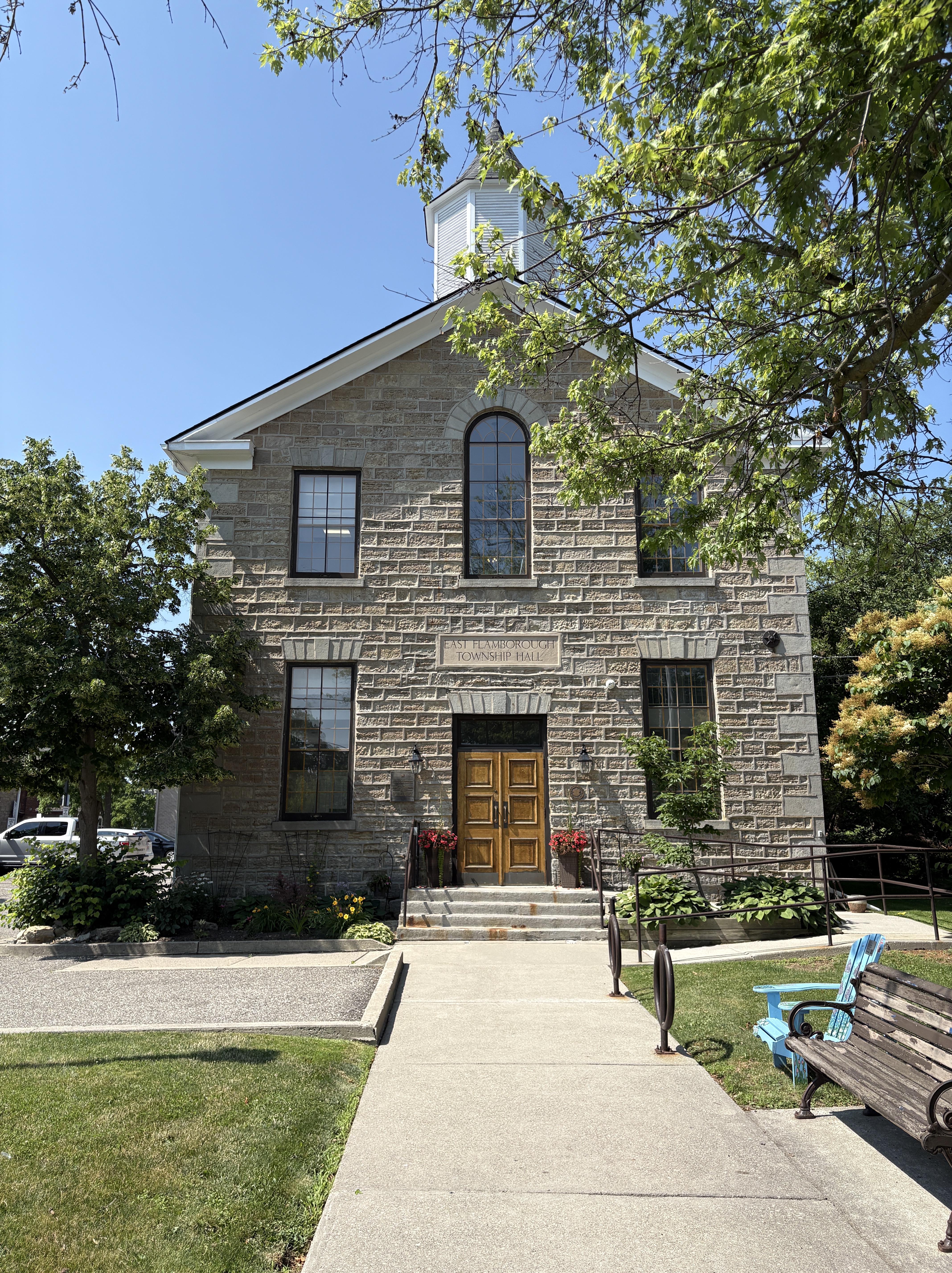
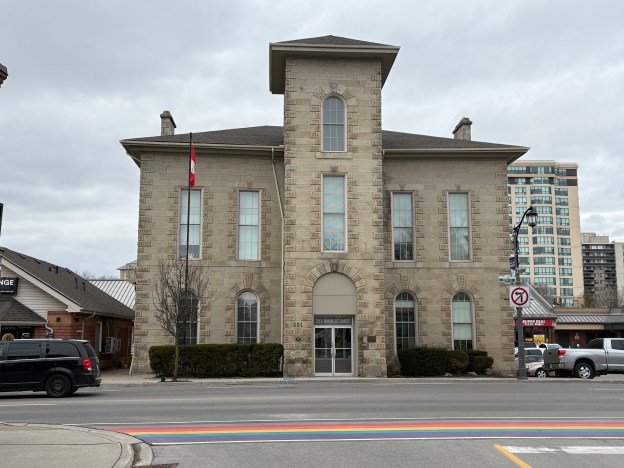
The Town Hall site was purchased in 1856 and was opened two years later. It was constructed from limestone which was quarried locally. The structure was used as the town library from 1979 to 2015. Two grave stones of early Waterdown settlers were located inside the library. The markers for Alexander Brown and Merren Grierson were moved to the new library and the building was renovated to house a law firm.

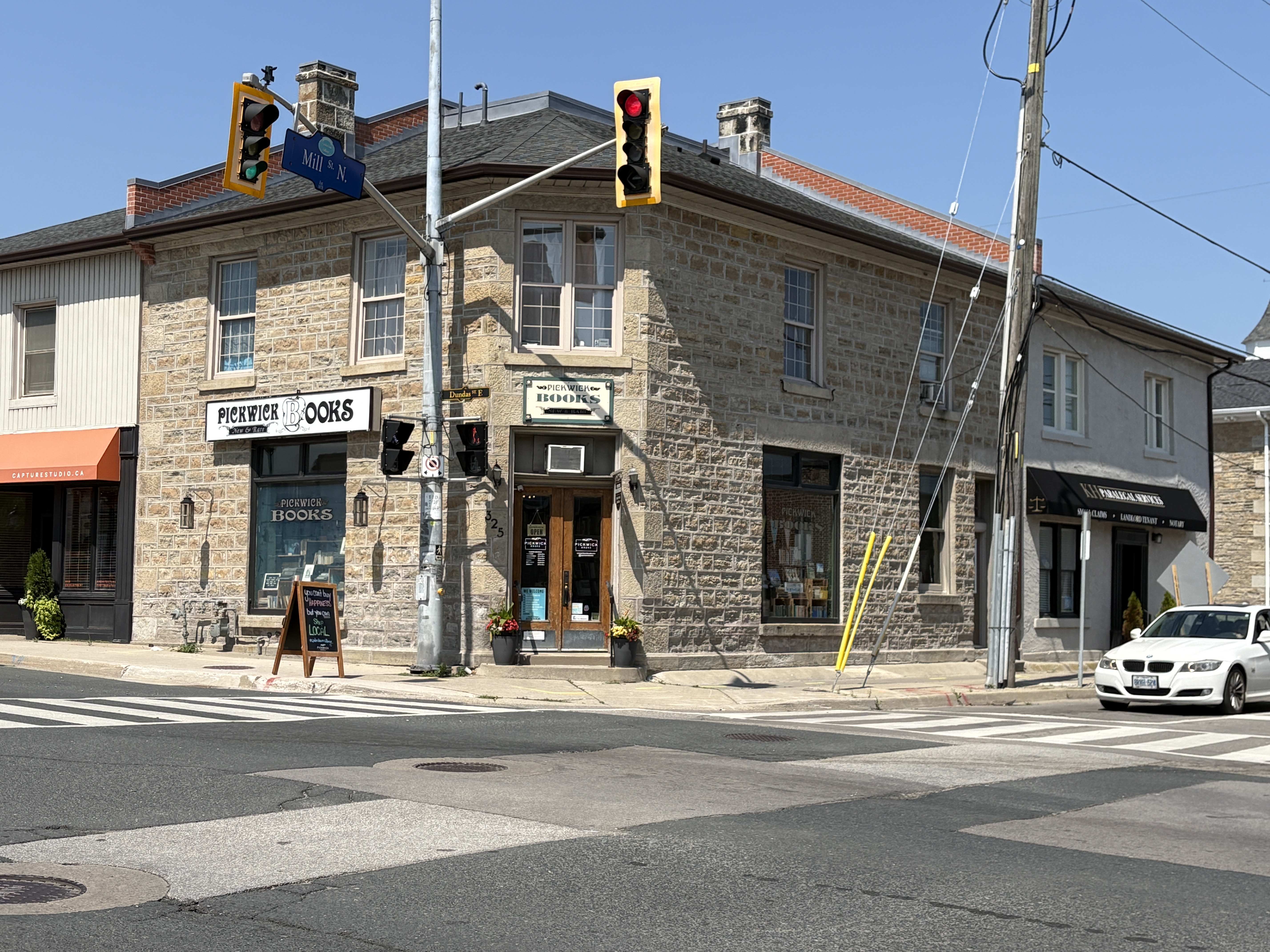
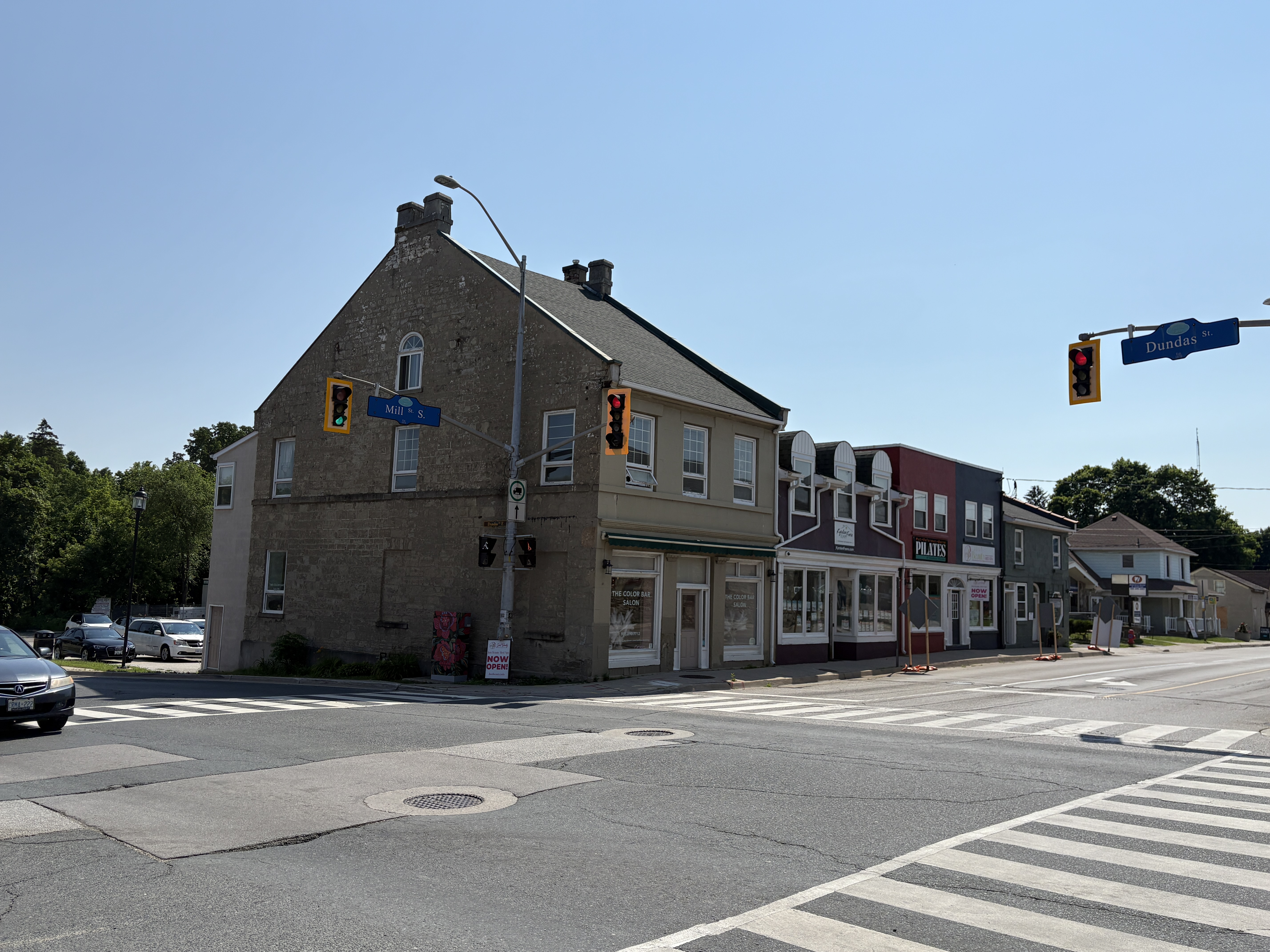
The Traders Bank operated in Waterdown from 1909 to 1921 and was located in the building on the north west corner of Mill Street and Dundas Street. The building has been used for several purposes over the succeeding years and is currently home to Pickwick Books.

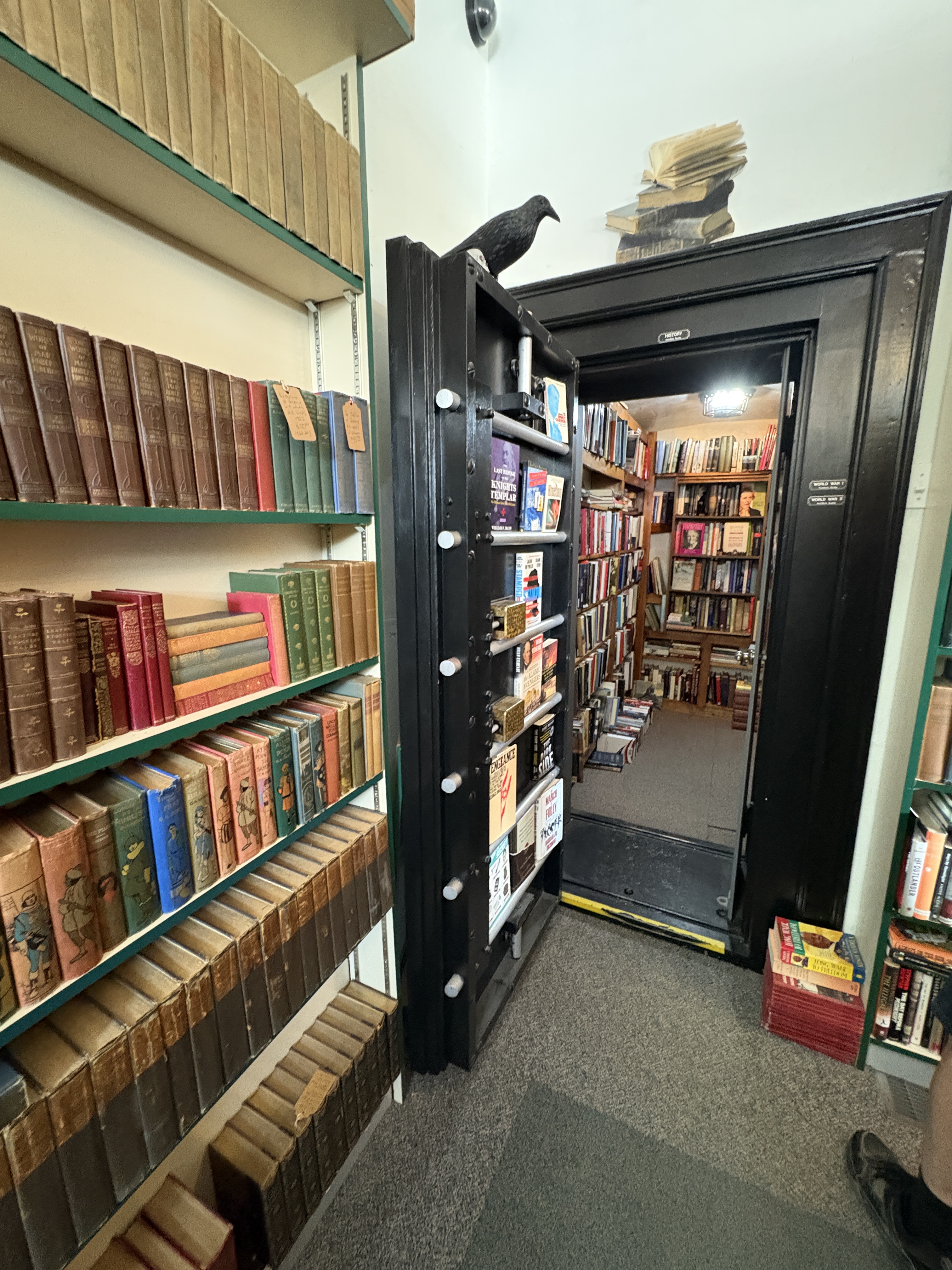
One would think that the most valuable books in the store would be kept in the old bank safe. However, what we found inside was biographies about Canadian Prime Ministers and American Presidents.

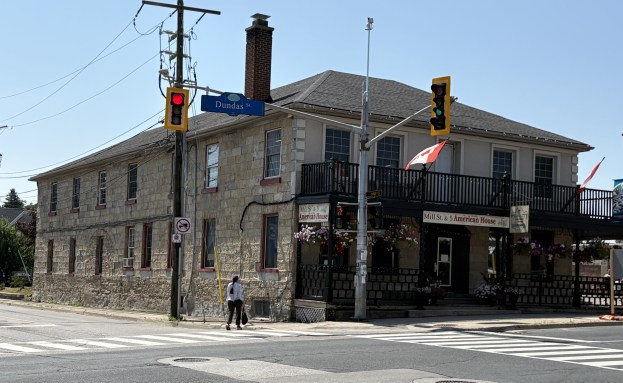
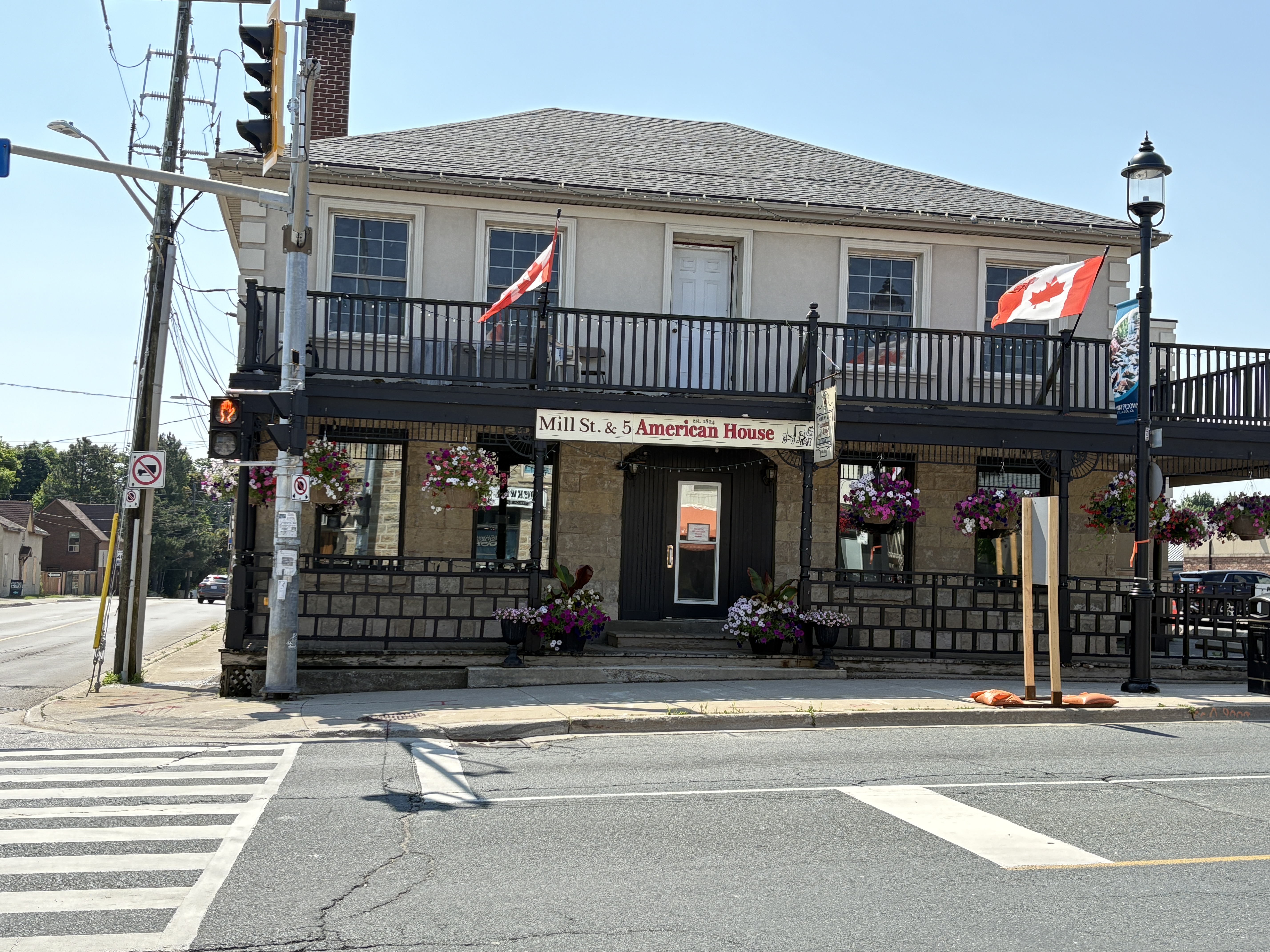
The site on the south west corner of Mill and Dundas streets was originally the location of the first log school building in the area. The American House hotel was built in 1824 and has been a permanent fixture in town ever since. At one time there were seven hotels in operation in town but only this one remains. At least a dozen different owners have operated the hotel over the years and these records appear to be incomplete. The hotel was closed during prohibition but was reopened in 1933. It has been extensively renovated with the original floors, tin ceiling and stand up bar being removed. We had a nice lunch here while visiting the town.

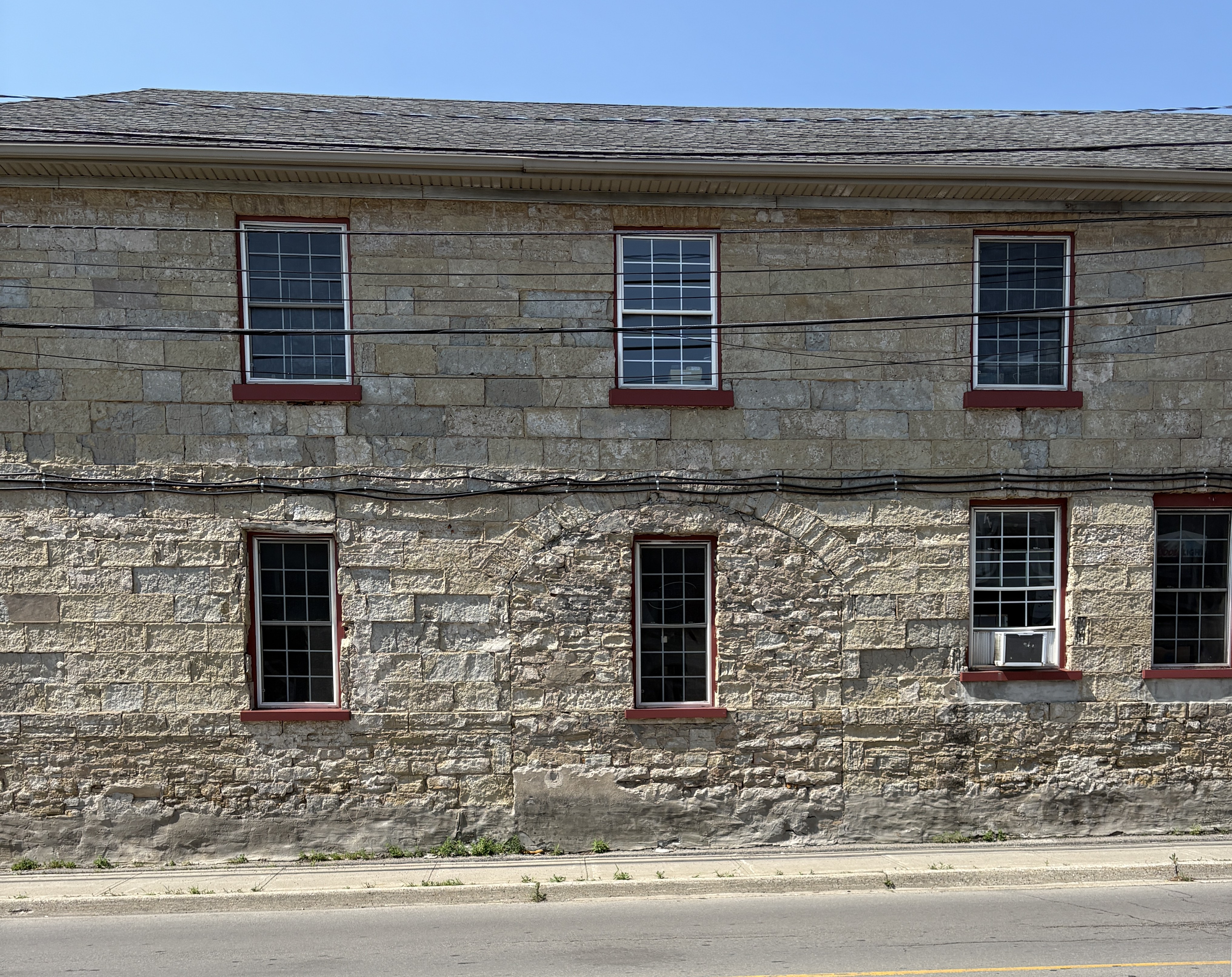
The side of the American Hotel has been modified over the years. There is a round arch that can be seen above the centre window on the ground floor in the image below. It used to allow the carriages to come into the building in bad weather to let guests to disembark with some shelter from the weather.

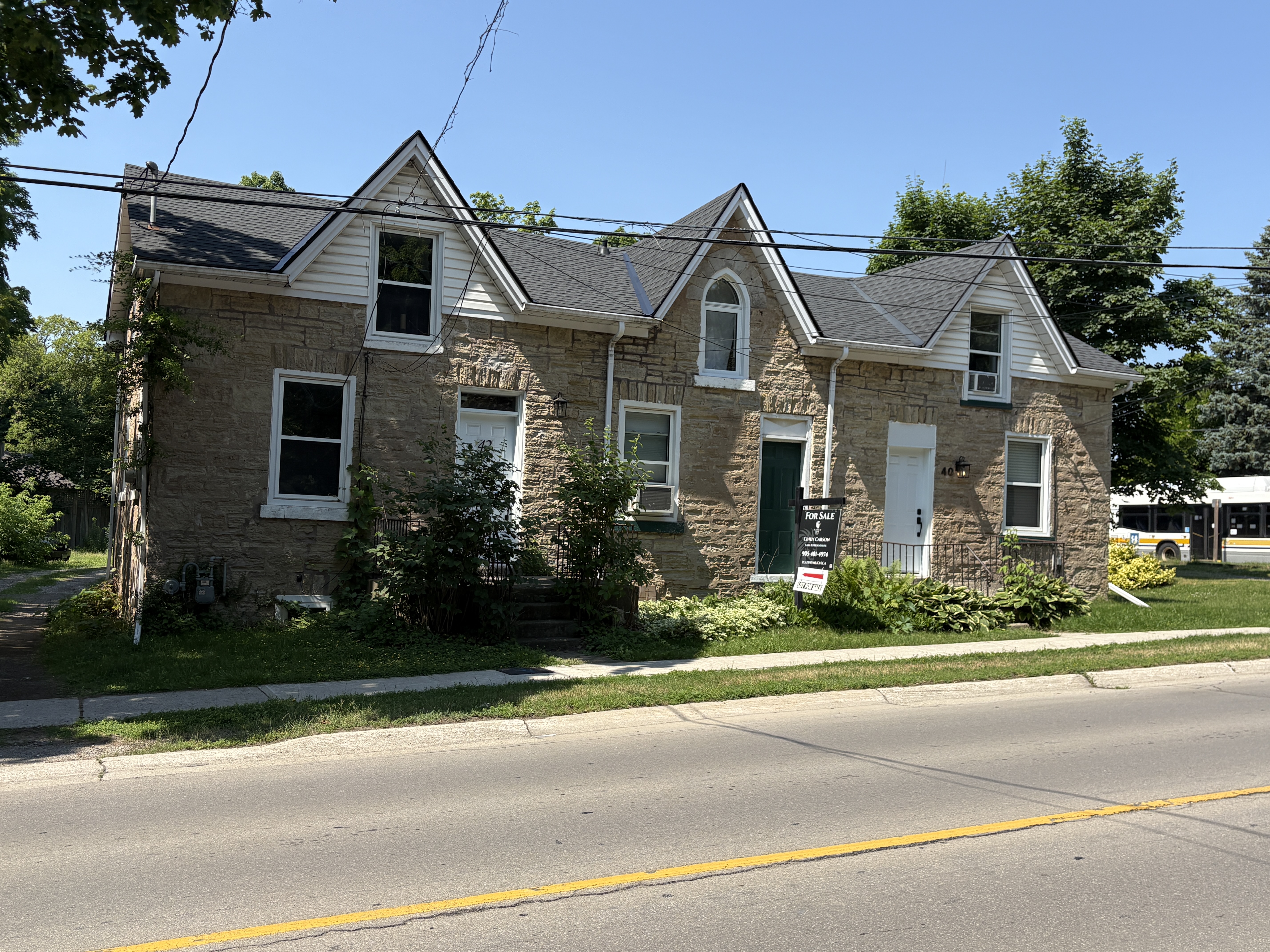
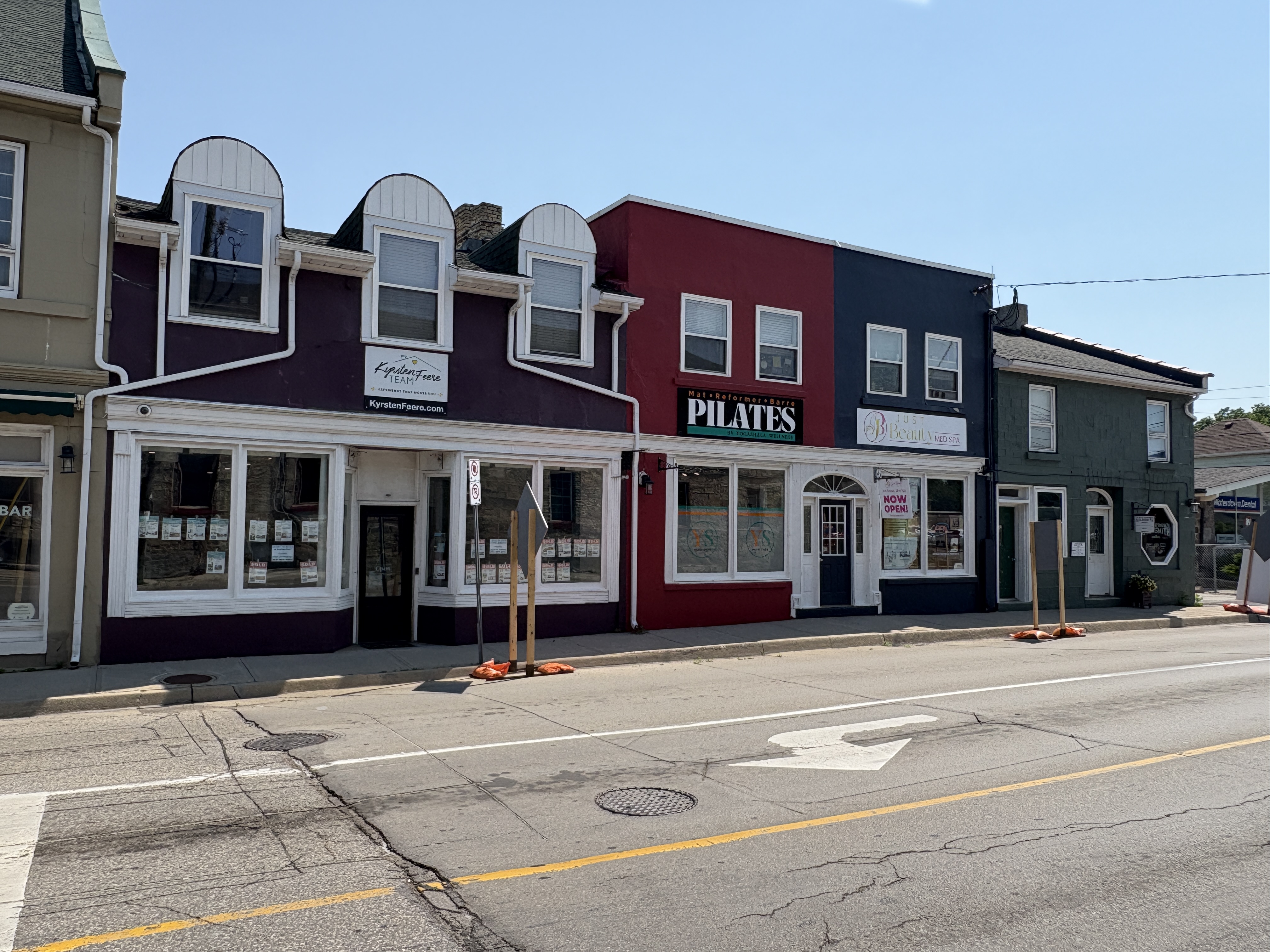
Workers cottages can be found in several places in Waterdown with this three unit example being found on Mill Street South. These ones are for sale along with the property. Let’s hope they don’t get demolished.

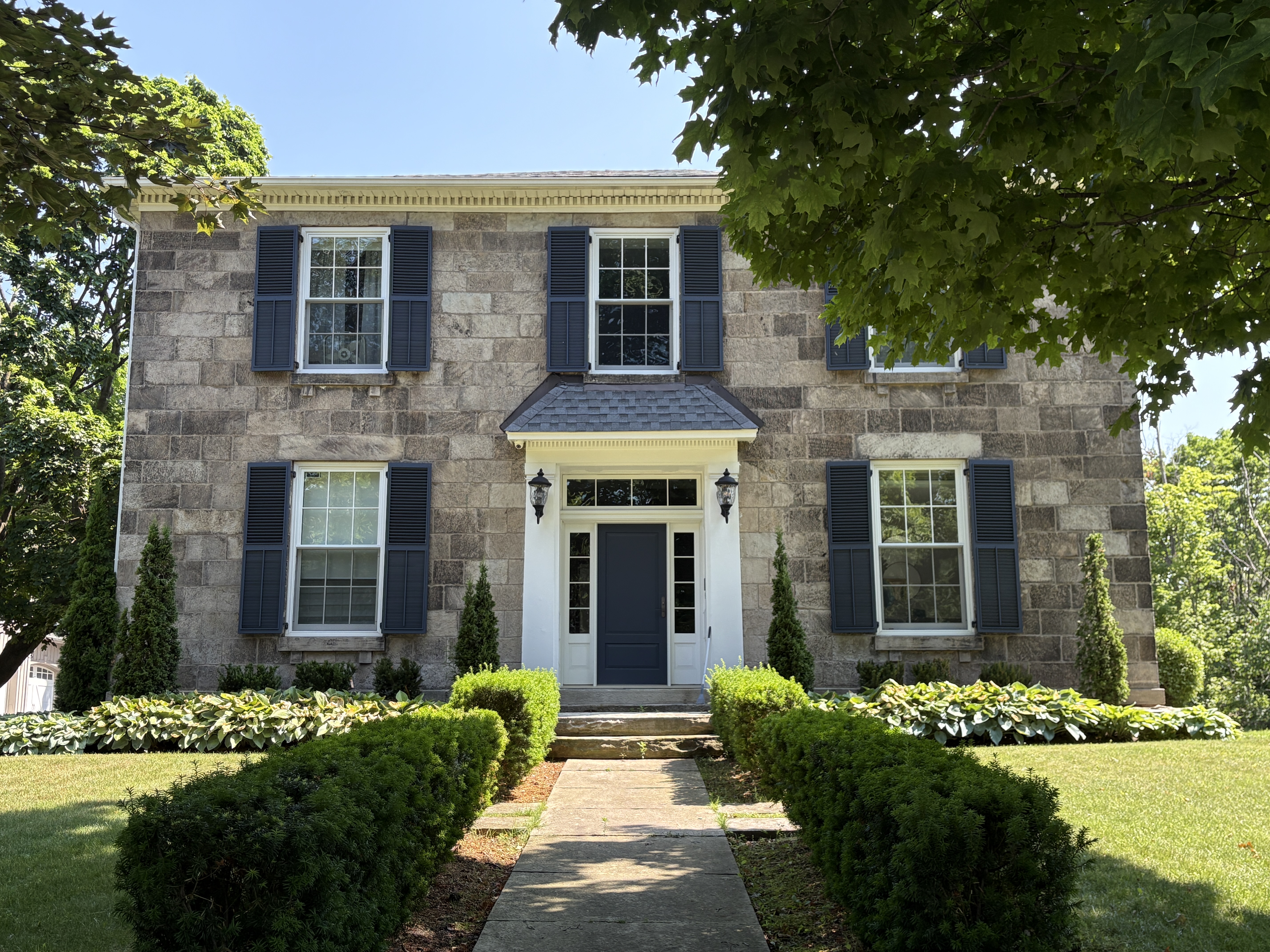
Maplebank was built on town lot 12 and included limited water rights to Grindstone Creek. Henry Ferguson Graham was an entrepreneur and tanner by trade. His water rights allowed him to grind bark for tanning and operate his equipment. The stone house was built in 1847 and replaced an earlier one story frame house.

The former Methodist Church stands beside the Town Hall. The date stone above the door says Wesleyan Methodist Church Re-erected 1865. The 1840 frame church had been built for $1400.00. In 1865 the building was covered in stone and a Sunday School was added at the rear in 1880. The building became the United Church in 1925 with the union of Methodists and Presbyterian Churches. In 1957 a new church building was erected and this one is now used by a consulting firm.

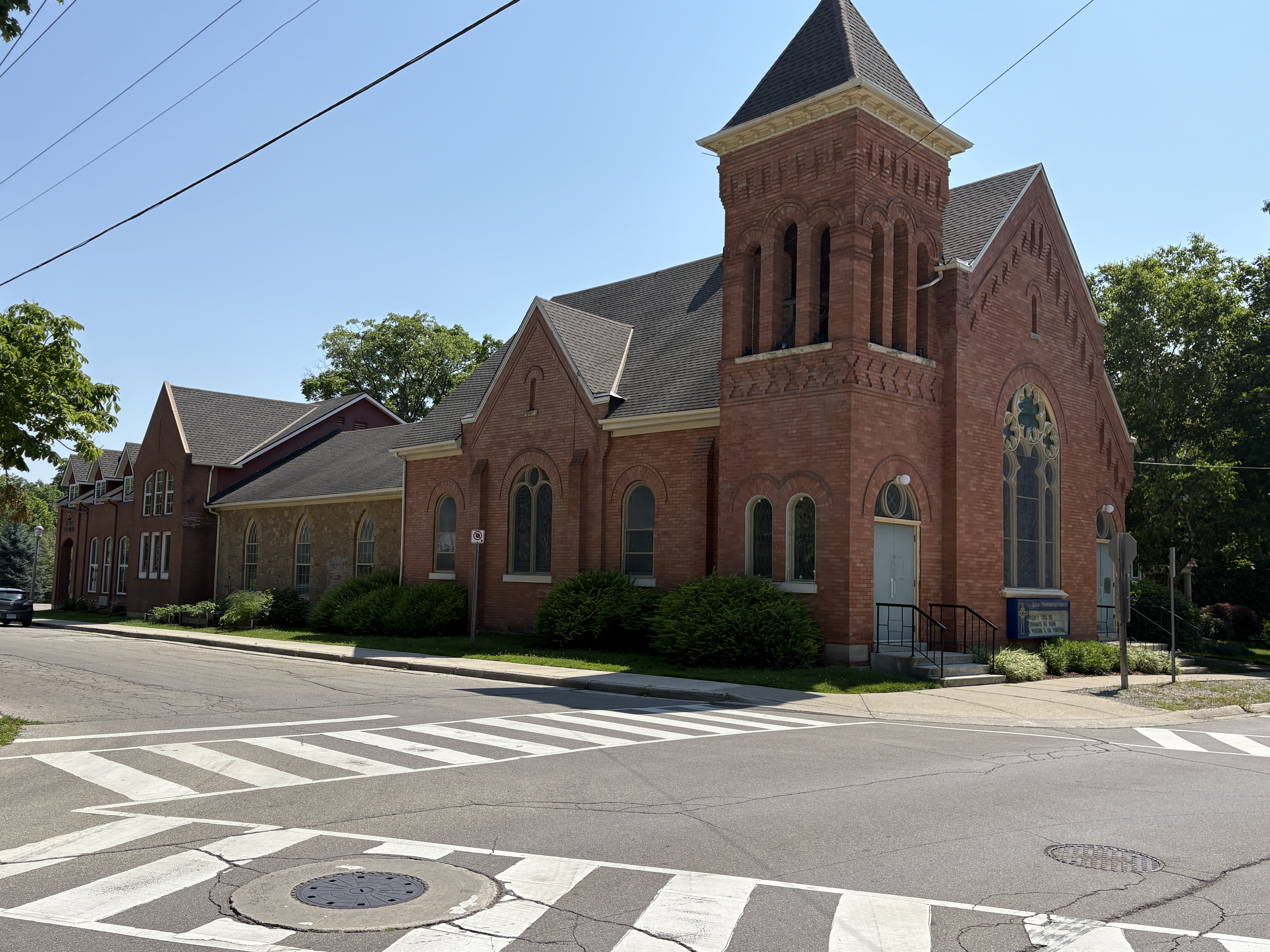
The Presbyterians began meeting in Waterdown in the 1820s, most likely in the schoolhouse in Vinegar Hill. In 1855 a stone church was built which can still be seen behind the brick church on the corner of Mill Street and Church Street. The brick building in the front was erected in 1901 at a cost of $5,000. The section at the rear is where the kitchen and washrooms were built in 1959-1960. They were demolished and replaced with the present extension in 1997.

Across the street from the American House sits the original general store which was built by Ebenezer Griffin around 1824 along with the hotel. These were some of the first permanent buildings erected along The Governor’s Road (now Dundas Street) in Waterdown.

Several other vintage stores line Mill Street

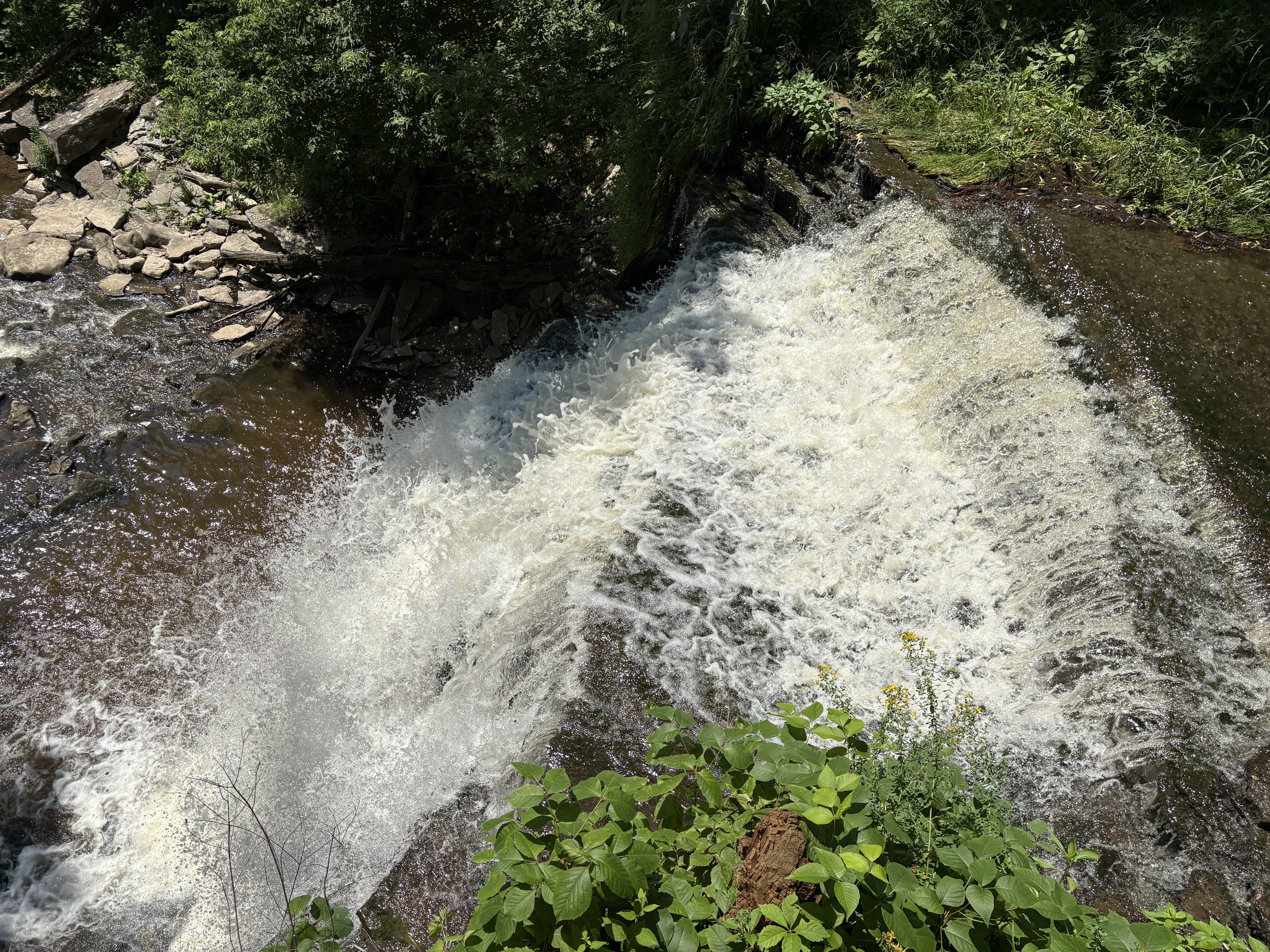
Following Mill Street south will bring you to The Great Falls on Grindstone Creek. The view below is from the viewing platform but we have a series of pictures from below the falls in our Slacking In Smokey Hollow story.

Waterdown was one of the early industrial centres in Upper Canada and has managed to retain much of it’s historic stone architecture. It is certainly worth investigating if you are in the area.

Related stories: Slacking In Smokey Hollow

Google Maps Link: Waterdown

Like us at http://www.facebook.com/hikingthegta

Follow us at http://www.hikingthegta.com
A Taste Of Asia

June 28, 2025

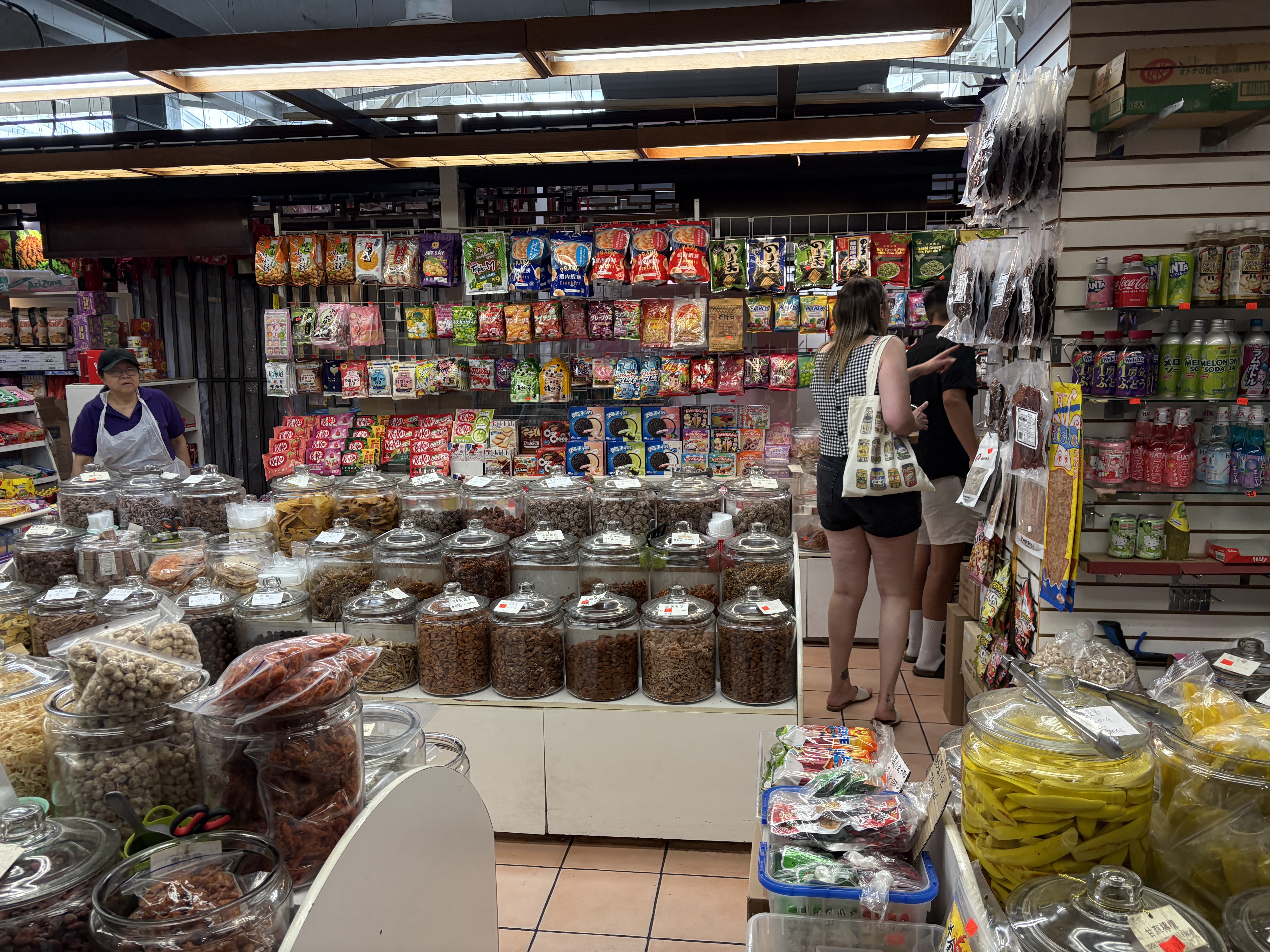
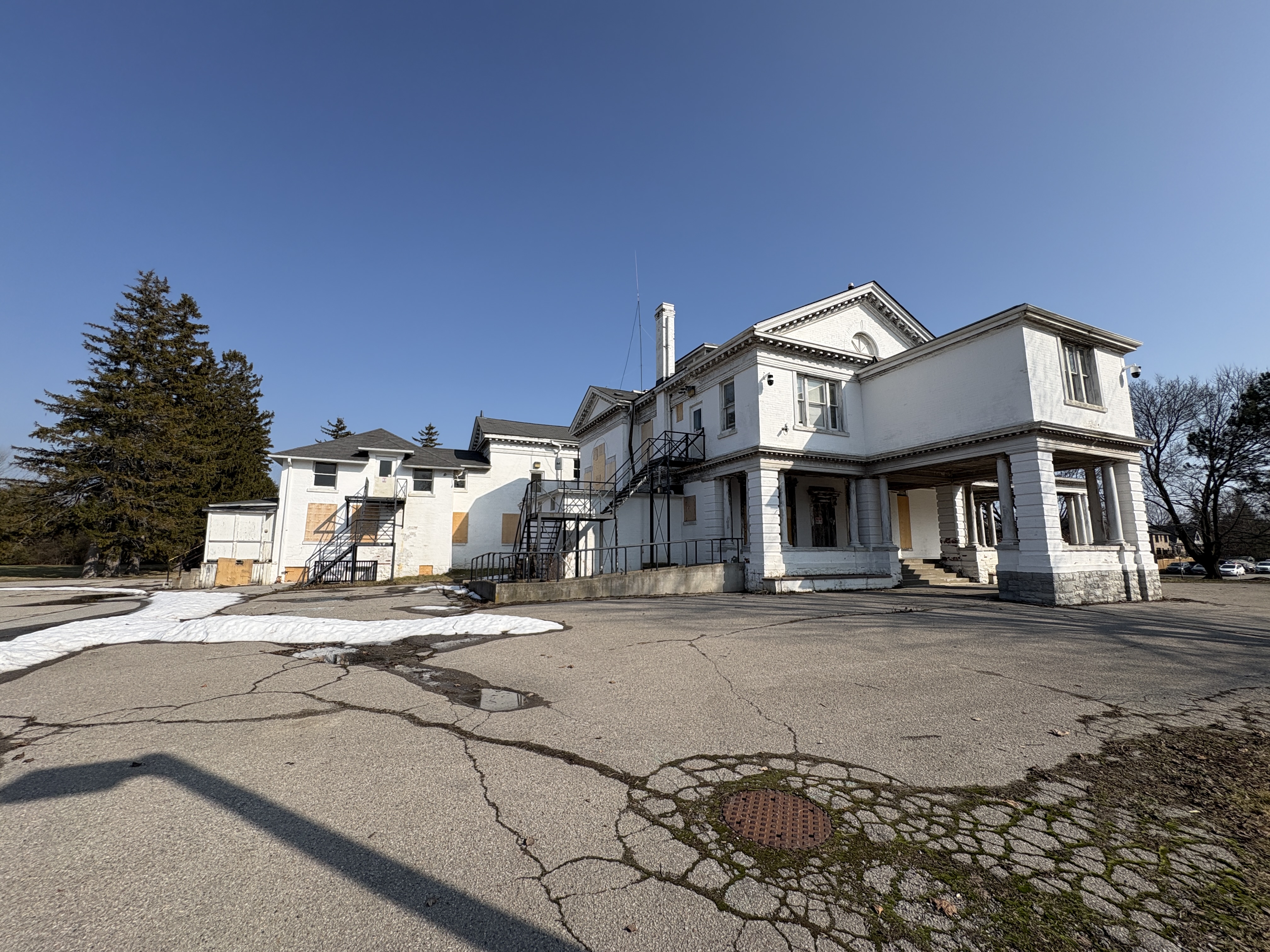
A Taste Of Asia is held on a temporarily closed section of Kennedy Road between Steeles Avenue and Clayton Drive. This is right beside Pacific Mall so we went there first to look in the various shops. Pacific Mall was opened in 1997 and is the largest Asian Mall in Canada. There are over 450 individual stalls with vendors selling anything from clothes to eye glasses and cell phones. We walked around the mall and looked at all the products that are being offered. Some are familiar brands with Chinese versions while other shops offer more traditional Chinese products including herbs cooking ingredients. People come to Pacific Mall as a tourist attraction and we sometimes see busses of them arriving for an outing. One could spend several hours looking in all the little stalls.

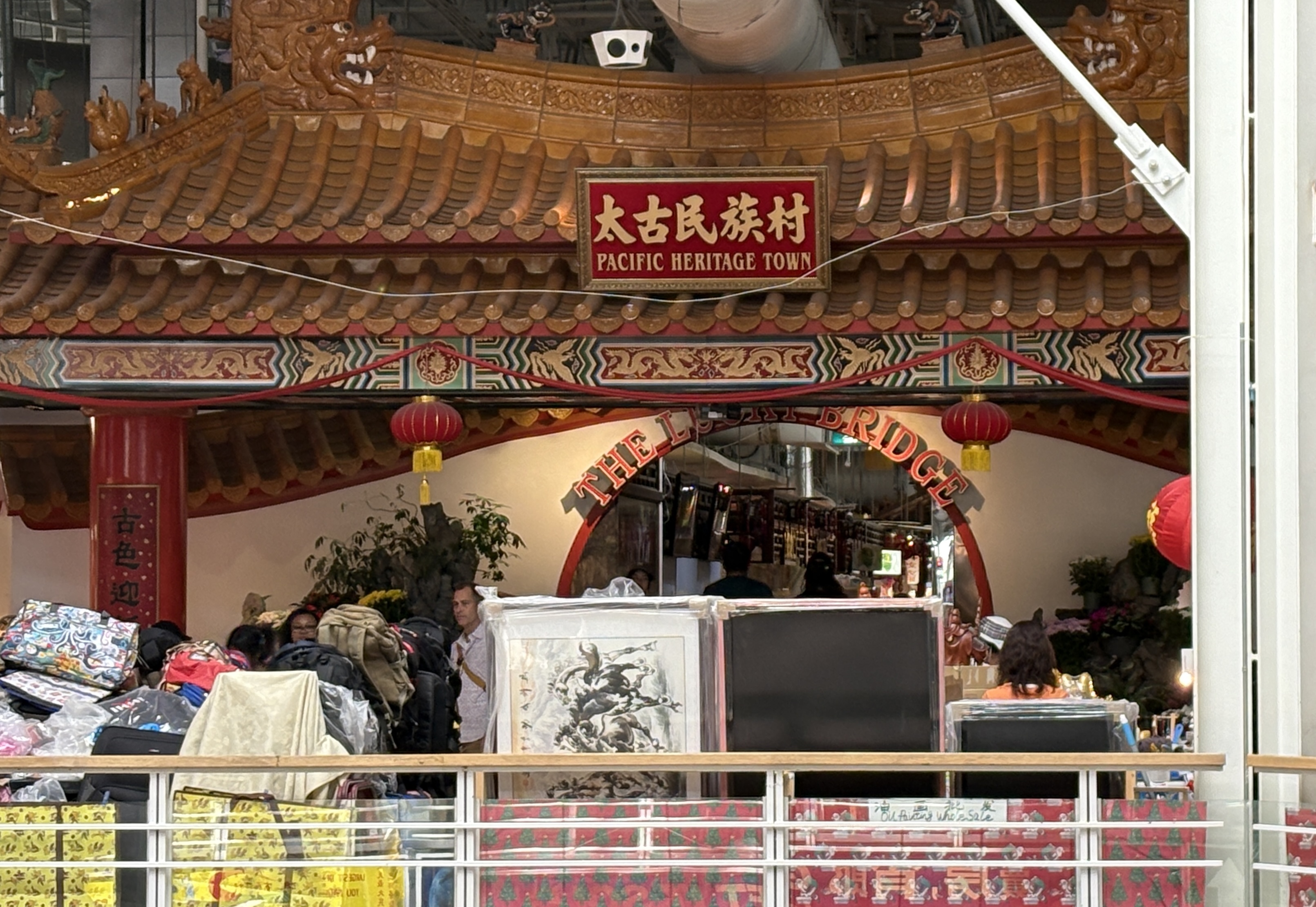
Heritage Town is a food court that specializes in many traditional Chinese dishes and attracts people from great distances to sample foods that can’t be found in their home locations.

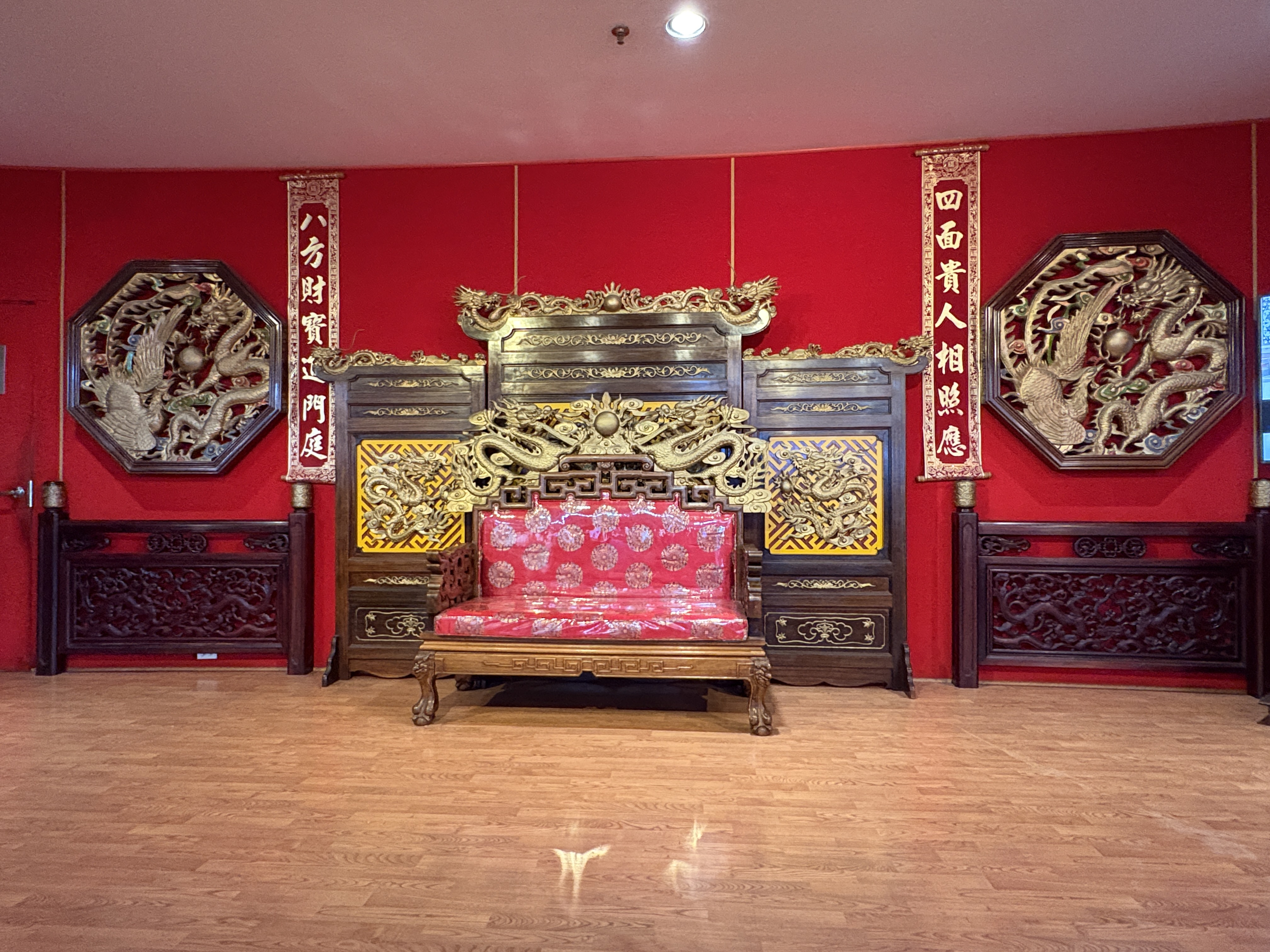
The Emperor’s Chair is designed to replicate the throne of Quin Shi Huang who was the first Emperor of China. He lived between 259 and 210 B.C. This replica is available for people to sit on and take pictures and is part of the decor that was designed to turn the mall into a tourist attraction and increase business.

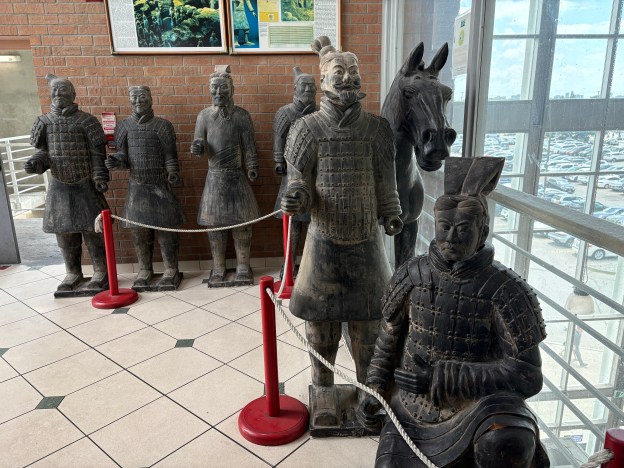
Several replicas of the Terra Cotta Army can be found in Heritage Town. The Terra Cotta Warriors were created by Emperor Quin Shi Huang and buried near Xi’an China. This is where his mausoleum was built and although not fully excavated, it is the largest royal burial site in the world. The soldiers and horse statues were designed to create an army to help the Emperor in the afterlife. They were found in 1974 when drilling was underway for a well. As of 2007 there are three pits with over 8,000 warriors, 130 chariots with 520 horses plus an additional 150 calvary horses.

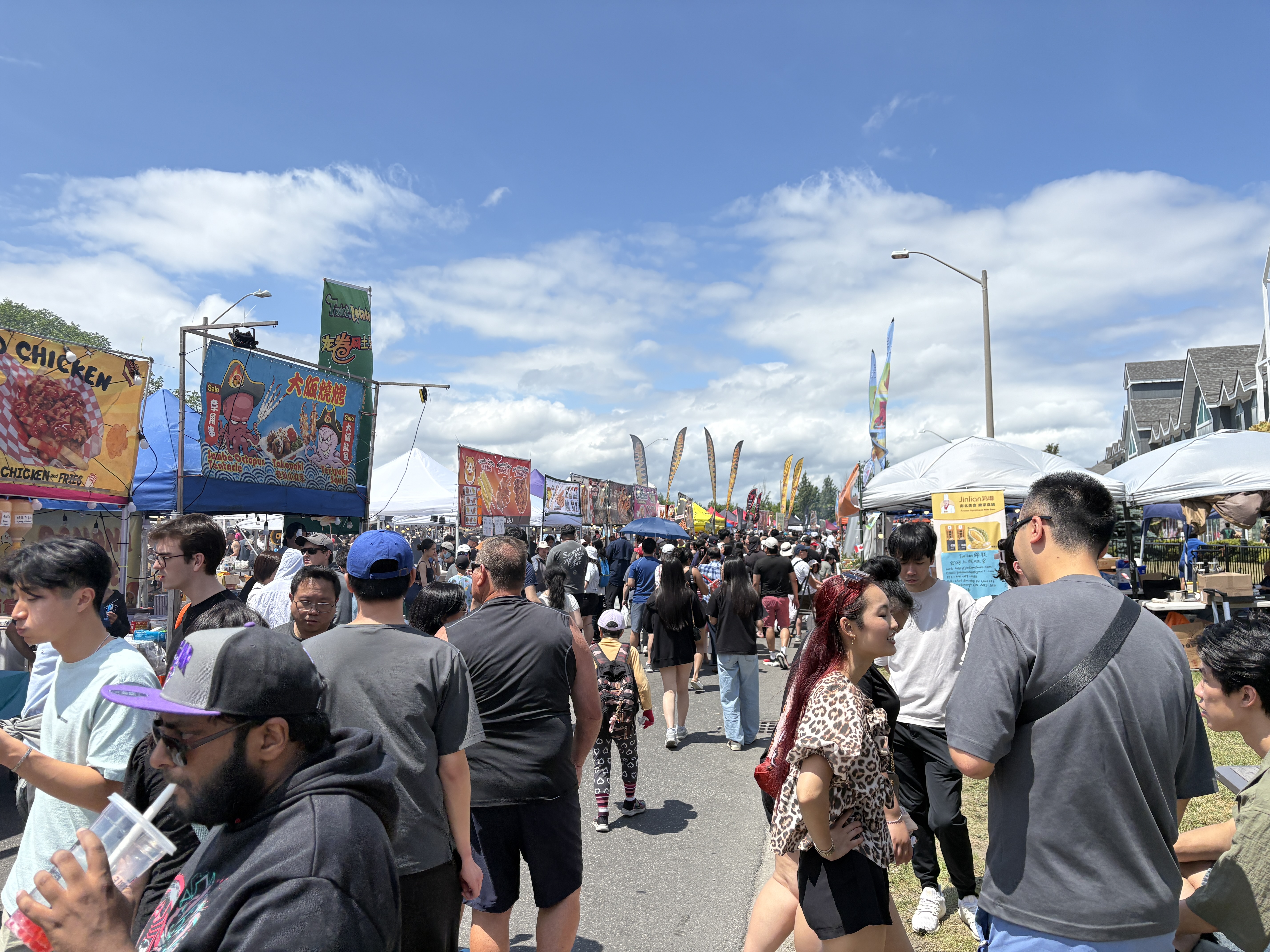
A Taste Of Asia in Markham was created in 2003 in the wake of SARS to try and put some spark back into the local economy. It is managed by the Federation Of Chinese Canadians. It is the largest Asian festival in Canada and is claimed to be the largest in the western hemisphere. The average attendance is 180,000 people over a three day period on the last weekend of June each year.

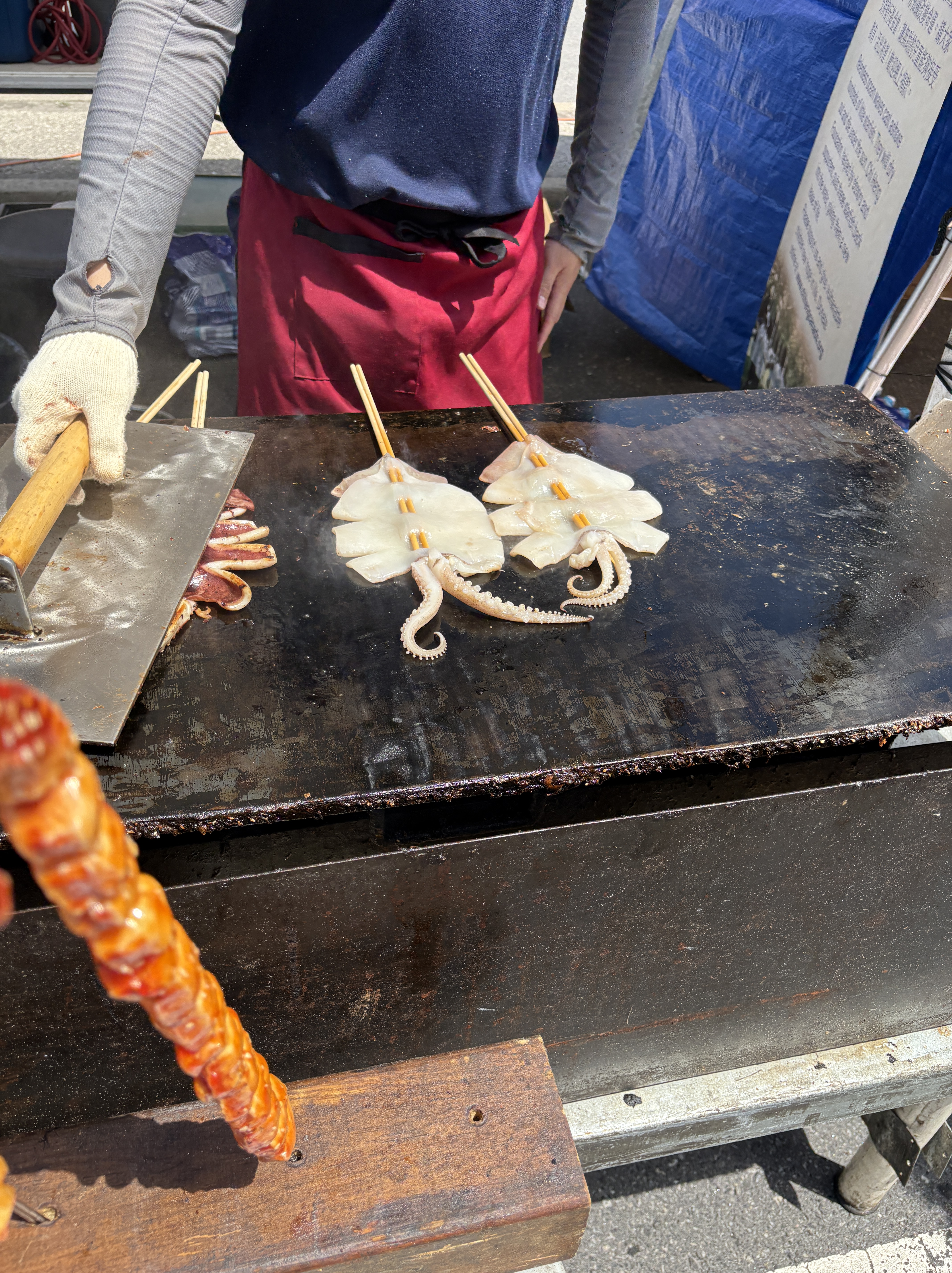
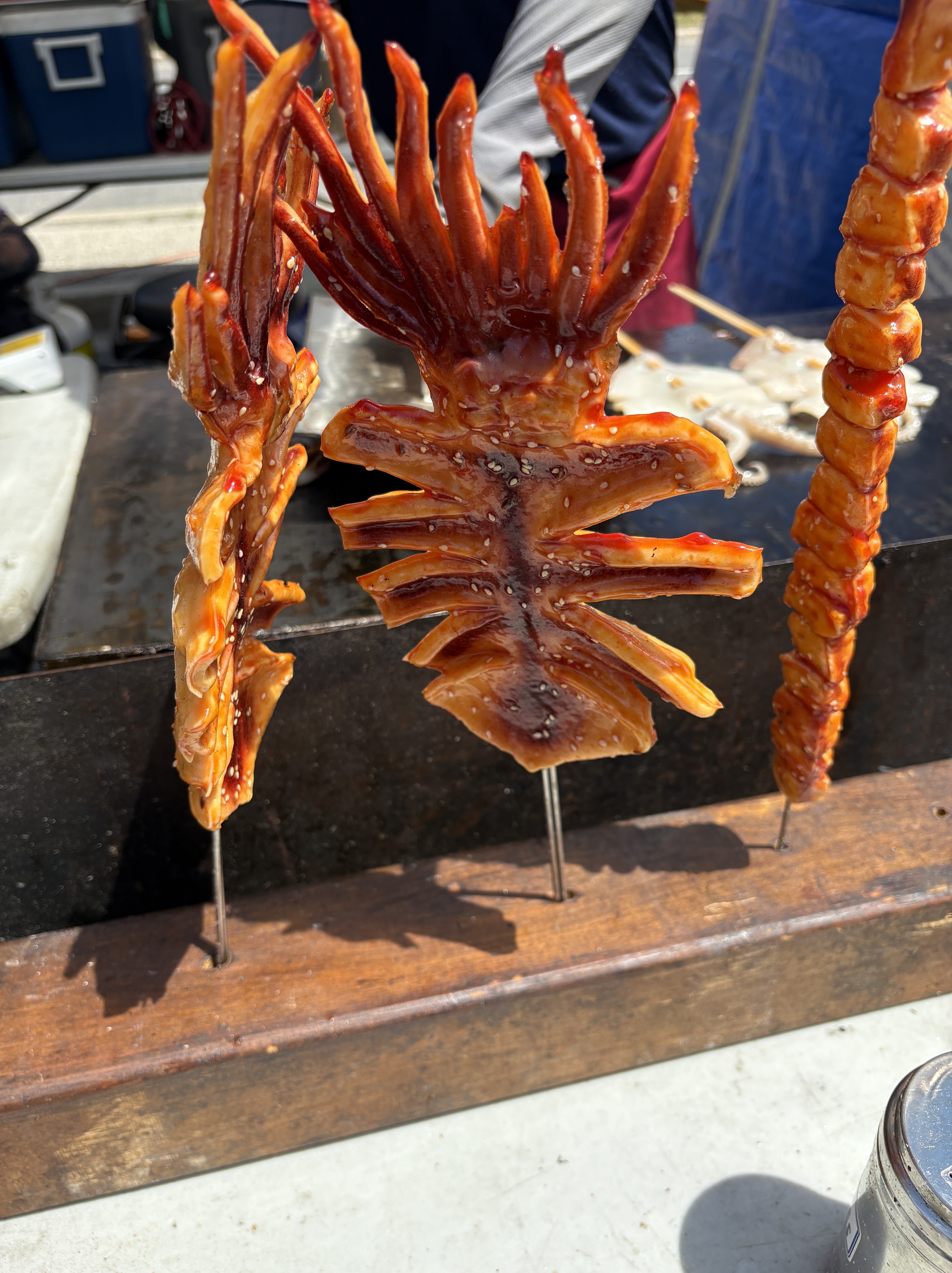
There are many food stalls to examine and delicacies such as grilled squid can be bought for the price of 2 for $20.

The grilled squid is meaty and very tasty.

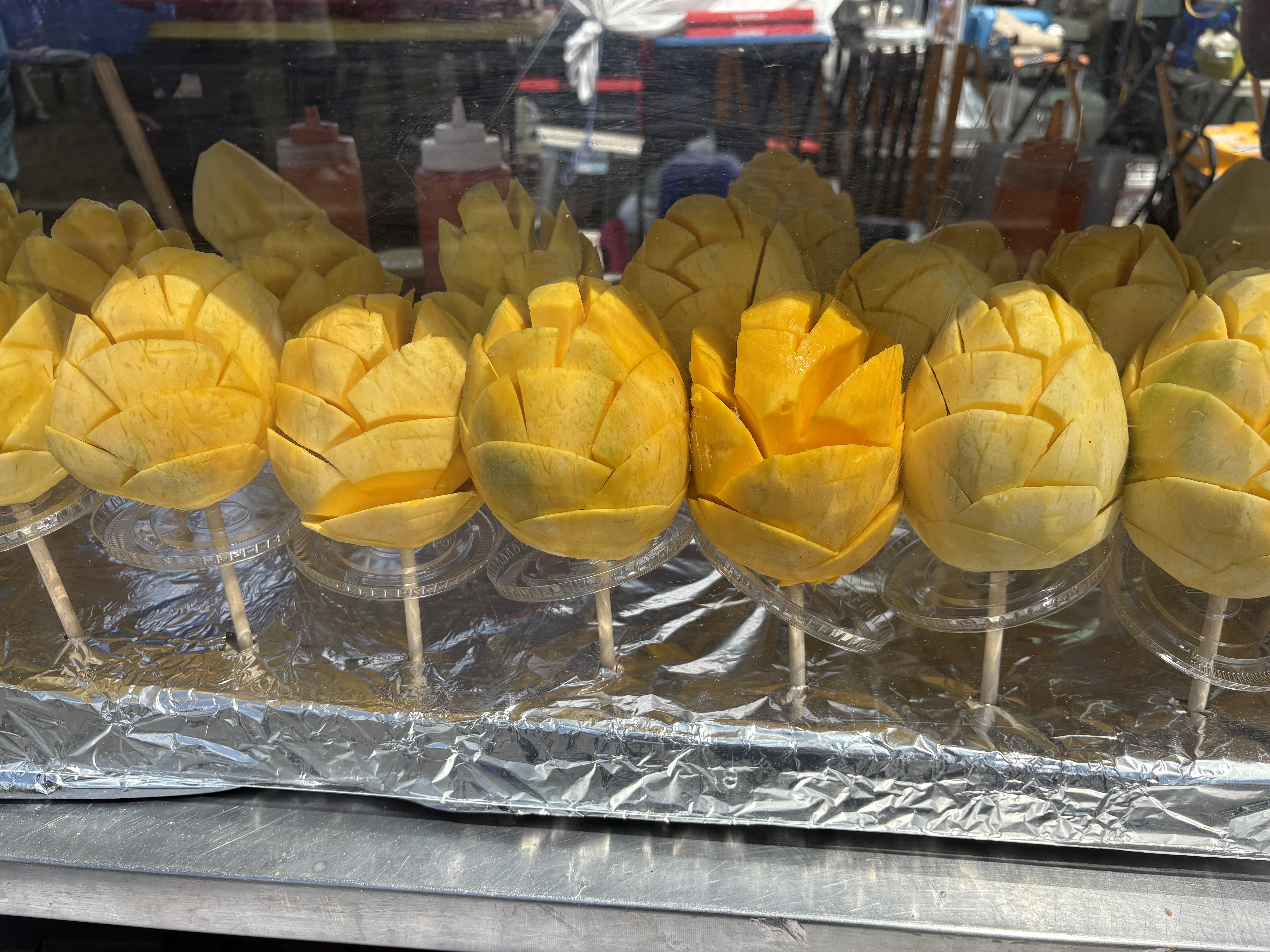
Some of the food is presented in attractive ways like these mangos. There are many vendors of grilled foods but also some information booths and oddly enough, a Scientology booth. We didn’t see Tom Cruise or John Travolta there to expound the virtues of this program.

Stinky tofu is a Chinese form of tofu which is fermented in a way that gives it a very strong odour. Traditionally, it would be fermented in brine with vegetables and meat and could be left there for months. Modern, mass produced, stinky tofu is only marinated in brine for one or two days. They say that it is very good and is considered a delicacy in Chinese street foods. I’ll take their word for it.

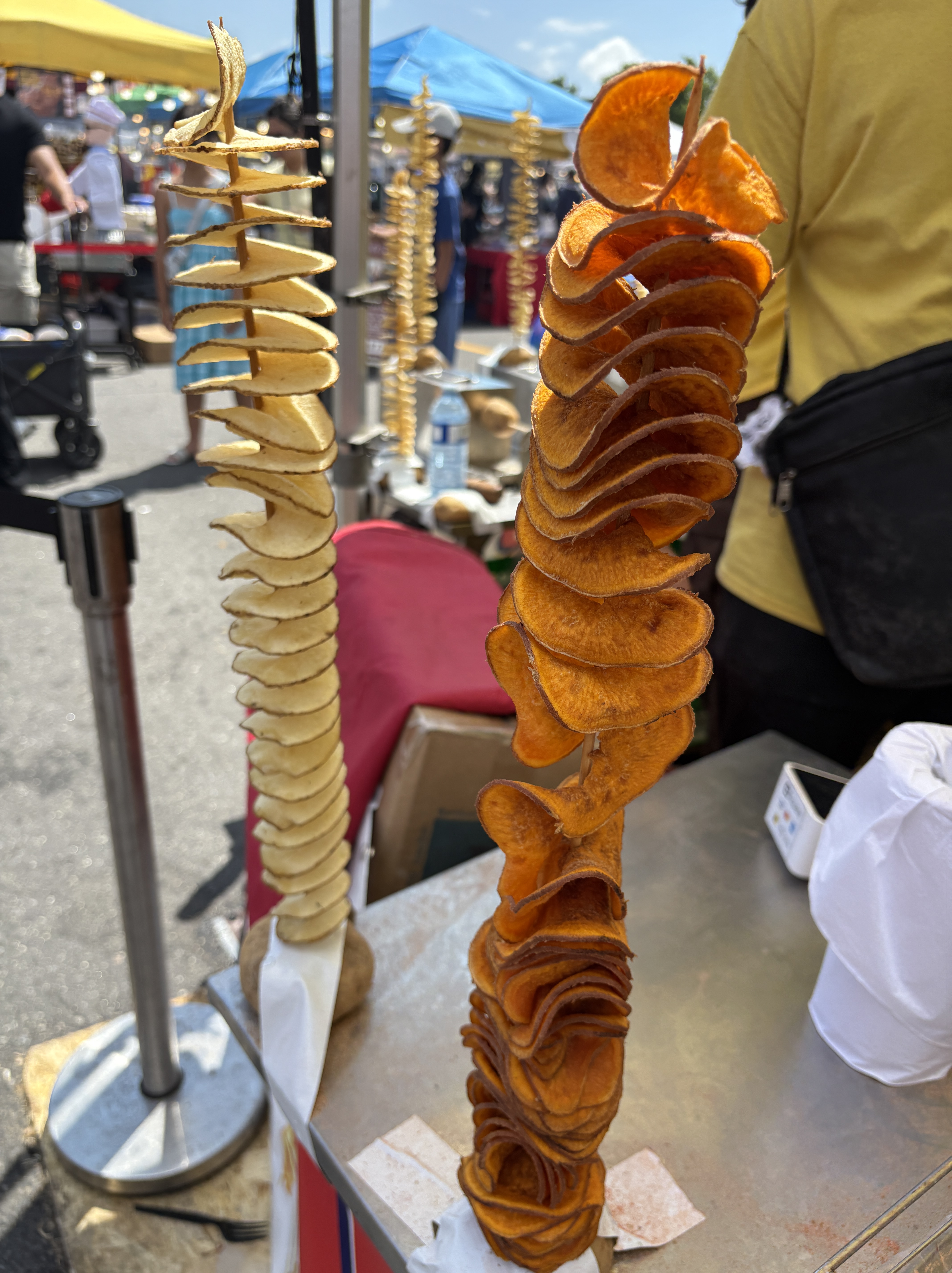
There’s also some food that is not Asian. These potato chips are made by thinly slicing the potato into a continuous ring and putting it on a skewer to be deep fried. They come out very crispy and at $10.00 for one potato, it seems like there is a pretty big profit margin.

Admission is free and this is a great place to spend a few hours, especially if you are into Asian food, or just feeling adventurous.

Google Maps Link: Pacific Mall

Like us at http://www.facebook.com/hikingthegta

Follow us at http://www.hikingthegta.com
David Dunlap Observatory

May 31, 2025

Richmond Hill is home to a hidden gem and National Historic Site in the David Dunlop Observatory. When the David Dunlop Observatory was opened in 1935 it was located on an isolated farm outside Richmond Hill. The location was Lot 42 in the first concession east of Yonge Street. Lot 42 had been granted to Robert Marsh who passed it on to Alexander Marsh in 1852.

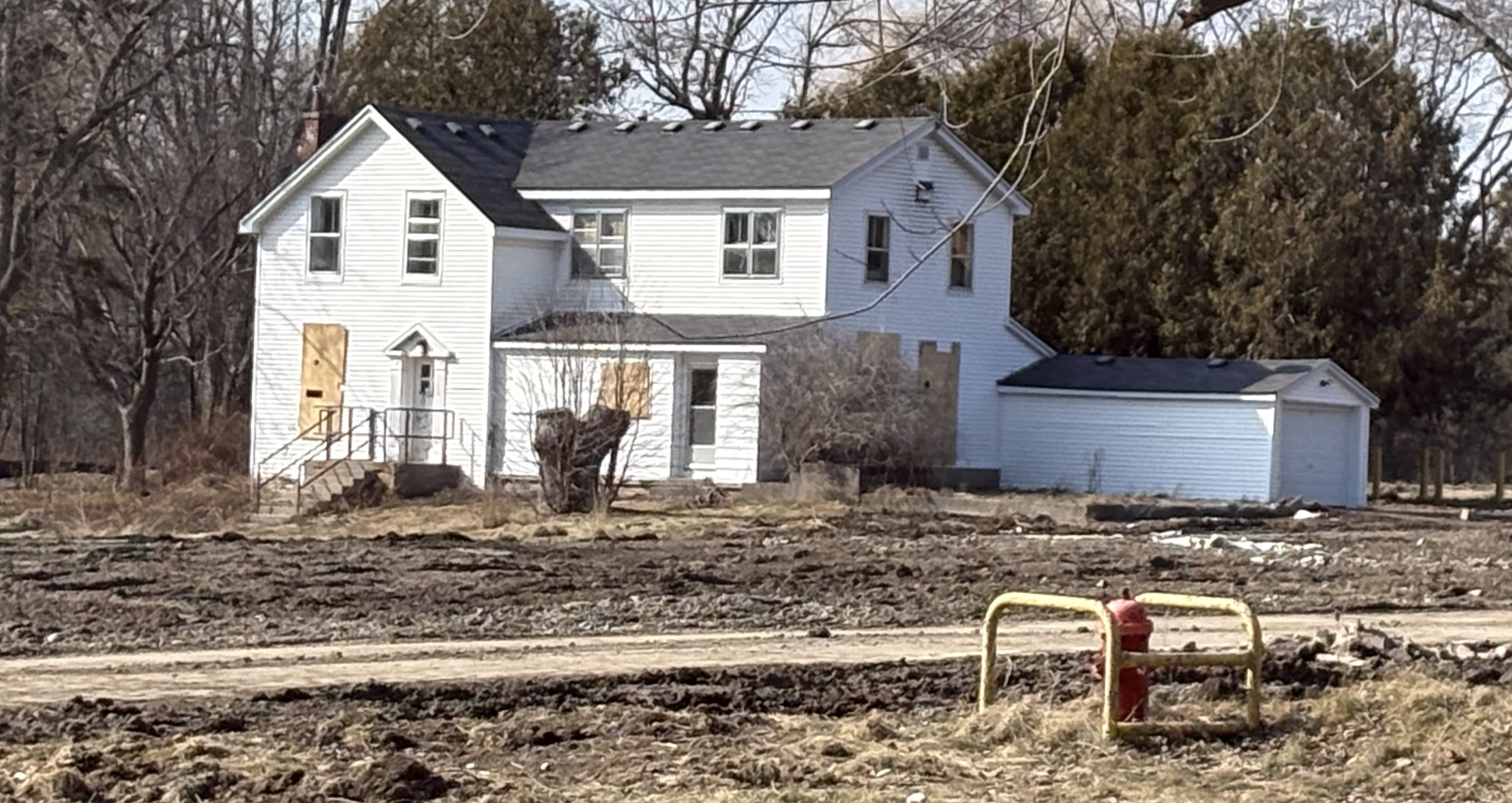
Alexander decided to replace his father’s home with a new one built in 1864. The home became known as “Elms Lea” and was beautifully designed with three symmetrical bays. The dichromate brickwork gives the home it’s elegant styling. The home has a “T” plan with the kitchen in the tail. When the farm was taken over for the observatory, this house became the home of C. A. Chant and later the directors of the David Dunlop Observatory lived here. It is now a private residence and is guarded by “No Trespassing” signs.

The University of Toronto had a telescope located downtown but by the early 20th century it had become almost useless due to light pollution. It was decided to move it out of the city and after rejecting a couple of potential sites a potential home was located on a high point of land about 20 kilometers north of Toronto. C. A. Chant had been working with David Dunlop on the idea of a new location for a larger telescope. After David died, his wife Jessie Donalda Dunlop purchased the Marsh farm and donated it in his name to the University of Toronto for their telescope. The Administration Building was designed in the Beaux-Arts Classicism style. The front facade has a symmetrical design with a second story balcony. The three domes each had a telescope but only one remains in this building.

The administration building and the observatory were built at right angles to each other and in line with the points of the compass.

In 1933 earthworks were built on top of the knoll giving the observatory an even higher elevation compared to the surrounding tablelands. That same year a concrete core was poured to support the 5,000 pound mirror. The observatory was designed in England and preassembled there at Newcastle Upon Tyne. It was then taken apart and shipped to Toronto to be assembled on site. The image below is from Wikipedia and shows the assembly in England prior to shipping to the installation site.

The observatory building is 61 feet in diameter and has a rotating copper dome with a set of retractable shutters. The grand opening was May 31, 1935 and was attended by Prime Minister William Lyon Mackenzie King. The 74 inch reflecting telescope was the largest in the British Commonwealth and second largest in the world at the time of opening. It made it possible for the University of Toronto to be the first Canadian school to offer a graduate degree in astronomy. In 1972 C. T. Bolton used the telescope to confirm the existence of black holes for the first time by showing that Cygnus X-1 is a black hole. Canadian rock band Rush would bring the presence of this particular black hole to the attention of their fans with the masterpiece “Cygnus X-1”. This extended story was told in two parts in 1977 and 1978 and is considered by some fans to be one of the crowning achievements of their career.

In 1959 there were changes made to the approach of the buildings to add an elliptical driveway and a sundial. In the 1960s a new entrance was made from Hillsview Drive. This laneway was designed in such a way that the headlights of approaching cars wouldn’t disturb the telescope.

There are nine trails that take you around the property with some of them having a granular surface while one is paved with asphalt. All of the trails are listed as beginner level and are accessible.

The combined trails are almost 4 kilometers long with mostly open sky but a few shaded areas with trees. As I had arrived during the middle of the day on a Monday there were very few people here and the trails were all mine.

The University of Toronto has had several tree planting programs to introduce native and non native trees. There is a significant number of trees on the property that weren’t here when it was a farm. New plantings are still being added and are surrounded by a fence to keep the deer from getting to them. The sides of the trails are dotted with deer tracks so it looks like there may be quite a few living here.

The David Dunlop Observatory has many programs throughout the year to teach people about astronomy and the grounds look like a natural place within the city to watch for meteor showers. Best of all parking is free, if somewhat limited.

Google Maps Link: David Dunlap Observatory

Like us at http://www.facebook.com

Follow us at http://www.hikingthegta.com
Bethesda – Ghost Towns Of The GTA

May 24, 2025

Whitchurch Township was established in 1792 and European settlers began to arrive in 1794. The area that became known as Bethesda was first settled by Mennonites from Pennsylvania when Christian Steckley arrived in 1795. Christian took up lot 6 in concession 5 and several of his relatives took adjoining lots. Their names still cover that section on the 1877 county atlas seen below. Also circled in green are the school, general store with post office, Primitive Methodist Church and the home of Joseph Shaffer (misspelt as Sheffer on the map).
Our cover photo comes from the Whitchurch Township History Book Committee and shows the church and general store as well as the blacksmith shop of William Hunt. The town was at its peak around 1875 and most of the early buildings still remain. The image below shows the church and general store as they appear in 2025.
As early as 1855 a Primitive Methodist Church was built in Bethesda by a local carpenter named John Atkinson. A Sunday school started operations in 1858 and by 1871 the church was in need of updating as the community had grown around it. This included the front porch that used to grace the front of the building.

The church was given a brick veneer and continued to serve the community until it was closed in 1969. The front porch was removed and the building was deconsecrated as a church. It now serves as a private residence. The outline of the front porch can still be seen in the bricks on the front of the building.

The first store in town had been on the south west corner of the intersection. This was replaced in 1874 with a new store on the town lot beside the church. The store also included the post office which opened that year. The post office was closed in 1924 when rural delivery was introduced. The store has since been closed and now is used as a private residence.

Bethesda was home to Whitchurch-Stouffville School Section 12. The original frame structure was built on lot 6 on the north east corner of the intersection. In 1872 a new brick school house was erected on lot 7, just to the north. This school was destroyed by fire in 1892. Isaac Pike was the teacher for 43 years beginning in 1874 and when the school building was lost, he taught class in his barn until the new building was ready to be occupied.

The school was closed in 1965 and consecrated as the Bethesda Emanuel Church which it served as until 1992. It is now in use as a Greek Orthodox Church. The black cat on the front steps of the church was quite welcoming as we stopped for this picture. However, the parsonage shares the driveway with the church and the gentleman in the house was much less happy to see us.

The Joseph Shaffer house has stood on the south east corner since 1884. The county atlas above shows the earlier house located on what is now Shaffer Lane. The original drive sheds still stand on this laneway.

There are still a few of the original homes from the Victorian community. This one on Bethesda Sideroad is typical of the small homes built in Ontario in the 1860s and 1870s. This is known as Ontario vernacular, these are a story and a half and typically have a four room layout on the ground floor with a central hallway. Bedrooms are located on the second floor.
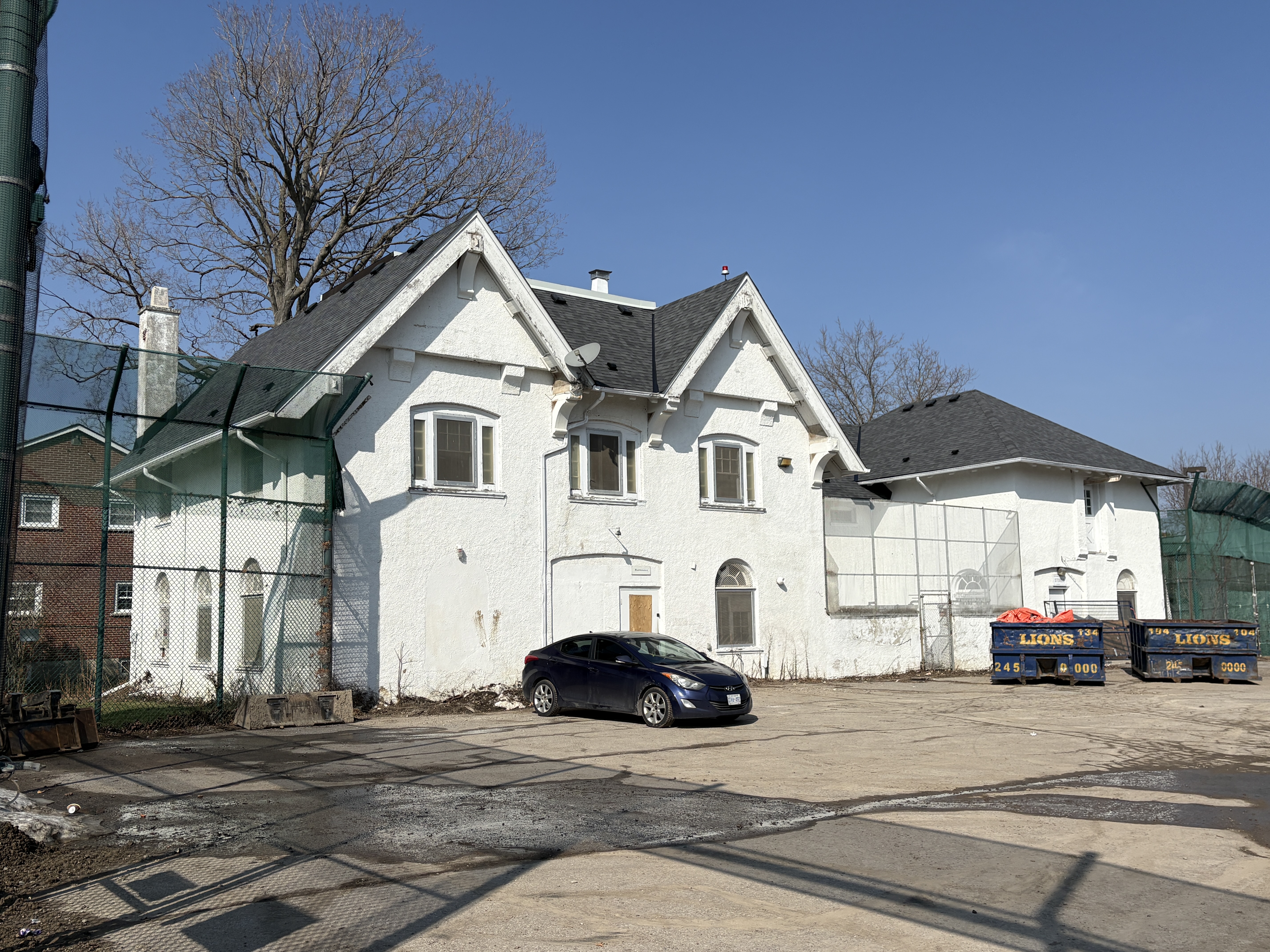
Another early home stands behind the church and may have served as the manse at one time.

Bethesda never had a large number of buildings but many of the early ones have survived, with the exception of the blacksmith shop.

Google Maps Link: Bethesda

Like us at http://www.facebook.com/hikingthegta

Follow us at http://www.hikingthegta.com