Category Archives: Humber River

Hiking the GTA #100 – Greatest Treks

April 24, 2014 to July 18, 2015

The following is a look back on some of the most popular hikes in the past 100 blogs. Companion posts will include some of the more interesting plants and animals photographed along the way.

After years of hiking up down down the ravines in the GTA and collecting thousands of pictures I needed a better way to organize and describe my photos.  A friend suggested WordPress and so I took the pictures for Saturday April 24, 2014 and created my first post.  Since then I’ve had the opportunity to hike much of the Humber, Don and Credit Rivers along with a wide variety of other spots.  My mom has become an avid reader and I’ve picked up some other readers along the way.

We’ve visited some very interesting historical places, seen a lot of wildlife and the abundant nature the area has to offer.  We never missed a weekend due to rain-outs.  One hike this past winter never got published when I couldn’t differentiate between the polar bear picture and the egret due to the driving snow storm .  To celebrate this, my 100th post, I thought I’d take a look back at those stories that were the most popular in this first chapter of the ongoing adventure that is Hiking The GTA. Below are the top 15 posts and a link to the full story should something catch your fancy.

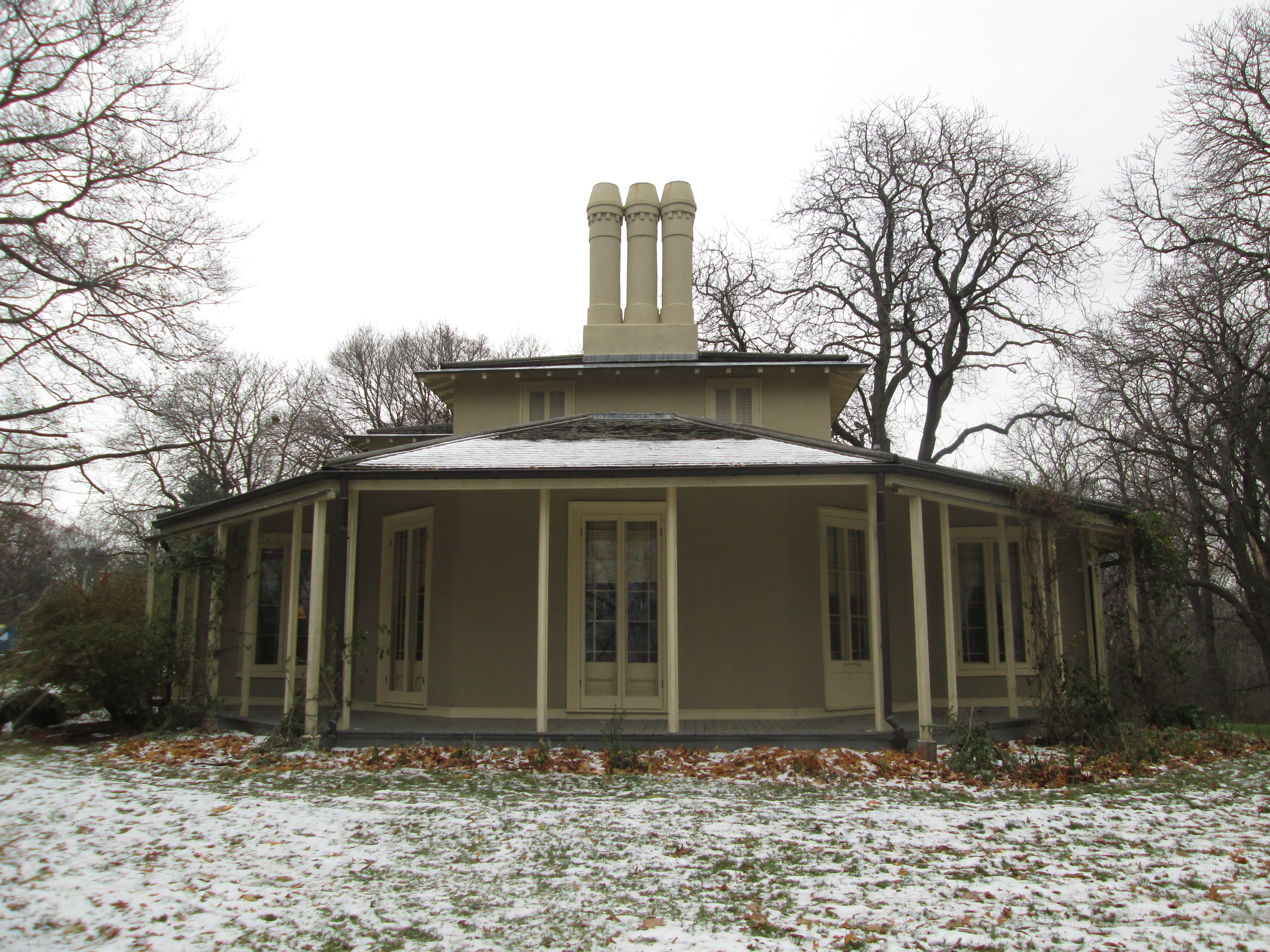
15. High Park – Colborne Lodge – Hike Date: Nov. 22, 2014

John Howard donated the land for High Park in 1873.  He built his house, Colborne Lodge in 1837 and it remains largely unchanged today.  This post explores the west side of the park including Grenadier Pond.
IMG_1199

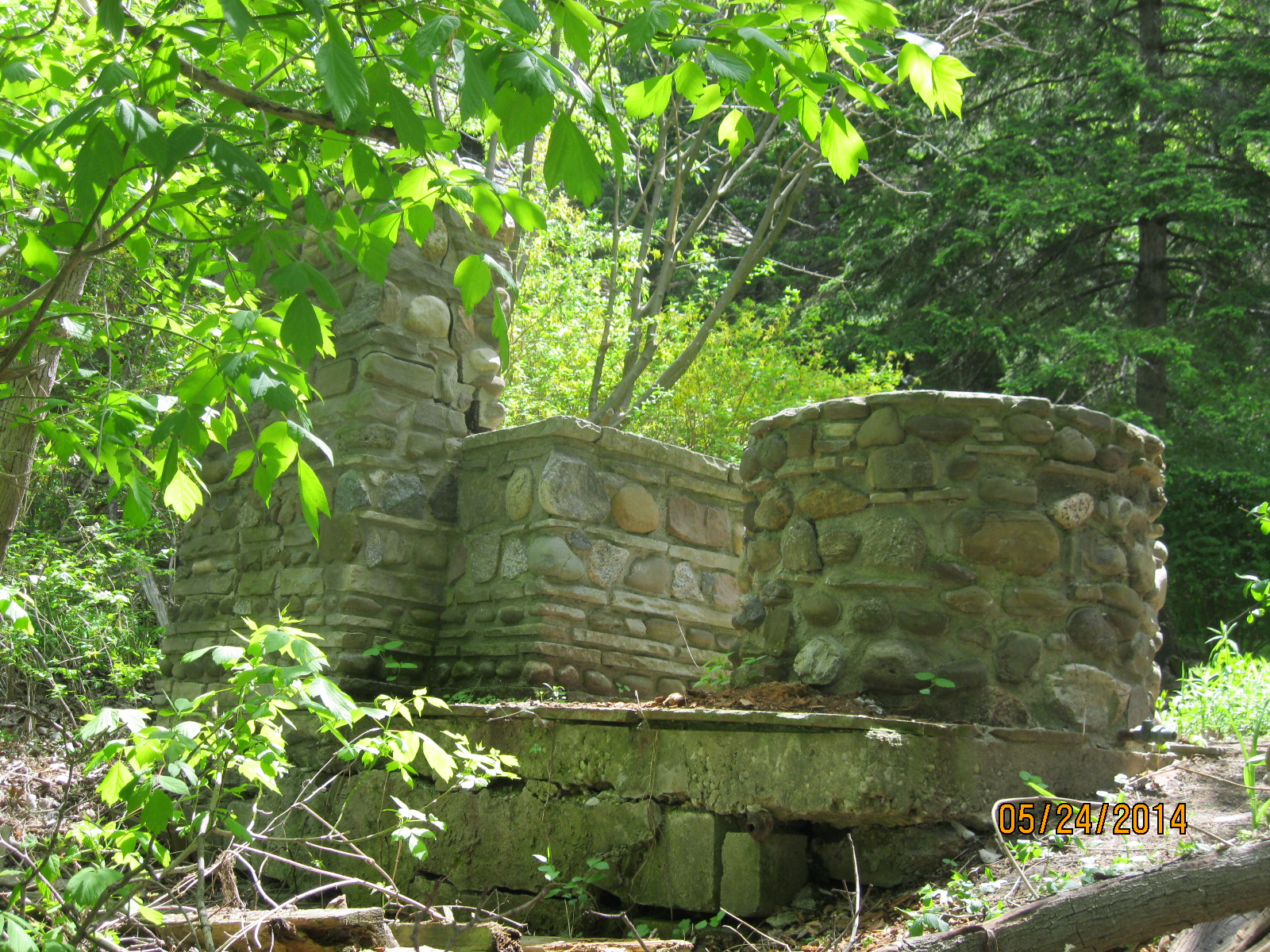
14. Humber Bay to Bloor – Hike Date: May 24, 2014

One of the earliest hikes in the blog, this one covers the lower stretch of the Don River.  Near Bloor Street an abandoned building overlooks King’s Mill Park.
IMG_2041

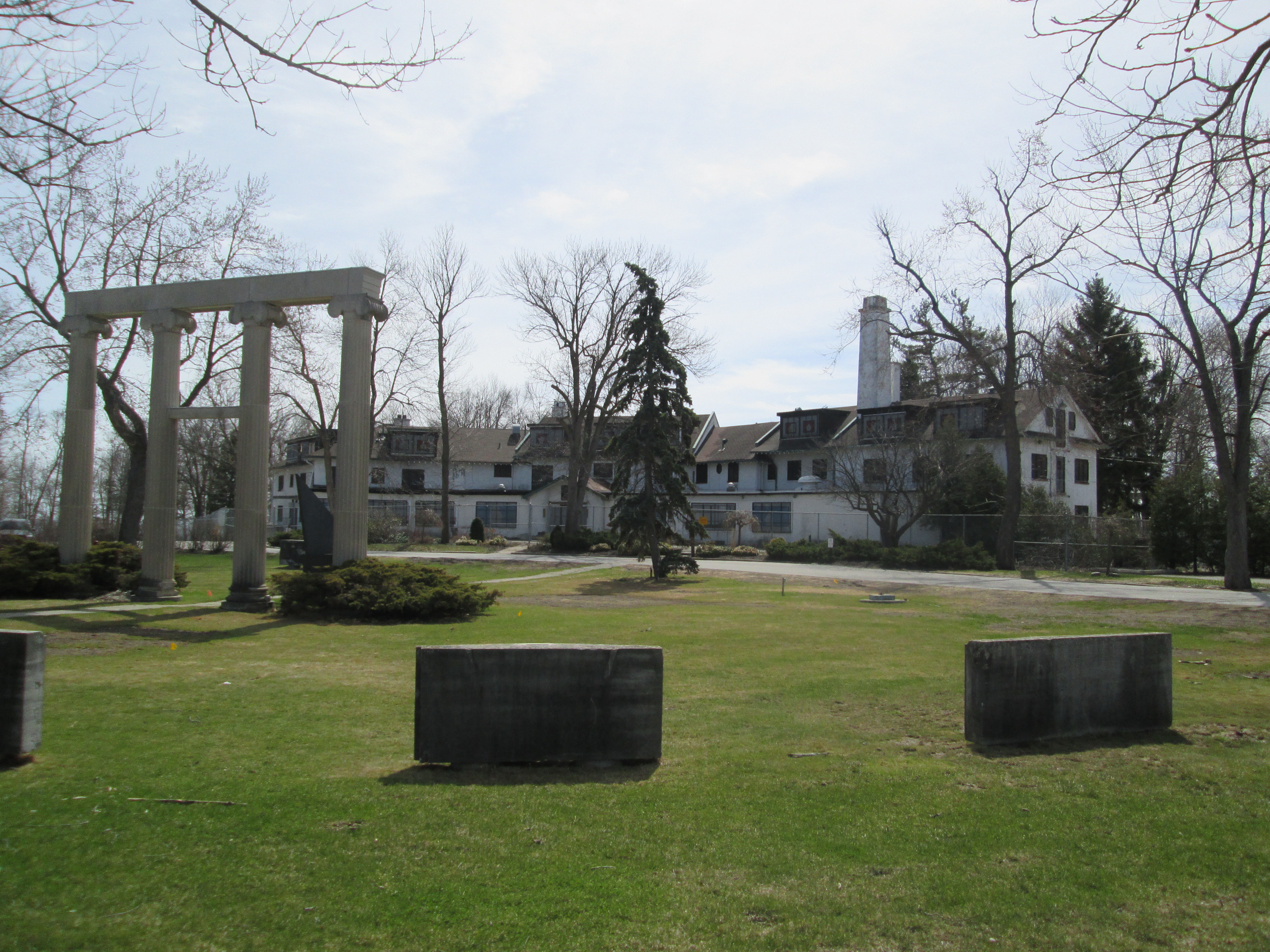
13. Guildwood Park – Hike Date: Apr. 19, 2015

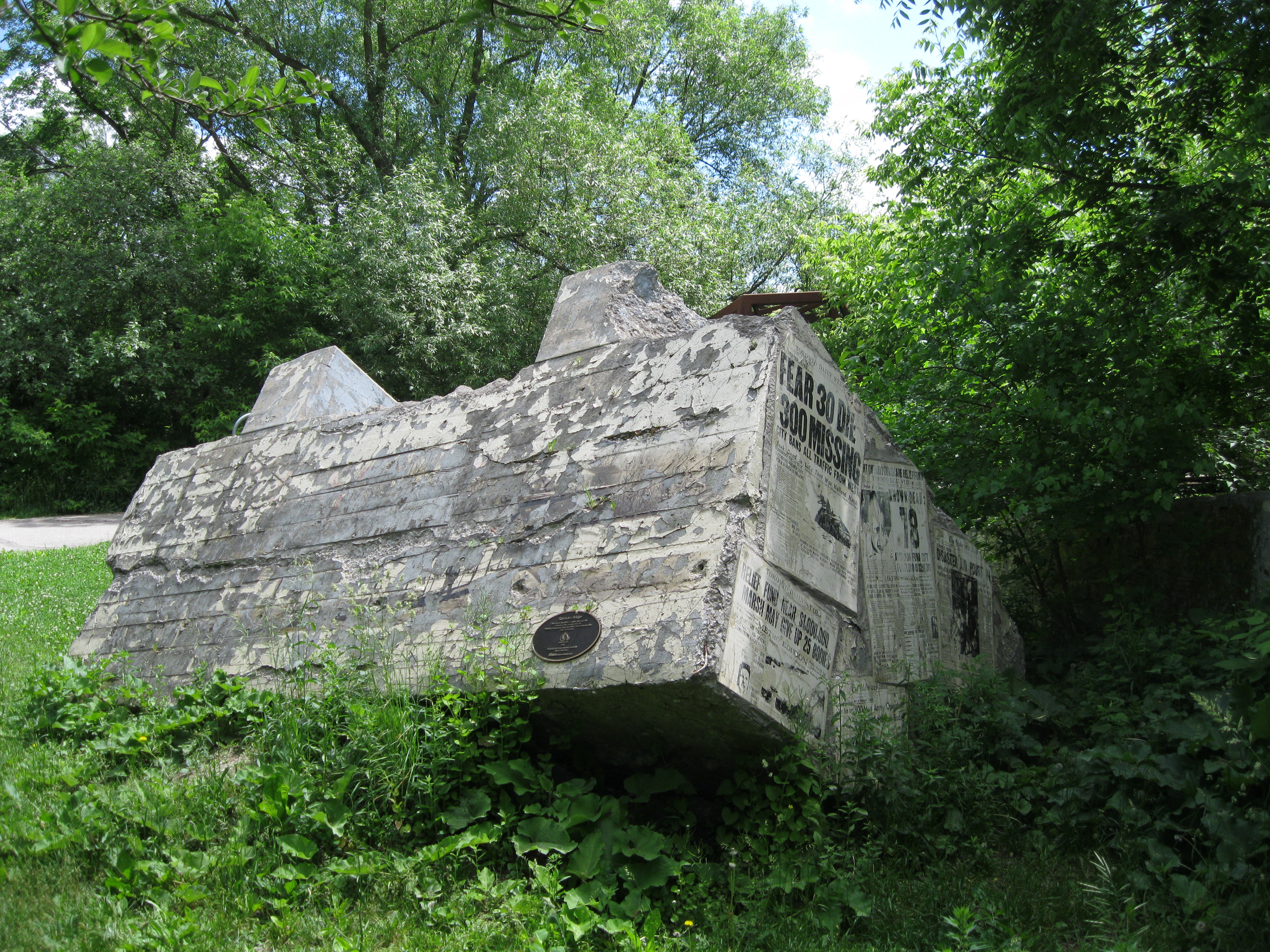
Home to the Guildwood Inn, this former artist colony features artwork from several of Toronto’s demolished buildings.
IMG_3833

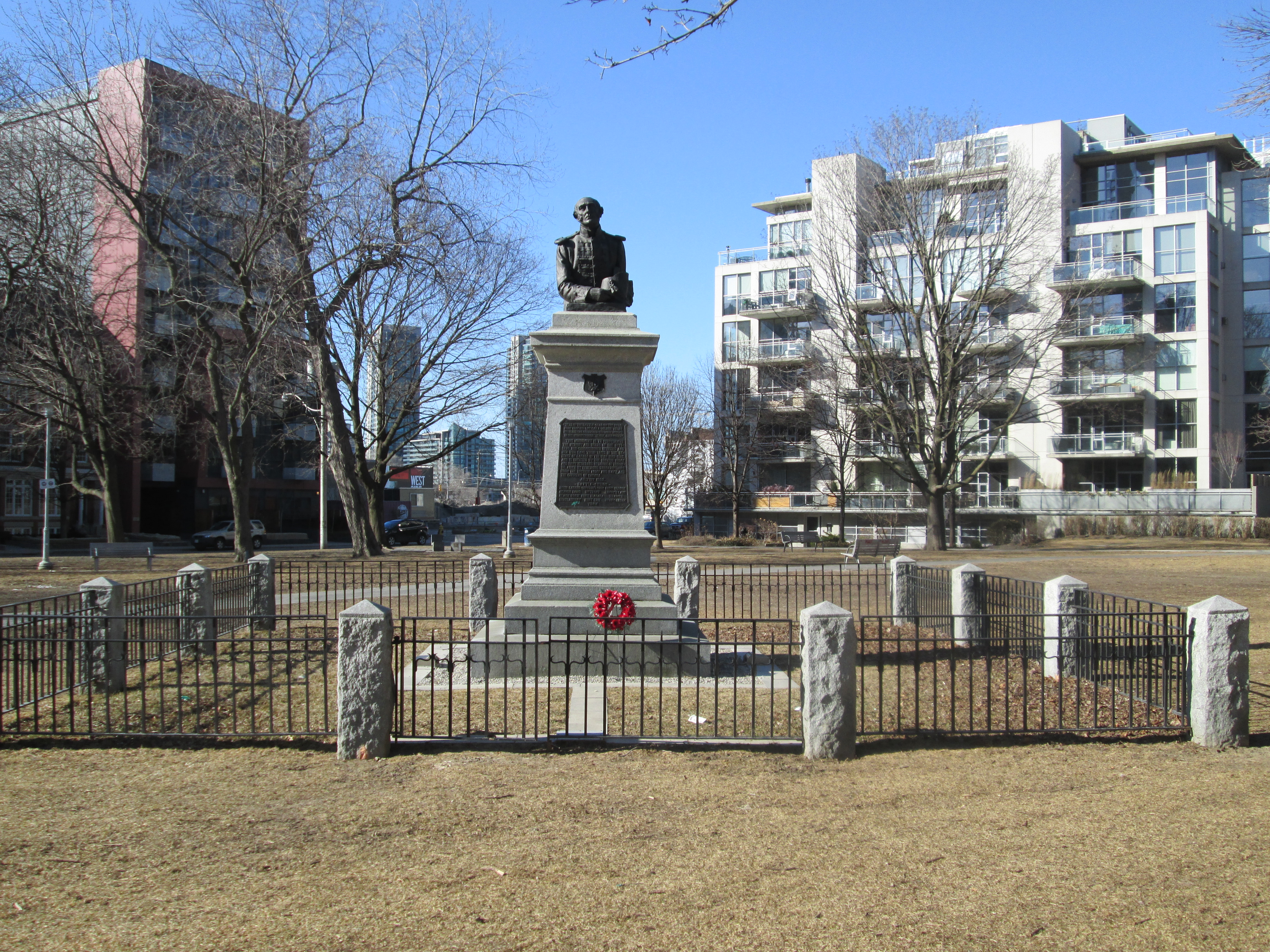
12. Military Burying Grounds – Hike Date: Mar. 22, 2015

The first burial in York (Toronto) occurred in 1794 when Lieutenant Governor Simcoe buried his one year old daughter in the woods behind Fort York.  This became the site of the Fort York cemetery until it was declared full and a second military burial grounds was opened at the west end of the Fort York Commons.
IMG_2952

11. Don Valley Brick Works – Hike Date: Nov. 16, 2014

Starting in 1882 and lasting for close to 100 years, the Don Valley Brick Works produced much of the brick used in constructing early Toronto.  This post explores the various buildings as well as the old pit, now converted to a park.
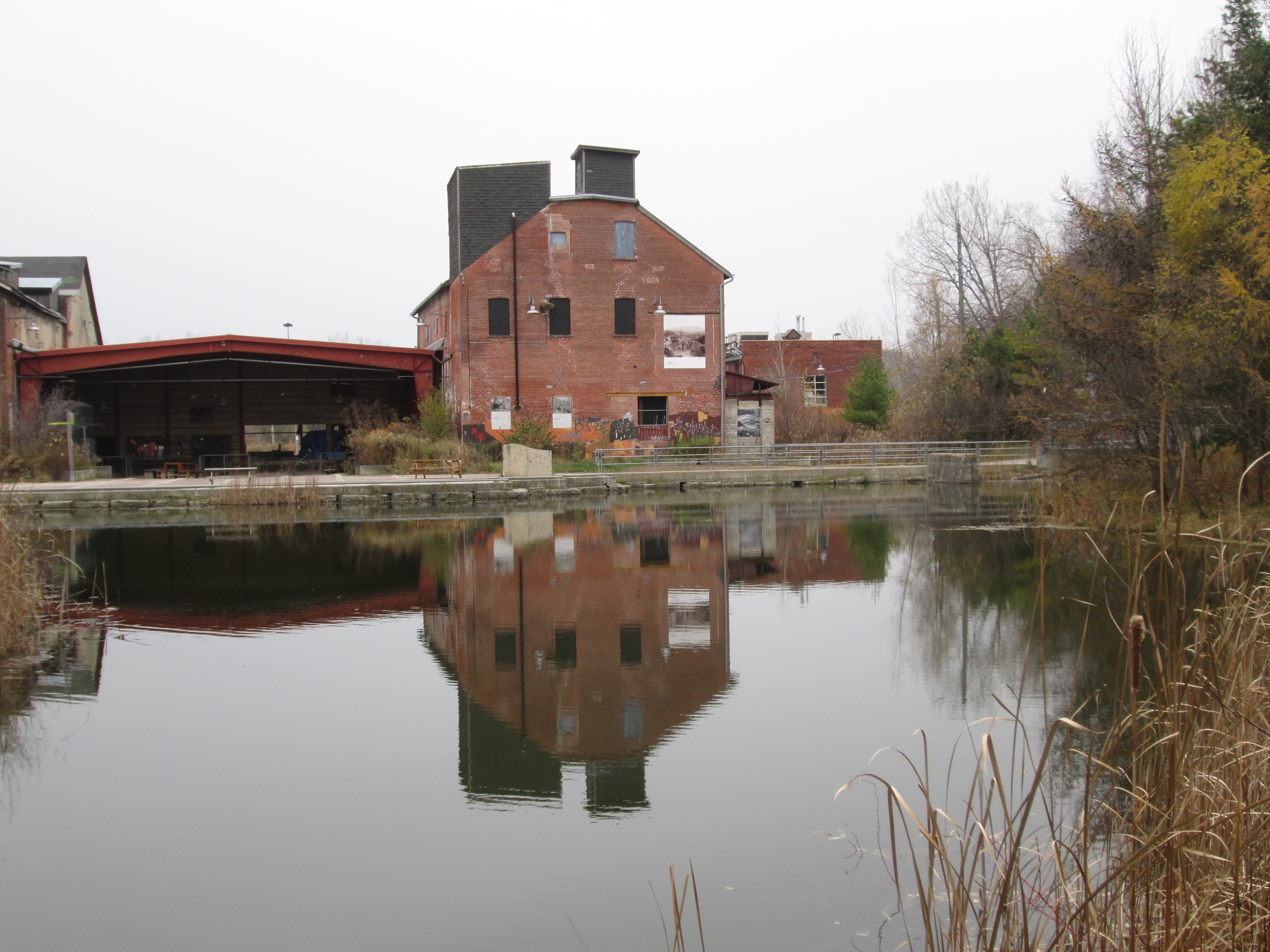
IMG_1083

10. Erindale Hydro Electric Dam – Hike Date: Oct. 19, 2014

Constructed between 1902 and 1910 the electric power generation plant in Erindale operated until 1923.  This hike explored the old dam, the surrounding park and the intake housing for the head race to the power station.

IMG_0683

9. Bayview Estates – Hike Date: Nov. 2, 2014

The area of Bayview Avenue and Lawrence Avenue was home to several grand estates owned by Toronto’s millionaires in the early 1900’s.  This post visits several of these estates and stops by the pre-1929 Bayview Ave. bridge, pictured below.

IMG_0886

8. The Devil’s Pulpit – Hike Date: July 11, 2015

The area around the Forks of the Credit was home to quarries during the late 1800’s.  This post explores an old lime kiln and climbs the 100 metre face of the Devil’s Pulpit.  The picture below shows the view from the top.
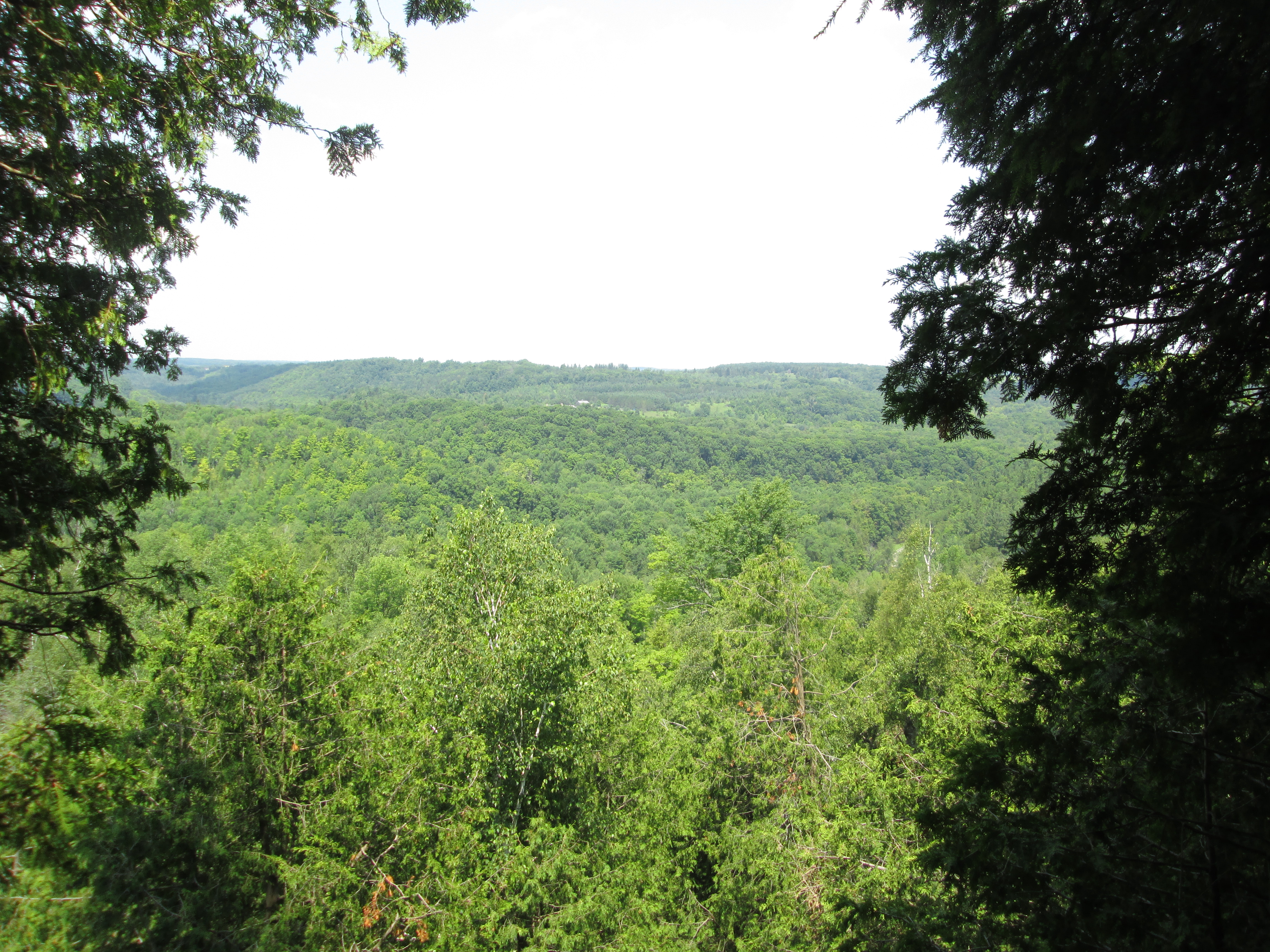
IMG_6501

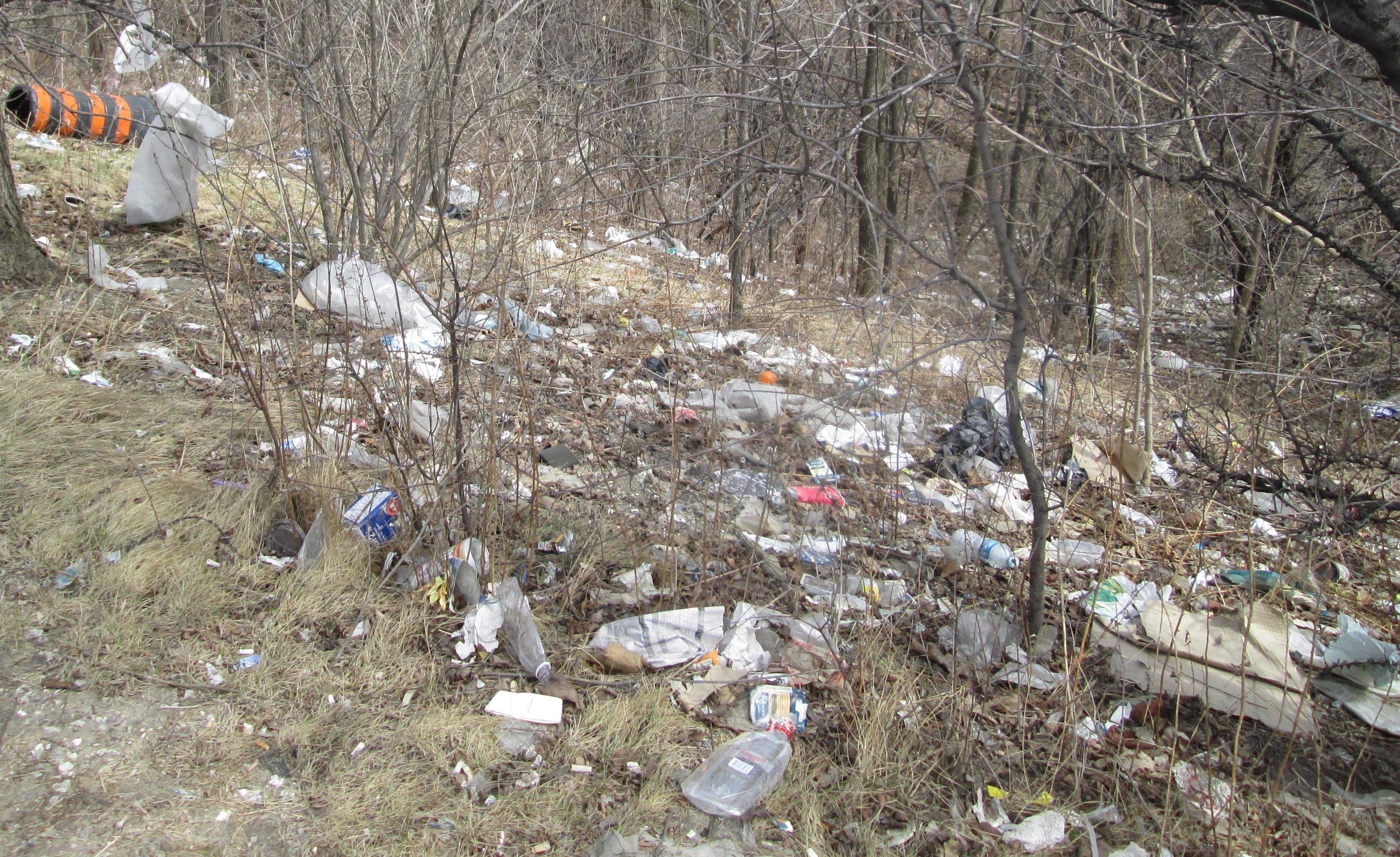
7 . Garbage Park Toronto – Hike Date: Apr. 13, 2015

This post was an example of me skipping stones in the big pond called city hall.  I was attempting to get the city to clean up an incredibly polluted stretch of parkland.  I went back and did a regular historical feature on the site in a later post called Dufferin Creek.  The Toronto Star featured the story in their column called The Fixer on April 22, 2015.  You can read their story here.
???????????????????????????????

6. Barber Dynamo – Hike Date: June 6, 2015

Built in 1888 the Barber Dynamo provided electricity to the Barber Paper Mills until 1913 when electrical power was brought from Niagara Falls.  This historic building stands about 3 km downstream from the paper mill.
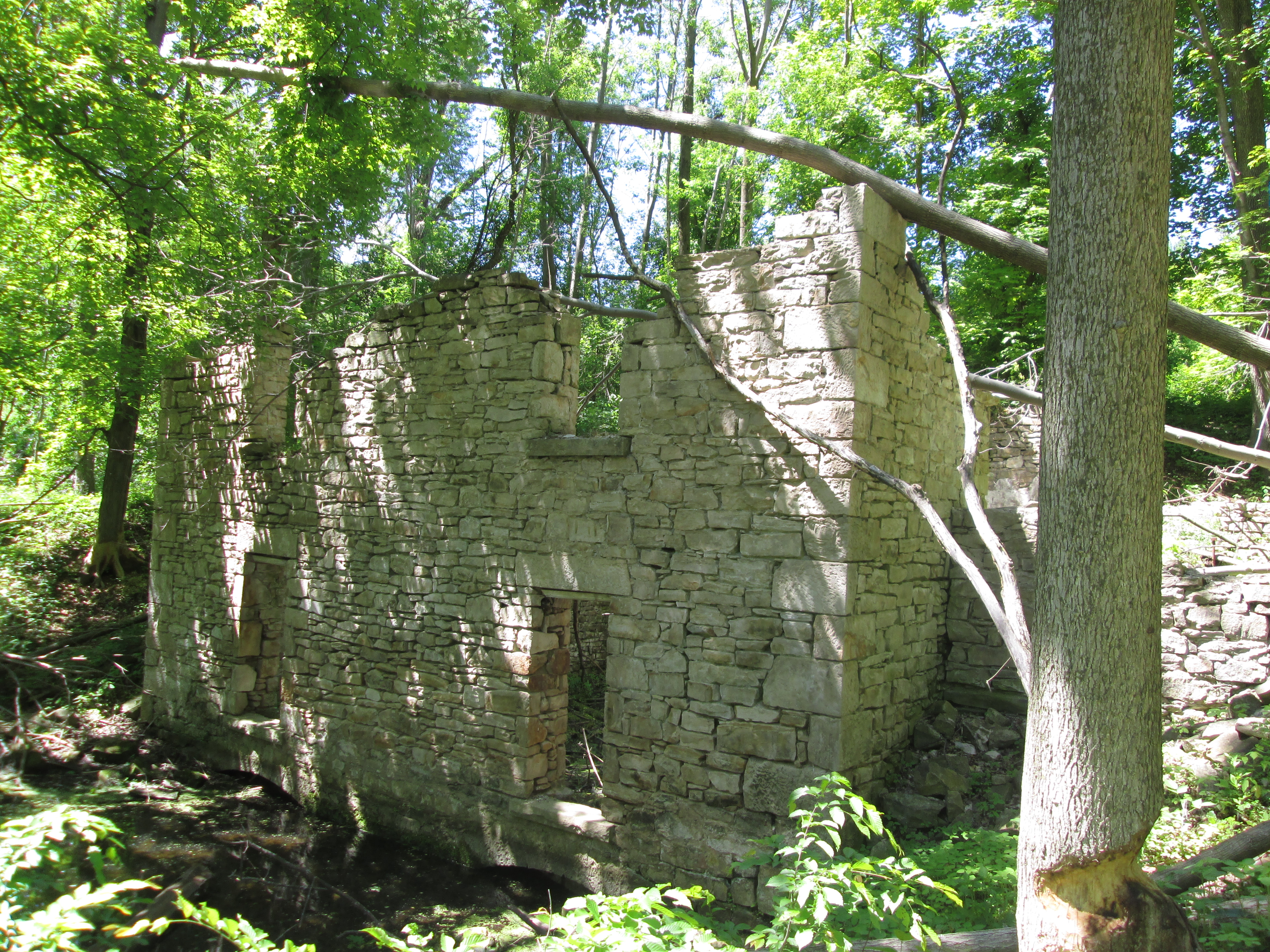
IMG_5259

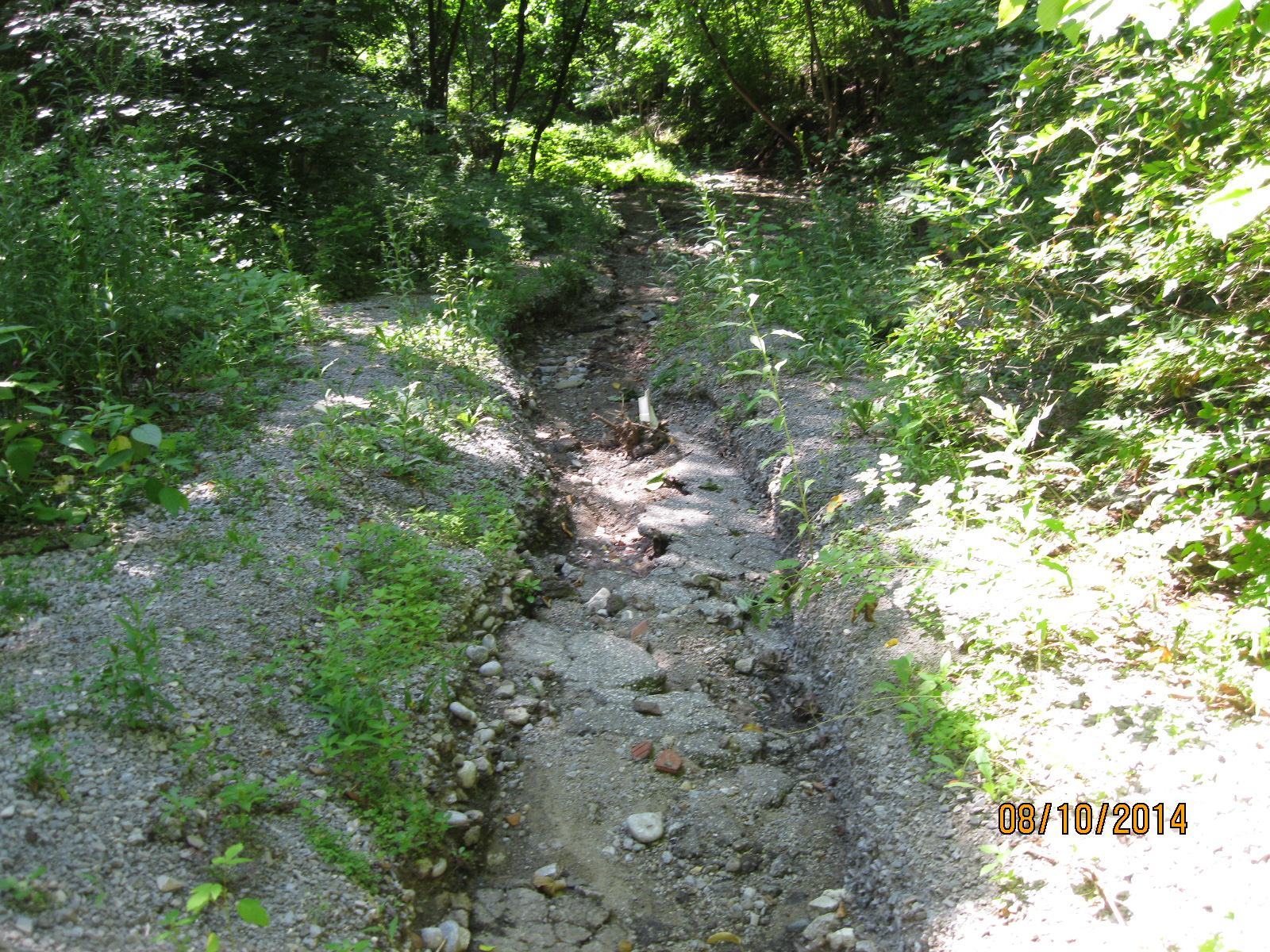
5. Pottery Road – Hike Date: Aug. 10, 2014

Pottery road likely followed part of an old Indian trail that ran along the Iroquois Bluffs.  When the Bayview extension was built in 1959 Pottery road was cut in two and the part west of Bayview was left to be reclaimed by nature.
IMG_2799

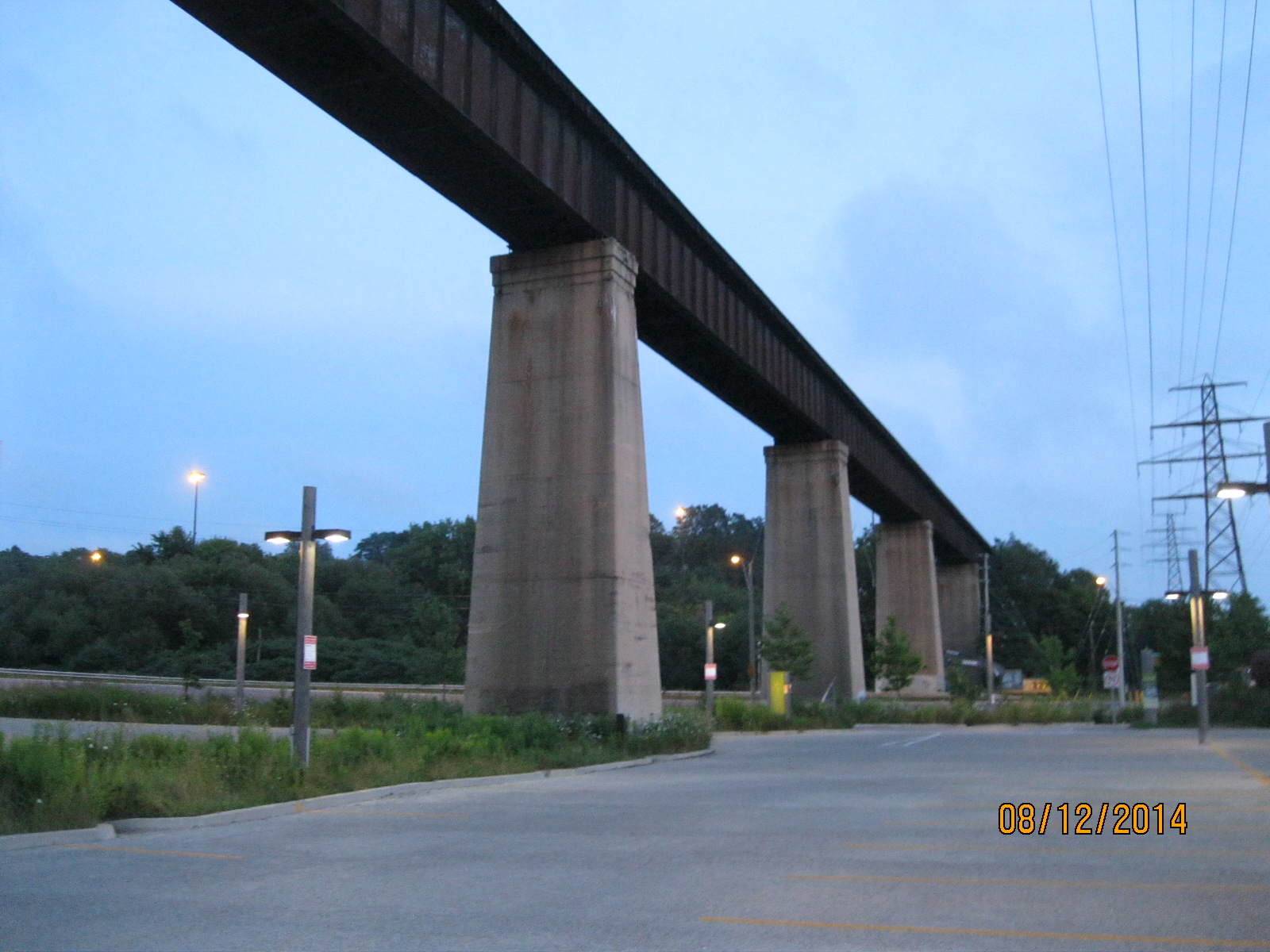
4. Half Mile Bridge – Hike Date: Aug. 13, 2014

Built in 1888 this bridge brought the CPR into Union station.  Prior to it’s contruction the CPR train had to back up all the way from The Junction to Union Station.  This bridge across the Don River Valley was abandoned in 2007 and trees now grow beside the rails along the former right of way.
IMG_2908

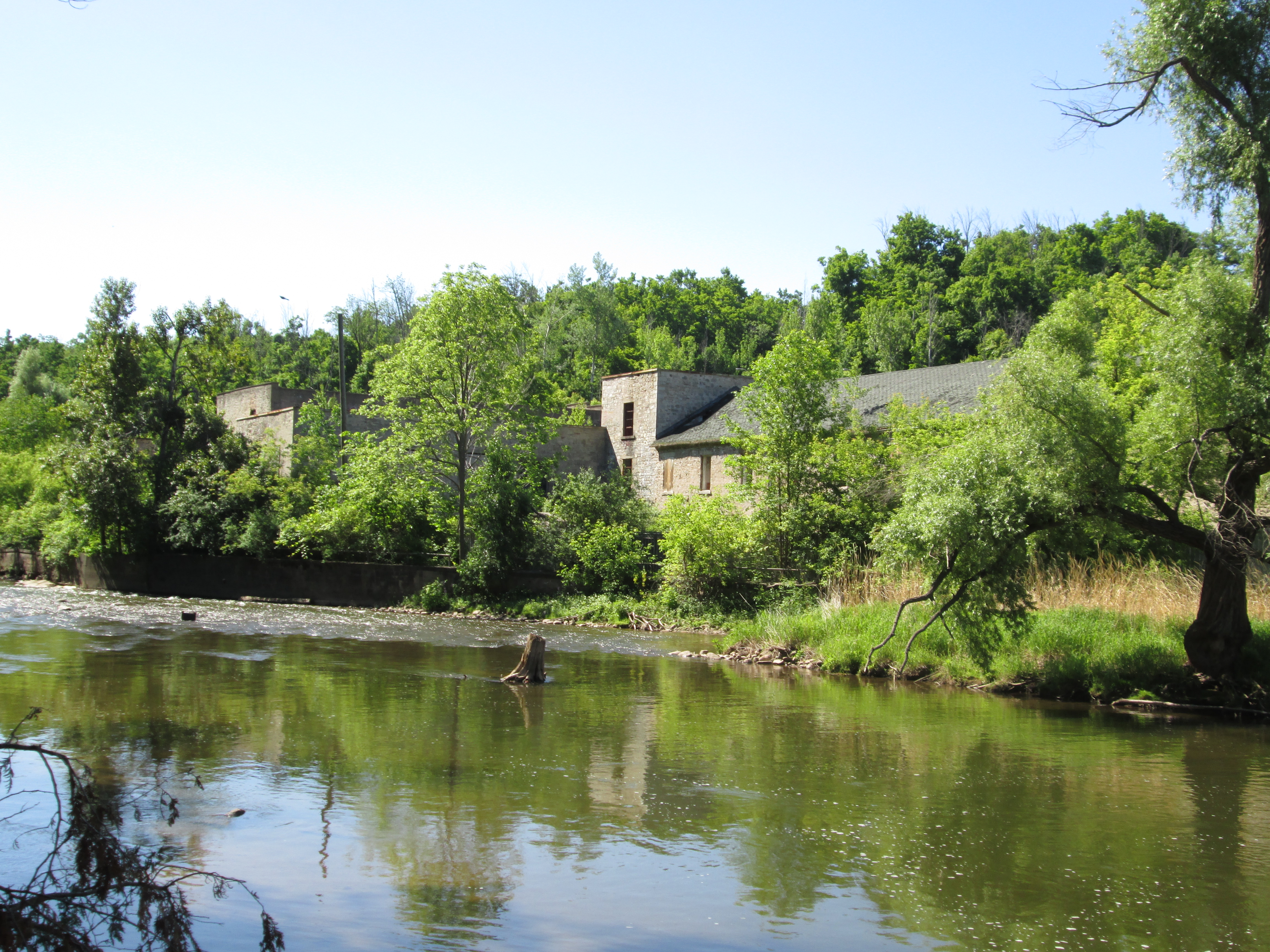
3. Barber Paper Mills – Hike Date: June 6, 2015

Situated on the side of the Credit River in Georgetown, the Barber Paper Mills were the first industry in Canada to build it’s own dynamo and transmission lines to provide electrical power to their mill.  A paper mill was operated here from the mid 1800’s until 1948 when it was closed.
IMG_5155

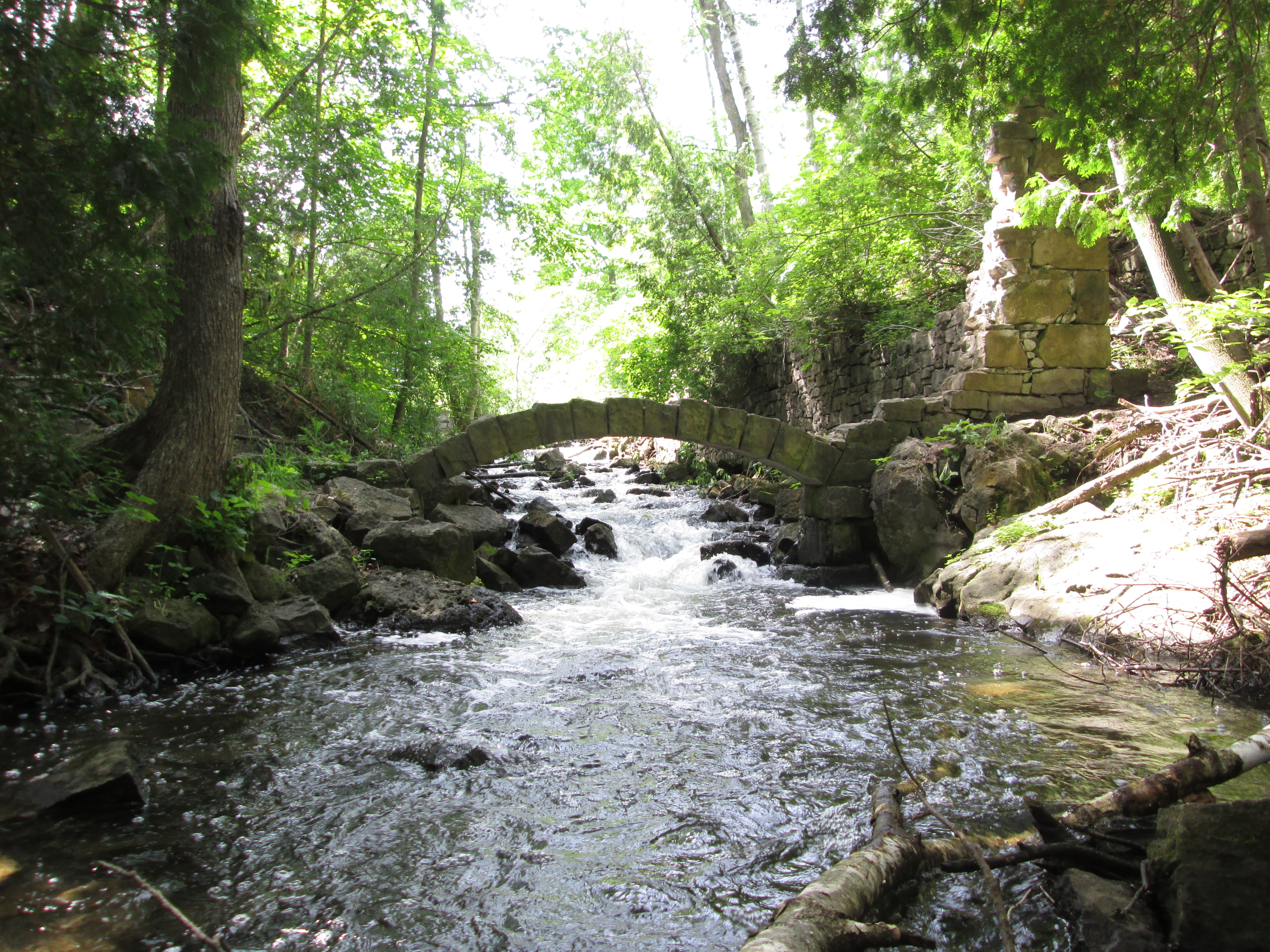
2. Limehouse – Hike Date: June 20, 2015

The village of Limehouse developed around a local lime industry.  The remains of set kilns from the 1840’s and an 1860’s style draw kiln along with the foundations of a lime mill with it’s stone arch and a powder house make this an historically interesting hike.  The Bruce Trail runs through an area known as the Hole in the Wall where you can climb through cracks in the rock face.
IMG_5685

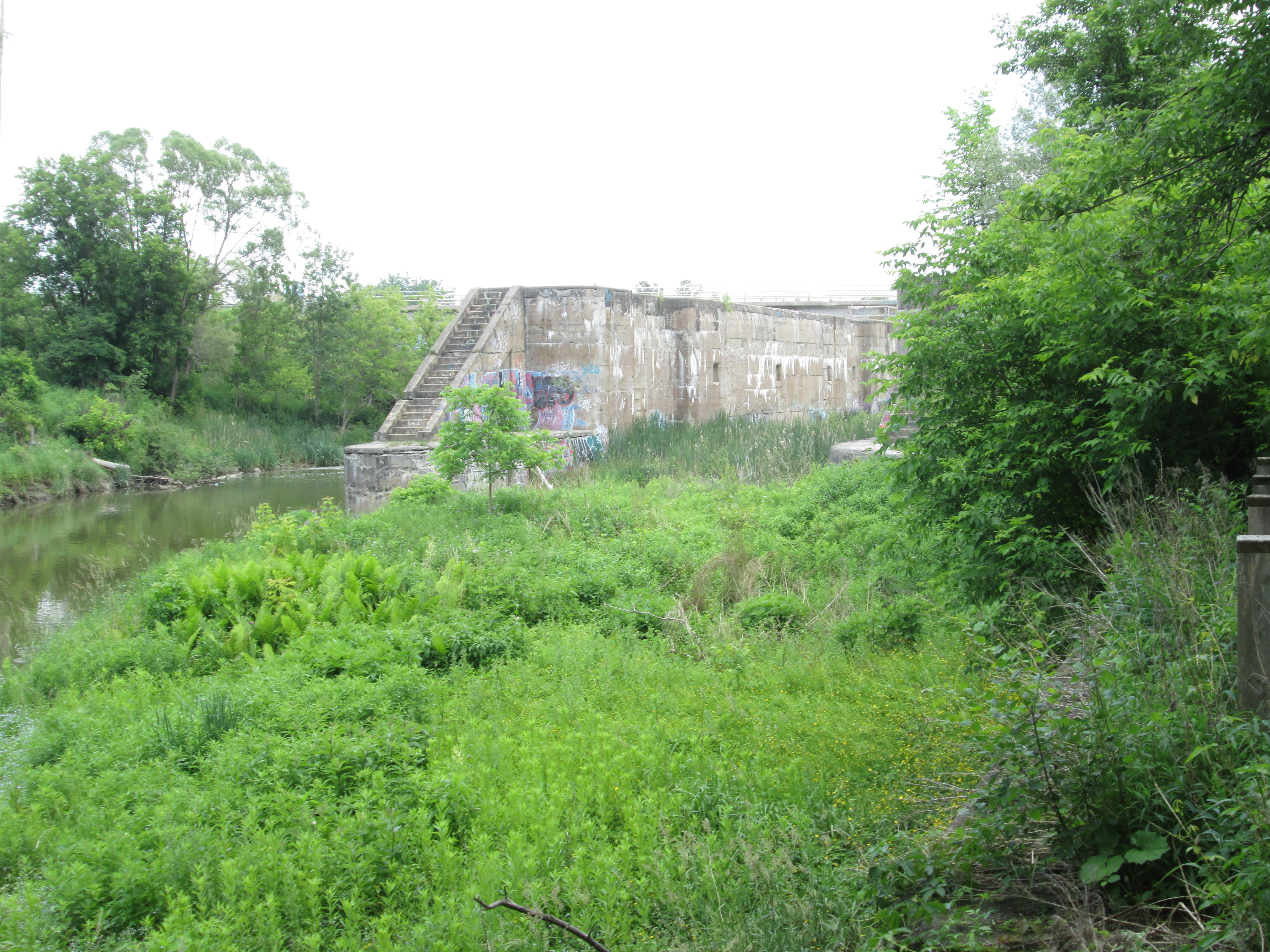
1. Newmarket Ghost Canal – Hike Date: June 21, 2015

Although two previous plans to build a canal system using the Holland River had been abandoned when found to be impractical and too expensive, the idea was resurrected in 1904. The canal would run from Cook’s Bay on Lake Simcoe to Newmarket using three locks and four swing bridges.  Cost over-runs and insufficient water supply to fill the locks caused it to be cancelled in 1912 when construction was nearly complete.
IMG_5851

Who knows what the future holds?  One thing I’m sure of is this.  If I get the opportunity to do another 100 hikes I’m going to see some awesome things.  Thanks to everyone for coming along on chapter one and let’s see what’s in store in chapter two of the adventure that is Hiking The GTA.

Visit us at http://www.facebook.com/hikingthegta

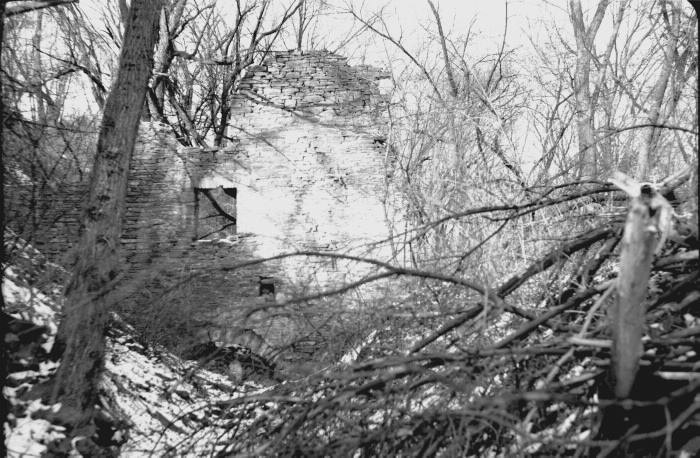
The Old Mill

Sunday May 10, 2015

It was 20 degrees with rain in the forecast and the Japanese Cherry Trees in High Park were in full bloom.  Unfortunately, several thousand other people went to view them as well and there was simply no parking.  (This would have been a good time to use the subway). Fortunately, the Old Mill is very close and has some interesting things to explore.  Parking in the parking lot on the east side of the Humber River we chose to walk as far north as the old dam and then from there back to the mill.

False Solomon’s Seal is growing in the woods along the east bank of the river.  This plant can be eaten in the spring when the stems are still tender.  The native peoples used it for it’s strong laxative properties.  When it is a young plant is strongly resembles another highly toxic plant so please make sure that it is positively identified.

IMG_4195

Robins lay their eggs in clutches of 3 to 5 eggs.  They hatch about two weeks after they’re laid and the bald babies with their eyes closed are protected by both male and female birds.  A couple of weeks later and the young birds are already proficient fliers.  A mating pair will raise two or three broods in a season.  Only about 25% of the young will survive the first year with the longest known life span being 14 years.  Robins take the egg shells and throw them at some distance from the nest.  This is to keep predators from robbing the nest.

IMG_4261

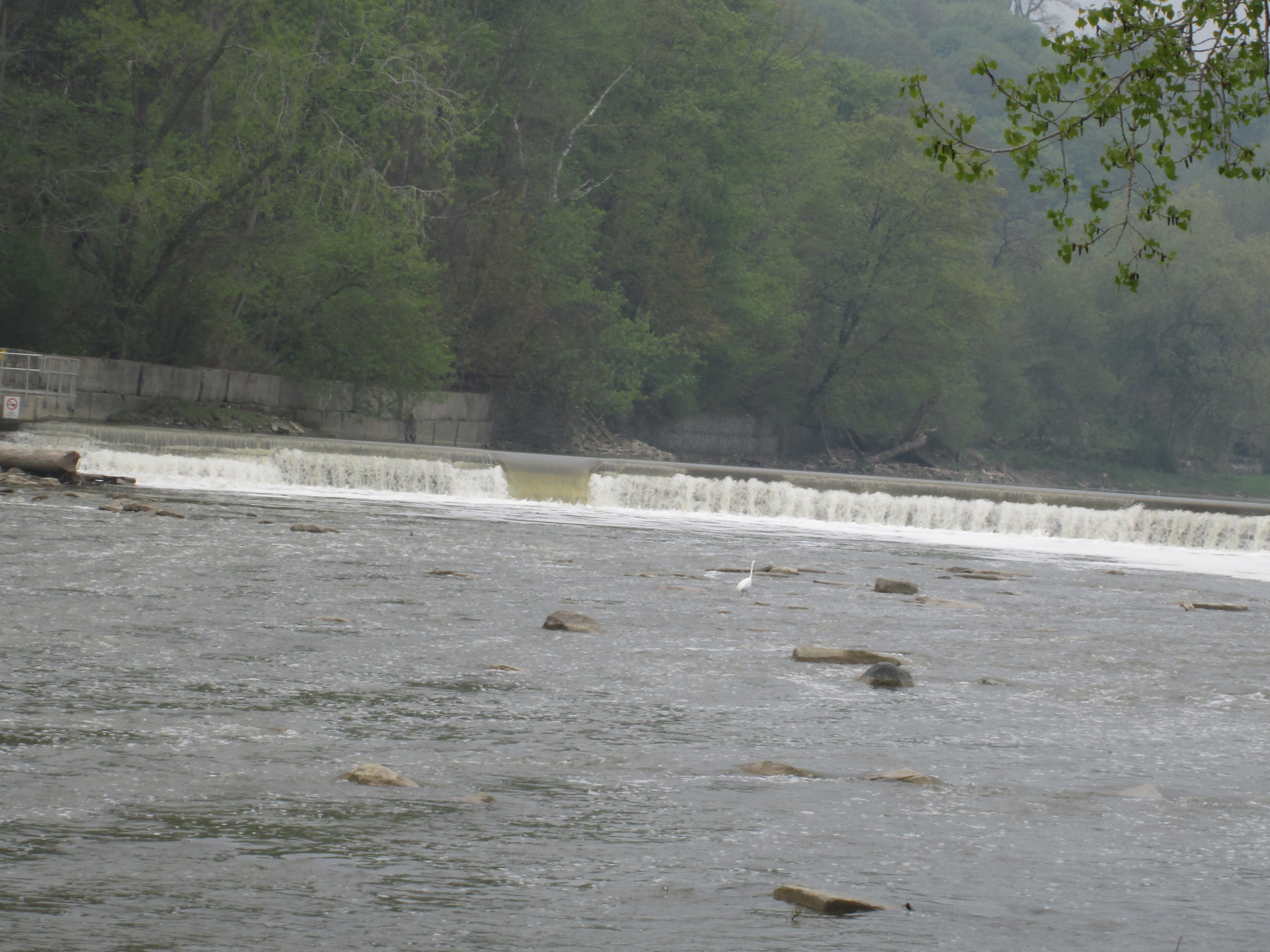
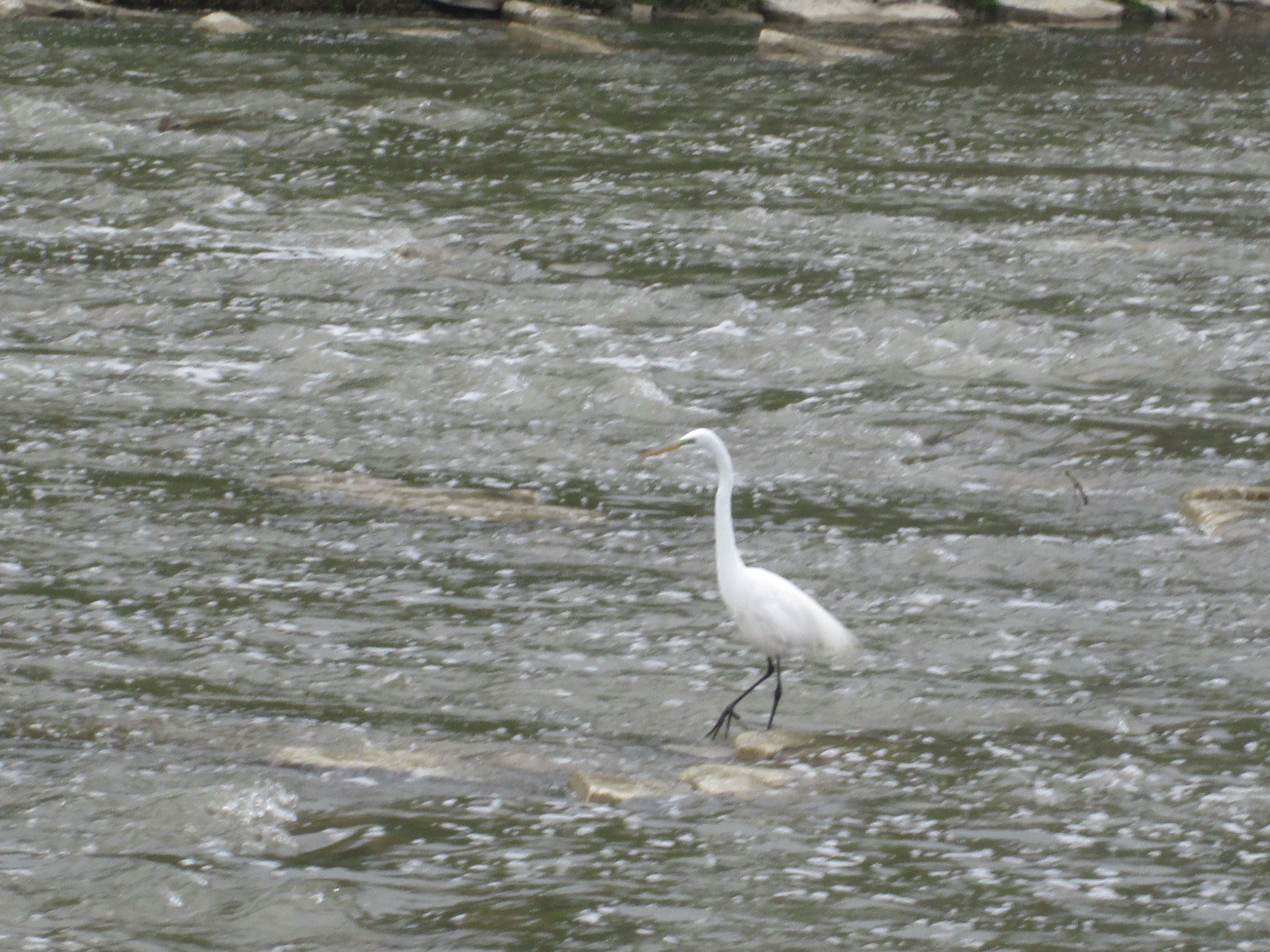
The Humber was dammed just north of the Old Mill.  Today, most of this has been removed for flood control following Hurricane Hazel in 1954.  An egret stands fishing in the waters just below the water falls.

IMG_4284

In the 19th century people had a love for the plumage of the egret and this led to their demise. Egrets are monogamous with both male and female protecting the young in the nest. The little ones are fiercely aggressive with the stronger ones often killing the weaker so that they don’t all reach the fledgling stage. Over hunting lead to their near extinction and the implementation of some of the first conservation laws protecting birds.

IMG_4287

The cormorant in the picture below looked like he was having fun.  He rode the river straight toward the fastest part of the water falls.  He did his last second launch and landed gracefully to score a perfect ten.

IMG_4308a

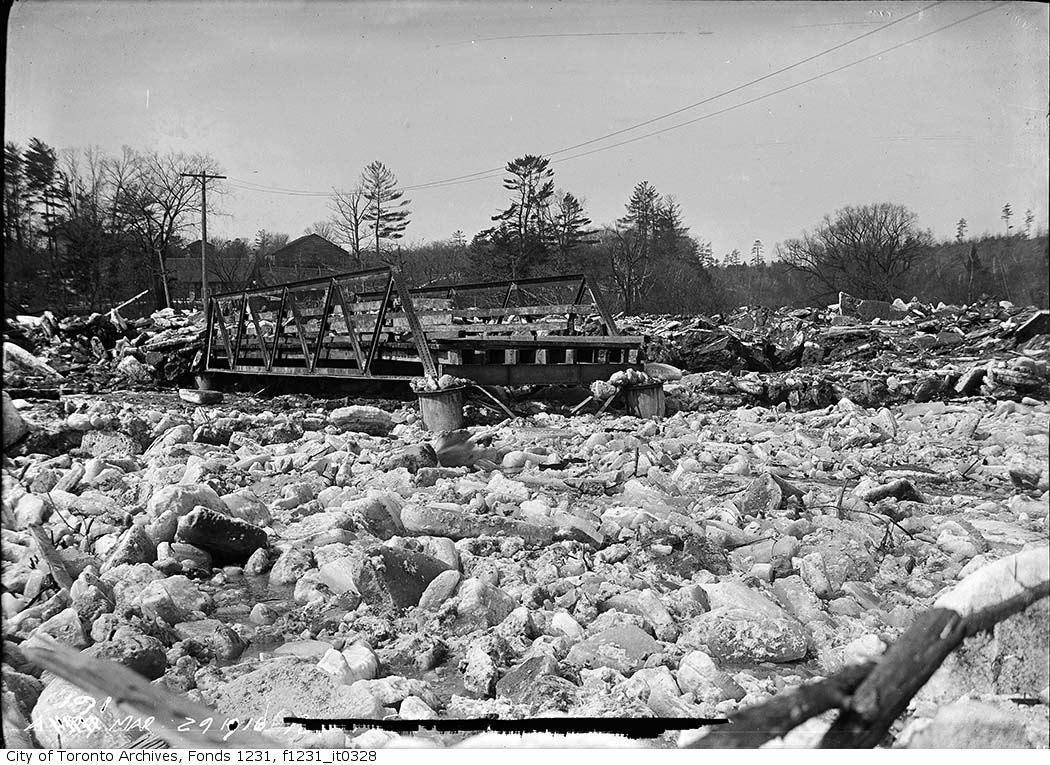
An earlier mill bridge over Catherine Street was made of steel truss with a wooden decking and it was lost in the spring ice break up of 1916. The picture below shows the bridge on Mar. 29th in the ice field.  Two days later it was gone.

old mill bridge

The bridge was replaced the same year by this three arch stone structure.  Stone arch bridges date back to Roman times and the frequent loss of bridges on the Humber led to the decision to construct this more substantial one.  Frank Barber had pioneered the use of concrete in Canadian bridge construction in 1909 and by 1913 had designed all nine that had been built in Upper Canada.  His design for the bridge at the old mill has survived 99 spring ice break ups and Hurricane Hazel while others up and down the river have been lost.  The Humber River divided York County and the Township of Etobicoke at the time of construction and their crests are carved in stone on either side of the centre arch.

IMG_4283

Water from the dam on the river was brought under Catherine Street via the head race which flowed through this passage.

IMG_4210

From here it was dropped onto the water wheel.  This type of water wheel is known as over-shot because the water comes from above.  Close examination of the wall in front of the wheel shows that the tail race used to pass through here but has been closed off with new stone. There is a straight line up the wall that marks the old passageway.

IMG_4220

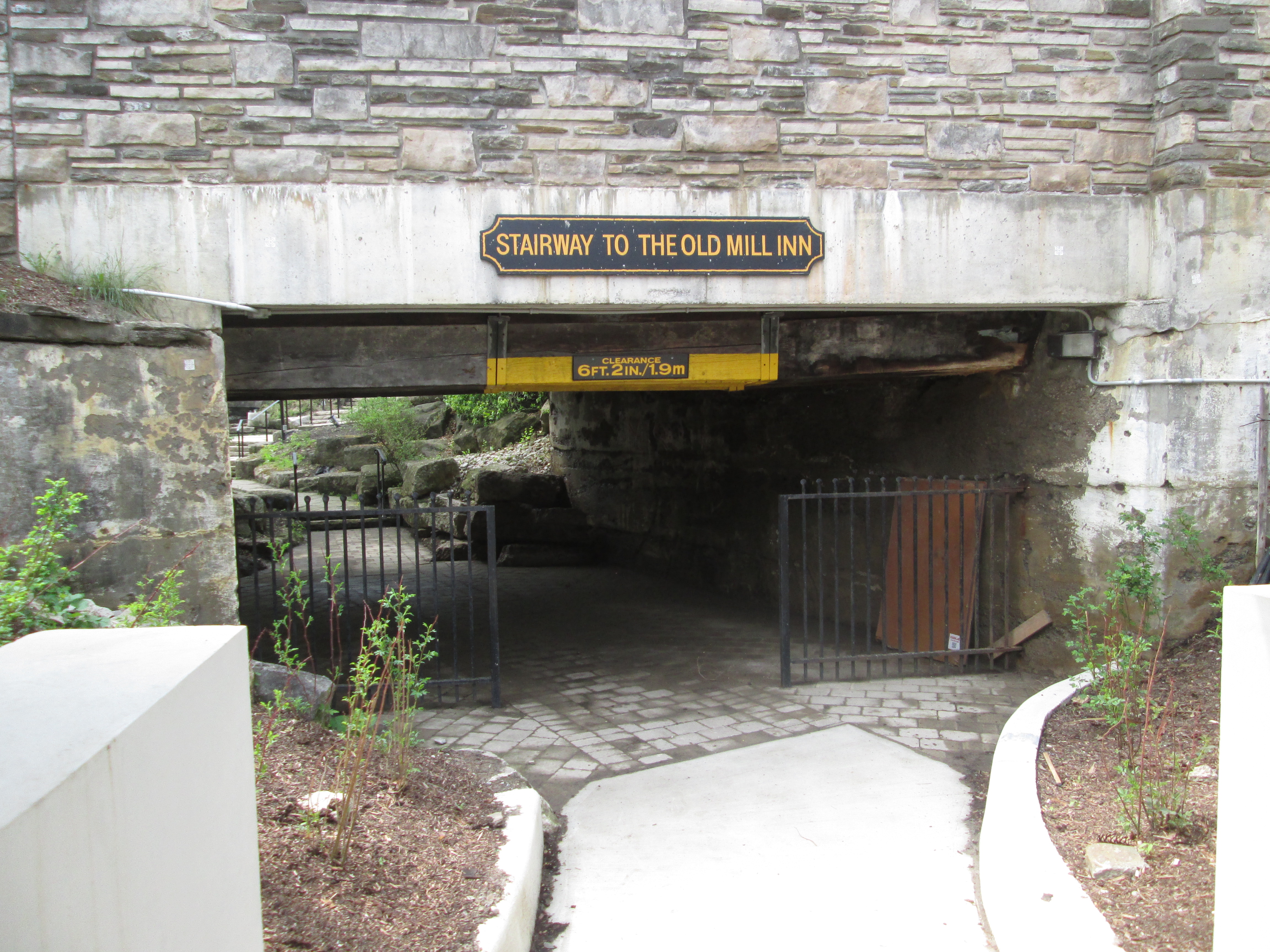
The first mill in York (Toronto) was constructed in 1793 at the request of Lieutenant-Governor Simcoe and this was the first industrial site in Toronto.  It was known as the King’s Mill after King George III of England who was the reigning monarch at the time.  The mill went into operation the following year when the mill wheels and gear systems arrived from England where they had been forgotten the year before.  The government elected to lease the mill and ended up with a long series of mill operators.  The first mill was a  saw mill but while Thomas Fisher was the miller he replaced it with a grist mill in 1834.  William Gamble bought the mill and replaced it with a new larger mill.  This mill was destroyed by fire in 1849. The fourth mill was built on the same location by Gamble.  During this time it was known as Gamble’s Mill and the upper story was used to store apples.  During the winter a wood burning stove was kept going to keep the apples from freezing.  This practice ended badly when the stove overheated in the winter of 1881 and burned the mill down.  It sat abandoned until 1914 when Robert Home Smith, who was instrumental in developing the Port Lands, bought 3000 acres in the area of the mill to create a subdivision.  He converted part of the site into the Old Mill Tea Garden.  Various additions were made over the next 80 years as the area became a focal point in the community. In the  1990’s significant restoration and reconstruction of the original grist mill was undertaken and in 2001 the Old Mill Inn was opened with 57 luxurious suites.  The picture below shows some of the original stonework from the 1849 mill with the new English Tudor style hotel on top.

IMG_4230

The stone on the lower portion of the mill is darker and may represent the foundations of Fisher’s mill.  The cover photo shows the abandoned mill as it looked in 1913 just prior to the start of redevelopment.

IMG_4233

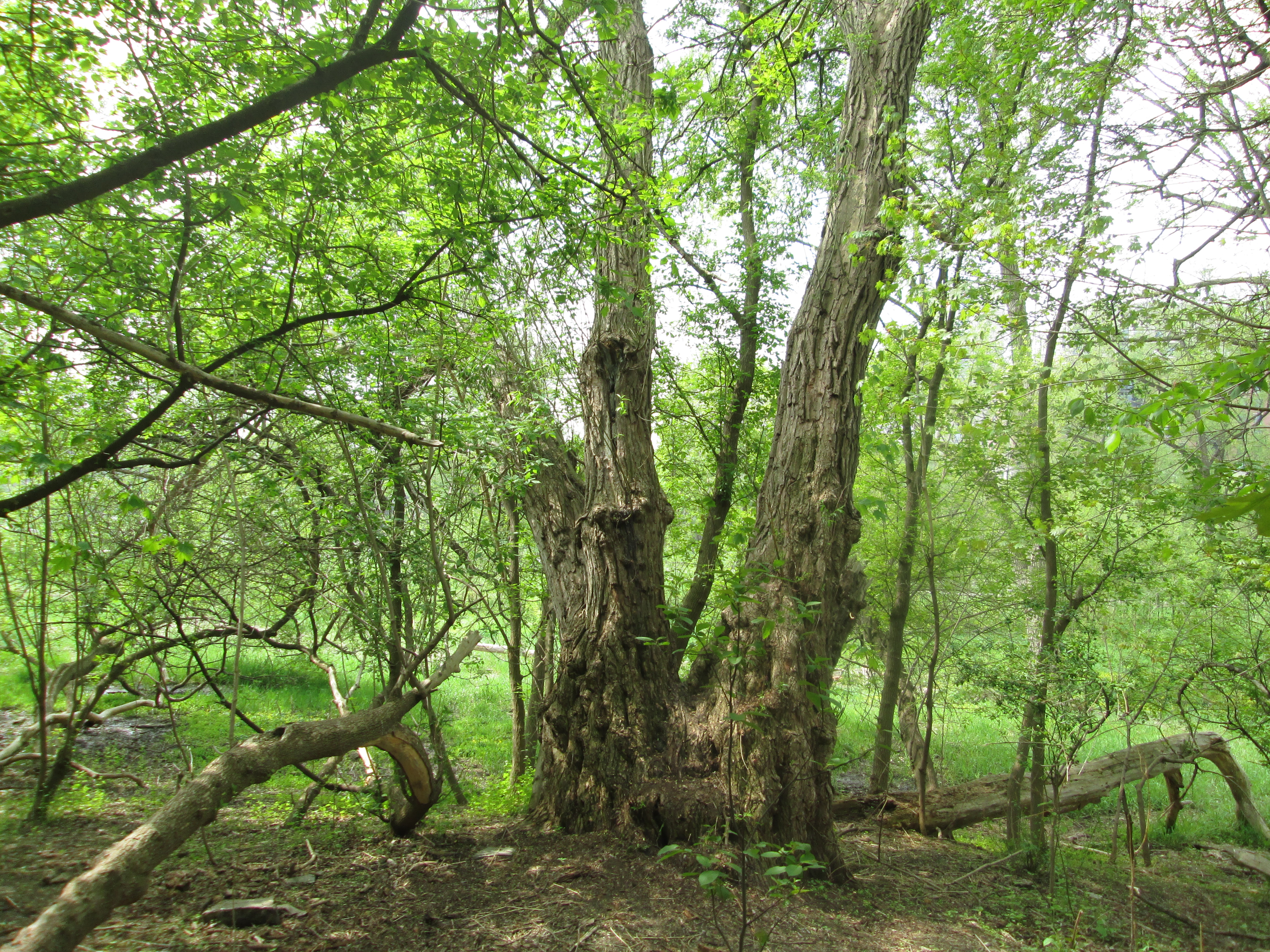
I close with this majestic tree simply because it’s nice after months of brown and white photo’s to have a vibrant green one.

IMG_4198

Google Maps Link: The Old Mill

Like us at http://www.facebook.com/hikingthegta

Follow us at http://www.hikingthegta.com

Rowntree Mills

Saturday, Nov. 8, 2014

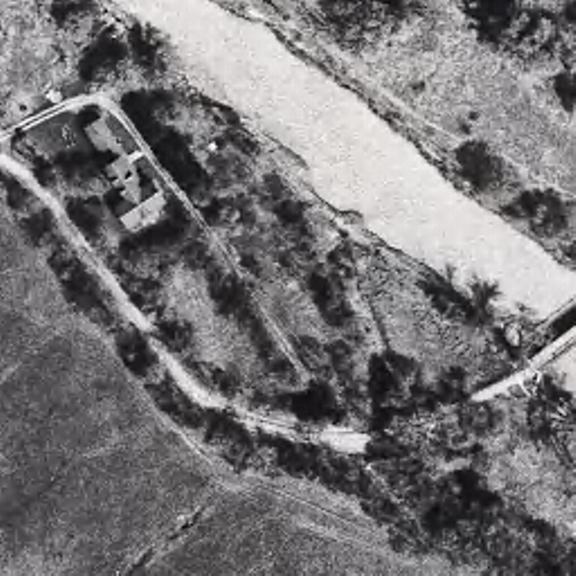
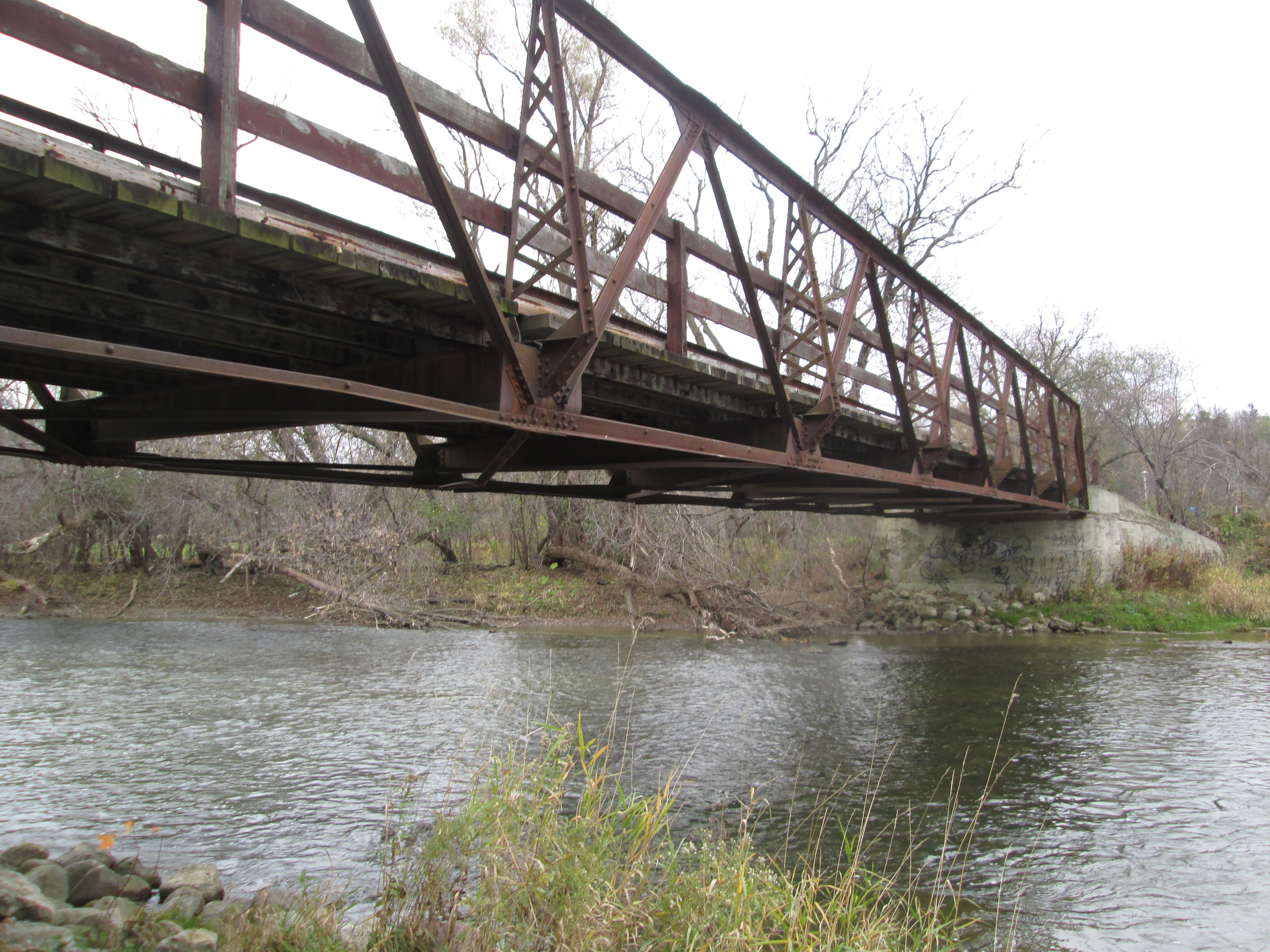
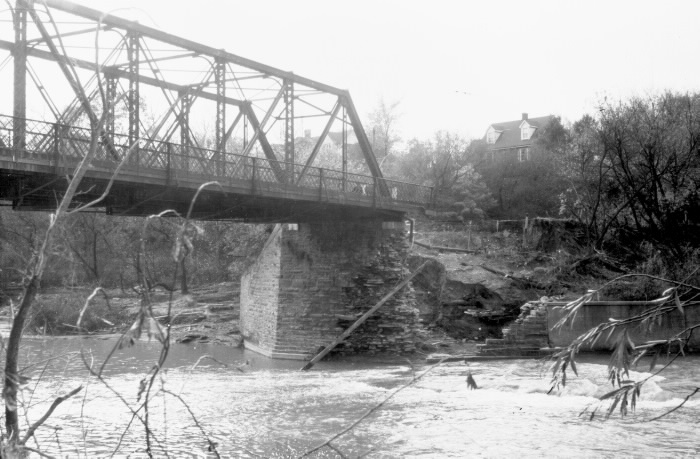
It was overcast and 5 degrees with occasional light drizzle.  Parking is available on Hathor Crescent just before Rowntree Mills Road descends the hill to the river.  The road is closed at the bottom of the hill and from here the bridge across the Humber river can be seen.  The bridge is a steel girder construction and has been fitted with new wood decking to convert it into a safe pedestrian bridge.  It’s construction likely dates to around 1900.  The bridge can be seen crossing the river in the lower corner of the cover photo, which is an aerial shot from 1953. The photo below of the bridge is taken from the west bank of the river.

IMG_0923

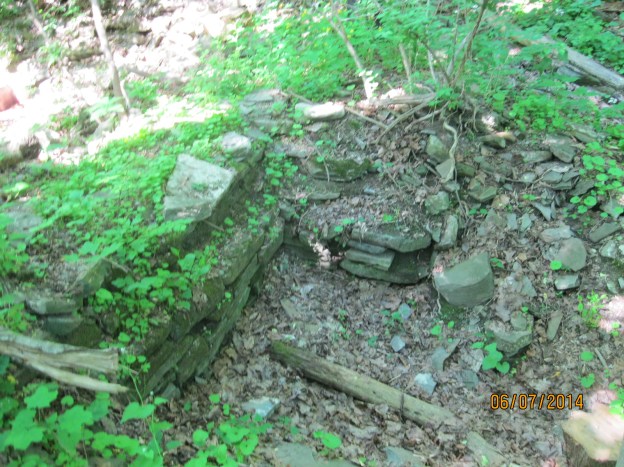
Joseph Rowntree arrived in Canada from England in 1830 and set himself up in an area known as Pine Ridge, just outside of Thistletown.  In 1843 he built a saw mill on the east side of the Humber river and in 1848 he built a grist mill on the west side.  A road was built to access the mill which we now call Rowntree Mills road.  A bridge was built across the river and he named it all Greenholme Mills.  In 1870 Joseph added the Humberwood Mills, a mile down river, to the family holdings.  The cover photo shows the grist mill as it appeared in 1953. Rowntree Mills road crosses the bridge and passes to the west of the mill.  A laneway completes the loop on the river side of the mill.  Today the area where the mill stood 60 years ago has become completely overgrown.  All that could be found was this square area of concrete in the woods and many piles of bricks, stone and concrete.

IMG_1017

From the east side of the river the former mill site can be identified by the row of pine trees that ran along side of the lane way that lies between the mill and the river.  They show up as the dark strip to the right of the road, adjacent to the mill, in the cover photo.  I can picture Joseph planting these pines along the ridge in honour of the community of Pine Ridge where he lived. The mill stood about 20 feet above the current water level of the river.  It isn’t immediately obvious how Joseph used the water power from the river to turn the grinding wheels in his grist mill.  It may have initially been an undershot wheel sticking out into the river.

IMG_1024

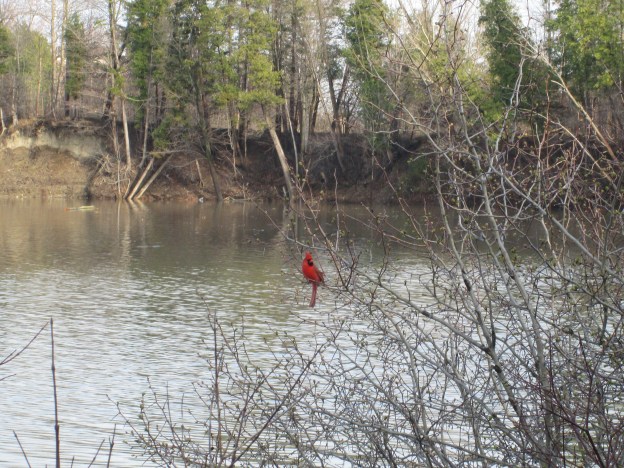
It was a morning full of various birds.  At one point a migration of cardinals passed through but none sat still long enough to get their picture taken.  There were also flickers, herons, and large birds of prey.  Some of the trees in the area display the straight rows of tiny holes that are typical of a yellow-bellied sap sucker.  These woodpeckers drill little holes from which they feed on the sap that flows out.  The tree in the picture below had these rows of holes extending for as far up the tree as the eye can see.

IMG_0930

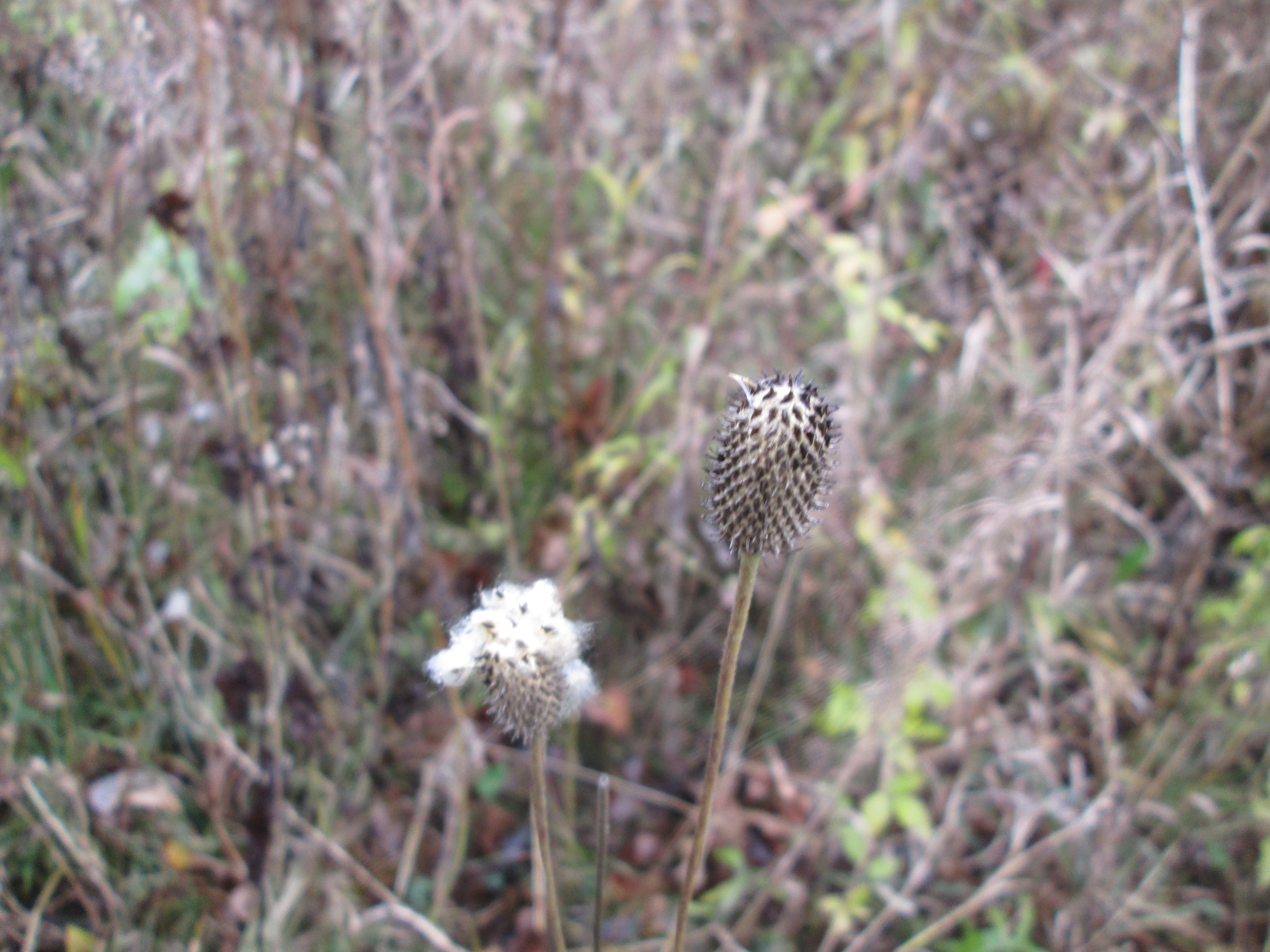
This plant is known as tall thimbleweed.  The single head on a tall stem contains tiny nubs that make it look like a thimble.  When the seed heads burst open they look and feel like cotton. Native peoples used the plants for medicinal purposes but we now know that the leaves are toxic in large doses and so the plant is used mainly for decoration.  The picture below shows both a closed pod and one that has blown open to spread its seeds to the wind.

IMG_0937

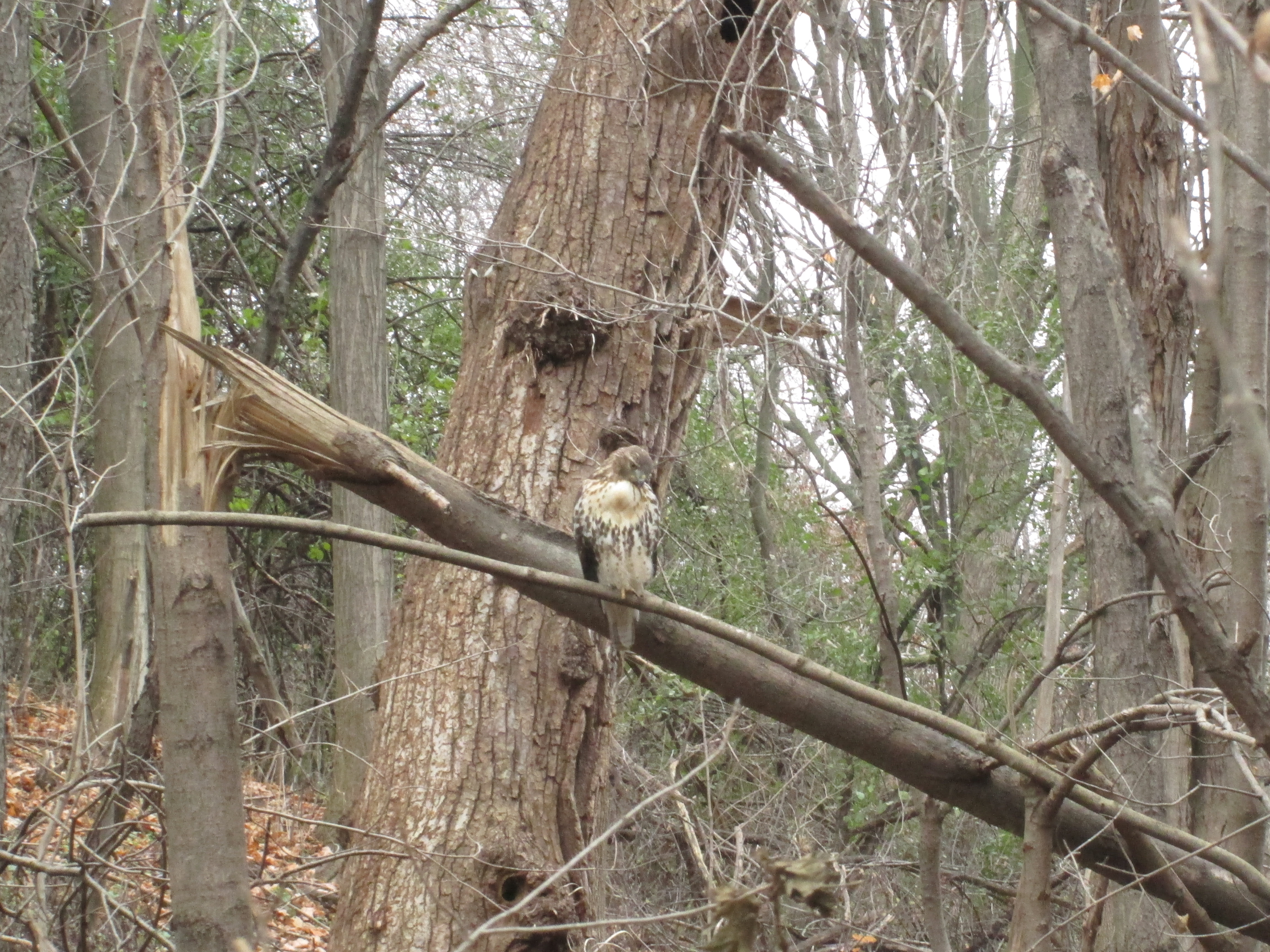
This very large red tailed hawk didn’t seem to mind posing for the camera.

IMG_0993

Rowntree Mills Park and the surrounding ravines have been taken over by white tail deer.  In one spot I was able to see 8 females at one time plus at least one male.  Mating season is known as rutting season for these deer.  Males begin their part of the rut in the fall when the velvet is falling off of their antlers.  In North America this lasts for several weeks with the peak being on average, November 13th.  The male’s part in the reproductive act lasts for exactly one thrust.  Ho-Hum.  Females go into rut for periods of up to 3 days at a time and can do so 7 times over the rutting season, or until they conceive. The picture below has at least 4 deer looking at the camera plus 4 others hiding in the background.

IMG_1005

In October 1954 the area on the east bank of the river just north of Rowntree Mills road was home to a small community of houses.  On the morning of October 16, 1954, there were 12 less of them there because Hurricane Hazel had swept them away.  Two people died in this area as well when they were trapped in their car as the river washed it down stream.  Today the area has been cleaned up and there is no trace, other than in old aerial photos, to show where the homes were. Rowntree Mills Park was named after Joseph in 1969 but was closed in 2009 due to wild parties that trashed the park.  Today it is basically abandoned although the grass is cut and the leaves are cleaned up.  The picture below is taken from the front yard of one of these former homes looking along the street where others once stood.

IMG_1023

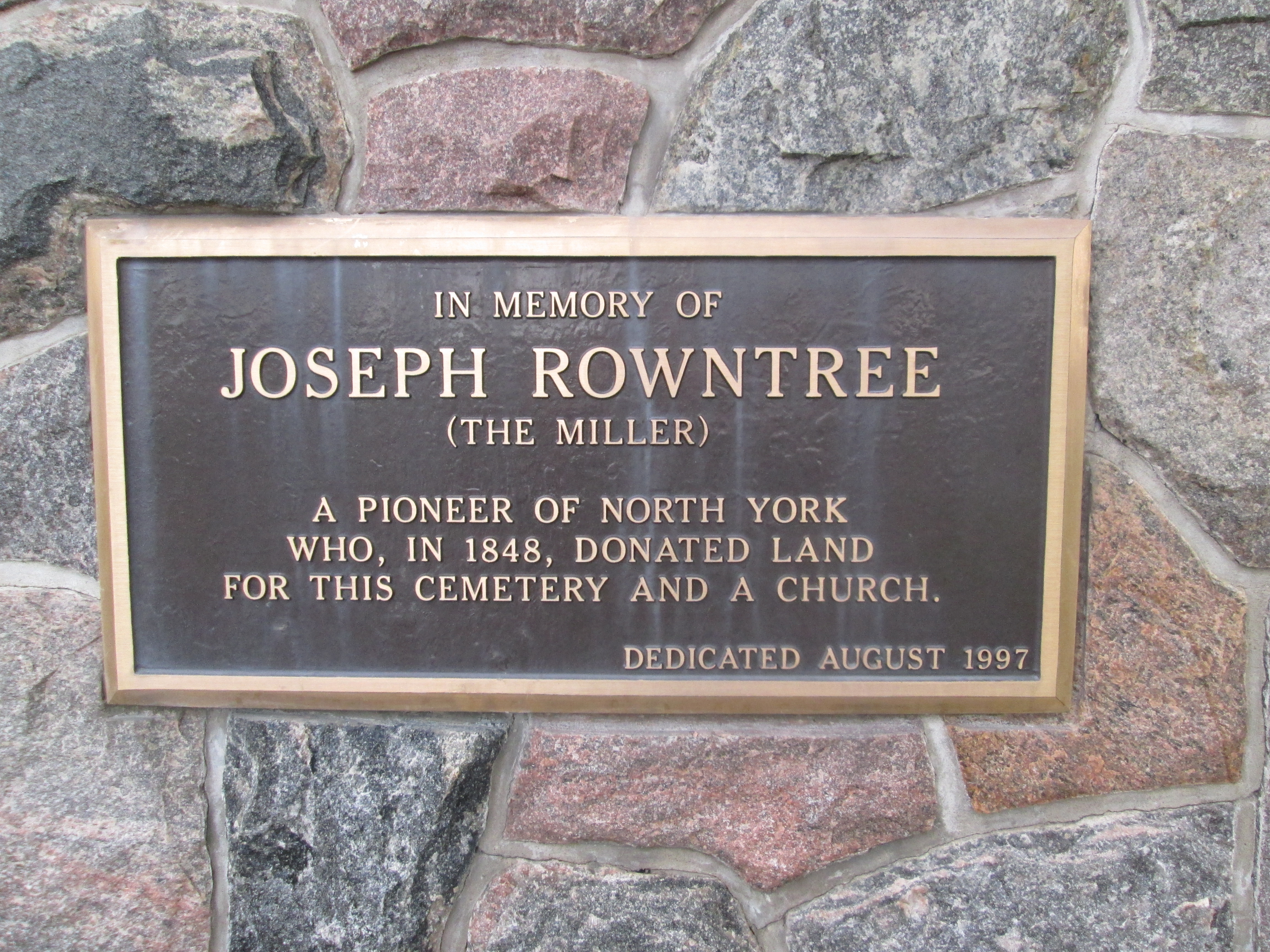
At the corner of Rowntree Mills Road and Islington Avenue is a pioneer cemetery.  This land was donated in 1848 by Joseph Rowntree to be used for Pine Ridge Methodist Church and its cemetery.  There are many grave markers in here that commemorate the lives of various members of the Rowntree family.  Although it seems likely that Joesph was laid to rest here, I was unable to locate his grave marker.

IMG_1026

Google Maps link: Rowntree Mills Park

Like us at http://www.facebook.com/hikingthegta

Follow us at http://www.hikingthegta.com


Claireville

Saturday Aug. 3, 2014

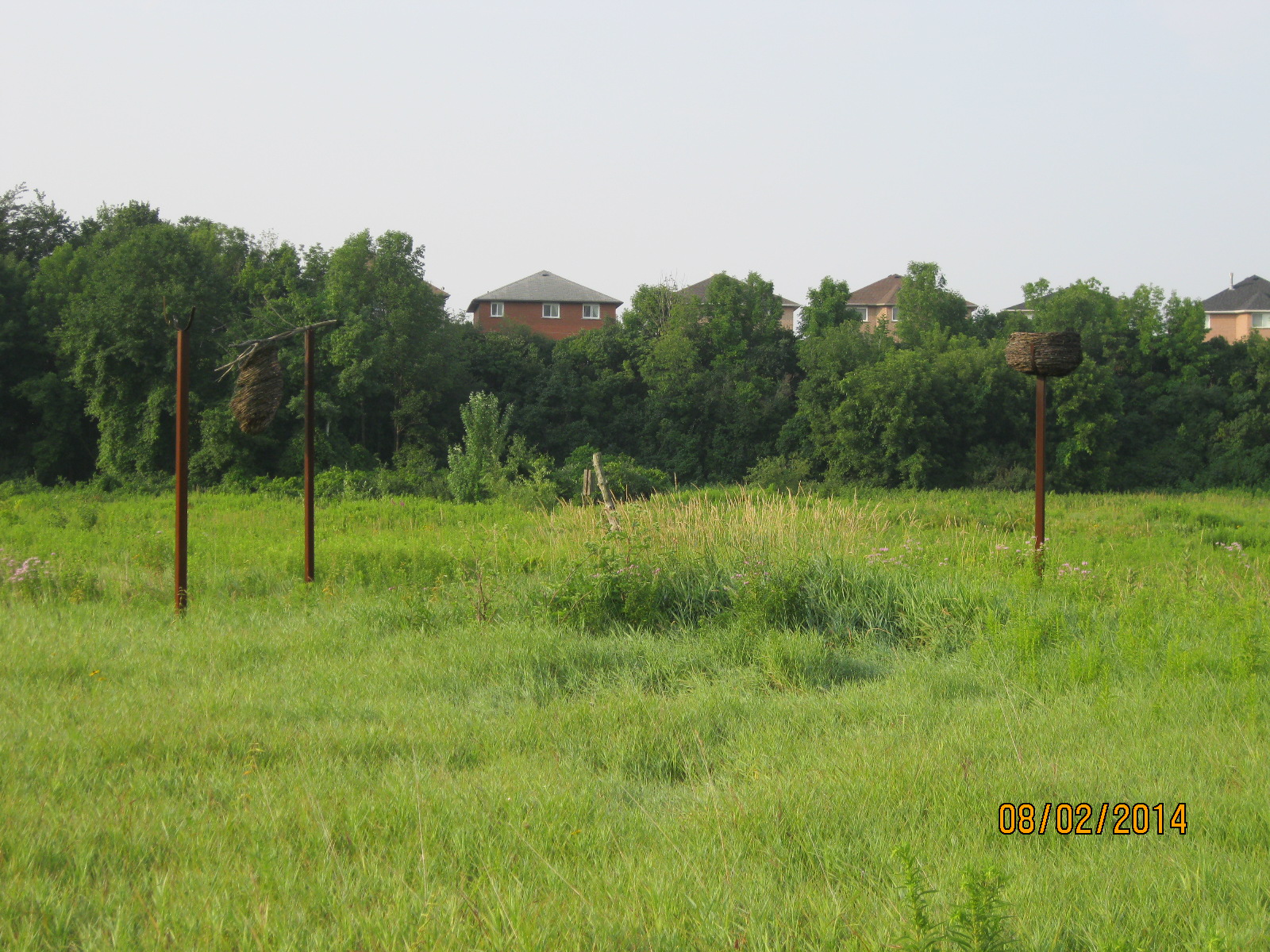
It was cool, at least to start with, at only 17 degrees.  We parked in the Humberwoods Community Centre and hiked north on the west side of the Humber.  Just south of Finch Avenue is a little park that has been developed as a bird flyway.  There are dozens of nests and things to attract birds and this is a great little park for bird watchers.  In the picture below are a couple of the many odd shaped nesting places that have been constructed there.

IMG_2715

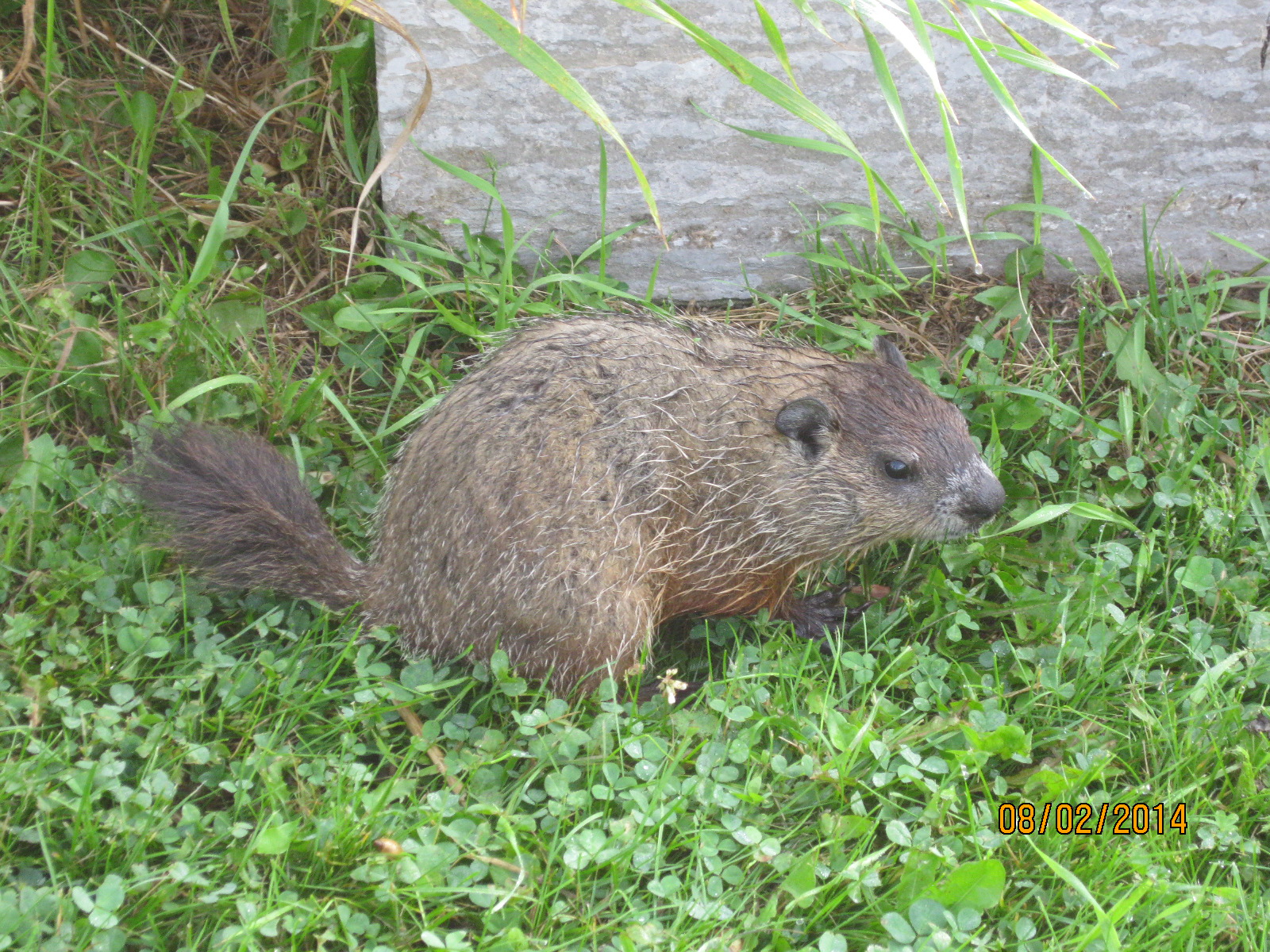
The groundhog is a member of the Marmot family and is a type of ground squirrel.  They are one of the few species that enter true hibernation and they sleep until March or April. In the wild in Ontario they are always sleeping on groundhog day, and therefore, actually never see their own shadow.  After mating in the spring the pair stays together until the young are about to be born in April or May.  The male then leaves the burrow and the parenting to the female.  She gives birth to between 2 and 6 hairless blind kits. The young groundhog below was scared of us but didn’t try to run away.

IMG_2720

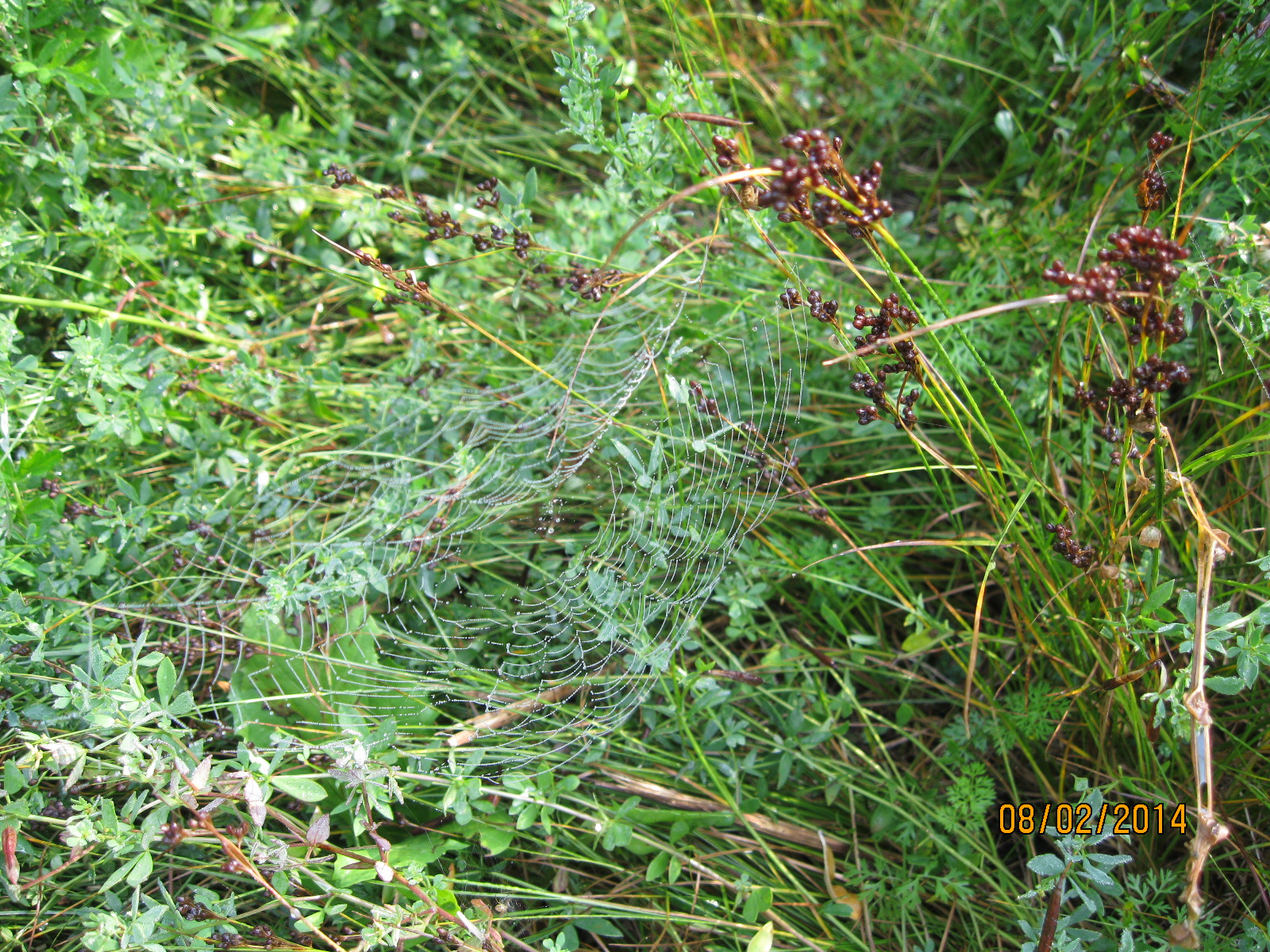
It was early in the morning and the dew sparkled on the spider webs.

IMG_2728

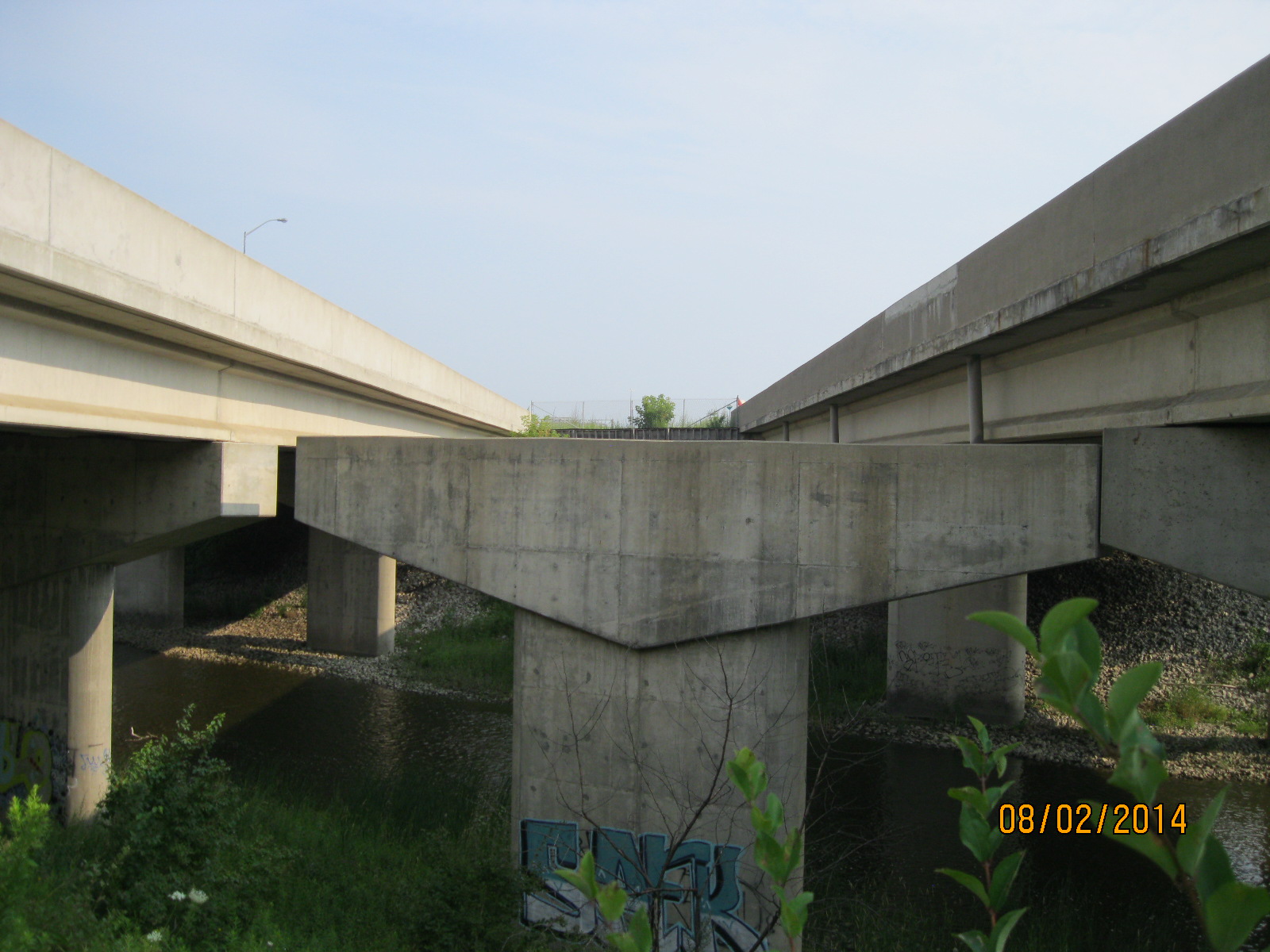
When the 427 was built plans were already in place to expand the highway by adding lanes between the North/South lanes.  As we went under the highway we could see the supports for the expansion that were built at the same time as the rest of the bridge.

IMG_2740

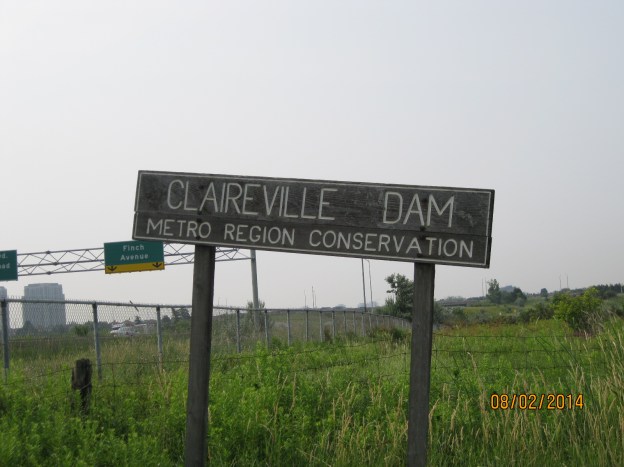
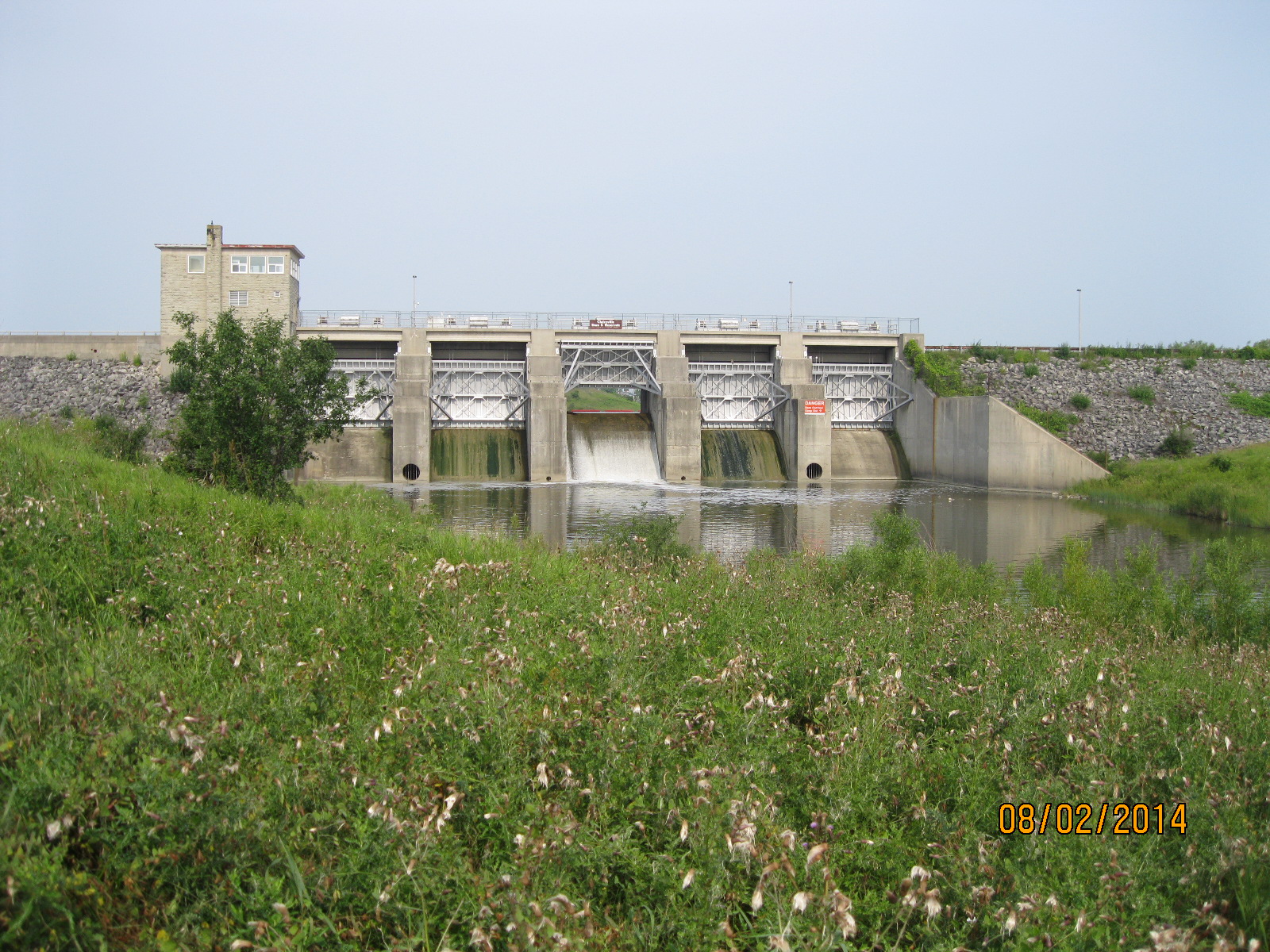
Claireville Dam was one of the flood control dams built in response to the damage caused by Hurricane Hazel.  in 1959 The Plan For Flood Control and Water Conservation was released.  Since 1960 over 40,000 acres of land has been acquired and 3 of the originally proposed 15 dams have been built.  Claireville dam was the first one, built in 1964.  The dam allows the Conservation Authority to collect water from heavy rains and release it slowly after the storm has passed.

IMG_2748

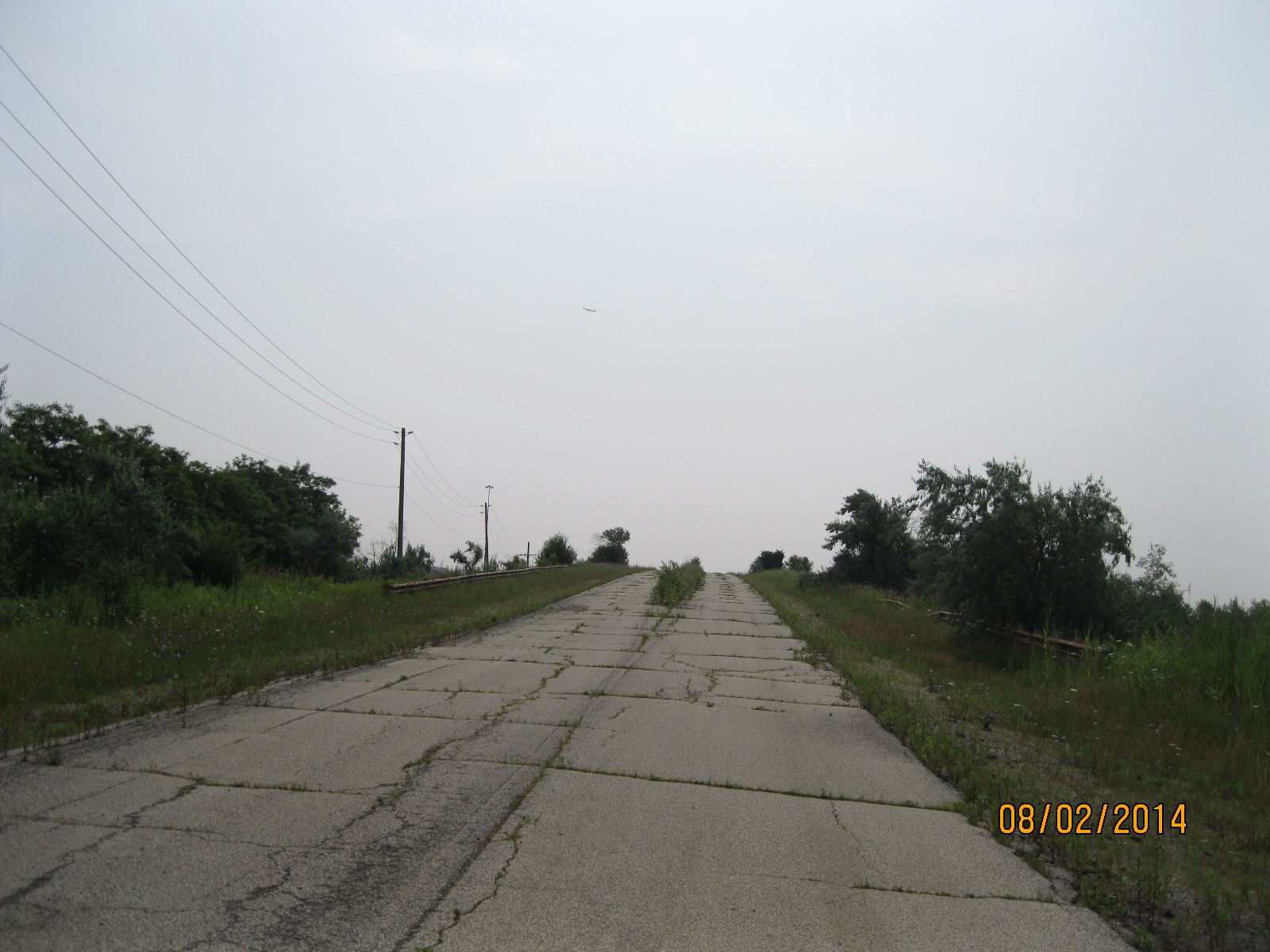
Indian Line started off as an Indian trail along the shore of the Humber river.  When the land survey was made it was part of the border between Peel County and York County. When hwy 427 was extended north it became part of an off and on ramp to the highway. In 1992 when the highway was further extended it was closed off and abandoned.  Parts of it now form hwy 50 north of Steeles ave.  Indian Line campground used to be accessed from just south of the river off of this road but is now accessed off of Finch Ave.  The picture below looks up the old roadway to the bridge that crosses the CN tracks.  When this bridge was built in the 1960’s this was an important road and it was made wide enough for 4 lanes to be opened one day.

IMG_2771

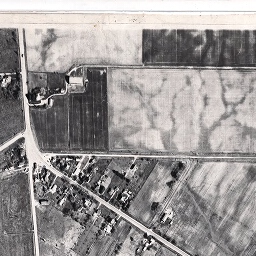
Claireville was a community that started in 1850 on the estate of Jean du Petit Pont de la Haye at the intersection of Steeles and Indian Line.  He named the town after his daughter Claire.  A third road ran diagonal through the property and was originally known as Claireville Road because that was the location of the toll booth along the road.  Early roads in Ontario were known for their mud (an early nick-name for Toronto was “Muddy York”) and were covered over in planks as soon as possible.  Plank roads required continuous maintenance and this was paid for through tolls collected by the road keeper. A horse and rider would pay 1/2 pence and 20 hogs or sheep cost 1/2 pence.  A wagon was 1 pence if drawn by a single horse but 1 1/2 pence if drawn by two.  When the Claireville road was planked a toll house was established.  Of all the houses which once stood in this town only a few remain.  There is a white two story house which remains and this was originally the toll house.  Since the 1950’s the town has declined and is now mainly an industrial neighbourhood.  The picture below shows the town as it was in 1947.

Claire 2

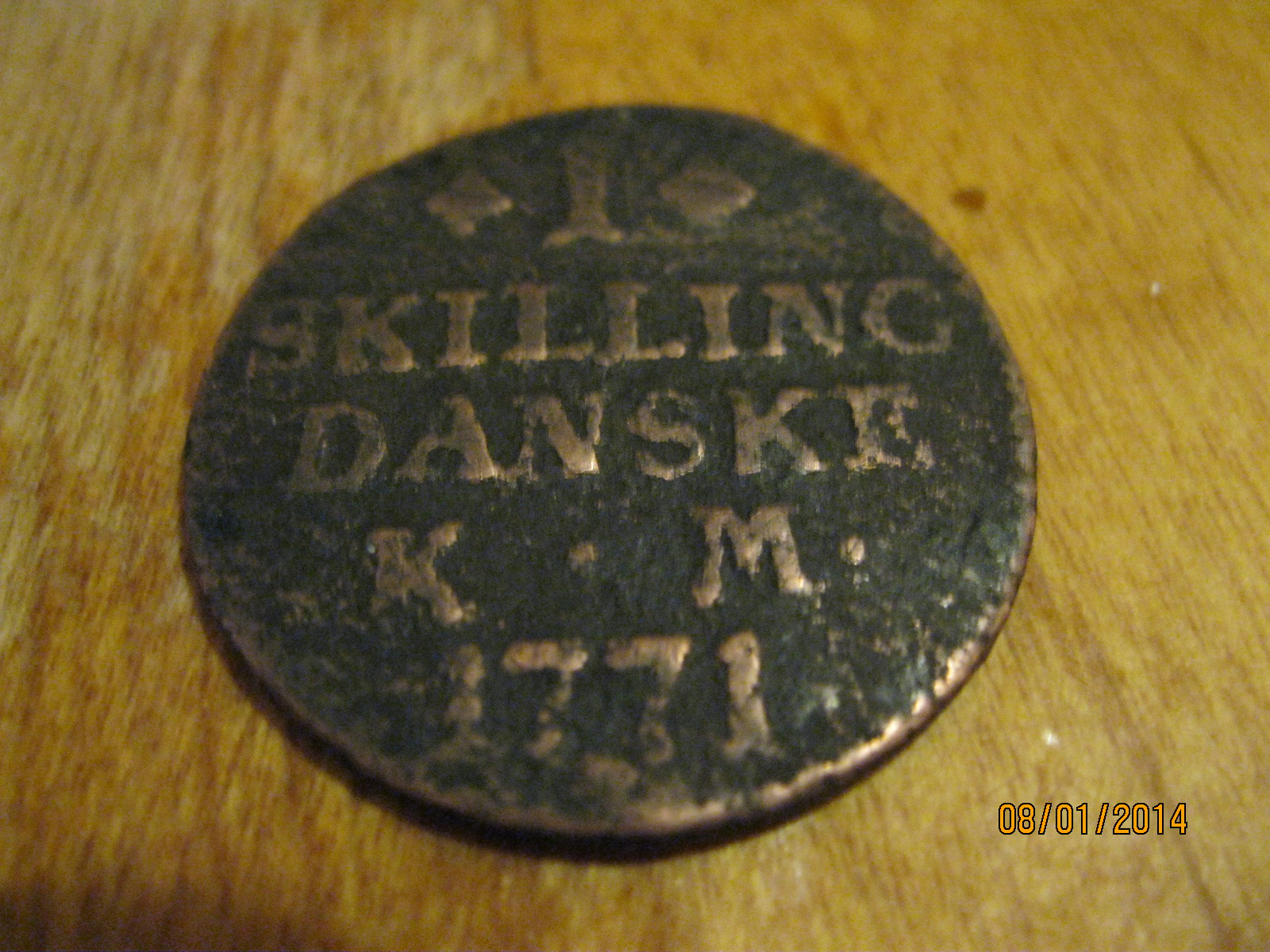
This picture has nothing to do with this hike but is a follow-up to last week’s move.  As I was cleaning the apartment I swept deep under a baseboard heater and out popped a little round black disc.  At first it didn’t look like anything but I could see that there was some writing on it.  I placed it in Coke for a few minutes to remove some of the gunge on it.  King Christian 7 ruled Denmark from 1668 to 1808.  The 1 Skilling Danske coin I found is in poor condition but still has a value of about $10.  Thank You to the previous tenant in my unit who lost this coin.  Don’t worry, it has found a good home in my collection.  It is interesting to me that Toronto was founded in 1796 at which time this coin was already 25 years old.  I find a lot of older things out hiking, but the oldest one so far was right under my heater for the past 8 years!

IMG_2714


Summerlea Park

Saturday July 12, 2014

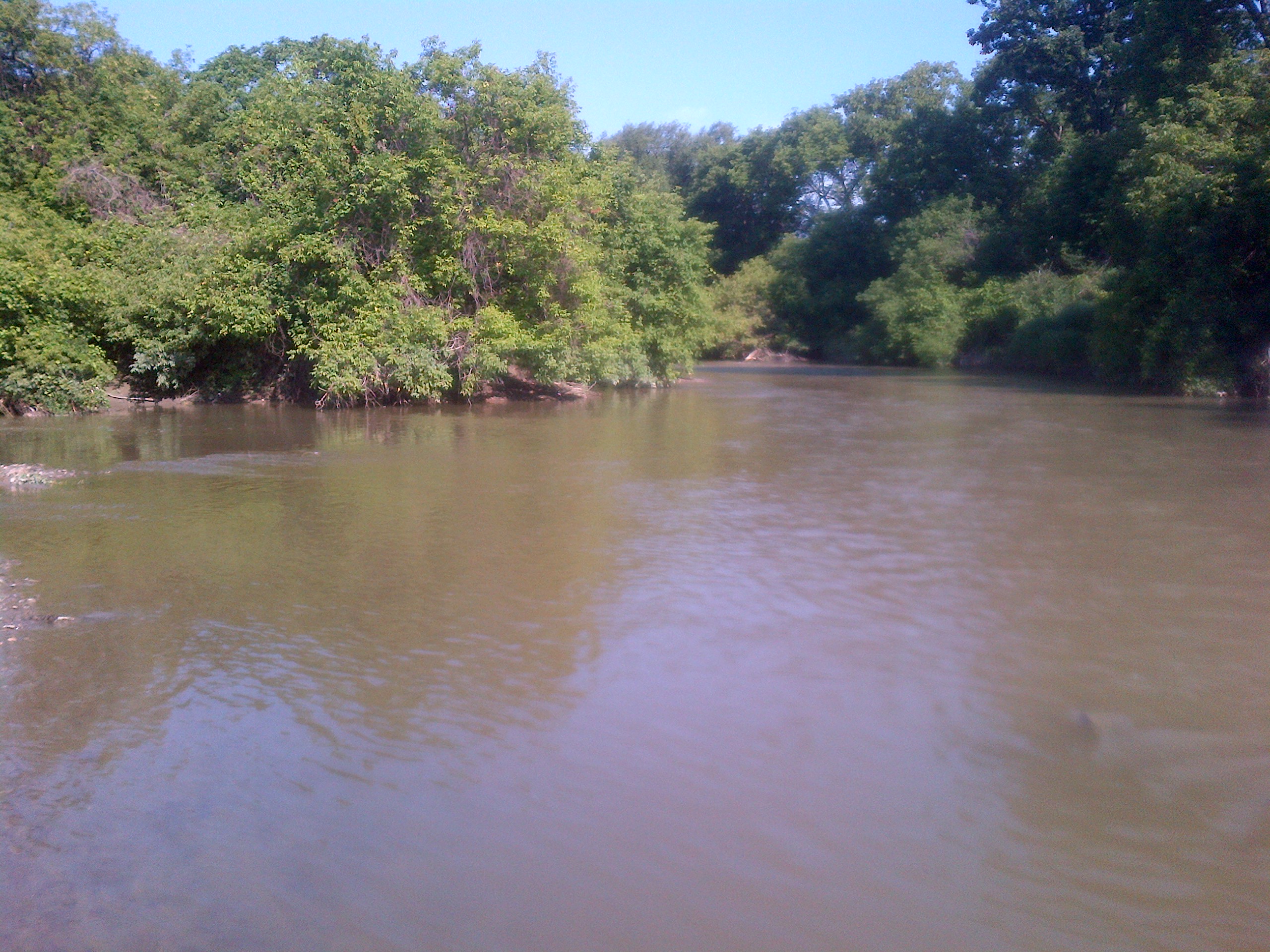
It was another in a string of warm and sunny Saturdays.  It wasn’t very long before we were feeling the effects of the heat and humidity.  The Humber river has a west branch which meets up with the main river in Summerlea park.  We parked both vehicles here and took a brief excursion to the confluence of the two.  The water was high and dirty.

IMG-20140712-00244

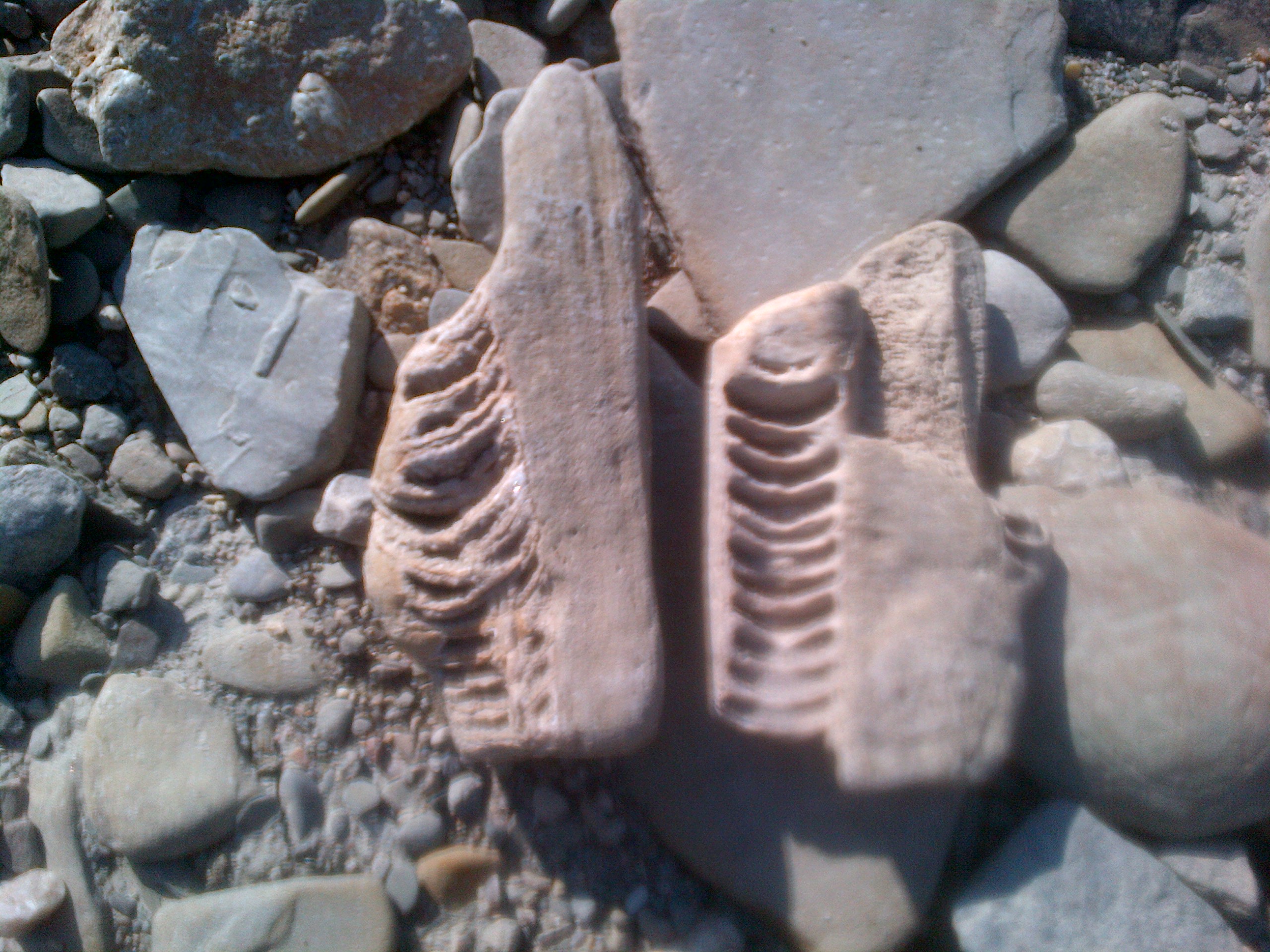
There is a stretch of rocky shoreline here where we found two excellent examples of Crinoid fossils.  Crinoids are marine animals of which about 600 species exist today.  They have a mouth surrounded by feeding arms.  The arms have a mucous that captures food particles as they float past.  The picture below is a species that lives near Indonesia today.

Crinoids

The two crinoid examples below are the best we have seen so far.  The segments of the feeding arms have been particularily well preserved.

IMG-20140712-00240

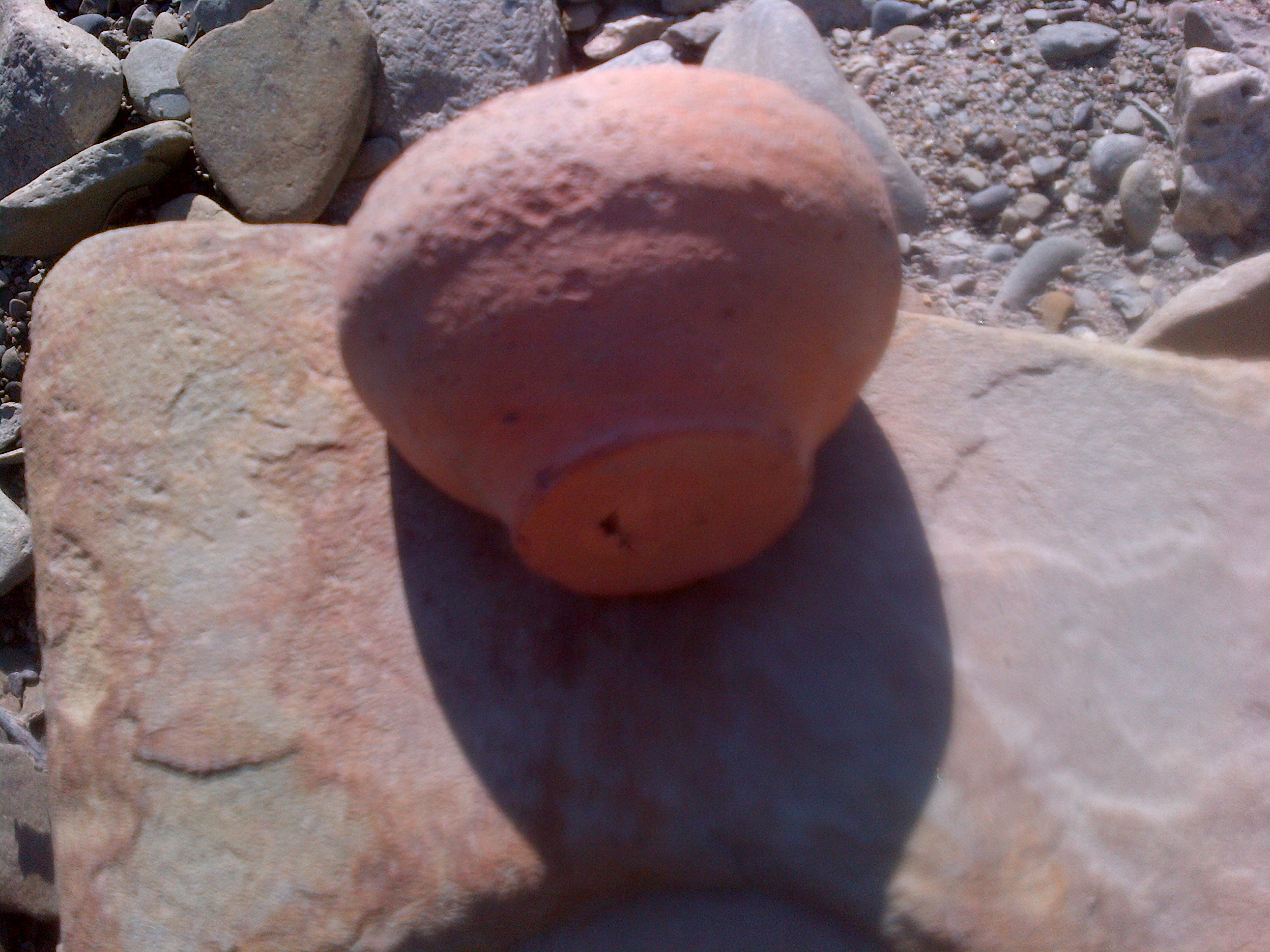
We also found a very small piece of pottery about the right size to hold a small candle.

IMG-20140712-00238

We left one vehicle parked here and moved to the corner of Finch and Islington where we parked the other in Irene Risk Park.  We wanted to look for Rowntree Mills after which the park on the east side of the Humber, just north of here, is named.  We didn’t find the mill because we got side tracked and actually never looked for it.  Along the side of the ravine there is a deep set of woods with multiple steel artifacts.  As we wondered through here we saw deer in front of us. We followed their trail and ended up on the side of the hill again.

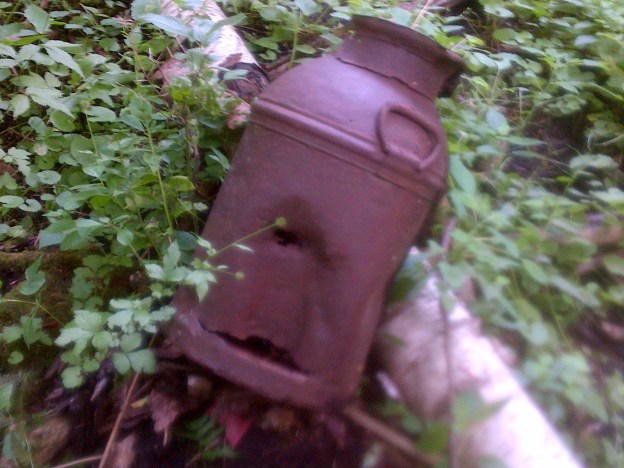
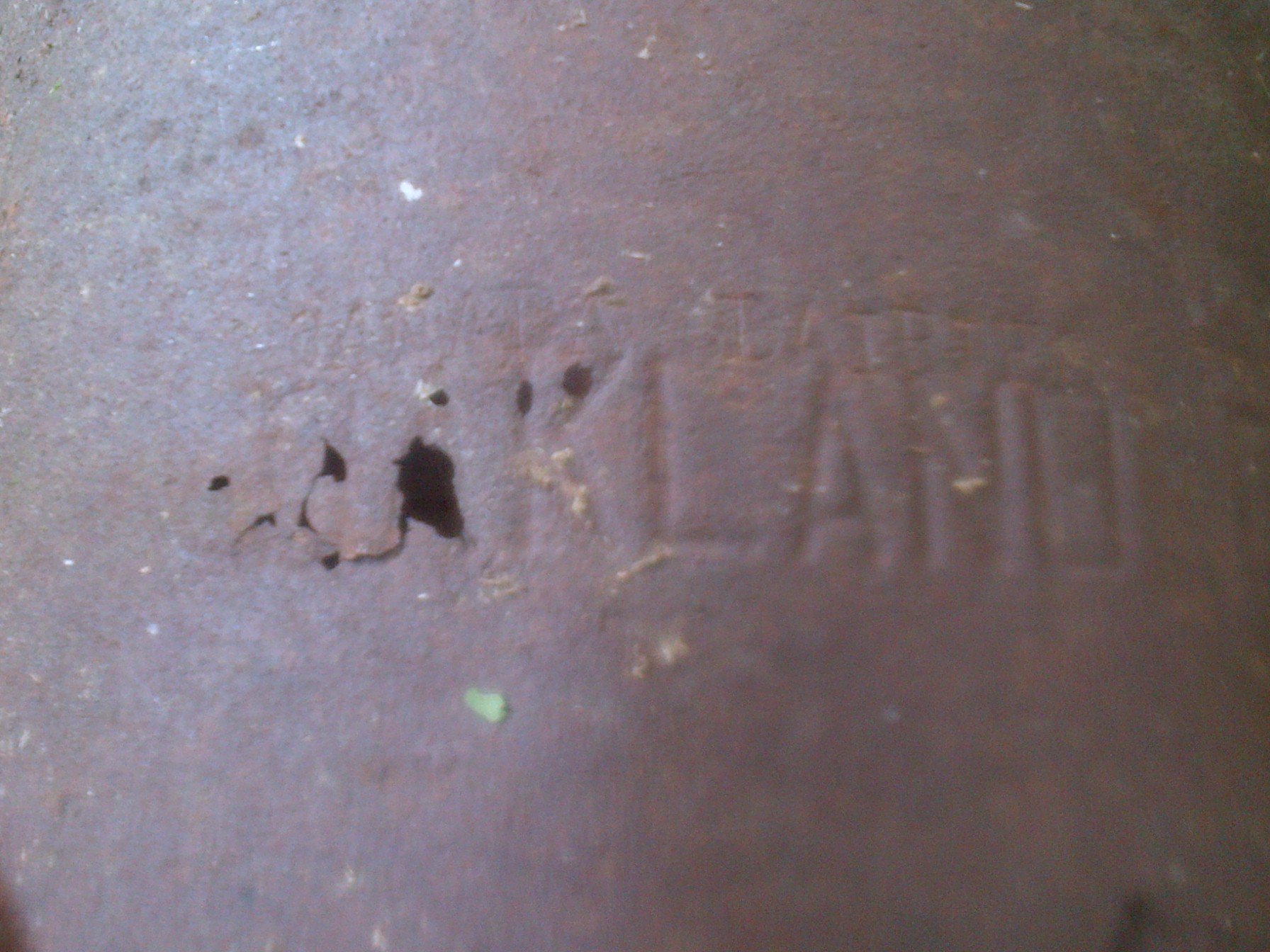
Dairy farmers used to sell their milk to local creameries and cheese factories.  They collected the milk in 17 gallon milk churns which were left on a platform at the end of the laneway.  In the 1930’s a smaller 10 gallon churn was introduced.  Creameries collected the milk and packaged it in glass bottles which were delivered directly to the home well into the 1950’s. With the improvement in processing and delivery of dairy products a lot of smaller dairy operations were bought out and closed.   A 1925 list of cheese factories and creameries in Canada lists 1600 in Ontario alone.  By 1998 there were only 270 in all of Canada.  We found the old milk churn in the cover photo which was imprinted with “Canada Dairy” “Oakland” “Toronto”.  In the 1925 directory Oakland Dairy Limited is listed as registration #419 at 108 Nassau Street, near Spadina and College.

IMG-20140712-00274

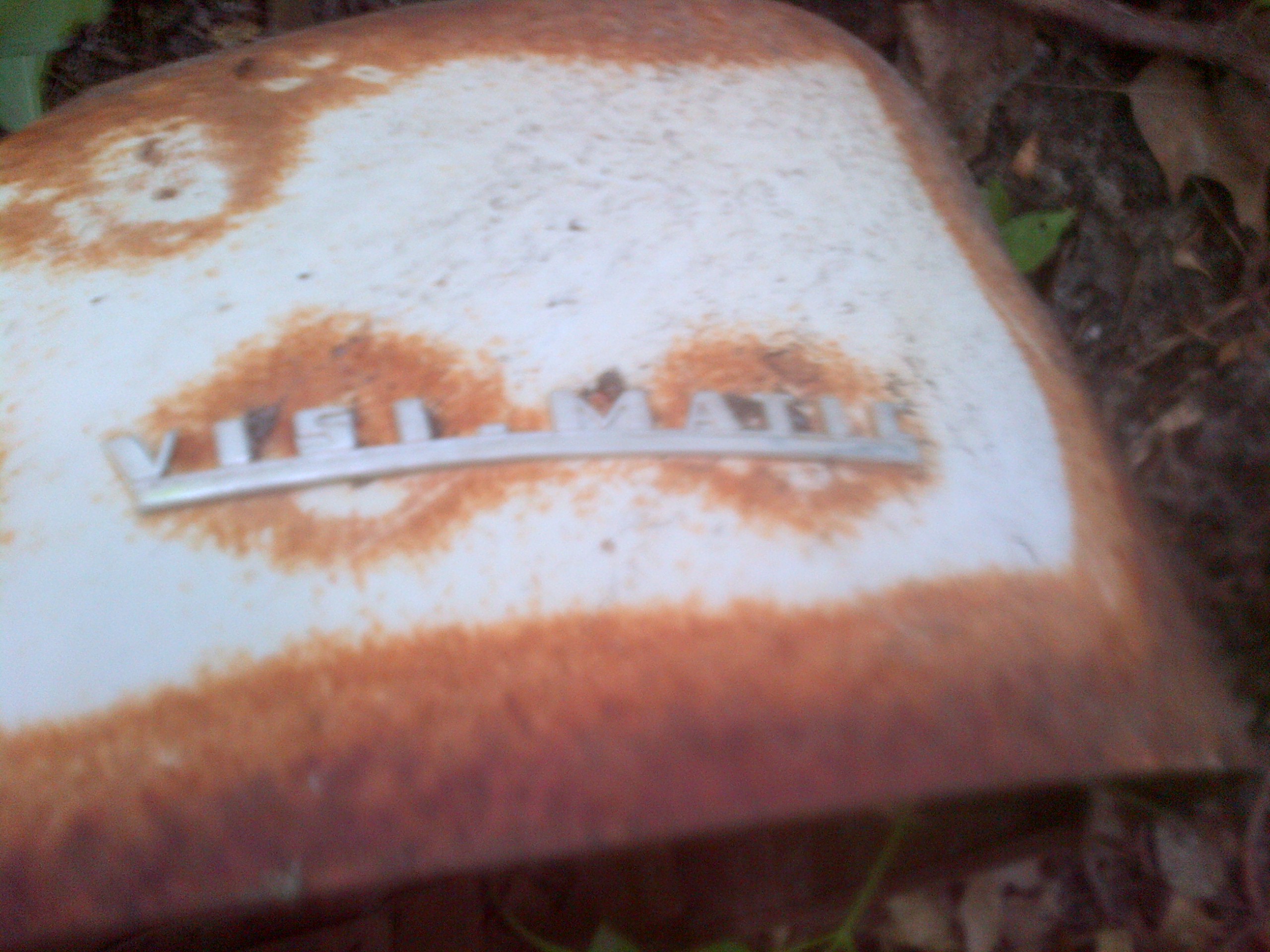
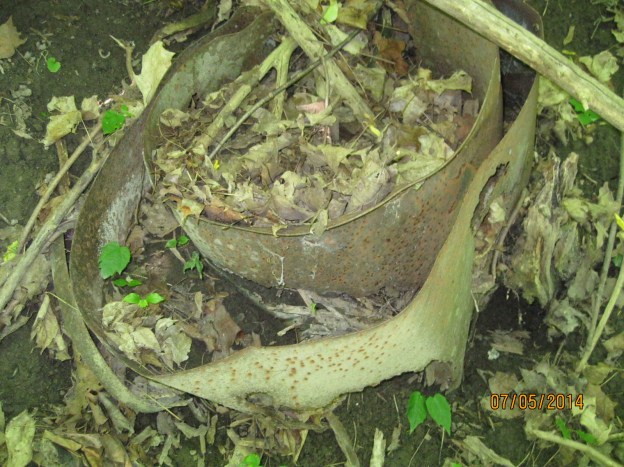
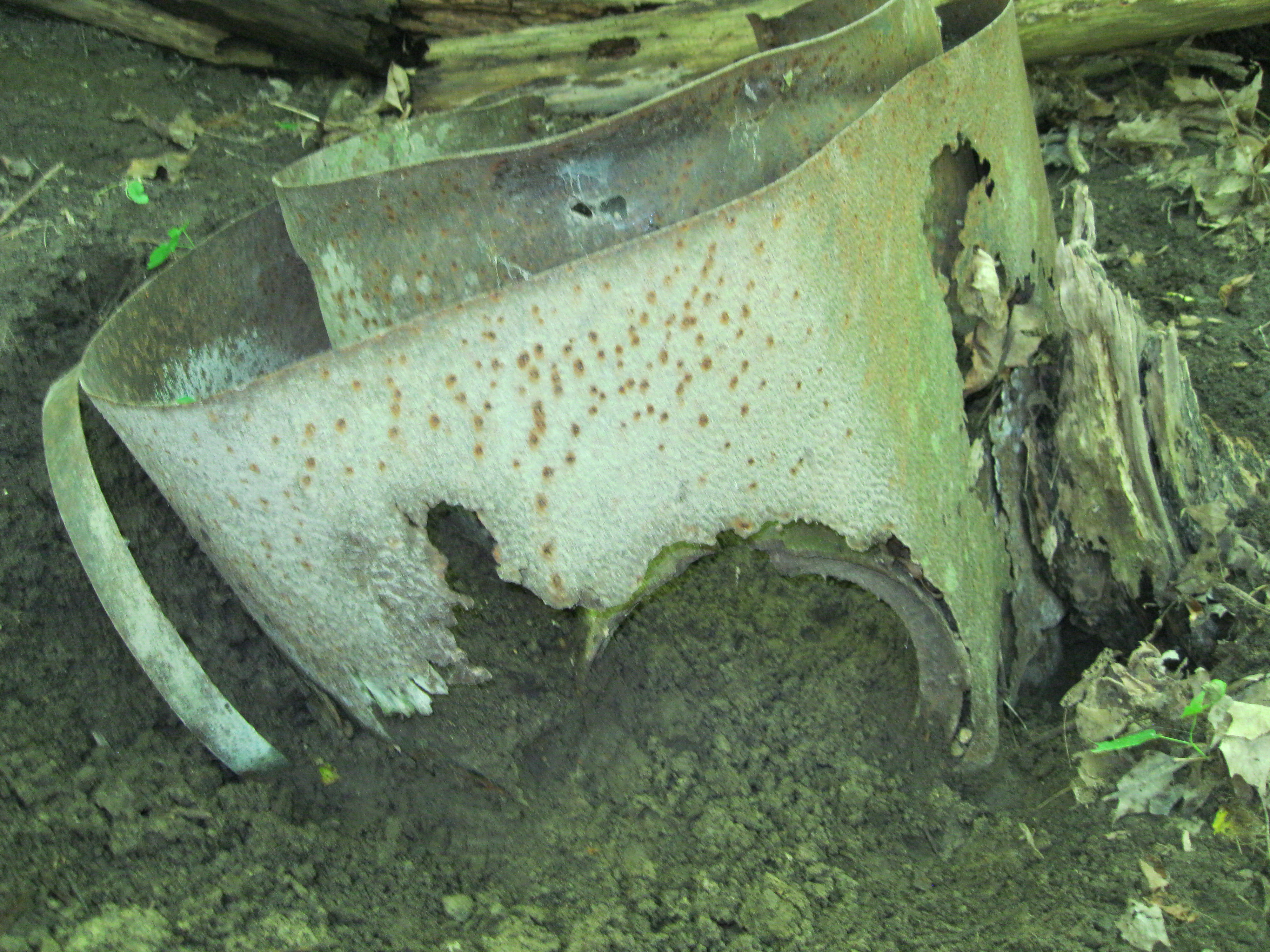
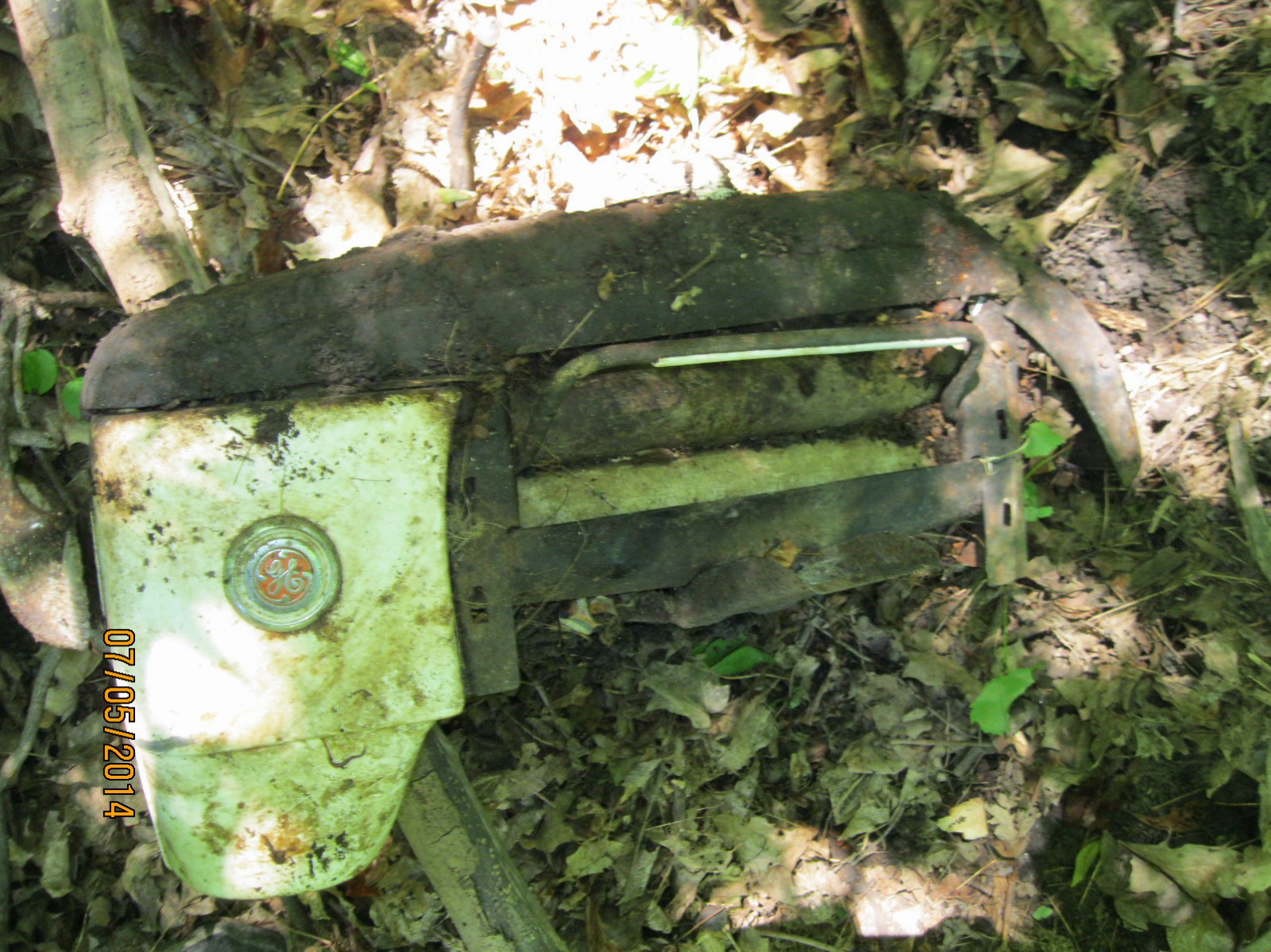
It seems like every week we are finding parts of old washing machines.  This is the wringer hood from a Kenmore Visi-Matic wringer washer.  Kenmore was the store brand sold by Sears.  Like the Thor and General Electric we found earlier, this one is from the 1950’s. There doesn’t appear to be a good reason for so many washing machines to be spread out along the Humber River valley.  Jim Gifford in his book “Hurricane Hazel” published a photograph of a washing machine that had been swept out of a home and deposited along the flood plain.  While that may explain the Thor machine, the GE and Kenmore were found well up the side of the ravine.

IMG-20140712-00278

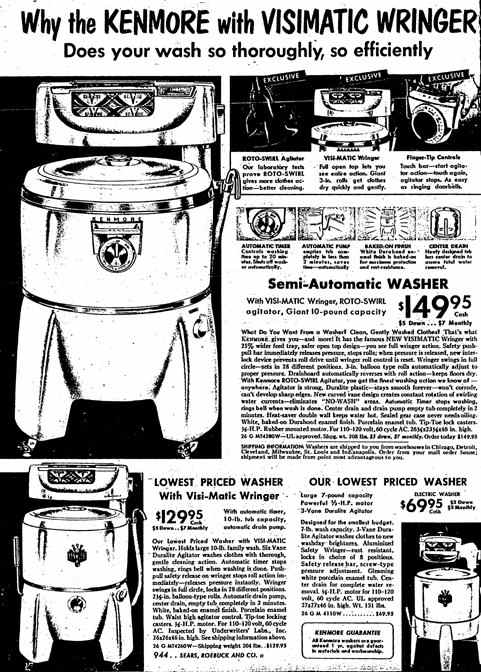
This washing machine sold for $149.95 in 1954.

Fall 1954 944_96

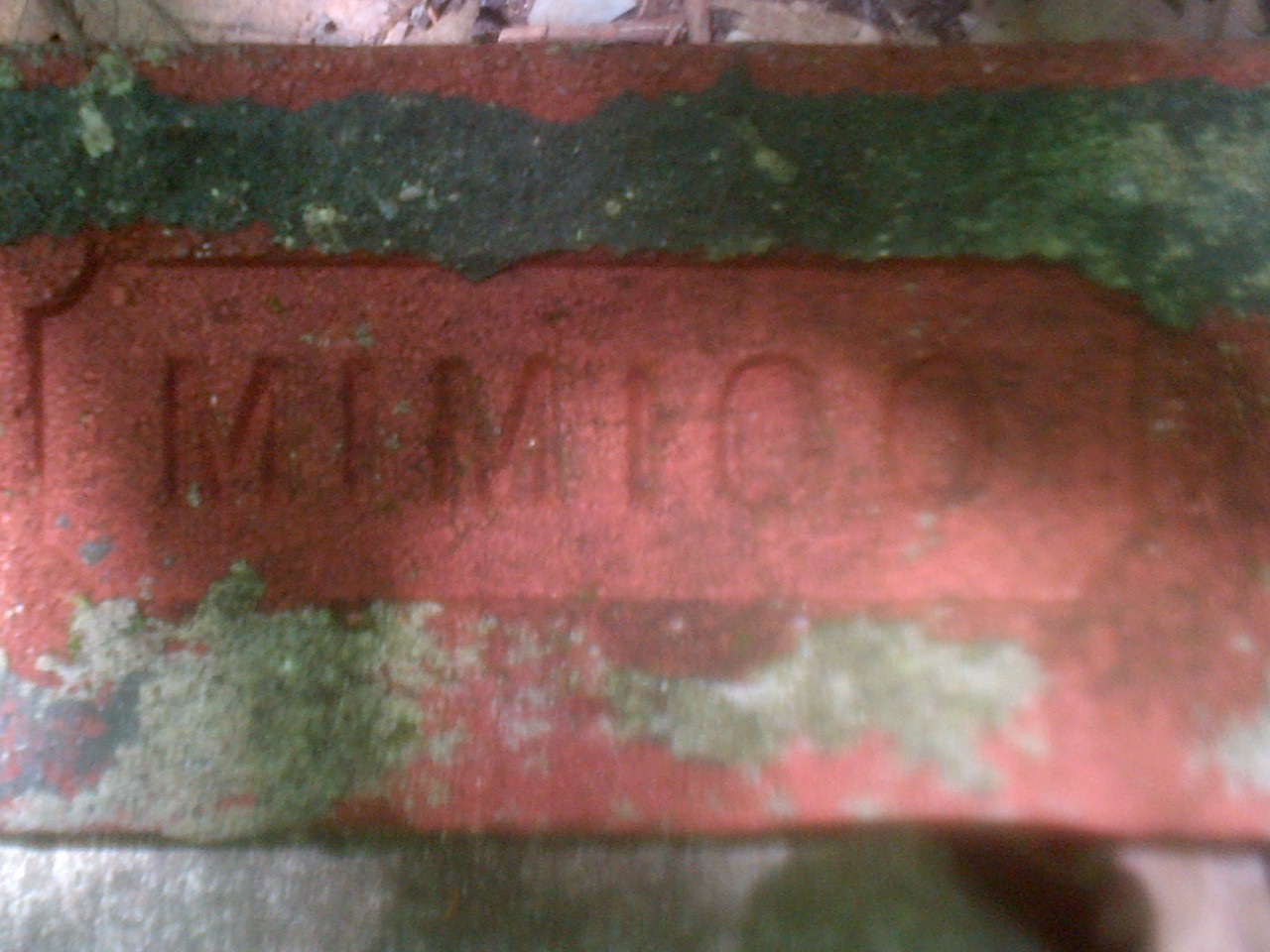
The side of the ravines in Toronto are strewn with old bricks.  Some of them have a story to tell.  In 1913 the Ontario Government found clay and shale deposits on land it owned in Mimico and opened the Toronto Brick and Tile Company using labour from the Toronto Central Prison which had opened in 1874.  The plant could produce over 2 million bricks per year which were used on government buildings providing a cheap source of construction materials.  During WWII the site was converted into POW Camp 22 and housed German marines and U-boat men.  In 1969 it was closed after pressure from labour unions claiming the factory was taking jobs away from their members.  The Mimico brick below was either made by a prison inmate or a prisoner of war.

Toronto-20140712-00292

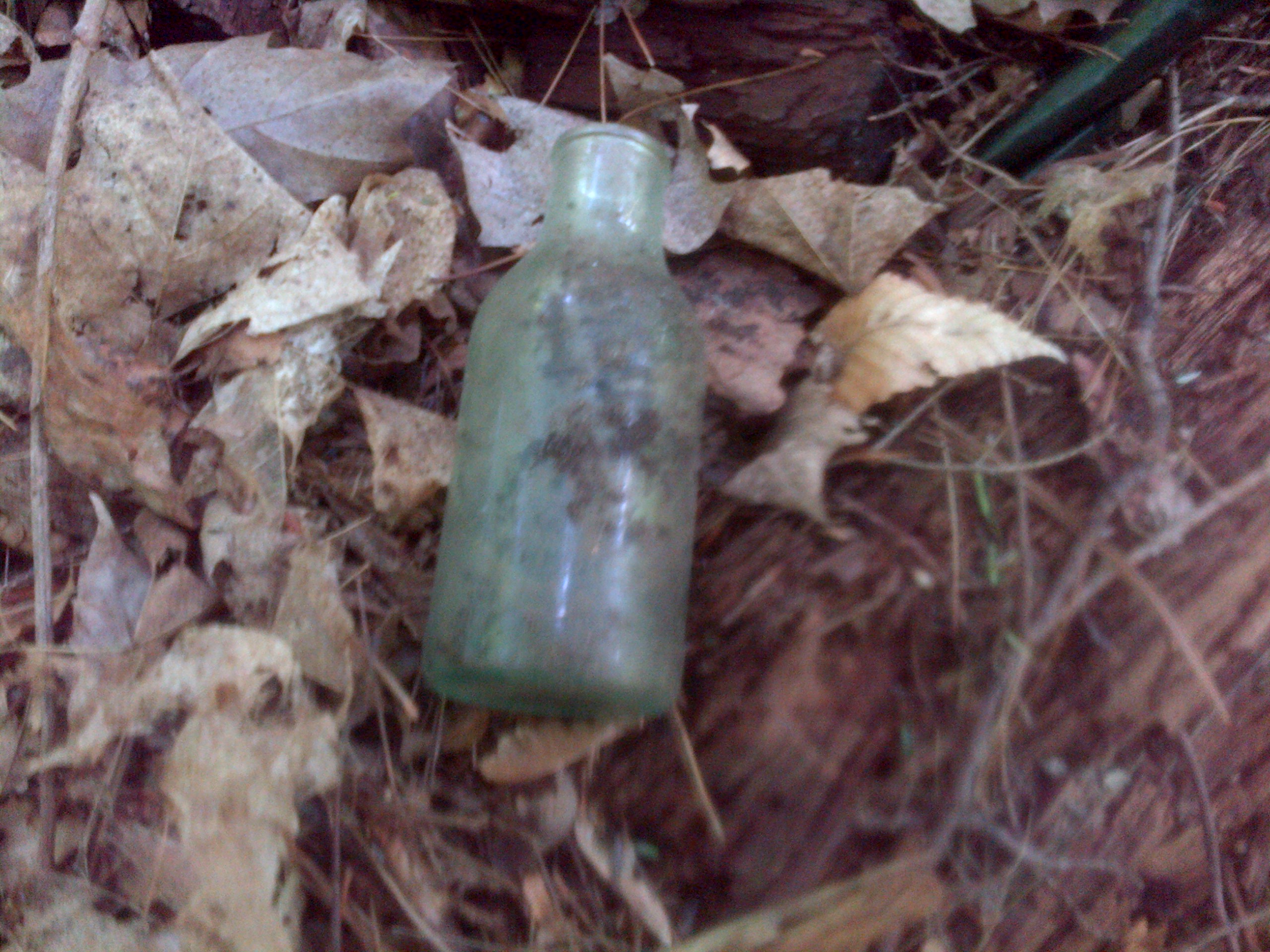
As we made our way south along the hillside we got boxed in between two fences.  There is a large assortment of old metal objects along here including an old bbq, an engine, old oil containers and car horn.  We also found an old bottle from the late 1860’s or 1870’s. Bottles from this era are dated by the seam on the side.  On this one the seam only extends to the bottom of the neck and the lip on the top was added later.

Toronto-20140712-00295

It looks like Rowntree Mills will have to wait for another day.


Pine Point Park

Saturday July 5, 2014

We parked in the Pine Point arena parking lot and walked down the hill to the river. During the winter months the long steep run makes this one of the best toboggan hills in the city.  It was 19 degrees and sunny when we set out.  The trail runs under the 401 into a small park that extends to the Weston Golf and Country Club.

Crawford-Jones Memorial Park is named after Jim Crawford and Herb Jones.  Jim Crawford was a police officer and Herb Jones a contractor in 1954.  On the night of Hurricane Hazel they took a small boat along the Humber River and rescued dozens of people stranded in their homes.  The picture below is taken from the park on the east side of the river looking at the stack on the steam plant on Resources Road.  There is a spiral staircase running up the outside of the tower.

IMG_2514

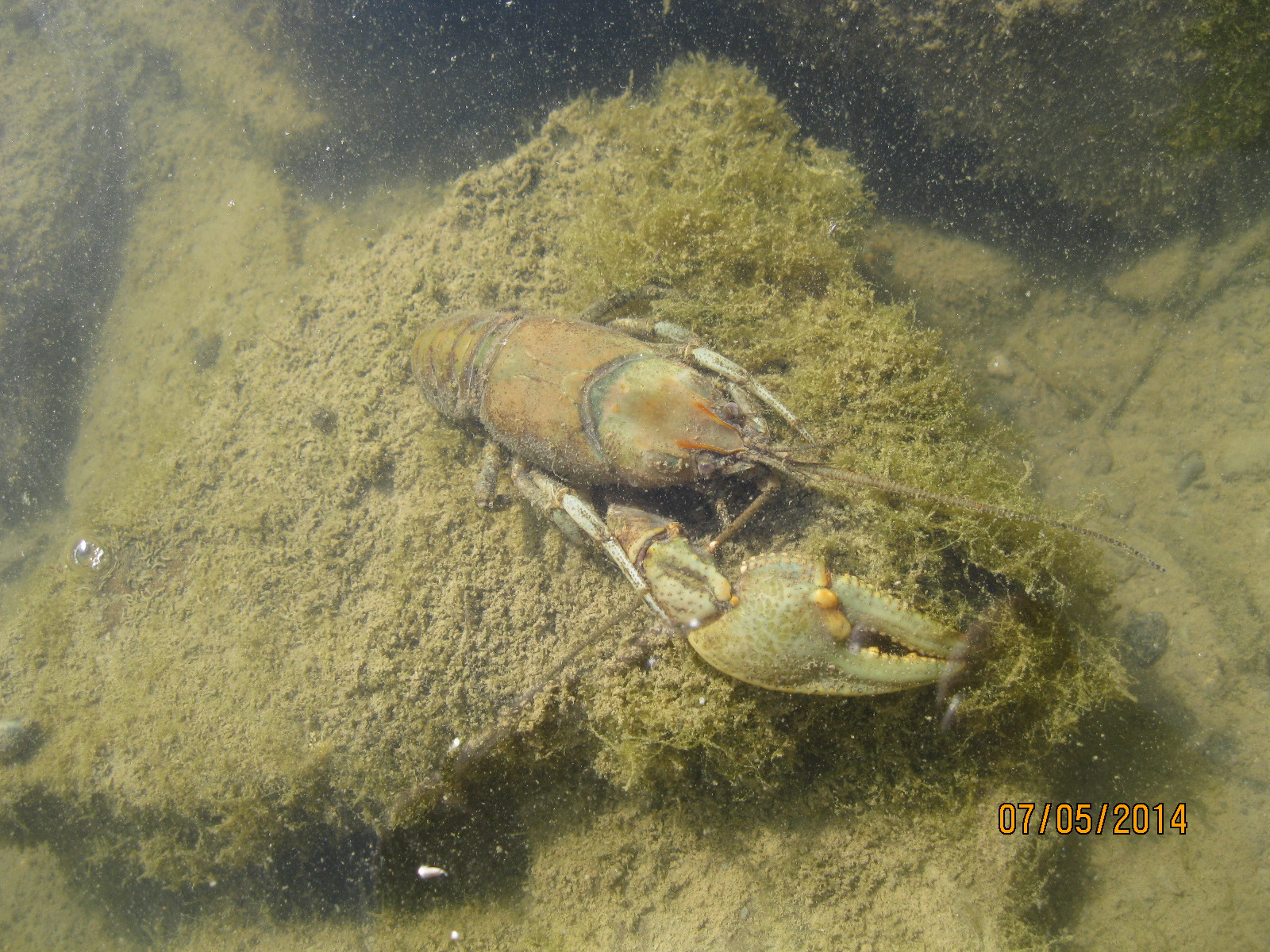
Along the edge of the river we saw a couple of dead Crayfish.  Crayfish are fresh water lobsters and live in places where the water does not freeze to the bottom in the winter.   They don’t tolerate polluted water which suggests that the Humber is pretty clean these days.  This was a larger specimen, about 10 cm long, but is missing one claw.

IMG_2506

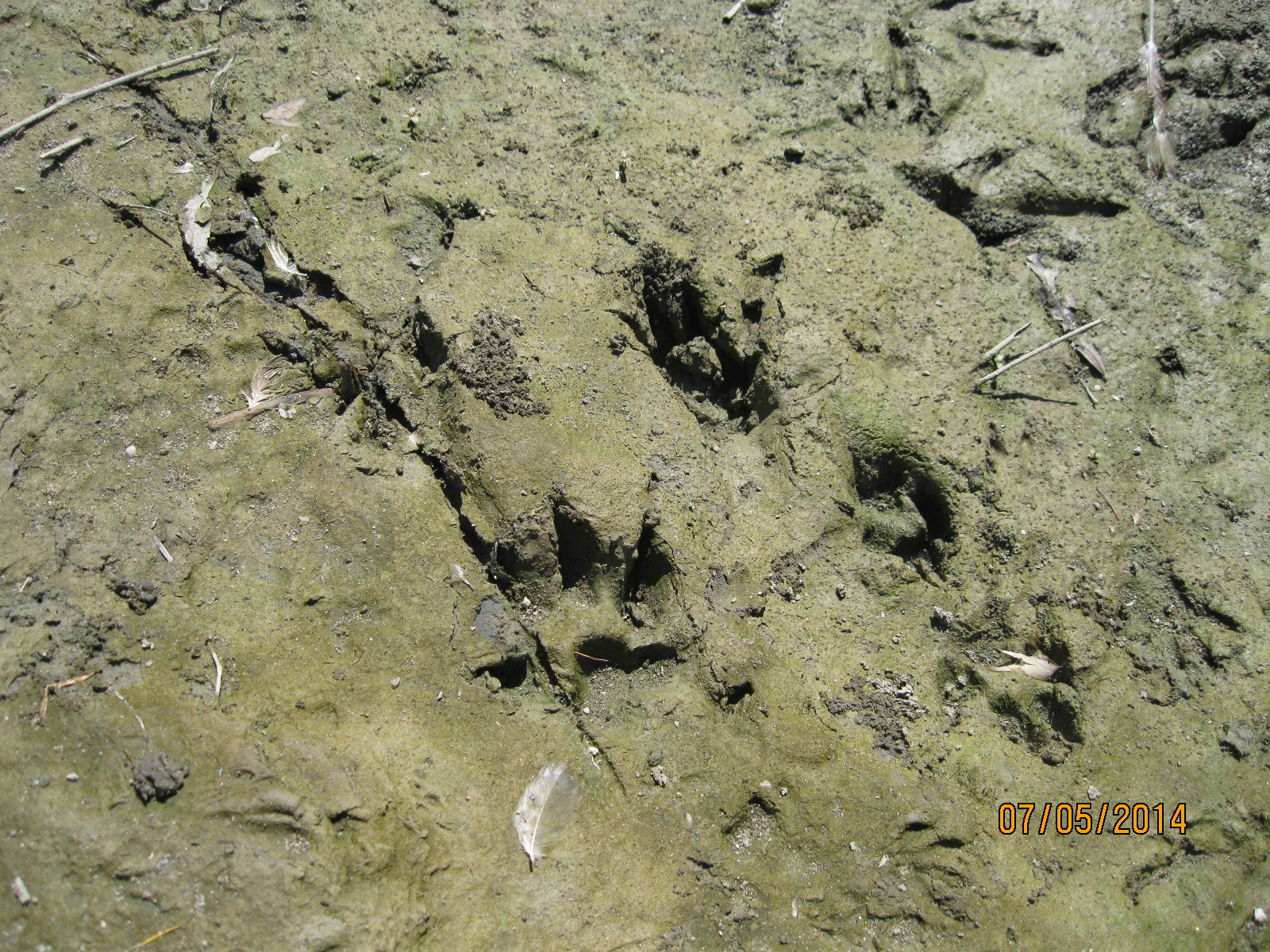
Most of the parks we hike have evidence of a local coyote but we rarely see one.  Coyotes are related to the wolf and have become very successful in urban areas.  Coyotes hunt a variety of small animals and will even eat a crayfish if the opportunity presents itself.  The tracks below were found along the edge of the river.

IMG_2523

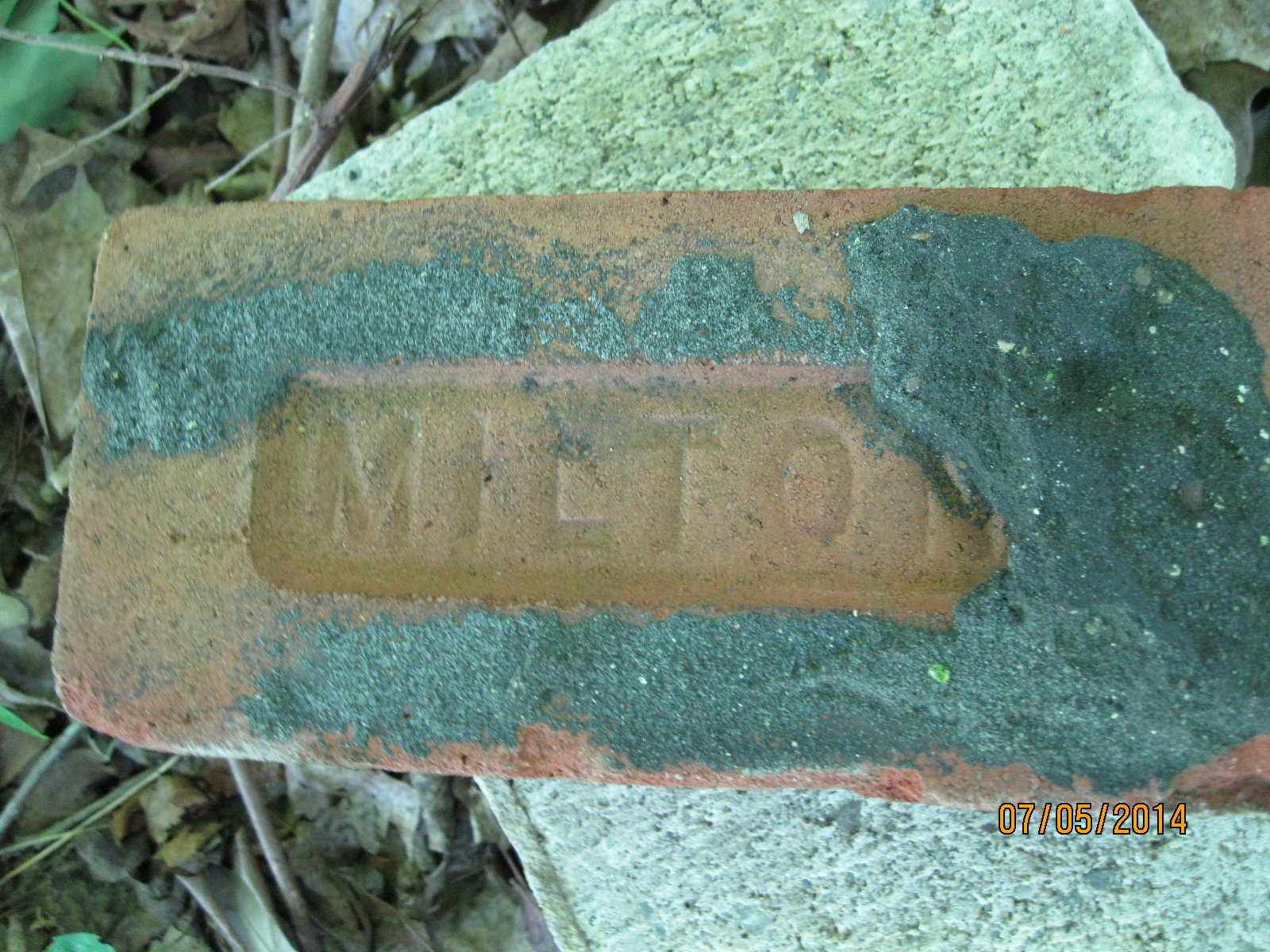
North of the 401 we followed the embankment on the side of the ravine.  This area is known as Pine Point Park.  Part way along we found a 1963 Pepsi bottle in an area where a lot of old bricks had been dumped.  Among several manufacturers we found Milton Bricks.  In 1877 when the Credit Valley Railway passed through the area of Milton they found a lot of clay and shale. Lot 1 Concession 1 of Esquesing Township belonged to Duncan Robertson and a large amount of Medina Shale was found here.  His son, David, started Milton Pressed Brick and Sewer Company.  Their bricks were pressed before baking and were a much higher quality brick than much of their competition.  By 1901 they were considered to be the best bricks available on the continent.  They employed 200 people at their peak but closed in 1974.  Ontario is unique in the large amount of it’s buildings which are made of bricks. In 1931 27% of Ontario buildings were built of brick while only 6% of Quebec buildings were and 2% or less in other provinces.  Ontario was rich in clay and had a huge export market for lumber which led to this trend in construction in the province.

IMG_2536

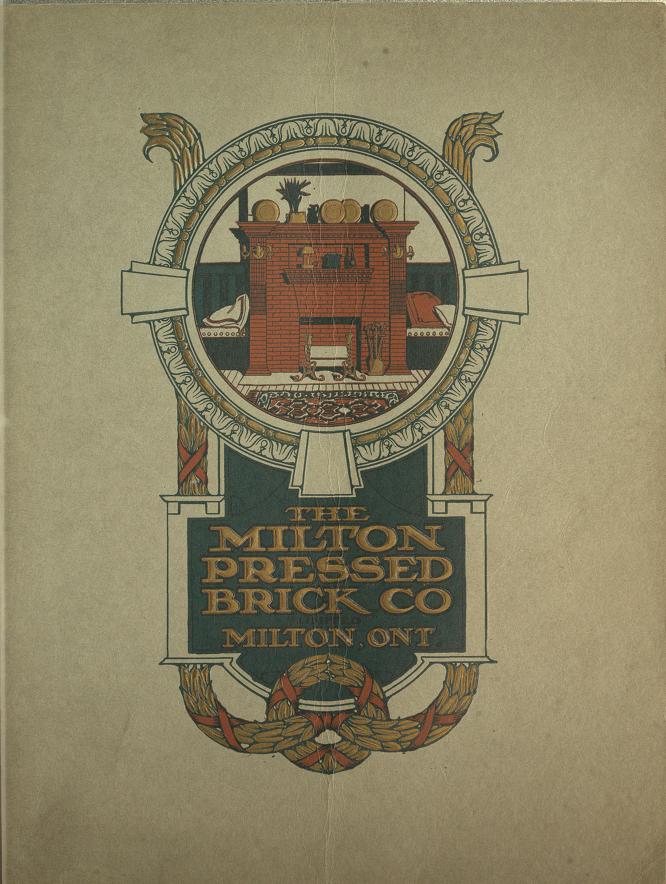
By the early 1900’s Milton Brick was publishing a catalog of beautiful brick fireplace designs that could be ordered.

fireplaces00miltuoft_0001


A little further along we found the half buried artifact that is in the cover photo.  We excavated enough to determine that it is an old hand crank broadcast seed spreader.  It is rusted right through and likely dates to the 1930’s.

IMG_2543

As we were starting downhill to make our way back we found and old set of wooden stairs on the side of the hill.  Beside here in the little ravine we found the wringer from an old General Electric washing machine. Edison General Electric Company was founded in 1889 by American inventor Thomas Edison.  Edison is credited with inventing the long lasting light bulb, phonographs and the motion picture camera among his 1,093 patents.  This washing machine likely dates from the 1940’s or early 1950’s.  Clothes would have been taken out of the washer and pressed between the two rollers to squeeze the water out of them.  This machine had a quick release handle, seen open on the right hand end, to let you get your hand out when it got caught in the rollers.  Earlier versions didn’t have this safety feature and were nick-named “manglers” for obvious reasons.

IMG_2556

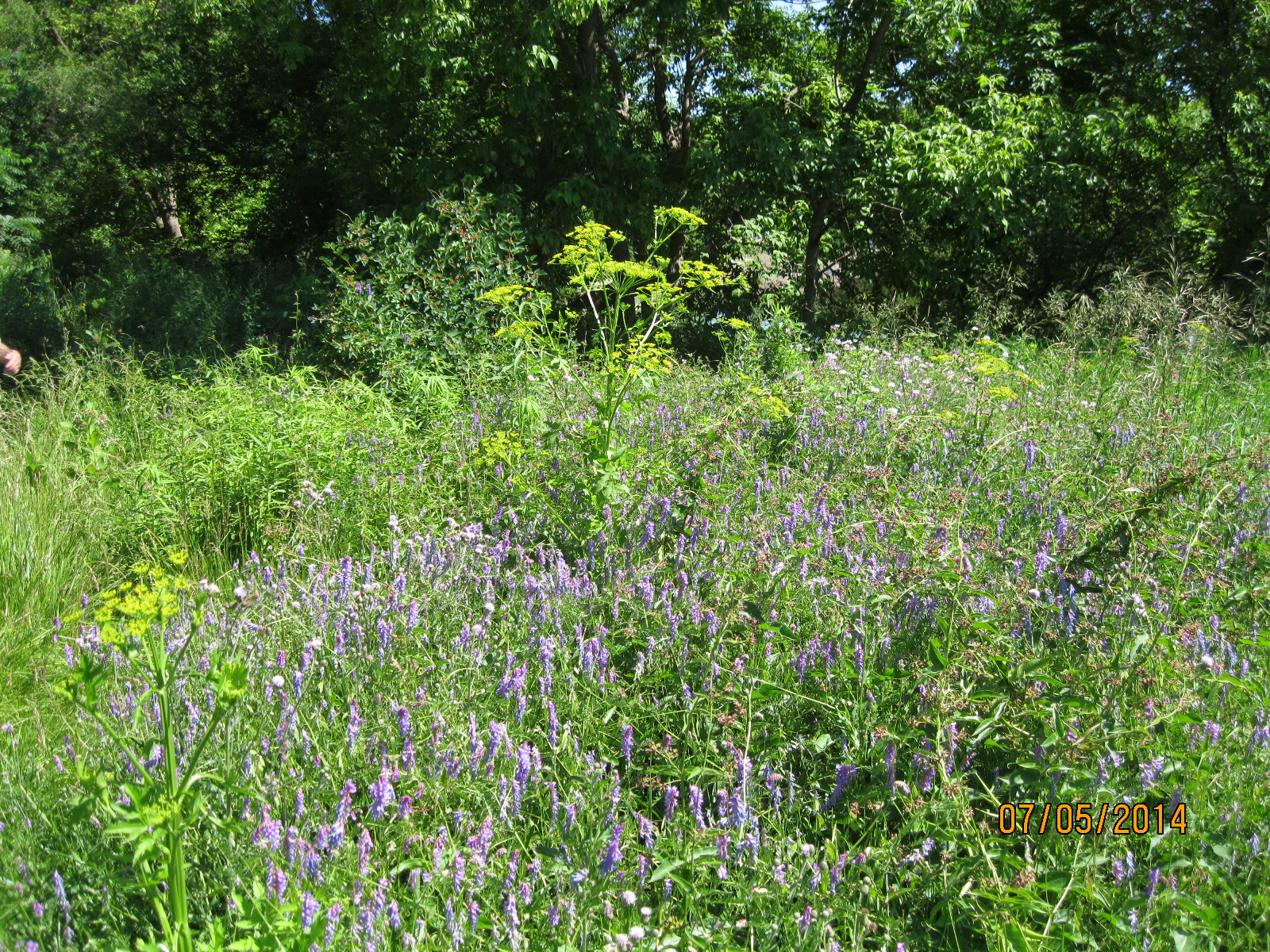
The hillside trails are fully overgrown and its quite possible to walk within a few feet of something interesting and never see it.  The woods and fields are full of colour and purple is now prominent.  Asters, thistles, bellflowers and violets abound.

IMG_2519


St. John’s Cemetery On The Humber

Saturday June 21, 2014

Summer officially started at 6:51 am.  So we did too!  It was a beautiful morning.  As I arrived on Emmett Road I saw a white tailed deer walk off of the soccer field (World Cup fever has taken over everywhere) and cross the road right in front of me.  She stopped and waited until I had my camera almost ready before disappearing into the woods.  We parked in the parking lot on Emmett and entered the woods on the east side of the river. This property was originally granted to John Dennis who died in 1832 in Toronto’s cholera epidemic.  His grandson, Henry Dennis, ran a saw mill on this site after 1851 but we saw no traces of it.

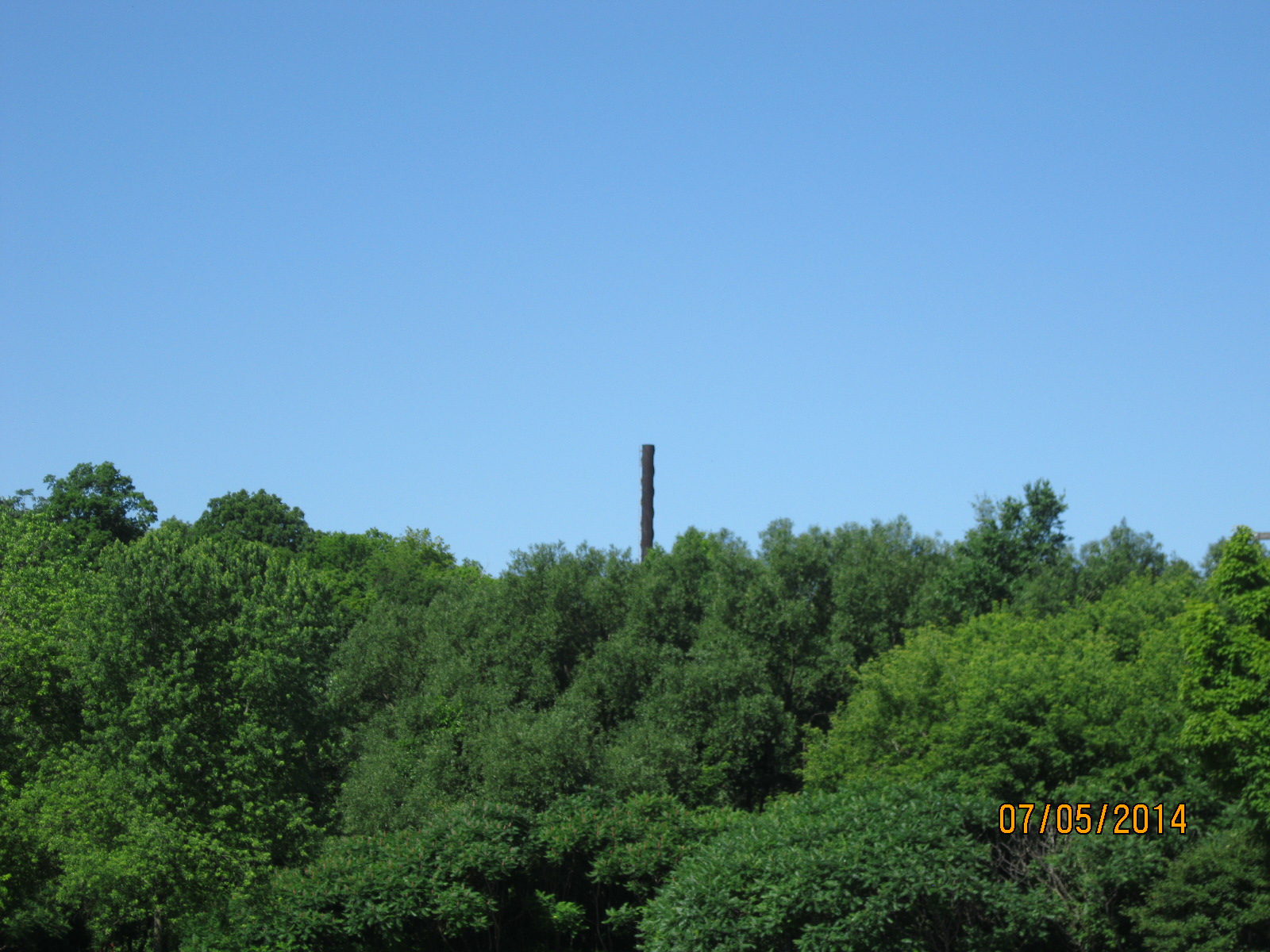
We walked north along the east side of the river planning to cover lots 1 through 5 between Eglinton and Lawrence Ave.  A tall smoke stack on the eastern hill marks the site of West Park Healthcare Centre.  It was opened in 1904 as the Toronto Free Hospital For Consumptive Poor.  Consumption is an older term for Tuberculosis or TB.  The hospital was generally known as Weston Sanitorium or “The San”.  The first effective treatment for TB was Streptomycin in the mid-1940’s.  It was given by injection or intravenous and became the cure for “the white plague”.

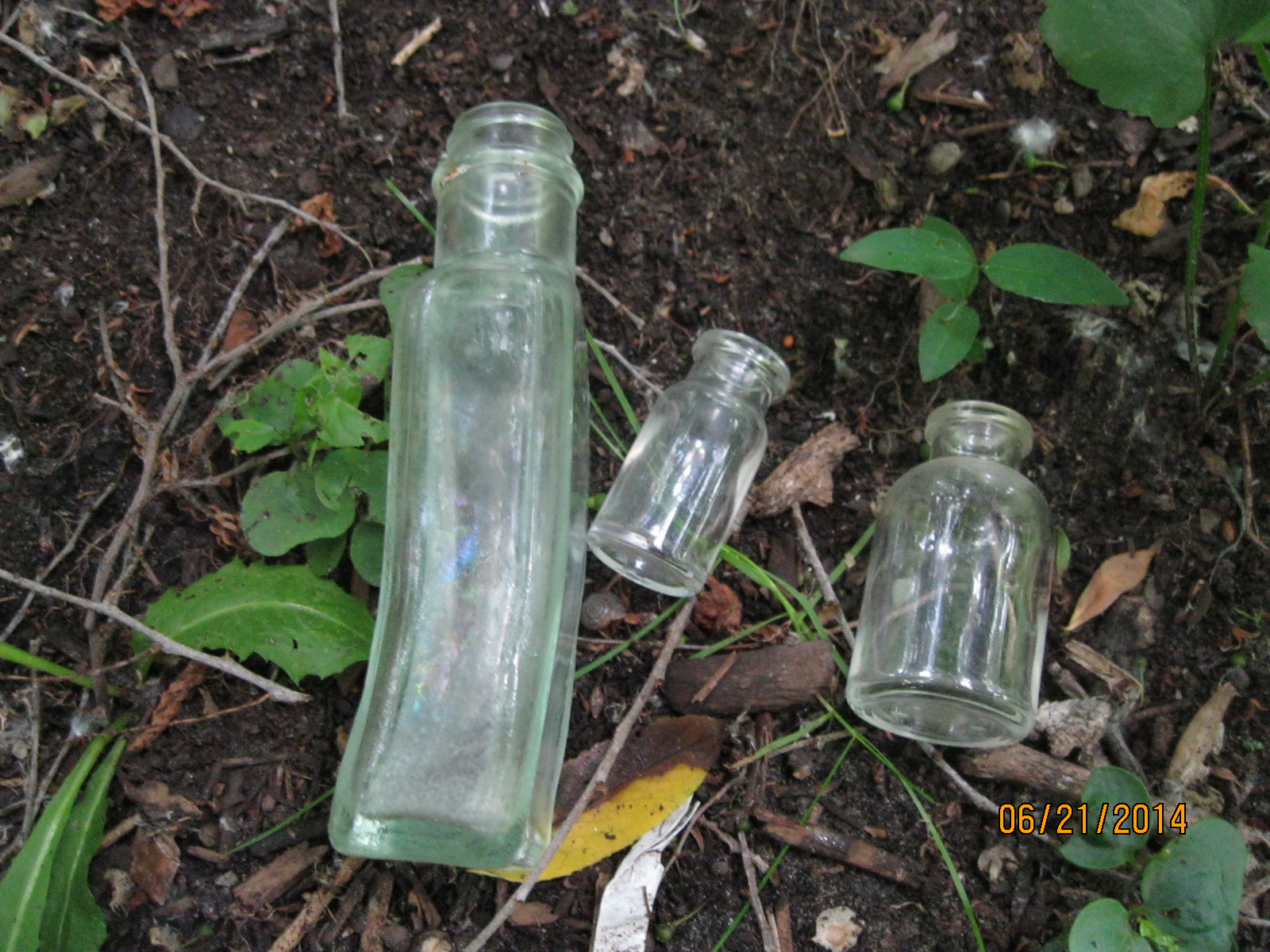
Close to the river, near the old hospital there is a large area of bottles in the woods.  There are dozens of little medication bottles for injections.  The smallest one in the middle of the picture below is dated 1948 and the slightly larger one on the right is 1945.  I have seen many medicine bottles shaped like the long rectangular bottle but none of them curved at the bottom like this one. It has HSP for hospital imprinted on the bottom and the shape may be for hanging it for IV purposes.  Glass containers were first used in the mid 1940’s for IV and were initially packed by the hospital pharmacy as this one likely was. Later, they were packed by major companies and then plastic replaced glass containers in the 1970’s.  Any or all of these three bottles could have contained Streptomycin for treating the TB patients in the hospital.

IMG_2291

In the woods between the bottles and the hospital on the hill lie the remains of some old buildings from the farmstead on the former John Dennis property.  John Dennis was a United Empire Loyalist and it was 40 acres of his property on which the hospital was built. The picture below is the front entrance porch for the house.

IMG_2296

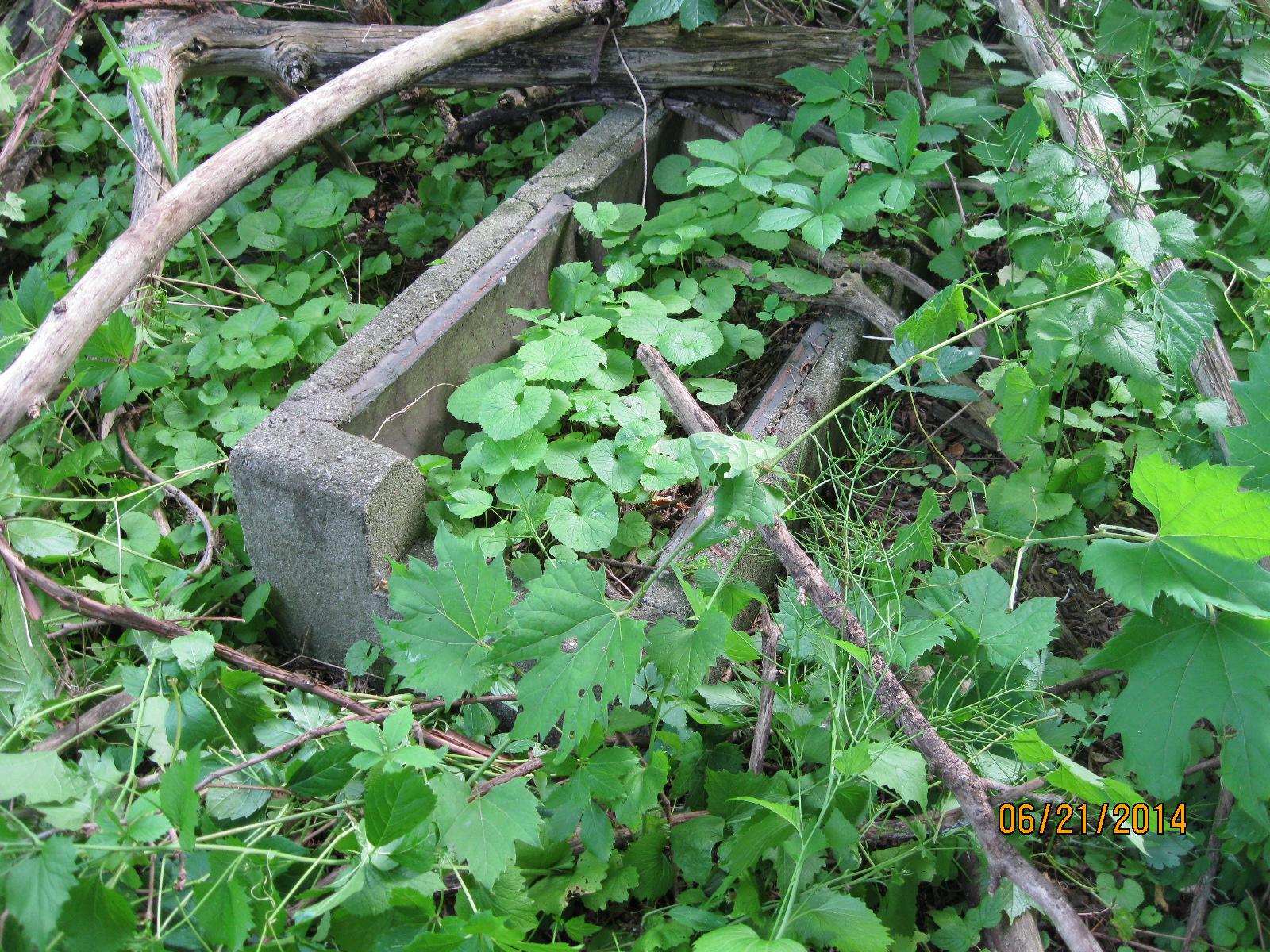
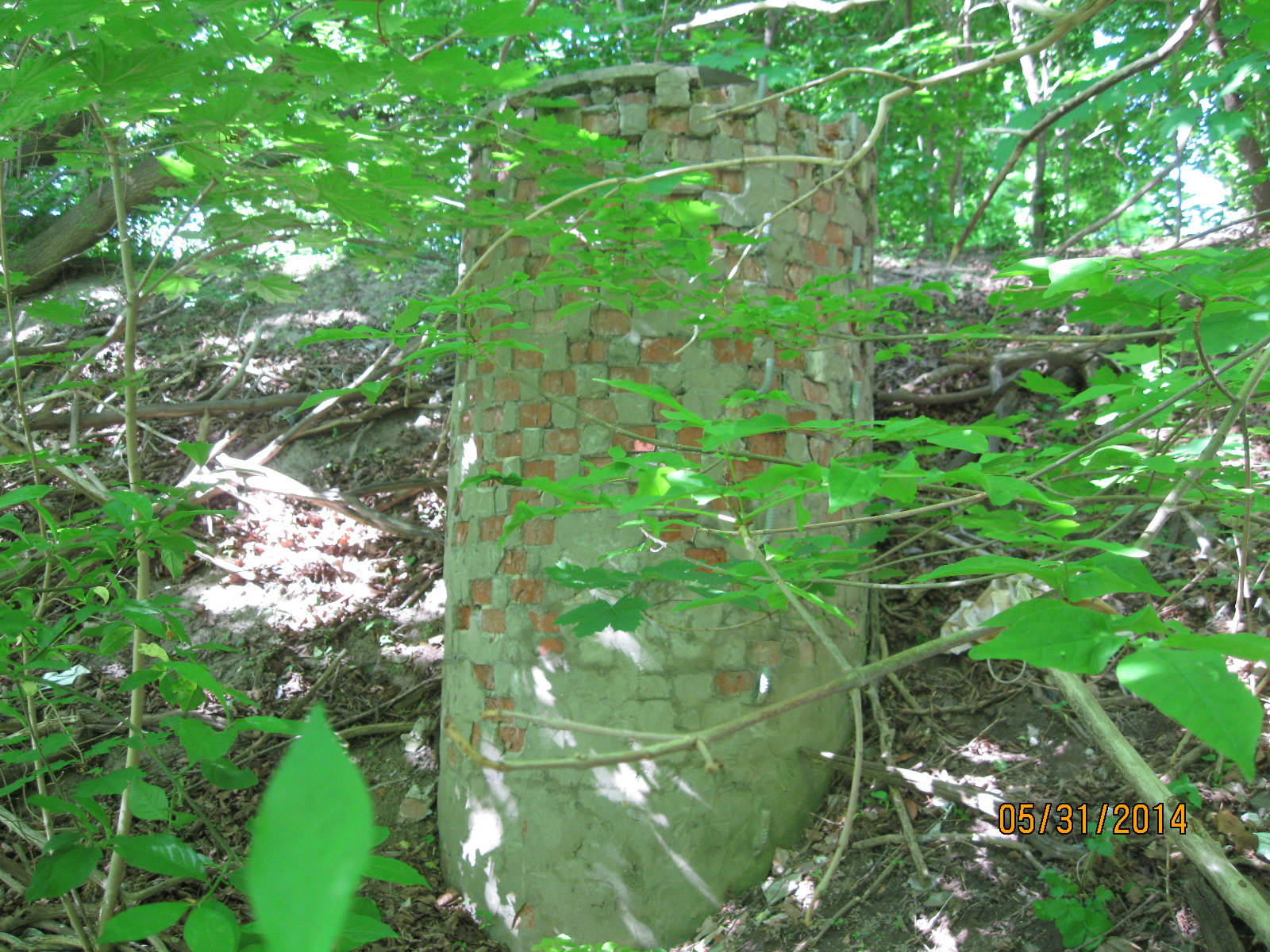
A few feet away there are several of these long cement structures which appear to be part of the fence line.

IMG_2299

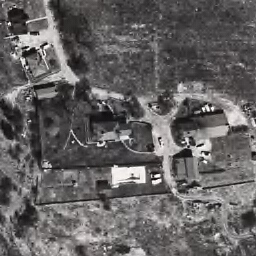
This is a view from 1962 in which the house can be seen on the right with it’s little square front entrance porch and the fence line near the bottom.

Weston 1962

Along the water’s edge we found many fossils including Crinoids and this Brachiopod fossil.

IMG_2302

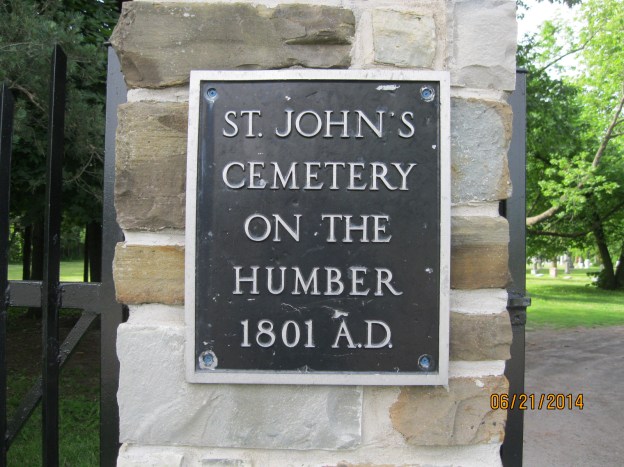
As you walk along the east side of the river you will come to a larger water fall.  The east wall extends all the way from the river to the base of the ravine.  If you climb the ravine on the trail at the end of this wall you will find St. John’s Cemetery On the Humber.

John Denison came to York (Toronto) in 1796 and lived with Governor Simcoe at Castle Frank which was the first dwelling built by a white man in York.  In 1798 he purchased lots 3 and 4 on the Humber river.  The Denison men established themselves by serving in the war of 1812 and the rebellion of 1837.

While living in York, John had lost his infant daughter Elizabeth.  She was buried in the garden at Castle Frank because there was no burial ground in the town of York.  When he established himself on the Humber he had her moved to a plot of ground overlooking the river.  Elizabeth’s untimely death accounted for what surely must have been one of the first modern burials in Toronto. This cemetery is still in service and has been used exclusively for family members related to John Denison and the family of his wife Sophia Taylor.

IMG_2323

John and Sophia Denison are buried beside their daughter.

IMG_2326

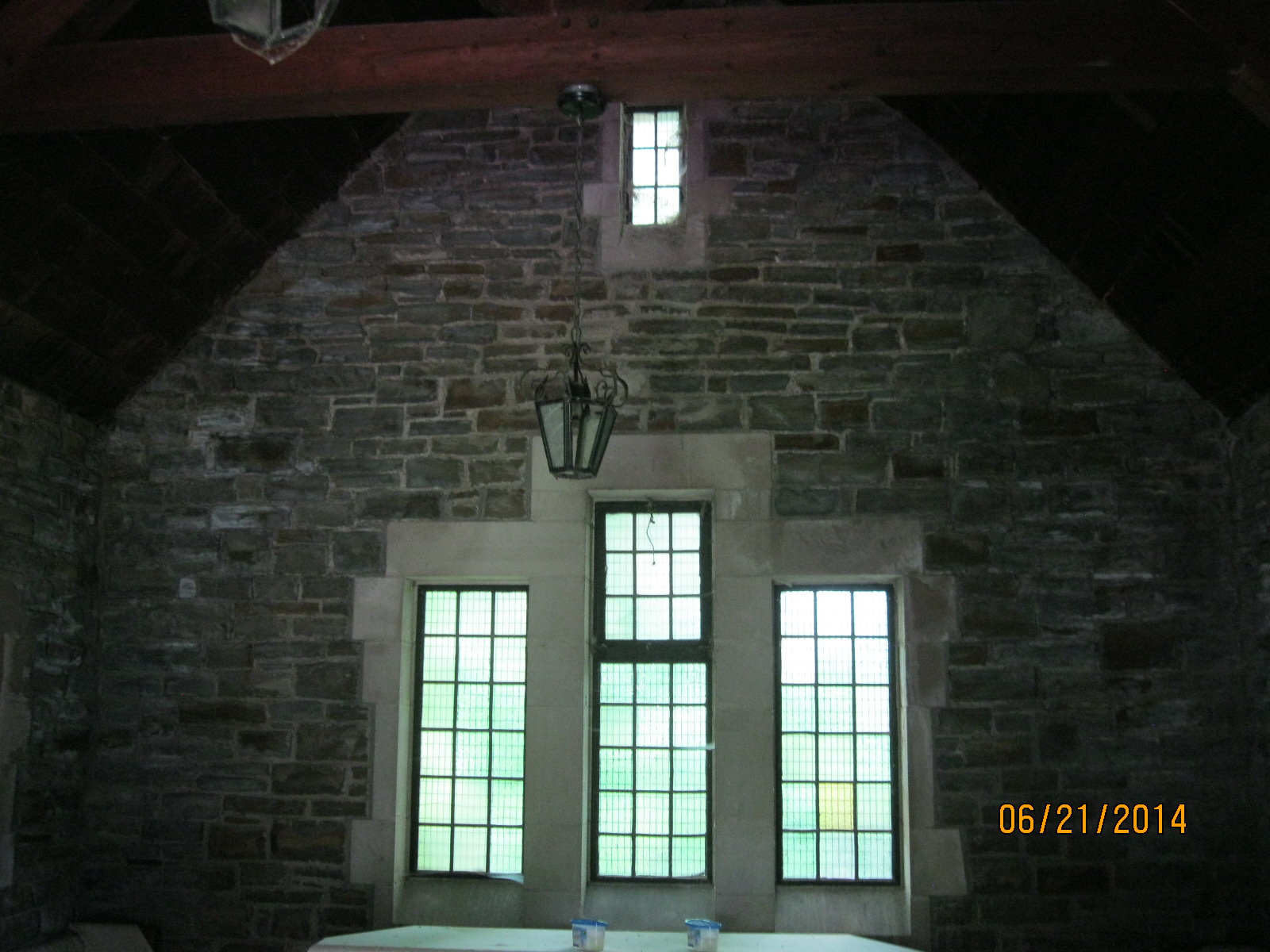
In 1930 a chapel was erected by the Denison family in memory of George Taylor Denison (1816-1873).  The grounds crew gave us a rare opportunity for someone other than family to see inside the chapel.

IMG_2330

The smoke stack from the Sanitorium as seen from the Eglinton Street bridge.

IMG_2356

Google Maps Link: West Park Health Centre

Like us at http://www.facebook.com/hikingthegta
Follow us at http://www.hikingthegta.com

Raymore Drive

Saturday June 14, 2014

We parked on Emmett Ave and crossed the Humber on Eglinton.  On the west bank stands a memorial to the Ukrainian Canadian War Heroes and we descended to the river level near there.  Following the hillside between here and where the Humber Creek meets the Humber River is difficult and we alternated between hillside and river side.

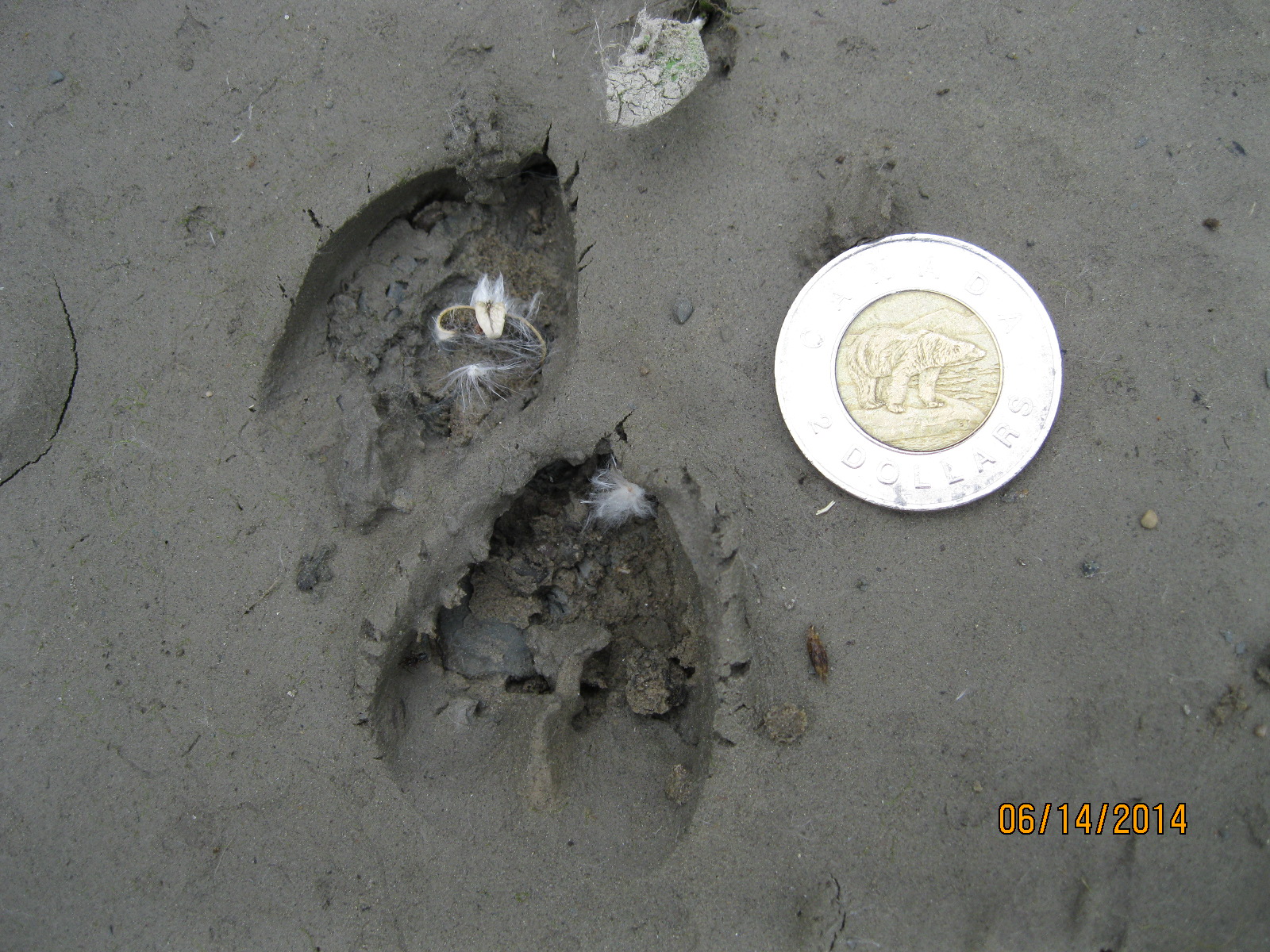
Whitetail Deer mate (rut) in late October or early November and give birth to up to three fawns in late May or early June.  Along the way we found a spot where a fawn, only a few weeks old, had been down to the river to drink.

IMG_2188

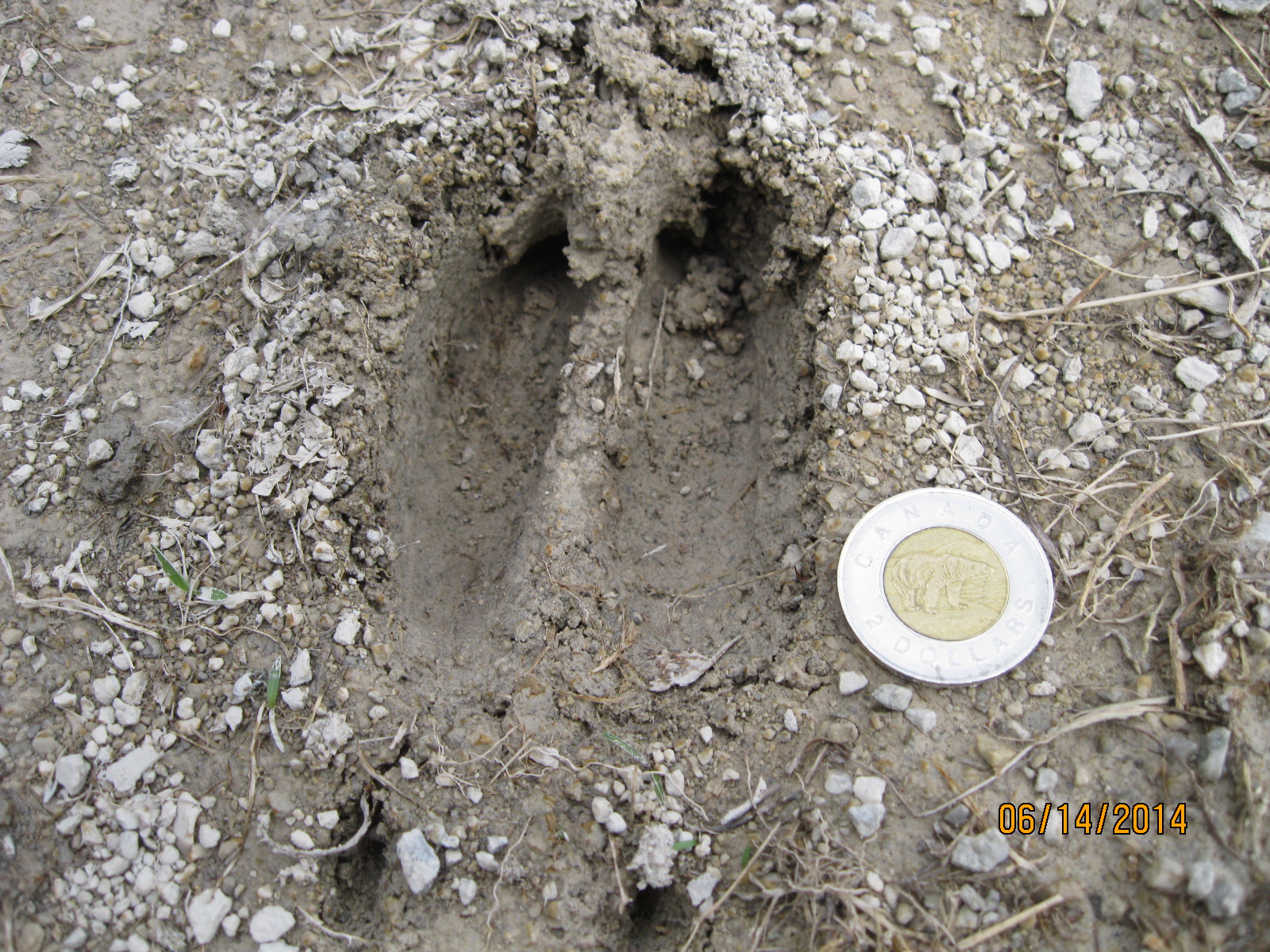
By comparison, the foot prints of an adult deer are about three times the size of the toonie. The foot prints in the picture below were found on one of the baseball diamonds in the park where the deer was apparently thrown out at second base.

IMG_2215

The first electric washing machine was the 1907 Thor machine built by a Chicago company called Hurley.  The first washing machine to use a drum, replacing the ancient washboard, was patented in 1851.  It was powered by a hand crank.  To remove water from the clothes after washing, a pair of rollers called a wringer or mangler were used to squeeze the excess water out.

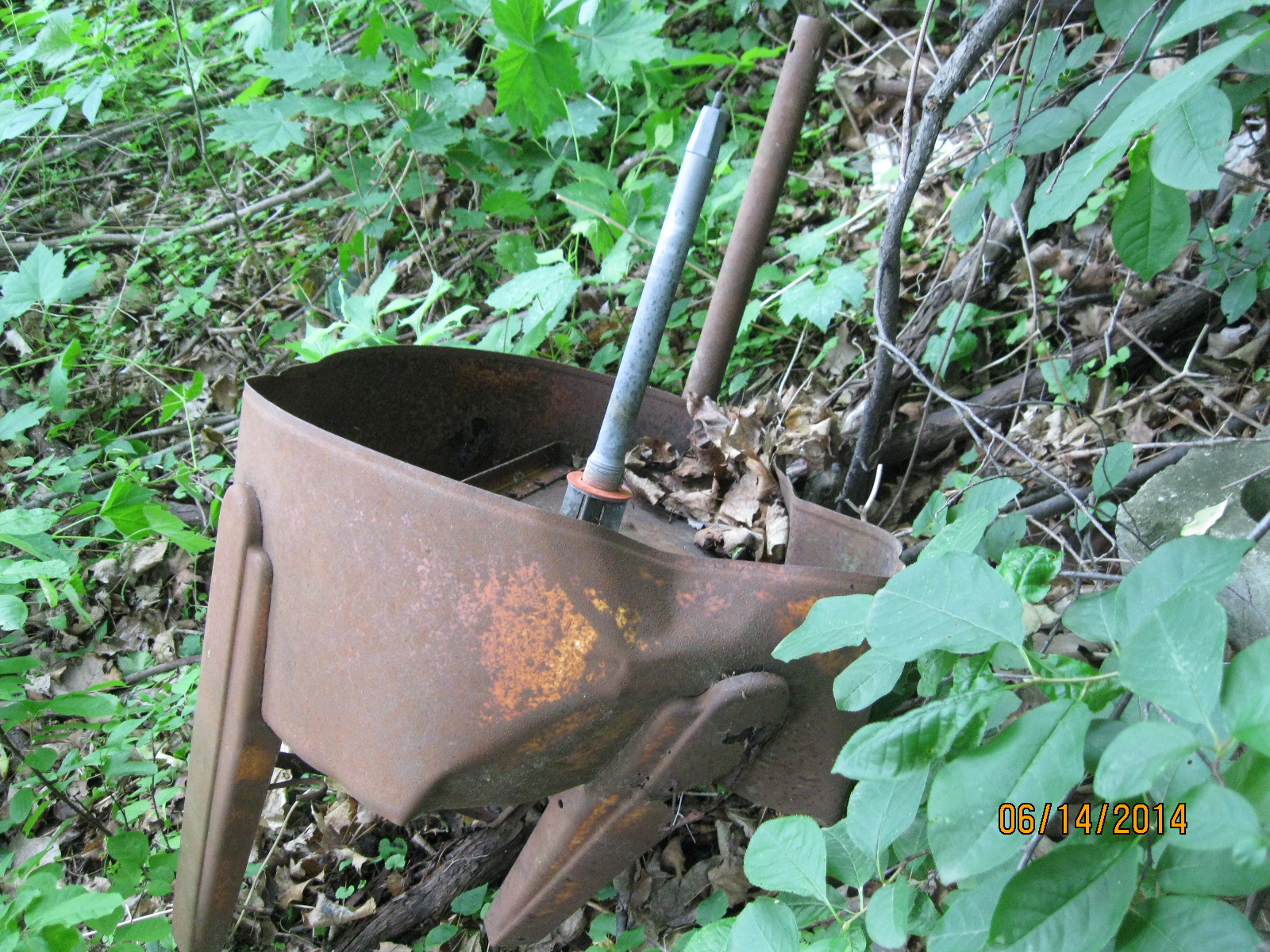
We found an old washing machine likely from the mid-1940’s manufactured by Thor Canadian Co. Ltd. Toronto.  The aluminum pole in the centre held the drum and the rusted steel pole held the wringers.

IMG_2201

The Canadian Standards Association (CSA) was created in 1944 from The Canadian Engineering Standards Association.  In 1946 they introduced the CSA logo.  This name plate says CSA but lacks the logo.  That, along with it’s low CSA approval number (520), suggests that it is from 1944 or 1945.

Thor Canada

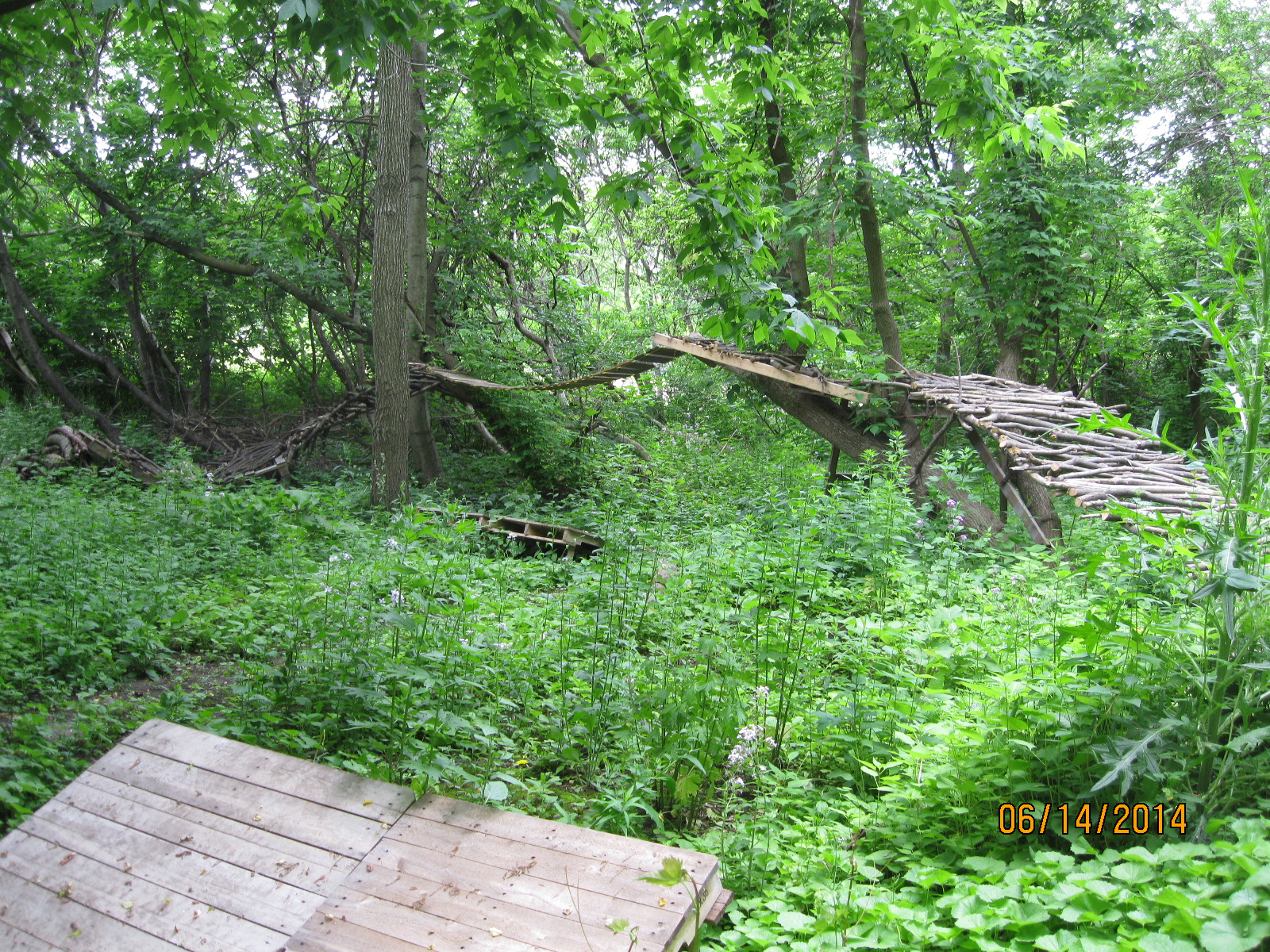
We came across an extensive race track built through the trees for remote control cars.  It appears to have been abandoned recently.

IMG_2222

When Ontario was surveyed for settlement it was frequently laid out in 1000 acre square sections with a road allowance along all 4 sides.  The north/south roads were called lines and the east/west ones called side roads or concessions.  Within, the parcels of land would usually be divided into 5 land grants of 200 acres each.  Five lots ran north between side roads and extended between the two lines.  In York Township, Eglinton Avenue was known as Base Line and the lot on it’s north side was known as lot one.  Lawrence Avenue ran along the north side of lot five and was known as 5th side road.  Other side roads going north were Wilson/York Mills (10th SR), Sheppard (15th SR), Finch (20th SR) and Steeles (25th SR).  So York Township had 25 lots between Eglinton and Steeles.  Going west the lines were Bathurst (1st Line West), Dufferin (2nd Line), Keele (3rd Line), Jane (4th line) and Weston (5th line).  This grid is lost in the maze of the city but is still very evident in rural Ontario where there are often 5 grand old Victorian homes between the side roads marking out the original lots.

In the historical atlas example below we see the Etobicoke side of the Humber River.  Just above Lambton Mills is a road marked A, B, C.  That is the Base Line (Eglinton) and the five lots we hiked on are owned by Anderson, Stonehouse, Thompson and Pearson in the County Atlas from the 1880’s.  The road that runs along the top of Pearson’s property is the 5th side road (Lawrence)

yor-m-etobicoke

We were hiking between the 4th and 5th lines on lots 1 through 5.  A surveyor’s stake lets us know that we are moving off lot two onto lot three.

IMG_2194

Raymore Drive is on lots 4 and 5 which was owned by the Scarlett family until the 1850’s. When Hurricane Hazel hit on October 15, 1954 Raymore Drive was home to a subdivision along a curve in the river.  A footbridge crossed the river just upstream of the community and when the water level in the Humber rose by 20 feet it swept it off of one abutment swinging it out into the river. This caused the water in the river as well as a lot of debris to be re-directed onto the area of Raymore Drive.  14 homes were washed away, many with their occupants still inside.  Of the 81 people who lost their lives in the storm, 35 of them lived on Raymore Drive.  The cover photo shows the street on the morning after the storm.

The footbridge abutment was thrown up on the east side of the river.  The second abutment still stands on the middle of the river where it was washed by the flood.

IMG_2231

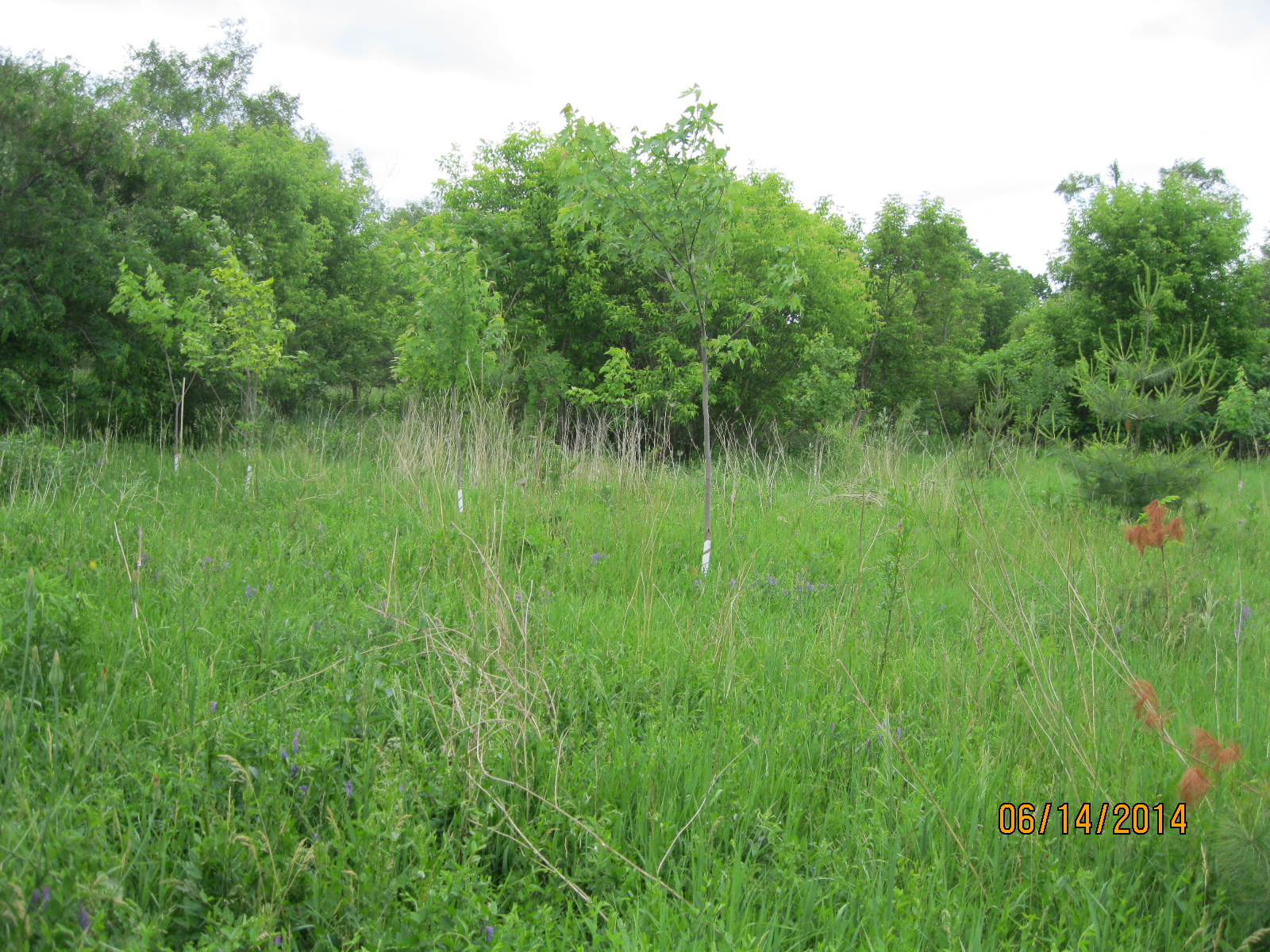
Raymore Drive as it appears today with new growth trees where rows of houses once stood.

IMG_2225

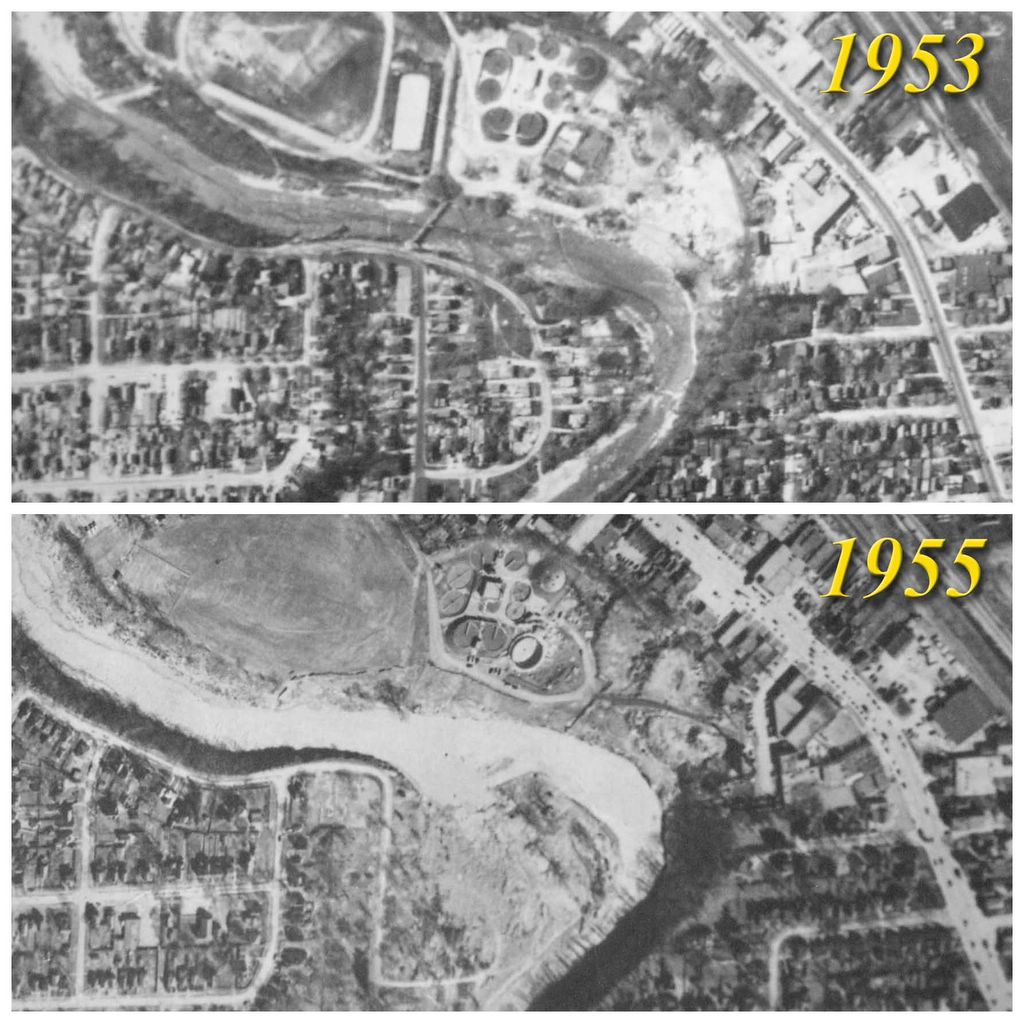
Raymore Drive as seen in this before and after comparison.  In the 1953 photo there are two streets of houses tucked inside the curve of the river.  The footbridge is seen crossing the river on an angle.  In the 1955 picture the area has been swept clean.

Raymore Drive before and after Hurricane Hazel

The Yellow Iris is native to Europe and parts of Asia but in Canada it is considered to be an invasive species.  It was first identified in 1911 in Newfoundland and in 1940 in Ontario.  It grows in wetland areas but it’s dense mats of leaves tend to cause the marshes to dry up reducing native habitat.

IMG_2190


Google Maps Link: Raymore Drive

Like us at http://www.facebook.com/hikingthegta
Follow us at http://www.hikingthegta.com

Millwood Mills

Saturday June 7, 2014

It was a sunny and warm day.    We parked in the Home Smith Park parking lot at the west end of the Old Dundas street bridge.  We don’t normally go searching for anything specific when we hike but today was an exception.  While researching John Scarlett and Scarlett Mills last week I learned about a friend of his named Thomas Fisher and the mill he built on the Humber just below Lambton Mills.  So we set out to see what legacy of Thomas Fisher remained.

Thomas Fisher came to York in 1821 and in 1822 he leased the King’s Mill (Old Mill).  Under Fisher it prospered and expanded and he bought it from the government in 1834.  In 1835 he sold it and moved a little north to his own lot where there was an excellent mill site about half a km below Dundas street.

The parking lot is just above the west bridge abutment from the Old Dundas Street bridge. In the picture below an entire section of the bridge abutment and roadway is washed out by the flood waters after Hurricane Hazel swept through.

Old Dundas Street bridge after hazel

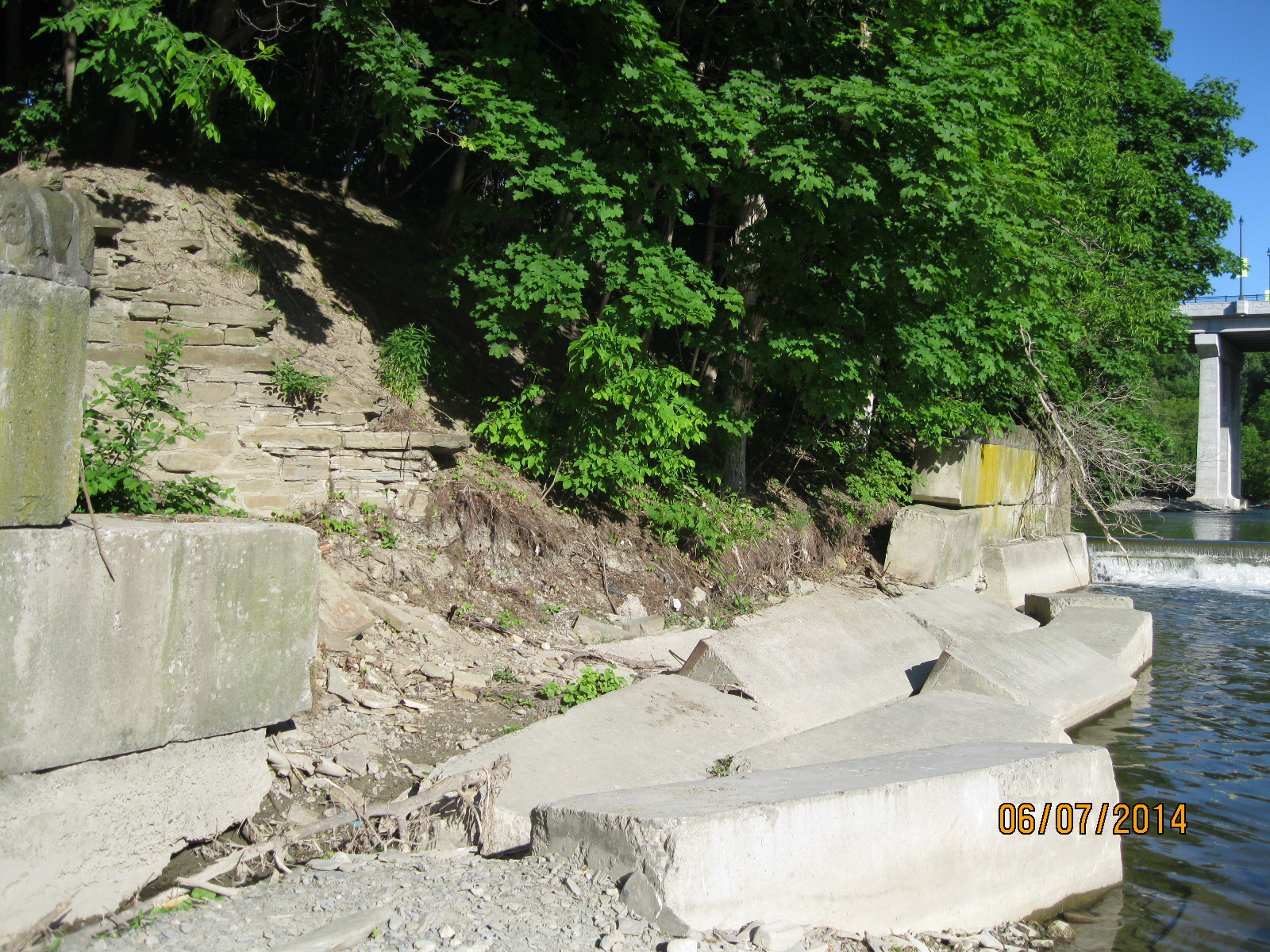
The old abutment has been revealed at the left of the picture now that the new retaining wall has collapsed into the river.

IMG_2101

The first Millwood grist mill was a two story wooden mill and it burned down in 1847. Fisher replaced it with a five story mill.  The lower two floors were made of stone and the upper three of wood.  The mill had three runs of stones and ground wheat, oats and corn. Fisher built Millwood House on the top of the embankment above the mill.  He also built stables, a store and living quarters as well as an access road to the hill top.  In 1880 Millwood became Lambton Woolen Mills and was converted to steam power.  It burned down and was abandoned around 1900.

We followed the river looking for evidence of the old mill.   We found no trace of it and concluded that it must have been removed when the park was developed.  We followed the animal trail along the top of the hill looking for the access roadway that would have linked the mill with the house up top.

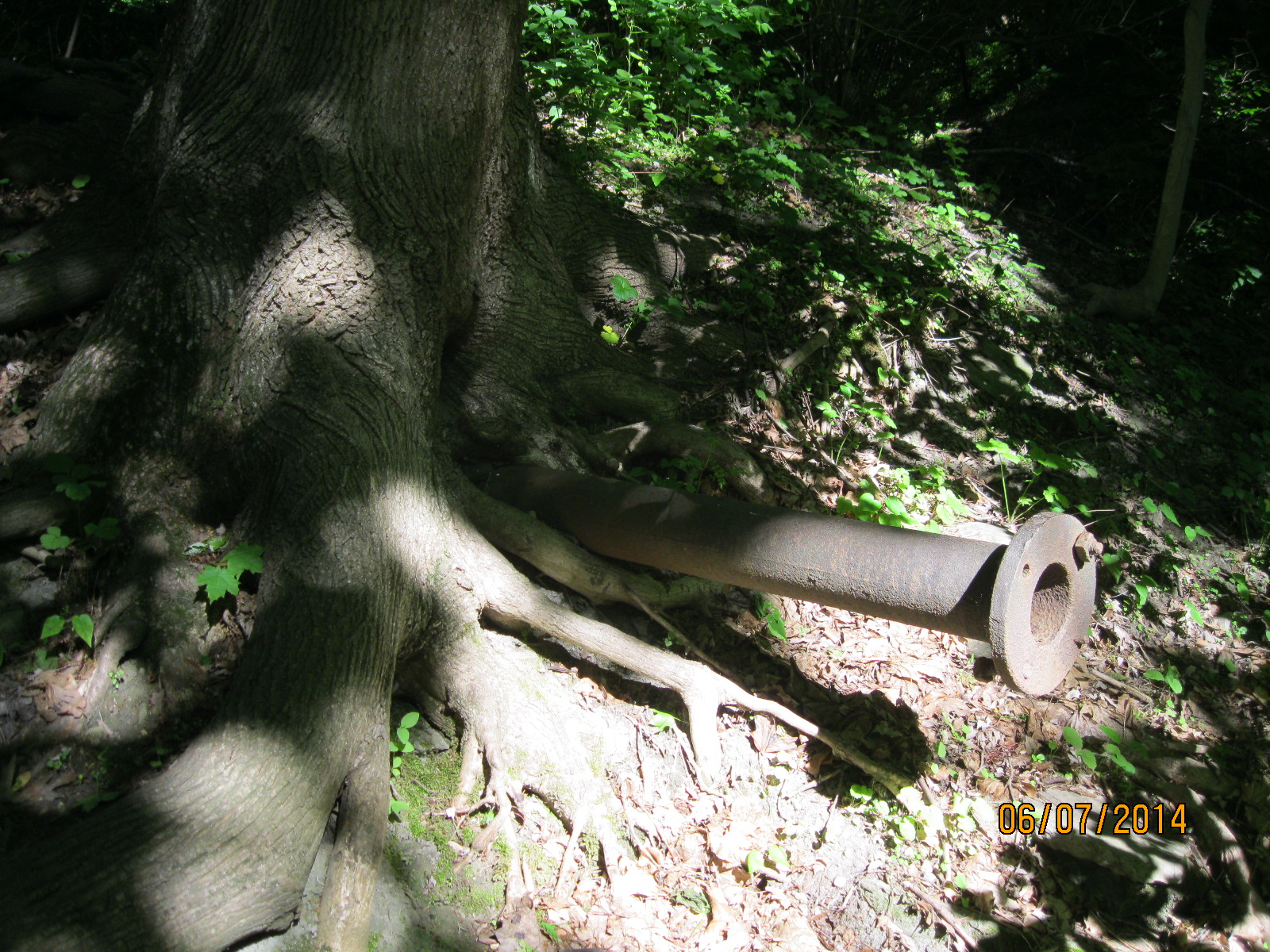
Along the side of the hill we found this big pipe sticking out of the ground with a large tree growing over it.  It is likely related to the steam operations at the mill.

IMG_2111

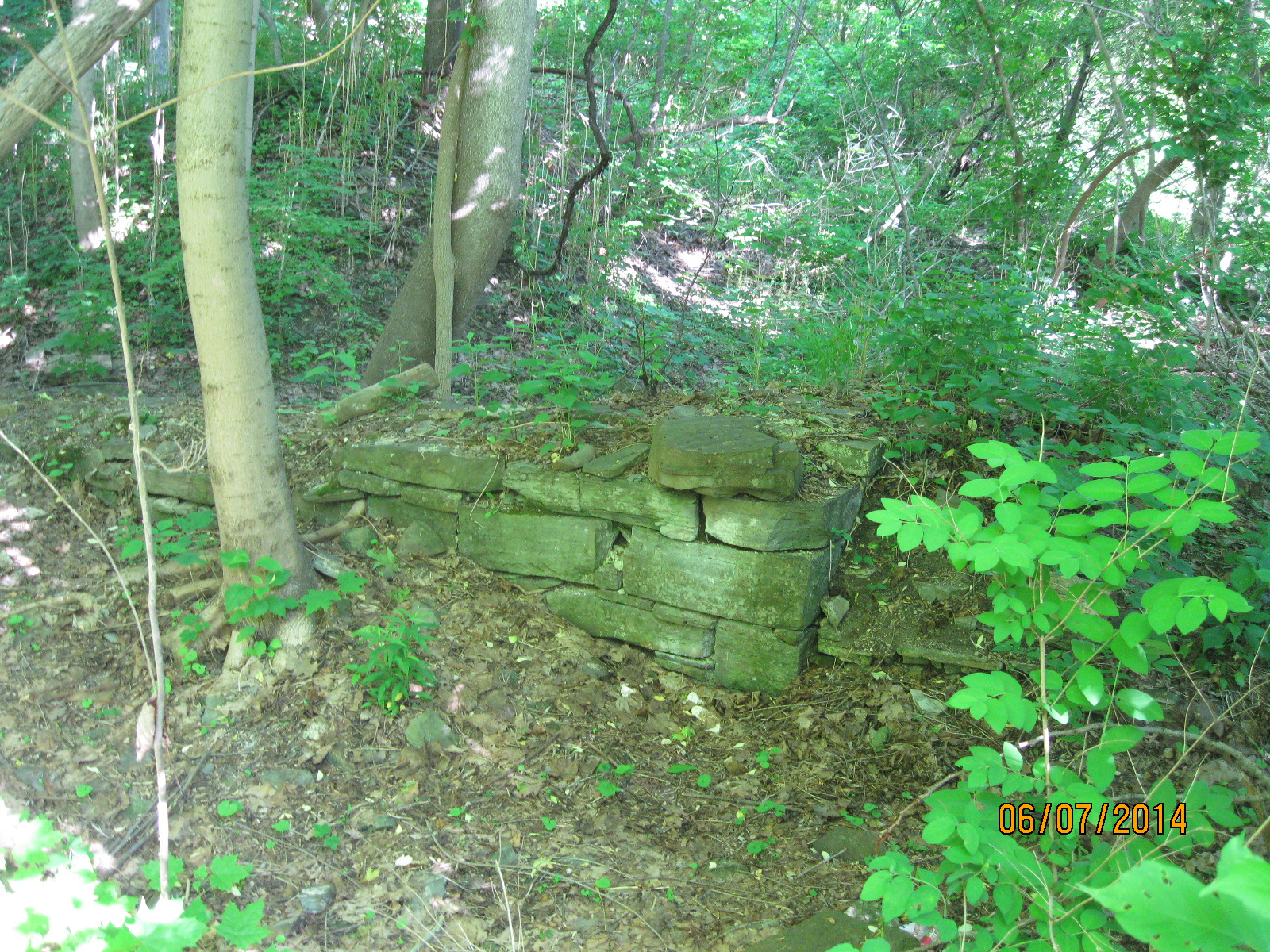
Below this pipe we able to see the clear outline of a curved stream bed.  Thinking this could be the mill race from the old mill we descended the hill.  A mill race is a diversion stream from the mill pond where the miller can control the flow of water over the mill wheel.  When we reached the bottom we found the 166 year old foundations of Millwood Mill hiding in the trees near the modern washroom facility.

The outline of the old mill, which was 40 feet by 45 feet, is clearly visible as all four corners of the building can be easily located.

IMG_2113

The outer south east corner of the foundation wall.

IMG_2117

In the mid-1950’s there were still partial walls standing at the site of the old mill as can be seen in this archive photograph.

Millwood Mill 1954

We followed the ravine on the back side of the mill race and found a flat roadway, wide enough for a horse and cart, leading slowly up the side of the hill.  This appears to have been Fisher’s roadway between his home and the mill.

Having explored here we returned to the Dundas street bridge and went north on the west side of the river.  Just north of the new bridge we found the curved wall of earth that marks the retaining wall from the old mill pond for Lambton Mills.  It appears as the straight line in the middle of this picture and is quite an extensive earthen work.

IMG_2122

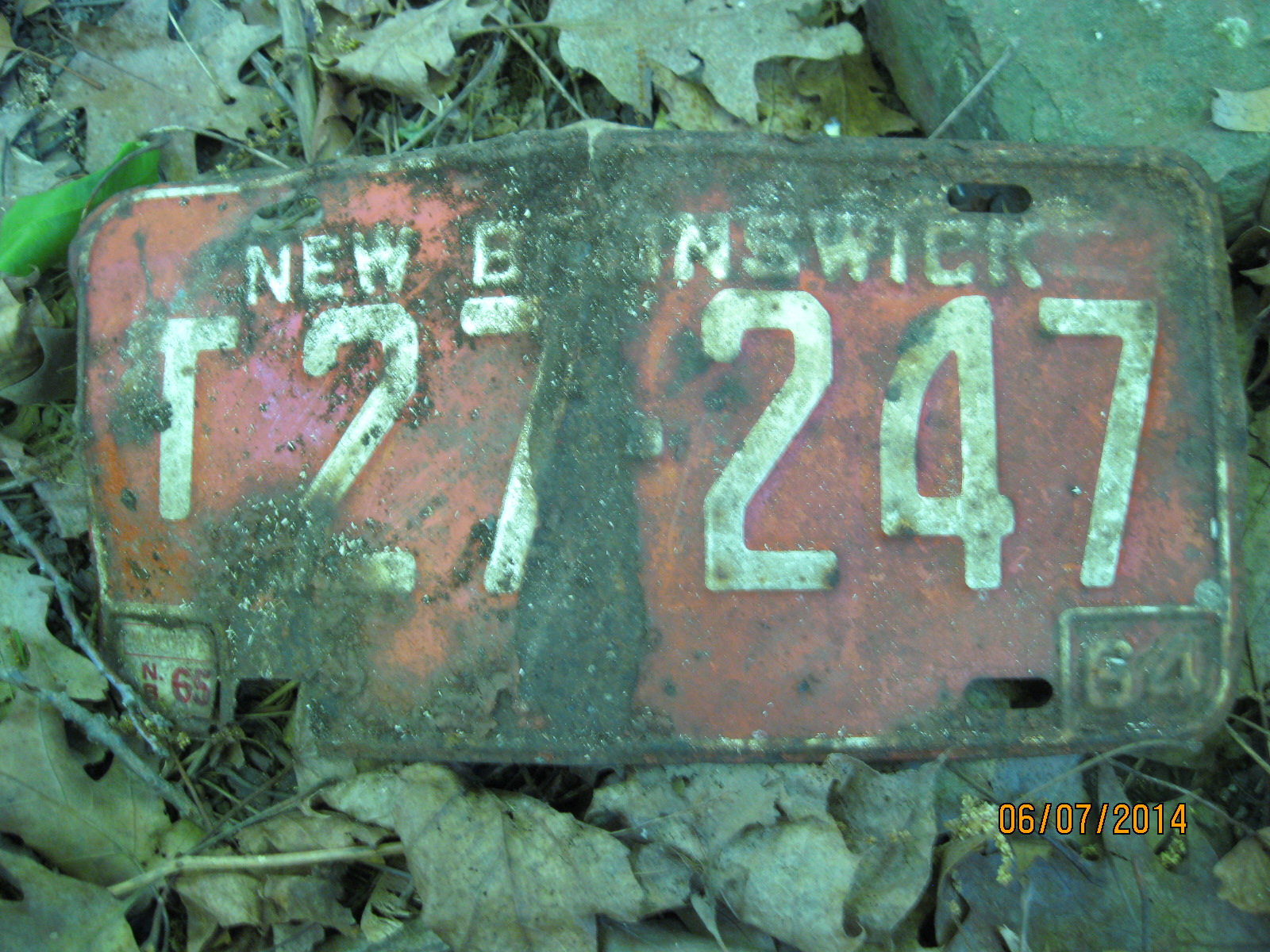
Farther along this embankment we found a lot of old garbage.  There was a food bottle from 1948 and the bottom of a 1952 Pepsi bottle.  This 1964 licence plate from New Brunswick seems to be rather far away from home.

IMG_2131

Later we found the neck of a Caufield Dairy bottle.  Caufield dairy was a local dairy operated off of a farm in the Albion and Weston road area.  The farm was sold to developers in the 1950’s.

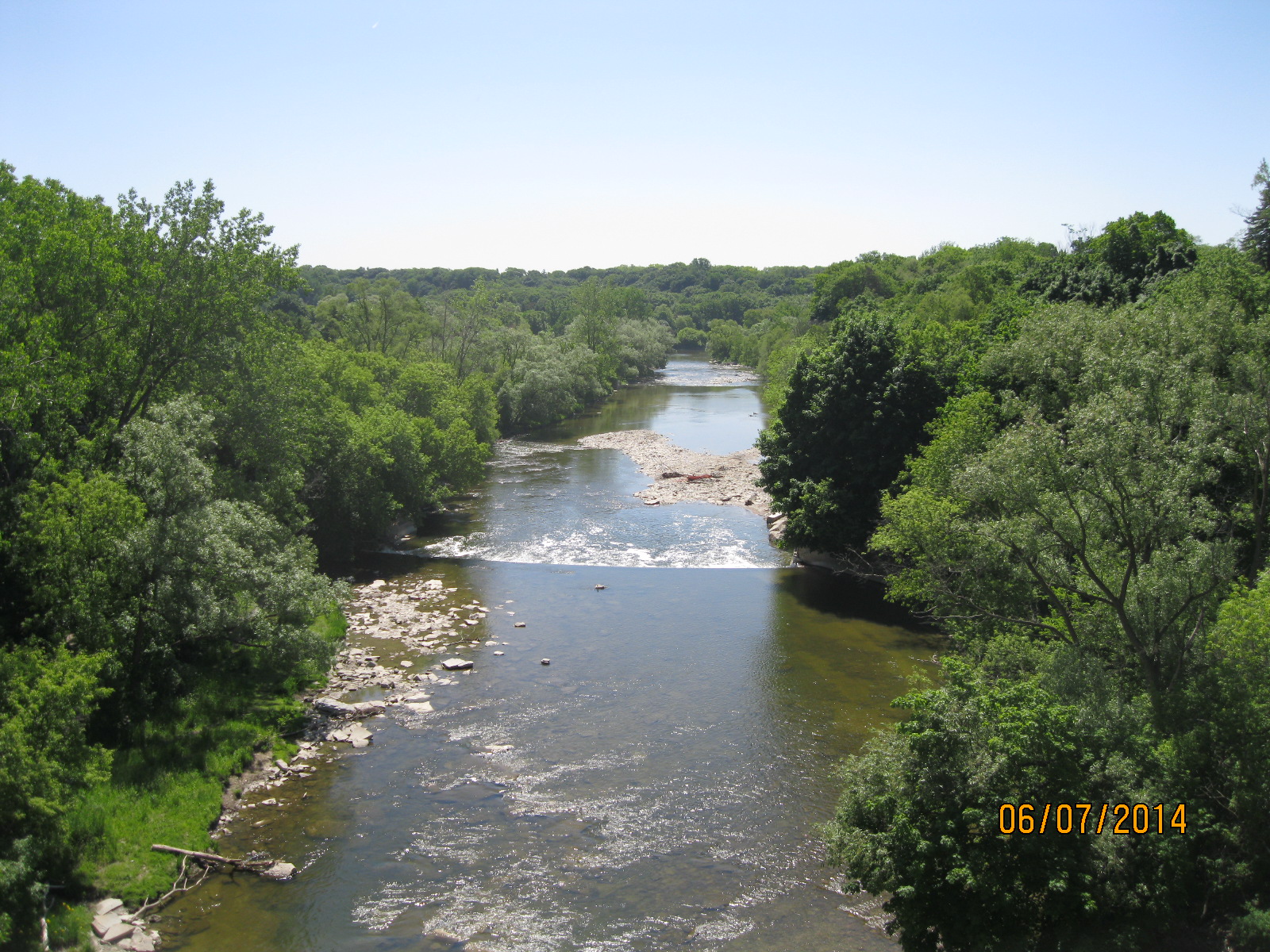
This view is the Humber River from the new Dundas street bridge looking south toward Lambton Mills.  The first water fall in the picture is the site of the old Dundas Street Bridge and was where Cooper located his mills on either side of the river.

IMG_2132

Like us at http://www.facebook.com/hikingthegta

Follow us at http://www.hikingthegta.com

Scarlett Mills

Sat. May 31, 2014

We parked off of Emmett Road and crossed the bridge to hike south along the west side of the river.  The morning was warm at 20 C and sunny.  We descended to the river bank alongside of the Eglinton bridge.  Suddenly we were being eaten alive by mosquitoes which was the first time this year.  What a difference a week makes.  A coating of bug spray and we were on our way.  From the bridge we had seen that the water was low and that there was a good chance of making our way right along the edge of the river.  If you chose to do this, be very careful as some of the rocks move or may be slippery.

The section of the Humber which lies north of Lambton Mills and below Eglinton was owned primarily by John Scarlett.  Arriving in 1809 to purchase a mill site and 33 acres of land, John was able to accumulate 1000 acres, or about 10 land grants, by 1815.  In 1820 he bought the road that ran through his property and renamed it Scarlett Road and so it continues to be known today.

John ran mill sites on both sides of the river where Scarlett road crosses the Humber.  Around the mill sites there grew up a community where John also operated a distillery. Today a small waterfall running in a straight line across the river, a little downstream, shows the site of the old mill dam.  Much of the former Scarlett property was deemed high risk for flooding following the disaster of Hurricane Hazel in 1954 and the land was bought up and turned into Scarlett Mills Park.

The old Scarlett Mills dam as seen from Google Earth.

Scarlett Mills Dam

Following the river it wasn’t long before we came across this item that looked like it had been buried for a long time.  Perhaps it was uncovered in last summer’s flash flooding of July 8, 2013.  It appears to be quite old but it’s function has not been determined.  There are 4 sets of bolts holding something made of wood together.

IMG_2056

A little further along we found this old brick storm drain.  There is a newer drain just above it on the hillside which dates to after 1954 because it reads “Metropolitan Toronto” which was formed in that year.

IMG_2057

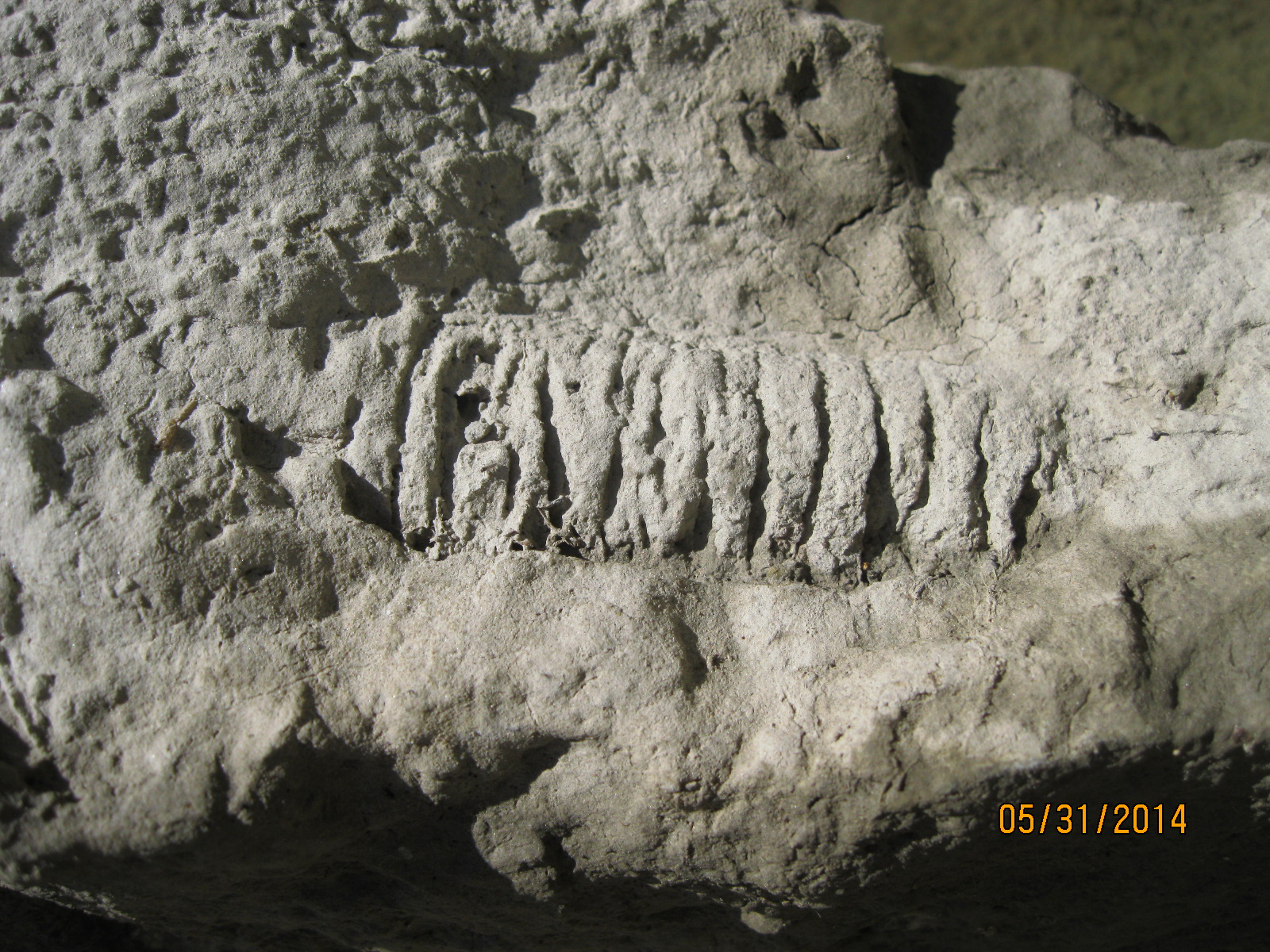
By walking the riverbed we discovered this Crinoid fossil.  Claimed ages for  these marine animals range back to 350 million years ago, but they still exist in today’s oceans.

IMG_2058

Keeping to the river’s edge we saw four families of Canada Geese herding about 25 of this spring’s little ones along the river.

IMG_2071

We found an early example of a Fanta bottle.  Fanta soft drinks were developed in Germany during  the second world war because the Coca-Cola factory there was under embargo from the USA and needed a product for the home market that could be made with local ingredients.  After the war, Coke retained control of the rights and brought the product to North America.  This bottle from 1952 has the logo on the main body of the bottle as well as the neck.  Most bottles I could find on line only have the logo on the neck.

IMG_2075

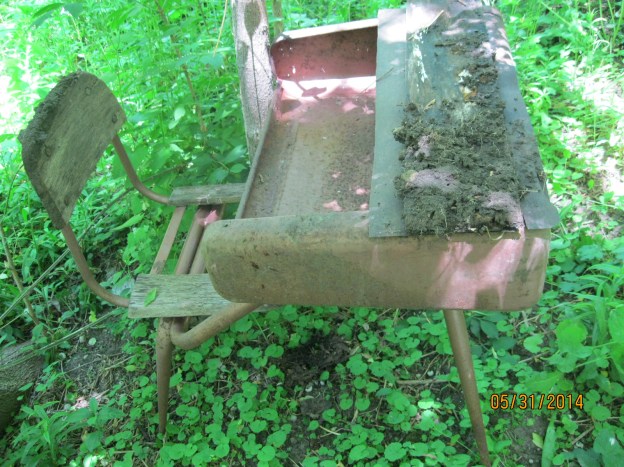
Along the way we found a vintage 1950’s school desk sitting in the woods.  This gives getting kicked out of class a whole new meaning.

IMG_2084

On the east side of the river there are two golf courses on former Scarlett property making hiking on that side of the river impossible.  Just north of Dundas is the Lambton Golf Course which was started in 1902.  This site was the former location of the Simcoe Chase Course which was one of the City of York’s earliest horse race tracks.  It lasted until around 1842.  Between there and Eglinton is the Scarlett Woods Golf Course which opened July 1, 1974.

We had hoped to reach Dundas street and close the loop to Lambton Mills but time ran out and we shall have to save that part of the journey for another day.

IMG_2055

Like us at http://www.facebook.com/hikingthegta
Follow us at http://www.hikingthegta.com