Category Archives: Uncategorized

Silverthorne Grist Mill – Meadowvale

Saturday March 28, 2015

(Revised March 31st)

It was minus 10 with a wind chill of minus 18.  This was one of the coldest morning hikes of the year, in spite of the date on the calendar.  We parked in the Meadowvale Conservation Area parking lot where the Second Line dead ends south of the new Derry Road.  We crossed under the bridge and walked north where the Meadowvale mill pond once connected with the river.

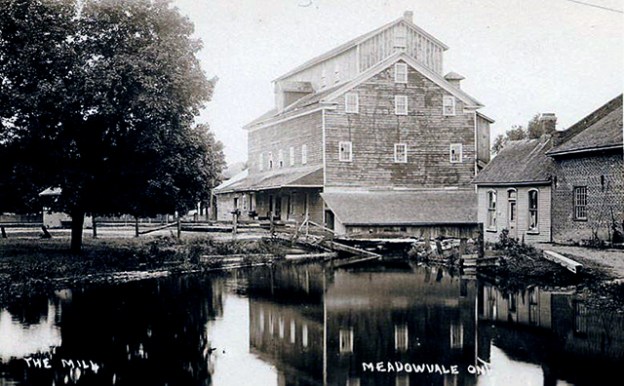
When John Beatty arrived in 1819 he brought the first settlers to the area.  He built mills along the Credit River and founded Meadowvale.  In 1831 Beatty sold his mills to James Crawford who opened saw and carding mills to compete with John Simpson who operated mills on lot 10 south of  Derry Road.  By 1836 Meadowvale had reached village status.  In 1844 Francis Silverthorne took over from Crawford and greatly expanded the mill complex building a saw mill.  In 1845 he added a large grist mill.  When it burned in 1853 he got backing from the Bank of Upper Canada and rebuilt.  During the Crimean War the price of flour had jumped from $1.50 per barrel to $3.00.  Silverthorne stockpiled grain in an effort to take advantage but when the war ended in 1860 the price fell to $1.00 per barrel.  When the Bank of Upper Canada foreclosed on his loan, William Gooderham, who was in charge of the bank, bought the property.  Gooderham and Worts had also purchased Alpha Mills, north of Streetsville, the same year.  Silverthorne retired to the family mansion, Cherry Hill.

After the Gooderhams the mill was owned by the Wheelers until 1895 when it was sold to Henry Brown.  Henry restored the mill and returned it to full production.  In 1906 he set about developing Meadowvale into a tourist attraction.  The first step was to increase the size of the mill pond and create what came to be known as Willow Lake.  He built a larger dam further north on the Credit to allow more water to be retained.  By following the western wall of the former Willow Lake we were able to locate the remnants of this dam.  Concrete remains can be found on both sides of the Credit River.
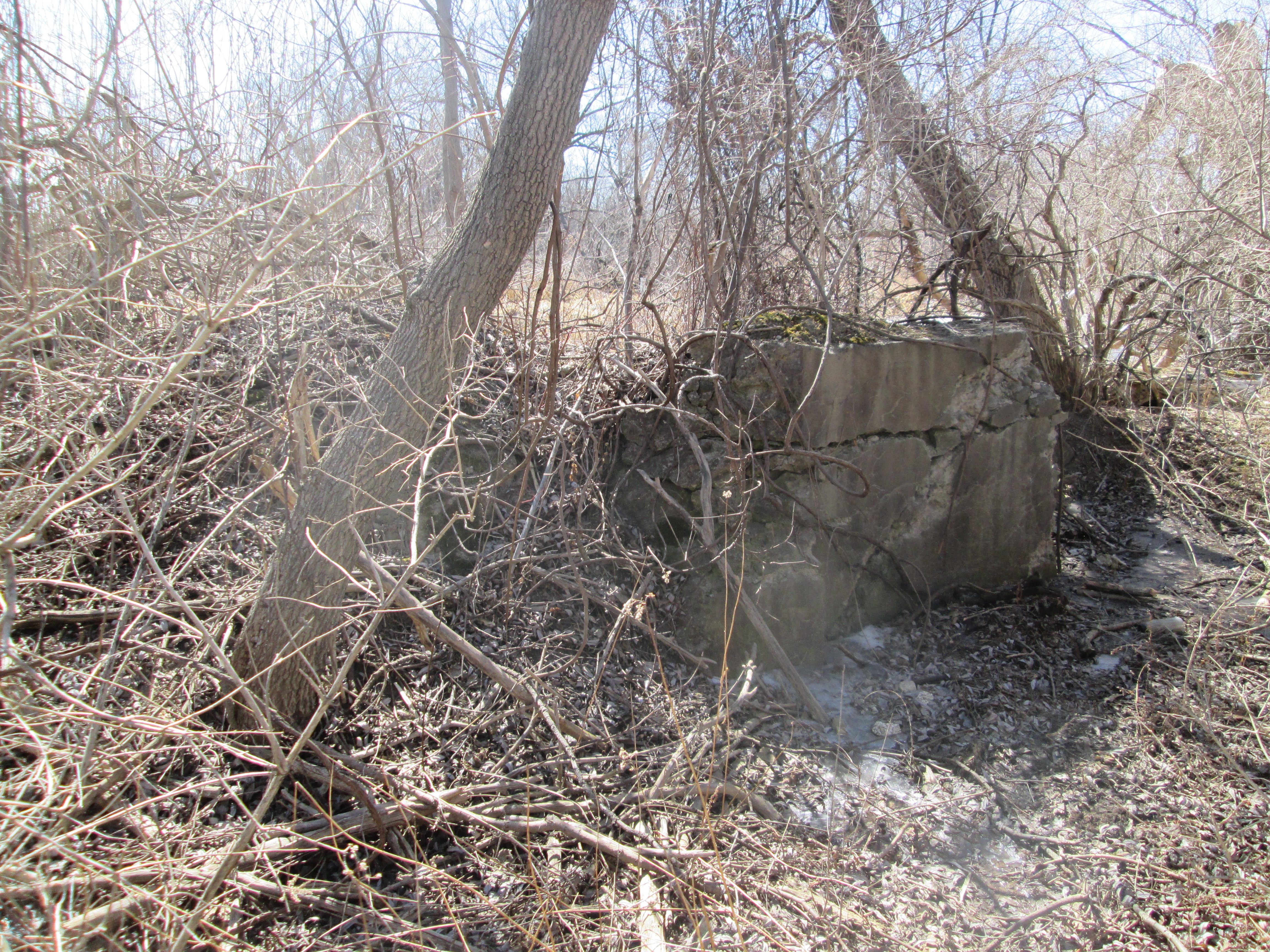
IMG_3079

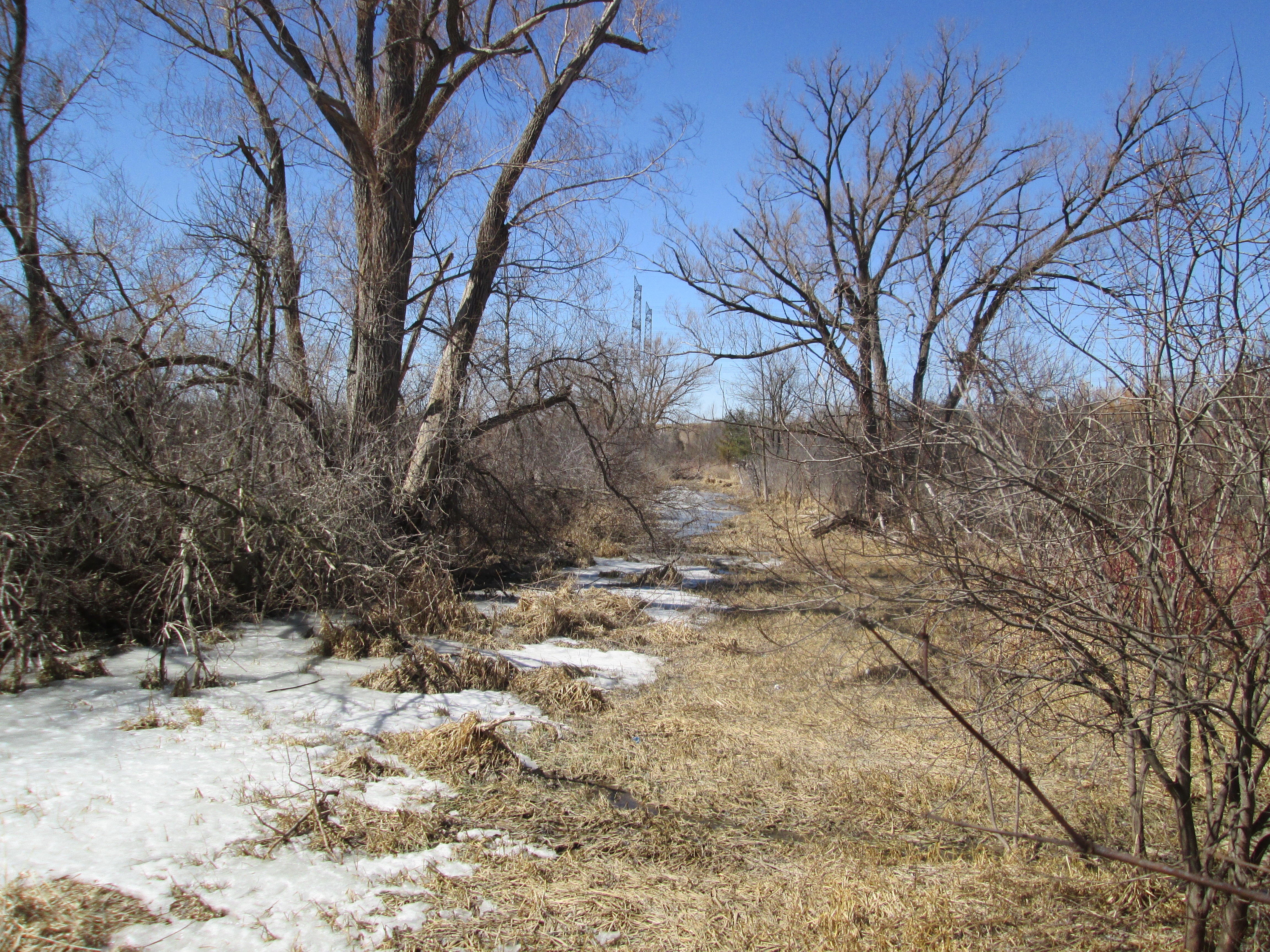
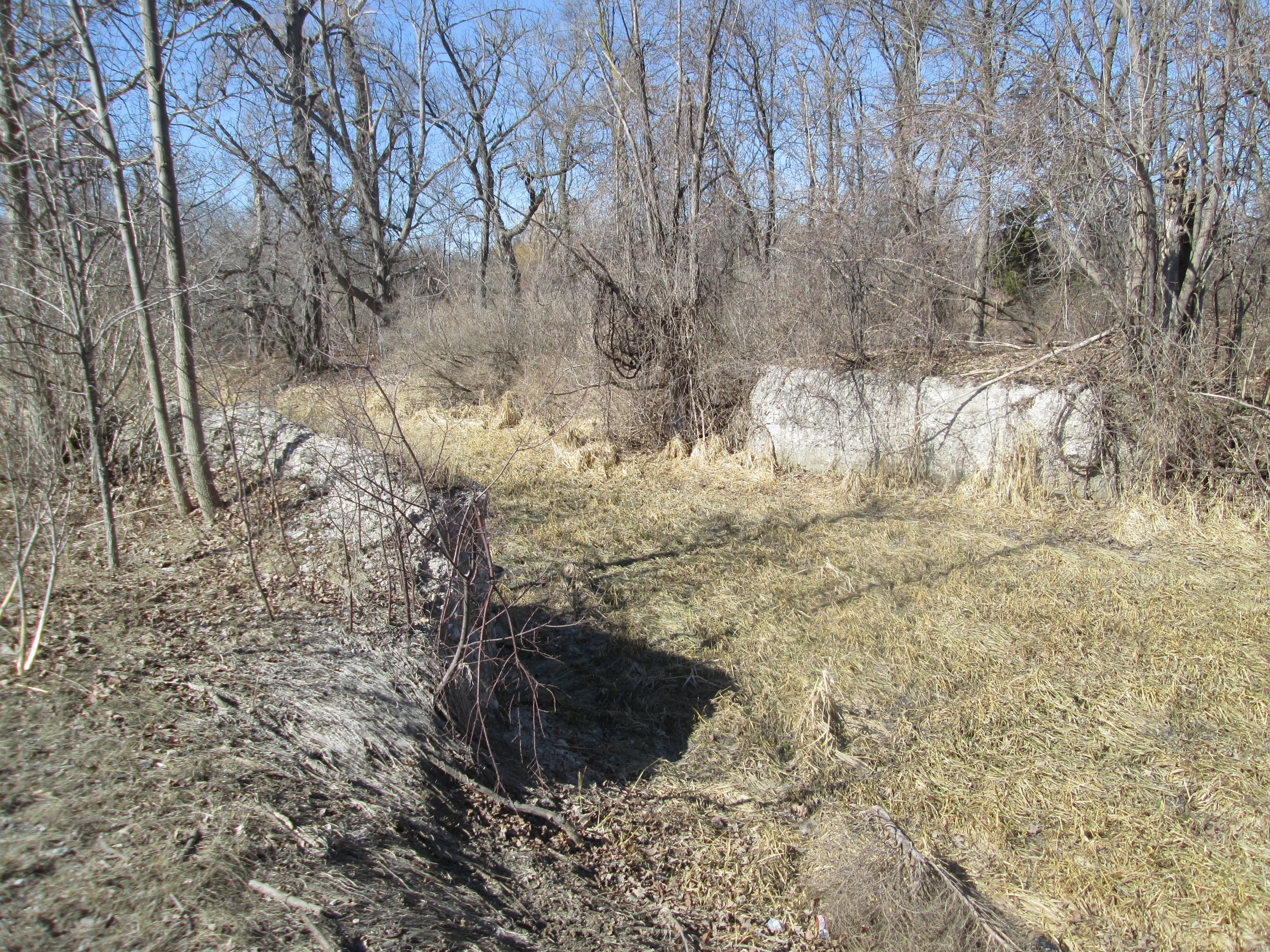
Water is held in the western most parts of the old Willow Lake as we made our way along the berm toward the old mill.  The land along the western side of the old lake has been scooped out to create a retaining wall for the mill pond.
IMG_3077


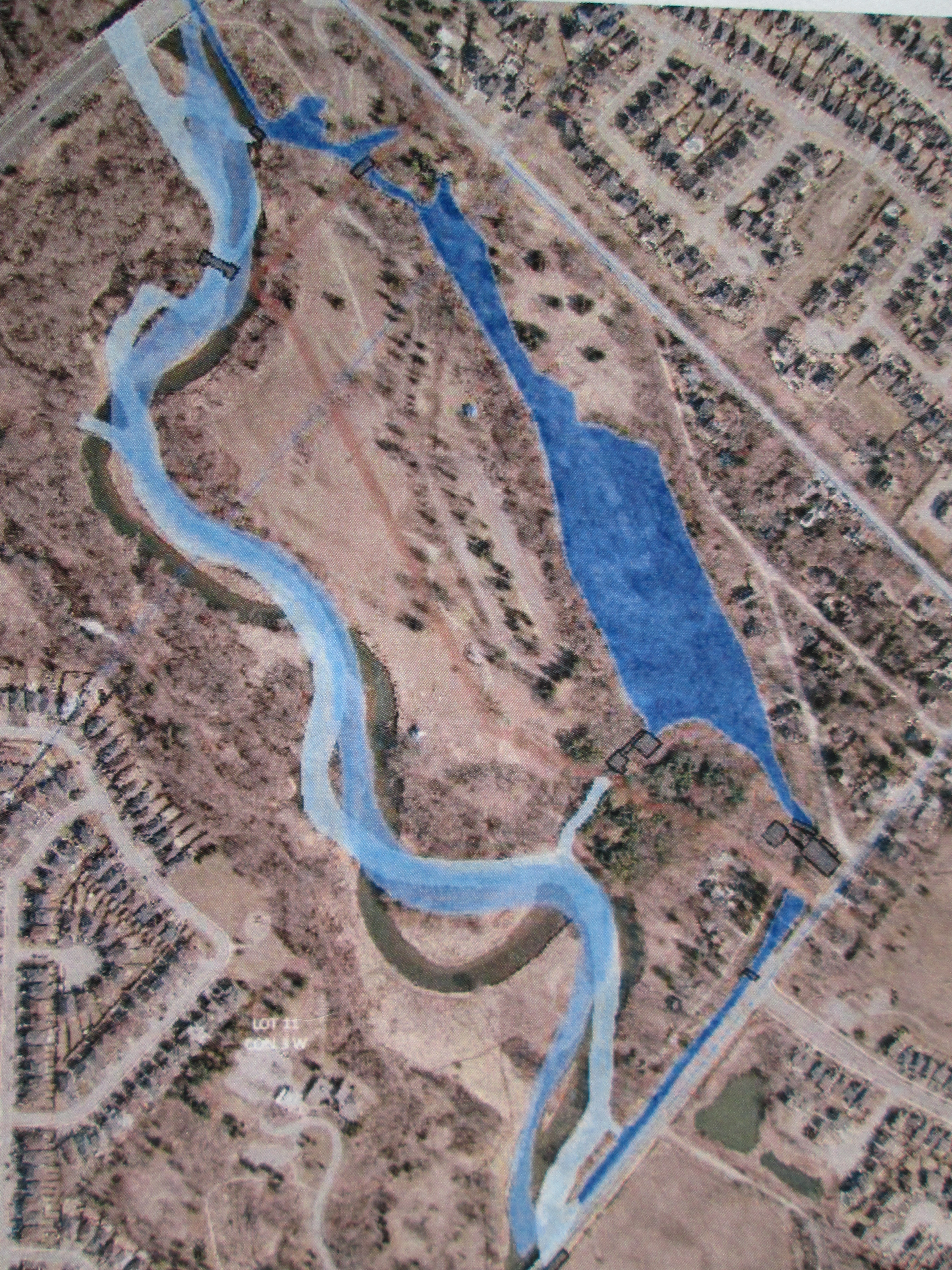
After publishing this post I came across the following picture in the heritage assessment of 2014.  It shows an aerial view of Meadowvale with the old mill pond drawn in with dark blue and previous courses of the river in light blue.  Derry Road runs across the lower right corner and second line across the upper right corner.  Silerthorne’s grist mill is sketched in where the mill pond approaches Derry Road then follows along it in dark blue as the tail race.  His saw mill is drawn in a little above there where an old tail race returns to the river.
IMG_0101

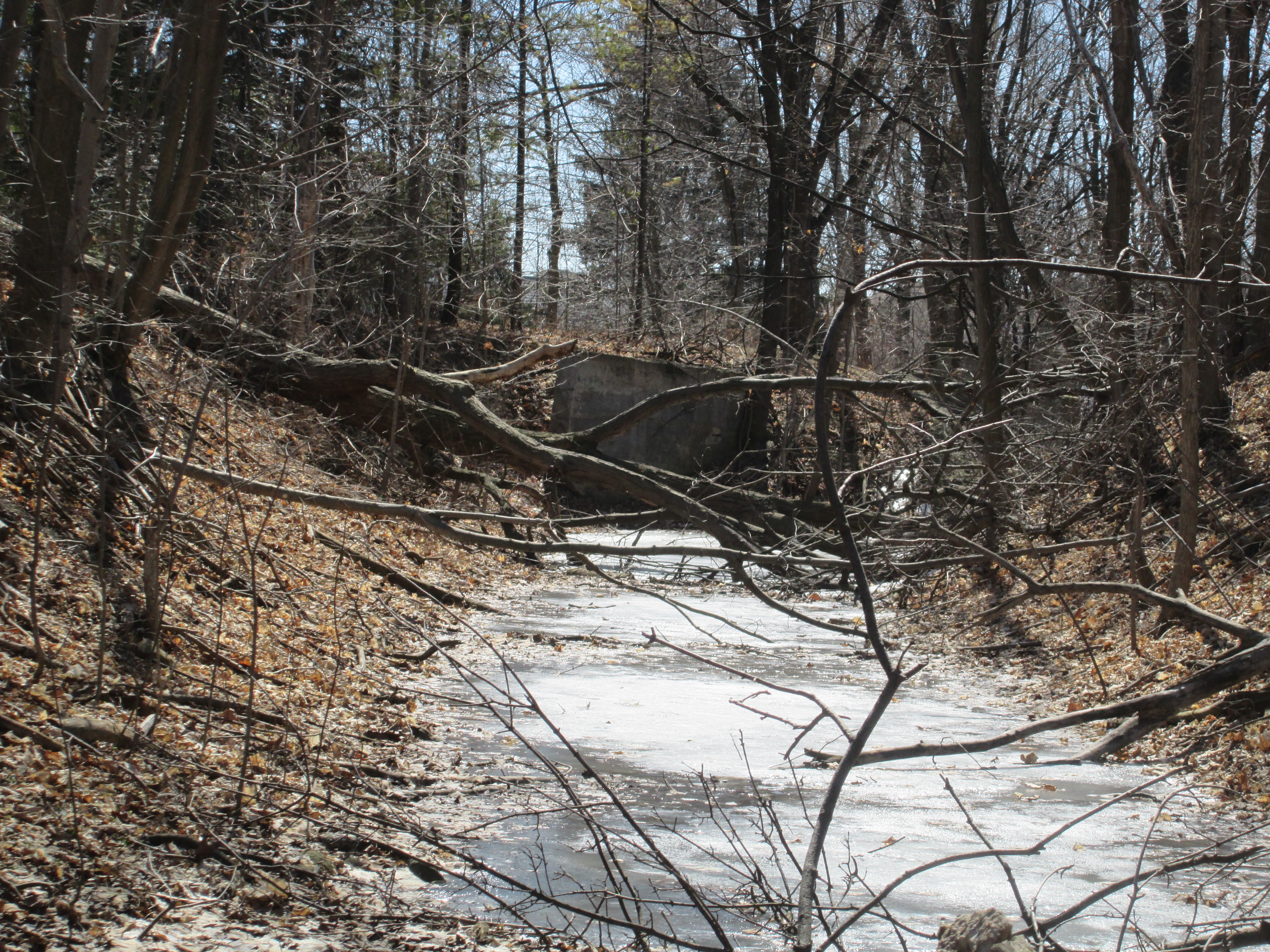
As you approach old Derry Road concrete structures from the mill come into view.
IMG_3068

The mill stretched over both sides of the millway with the water wheel, and later the turbine, generating power to turn the grinding wheels to produce flour.

IMG_3030

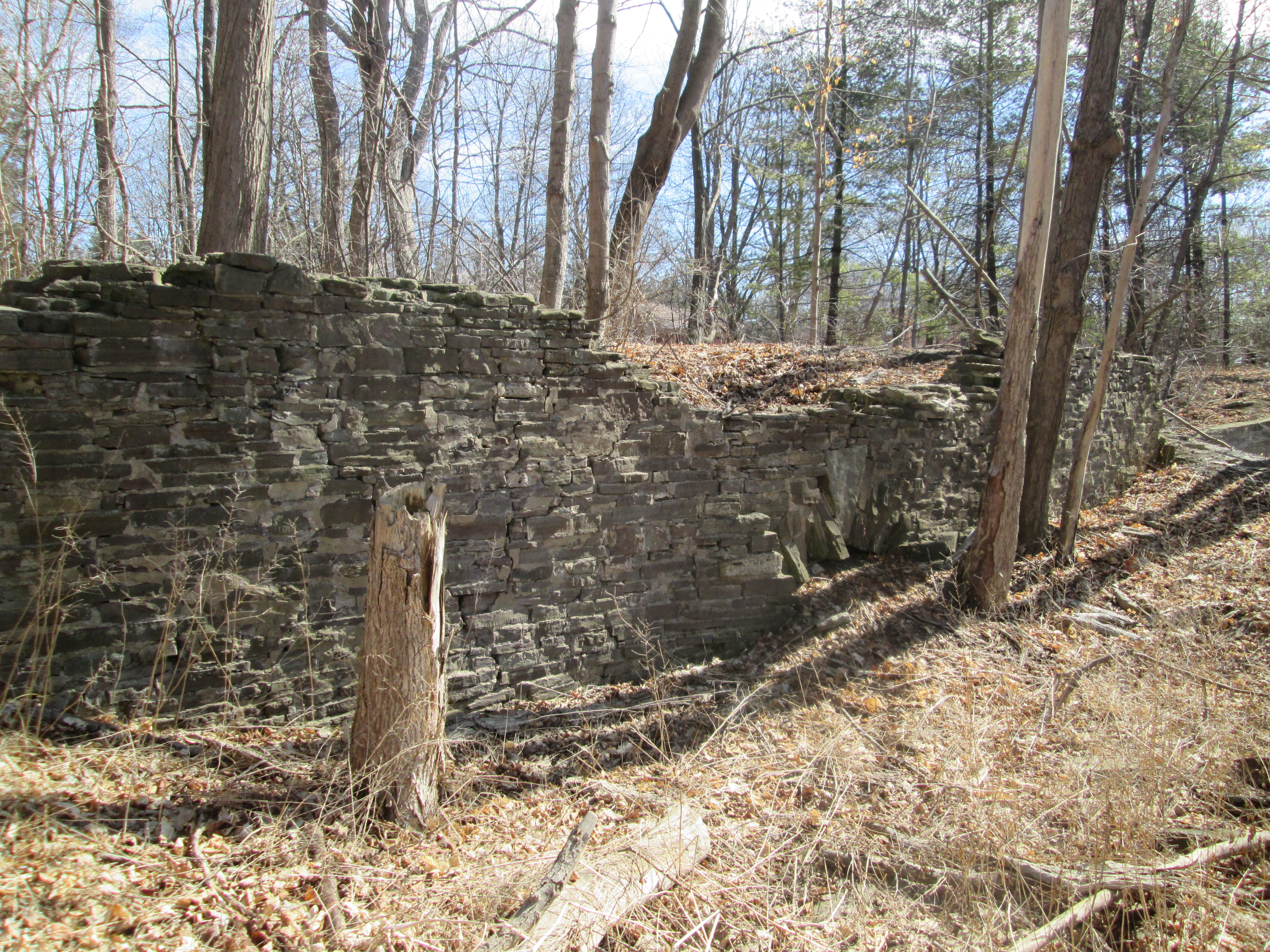
The foundations on the west side of the millrace are pictured below.  Notice the stonework in the middle at ground level that marks a former water tunnel through the wall.
IMG_3137

This picture shows the main foundations for the water wheel.  Notice the bridge in the background where the tail race leads out along Willow Lane on it’s way back to the Credit River.
IMG_3064

The mill changed hands several times until it went out of production in 1950.  The Emersons owned the mill at the time and kept it for storage.  Fire is a common fate for grist mills and the community became concerned about its safety.  The wood was 100 years old, dry and full of a century of flour dust.  When Luther Emmerson was told he had to demolish it he did so himself.  Smashing it up in a fury and leaving the pieces where they fell.  The wood was carried away and the rest settled and was filled in.  They say the old turbines are still buried in the basement.

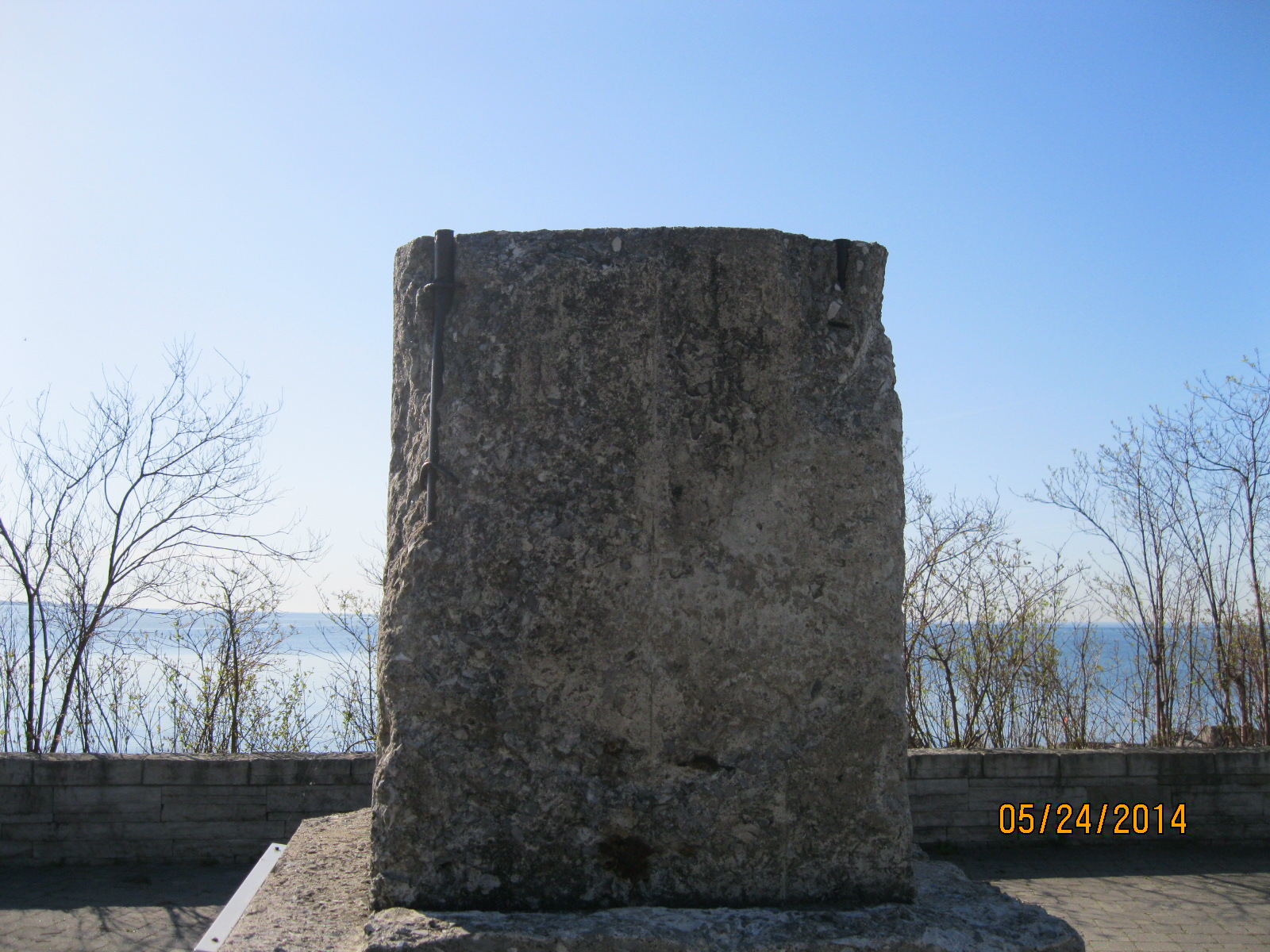
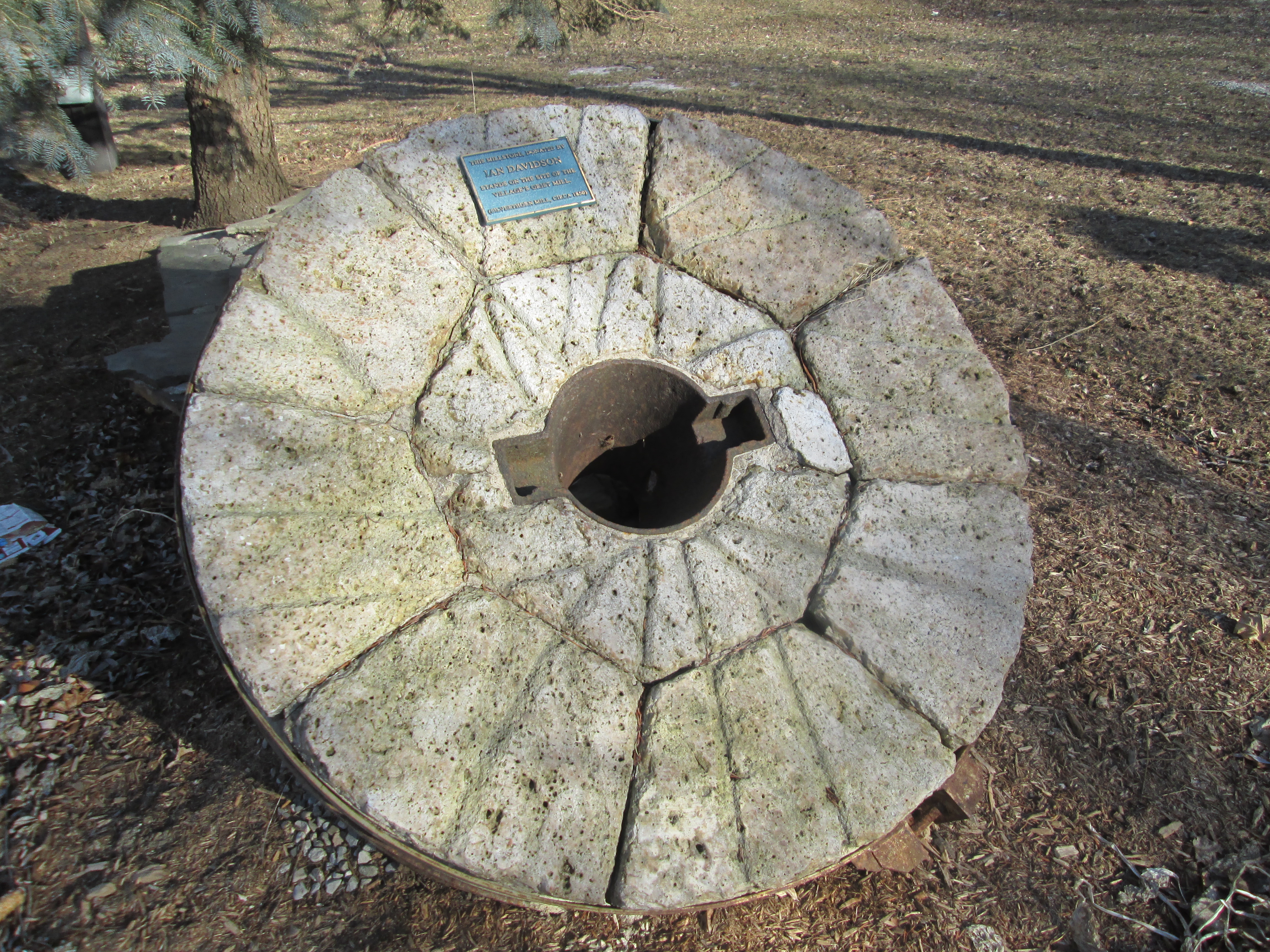
The mill stone has been preserved on the site of the Silverthorne Mill.  Mill stones come in pairs. The lower stone is stationary and is called the bedstone.  The upper stone, or runner, spins and does the actual grinding.  The grooves serve to channel the flour to the outside of the stones for collection.  The grain is fed through the eye in the centre of the runner stone to be ground between them.  Both upper and lower stones are preserved here.
IMG_2985

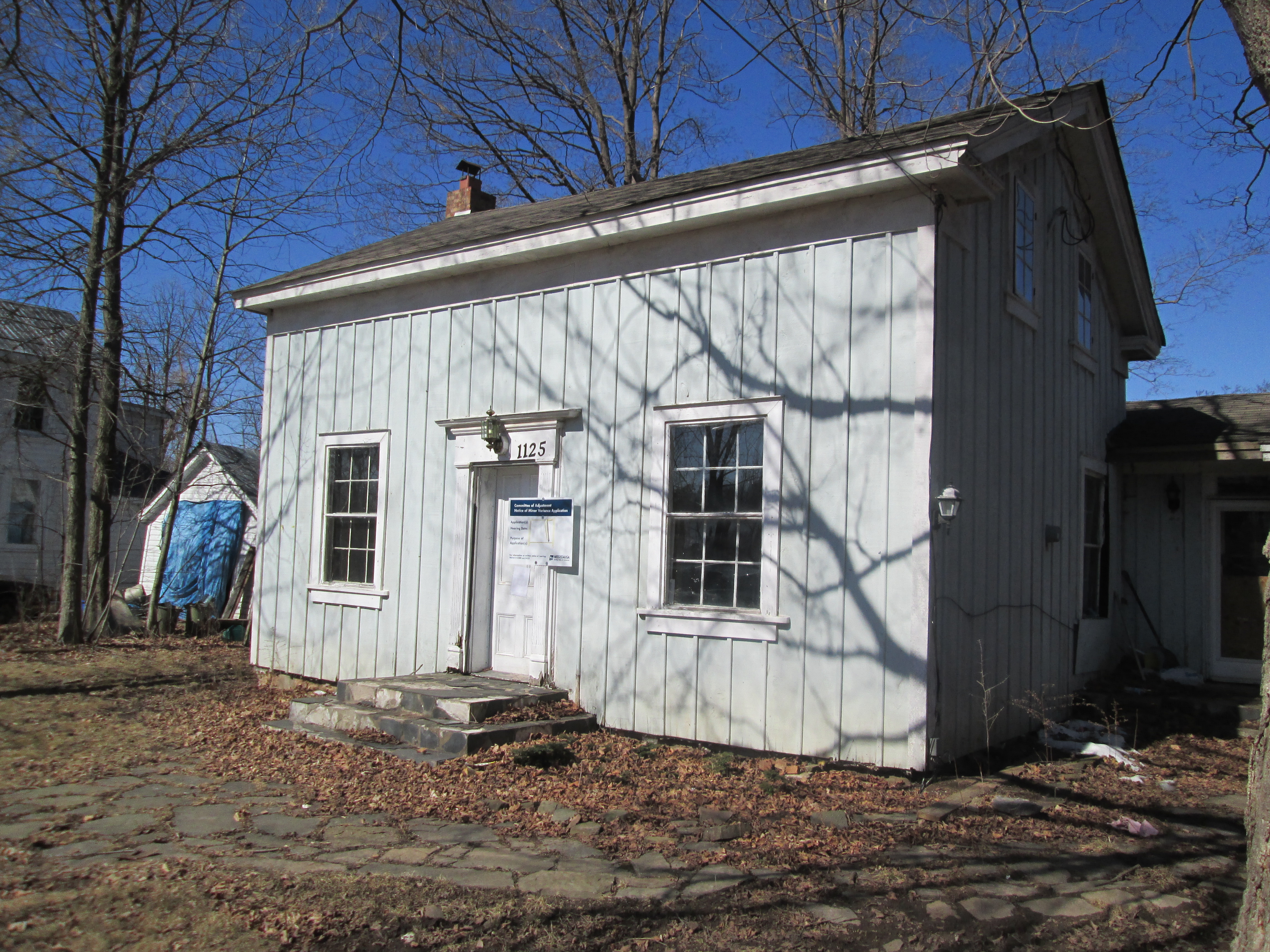
Willow Lane used to be known as Water Street and is home to some of the oldest houses in the village.  The house at 1125 Willow Lane is the oldest remaining building in town having been constructed in 1825 by John Beatty.  It later belonged to Crawford, Silverthorne and Gooderham as it seems to have changed hands with the ownership of the mills.
IMG_3058

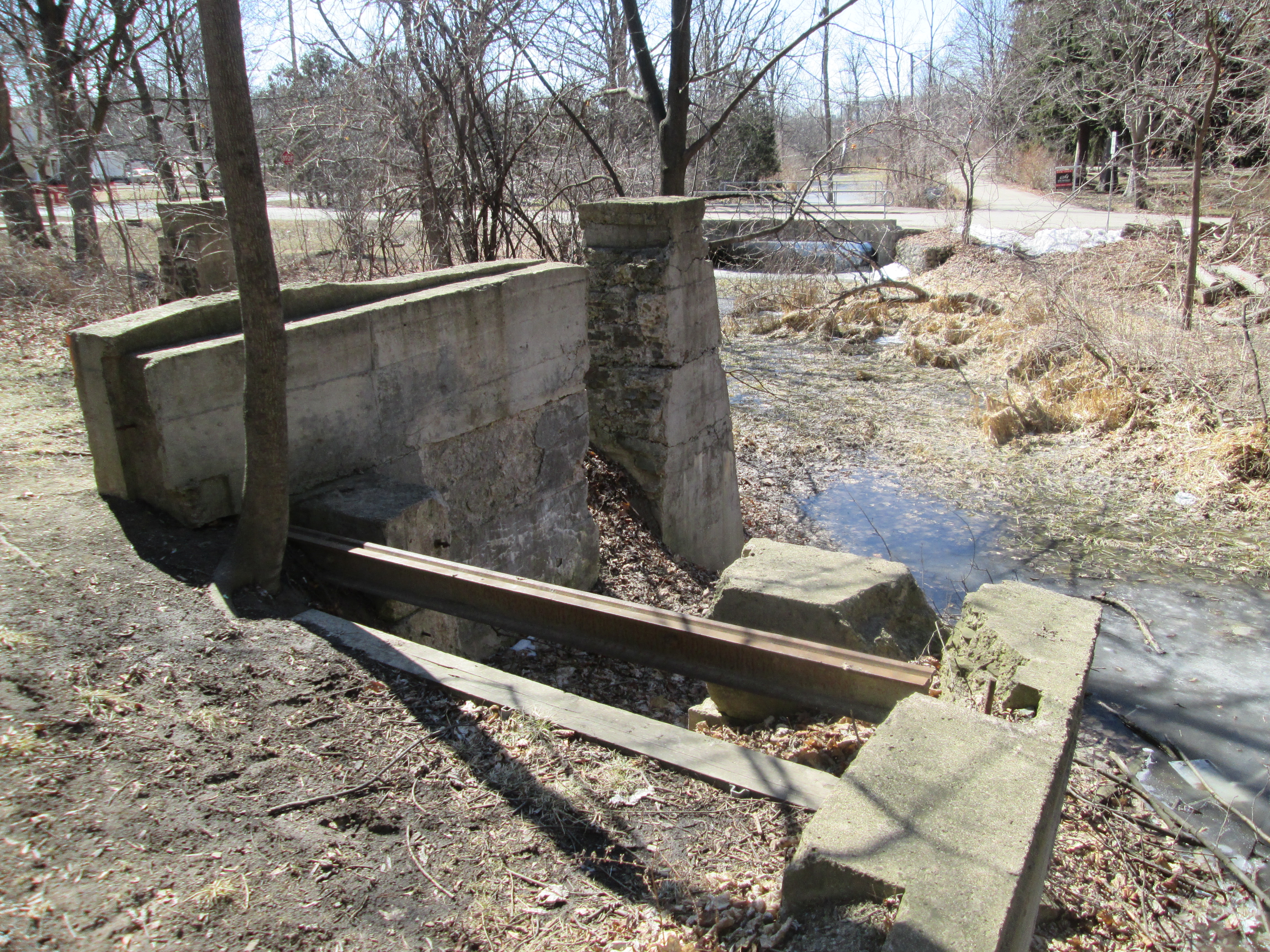
By 1917 Guelph was linked to Toronto via the Toronto Suburban Railway line.  It ran from Lambton to Guelph, passing through Meadowvale.  The line ran from 1917 until it was shut down in 1931 when travel between Guelph and Toronto had switched to bus and car on highway 7.  The tail race from Silverthorne’s mill ran between Derry road and Willow Lane. The foundations of the old suburban railway line remain but are badly crumbling.
IMG_3041

The picture below shows the railway bridge over the tail race in 1915.  The past 100 years have taken their toll on the bridge.  The route of the train is even less easily distinguished as a flood control pond has been built on the old right of way south of Derry road.
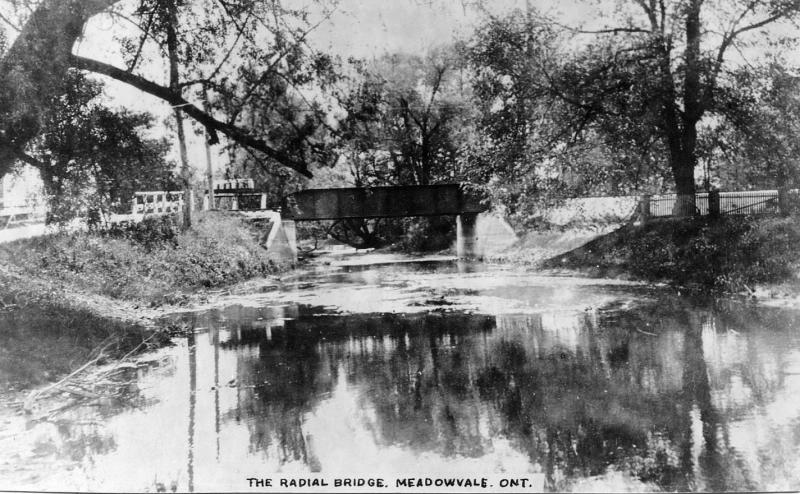
Radial Railway Bridge, Meadowvale, c1915

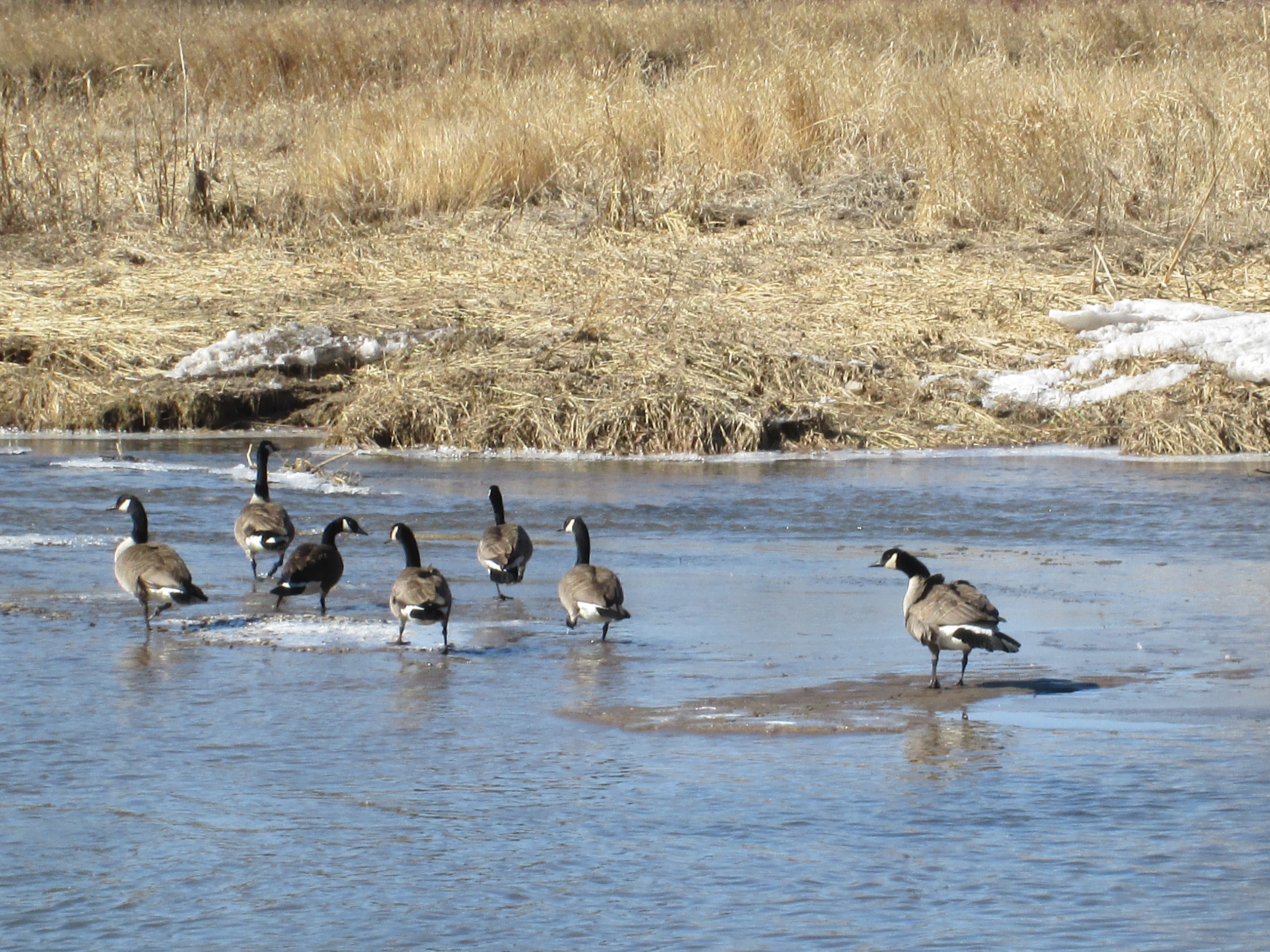
Walking along the river back to the car you could hear the rustle of slush in the river as it rubbed along the river bank.  We weren’t the only ones hiking up the Credit River.
IMG_3024


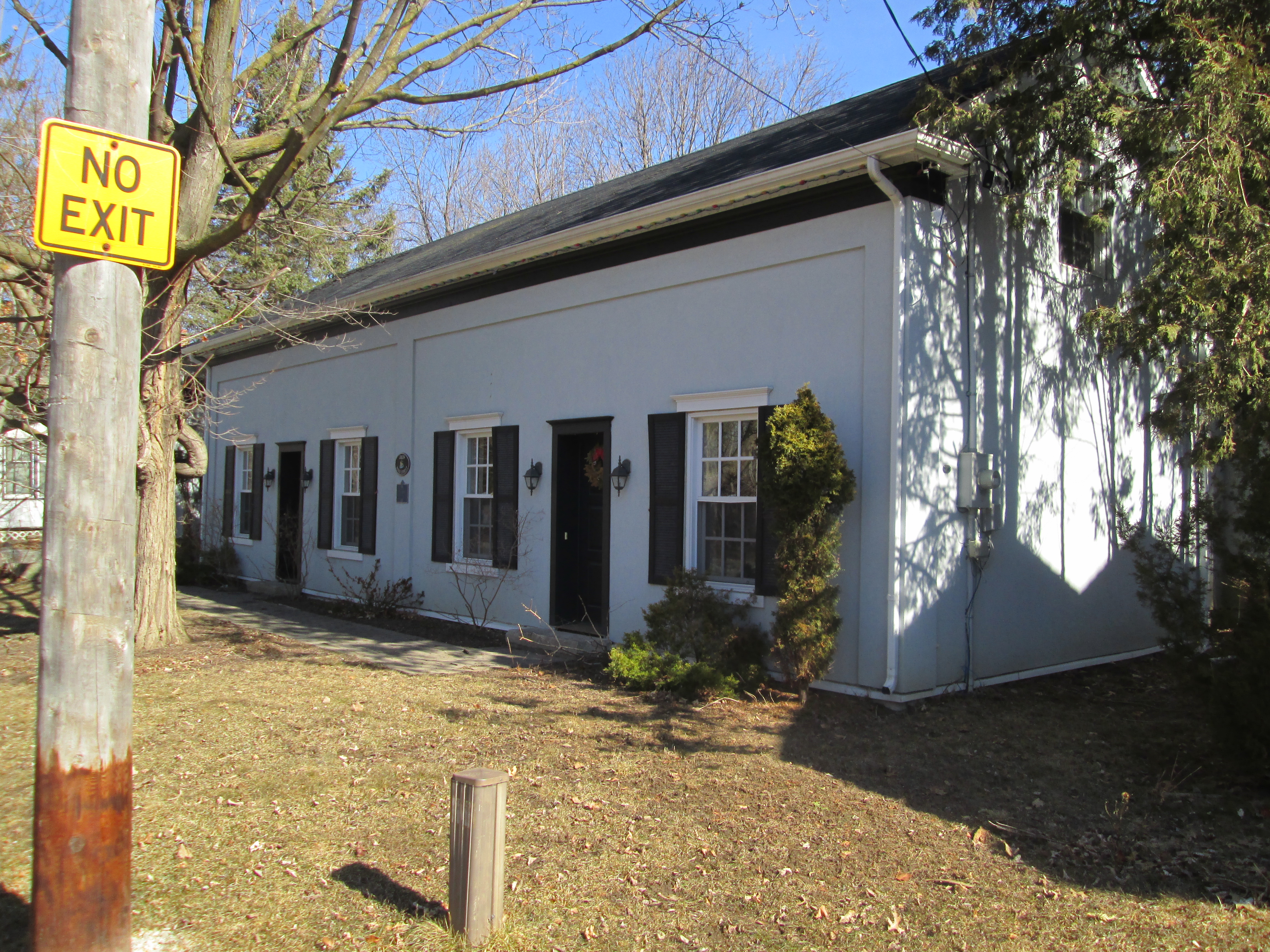
By 1856 the mill was a major employer in the village and Silverthorne built cottages for his mill workers at 7077 and 7079 Pond Street.
IMG_3124

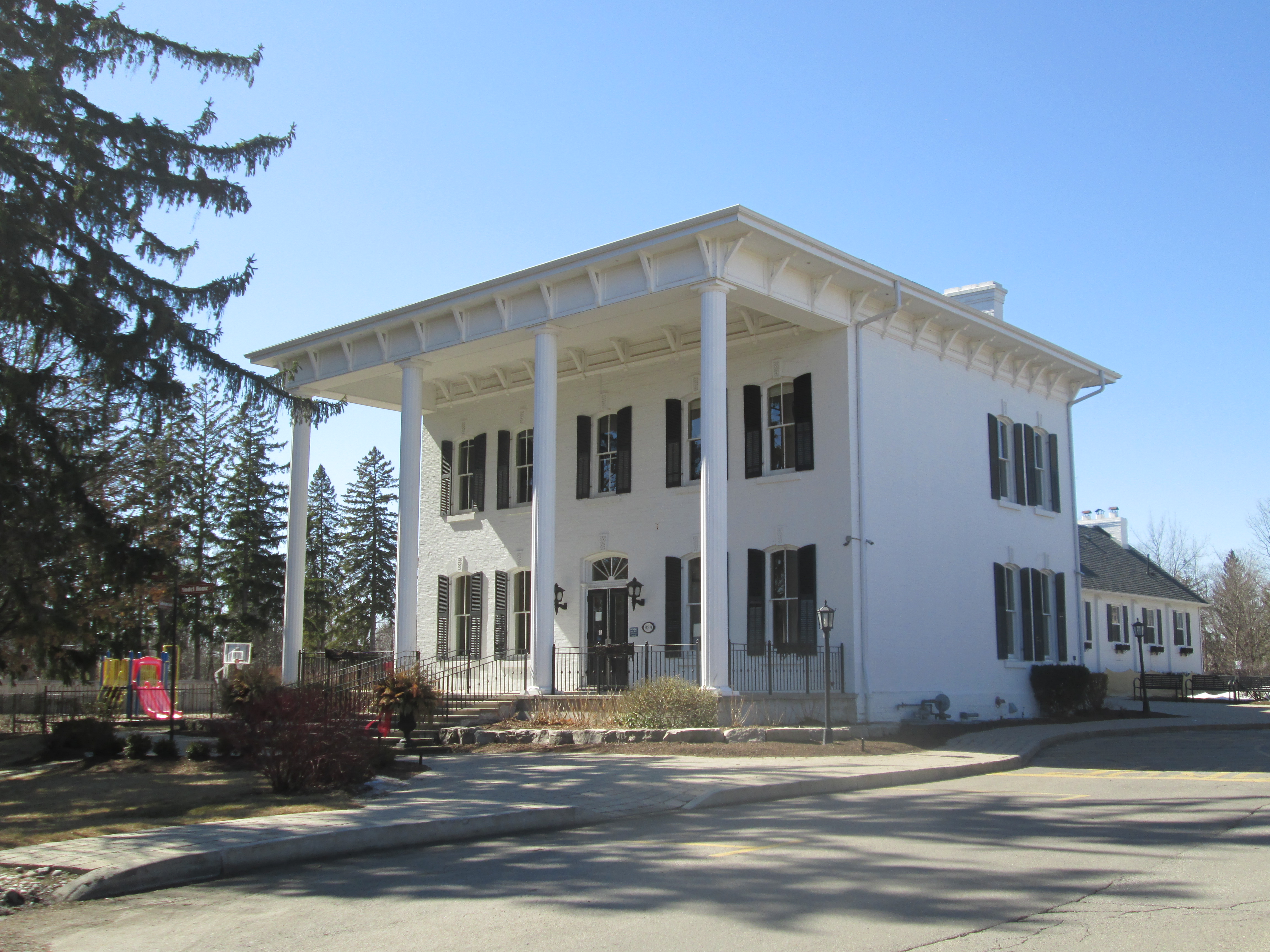
Charles Horace “Holly” Gooderham came to Meadowvale to run the mills on behalf of his father William Gooderham of Gooderham and Worts in Toronto.  In 1870 he commissioned a 21 room mansion that cost him $30,000.  The Gooderhams ran the mills, a cooperage and the general store in town.  When William Gooderham died in 1881 Holly left for Toronto and the estate was sold.  During the 1920’s it belonged to Samuel Curry whose brother, Walter, was a Member of the Legislative Assembly in Ontario from 1919-1923.  The house received several modifications over the years, including the oversized front portico and the white siding in the late 1970’s.
IMG_3094

Meadowvale was the first community to be honoured with the designation “Heritage Conservation District“.  The original community survives, largely intact, complete with it’s narrow streets designed for horse and carriage.  There are many historic buildings in town which will form the basis of a companion post.
 

Dixie – Ghost Towns of the GTA

Sunday Dec. 28th, 2014

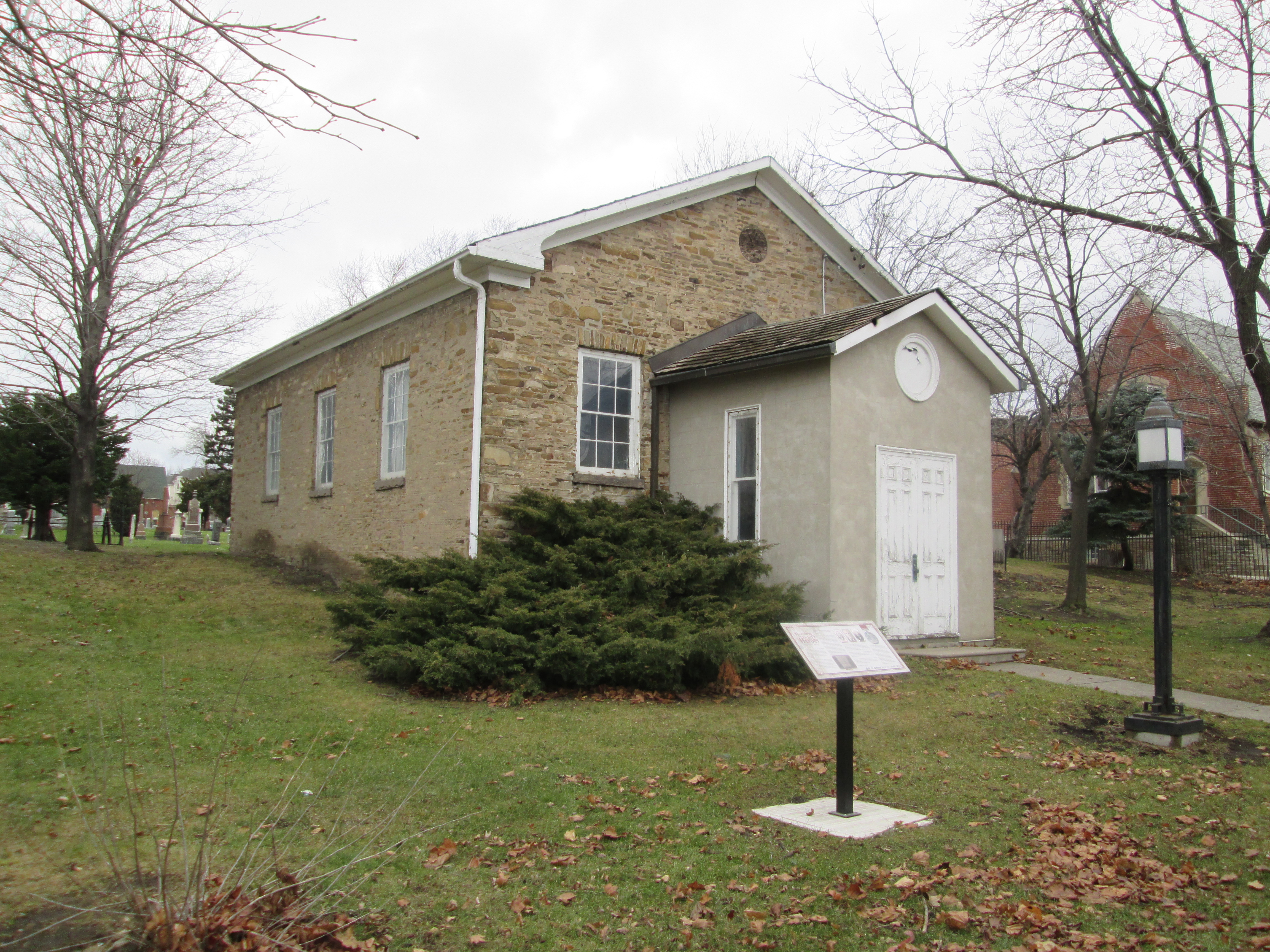
Just two degrees with a biting wind.  Not a great day for moving but my brother didn’t get to pick the weather.  He had been living in the former town of Dixie on property that once belonged to Joseph Silverthorne who was the founder of the town.  Joseph’s house, known as Cherry Hill house, was featured during the exploration of Summerville.  A break from moving is a great opportunity to explore and so we set out for the Dixie Union Chapel.  Dixie Union is the oldest surviving union chapel in Canada.

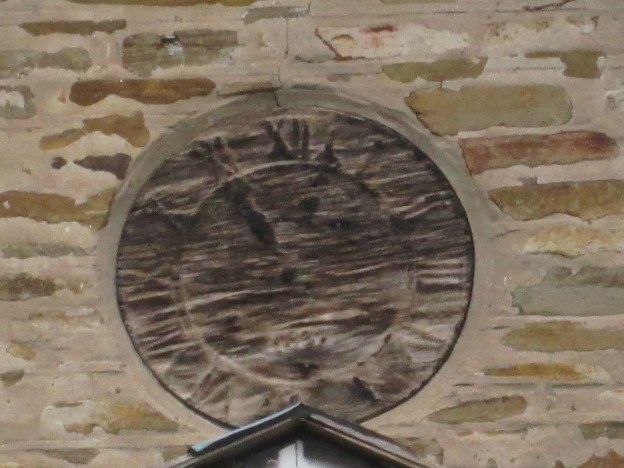
Early settlers in the Dixie area were too few in numbers to be able to afford to build their own churches.  The solution was for several denominations to go together and build a union chapel that they all could use.  Eventually congregations would grow and get their own churches, as happened here.  In Dixie the Anglicans, Methodists and Presbyterians got together and built Dixie Union Chapel. The first chapel was a log one which was started in 1811.  The war of 1812 interrupted construction and it was not finished until 1816.  In 1837 the project of hauling stone from the Etobicoke creek was begun in preparation for construction of a new building.  There is some suggestion that Silverthorne’s mill was taken down around this time and the stone may have been recycled in the present chapel.  Like the earlier log building the Stone Chapel, (as it was also known) suffered a delay in construction.  This time due to the Rebellion of 1837.  There is a wooden clock in the front of the church just below the roofline.  The cover picture shows the time as 11:02 and it is dated at the bottom with 1837.

IMG_1737

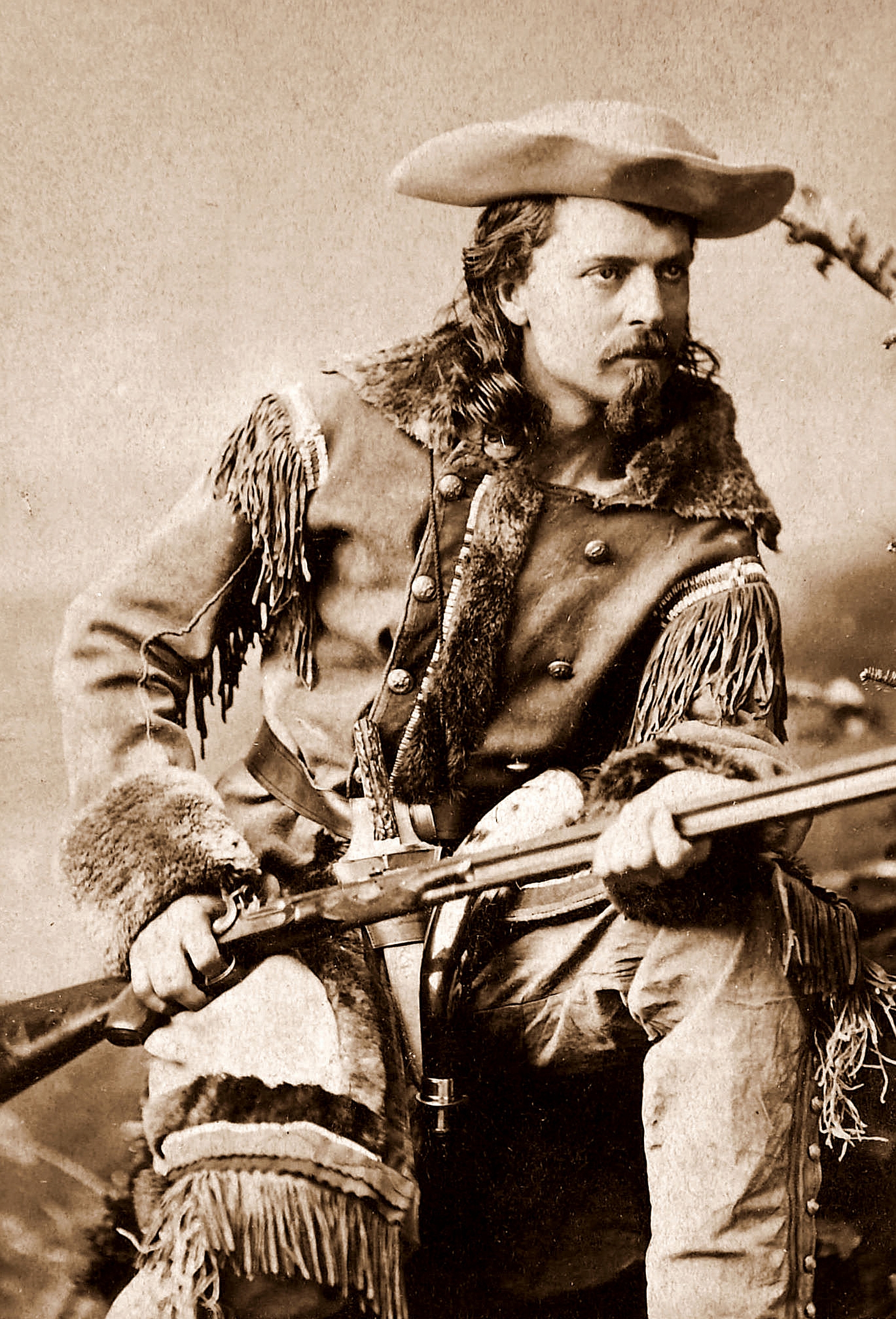
Buffalo Bill Cody was famous for his travelling show which presented the old west.  He got his nick name “Buffalo” because of a contract he had in which he sold buffalo meat to the Kansas City Railroad workers.  American Bison is the correct name for what is often called buffalo. Cody is reported to have killed 4,282 bison in an 18 month period.  A brief write up about bison is included in the previous post High Park – Zoo.  The Cody family were the first settlers in what became Dixie and donated the land for the church.  Buffalo Bill Cody was baptized there in 1847.

Buffalo_Bill_Cody_by_Sarony,_c1880

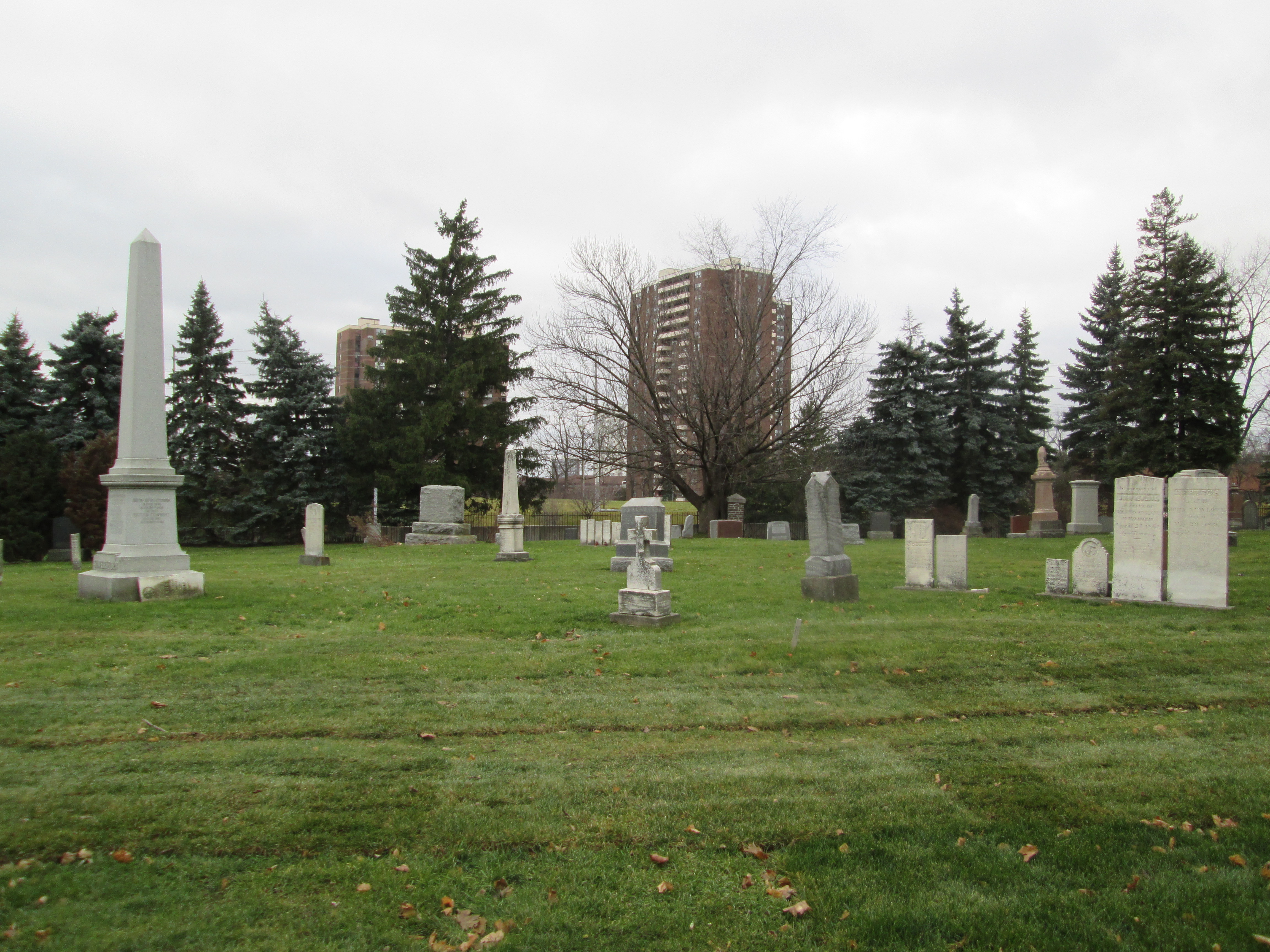
This is the only graveyard in Mississauga that existed prior to the war of 1812.  There are six known burials of militiamen who served in that conflict.  Some older tombstones here run at a 45 degree angle to the general grid pattern of the grave markers.  These “angled” ones run with their feet facing the east to allow the dead to rise facing the dawn on judgement day.  Other denominations tend to have their tombstones run parallel to the property lines.   As this is a union cemetery there is a mix of these two traditions making this rather unique.  In the picture below the tall marker on the left is for the Silverthorne family, including Joseph.  The two white stones on the right, along with the four shorter ones to their left, are angled facing east.

IMG_1751

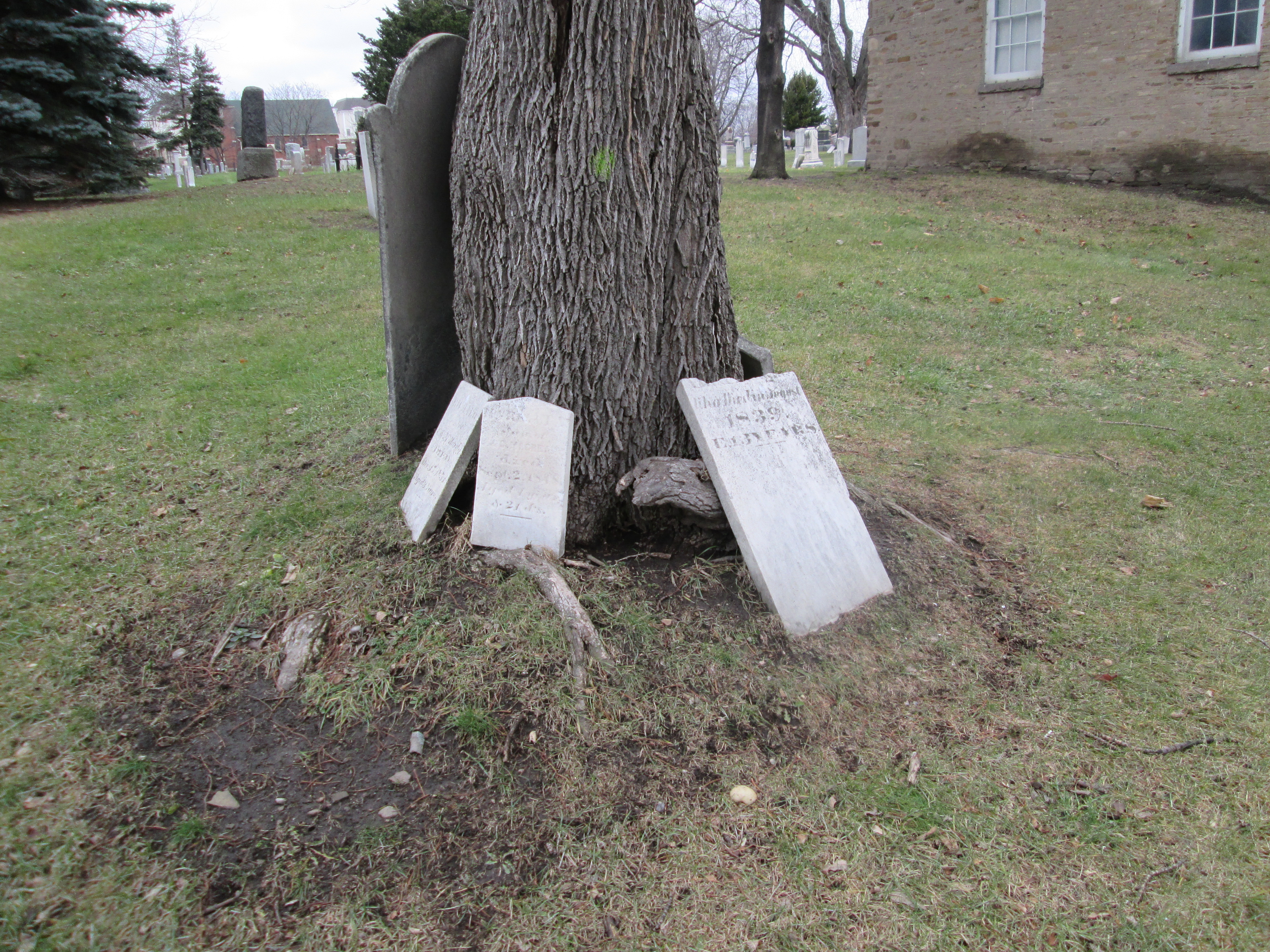
Unfortunately the weather and possibly vandals have taken their toll on the older stones in this cemetery.  Many of them are broken off and are leaning against trees, fences and the chapel itself.

IMG_1748

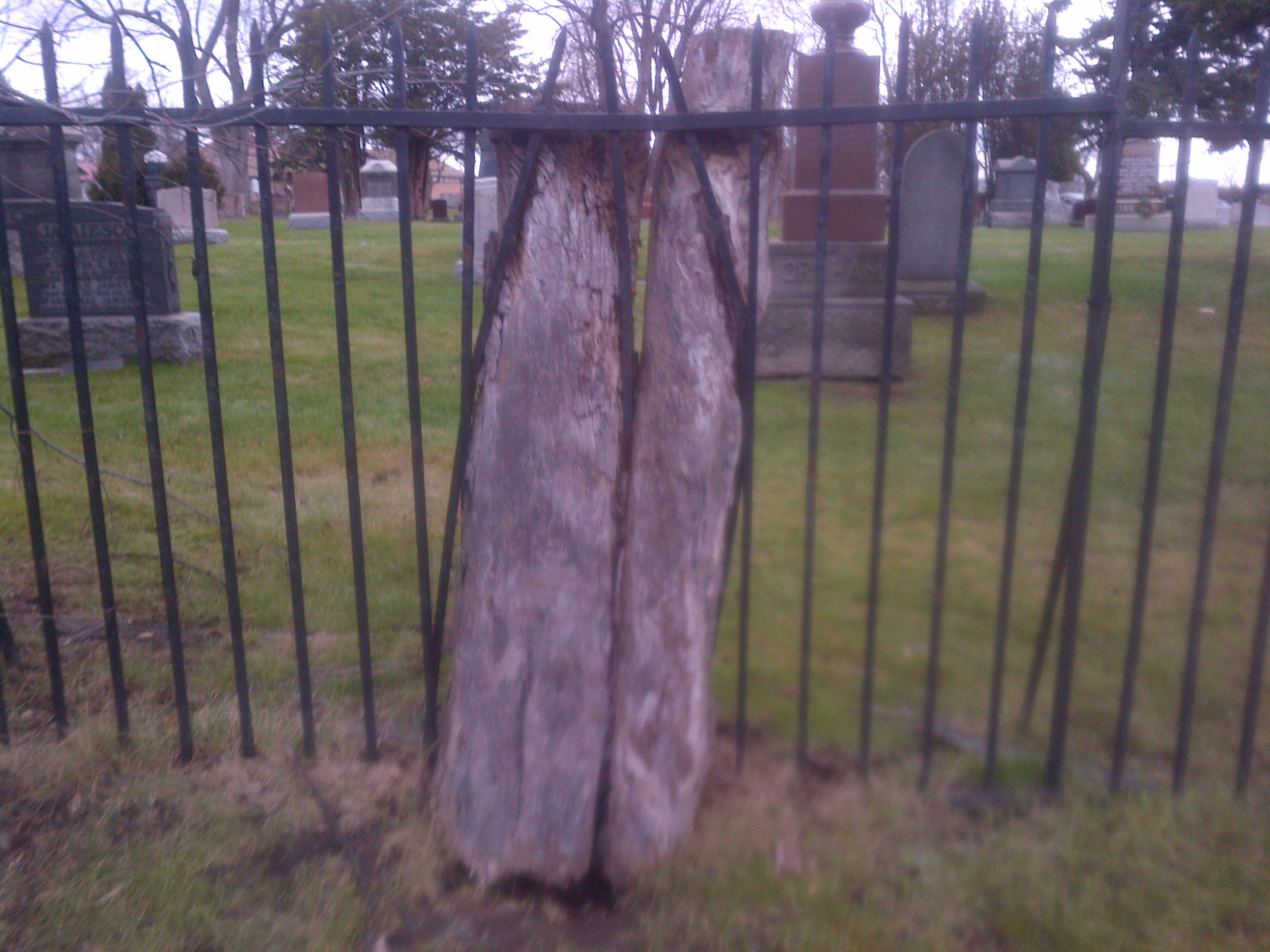
This tree looks like it tried to escape by bending the bars on the fence.  Some day the trunks will rot and drop out of the fence leaving people to wonder how the wrought iron got bent like that.

Mississauga-20141228-00524

The old steel lamp posts at the front of the building would have been forged by the local blacksmith.  Having three congregations in the building pretty much guaranteed the services, usually volunteered, of most tradesmen.  This kept the cost of building and repairs to a minimum.  Today lamps like this are back in style and can be bought by the container load from China.

IMG_1738

In 1870 the Anglicans built a brick church just to the east of the  Dixie Union Chapel which they called St. John The Baptist.  It was remodeled in 1922 but was destroyed by fire after a lightning strike in 1925.  The church was reconstructed in a similar style as the 1870 building.

Mississauga-20141228-00530

The Presbyterian congregation erected their own building at the north end of the cemetery in 1910.  This building now serves a similar function to the old Dixie Union Chapel.  According to the sign out front it also hosts a Korean Methodist and an Eastern Orthodox Congregation.

Mississauga-20141228-00527

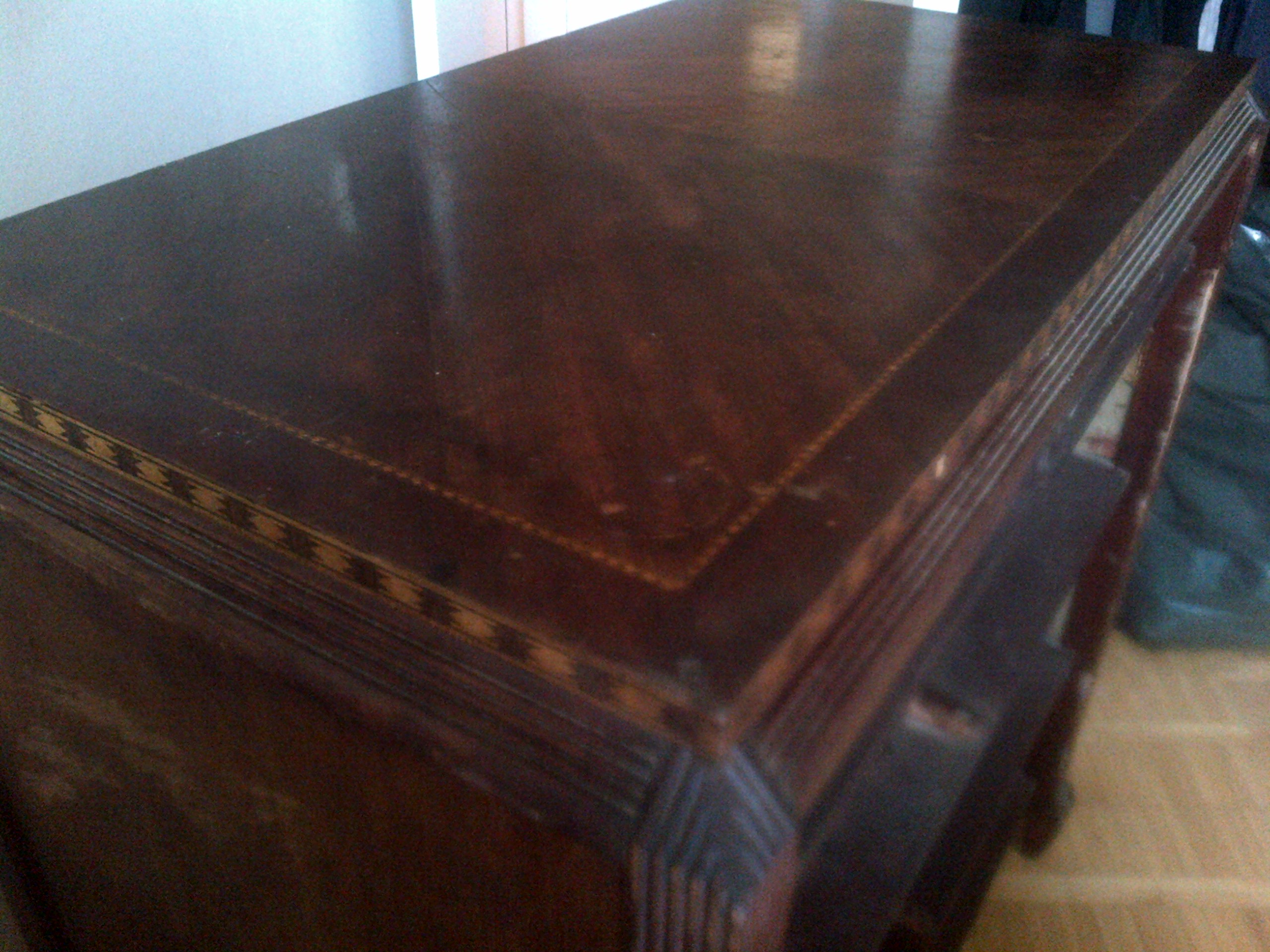
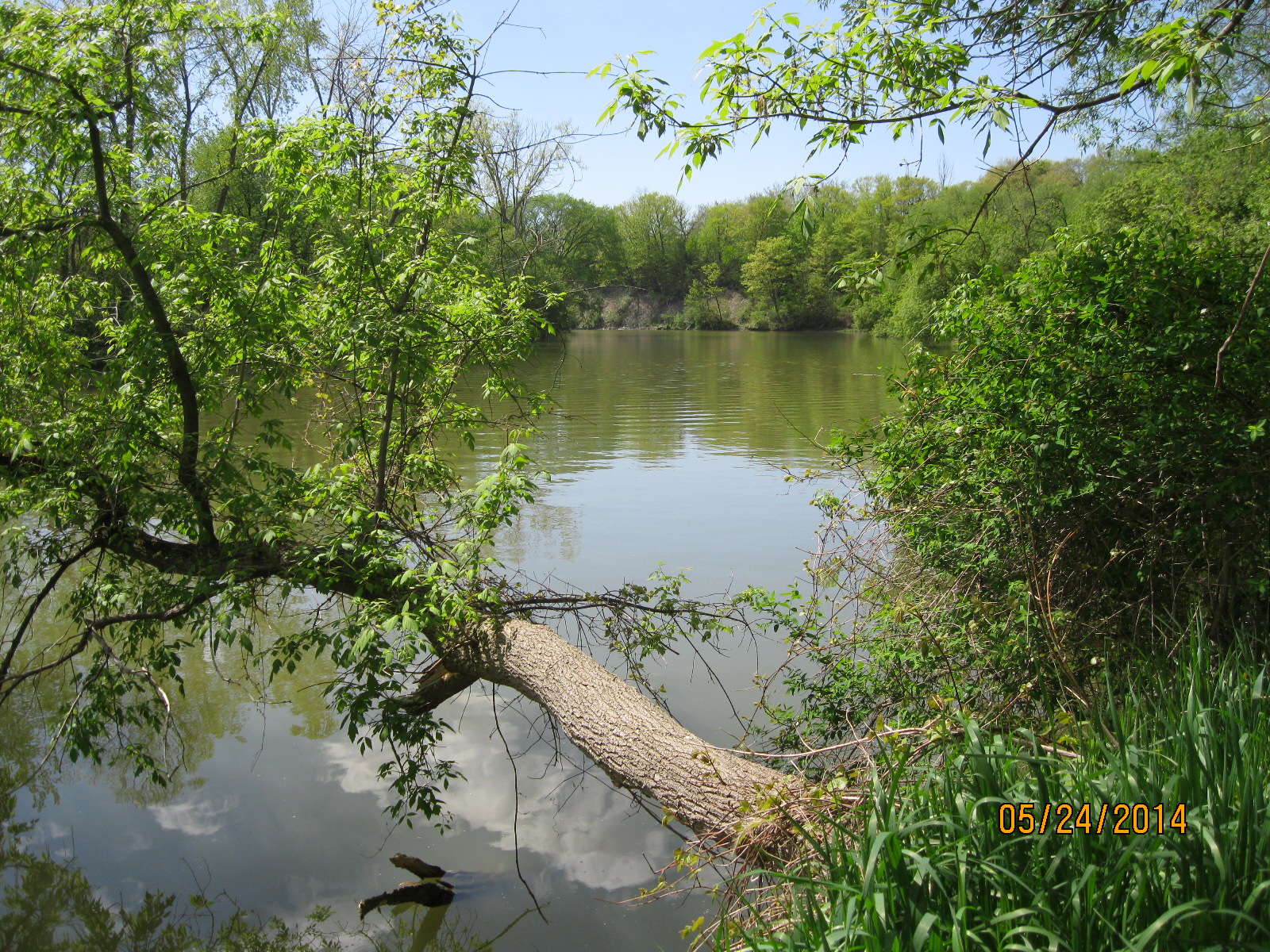
While helping my brother move I was admiring the detailed inlay of the wood around the edge of an antique dresser.  It was manufactured by North American Furniture Company in Owen Sound and sold at Simpsons.  At one time Owen Sound was a hub of furniture manufacturers with over 25 in the early 1900’s.  The North American Furniture Company operated from 1910 to 1939.  It was nice of my brother to furnish this item for this post. LOL
Mississauga-20141228-00518

That’s all for 2014.  It was a year full of adventure, exercise and investigation.  I loved it all. Happy New Year everyone and here’s to some great hiking in 2015!

Like us at http://www.facebook.com/hikingthegta


G. Ross Lord Park

G. Ross Lord Park runs from Steeles Ave south to Finch Ave. on the east side of Dufferin Street. The park was created in 1972, mostly for flood control purposes.  It was based on plans developed after Hurricane Hazel hit the Toronto area on Oct. 15, 1954 killing 81 people and causing $137 million worth of damage.
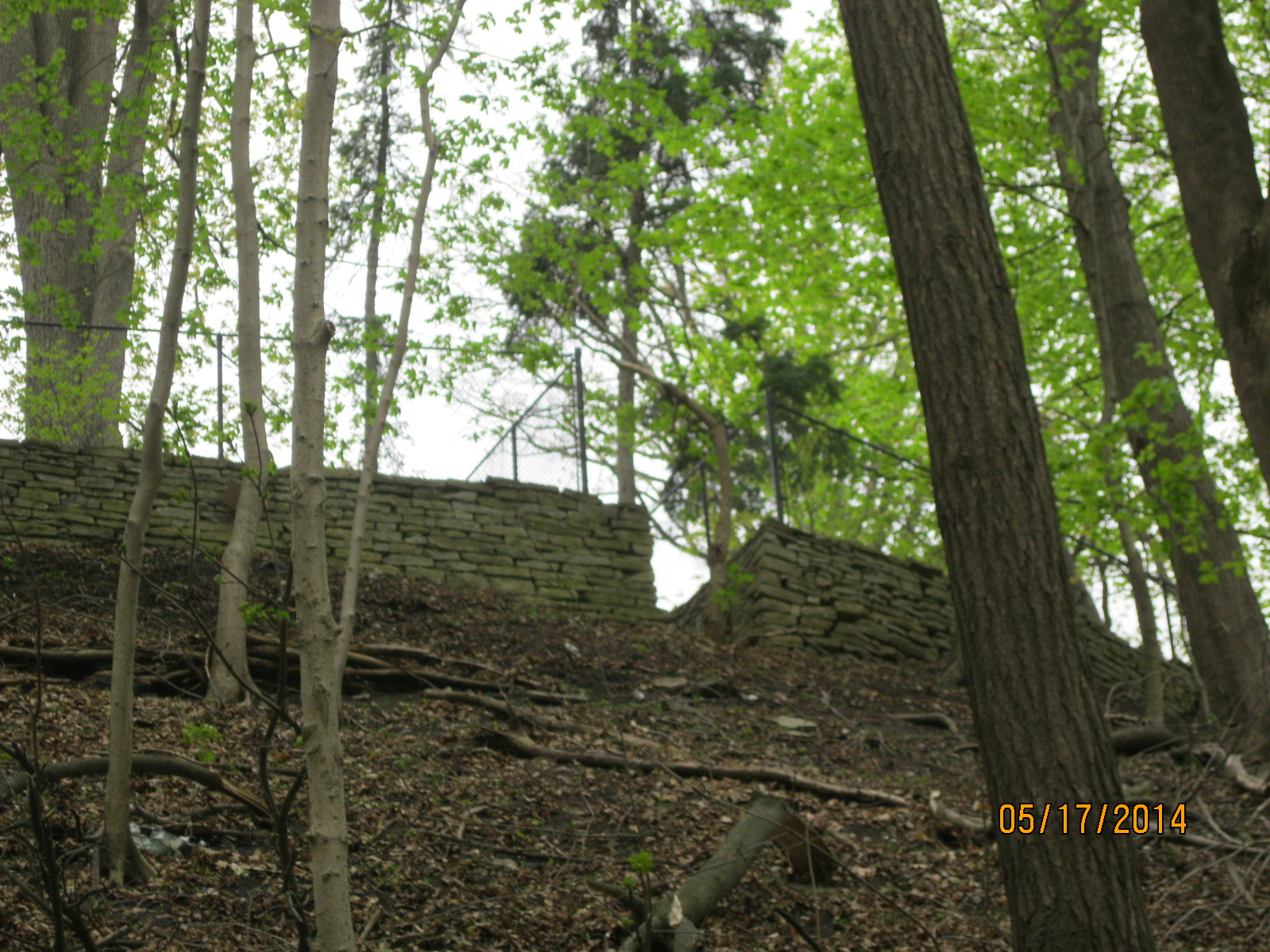
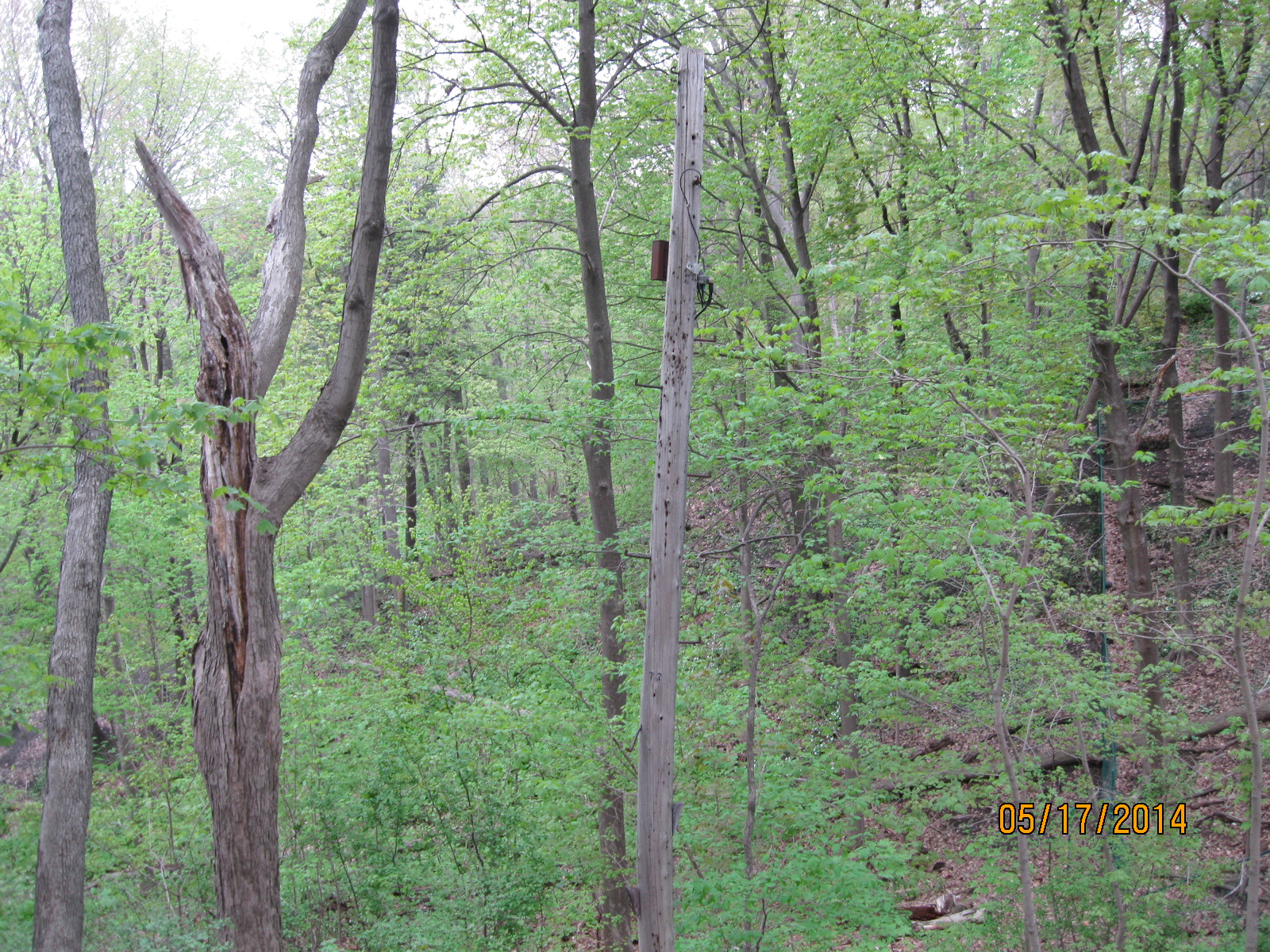
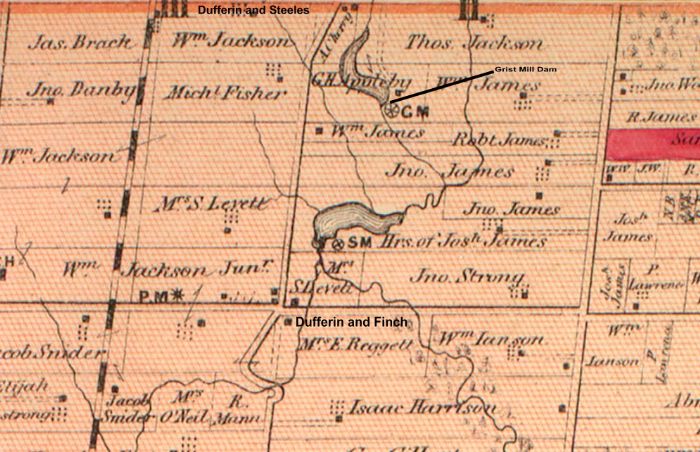
Two mills are marked on the 1887 map of the park area, along with their mill ponds.  A grist mill located on the second property south of Steeles Ave. is the site of Jacob Fisher’s original mill.  I have been unable to find any trace of the saw mill on the second property north of Finch.

Fisherville Mill

Fisherville was named after the Fisher family. Jacob Fisher emigrated from Pennsylvania with 22 members of his family in 1797. They were granted a tract of land which was on both sides of Steeles, east of Dufferin street. They ran a saw mill on the West Don River and later a grist mill which operated with different owners until about 1912.

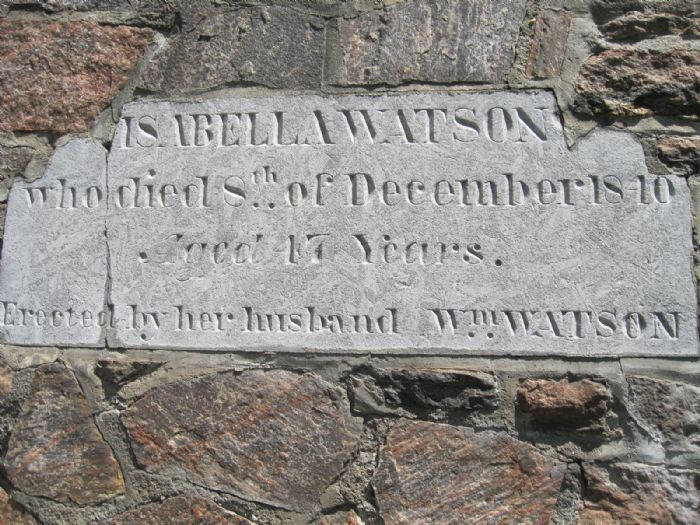
The Presbyterian church that used to stand near the north east corner was built in 1856 on land donated by Jacob Fisher.  It was moved to Black Creek Pioneer Village in 1960 and I got married there in 2007.  It’s site is marked by a cemetery where this stone from 1840 marks an early settler in the area.

Fisherville stone

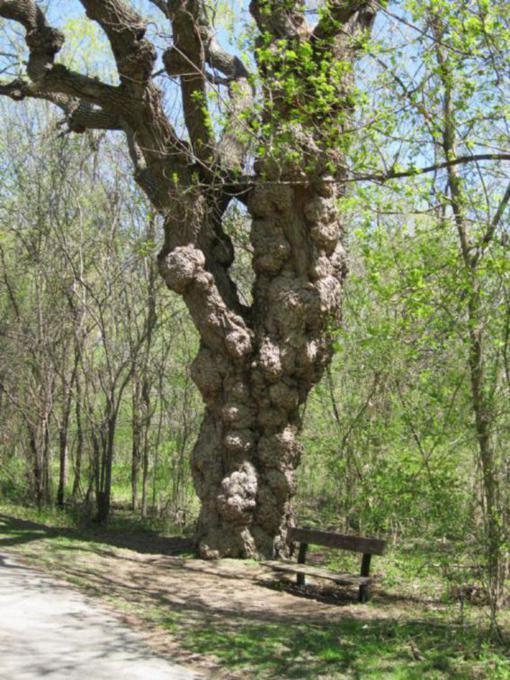
The park can be entered by a trail the follows the West Don River south from Steeles Ave. in the hollow east of here.  The trail follows the river winding its way through grand old trees like the one in the cover photo that dwarfs the park bench beside it.  When you are abreast of the old smoke stack on the left, you will be standing in the middle of the old Fisherville mill pond.

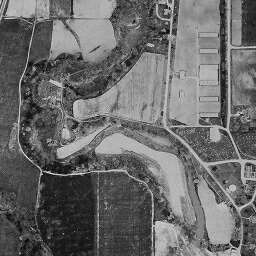
In the 1947 aerial photo below the dam still crosses the river in the lower right corner.  The three light patches that straddle the river just above it are the clear space at the bottom of the former mill pond.  The trail passes through the middle one of these.

mill pond 2

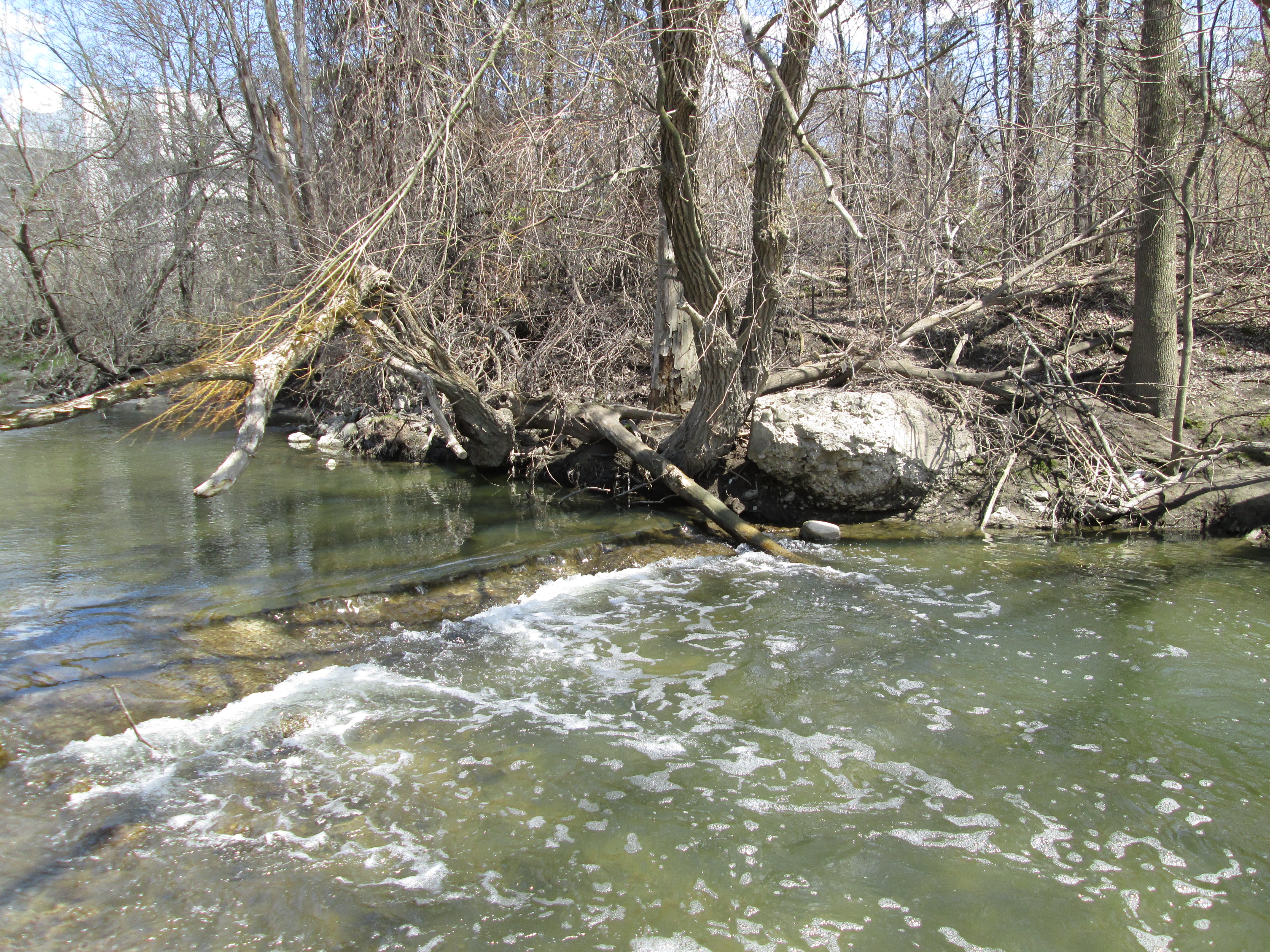
A little further along there is still some concrete from the old dam on the north side of the river.

IMG_0060

A curved wall of earth  about 10 feet high marks the retaining wall of the old mill pond.  There is a line of older trees behind it  that can be seen from the trail and marks the spot.  Staying on the foot path leads to a little bridge that will take you across the river.  From here it is possible to go back along the fence line to the old mill site.  The curve of the earthen wall is visible in this picture.

IMG_0062

The bottom of the mill pond is now growing over with small trees and brush.

IMG_0064

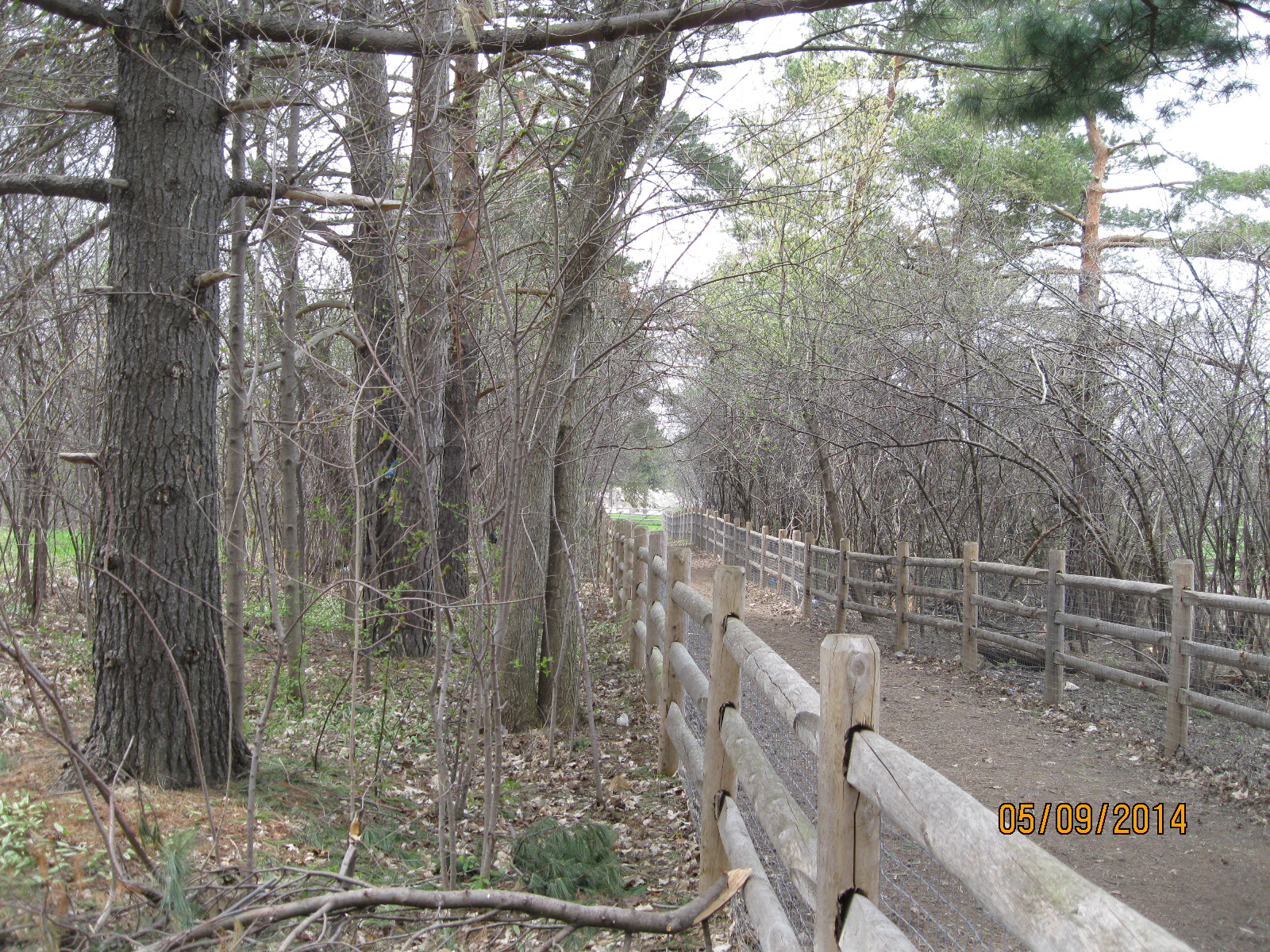
Across from Supertest Road there is an entrance to the park off of Dufferin Street.  Two parallel rows of evergreen trees mark the laneway of a home that stood here until the city bought the land and tore the home down in the early 70’s.  These trees were planted around 1950 and now are part of the off-leash area where dogs still run up and down the lane.

IMG_1877

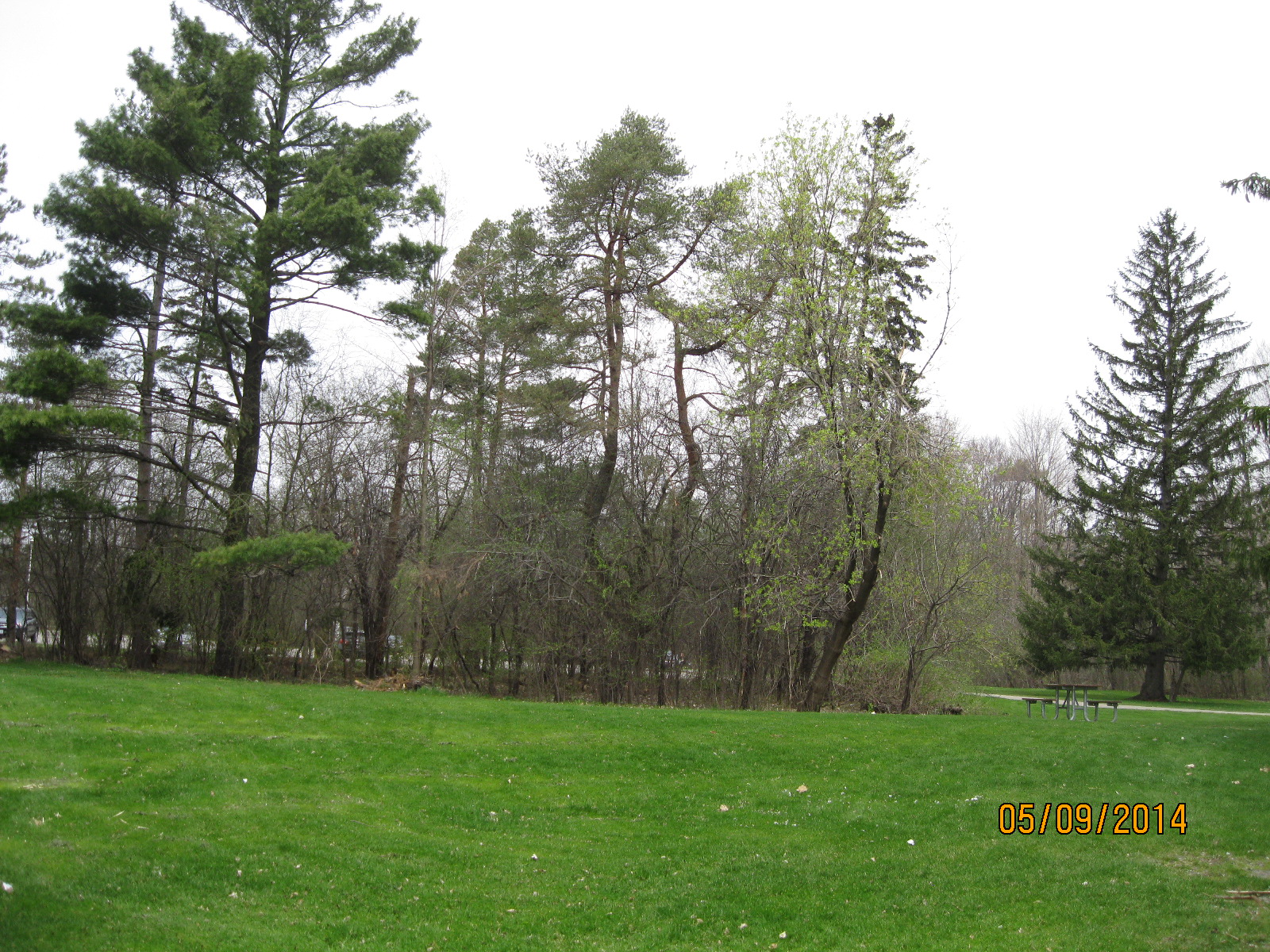
The cluster of evergreen trees just to the south of the first parking lot was planted at the same time.  They were planted on the north side of the house to provide some shelter from the cold northern winter winds.  This was a common practice for country homes across Ontario.  This is the view from where the house once stood.  The house looked out over Westminster Creek down in the hollow.

IMG_1879

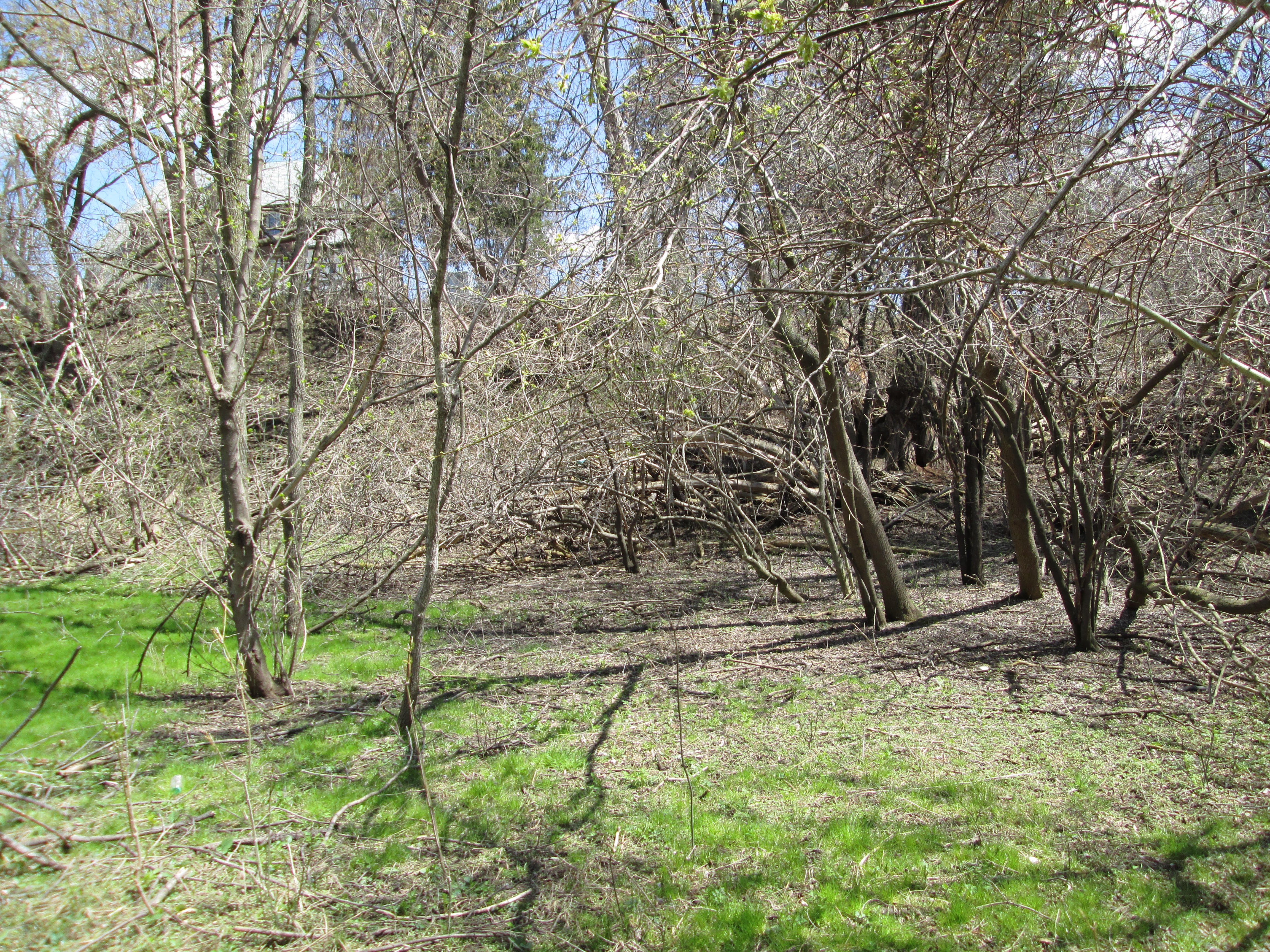
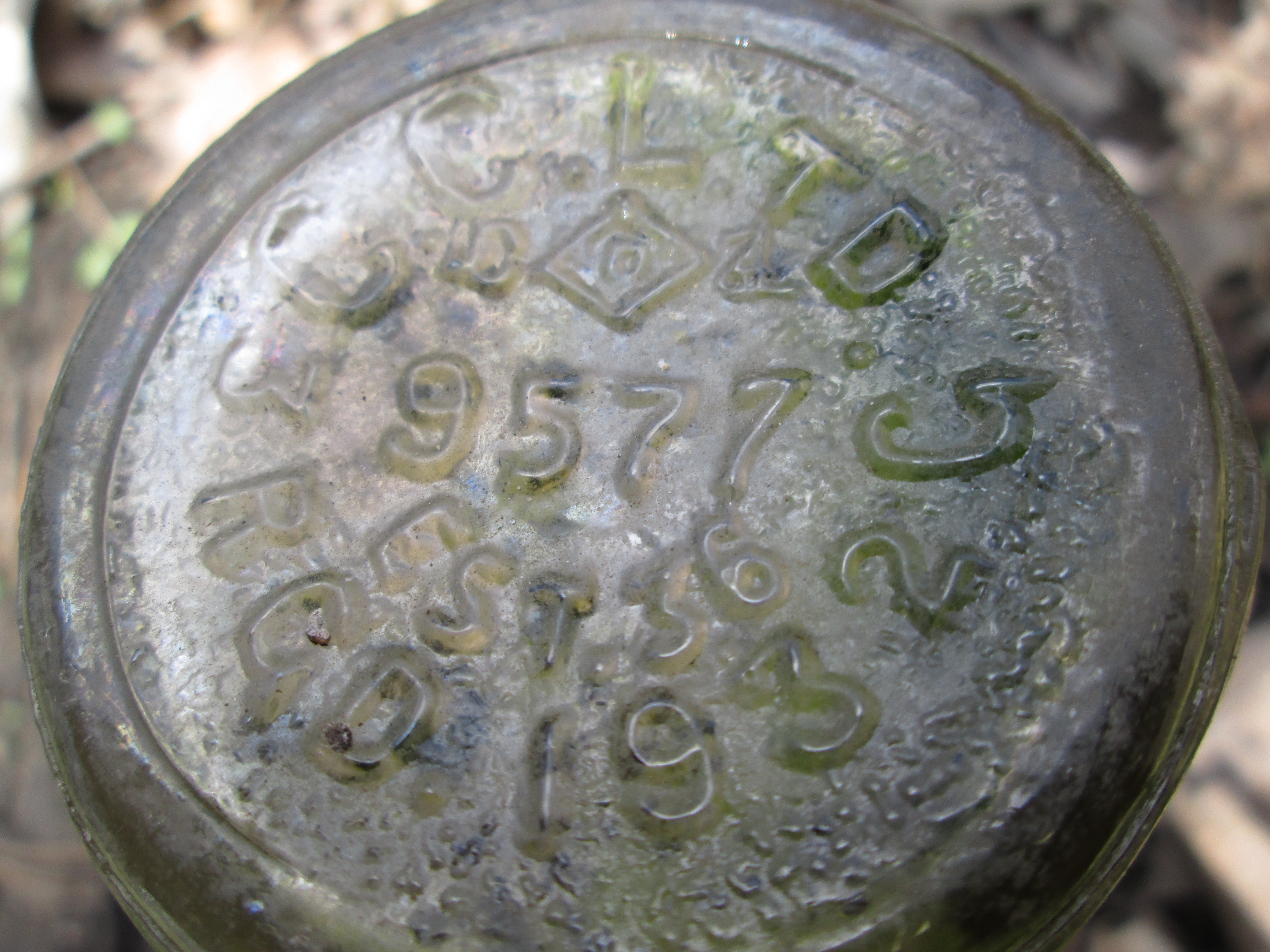
Close by in the woods is an old garbage dump, likely from this house.  The bottles here have all been smashed but date from the late 1800’s into the 1940’s.

IMG_0059

Following the trail will bring you to the parking lot off of Martin Ross Ave.  The lower mill pond and saw mill site is most likely somewhere below the new flood control pond built in 1973.  This picture looks at the possible site of the mill, now mud flats when the water level is low.

IMG_1880

Google Maps Link: G. Ross Lord Park

Like us at http://www.facebook.com/hikingthegta

Follow us at http://www.hikingthegta.com

Humber Bay to Bloor Street

Saturday May 24, 2014

It was a gorgeous sunny morning with temperatures soon rising into the 20’s C.  We parked in the parking lot near the Petro Canada on the South Kingsway.  This area was home to Jean Baptisite Rousseau who had a fur trading post at the mouth of the Humber River into the 1790’s.  He greeted Governor Simcoe when he arrived in 1793 to start Fort York, later to become Toronto.  We crossed the Humber on the Queensway and followed the river to the pedestrian bridge at the mouth of the river.

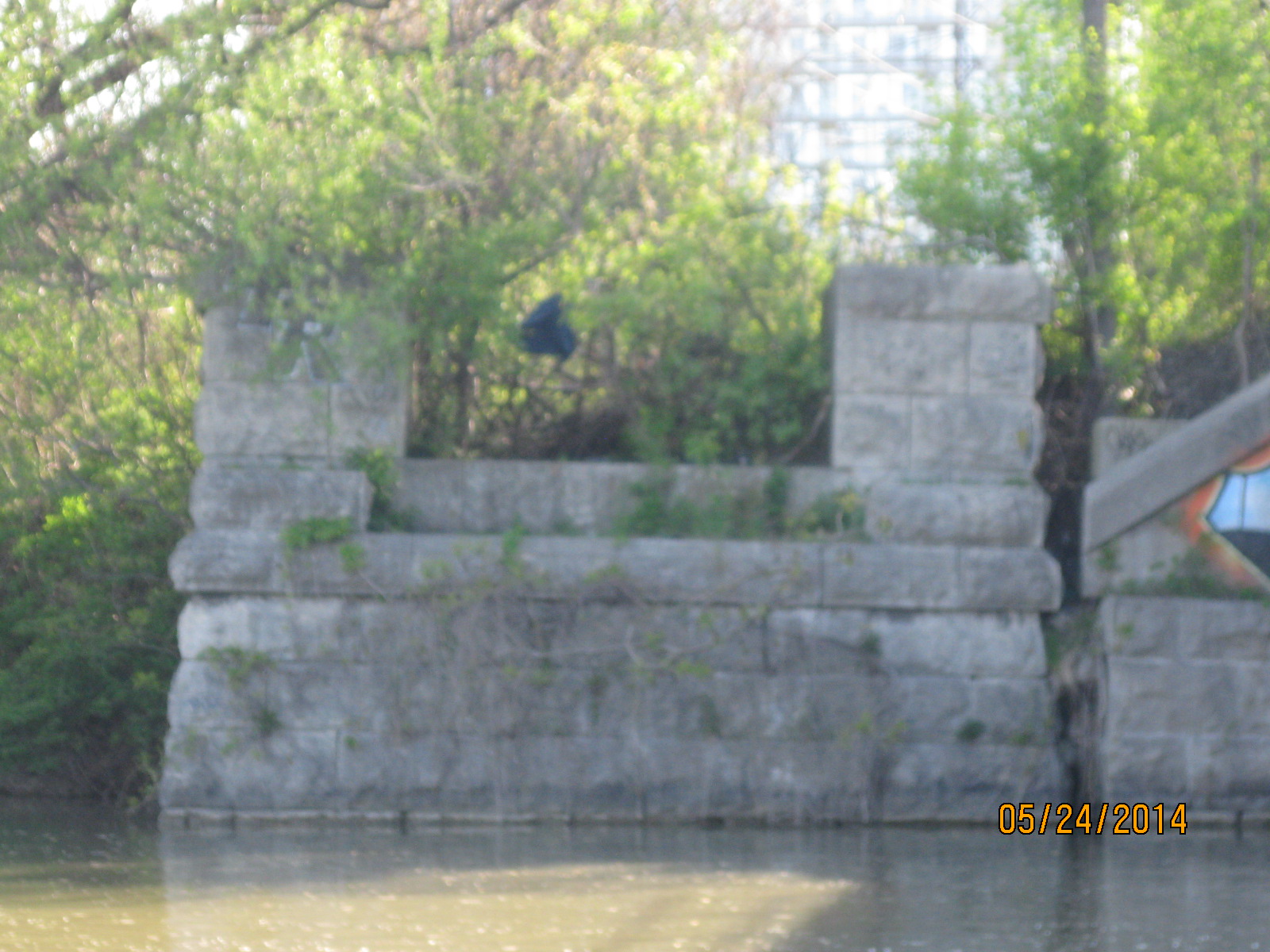
This 1860 bridge abutment for the Grand Trunk Railway stands just to the north side of the rail crossing near the mouth of the river.

IMG_2012

The Palace Pier was conceived in the early 1920’s as an 1800 foot long entertainment facility sticking out into the lake.  It was designed by the same company that had opened Brighton Pier in the UK in 1899.   The depression delayed construction and in 1941 the Dance Hall was opened.  The Pier was destroyed by an arson in Jan. 1963.  A footing is all that has been preserved.

IMG_2015

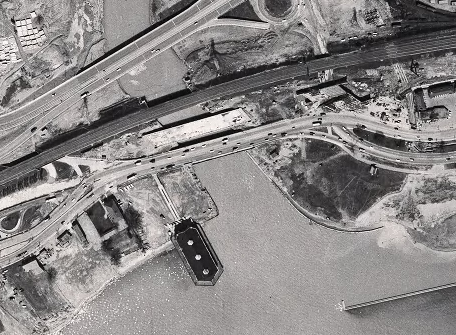
Shown in this 1957 aerial photo of the mouth of the river, the Palace Pier juts into the lake on the west side of the river.  Just above the Lakeshore bridge, construction is underway for the bridge for the new Gardiner Expressway.  The darker bridge is the railway tracks and the old bridge abutments can be seen just above, on either side of the river.

Humber mouth

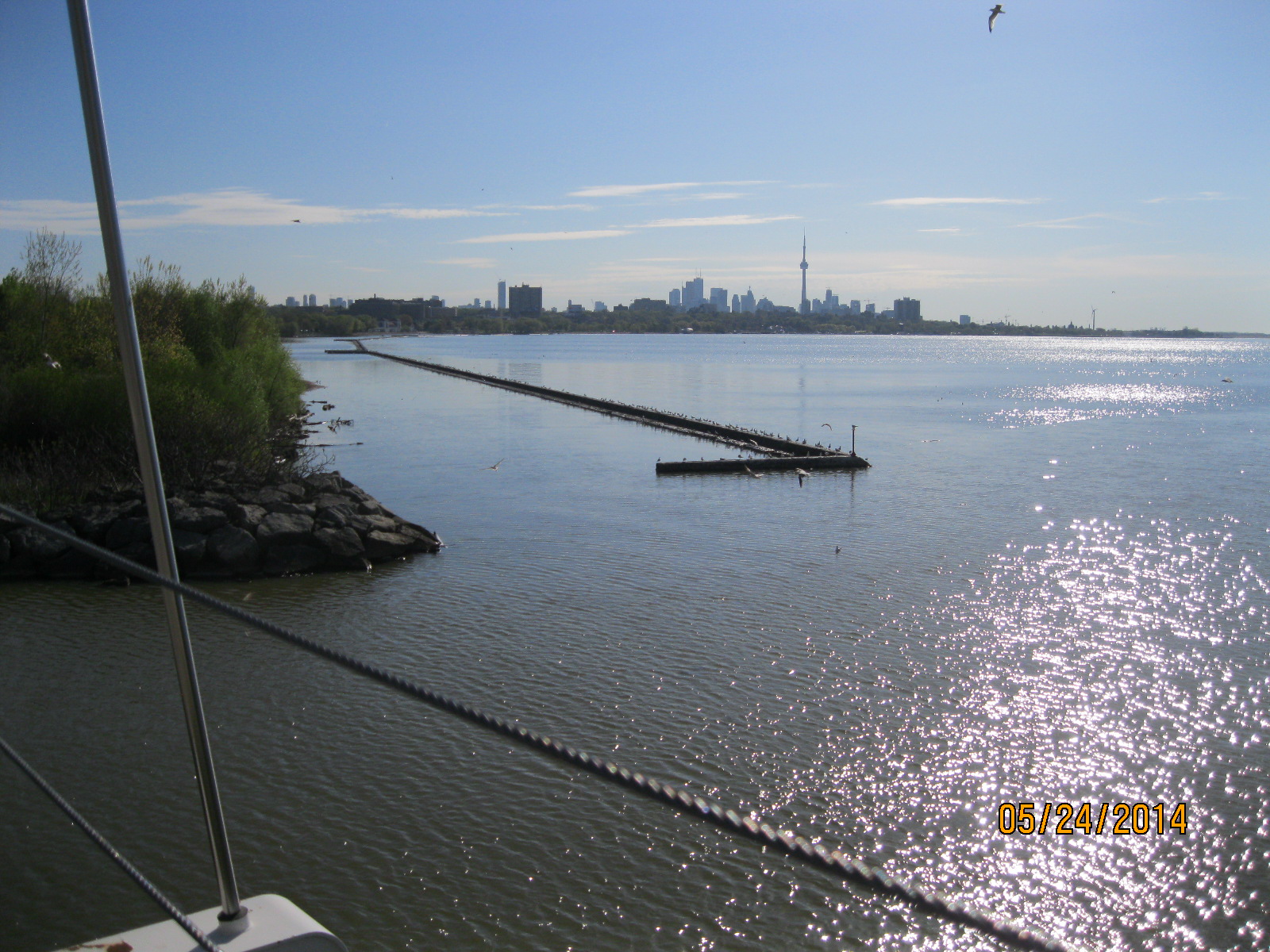
This view is from the footbridge across the Humber looking east to the downtown.  The shore line to the east was extended about 100 yards into the bay by extensive land fill projects in the late 1910’s and early 1920’s.

IMG_2019

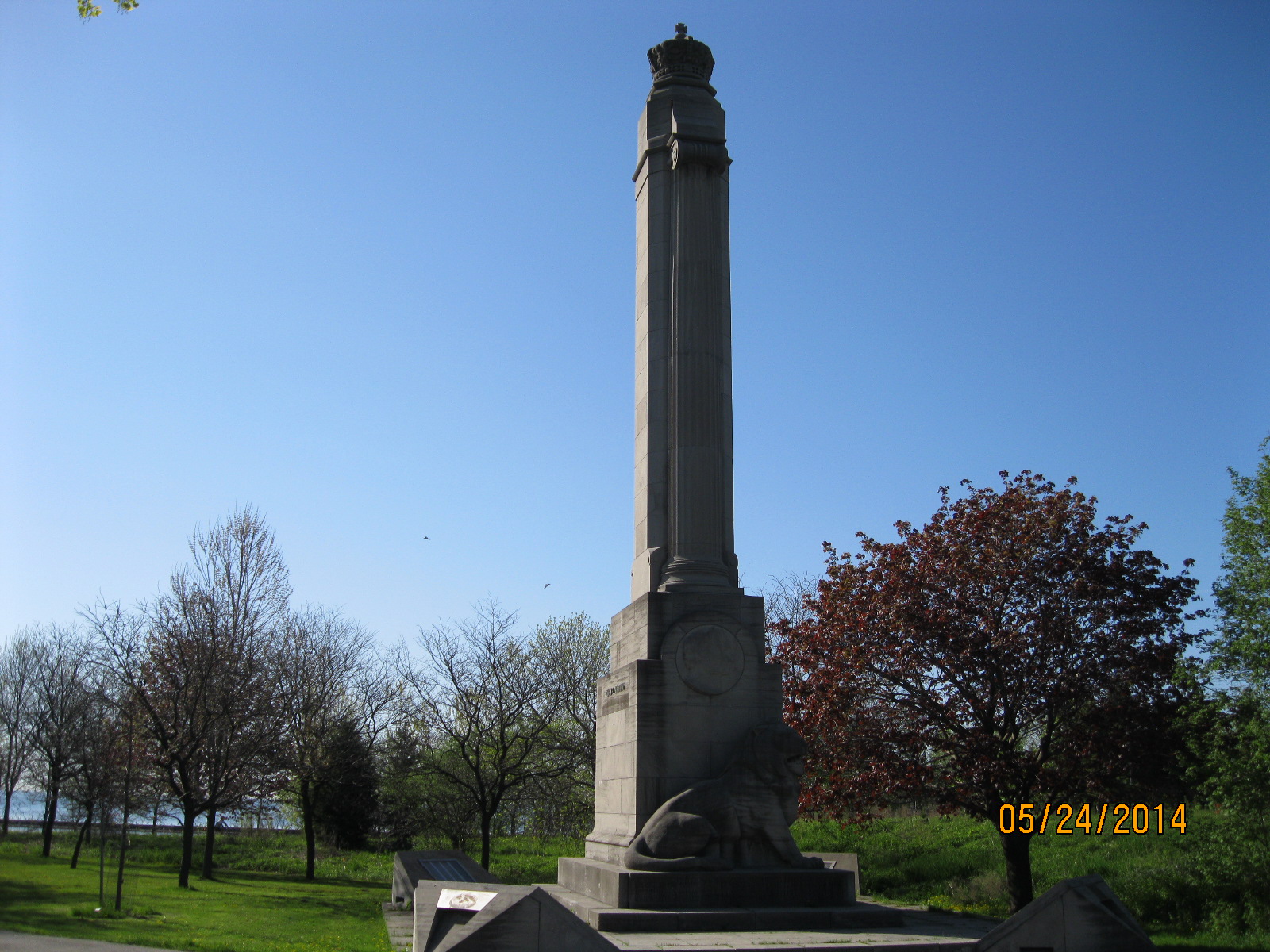
This monument to the east of the river mouth was dedicated on June 7, 1939 by King George VI and Queen Elizabeth to commemorate the QEW highway.  This was also the occasion of the first visit to Canada by a reigning monarch.

IMG_2020

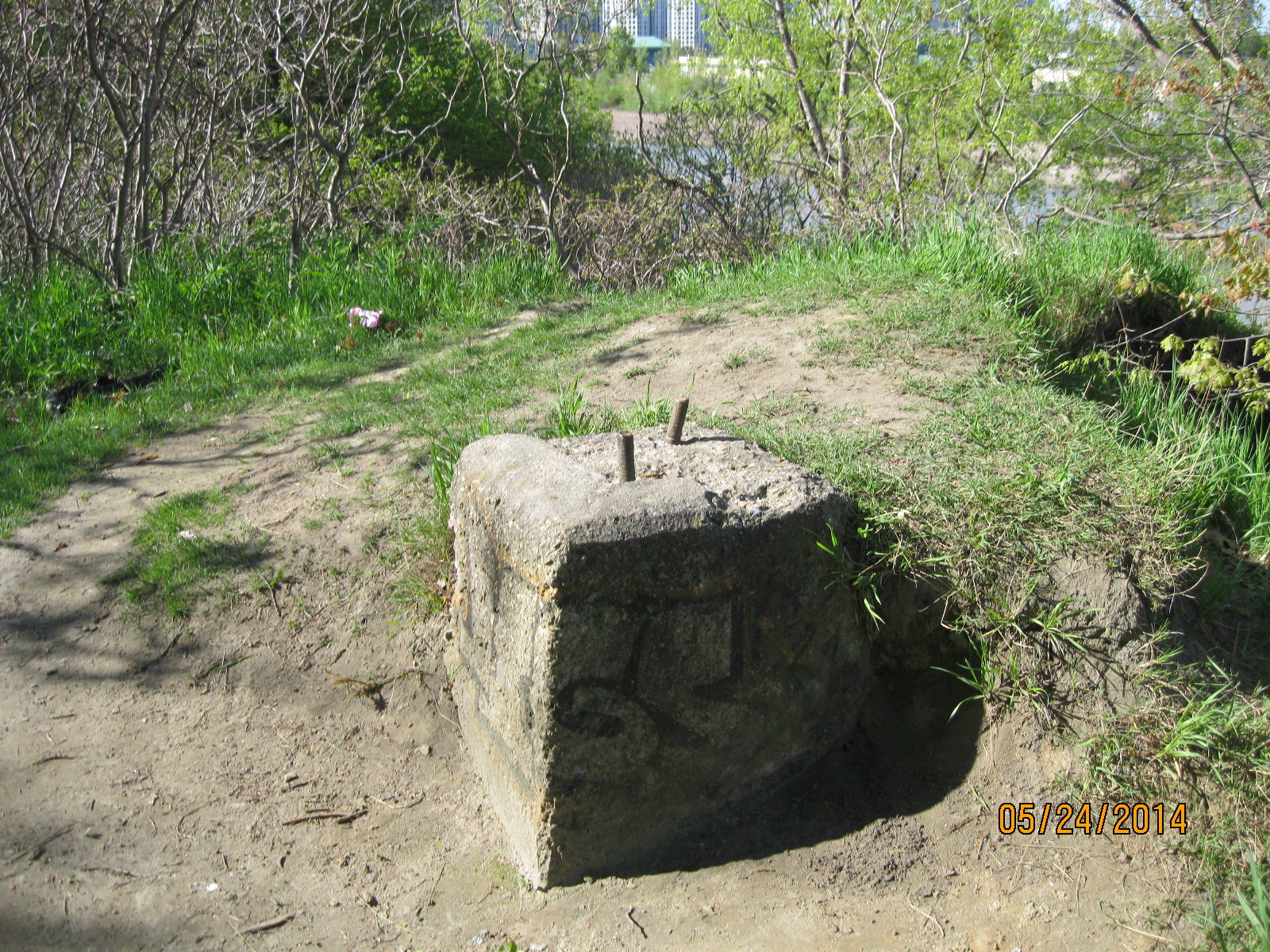
In 1908 the Hydro Electric Power Commission of Ontario contracted to purchase electricity from Niagara Falls and began construction on a set of power lines that ran along the lake shore into Toronto.  The towers crossed the Humber just north of the current Petro Canada station from 1910 until 1940. The footings remain on the eastern embankment.

IMG_2022

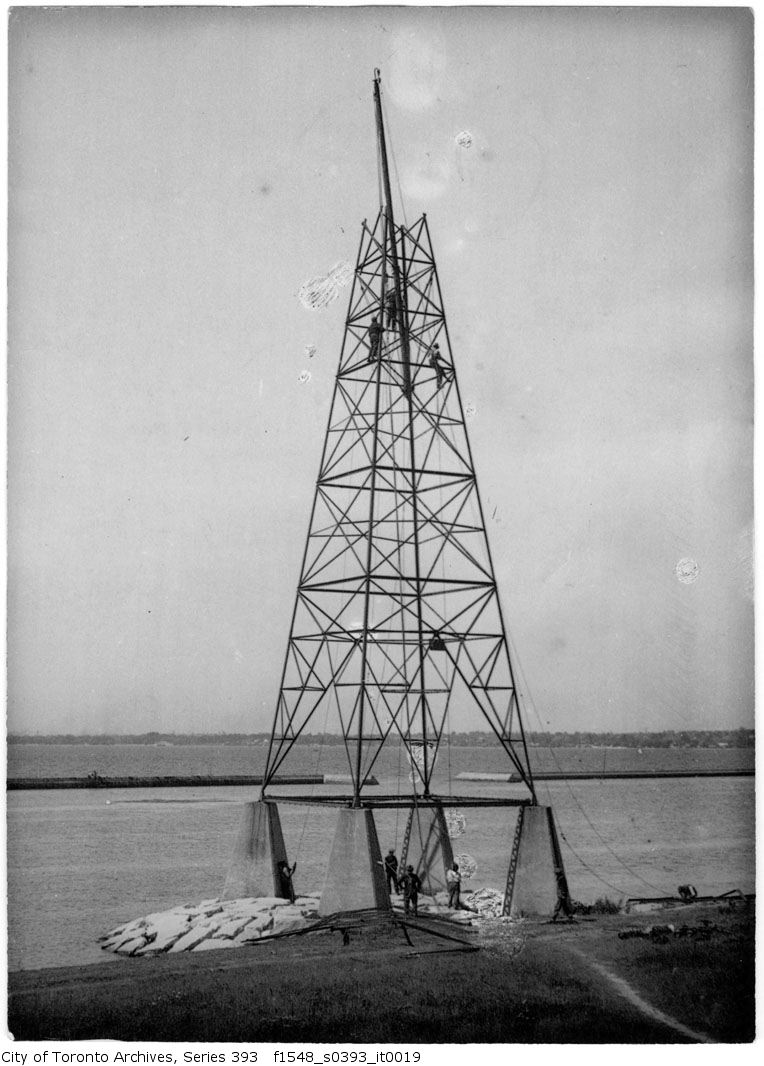
The photo below shows the hydro towers being dismantled at Sunnyside Beach just to the east of here in 1940.

Dismantling Pole

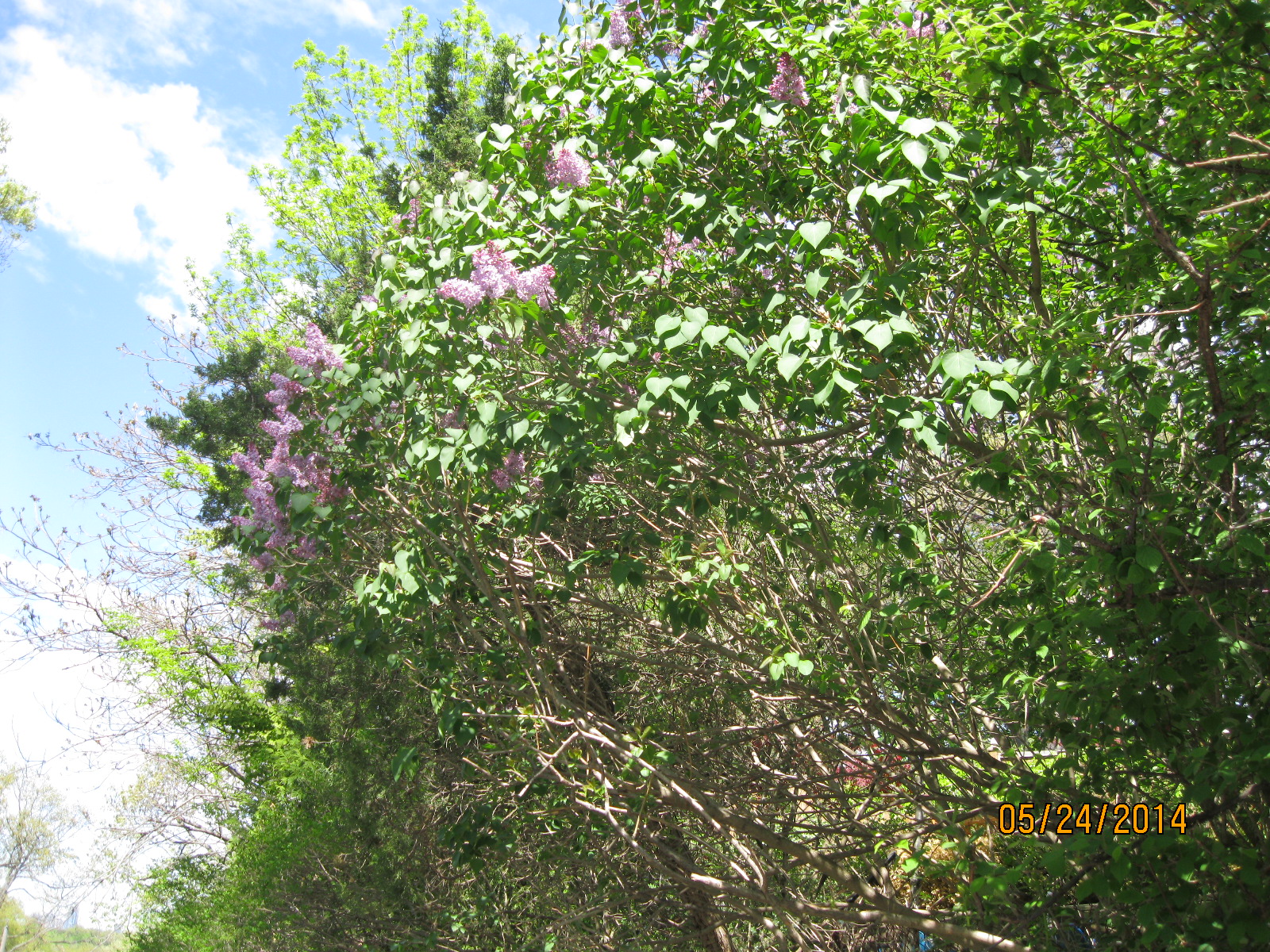
We attempted to follow the river’s edge north from there but found that it quickly became inaccessible.  We did find the bottom of a 1952 soda bottle along here but not much else as it is very overgrown.  We were forced to follow the path of the old Toronto Carrying Place trail which roughly follows Riverside Drive. The scent of lilacs and other garden trees made the walk along the streets a little more enjoyable.

IMG_2032

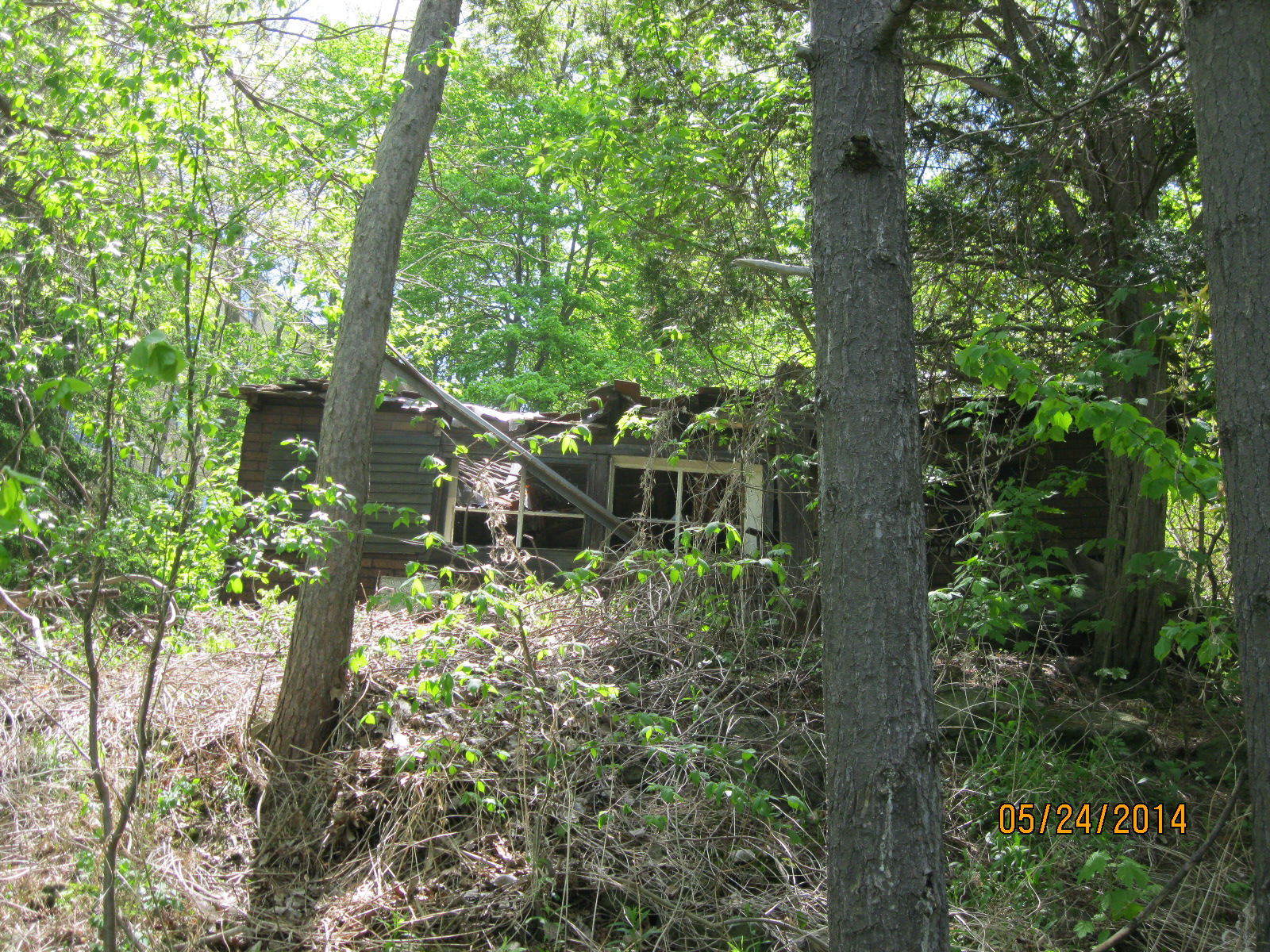
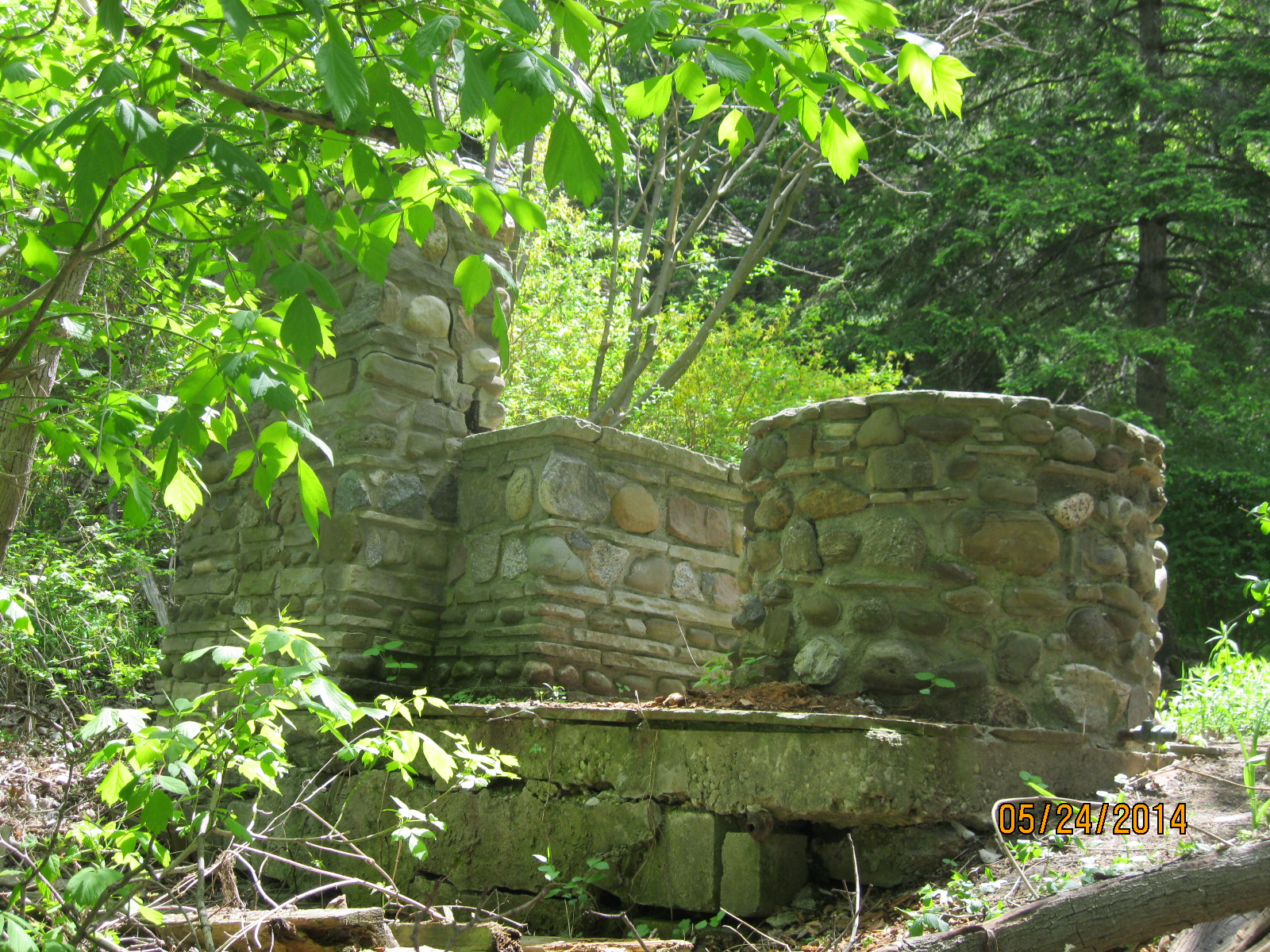
Unable to access the river again we crossed the bridge on Bloor street and started back down along the western river bank.  The main trail takes you behind the boat club and up onto Humber Valley Road.  If you stay with the river you will eventually be forced back up the hillside near this relic sitting in the trees.

IMG_2039

IMG_2041

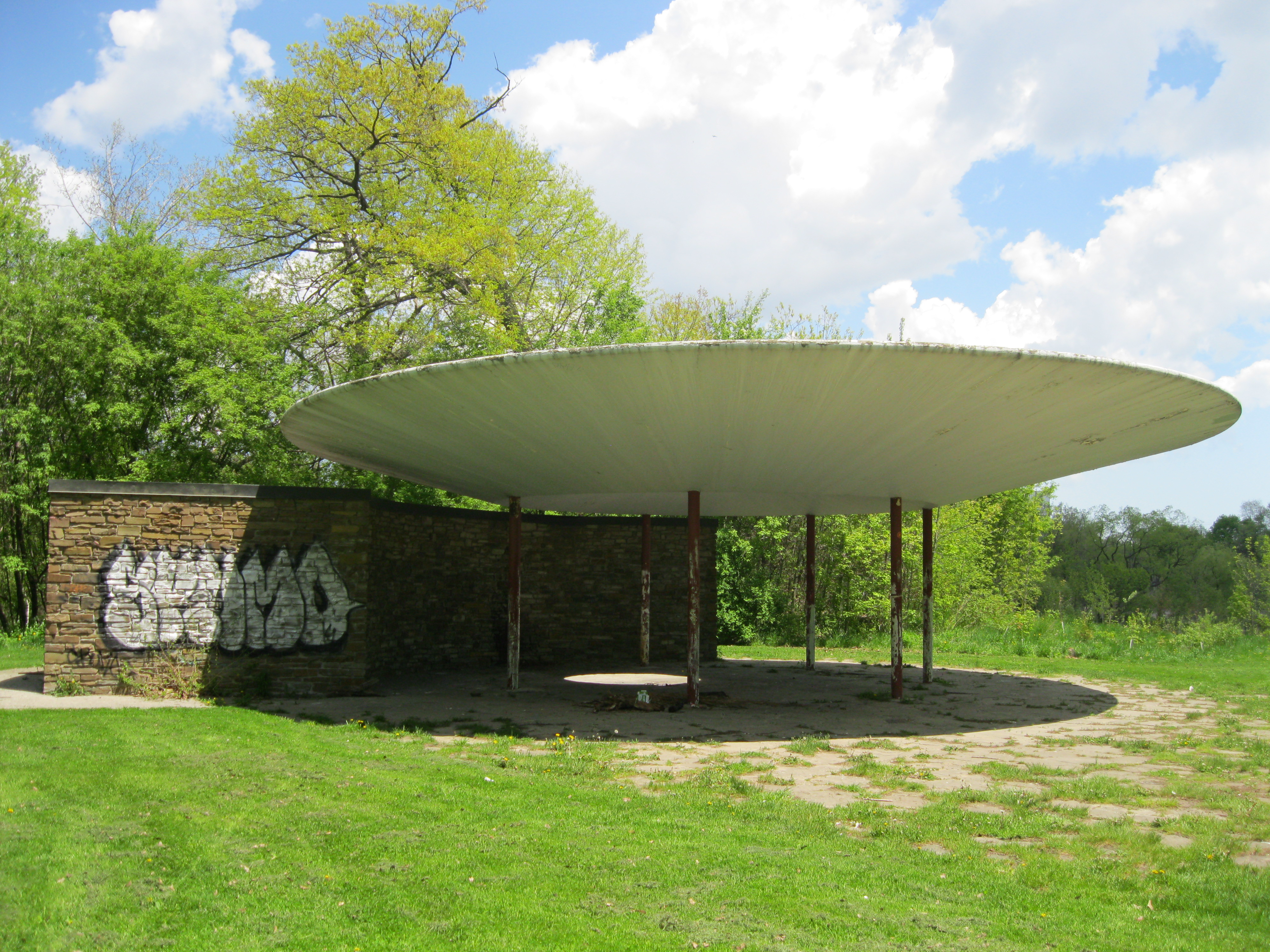
It’s possible to climb back down to the river bank at the end of Stephen Dr. but you will only be forced back up again very soon.  Following the Discovery Walks markings along Stephen Dr. will lead you back into the park a short way later.  This wooded area as well as the site of the water treatment plant a little farther along used to be the Humber Valley Golf Course.  Damaged extensively by Huricane Hazel this golf course was taken over by the city as part of it’s plan to control watershed floodplains.

This structure, known as The Pavilion or The Oculus,  was built in 1959 as a public washroom.  It’s location makes security and maintenance difficult and it has been closed for several years.

IMG_2046

The leaf coverage is nearly full this week giving the river a secluded and peaceful feeling.

IMG_2036

Old Mill to Lambton Mills

Saturday May 17, 2014

The morning was overcast and cool at only 7 Celcius.  We parked again in the lower parking lot at the foot of the Old Mill bridge on Catherine street.  Here we met two guys preparing to go treasure hunting with metal detectors.  They told us that last year they had found a musket ball in this area.  French forts at this site date to 1720 when Magasin Royal stood near present day Baby Point.  The Toronto Carrying-Place trail, a main route to the upper great lakes, also ran up this side of the Humber River making this an ideal location for treasure hunting.

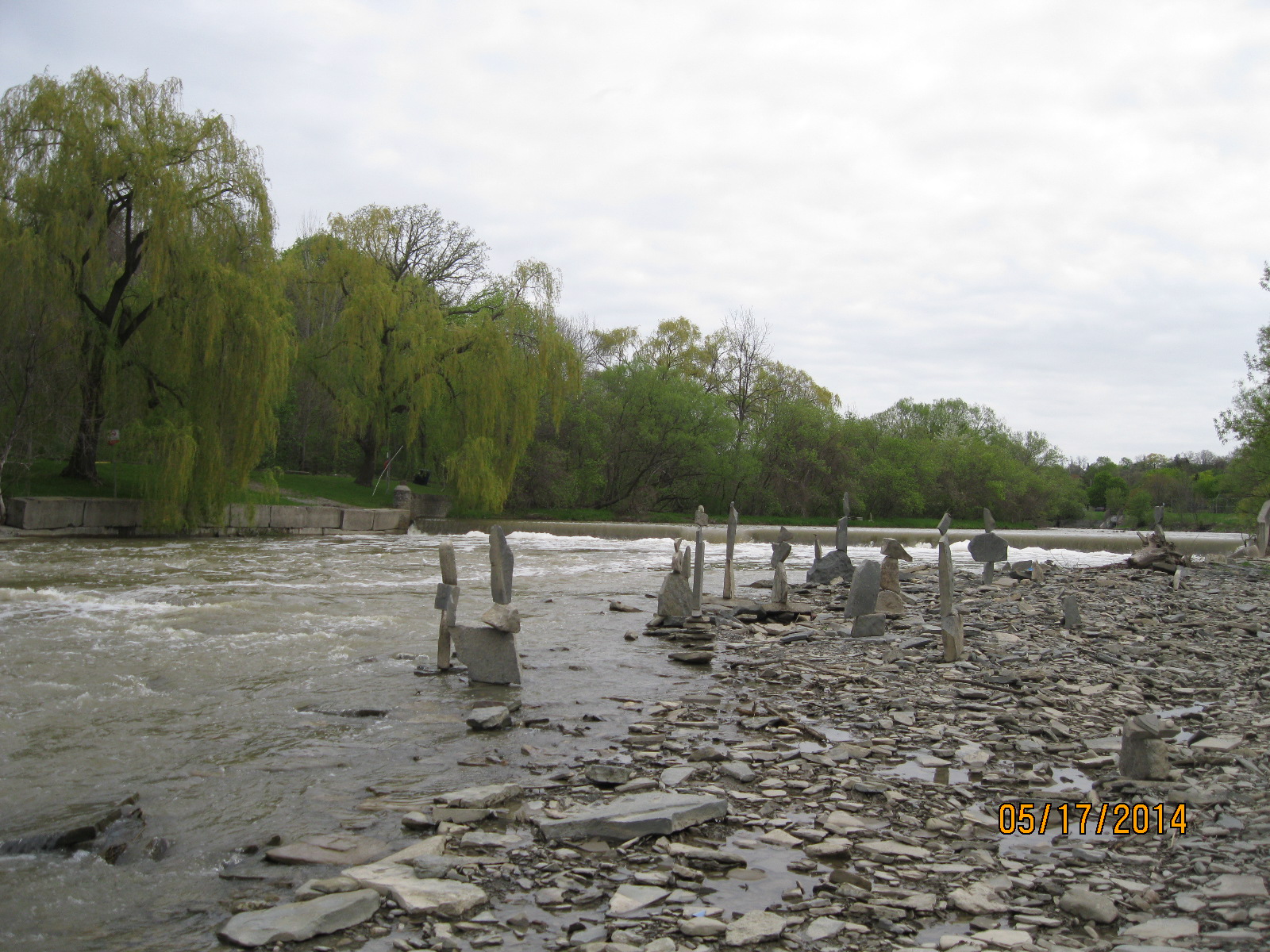
Keeping to the main trail we rounded Baby Point (home to last week’s stone ovens) before entering the woods on the north side of the point in an area known as Magwood Park.  There are several places along here where someone has taken the time to balance a lot of flat stones on top of each other.  This set is just below the third of six little waterfalls between Bloor street and Dundas street.

IMG_1944

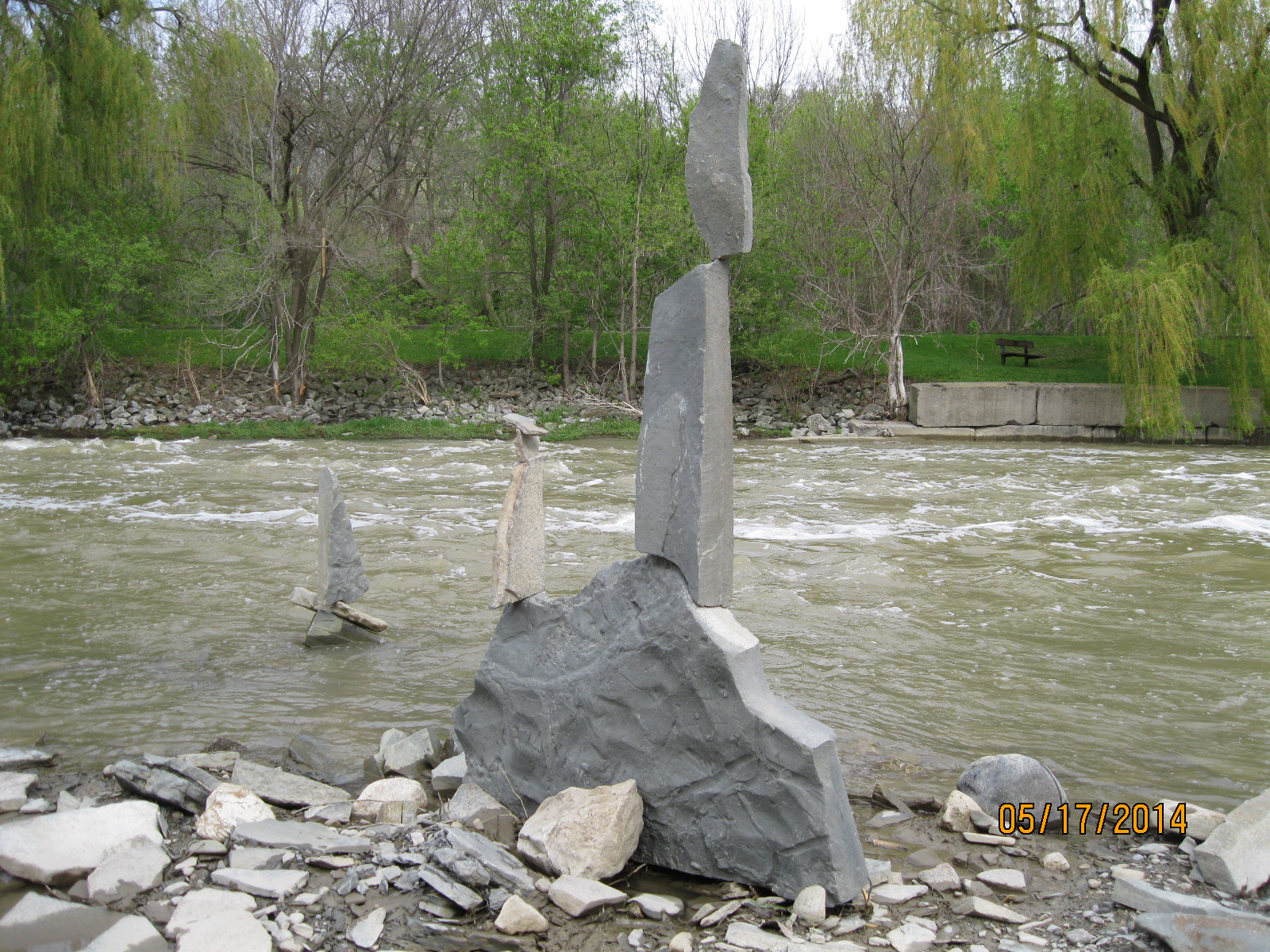
This person obviously had a lot of spare time and a very steady hand.

IMG_1952

Along the top of the hill are several more impressive stone walls and decks looking out over the edge of what is often a hundred foot drop down to the river below.

IMG_1970

Along here we found an old utilities pole standing alone in the woods at the top of the hill.  It still had wooded steps at the bottom and metal rungs near the top from when someone used to climb it.  Those a little older than me might think of Eva Gabor climbing the pole to answer the phone in the late 60’s tv show Green Acres.

IMG_1975

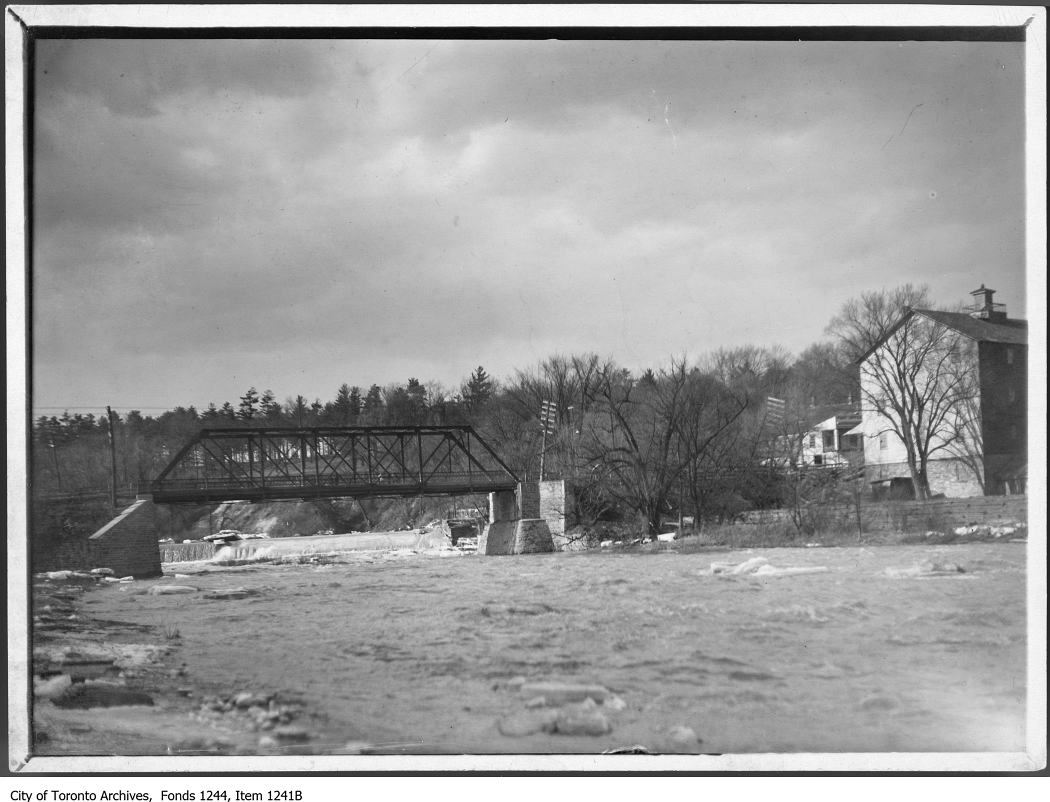
Following the river you will come to the old town of Lambton Mills at Dundas street.  William Cooper opened a mill here in 1807 and the hamlet of Cooper’s mills was started.  In 1851 the name was changed to Lambton mills.  Soon a town of 500 people stood on either side of the Humber where the Dundas street bridge crossed.  The bridge in the photo below was destroyed in 1954 by Hurricane Hazel.

Humber River flood, Lambton Mills. - 1913

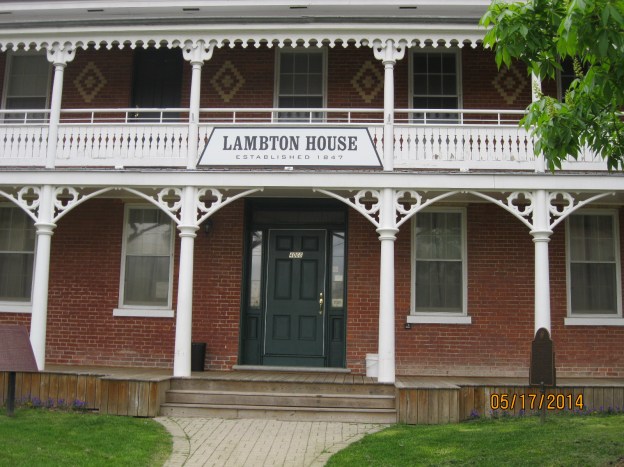
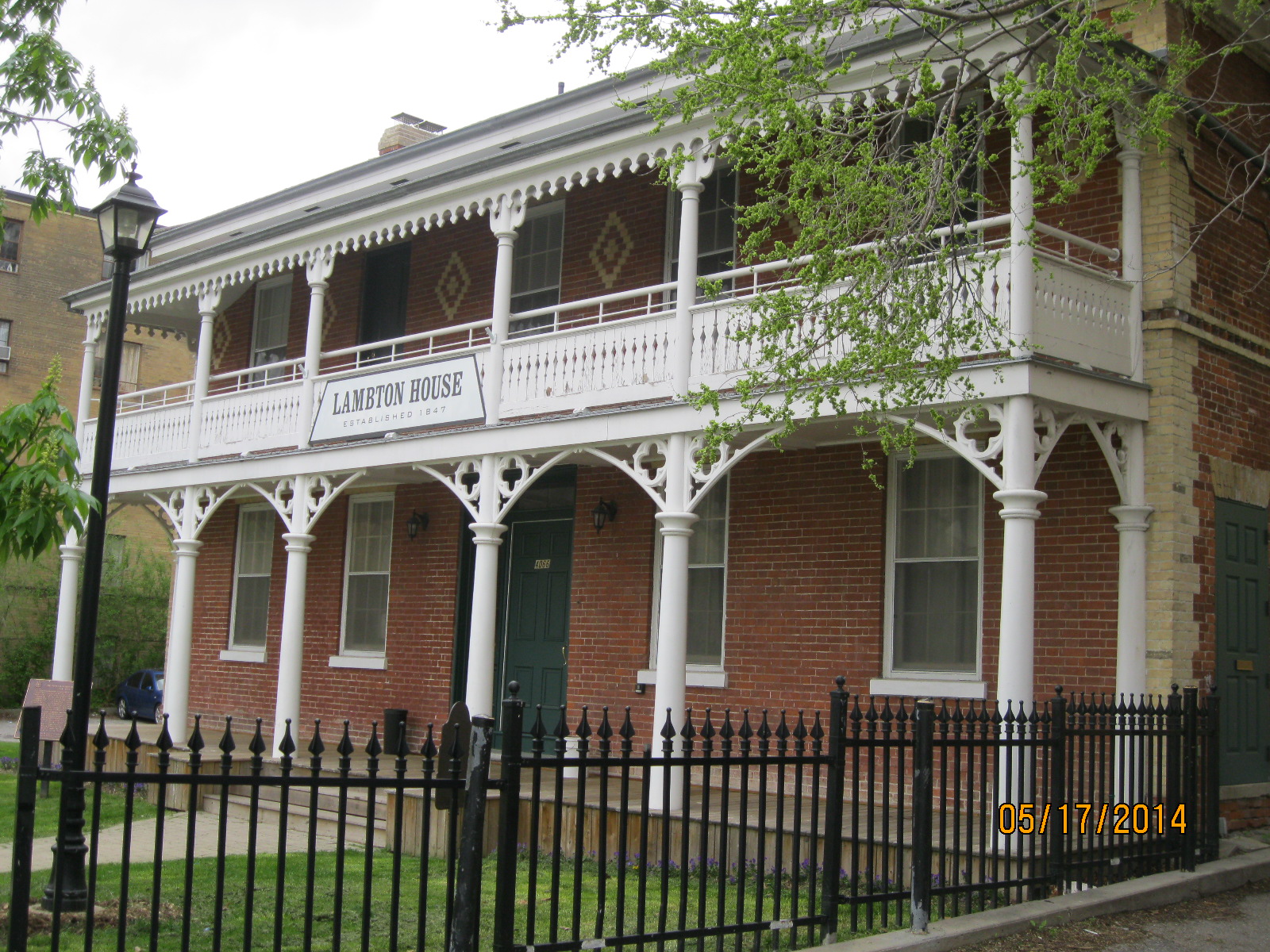
Lambton House was operated as a hotel from 1847 until it closed in 1988.  At one time it was surrounded by mills and a general store.  A fire in 1915 destroyed all the wooden structures on the east side of the river leaving the brick hotel standing by itself.  Today it is tucked in among a bunch of apartment buildings.  Along with the old bridge abutments this is all that’s left of the historic village of Lambton Mills.

IMG_1995

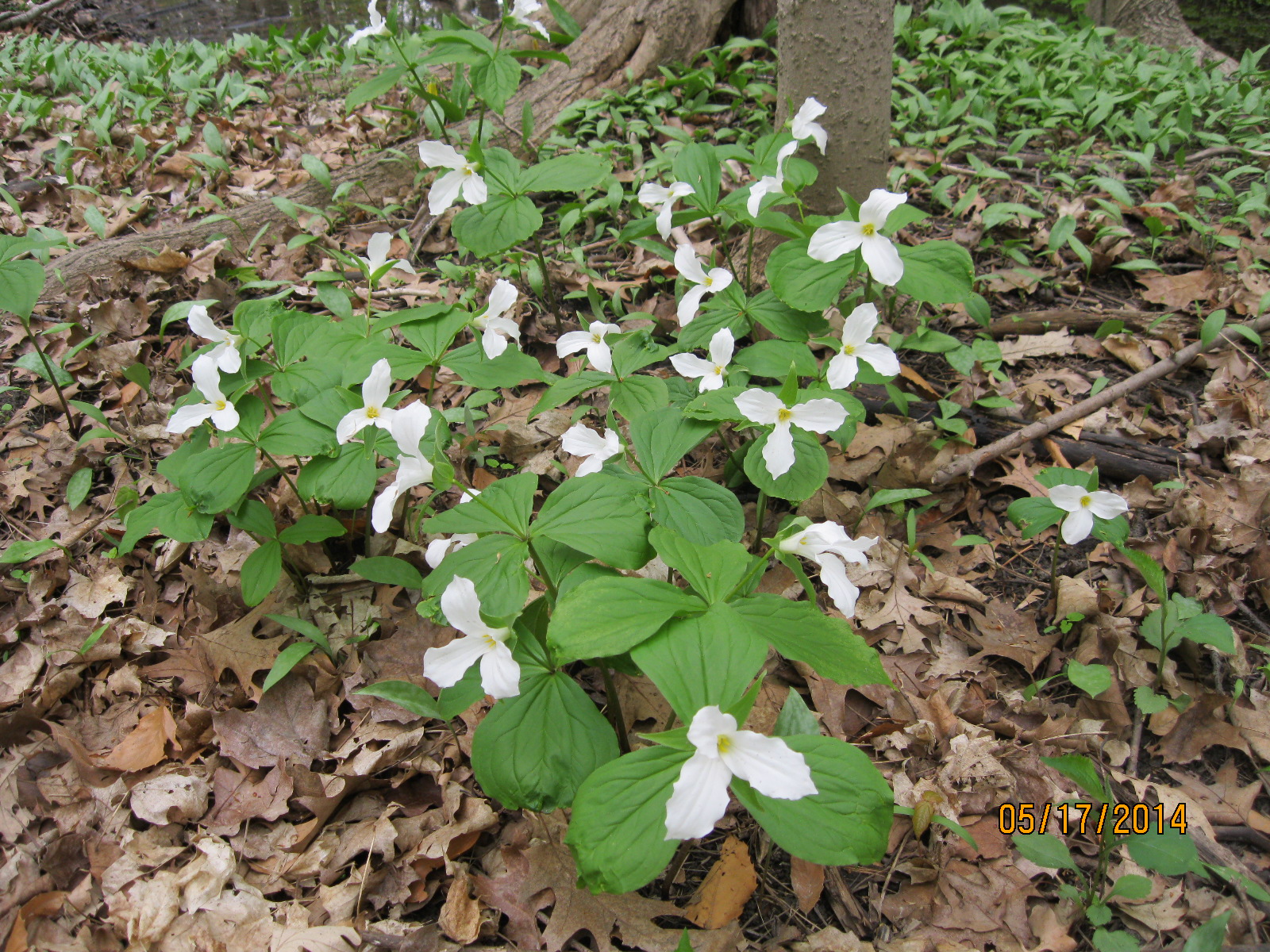
This week the trees are much greener than last week and visibility in the woods is becoming limited which makes it easy to walk right past a point of interest and not even see it.  The woods is an ever changing pallet of colour and this week Ontario’s Provincial Flower, the Trillium, appeared for the first time this season.

IMG_1961

Ovens Above Old Mill

Sat. May 10, 2014

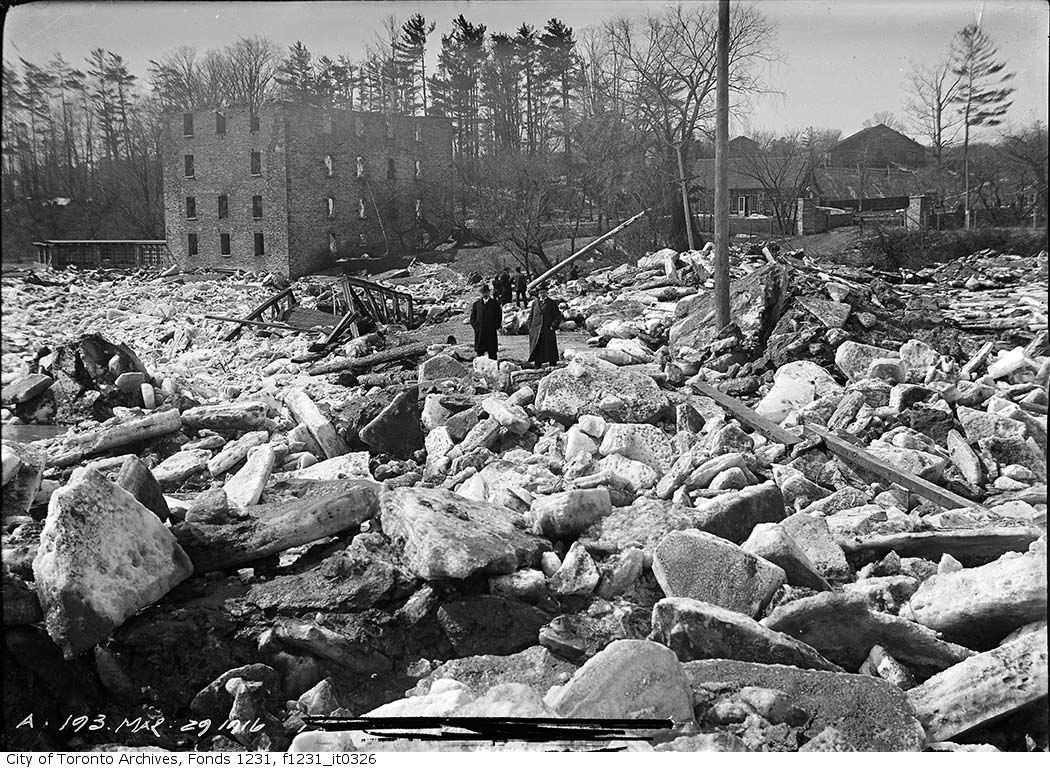
This was the nicest day we’ve had so far this year for hiking.  It was sunny and 17 degrees C, warm enough to hike in a t-shirt but early enough in the season to be free from mosquitoes.  We parked in the lower parking lot beside the Old Mill bridge on the Humber river.  This magnificent stone bridge was built in 1916 as a replacement for the previous one which was washed out during the spring ice break-up that year.  In the photo below, from March 29, 1916, The Old Mill is abandoned and the earlier bridge is a twist of steel in the middle of the ice flow.

Old Mill Mar. 29 1916

The mill in this photo was built in 1849 and destroyed by fire in 1881. It is actually the fourth mill on this site and is the foundation for the restored inn and restaurant that currently form a local tourist attraction.  The first mill was constructed in 1793 at the request of Governor Simcoe and was the first industrial site in Toronto.

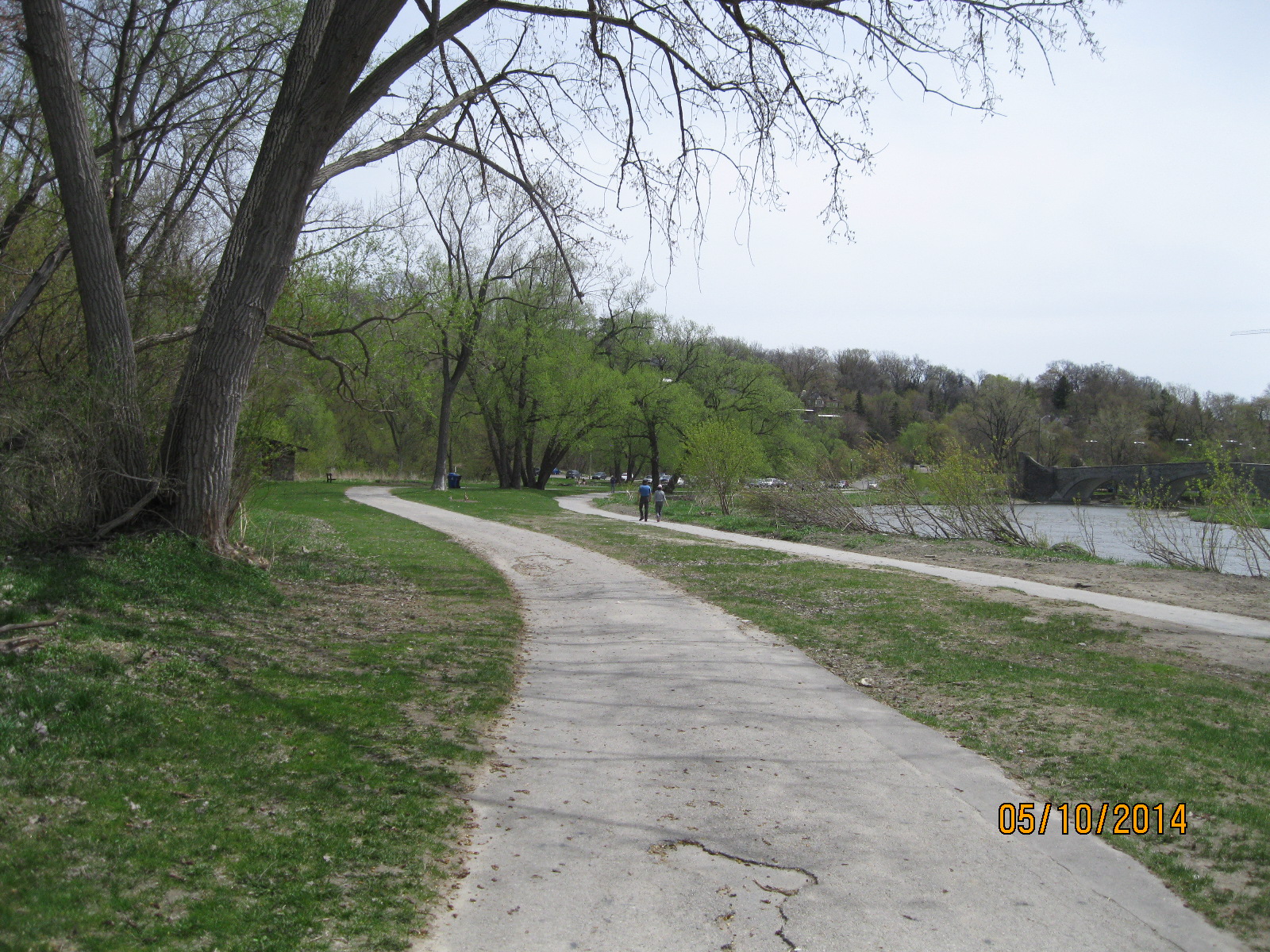
As is our habit we decided to stay away from the paved path going north along the east side of the river.  At this time of the year the ground along the base of the hill is marshy and we had to keep going up to avoid getting wet feet.  We climbed about half way up the forested embankment and made our way along the side of the hill.  There is an animal trail here which includes prints from the local deer.

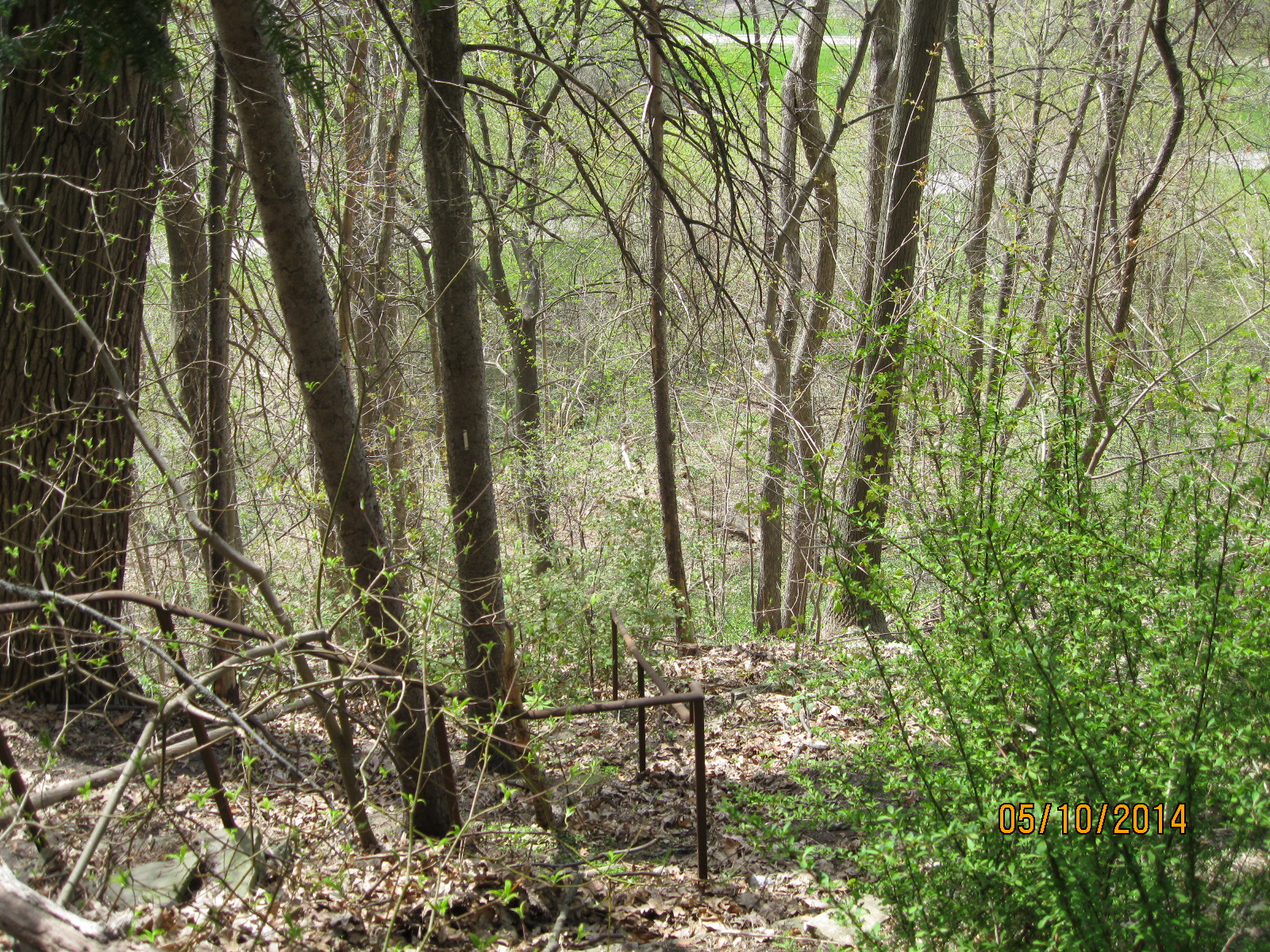
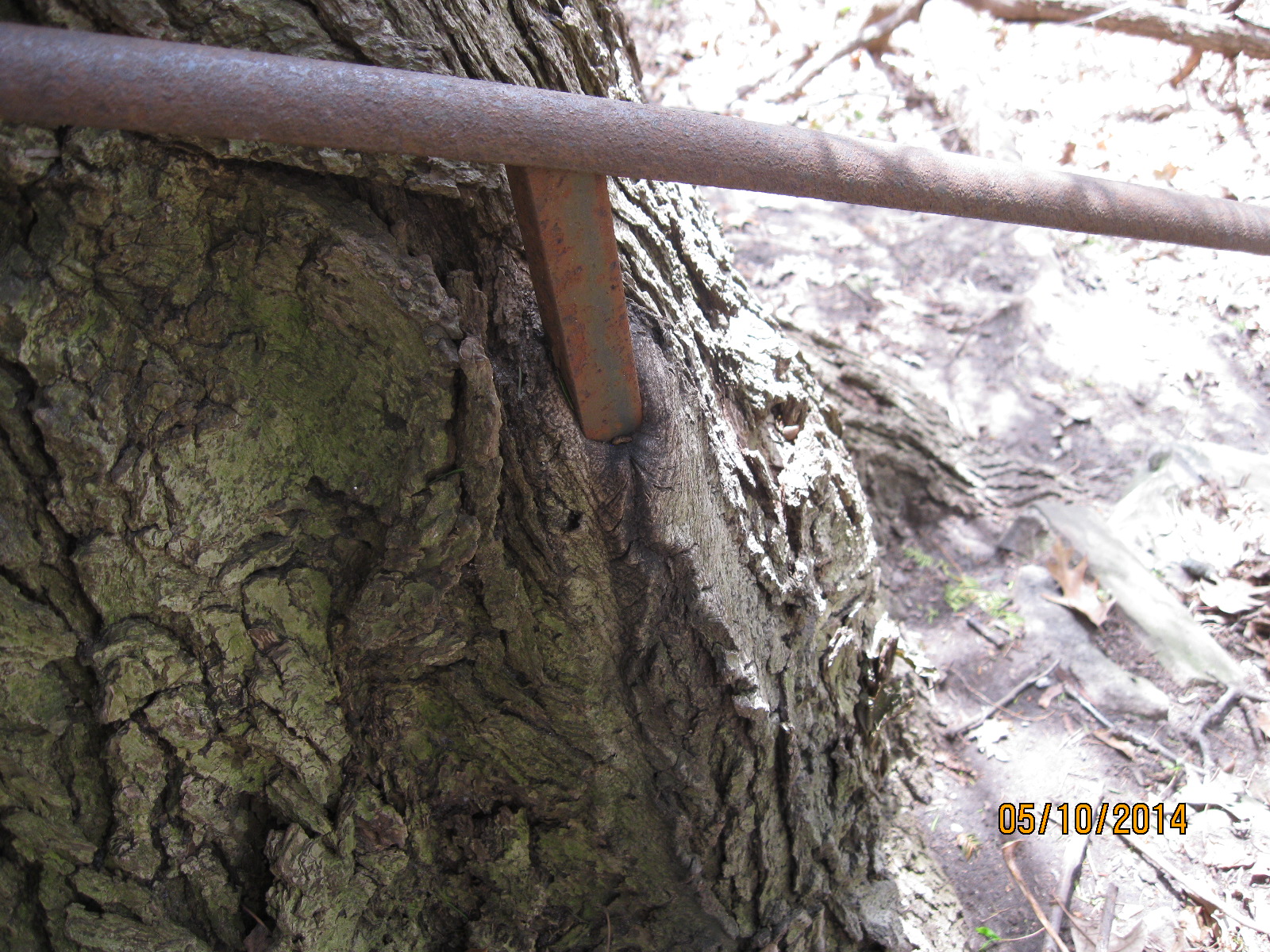
From our position part way up the hill, we were able to see old stone walls further up the hillside.  Climbing up, my brother found an old stairway and railing in hiding in the trees.  In places, the trees have grown around the old railings.  In others, the railings and stairs go down the hill and suddenly end where the slope increases dramatically.

IMG_1899

The tree has grown completely around the fence rail.

IMG_1900

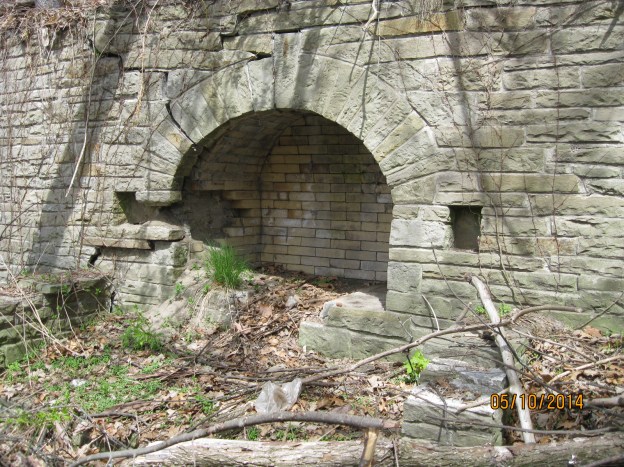
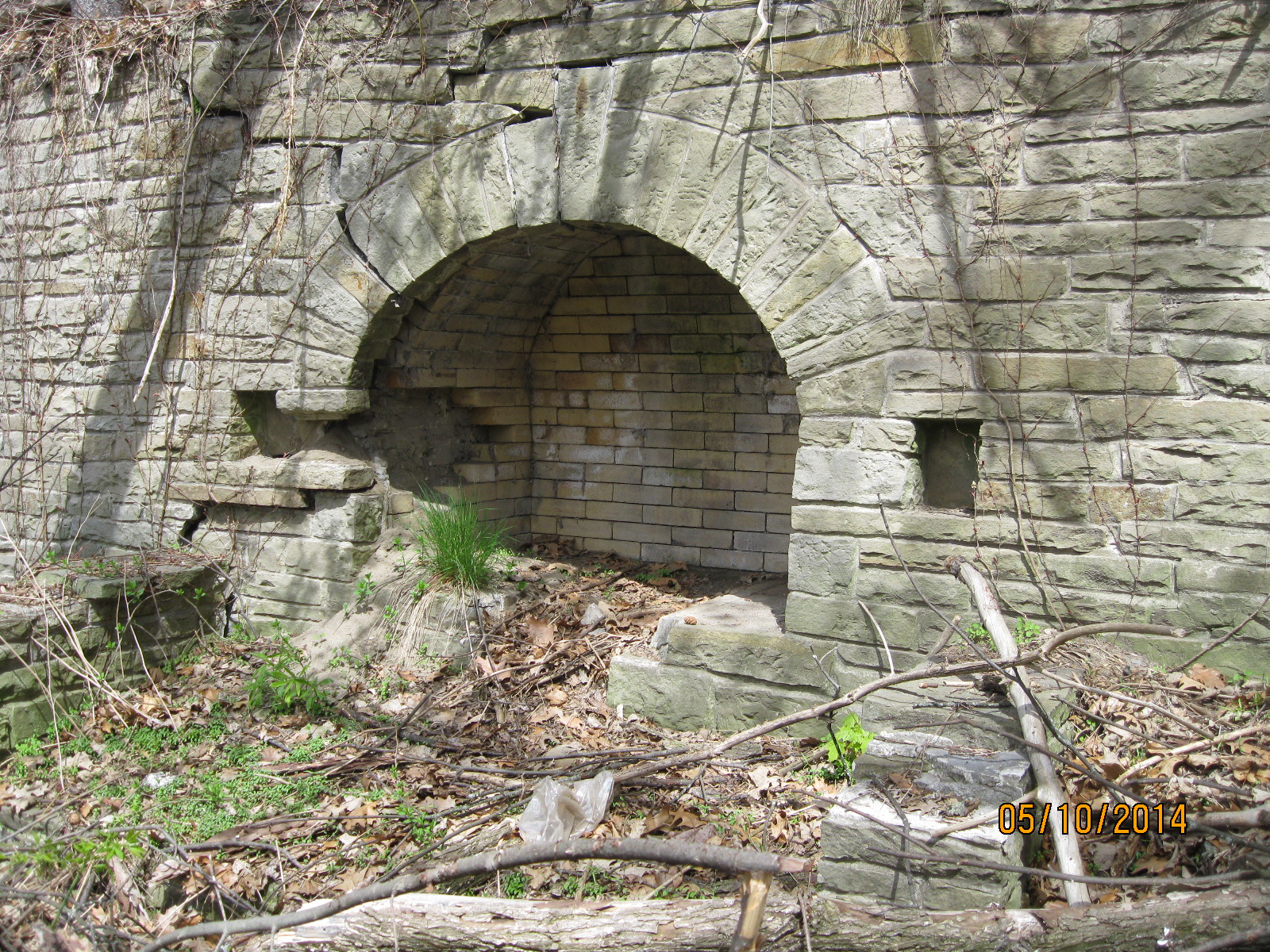
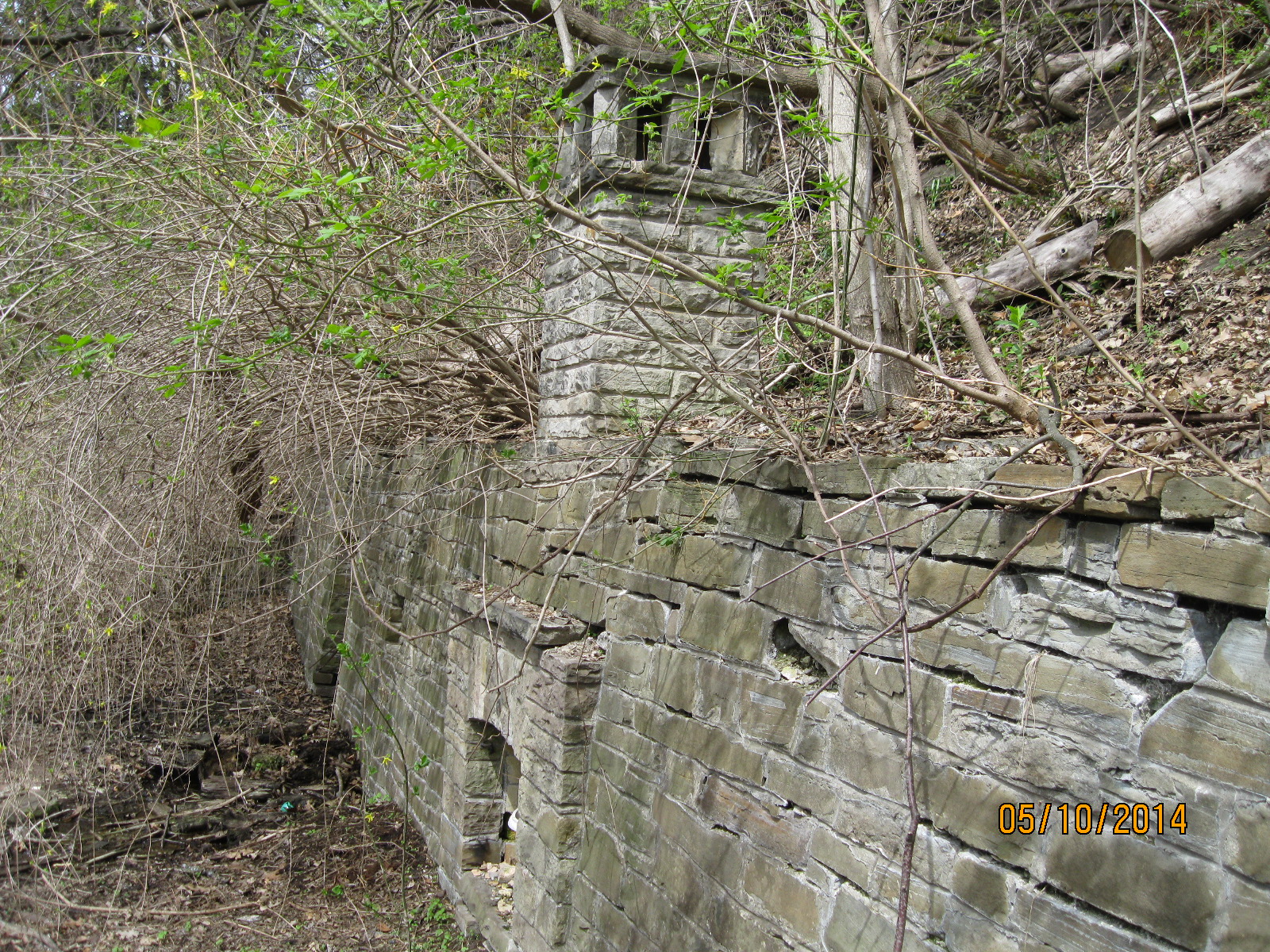
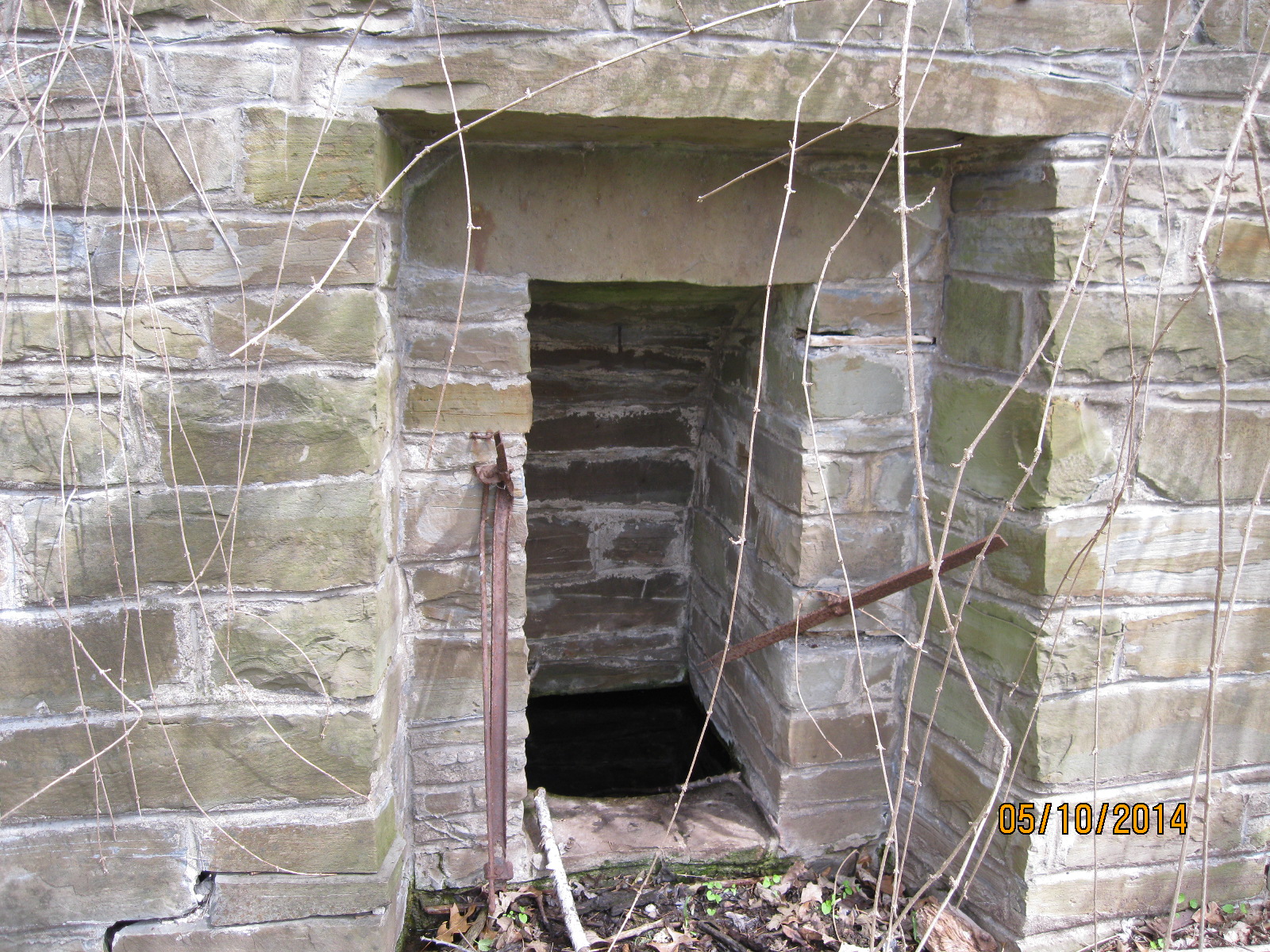
Old stairways in the woods always require investigation and this time it was well worth the climb.  We found a series of abandoned terraced gardens with at least 4 old ovens sitting at the top of the hill looking out over the old mill.  Some of these contain ornate stonework likely built with rock hauled up from the river below.

IMG_1901

James Baby served in the war of 1812 and when his property was damaged, and he was taken as prisoner, he was awarded land in the area of York (Toronto).  In 1815 he acquired the point of land that overlooked the Humber River and the Kings Mill (The Old Mill).  The land had been a Seneca village and Baby used it to build his estate.  Baby and his family lived on there until 1910 when the government purchased the land with the idea of building a military fortress and barracks.  When this idea was abandoned the land was sold to a developer named Home Smith.  He developed an enclave for the rich and many of these homes had grand views over the ravine.

IMG_1911

A set of stone pillars on Jane Street mark the entrance to this early version of a gated community.  Homes started developing the subdivision in 1912 and it is easy to envision Great Gatsby type of garden parties here in the 1920’s.

IMG_1913

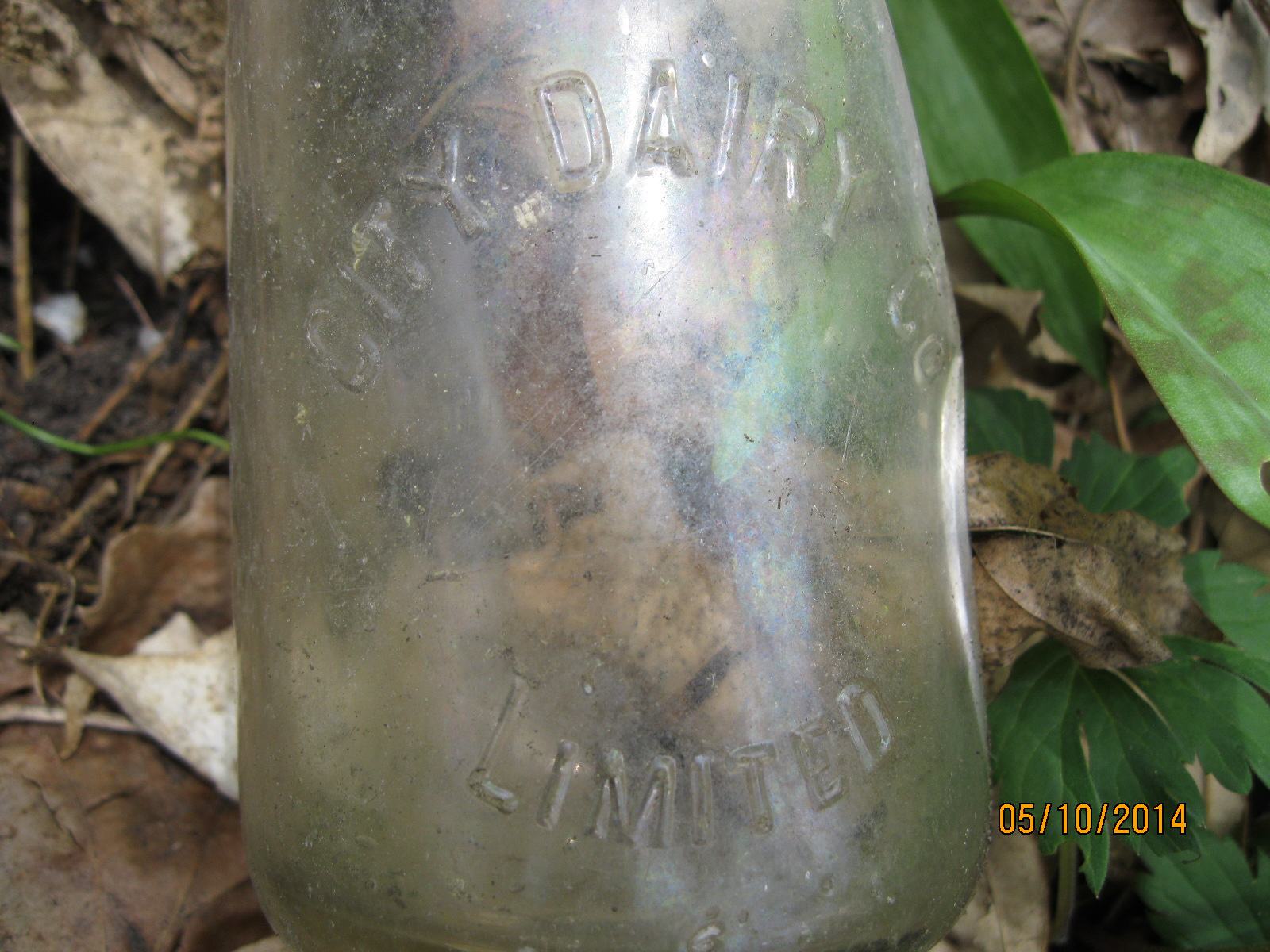
We found a lot of broken bottles on the hillside as well with dates on them from 1938 to 1947.  Two of the more interesting ones were a Lavoris Chemical Co. bottle which would have contained mouth wash and a City Dairy milk bottle.  City Dairy opened in 1900 and operated until 1930 when it was bought up by Borden’s Dairy.  It was famous for it’s safe drinking milk, which was preferred by the city’s doctors for their own use.  City Dairy was started by Walter Massey, who’s father ran Massey-Harris, because at the time Toronto’s milk wasn’t safe and it was estimated that 400 children a year died from drinking it.

IMG_1927

It was a good day for enjoying the spring wild flowers.  Yellow, purple and white flowers carpet the woods.  This dog-toothed violet was one of the first to open itself to the morning sunshine.  A few days from now they will be out in the thousands.

IMG_1894

It’s amazing to see how much the leaves have opened on the trees in just one week.

IMG_1930

Google Maps link: Baby Point

Like us at http://www.facebook.com/hikingthegta

Follow us at http://www.hikingthegta.com


Humber Marshes – Urban Oasis

Saturday May 3, 2014

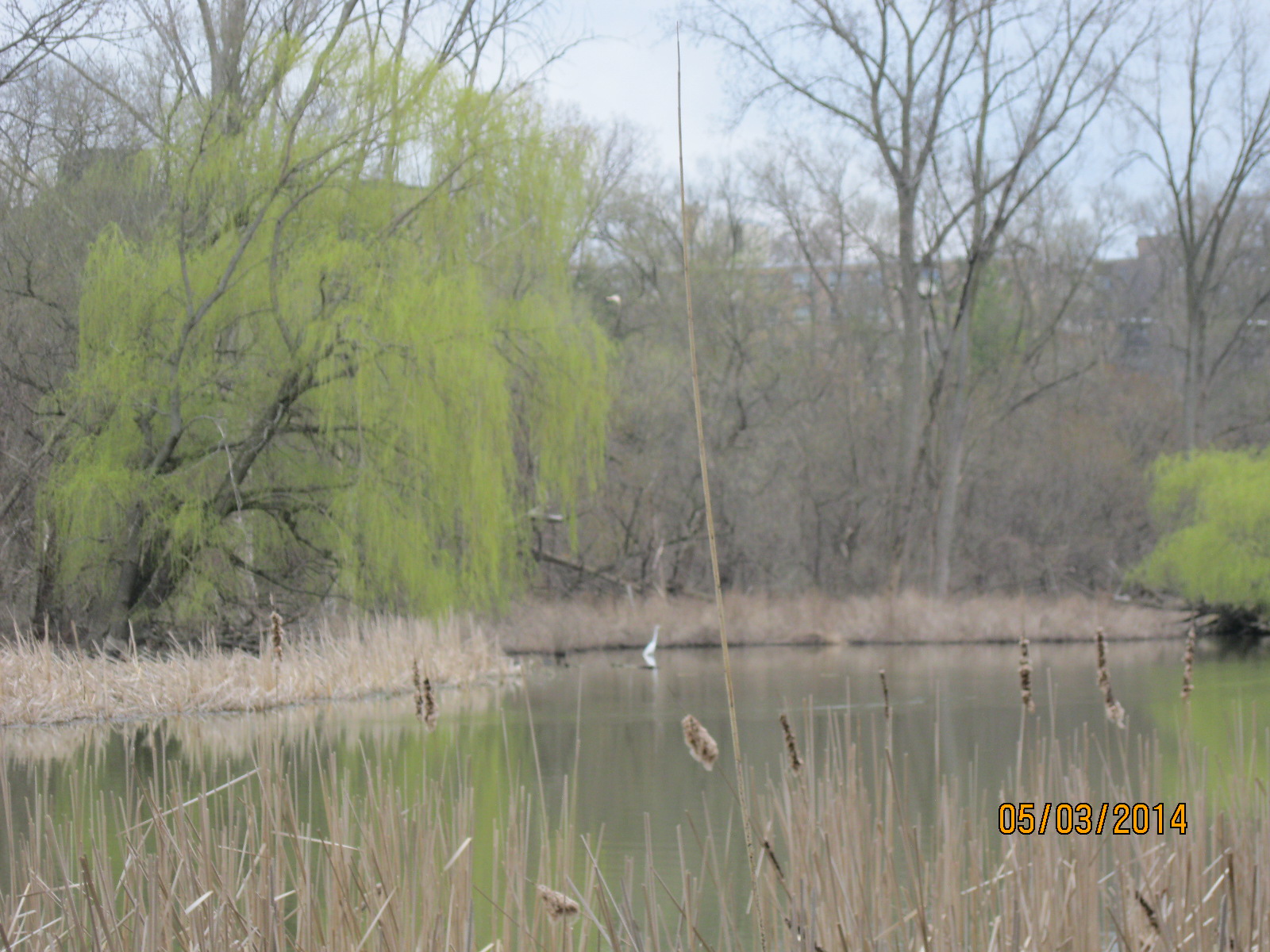
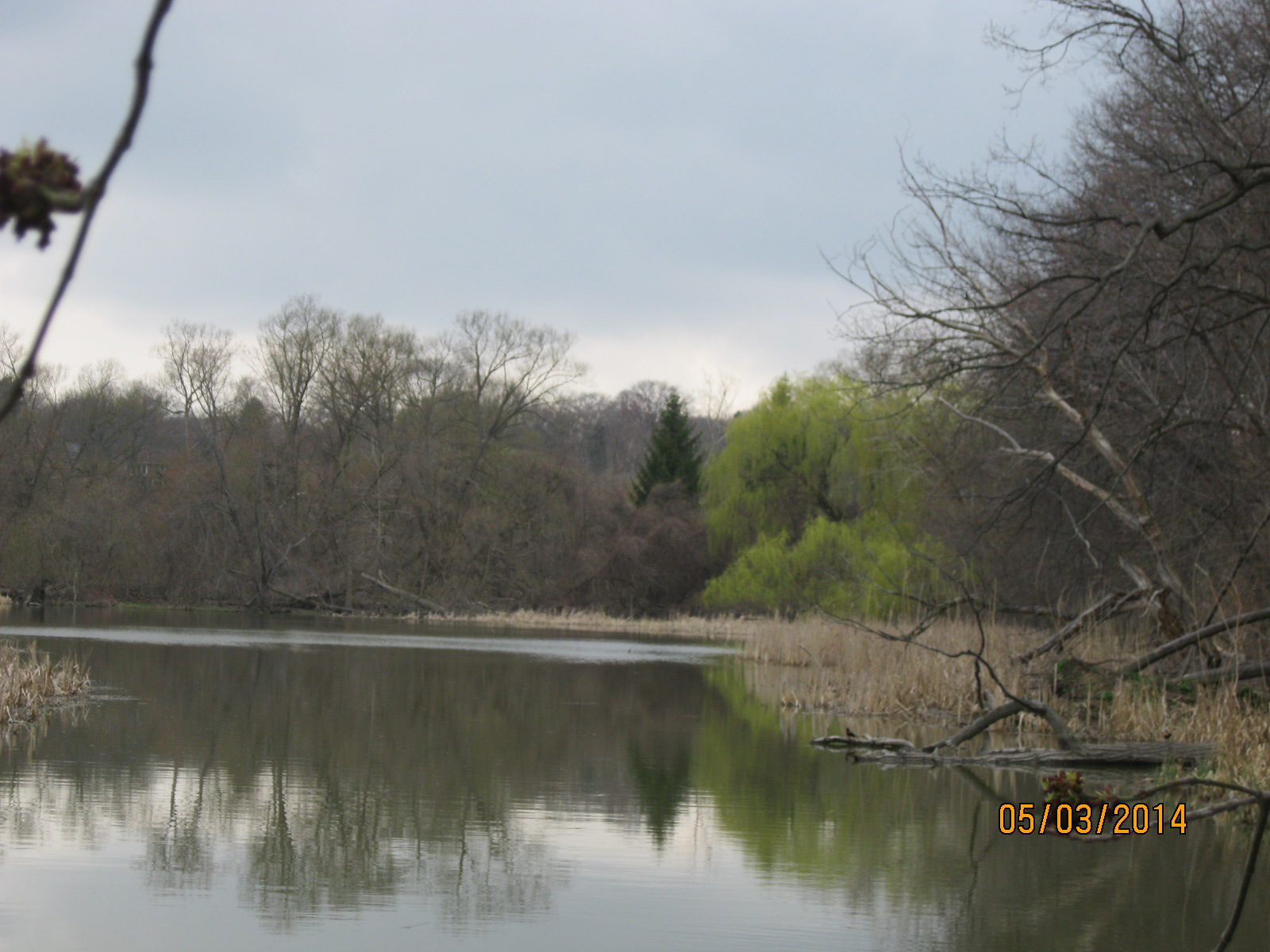
It was a cloudy morning around 7 degrees.  We entered the trail on the east side of the Humber River, south of Bloor St.  This is Etienne Brule park and it is undeveloped.  It is named after the first European to see the Toronto area and who arrived at the mouth of the Humber River in 1615.  Once down in here among the trees and the ample wild life it’s easy to imagine that you’re not in the heart of Canada’s largest city or perhaps its 1615 all over again.  The little trail quickly descends to the marshes and runs along the river bank.  We were surprised to find deer tracks, thinking they weren’t this far down the river.  We stayed along the river until the first pond was passed.  Here the trail climbs the hill and then drops back down.  If you follow the river you will soon come to a stretch of water you can’t get across.  There is a second pond in here which has a permanent opening to the river.  The two ponds on the right hand side of the river show up as green in the shot below because it was taken in late summer and they’re covered in algae.  At this time of year the ponds clear and are home to many wetland bird species.

Etienne Brule Park

We had seen that the deer tacks went into the woods so we followed and it wasn’t long before we saw a female deer.  It’s standing at the edge of the grass with its head hiding behind the tree that’s in the middle of this picture.

IMG_1861

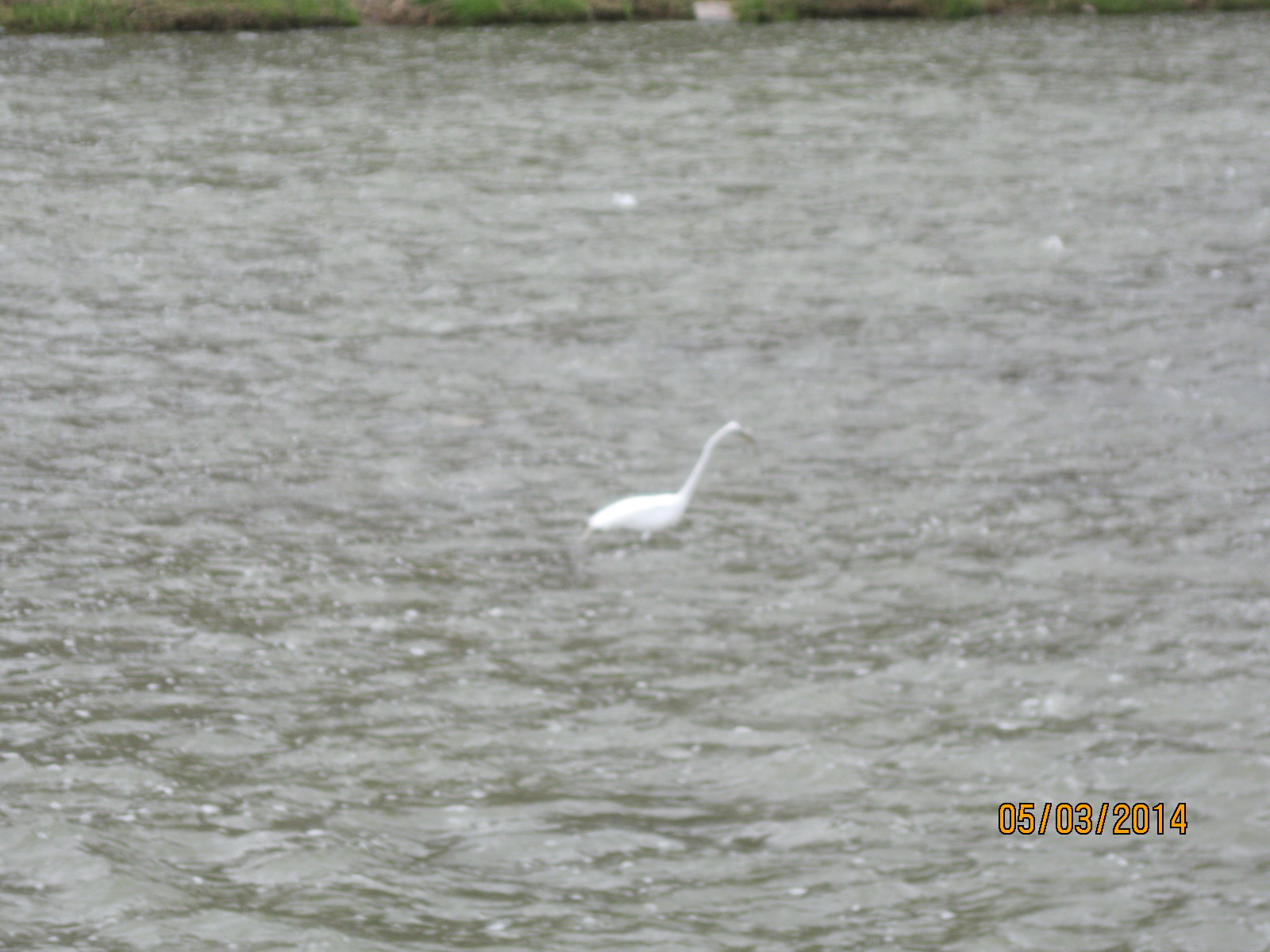
We had already determined that you couldn’t get through around the back side of this pond because the hillside is steep and runs right down to the water’s edge.  However, we’d seen the deer come from that way and guessed it knew something we didn’t.  It turns out that the deer had made it’s way along the edge of the water and we could too.  We eventually came out at the river’s edge having got around the point we couldn’t cross.  Somewhere along the way we re-graded this hike from “advanced” to “daring”.  This part of the hike should not be tried.  For our efforts, we got to watch an Egret making it’s way along the opposite shore as it was fishing.

IMG_1865

IMG_1852

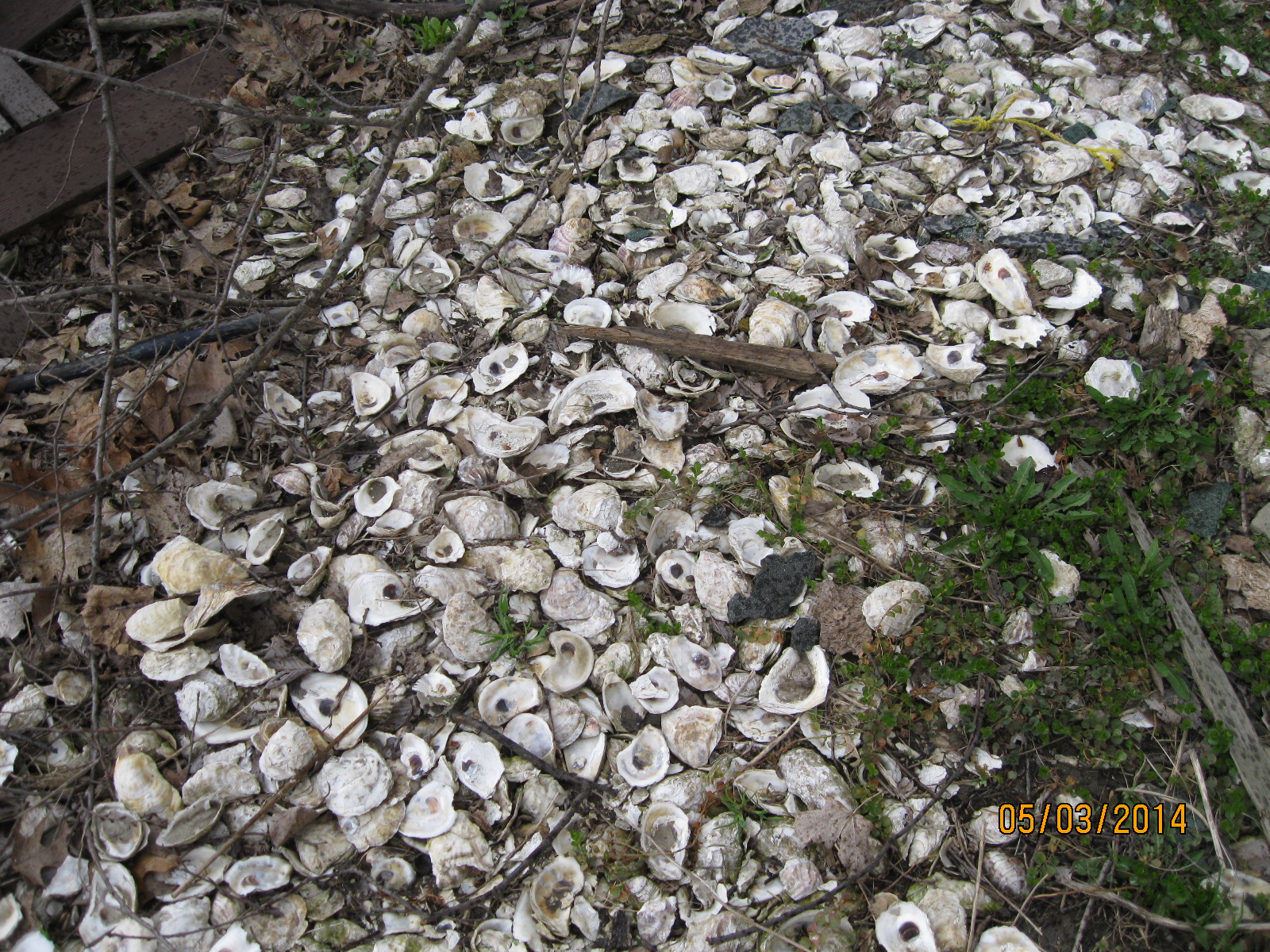
There was a small strip that contained hundreds of freshwater clam shells.

IMG_1868

This is an excellent hike if you like bird watching as we identified  more than 30 different species.  Among them were many waterbirds, including Egrets, King Fishers, Swans, Cormorants and Terns.

IMG_1871


It was also nice to see the willows turning green and everything else coming into bud.  It seems late this year, maybe that makes it a little more beautiful to see.

IMG_1867


Old Eglinton Road

Sunday April 27th, 2014

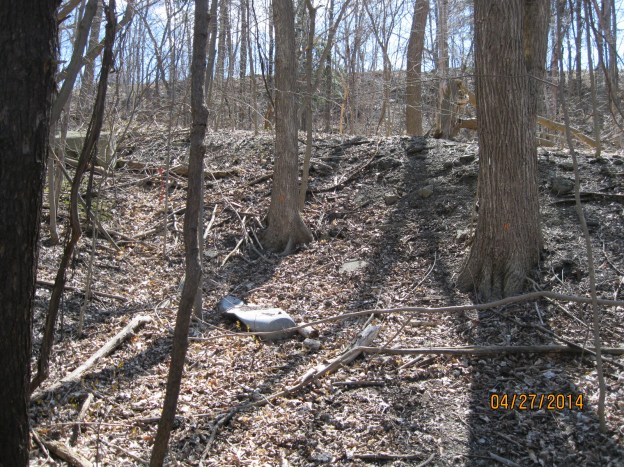
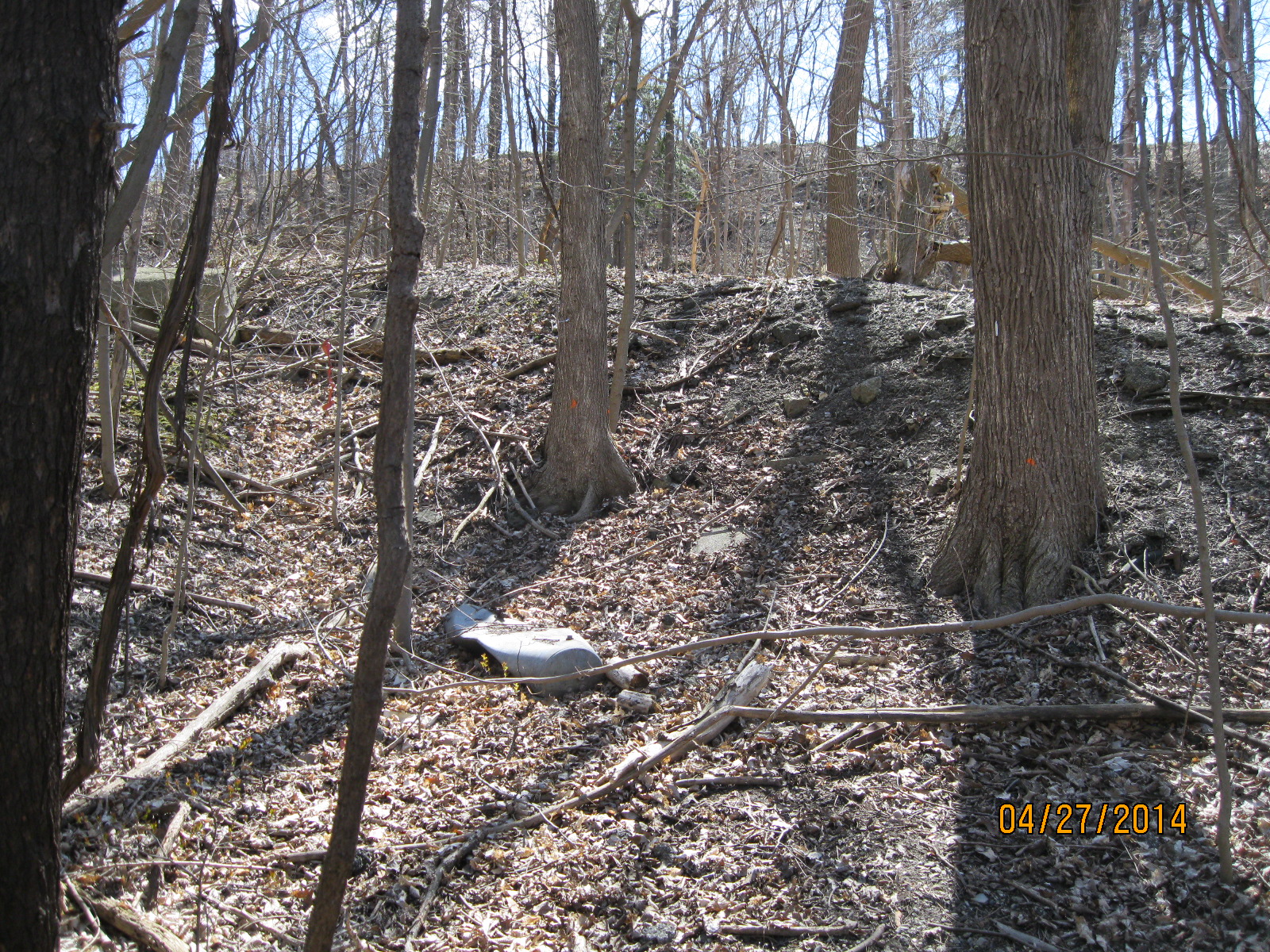
It was a bright sunny afternoon around 10 degrees.  I entered the woods at the east end of the Eglinton Ave. bridge over the East Don River.  As you go into the south east you come quickly to the first storm drain.  Cross above the drain and make your way through the cedar woods towards the bottom of the hill and the CPR tracks.

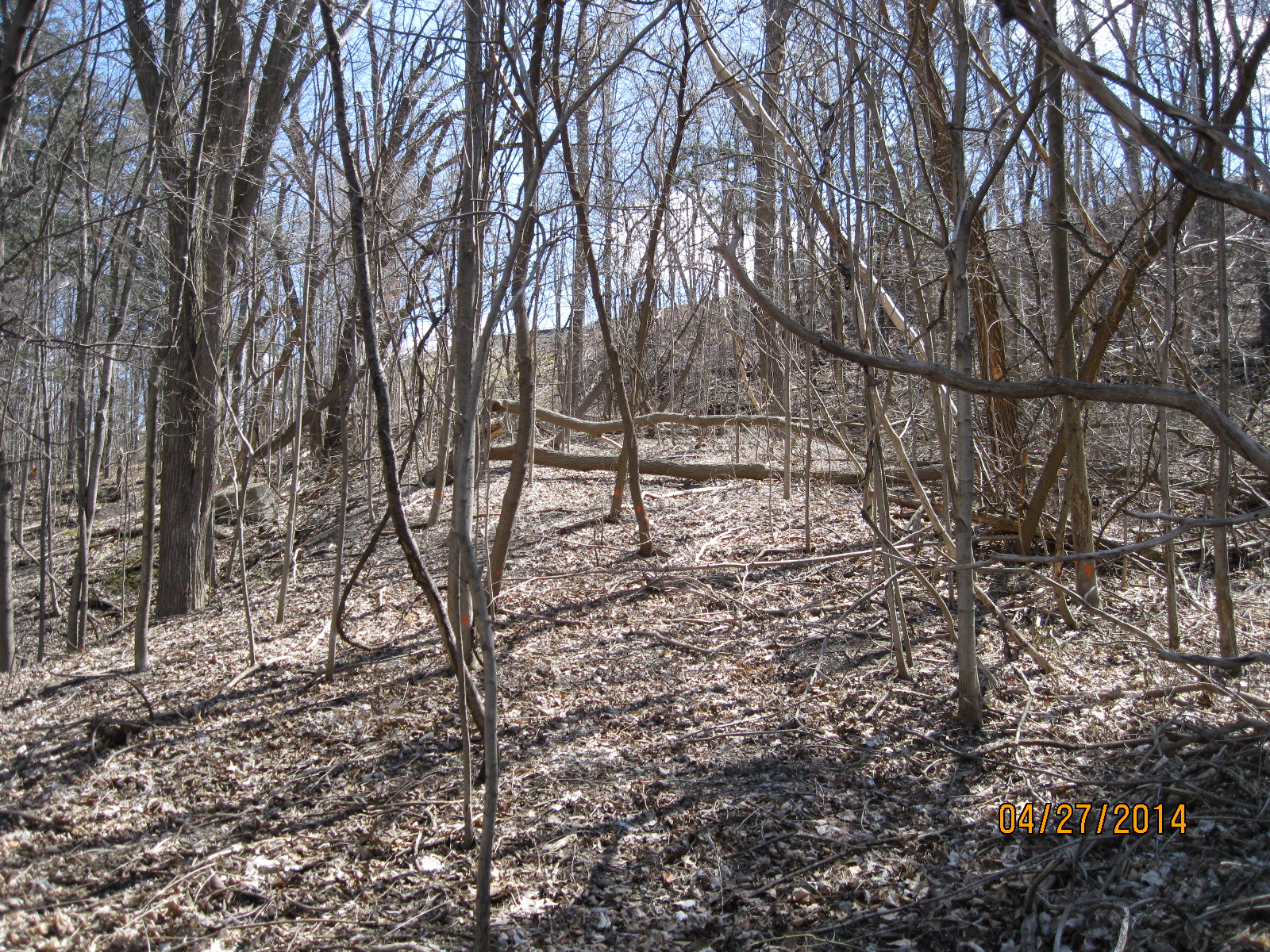
After skirting the edge of the hill for a short while you will come across a ramp coming down the hillside.  This is the end of Old Eglinton Road when it used to come down the hill and out to the railroad tracks as recently as the 1970’s.  There is some garbage along the north side of the roadway but nothing to specifically date the rubbish.  Lots of Ketchup bottles but unfortunately Heinz never took to dating their bottles.

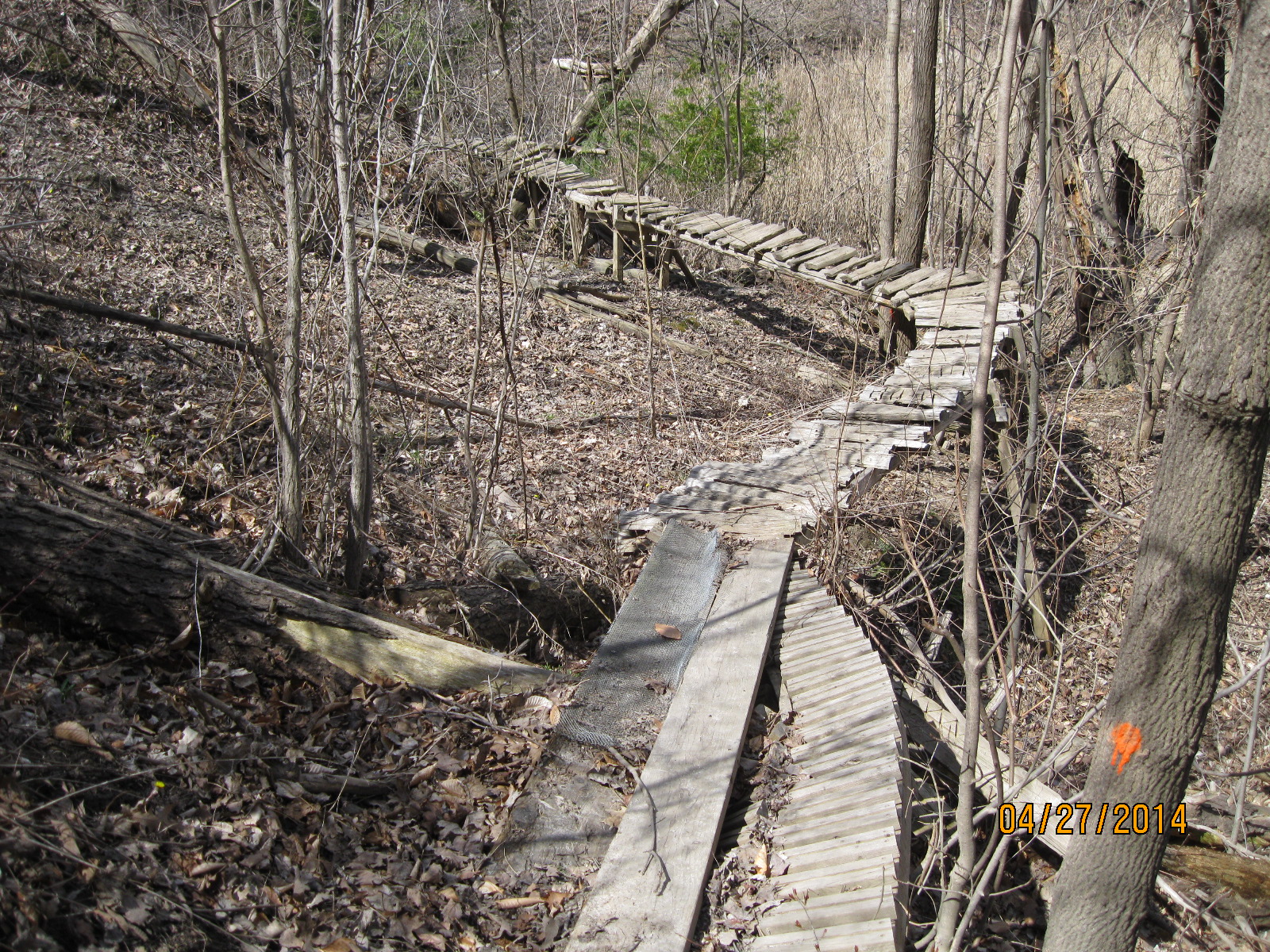
Following the trail a little further brings you to a small stream that disappears under the railroad tracks and runs under the golf course to the East Don River.  If you take the trail away from the tracks and midway along the side of the hill you will come to a place to cross the stream where it flows out of a large culvert.  Crossing the culvert and turning to your right you will find a set of five footings from an old bridge.  The footings on the north side have been broken up, but still remain.  I disturbed a pair of cardinals who likely have a nest here.  As usual they’re a little camera shy and don’t sit still long enough to get their picture taken.

Old Eglinton Road as seen in this 1971 aerial photo.  The road can be seen cutting through the trees in the lower right hand corner.  The new Eglinton Ave is marked where it runs a couple hundred meters north of the old road.


Eglinton 1971

The north side of the bottom end of Old Eglinton Road as it descends the hill.

IMG_1839


Looking up the hill on Old Eglinton road the trees are well established.

IMG_1840


Hiking by myself, I decided not to try this bridge.  There is a little trail that will lead you up and around.

IMG_1844


Hiding in the trees and leading straight up the hill into the side of a building are five concrete supports for a bridge.  As of this writing I can’t find anything on them.


IMG_1848

Visit us at http://www.facebook.com/hikinthegta

Humber River at Finch and Islington

Saturday, April 20, 2014

Islington Avenue and Finch Avenue.

It was a sunny morning around 3 degrees C.  The first part of the hike was in the south-west corner of the intersection.  This is a small area where there is fairly recent growth with lots of underbrush.  We found an old culvert set in shale rocks in the brush.  The roadway that passed over it would have run north-south parallel to Islington.   Aside from the culvert, we saw plenty of deer tracks in the woods.

Crossing Finch, we hiked in the north-west corner of the intersection.  Here there is an old roadway which has been closed off from its connection with Finch Ave.   Research from the Toronto Archive aerial photographs shows this area was closed off between 1983 and 1992, likely when Finch was extended across the river.

A large deer, likely a buck was seen climbing the hill to the west of the old road.  We didn’t see it again but there are lots of trails littered with piles of deer poop.  We also saw the carcass of a dead animal, perhaps a beaver.  Lots of birds were seen including woodpeckers, robins, ducks and geese.  High up in the trees we could see that the buds were out but at ground level, there was still no sign of new growth.

1983 Aerial photo of Islington and Finch.

Finch 1983

1992 Aerial photo of Islington and Finch

Finch 1992

It has now been closed for about 25 years but it appears to be maintained at least enough that the broken trees from the Dec. 23, 2013 ice storm have been cleared away.  On the south side of Finch all traces are lost except the culvert.

IMG-20140419-00152

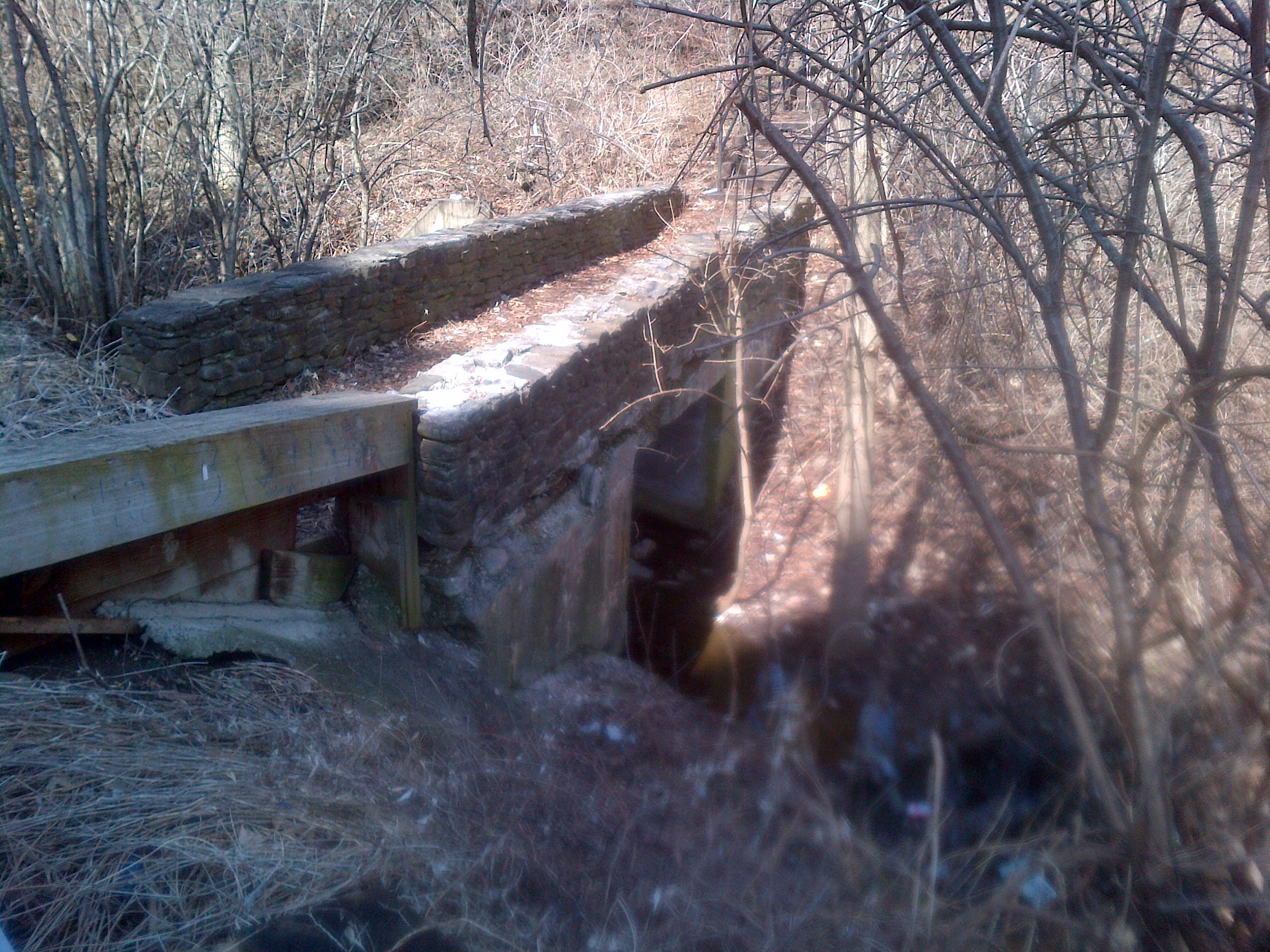
A little further along was found an older foot bridge across a side stream that runs through the ditch.  This bridge is made of poured concrete with a layer of river rocks on the top which gives it its aged look.

IMG-20140419-00153

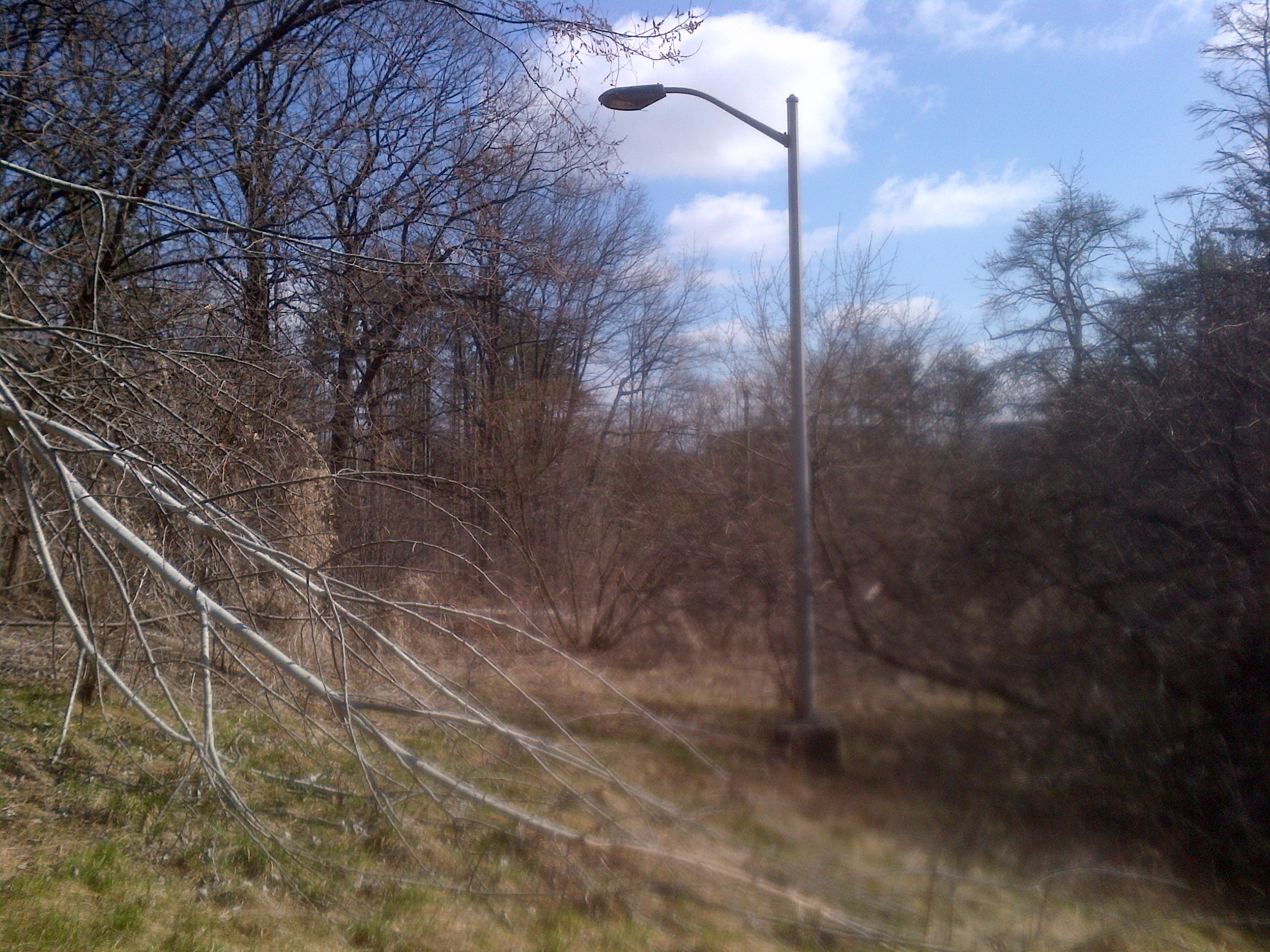
An older pathway down from a school ground to the roadway has been totally overgrown.  The lamp posts are all that mark the pathway.

IMG-20140419-00154

(A return visit in October 2016, told the story of this site as the Country Hospital For Sick Children)

Like us at http://www.facebook.com/hikingthegta

Follow us at http://www.hikingthegta.com